REVIEW · TRIER
Trier: Wine and Food Tour – Round trip with wine tasting on a double-decker bus
Book on GetYourGuide →Operated by Trier Tourismus und Marketing GmbH · Bookable on GetYourGuide
Wine country wakes up fast in Trier. This 90-minute double-decker bus tour mixes a quick city orientation with a guided wine tasting and a short stroll through the vines. You’ll travel round trip from the Porta Nigra area while a live guide ties Trier’s Roman-era streets to its Moselle wine tradition.
I especially like two things: the way the guide makes the wine world practical, from pruning to harvesting, and the payoff of a scenic tasting stop where the views make the glasses taste even better. I also like that you sample classic Moselle styles like Riesling and Pinot Blanc, not just one generic pour.
One possible drawback: the tour runs in German only, and it’s not suitable for people with mobility impairments, so plan accordingly.
In This Review
- Key highlights worth your time
- Trier’s 2,000-Year Wine Setting: Why This Tour Works
- Getting There at Porta Nigra: Quick Start, No Guesswork
- The Double-Decker City Drive Along the Moselle: A Fast Orientation
- Vineyard Stop and Short Walk: From Pruning to Harvesting
- The Wine Tasting: What You’ll Taste and How to Think About It
- The Trier Skyline Wine Glass: Small Souvenir, Real Value
- Price and Time: Is $40 Worth a 90-Minute Ride?
- Who This Tour Suits (and Who Might Skip It)
- Practical Tips So You Enjoy Every Minute
- Should You Book This Trier Wine and Food Tour?
- FAQ
- How long is the Trier wine and food tour?
- What does the tour cost?
- Where do I meet the tour?
- Is wine tasting included?
- What kinds of wines are tasted?
- Is there walking involved?
- What language is the tour guide?
- Who is the tour not suitable for?
- Is cancellation possible for a refund?
Key highlights worth your time
- Double-decker city + Moselle drive: you get moving context fast, without hunting for sights on your own.
- Riesling and Pinot Blanc tasting: enough variety to understand the differences, without turning it into a long wine session.
- Vineyard walk with real cultivation talk: you’ll learn what pruning and harvesting actually mean on the ground.
- Clear German-language guidance: live explanations keep the tasting from feeling like random sips.
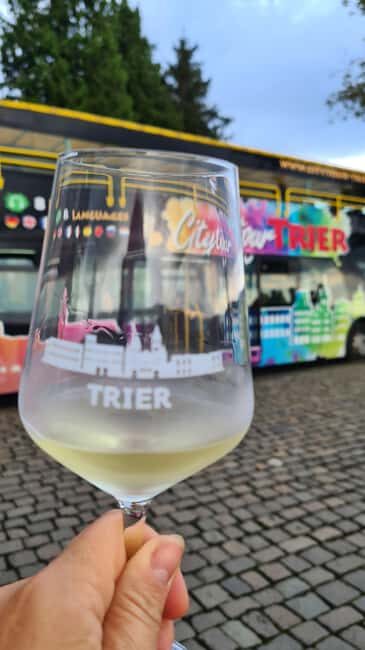
- Trier skyline keepsake: each participant gets a glass with the Trier skyline.
Trier’s 2,000-Year Wine Setting: Why This Tour Works
Trier sits in Rhineland-Palatinate on the Moselle wine route, and it leans hard into its long winemaking story. The area’s wine-growing tradition goes back over 2,000 years, so you’re not just tasting a product—you’re tasting a place that has been doing this for a very long time.
What makes this tour feel like more than a standard tasting is how it connects time periods. You’ll hear facts that tie Trier’s history to wine culture, and the guide uses simple examples to make older ideas feel current. That matters when you only have 90 minutes—your brain needs shortcuts.
You’ll also get the kind of wine talk that usually stays stuck in wine-shop jargon. Expect explanations around terms like feinherb and halbtrocken, plus some memorable oddities—like the mention that Trier once had a crematorium wine. Even if you never use those terms again, you’ll walk away with context.
You can also read our reviews of more food & drink experiences in Trier
Getting There at Porta Nigra: Quick Start, No Guesswork
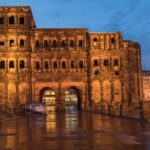
The meeting point is at the corner of Margaretengässchen & Simeonstraße, by Intersport Plum, on the Porta Nigra bus platform 5. I like that this is a specific, easy-to-navigate landmark area—Trier’s old center can feel like a maze if you’re arriving without a plan.
From the start, the tour is set up for a smooth rhythm: board, move, listen, taste. That’s a big deal on tours like this because getting stuck in confusion costs you the one thing you can’t replace here—time. You’ll be back at the same meeting area at the end.
One note: the guide is live and the tour language is German. If your German is basic, you might still enjoy the experience by focusing on the visible steps in the vineyard stop and the tasting notes the guide provides, but the finer details will be harder to catch.
The Double-Decker City Drive Along the Moselle: A Fast Orientation
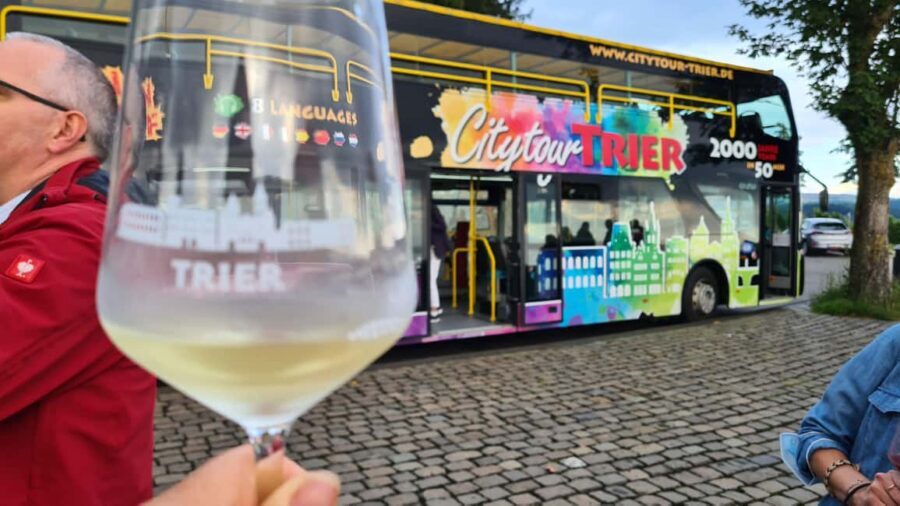
Once you’re onboard, you’ll do a guided city tour combined with bus time along the Moselle. This is the part that helps you get your bearings fast. Trier has enough historic texture that it’s easy to wander around and not connect the dots; the bus route gives you a storyline while you’re moving.
The guide’s job here is to turn roadside views into meaning. You’ll pick up stories and surprising anecdotes about Moselle wine and the city, and you’ll start to understand why certain vineyards and neighborhoods matter to winegrowing culture.
This drive isn’t just sightseeing. It’s also a build-up act for the tasting and the vineyard walk. By the time you step into the vines, you’ll know what you’re looking for: the basics of how grapes are managed, and why local conditions shape the style in your glass.
Vineyard Stop and Short Walk: From Pruning to Harvesting
A highlight is the short stroll through the surrounding vineyards. This part is brief, but it’s not vague. You’ll get info about cultivation right on site—how vines are tended, how pruning plays a role, and how harvesting fits into the bigger seasonal picture.
If you’ve ever tasted wine and wondered what you should be noticing in the vineyard, this is where the tour gives you handles. You’ll be able to connect the work you hear about (pruning, timing, harvesting) to the wines being sampled. That’s the best use of a short walking stop: it turns questions into understanding.
Keep expectations realistic. It’s a short walk, not a hike. Still, it’s a real change from sitting on a bus, and it’s the section that tends to make the day feel personal—because you’re standing where grapes grow, not just hearing about them.
A fun learning angle that comes up during the vineyard discussion: you’ll hear about how wine sweetness and balance show up in terms like feinherb and halbtrocken. Those aren’t just label vocabulary; they’re practical ways to describe what to expect in the glass.
The Wine Tasting: What You’ll Taste and How to Think About It
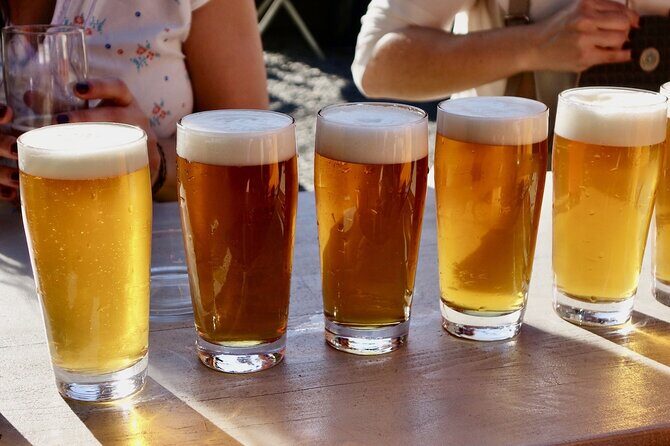
The tasting is guided, and you’ll sample a few local wines. The tour specifically mentions regional styles such as Riesling and Pinot Blanc, which is a great pairing for a first-time Moselle visitor. Riesling is the headline grape of the region, and Pinot Blanc helps you compare without needing a deep wine vocabulary.
The guide frames the tasting with stories and practical explanations. That means you’re not just tasting four ounces and hoping for notes; you’re learning what to notice—acidity, balance, and the general flavor direction associated with each style.
The best part of a tasting on a short tour is that it teaches you how to continue on your own. After you leave, you’ll be better at reading your own preferences: whether you’re drawn to a more delicately tart profile or to a more elegant, smoother-leaning style like Pinot Blanc.
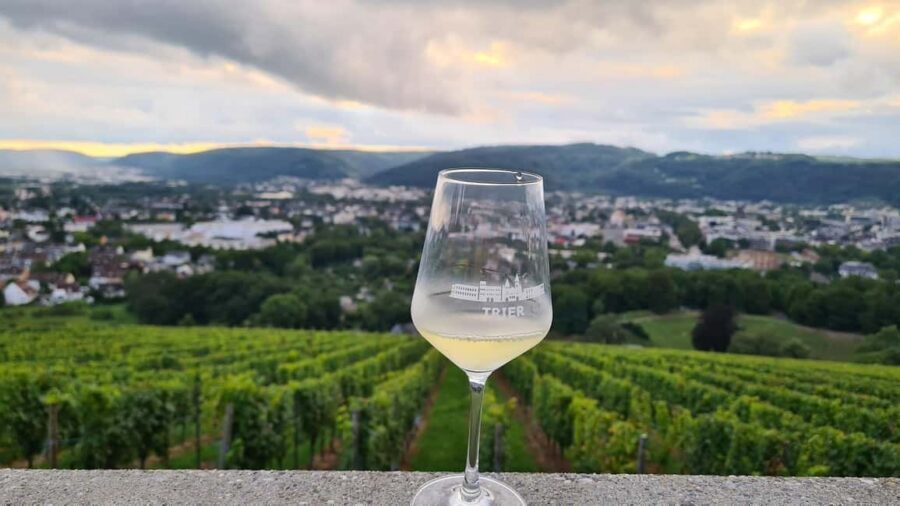
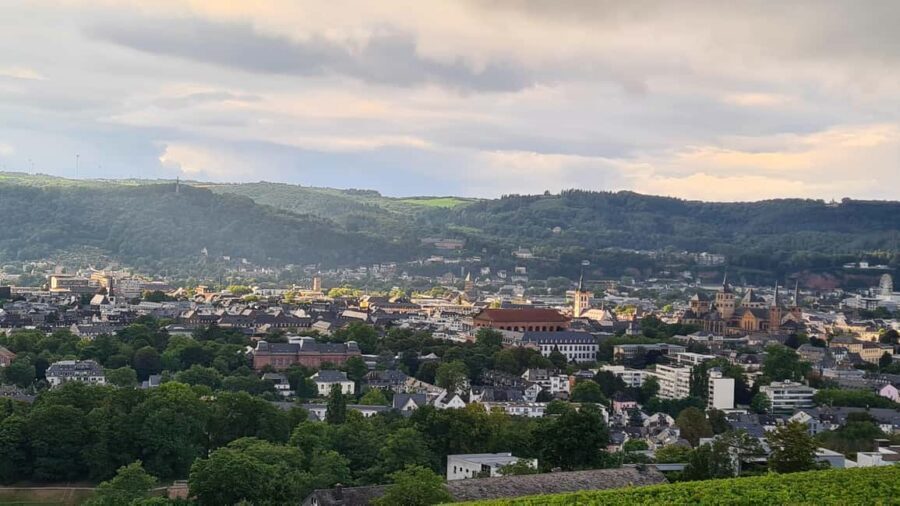
You may also experience a tasting stop connected to the Petrisberg area, with views that can be especially strong near sunset (timing varies with the day). Even if you’re not a “stand and stare” person, do it for the wine. It’s a reminder that in places like this, the scenery isn’t decoration—it’s part of why the wine culture feels so alive.
The Trier Skyline Wine Glass: Small Souvenir, Real Value
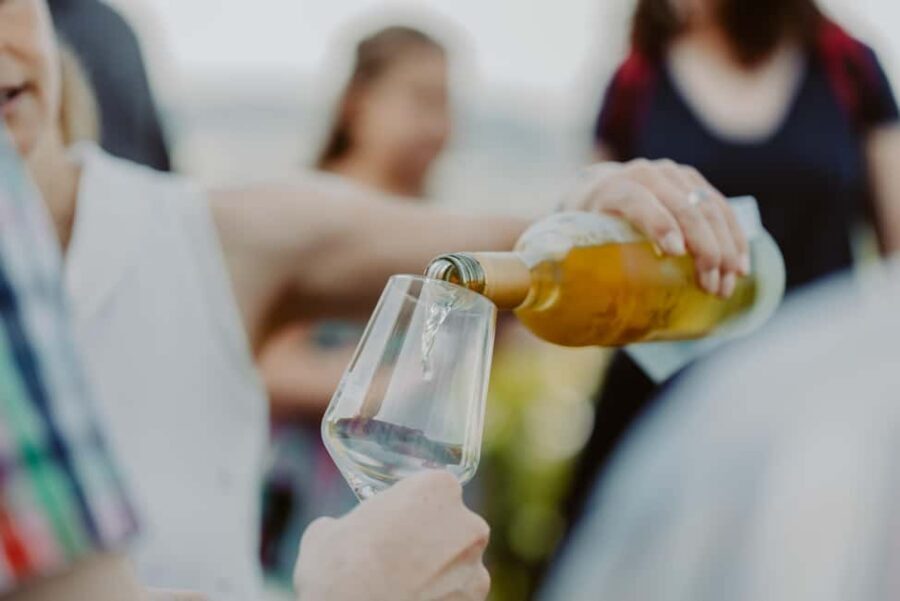
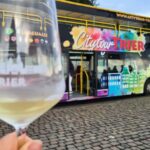
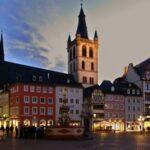
Each participant receives a glass with the Trier skyline. It’s a simple included extra, but it adds value in a way that actually makes sense for this kind of tour. You’re not just buying a memory; you’re getting something you’ll likely use later, and it becomes a reminder of the specific tasting and viewpoint you experienced.
This also matters because the tour is only 90 minutes. Short tours can feel forgettable if you don’t take away something tangible. Here, the skyline glass acts like a built-in bookmark: it keeps the experience from dissolving into a blur of historic streets and wine talk.
Price and Time: Is $40 Worth a 90-Minute Ride?
At about $40 per person for 90 minutes, you’re paying for three things at once: guided city context, a guided tasting, and a vineyard walk. For Trier, that’s a fair rate because you’re getting structure. You don’t have to piece together a route, find a tasting room, or schedule separate activities.
The value is strongest if you want an efficient first visit. This tour is designed to give you a workable overview—enough history and wine education to help you enjoy the rest of your day in Trier (and to pick future wine stops with more confidence).
If you already know a lot about Moselle wine and want a deeper, longer tasting session, you might feel this is too short. The tour deliberately keeps it tight: bus time, stories, a short walk, and a tasting. Think of it as a smart introduction rather than a full wine education course.
Who This Tour Suits (and Who Might Skip It)
I’d steer you toward this tour if you’re the type who likes your travel with a bit of learning, but not homework. It fits well for:
- First-timers in Trier who want quick orientation
- Wine lovers who want a guided tasting with clear explanations
- Travelers who enjoy stories and scenic moments, not just checklists
I’d think twice if you need barrier-free access, since the tour is not suitable for people with mobility impairments. I’d also be cautious if you don’t read or understand German, because the live guide is German-speaking only. You can still enjoy the visuals and the overall flow, but the detailed wine explanations will be harder to follow.
Practical Tips So You Enjoy Every Minute
Plan for this tour as a compact rhythm: listen on the bus, taste at the stops, then walk briefly in the vineyards. Wear shoes that work on uneven ground. Even a short vineyard stroll can feel different from flat sidewalks.
If you’re the driver in your group, treat the tasting as tasting, not a full meal replacement. The tour is built around wine, so your best move is to pace yourself and save your big dinner appetite for afterward.
Bring the right mindset too. Don’t try to memorize every term the guide mentions. Instead, pick one or two ideas to remember, like the difference between feinherb and halbtrocken, or the way pruning and harvesting influence what you taste later. That’s how the information sticks.
And if you want the most from the scenic tasting moment, hang with the view. On days when the Pyrisberg-area viewpoint is part of the highlight, it’s worth slowing down for a few photos and a quiet sip.
Should You Book This Trier Wine and Food Tour?
I’d book it if you want a well-paced intro to Trier’s wine culture in a short window. The combination of city orientation, guided Moselle storytelling, a short vineyard walk, and a tasting of classic regional styles like Riesling and Pinot Blanc makes this a practical use of time—especially at your first stop in Trier.
Skip it if you want a long tasting, detailed winery history, or a multilingual experience. The tour is German-only and designed to move, not linger.
If your goal is to leave Trier with better wine instincts and a clear sense of where the city fits into the Moselle story, this is a strong bet for the price and the time.
FAQ
How long is the Trier wine and food tour?
It lasts 90 minutes.
What does the tour cost?
The price is $40 per person.
Where do I meet the tour?
Meet at the corner of Margaretengässchen & Simeonstraße (near Intersport Plum), at Porta Nigra bus platform 5.
Is wine tasting included?
Yes. The tour includes tasting a few local wines.
What kinds of wines are tasted?
The tour includes regional wines such as Riesling and Pinot Blanc.
Is there walking involved?
Yes. You’ll take a short stroll through the vineyards.
What language is the tour guide?
The live tour guide speaks German.
Who is the tour not suitable for?
Children under 16 are not suitable, and it is also not suitable for people with mobility impairments.
Is cancellation possible for a refund?
Yes. You can cancel up to 24 hours in advance for a full refund.