REVIEW · TRIER
Trier: Mosel wine meets history – wine tour with cellar visit
Book on GetYourGuide →Operated by Trier Tourismus und Marketing GmbH · Bookable on GetYourGuide
Old-town Trier tastes better with a guide. This 2-hour circular walk ties Mosel wine to standout sights like Porta Nigra and the Hauptmarkt, with three guided tastings along the way. I like that it keeps the focus tight: you learn without feeling like you’re doing a full-day pilgrimage. I also like the payoff at the end, when the Palais Kesselstatt wine cellar turns the tasting into something you can actually picture.
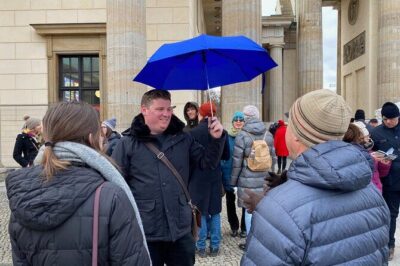
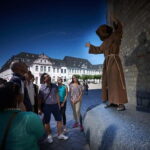
You get a smooth rhythm: walk a bit, listen, taste, then walk again. The tour is structured around key Trier landmarks, so the story lands right where it happened—rather than floating in the air. If you’re lucky enough to have guide Xaver, you’ll likely get that easy, friendly delivery that makes the history feel human instead of textbook.
One consideration: it’s a walking tour with German live guiding, and the group moves through areas where background noise can make it harder to catch every word. You might want to keep your listening expectations realistic, especially in busy town spots.
In This Review
- Key things I’d focus on before you go
- Trier wine meets architecture: what makes this tour click
- Starting at Porta Nigra with Elbling bubbles
- Hauptmarkt Trier: where Riesling sharpens the story
- Domfreihof and the walk that keeps moving, not wandering
- Palais Kesselstatt cellar: the most atmospheric glass of the day
- Price and value: is $34 a good deal?
- Pace, language, and what to do with your attention
- Who this tour is best for (and who should skip it)
- Practical tips so you get more out of every stop
- Should you book the Trier Mosel wine-and-history tour?
- FAQ
- How long is the Trier wine tour with a cellar visit?
- How much does the tour cost?
- Where does the tour start?
- What tastings are included?
- How long is the walking portion?
- Is the tour suitable for children?
- What language is the live guide?
- Is there a cancellation option?
- Can I pay later?
Key things I’d focus on before you go
- Three tastings designed to match Trier’s main stops, not random sips
- Porta Nigra starts you off with a glass of sparkling Elbling
- Hauptmarkt Riesling gives you a crisp taste of the Mosel style
- Palais Kesselstatt cellar delivers the most atmospheric wine moment
- A guided pace that teaches you without marching through every street
Trier wine meets architecture: what makes this tour click
Trier has the kind of old-town setting that makes you want to wander on your own. But this tour does something smarter: it gives you a reason to look closely at the buildings while also tasting the region’s wines in the places they belong. In just two hours, you bounce from a Roman gate vibe to a market-square scene, then land in a historic cellar where wine feels less like a product and more like a local craft.
The smartest part is the flow. Instead of doing a “wine tour” that only happens between stops, this one treats wine as a lens for understanding Trier’s development. You walk, you learn, you drink—then repeat. That keeps your attention locked in, and it helps the information stick.
And yes, you’ll be tasting. The tour includes a sparkling Elbling at the start, a Moselle Riesling at the main market, and a glass of sparkling wine in the Palais Kesselstatt cellar. That sequence is a nice way to compare styles: lighter, crisp bubbles up front; tart Riesling at the city’s heart; then a more atmospheric cellar sip to close things out.
You can also read our reviews of more historical tours in Trier
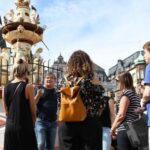
Starting at Porta Nigra with Elbling bubbles

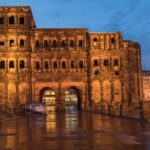
You’ll meet at the Tourist Information office area, right in front of the entrance. From there, the walk begins at Porta Nigra, Trier’s iconic gate. Even if you’ve only seen photos, this is the kind of place where you immediately understand why it’s a starting point for a history-and-wine experience.
The tour kicks off with a glass of sparkling Elbling. Elbling is one of those grapes that’s strongly tied to the region, so starting with it sets the tone: you’re not tasting generic wine—you’re tasting Mosel identity. A sparkling pour works well early, too. It’s a light start before you settle into listening and walking.
What I like here is how the tasting and the landmark reinforce each other. Porta Nigra isn’t just a backdrop; it’s the first clue in the bigger story about why wine and trade mattered around Trier. You’re building context before you reach the market square and the cellar, so the later tastings feel earned.
If you’re sensitive to strong flavors, note that sparkly wines can feel sharp when you’re fresh-walking. That’s not a dealbreaker—just a heads-up to sip slowly and pace yourself.
Hauptmarkt Trier: where Riesling sharpens the story
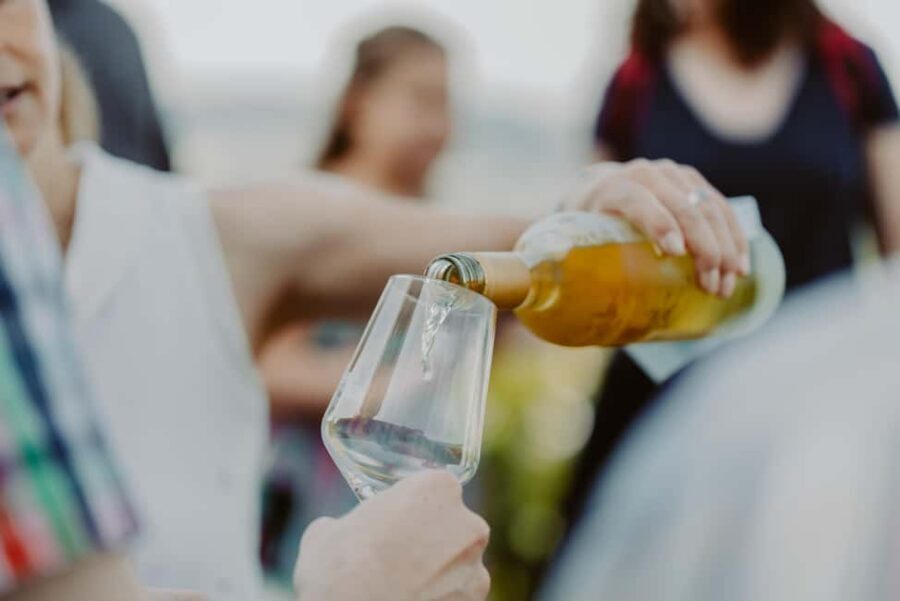
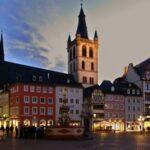
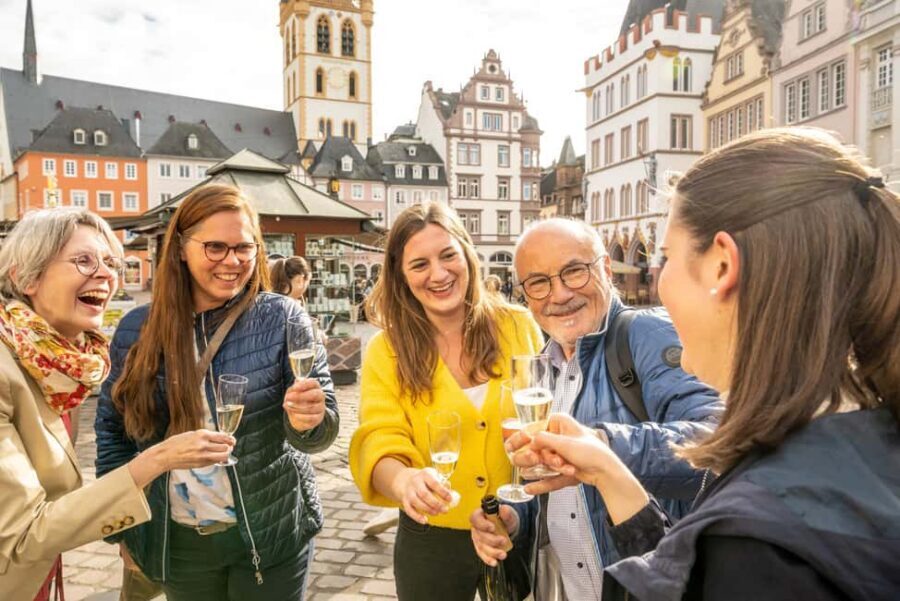
Next comes the Hauptmarkt, Trier’s main market square. This is one of those places where the city feels concentrated—easy to picture as a real meeting point in earlier centuries. The tour uses that setting well: you’re not simply standing in one place; you’re hearing about wine’s role in the city while the square’s energy keeps it grounded.
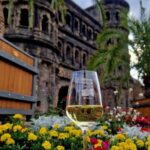
Here, you get the Moselle Riesling tasting. This is the tour’s “tart clarity” moment. Riesling from the Mosel is often described in terms of acidity and precision, and the way this tasting is placed makes sense. After being at a monumental gate, you move into the civic heart of Trier. Then the wine reflects that: crisp, focused, and easy to compare to what you’ll drink next.
The practical value for you: if you’re not an expert, Riesling is a beginner-friendly checkpoint. You’ll likely recognize what you enjoy—whether it’s the clean bite, the balance, or how it pairs in your mind with local foods. And because the tour gives you a tasting here, you can tune your palate before the final cellar stop.
One small reality check: some parts of the route can be noisy, and that can make it harder to catch every detail. If you want to understand everything, don’t pretend you’ll hear perfectly at full volume. Focus on the big points: why the grape matters and how wine shaped Trier’s growth.
Domfreihof and the walk that keeps moving, not wandering
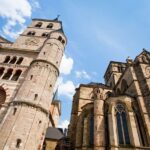
After the market stop, the route continues with more guided storytelling around the old-town lanes, including a stop by Domfreihof. This is where the tour shifts from “look at this place” to “connect the dots.”
The structure matters. You’re learning facts about the history of wine in Trier and why it mattered for the city’s development, but you’re doing it while the streets keep changing. That helps prevent the classic walking-tour problem: zoning out while hoping the guide will reach the next highlight.
I also appreciate that the itinerary avoids making you feel like you have to cover the entire city. One of the tour’s strengths is the feeling that you learn a lot without spending your whole day walking every possible block. It stays focused on key stops and keeps the route comfortable for a 2-hour window.
As for drawbacks, this is where crowd noise can pop up again. If you find it tough to follow spoken history through background clatter, bring your attention back to the visual anchors: the buildings, the squares, and the approach toward the cellar area. Even if you miss a detail, you’ll usually still understand the overall theme.
Palais Kesselstatt cellar: the most atmospheric glass of the day
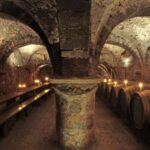
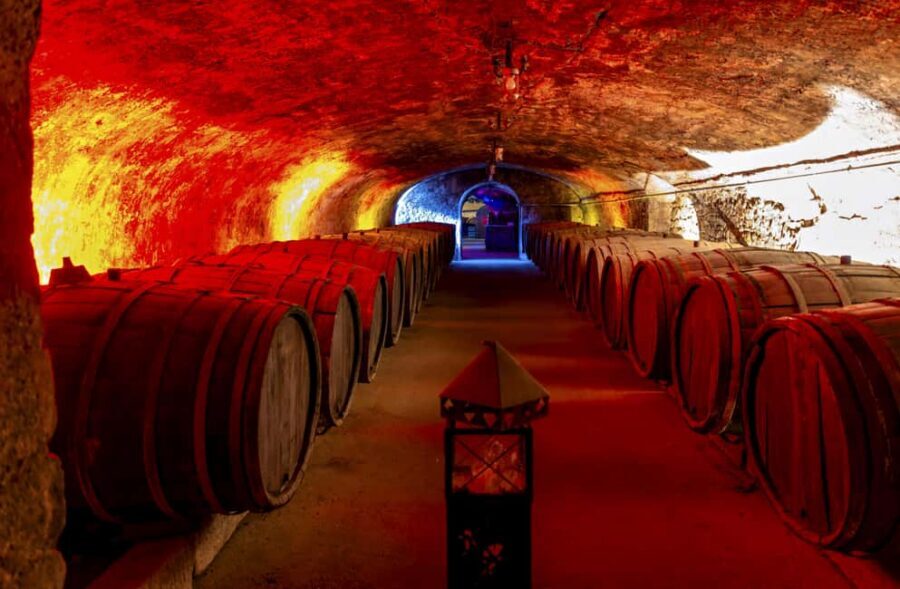
The finale is the visit to the historic wine cellar at Palais Kesselstatt. This is the highlight because it changes the tasting from something you sample into something you experience. You’re surrounded by old walls, and the wine feels embedded in the setting rather than poured for convenience.
Here, you enjoy a glass of sparkling regional wine. This is the third tasting, and it plays a special role: it’s the one you finish with, so it becomes your “memory sip.” The cellar setting helps you remember not just the taste, but the vibe—cool air, stone surroundings, and that sense of time that you can’t get from a tasting room.
What to watch for: the tour experience here may feel like a short guided entry rather than a full roam through every possible passage. If you’re the kind of person who loves exploring every corner of a historical place, you might notice you only see part of the cellar area before moving on. That said, you still get the core value: the wine served inside a historic space tied to Trier’s wine identity.
If you’ve got questions, this is a great moment to ask. The guide can connect the tasting to how the region grows, styles its wines, and why certain traditions survive. With a guide like Xaver, expect the story to stay approachable and answer your curiosity without talking down.
You can also read our reviews of more wine tours in Trier

Price and value: is $34 a good deal?
At about $34 per person for roughly 2 hours, this tour competes well with other wine-and-city experiences because you’re paying for three specific tastings plus guided storytelling tied to major Trier sites.
Here’s how the value math tends to work for you:
- You’re not just buying wine; you’re buying context for the wine. The tastings happen at Porta Nigra, Hauptmarkt, and in the Palais Kesselstatt cellar, which turns them into a themed route.
- Three tastings in a short timeframe usually cost more if you were to piece together entry fees and guided help on your own.
- The guiding time matters. A two-hour program is short enough that the cost feels easier to justify, especially when you’re also getting a structured walking tour.
The main thing to consider is whether you’re traveling for wine depth or for sightseeing. If you want a long, detailed cellar session with heavy technical explanations, this might feel light. But if you want the sweet spot—wine tastings that point you back to Trier’s landmarks—the price feels fair.
Also, the tour is for adults and isn’t suitable for children under 16, which can be a positive if you want a more mature atmosphere.
Pace, language, and what to do with your attention
This is a live guided experience in German. Some parts of the experience may be shown in the original language. That matters because if you don’t speak German, you may miss nuances even if you still understand the overall flow.
Still, you can plan for success:
- If you read a little German, you’ll likely catch more of the details and enjoy the story even more.
- If you don’t, focus on what you can gather visually and through key repeated themes: the places, the grapes, and the idea that wine shaped Trier’s development.
- Keep your expectations realistic in louder parts of town. There’s a reason a good guide matters; they can still steer you even when you can’t hear every word.
One more pacing note: you’ll be walking. Nothing here suggests a strenuous hike, but it is a city-walk format. Wear comfortable shoes. This is the kind of tour where the best experience comes from not thinking about your feet every five minutes.
Who this tour is best for (and who should skip it)
I think this experience fits best if you want a short, well-structured dose of Trier that doesn’t require planning, and you’re curious about Mosel wine but don’t want a giant, complicated program.
You’ll probably enjoy it if:
- you like your sightseeing connected to local culture, not just photos
- you want three tastings with a clear route
- you appreciate history that’s explained in real-world settings
- you want a guide who can answer questions without turning it formal
You might want to skip or switch plans if:
- you need fully English-language guiding and the language barrier would ruin your enjoyment
- you’re looking for a long cellar tour with lots of walking through multiple areas
- you hate any walking tour format, even short ones
Practical tips so you get more out of every stop
Before you go, I’d set yourself up for an easy win:
- Sip slowly, especially at the first tasting by Porta Nigra. Sparkling wines can go down fast and you’ll want to stay sharp for the cellar.
- Ask one question early. If you get Xaver as your guide, you’ll likely find the explanations are friendly and tied to the places you’re seeing.
- Take your cue from the route. When you’re at the market square, think about what you’re tasting in relation to city life. When you’re in the cellar, think about how the setting affects the wine’s character.
- If you struggle with hearing in busy spots, don’t fight the background noise. Watch the guide, listen for the key points, and rely on what you can see.
Should you book the Trier Mosel wine-and-history tour?
If you want a two-hour plan that feels both local and practical, I’d say yes. This is the kind of experience where wine tastings are not an add-on—they’re the organizing thread that makes Trier feel understandable fast. You get three Mosel-oriented drinks, a guided walk through Trier’s old town, and a historic cellar visit at the right emotional pitch: the end of the tour.
Book it if you’re after a smooth, lightly paced introduction to Trier’s wine world and you’re comfortable with German guiding. Skip it if hearing clearly in public spaces is a big concern for you or if you’re looking for a longer, deeper cellar exploration.
FAQ
How long is the Trier wine tour with a cellar visit?
The tour lasts about 2 hours.
How much does the tour cost?
It’s listed at $34 per person.
Where does the tour start?
The meeting point is directly in front of the Tourist Information entrance in Trier.
What tastings are included?
You get 1 glass of sparkling Elbling at Porta Nigra, 1 glass of Riesling at the Hauptmarkt, and 1 glass of sparkling wine in the wine cellar of Palais Kesselstatt.
How long is the walking portion?
It’s a circular walk through Trier’s old town designed to be manageable within the 2-hour duration.
Is the tour suitable for children?
No. It’s not suitable for children under 16.
What language is the live guide?
The live tour guide speaks German.
Is there a cancellation option?
Yes. You can cancel up to 24 hours in advance for a full refund.
Can I pay later?
Yes. The offer includes reserve now & pay later.