REVIEW · TRIER
Trier: Early morning tour without the hustle and bustle and with less noise
Book on GetYourGuide →Operated by Mit dem frühen Vogel durch Trier · Bookable on GetYourGuide
Trier feels different before 9 a.m. This early bird tour lets you see classic highlights when the streets are still calm and the city sounds fade down, sometimes with that bakery smell drifting by. I love the way the timing turns Trier into a place you can actually hear your guide over your own thoughts, not over scooters, tour groups, and shop crowds.
My second favorite part is the pace and the people size. You’ll be in a small group of up to 10, which makes it easier to ask questions and stay focused on details. The guide, often named Nathalie, is praised for being lively and genuinely fun, with stories that can even hook teenagers for real.
One thing to consider: this is not an inside-architecture tour. You’ll enjoy exterior viewing and guided context at key places, but cathedral and other interior visits are not included, so plan your expectations around walking and seeing from the outside.
In This Review
- Key highlights worth waking up for
- Why the early start matters in Trier
- Meet at Porta Nigra and get your bearings fast
- Hauptmarkt: where the tour pauses the most
- Dom St. Peter cloister stop: short but meaningful
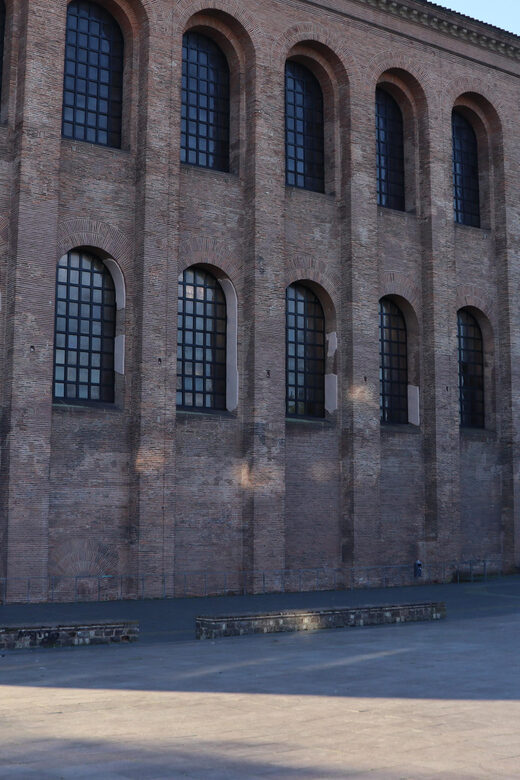
- Aula Palatina: the longest stop for a reason
- Kaiserthermen finish: a calm ending instead of a scramble
- Price and value: what $24 buys you
- Timing, days, and language rules you should know
- What’s included on the walk (and what isn’t)
- Who this tour fits best
- Should you book the early bird tour?
- FAQ
- How long is the Trier Early Bird Tour?
- Where do I meet for the tour?
- Which days does the tour run, and what time does it start?
- What languages are offered?
- Is the tour wheelchair accessible?
- What is not included in the tour?
Key highlights worth waking up for
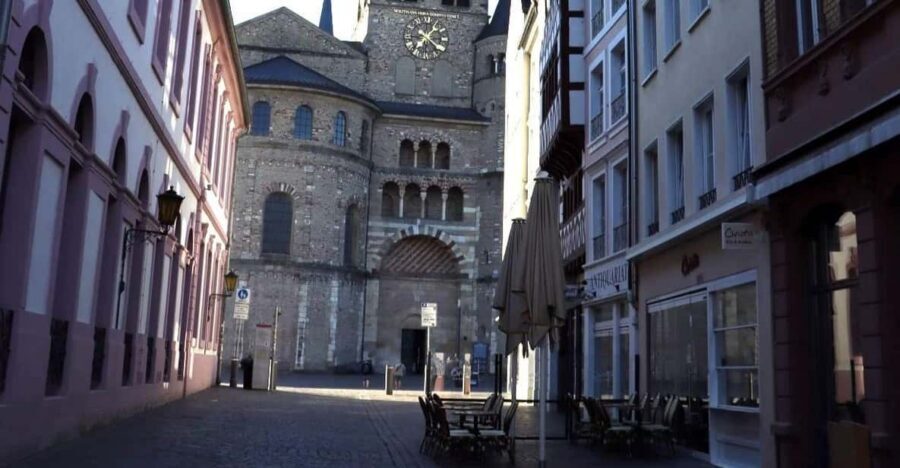
- Quiet city hours: the route is designed for when Trier is still empty enough to listen.
- Small group energy: limited to 10 participants, so the tour stays personal.
- World Heritage itinerary: you pass major named sites in Trier’s center and beyond.
- Wheelchair accessible: the tour is set up for barrier-free participation.
- Photo-friendly stops: fewer people out means less crowd clutter in pictures.
- Nathalie’s storytelling: lively, entertaining explanations that keep attention.
Why the early start matters in Trier
This tour works because Trier is at its best before the day gets loud. You’re out while streets are still quiet and empty, but the city is already awake in a gentle way. It’s the rare tour format where you’re not fighting the noise just to hear the next sentence.
For me, this “less noise, fewer people” recipe is not a small perk. It changes how you experience the sights. When the sidewalks aren’t packed, you can look longer, pause for photos without dodging strangers, and actually absorb what your guide is connecting between places.
Another practical win: there are free benches along the way. That sounds like a tiny detail until you’re walking for the first time in a new city early in the day and want an easy reset without hunting for a café table.
You can also read our reviews of more tours and experiences in Trier.
Meet at Porta Nigra and get your bearings fast
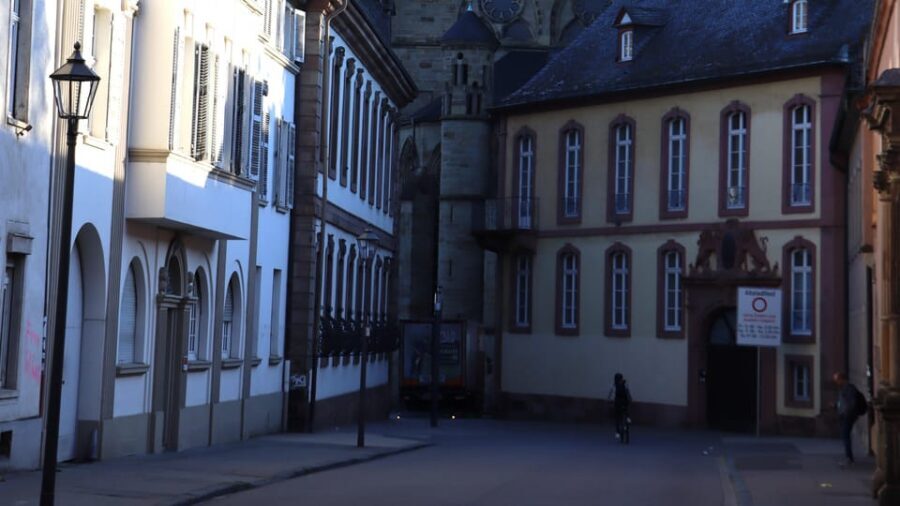
You start at Porta-Nigra-Platz, right by the Tourist Information Center. It’s a smart meeting point because Porta Nigra is the kind of landmark you can use as a visual anchor. Even if you arrive a few minutes early, you’ll feel oriented quickly instead of playing guessing games.
From there, you begin with a short photo stop and guided look at Dreikönigenhaus. This is a small block of time—about 5 minutes—but it sets the tone: you’re moving through Trier’s center with commentary, not just following a route sign.
Then comes Judengasse. Plan for about 10 minutes here, with another photo stop and guided sightseeing. This is the kind of place where a guided explanation helps you read the street better. When you’re walking early and the alleyway isn’t crowded, it feels calmer and more legible.
Hauptmarkt: where the tour pauses the most
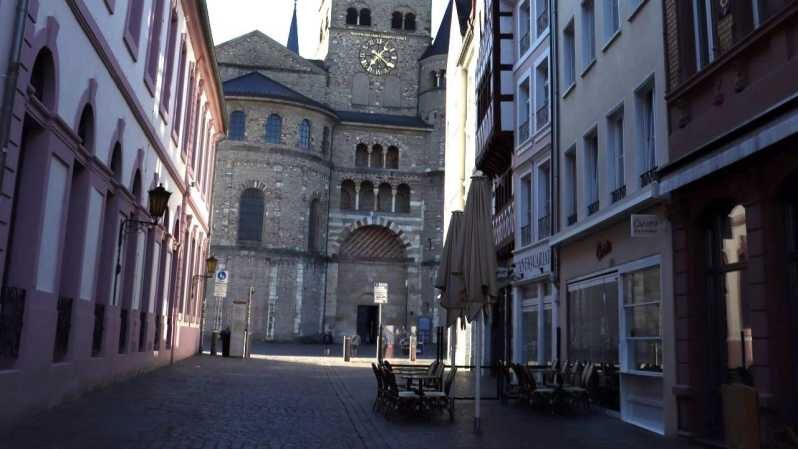
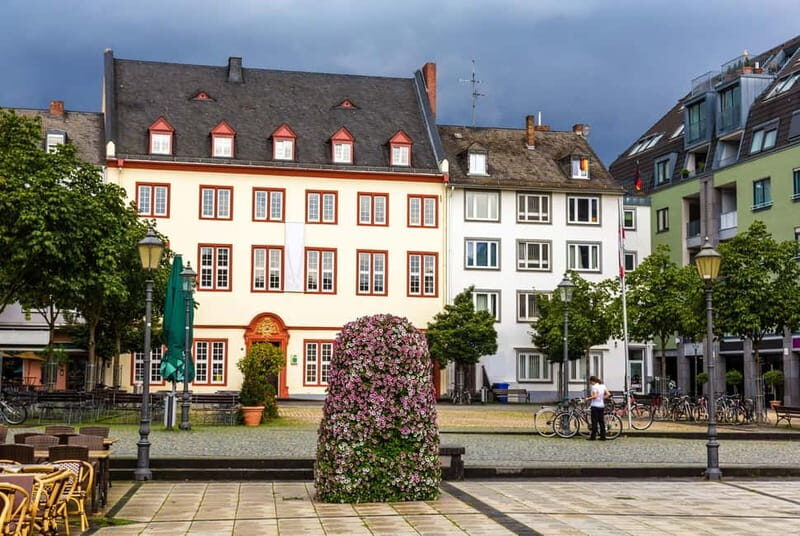
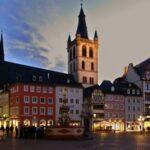
Next you’ll reach Hauptmarkt, Trier for around 20 minutes. This is one of the longer stops on the classic itinerary, which usually means your guide has the most to connect here—how the town’s key landmarks relate to each other and what to notice while you’re standing there.
Because this is early morning, Hauptmarkt is likely to feel open and uncluttered. That matters if you care about photos. It’s one thing to get a picture of a square; it’s another to get a picture without a stream of strangers crossing the frame every few seconds.
If you’re sensitive to noise or overstimulation, this is a good place to slow down. You’re not being rushed through a photo spot like it’s a conveyor belt. You’ll have time to listen, then look, then listen again.
Dom St. Peter cloister stop: short but meaningful
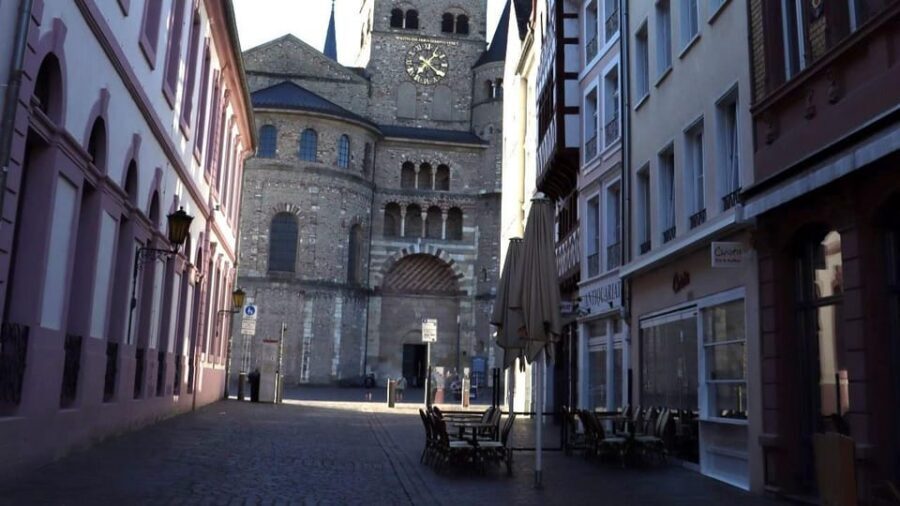
After Hauptmarkt, the route takes you to the Kreuzgang im Dom St. Peter for about 10 minutes. You get a photo stop plus guided sightseeing here. It’s not a long visit, but the format fits the theme of the tour: classic landmarks, clear storytelling, and just enough time at each point to feel oriented.
I like these shorter stops when the group stays small. You don’t get the fatigue of standing for too long, and you still get context so the sight isn’t just a name on a brochure. If you prefer tours where you can keep your attention, this pacing is friendly.
Also, because Trier is still quiet at this hour, you’re less likely to feel like you’re standing in a bottleneck. That’s a big deal if you’re the kind of person who gets overwhelmed by crowds, even if you technically can handle walking through them.
Aula Palatina: the longest stop for a reason
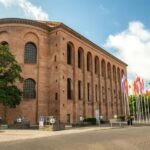
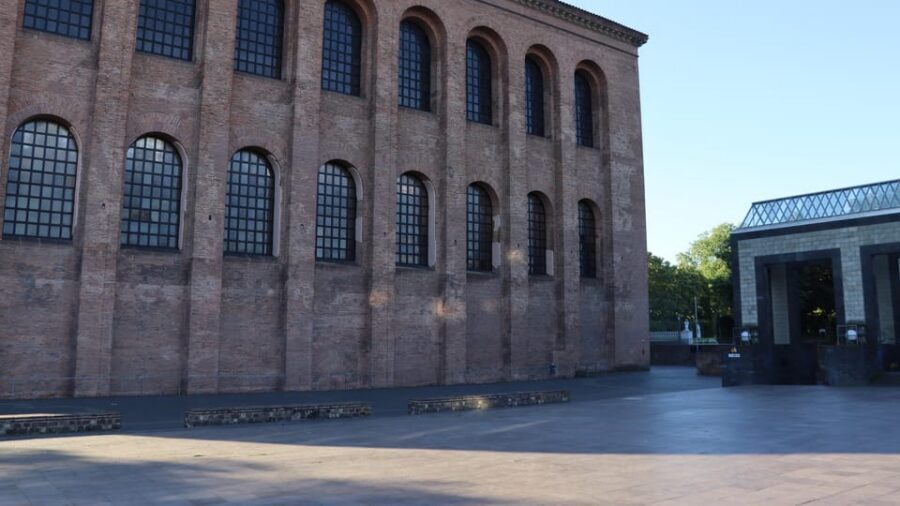
The next and biggest block of time is Aula Palatina, Trier at about 25 minutes. This one is longer than most stops, which is a strong hint that you’ll get more guided explanation and more chances to pause for photos and questions.
This is where the early-bird strategy pays off again. When there aren’t many people around, your guide can take time connecting the dots between what you’re seeing now and the broader story of the city. And you’re not forced to rush because the crowd ahead of you is building.
If you’re traveling with kids or teens, this longer stop can work well. In the past, younger visitors have been reported as enjoying the way the guide makes history feel like a story you can follow, not a list you have to memorize.
Kaiserthermen finish: a calm ending instead of a scramble
The tour ends at Kaiserthermen. You finish after 120 minutes total, which is a solid length for a city walk without turning into an all-day event. And finishing with the last sight at an hour when the city is still waking up means you’re not stuck feeling rushed at the end.
This ending point also supports the emotional tone of the whole tour. You’re not sprinting to catch a bus while the streets get louder and busier. You’re done at a time when you can choose what comes next—breakfast, a slower second walk, or simply sitting down somewhere and letting the morning settle.
Price and value: what $24 buys you
At about $24 per person for a 2-hour guided experience, this is priced like a straightforward city tour. The value comes from two things working together: a real guide and the early timing.
You’re paying for more than movement on foot. You’re paying for interpretation—someone guiding you through Trier’s key landmarks and explaining what you’re looking at while the city is still quiet. That’s especially valuable if you want the World Heritage sites experience without the pressure of big crowds.
You also benefit from the group limit. A small group means you’re not one face in a mass of people who all need the guide’s attention at once. For many visitors, that makes a bigger difference than adding “bells and whistles” to the itinerary.
Timing, days, and language rules you should know
This tour runs on Fridays and Saturdays, starting at 8:00 a.m. (or earlier). If you love cities but hate crowds, this timing is the whole point. If 8 a.m. feels too early, be honest with yourself: the tour is built for morning calm, not late starts.
Language is another practical thing. The tour is conducted in one language only—either English or German—and the first person who books decides the language. That means you should check carefully before you go, especially if you’re counting on English or German.
There’s also a realistic expectation-setting item: the tour includes guided sightseeing at key landmarks, but not interior access. So you’re not choosing this tour if you specifically want to go inside St. Peter’s Cathedral, the Church of Our Lady, the Basilica, or the Imperial Baths. You’ll see important stops and get the context, but entry and interior tours are not included.
What’s included on the walk (and what isn’t)
Included:
- A 120-minute guided classic itinerary through major World Heritage sites in Trier
- Guided sightseeing and photo stops along the route
Not included:
- Coffee
- Interior visits (including St. Peter’s Cathedral, Liebfrauen Church, the Basilica, and the Imperial Baths)
This is good to know because it helps you plan your morning. If you want coffee, grab it on your own before you meet. The tour itself is about walking and listening, not adding long museum-style stops.
Also, because it’s a classic highlights route, it’s ideal for first-timers who want structure. If you already know Trier well and want deep specialized topics, you might prefer a different kind of tour. But if you’re trying to get oriented early, this format is a strong match.
Who this tour fits best
This is the kind of tour I’d recommend if you:
- prefer quieter mornings over crowded afternoons
- want a barrier-free walking experience
- need a small group size for comfort
- like guided storytelling rather than wandering alone with a map
It’s also a great fit for neurodiverse travelers who are sensitive to noise and big crowds. The whole design—early start, small group, and bench-friendly pacing—reduces the sensory chaos that can come with more popular sightseeing tours later in the day.
Kids and teens can do well here too, especially if your guide keeps things lively. Accounts of Nathalie-style storytelling suggest the explanations land in a way that feels engaging rather than lecture-heavy.
Should you book the early bird tour?
Yes, if your ideal Trier morning looks like quiet streets, shorter photo pauses, and a guide helping you connect the main dots. The early start is not a gimmick here—it’s the tool that makes the whole experience easier to enjoy.
You might skip it if you’re specifically chasing interior access or you need a later start to function. Since the tour does not include cathedral and other interior visits, you’ll be happiest if you’re good with exterior viewing plus guided context.
If you want an efficient, comfortable way to see Trier’s top landmarks without the usual crowd pressure, this tour is a smart choice—especially at the 8:00 a.m. hour when the city is at its calmest.
FAQ
How long is the Trier Early Bird Tour?
The tour lasts 2 hours.
Where do I meet for the tour?
You meet at the entrance to the Tourist Information Center right next to Porta Nigra.
Which days does the tour run, and what time does it start?
It runs on Fridays and Saturdays, starting at 8:00 a.m. (or earlier).
What languages are offered?
The tour is available in German or English, and it’s run in one language only. The first person to book decides whether it will be English or German.
Is the tour wheelchair accessible?
Yes, it’s wheelchair accessible.
What is not included in the tour?
Coffee and interior tours (including St. Peter’s Cathedral, Liebfrauen Church, the Basilica, and the Imperial Baths) are not included.