REVIEW · HAMBURG
Hamburg: Speicherstadt and HafenCity Tour
Book on GetYourGuide →Operated by Hamburg-Stadtführung · Bookable on GetYourGuide
Some cities switch gears every block. Hamburg does it in two neighborhoods.
This tour pairs the old trade-world of Speicherstadt with the new, design-forward HafenCity, so you get one city told two ways. I like the way the Speicherstadt buildings form a harmonic picture even though different architects shaped it. I also like that you’re not just looking at facades; the walk gives you context for how the area was made for convenience, not beauty.
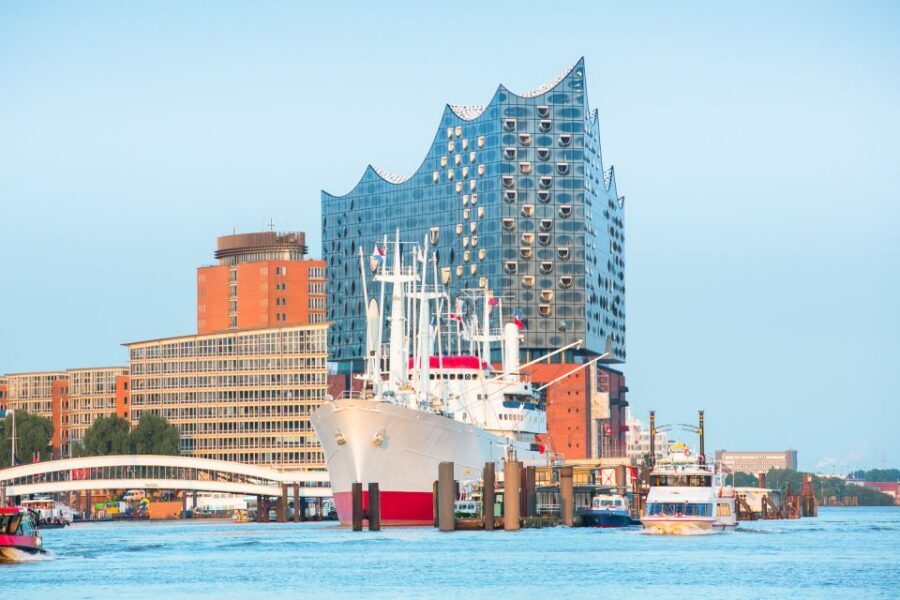
The HafenCity side brings the contrast home with modern, sophisticated architecture and clear maritime flavor. You’ll end the experience with the Elbe Philharmonic Hall, a project that’s been controversial and started in 2007, which makes the whole ending feel like a real conversation about the city’s direction. I like that the tour is short enough to fit without draining your day.
One caution: this is a 2-hour walking tour, so if you want lots of independent time inside museums, you may want to plan extra time around your favorites.
In This Review
- Key takeaways before you go
- Hamburg’s Speicherstadt and HafenCity in 2 hours
- Where the tour starts: Sandtorkai 74, corner of Sandtorkai/Kaiserkai
- Speicherstadt: a storage district designed for convenience
- The Kesselhaus stop (except Mondays) and why it’s worth it
- Follow your nose: coffee roaster or Spice Museum
- HafenCity architecture walk: modern lines, maritime flair, and big debates
- Elbe Philharmonic Hall: the controversial project that ends the story
- Price and value: $18 for a guided contrast, not just a walk
- Who should book this tour, and who should think twice
- Should you book? My decision checklist
- FAQ
- How long is the Hamburg Speicherstadt and HafenCity tour?
- What does the tour cost?
- Where is the meeting point?
- What language is the live guide?
- Is the tour wheelchair accessible?
- What is included in the ticket price?
- Is food or drinks included?
- What is the cancellation policy and can I pay later?
Key takeaways before you go
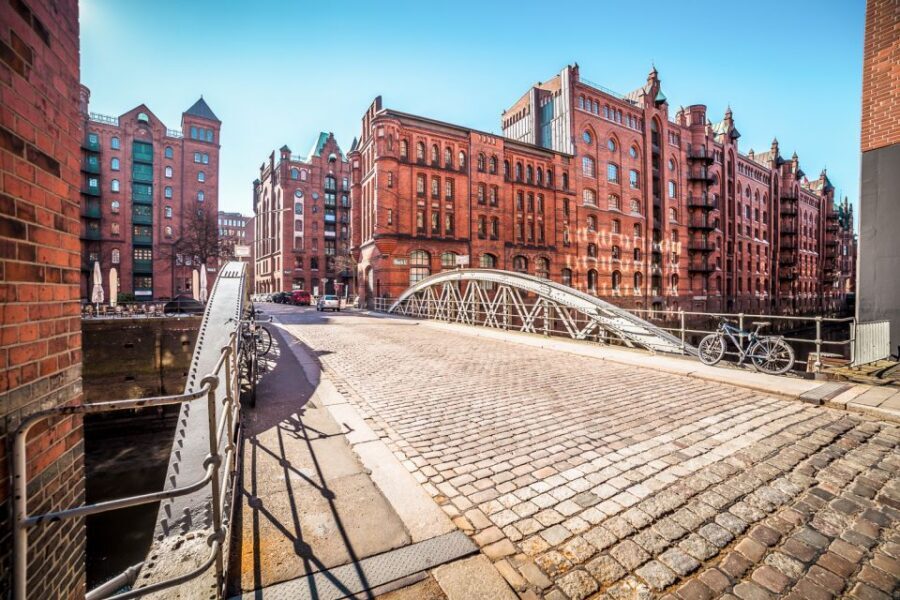
- Speicherstadt history in plain language: built for convenience, not beauty, and shaped by different architects into one overall look.
- Kesselhaus visit included most days: expect an added interior stop (but not on Mondays).
- Your choice along the way: decide between a coffee roaster stop or the Spice Museum based on your own curiosity.
- Modern HafenCity architecture walk: contemporary buildings plus port energy, not just pretty photos.
- Elbe Philharmonic Hall as the finale: the controversial, 2007-start project bookends the contrast with a wow-factor architecture moment.
Hamburg’s Speicherstadt and HafenCity in 2 hours
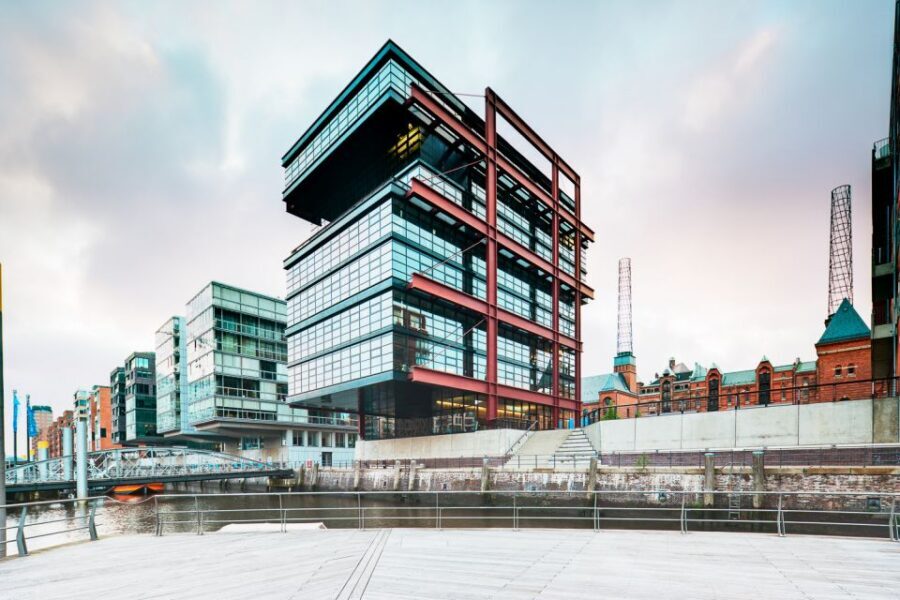
This is the kind of Hamburg tour that makes you look twice at the same city. You start in Speicherstadt, the historic warehouse district, where the mood is about function: storehouses, exposed elements, and buildings designed to get work done. Then you cross into HafenCity, where the mood shifts to modern design and maritime atmosphere, with impressive contemporary buildings that feel built for a different century.
What makes this tour useful for your planning is the pace. Two hours sounds short, but it’s enough time to build a mental map: historic storage district first, then modern waterfront development, then a strong finish point at the Elbe Philharmonic Hall. If you’re only in Hamburg for a quick stopover, this format helps you avoid the classic mistake of seeing the city as disconnected photo spots.
I also appreciate the “follow your nose” approach. You’re given choices as you go, and that keeps the experience from turning into a straight-line lecture. It’s not about checking boxes. It’s about steering your curiosity toward either a coffee roaster stop or the Spice Museum, depending on what you’d actually enjoy.
You can also read our reviews of more tours and experiences in Hamburg.



Where the tour starts: Sandtorkai 74, corner of Sandtorkai/Kaiserkai
Getting the start right makes the whole tour feel smoother. The meeting point is directly at Sandtorkai 74, on the corner of Sandtorkai and Kaiserkai. Look for the square area, in front of the stairs, beside the white wall with a hole in the middle.
That level of specificity matters. Hafen-area streets can look similar when you’re tired from travel, so having a clear visual landmark helps you arrive without stress. Also, because the tour is only 2 hours, you don’t want to waste time hunting around.
Tip: arrive a few minutes early and orient yourself with that wall detail. Once you’ve found the stairs and the corner, you’ll know you’re in the right spot. If you’re joining with someone else, set a simple “meet here, not there” plan using that hole-in-the-wall reference.
Speicherstadt: a storage district designed for convenience
Speicherstadt is where the tour’s meaning really kicks in. You’ll learn about the area in the days of the Hanseatic League and how the imposing storehouses shaped the district’s character. The key idea the guide emphasizes is simple: these buildings weren’t designed to impress as art objects. They were designed for practical use.
What I like about this focus is that it changes how you look at the architecture. Instead of judging it by modern “pretty” standards, you start noticing details that make sense for the job the buildings were built to do. You’ll also get the idea that, even with different architects, the Speicherstadt still creates a harmonic bigger picture. That’s an important point for your photo plan too. From one angle, it looks cohesive; from another, you can see the individuality in the structures.
Expect a walk that helps you connect the dots: Hanseatic trading days, the warehouse/storehouse look, and exposed elements that feel more honest than decorative. The Speicherstadt half feels like stepping into a working past, even when you’re just walking outside.
The Kesselhaus stop (except Mondays) and why it’s worth it
This tour includes a visit to the Kesselhaus on most days, with one clear exception: it’s not included on Mondays. That matters because it turns part of your experience from just viewing the district to entering and seeing a specific building as part of the story.
Why do I think this stop is a big value add? Because a historic area can become a wallpaper effect if you only look at exteriors. A building visit gives you texture. You get the feeling that Speicherstadt wasn’t built only for distant history; it’s still structured around real spaces and real architecture.
Also, the guide-led format tends to make the visit less confusing. Instead of you wandering around thinking, I hope there’s a point here, you’re usually given a reason to pay attention to what you’re seeing. One useful detail from guide praise: some guides are especially prepared with iPad photo support to reinforce what they’re explaining. That kind of visual help makes the Kesselhaus stop easier to place in the bigger “old function, old trade logic” picture.
If you’re deciding whether to book and you’ll be in Hamburg on a Monday, treat that as a small trade-off: you’ll still get Speicherstadt context and HafenCity contrast, but you won’t get this specific included interior visit.
Follow your nose: coffee roaster or Spice Museum
Here’s one of the most enjoyable features of the tour design: you’re given choices rather than one fixed “tour route problem” where everyone marches to the same door.
As you move through the Speicherstadt area, you can decide for yourself whether you’d like to visit a coffee roaster or the Spice Museum. I like this because it respects different travel personalities. If you’re a smell-and-sip person, a coffee roaster stop fits better. If you’re the type who likes sensory history and made-for-travel curiosity, the Spice Museum option makes sense.
Practical advice: before you join, think about what you do best. Do you remember stories from tasting experiences, or do you remember stories from labeled exhibits? Either answer is fine. The tour gives you a chance to match the experience to your style.
Also, having a choice inside a timed walking tour is a small but real form of control. It reduces the “I hope I’ll like it” anxiety. Even if you’re not sure which stop you’ll prefer, the guide setting you up to decide means you won’t feel trapped into the wrong vibe.




HafenCity architecture walk: modern lines, maritime flair, and big debates
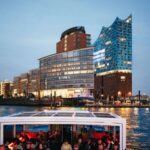
When you reach HafenCity, the mood changes quickly. This is modern Hamburg, with sophisticated architecture and buildings that reflect the area’s ambition. The tour doesn’t treat HafenCity as a single photo spot. It frames the district as a place where the city is building and negotiating a new identity alongside its working port heritage.
You’ll walk among impressive buildings and feel the maritime atmosphere in the way the waterfront space is shaped. The waterfront setting matters. It’s not just “architecture on land.” It’s architecture that belongs to a city with water, trade, and logistics in its DNA.
This section also sets up the tour’s final note of controversy. HafenCity’s development is connected to bigger city decisions, and that leads you toward the most talked-about building on your route: the Elbe Philharmonic Hall.
If you’re the type who likes architecture but gets impatient with long explanations, don’t worry. HafenCity can be enjoyed at your walking pace. The guide’s role is to help you read what you’re seeing instead of forcing you into museum-time thinking.
Elbe Philharmonic Hall: the controversial project that ends the story
The Elbe Philharmonic Hall is the finishing anchor for this tour, and it’s placed at the end of the HafenCity and Speicherstadt walking flow. That layout is smart, because it makes the contrast feel complete: practical warehouses and trade-era thinking, then modern design and the city’s future-facing scale.
The guide will point you toward the project as an exciting but controversial development, with construction starting in 2007. That date is useful. It gives you a timeline hook to interpret why this building feels like a turning point rather than just another new landmark.
Here’s the real value for you: you leave with a sense that Hamburg isn’t frozen in the past. It keeps debating itself, investing in big projects, and shaping public spaces where culture, architecture, and the city’s economic identity overlap.
Also, because the tour is only 2 hours, ending here helps you transition right away. If you want to continue your day on your own, you’ll be standing in one of the most central, visually memorable zones to do it.
Price and value: $18 for a guided contrast, not just a walk
At $18 per person for a 2-hour guided tour, this is priced like a practical city-building block. You’re not paying for dinner theater. You’re paying for a guide, structured storytelling, and an included visit to the Kesselhaus on most days.
That value shows up in three ways:
- You get the “why” behind what you see in Speicherstadt, including the idea that the buildings were created for convenience and tied to Hanseatic trading days.
- You get a HafenCity reading that turns modern architecture into more than backgrounds for selfies.
- You get a specific included stop (Kesselhaus) that adds depth beyond outside viewing.
If you tried to do this on your own, you could still visit the same areas. But without a guide, you’d likely lose time figuring out which details matter and what to focus on. With a guide-led tour at this price, you’re buying faster understanding and a smoother route that keeps the contrast coherent.
Also, the tour has a strong average rating of 4.6 across 277 entries, which is a good sign that the experience consistently lands well for most people.
Who should book this tour, and who should think twice
This tour fits best if you want a tight, story-driven overview of Hamburg with real contrast. You’ll likely enjoy it if:
- you like architecture and want to understand what you’re looking at
- you enjoy history, but not long lectures
- you prefer guided direction with a couple of personal choice moments (coffee roaster vs Spice Museum)
- you have limited time and want a clear start-to-finish route
Think twice if:
- you dislike walking and want long sit-down museum time
- you only care about one side (either Speicherstadt or HafenCity) and plan to spend hours on just that
- you’re hoping for food included in the ticket (food and drinks are not part of this tour)
One more practical point: the live guide language is German. If you don’t understand German, you may miss some of the best parts of the storytelling.
Should you book? My decision checklist
I’d book this tour if you want a smart, efficient way to see the two Hamburgs: the functional trade-world of Speicherstadt and the future-leaning architecture of HafenCity ending at the Elbe Philharmonic Hall. The included Kesselhaus visit on most days is a real boost, and the choice between the coffee roaster and the Spice Museum keeps it from feeling too rigid.
I wouldn’t prioritize it only if your schedule is Monday and you were specifically counting on the Kesselhaus stop, or if you prefer a self-guided meander with no structure at all.
If you like guides who show their points with visuals, you’ll probably click with this one. People have praised German guides for being well prepared, including use of iPad photo support, and that kind of preparation tends to make the architecture and story easier to follow.
FAQ
How long is the Hamburg Speicherstadt and HafenCity tour?
The tour lasts 2 hours.
What does the tour cost?
It costs $18 per person.
Where is the meeting point?
Meet directly at Sandtorkai 74, at the corner of Sandtorkai/Kaiserkai. It’s on the square in front of the stairs and on the white wall with the hole in the middle.
What language is the live guide?
The live tour guide speaks German.
Is the tour wheelchair accessible?
Yes, it is wheelchair accessible.
What is included in the ticket price?
You get the tour, a guide, and a visit to the Kesselhaus (except on Mondays).
Is food or drinks included?
No. Food and drinks are not included.
What is the cancellation policy and can I pay later?
You can cancel up to 24 hours in advance for a full refund. You can also reserve now & pay later.
If you want, tell me what day you’ll be in Hamburg and whether you speak German. I’ll help you decide how to pair this with a follow-up stop based on your interests.