REVIEW · TRIER
Trier: Virtual Reality City Tour “The Treverer Code”
Book on GetYourGuide →Operated by Trier Tourismus und Marketing GmbH · Bookable on GetYourGuide
Time travel, but on foot. This VR city tour in Trier pairs a live German guide with modern glasses, taking you to five ancient stops while you walk city streets that still feel Roman and medieval at the same time. I especially liked the way the Imperial Baths (Thermen Am Viehmarkt) are covered with an actual guided inside look, and the fact that the VR moments are tied to real places, not just a detached tech demo.
One thing to keep in mind: the experience runs on a fairly structured flow, and if you want long, stop-by-stop storytelling at every corner, tour pace may feel a bit “on schedule.” I also suggest going in with a curious mindset and being ready to ask questions, because the value here depends a lot on how the guide meters the background info while you’re also watching through the headset.
In This Review
- VR Through Trier: How the Tech Fits a Real Walking Tour
- The price logic (and why it feels fair)
- Frankenturm Trier: Starting in a Historic Tower That’s Usually Off Limits
- A small consideration for expectations
- Thermen Am Viehmarkt Imperial Baths: Seeing Inside While the Story Clicks
- Practical tip for the bath stop
- The Fourth VR Stop: When the Walk Turns From Viewing Into Understanding
- Why this stop matters anyway
- Aula Palatina Trier: A Guided Stop That Helps You Place Everything Else
- A word about staying comfortable
- Trier Cathedral: Ending on a Place Still Worth Looking At
- What to do at the cathedral
- VR Glasses, Language, and What Can Affect Your Experience
- VR image quality: manage expectations
- Group pace: the make-or-break factor
- Price and Value: What $32 Buys You in Trier
- Who This Tour Suits Best (and Who Might Skip It)
- Quick Practical Notes: Rain, Care, and Keeping It Smooth
- FAQ
- Where do we meet for the Trier VR tour?
- How long is the experience?
- What language is the live guide?
- Is this tour suitable for teens?
- What happens if it rains during the tour?
- Are VR glasses provided?
- Can I cancel, and how flexible is it to book?
- Is the tour wheelchair accessible?
- Should You Book the Treverer Code VR Tour?
VR Through Trier: How the Tech Fits a Real Walking Tour
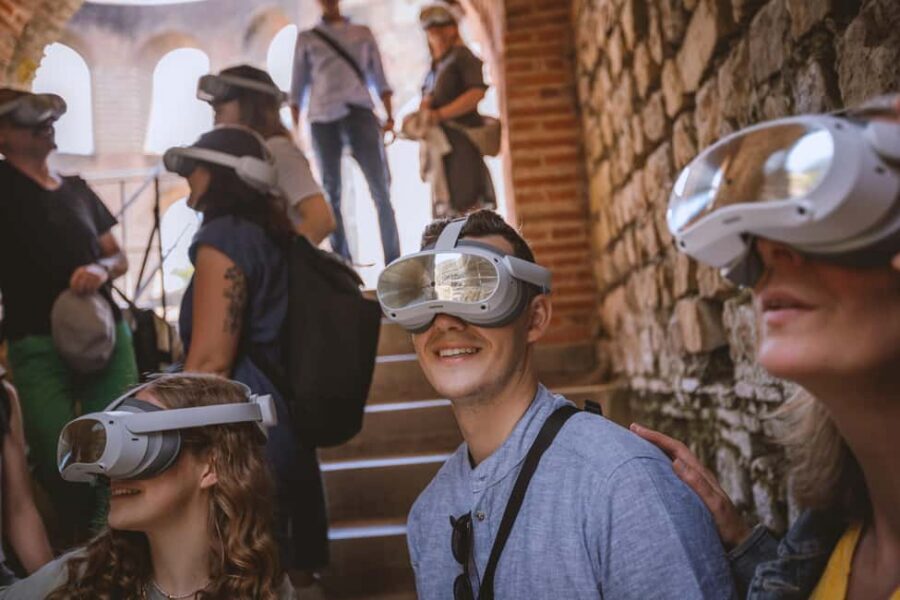
This isn’t VR alone. It’s a classic guided city walk in Trier that uses VR to add a time-travel layer at set points. You get a handheld-feeling city tour, but with a “what did this look like then” overlay when you put on the glasses.
That combo matters because Trier can be hard to read if you just wander. The stones are old, the streets are layered, and it’s easy to miss why certain buildings were important. With this format, you’re not only seeing what’s there today—you get guided interpretation while you’re physically standing in the right spot.
Two practical details make it smoother than you might expect:
- Everyone receives clean, disinfected, functional VR glasses at the start, so you’re not troubleshooting on the fly.
- The tour is designed around a 2-hour window with multiple short visits rather than one long museum-style slog.
The price logic (and why it feels fair)
At around $32 per person for roughly 2 hours, you’re paying for three things bundled together: a live guide, VR headsets for multiple locations, and access to places you can’t always reach casually. If you’re the type who hates paying extra for “guided access” but still wants meaning behind the sightseeing, this package is built for you.
You can also read our reviews of more city tours in Trier



Frankenturm Trier: Starting in a Historic Tower That’s Usually Off Limits
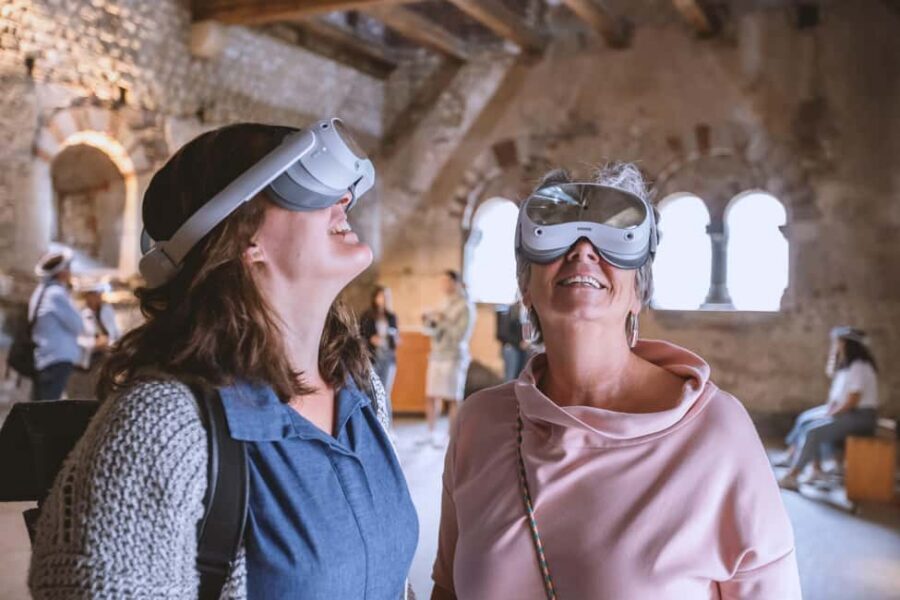
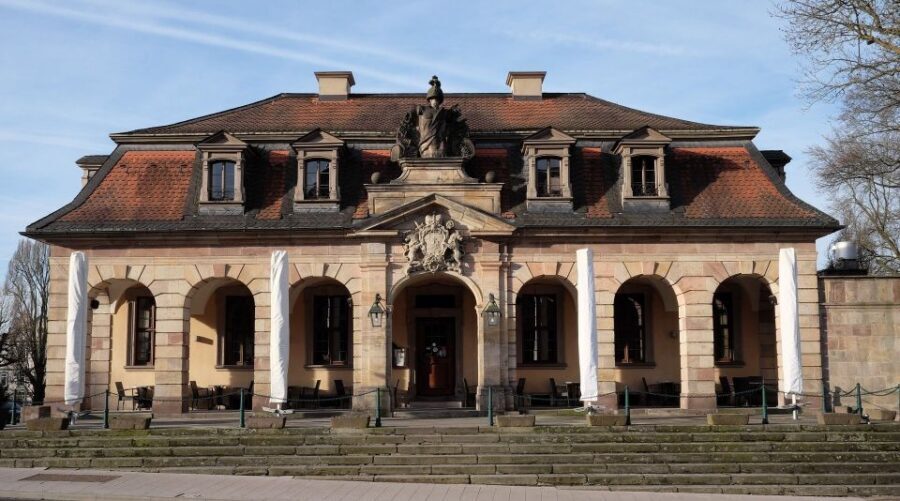
You meet at the Frankenturm Trier, a historic tower where your guide waits for the group. Even before the VR part, the meeting point is part of the pitch: this building is normally not open to the public in the same way, which gives the tour an immediate “we’re getting somewhere special” feeling.
During the tower time, you’re not just looking at a pretty façade. The guide walks you through it as a living piece of Trier’s story, then folds VR into what you see. This is one of the key strengths of the whole experience: the VR isn’t floating in space; it’s anchored to the real structure in front of you.
What I like here is the contrast. You’re in a real, walkable city. Then the glasses shift your perspective so the site makes more sense than it would from street level alone. And since Frankenturm is a known off-limits location, you’re also getting that access benefit without planning your own permissions.
A small consideration for expectations
If you imagine VR as an always-on cinematic show, adjust your mindset. You’ll put on the glasses at planned stops, then move on as you would in a regular guided tour. That rhythm is part of the charm, but it also means you’ll do more walking than sitting.
Thermen Am Viehmarkt Imperial Baths: Seeing Inside While the Story Clicks
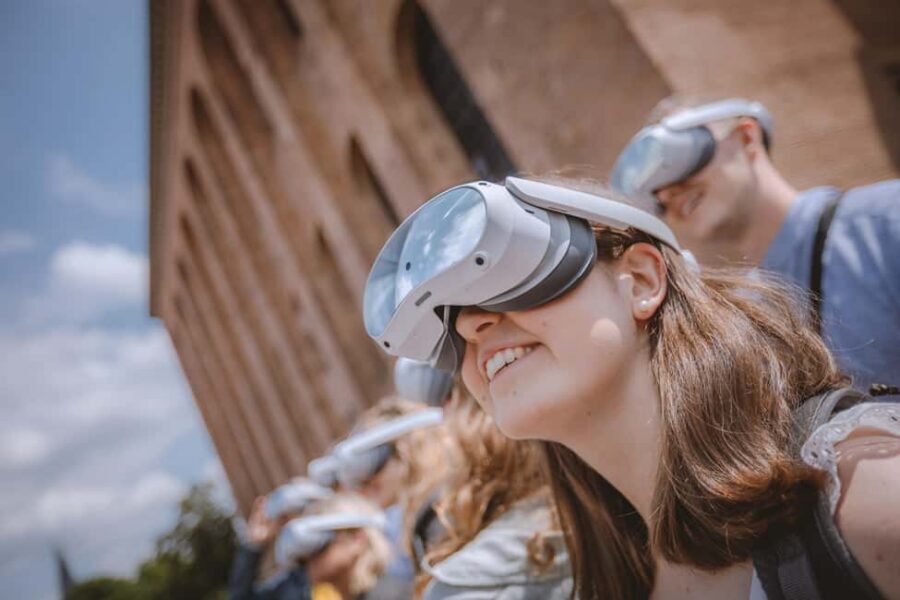
The tour includes an inside visit to the Imperial Baths at Thermen Am Viehmarkt. That’s a big deal in terms of value because bath complexes are the kind of place where, without guidance, you tend to miss what you’re looking at—rooms, layout, and original purpose.
Inside access changes the whole experience. With a guided explanation, you can connect architectural details to how people would have moved through and used the spaces. Add the VR layer, and suddenly you’re not only staring at surviving elements—you’re understanding them in context.
This is where I’d place your “pay attention” moment. If you only catch one stop and skim the rest, make it the Imperial Baths. It’s likely the most satisfying in terms of turning today’s stones into a coherent picture.
Practical tip for the bath stop
Give yourself permission to look twice: once quickly to orient yourself, and again once the guide points out key features. At bath sites, small layout cues can make the whole space feel less confusing.



The Fourth VR Stop: When the Walk Turns From Viewing Into Understanding
Between Thermen Am Viehmarkt and Aula Palatina, there’s another historic stop on the route that’s part of the VR time-travel circuit. The name of this stop isn’t provided in the details I received, but the important thing for you is the function: it’s the fourth location where the glasses and the guide’s explanation work together.
This segment is also where the tour’s pace can feel most noticeable. You move between sites, and the guide has to keep the group together while switching between real-world narration and headset-based time travel moments.
If you’re the kind of traveler who likes slow, deep commentary at each location, this is the spot to stay engaged. Ask a question. Point out something you don’t understand. The tour model rewards people who treat it like a conversation, not a lecture.
Why this stop matters anyway
Even if you can’t name it right now, you can expect it to contribute to the broader map of ancient Trier. The idea is that five stops together create a full city “read,” not isolated trivia. The walk is the glue.
Aula Palatina Trier: A Guided Stop That Helps You Place Everything Else
Next up is Aula Palatina, Trier. This is another guided visit, and it’s one of those locations that tends to work best when you’ve already “warmed up” by seeing other sites first. Earlier stops give your brain anchors—what kind of spaces you’re walking through, what past Trier felt like, and how the guide is structuring the story.
At Aula Palatina, the tour can feel more organized because you’ve been led through the “how to look” part already. This is also likely where you’ll notice why the guide matters so much. A skilled guide doesn’t just list facts. They help you connect the dots between buildings you might otherwise treat as separate.
One of the standout themes from the experience is how guides handle questions. A guide named Florian was described as a standout in terms of enthusiasm and answering questions. Even if your guide isn’t Florian, the takeaway for you is simple: this is a tour where interacting helps.
A word about staying comfortable
Because the glasses and walking are both involved, keep your water needs in mind. Trier in real life can be cool or damp, and your comfort level affects how well you enjoy the headset moments.
Trier Cathedral: Ending on a Place Still Worth Looking At
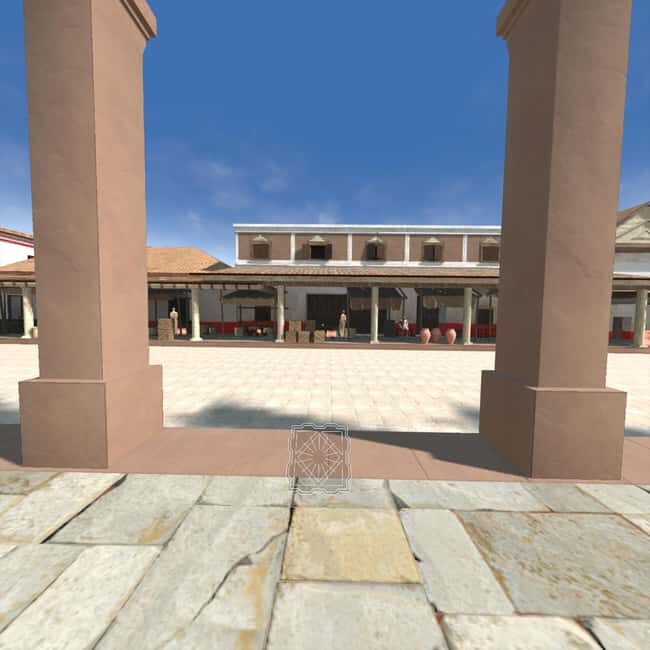
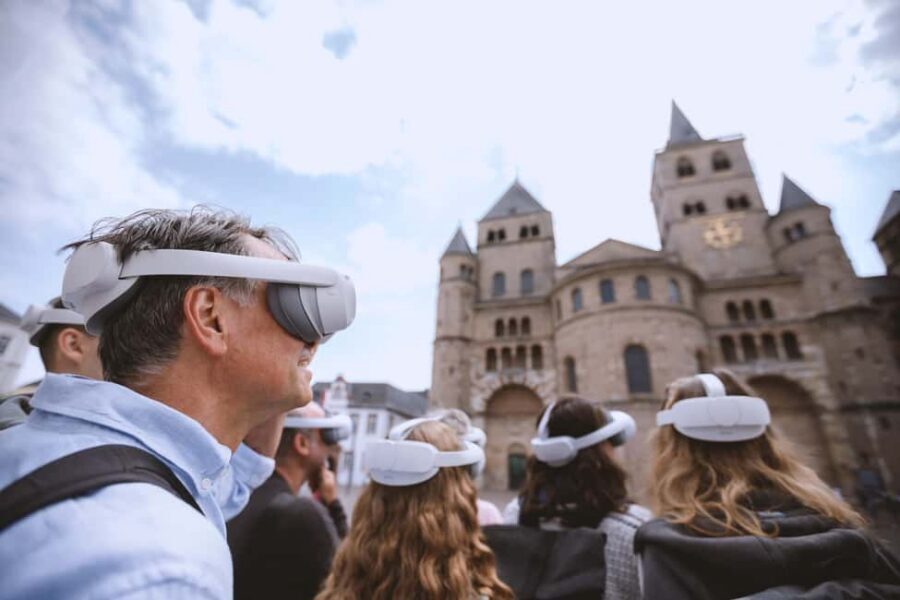
The tour finishes with Trier Cathedral, again with a guided explanation. This ending spot works well for two reasons.
First, it shifts from “ancient city reconstructions” back to something that’s still actively present in the landscape. That contrast helps the whole tour land. You’re not only chasing the past through tech—you’re ending with a site that holds meaning today.
Second, it gives your brain a final checkpoint. After VR and multiple stops, you need something stable to “cap” the experience. The cathedral provides that.
What to do at the cathedral
Don’t rush the last stop. Even if you’re tired, take a moment to slow down and let the guide’s framing stick. This is a good place to ask: How does this connect to the rest of Trier’s story?
VR Glasses, Language, and What Can Affect Your Experience
Everything starts with receiving VR glasses that are clean, disinfected, and functional. You’re asked to handle the devices with care, and if there’s improper or willful use, the participant could be liable for damage. After the tour, the devices are checked—so treat them like shared equipment, not disposable gadgets.
Language also plays a role. The live guide is German, and some tour content may be shown in its original language. If you’re not comfortable with German, you can still follow along thanks to the structure and the physical geography, but you’ll get more out of it if you can catch key spoken points.
VR image quality: manage expectations
One drawback that comes up is that the image quality can be improved. That doesn’t automatically mean it’s bad. It does mean you should treat VR as a storytelling tool, not a perfect video game.
If you’re a “graphics snob,” temper your expectations. The real win is the combination: headset time travel + real guided interpretation.
Group pace: the make-or-break factor
Some guests described the tour as moving quickly between places and not always stopping long enough to make cultural details land. That’s a risk with any structured, timed city tour.
My advice: arrive early, be ready, and keep an eye on your guide for timing cues. If you’re traveling with someone who wants a slower pace, set expectations before you meet.
Price and Value: What $32 Buys You in Trier
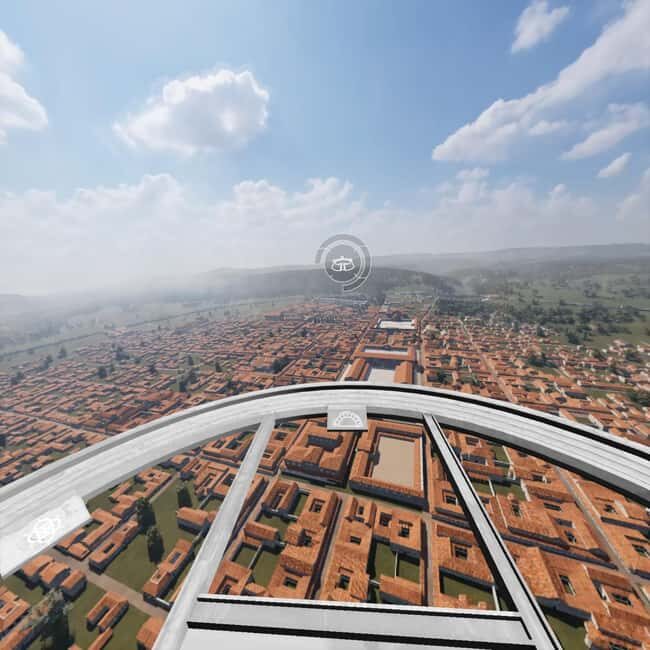
For about $32 per person and about 2 hours, you’re buying more than a headset experience. You’re paying for access and context.
Here’s the value breakdown that matters:
- Live guided city tour (about 120 minutes) so you’re not just following VR instructions blindly.
- VR time travel at five historical stops, which turns the walk into an organized story route.
- Inside access to the Imperial Baths, which usually requires more planning if you’re doing it independently.
- A look at Frankenturm, which is normally off-limits in the typical public-access sense.
- Certified guiding through Trier Tourist Information accredited guides.
If you’d otherwise pay separately for a tower entry, a bath visit, and a guided explanation, this bundle usually makes sense. The only reason it wouldn’t is if you prefer free-form exploration with no structured stops, or if you’re sensitive to the VR image quality limitations.
Who This Tour Suits Best (and Who Might Skip It)
This tour is ideal for you if:
- You enjoy guided history and want explanations while you walk.
- You like the idea of VR as a tool for interpretation, not just entertainment.
- You’re curious about Trier’s ancient layers and want a compact route that makes sense.
It’s less ideal if:
- You want long dwell times at every stop with lots of cultural background at each corner.
- You dislike any pace-driven experience where you must keep up with a group.
- You’re expecting top-tier VR visuals above all else.
Also note the tour’s age guidance: the VR guided portion is suitable for young people aged 13 and over if accompanied by an adult, and you should bring proof of age.
Quick Practical Notes: Rain, Care, and Keeping It Smooth
If rain hits at the start or is forecast during the tour window, the tour will run in a modified form in Frankenturm. In that rain scenario, the ticket can’t be returned. That means the main upside of Frankenturm access is even more relevant on wet days.
Wheelchair accessibility is listed, and that’s a strong plus if you need an option that supports mobility.
FAQ
Where do we meet for the Trier VR tour?
You meet at the Frankenturm Trier, and a guide is waiting for you in the tower.
How long is the experience?
It lasts about 2 hours (about 120 minutes).
What language is the live guide?
The live tour guide language is German.
Is this tour suitable for teens?
The VR guided tour is suitable for young people aged 13 and over when accompanied by an adult. Bring proof of age.
What happens if it rains during the tour?
If it is raining at the start or if rain is forecast during the approximately two-hour tour, the guided tour will be conducted in a modified form in the Frankenturm. In that case, the ticket cannot be returned.
Are VR glasses provided?
Yes. Each participant receives modern VR glasses that are clean, disinfected, and functional at the start.
Can I cancel, and how flexible is it to book?
There is free cancellation up to 24 hours in advance for a full refund.
Is the tour wheelchair accessible?
Yes, the tour is listed as wheelchair accessible.
Should You Book the Treverer Code VR Tour?
Book it if you want a tight, organized Trier route where VR time travel enhances the meaning of real places. It’s especially good value if you care about getting inside the Imperial Baths and seeing the usually inaccessible Frankenturm with a real guide.
Consider a different plan if you dislike structured pacing, prefer unhurried wandering, or expect VR visuals to be flawless. In that case, the headset may feel more like a useful add-on than the main event.
If you like guides, you’ll likely be in the right place. This is the kind of tour where the guide can turn a set of stops into a story you remember.