Steep vineyards. Big Riesling energy. This Mosel tour turns a classic region into a hands-on tasting day, with personal guidance from Carl and views that make you understand why Riesling matters here.
I particularly like two things: the chance to see the steepest vineyards up close (you stop long enough to look and understand), and the way the day mixes real tastings at top local wineries with a lunch that actually fits the wines.
One thing to consider: if you’re starting from Frankfurt, you’ll likely add travel time and possibly an extra transfer fee. Give yourself that time and you’ll enjoy the day more.
In This Review
- Key highlights you’ll care about
- First things first: what kind of Mosel day is this?
- Meet Carl and set up your day in the Mosel
- Getting your bearings: why Mosel vineyards look the way they do
- Winery visits: 2 tastings that teach you how to read Riesling
- The steepness detour: a quick walk that makes everything click
- Lunch pairing: BBQ ribs and an older Riesling moment
- Second winery stop: smaller, focused, and still worth it
- Bottle logistics: how to avoid hauling wine home
- Berg Eltz and private tweaks: when you want to customize
- Price and value: is $475.62 reasonable for a Mosel day?
- Who this tour suits best (and who should look elsewhere)
- Should you book the For the Love of Riesling – Mosel Wine tour?
- FAQ
- How long is the tour?
- Where does the tour start and end?
- What time does the tour start?
- How many wineries will I visit?
- Is lunch included?
- Is tasting included in the price?
- Do you offer pickup?
- Is there an English-speaking guide?
- Can I add Berg Eltz?
- What if the weather is bad?
- What is the group size?
Key highlights you’ll care about
- Small group (max 6) so the tastings feel personal, not rushed
- 2 wineries, possibly 3, with tasting fees covered
- Steep-vineyard viewpoints that explain the whole Mosel style
- Lunch included, plus snacks and bottled water for a steady day
- English-speaking guide and a friendly pace, helped by smart detours
First things first: what kind of Mosel day is this?
This is a wine-focused day in Germany’s Mosel Valley, built around Riesling and the people who make it. You’re not doing museums or ticking boxes. Instead, you’re spending your day where the wine starts: on the slopes, in the tasting rooms, and around food that doesn’t fight the flavors.
The heart of the experience is how the tour links three parts of Mosel culture: the geography, the family-and-friends way wineries work, and the sensory stuff you can learn quickly by tasting. With a small group and an energetic guide like Carl, you’re more likely to come away with a clearer picture of what you tasted and why.
You can also read our reviews of more wine tours in Trier
Meet Carl and set up your day in the Mosel
The tour starts around 10:00 am (with the activity ending back at the meeting point). The main meeting point is in 56841 Traben-Trarbach, but pickup is available, which is a big quality-of-life upgrade in a region where public transit can be slow between villages.
Carl’s approach comes through in how the day flows. In at least one version of the day, he met guests with a small welcome pour (a bottle of sekt). That’s not about spectacle. It’s about getting everyone relaxed early, so the first winery visit feels like a conversation, not an appointment.
If you’re starting in the Mosel area, the day tends to feel more relaxed. If you’re coming from Frankfurt, plan for about 2 hours each way depending on traffic, and keep an eye on the potential extra transfer cost. The tour is best when you treat travel time as part of the experience, not a chore.
Getting your bearings: why Mosel vineyards look the way they do
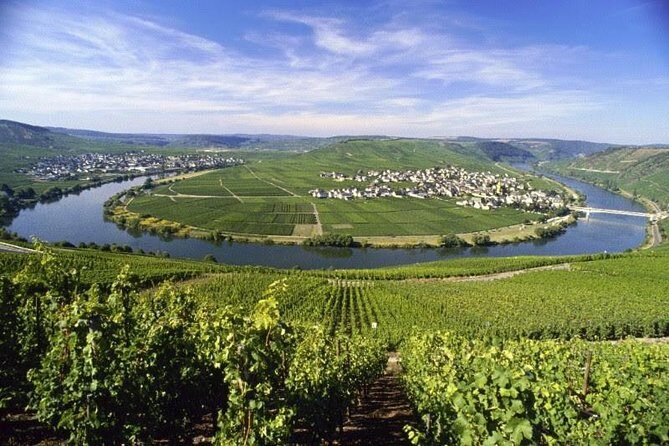
The first big payoff is the Mosel Wine Region stop, where you take in views of the world’s steepest vineyards. “Steep” here isn’t a marketing word. It’s a physical reality that changes everything: how vines survive, how grapes ripen, and why these wines taste so precise.
Even if you don’t know wine terms, you’ll feel the difference between flat-vineyard expectations and Mosel reality. On a good-weather day, the viewpoint time hits the sweet spot—enough to look, enough to ask questions, not enough to freeze while you wait for a perfect photo.
One of the smartest things the tour does is connect the view to what you’ll taste. You’re not just admiring slopes. You’re building a mental map for later tastings, so the Riesling styles you taste start to make sense.
Winery visits: 2 tastings that teach you how to read Riesling
The tour is designed around tasting fees at 2 wineries (maybe 3), which is an underrated value move. Many “wine tours” make you pay tasting fees at each stop. Here, the tasting cost is handled, so your money goes toward drinking and learning instead of counting euros at the counter.
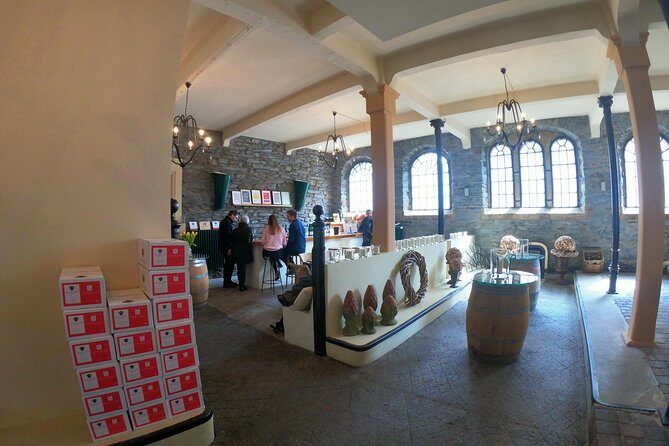
At each winery stop, you can expect guided tastings that help you compare what you’re tasting. From one day’s experience, the tastings included wines from different vintages and soils, which is exactly how wine gets interesting fast. If you’re new to wine, don’t worry about knowing the language. The guide can walk you through what to notice: acidity, fruit character, sweetness level, and how the wine feels on the finish.
Carl also seems comfortable adapting on the day. In one account, there was a slight plan change and the group ended up in the Pfalz region instead of staying strictly in the Mosel route. That flexibility can be great when it keeps you tasting and moving smoothly rather than stuck waiting for a fixed route.
The steepness detour: a quick walk that makes everything click
After the first winery, the day often includes a detour to experience the steepness of the vines firsthand. You get a break from the tasting-room routine and step into the vineyards in a way that lets you understand the slope rather than just look at it.
This part matters even if you’re not a “vineyard person.” When you see how the vines are planted and how hard it must be to care for them, you start tasting with better context. It’s also a nice change of pace. Tastings are fun, but after a while you want a mental reset, and a short vineyard stop does that without turning into an all-day hike.
Lunch pairing: BBQ ribs and an older Riesling moment
Lunch is included, and it’s not the usual bland “tour food.” One day featured a BBQ lunch where ribs were served alongside an older Riesling bottle. That pairing detail is the kind of thing that sticks, because it shows how Riesling can travel with food rather than just being a sip on its own.
Here’s why this lunch slot is valuable: Riesling in the Mosel style often has a crisp, structured acidity. BBQ and grilled meat can easily overpower delicate wine, but when the pairing works, you get a real sense of balance—fruit and acidity cutting through richness.
Lunch also gives you a breather before the second winery visit. You’re usually drinking during tastings, so having snacks and bottled water throughout helps the day stay comfortable. It’s the kind of planning that makes a wine day feel like a relaxed outing instead of a buzz-and-burnout schedule.
Second winery stop: smaller, focused, and still worth it
The next winery stop is often described as smaller, but that doesn’t mean less satisfying. In fact, smaller can be better for learning because the attention can feel more direct.
Expect another substantial tasting session where you compare wines again—this time with more context than you had at the start of the day. By now you’ve already seen how steep vineyards shape the wines. You’ve eaten lunch. You’ve built a baseline for what Riesling tastes like in this valley. So the second winery visit can feel like a “level up,” not a repeat.
If the day includes a third winery visit, it usually feels like extra value rather than extra rushing. The goal is still quality and comparison.
Bottle logistics: how to avoid hauling wine home
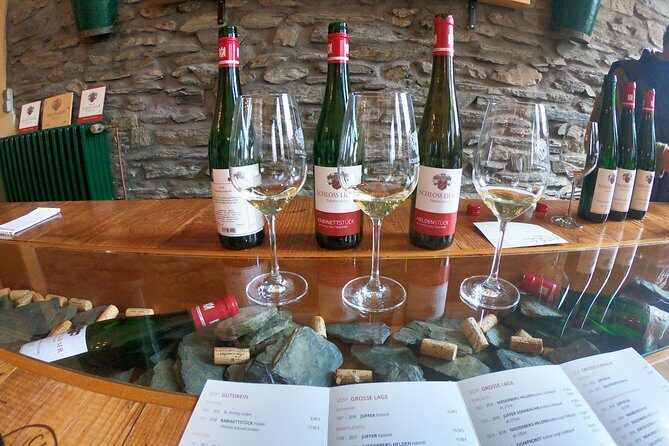
One practical bonus that shows up in the experience: Carl can help with shipping purchases. That’s huge if you’re flying. Lugging bottles in checked luggage means packing carefully, adding weight, and hoping nothing cracks.
You may still want to confirm details for your exact trip, but the general takeaway is clear: the tour aims to make it easy to enjoy the day and still bring wine home without turning your luggage into a wine storage unit.
Berg Eltz and private tweaks: when you want to customize
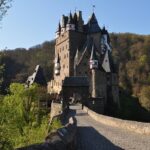
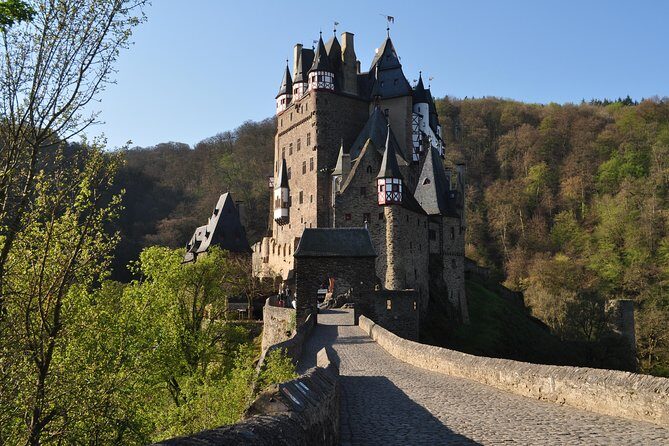
There’s an optional addition for Berg Eltz. It’s described as available on request with an additional fee, and it would be based on how your day can fit it (especially since it’s in the upper Mosel area).
If you want the tour to feel more tailored, there’s also the option for a private tour on request, again with an additional fee depending on seasonality. For most people, the max group size keeps things personal already. But private can be worth it if you want your own pace or more direct Q&A time.
Price and value: is $475.62 reasonable for a Mosel day?
At $475.62 per person, this isn’t a budget wine outing. But it also isn’t just “two tastings and a pretty drive,” either. The value case here is what’s included:
- Lunch (regional German lunch)
- Tasting fees at 2 wineries, possibly 3
- Snacks and bottled water
- Pickup and drop-off (with note about Frankfurt possibly costing extra)
- A fun, engaged guide in an English-speaking group
For the Mosel Valley, where getting between stops can be slower, the transport piece matters. If you’ve ever tried to piece together wine visits yourself, you know how quickly time and cost add up: taxis, parking, waiting, and last-minute compromises.
The “value” also depends on what you want. If you want a structured Riesling day with thoughtful tastings and food that matches the wine, the price starts making sense. If you want a freewheeling day where you choose your own wineries on your own schedule, you may find cheaper options—just expect more work on planning.
Who this tour suits best (and who should look elsewhere)
This experience fits you well if:
- You want an introductory-but-legit Riesling day, not wine homework
- You’d rather spend your time tasting and learning than coordinating rides
- You like small group experiences where the guide can answer questions
It may be less ideal if:
- You’re only interested in landscapes and don’t care about tastings or lunch
- You have very tight timing for getting to/from Frankfurt
- You want a fully flexible schedule with no fixed stops
Should you book the For the Love of Riesling – Mosel Wine tour?
I think you should book if you want a high-touch Mosel Riesling day with a guide who keeps the tone friendly and the tastings meaningful. Carl stands out in the way he drives the day: enthusiastic, knowledgeable, and ready to adapt when the plan shifts. Add in the steep-vineyard viewpoint, the two winery tastings with tasting fees covered, and a lunch that can include a genuinely memorable Riesling pairing, and you’re getting more than a basic wine tour.
If you’re debating, I’d make your decision on two points: (1) whether you’ll enjoy structured tastings with comparison, and (2) whether your pickup needs (especially from Frankfurt) won’t make the travel feel heavy. If those check out, this is the kind of day you’ll talk about long after you’ve finished the last sip.
FAQ
How long is the tour?
The tour runs about 6 to 10 hours.
Where does the tour start and end?
It starts at 56841 Traben-Trarbach, Germany and ends back at the meeting point.
What time does the tour start?
The start time is 10:00 am.
How many wineries will I visit?
You’ll have tastings at 2 wineries, and it may be 3 depending on how the wine flows that day.
Is lunch included?
Yes. Lunch is included as a regional German lunch, plus snacks and bottled water.
Is tasting included in the price?
Yes. Tasting fees are included for the wineries on the route.
Do you offer pickup?
Yes, pickup is offered. There is mention of pickup from Frankfurt and surrounding areas, but an additional transfer (noted as €200) may be added depending on location. Starting from hotels in the Mosel region or Mainz/Wiesbaden is suggested.
Is there an English-speaking guide?
Yes, the tour is offered in English.
Can I add Berg Eltz?
On request, you can add Berg Eltz for an additional fee.
What if the weather is bad?
The experience requires good weather. If it’s canceled due to poor weather, you’ll be offered a different date or a full refund.
What is the group size?
The maximum group size is 6 travelers.