REVIEW · TRIER
Trier: Discovery Tour – Germany’s Oldest Wine Cellar
Book on GetYourGuide →Operated by Vereinigte Hospitien Stiftungsweingut · Bookable on GetYourGuide
Roman wine cellars still feel alive. In Trier, you’ll step into a cellar built around 330 AD, and the whole tour is about story, place, and real tasting, not dusty glass cases. The experience is designed for people who like to look closely, ask questions, and enjoy a glass along the way.
I especially like two things here: the way the guide turns the cellar into a working part of wine culture, and the fact that you get to taste two selected house wines in the same atmosphere where the history happened. One thing to consider: the tour is only 1 hour, so if you want deeper, longer explanations of the cellar itself, you may leave wanting more.
In This Review
- Trier’s 330 AD Cellar Walk: What You’re Really Booking
- What I Like: The Two Best Parts of the Tour
- 1) A guided walk that makes the cellar make sense
- 2) Two house wines, tasted in a unique setting
- The Possible Trade-Off: Why the 1-Hour Timing Can Feel Fast
- Quick Highlights: Key Things to Know Before You Go
- Entering the Oldest Wine Cellar in Germany
- The Wine Tasting: Two Wines, One Atmosphere
- The Roman Building Stop in Trier: A Nice Bonus
- Language and Pace: What German-Only Means for You
- Price and Value: Is $20 Worth It?
- Weather, Timing, and What to Wear
- Who This Tour Is Best For
- Booking With Confidence: My Bottom Line
- FAQ
- How long is the Trier Discovery Tour of Germany’s oldest wine cellar?
- What does the tour include?
- What is the price per person?
- What language is the tour guide?
- Does the tour run in bad weather?
- Is the tour suitable for wheelchair users?
Trier’s 330 AD Cellar Walk: What You’re Really Booking
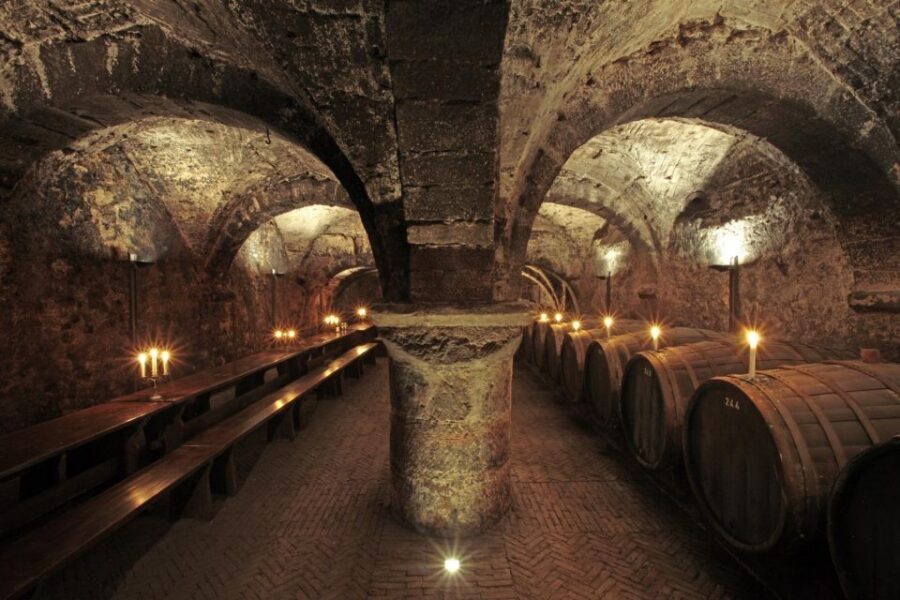
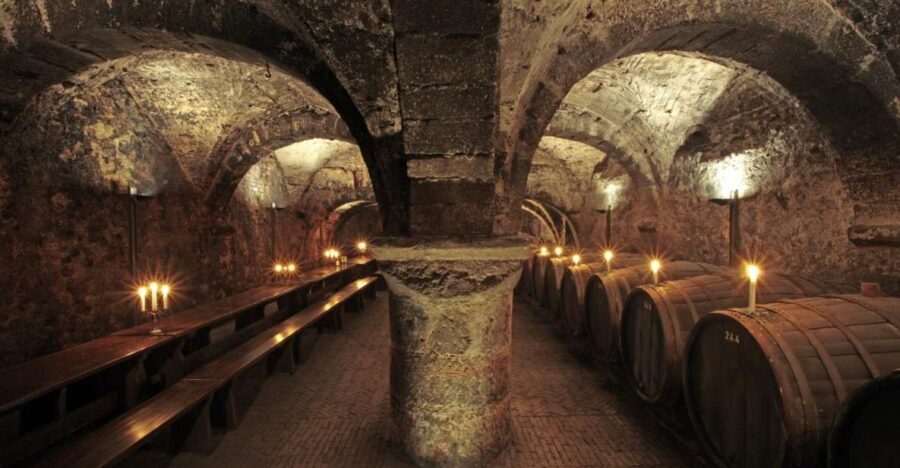
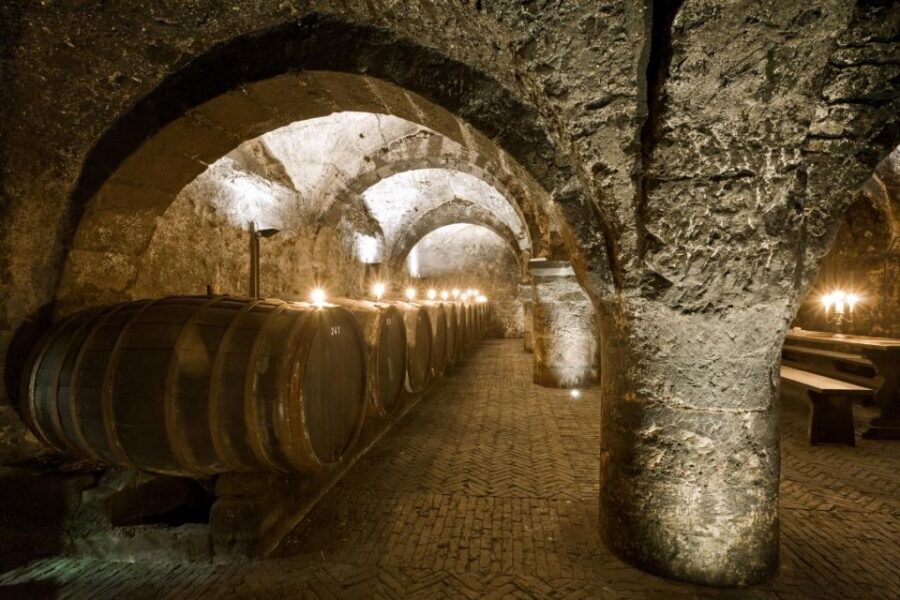
This tour focuses on one of Trier’s most unusual claims: Germany’s oldest wine cellar, constructed around 330 AD in the Roman imperial city of Trier. The cellar wasn’t built as a tourist stop in the modern sense. It served as a storage and magazine space for Roman citizens. That matters, because it changes how you experience the place. You’re not just looking at old walls. You’re learning how people stored, managed, and drank wine within an active Roman city.
The vibe isn’t museum-stiff. The tour is described as a discovery experience—more lively and enjoyable than a typical history walkthrough. You’ll walk through the cellar with a live guide and get the kind of context that makes Roman Trier feel less like a textbook and more like a real city where wine storage was part of everyday life.
What I Like: The Two Best Parts of the Tour
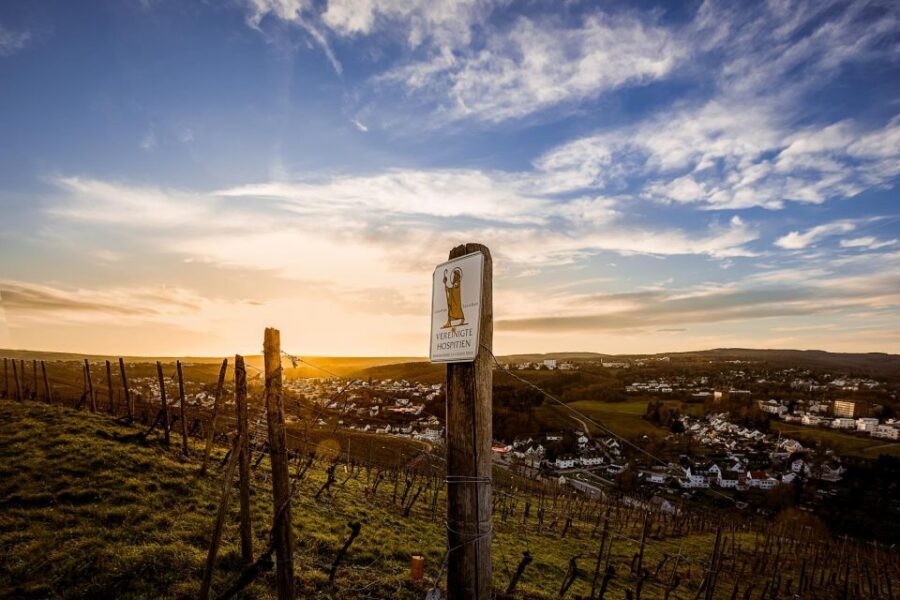
You can also read our reviews of more wine tours in Trier

1) A guided walk that makes the cellar make sense
You’ll get historical context during a guided tour through the oldest wine cellar in Germany. Since the cellar was built around 330 AD, the guide’s job is to connect Roman storage functions to what you see underground today. That’s the difference between “old” and “understandable.”
2) Two house wines, tasted in a unique setting
The highlight for many people is straightforward: you’ll taste two selected wines. The tasting happens in the cellar’s atmosphere, which adds a layer most wine tastings never get. It turns the tasting into a kind of time travel—wine in the same kind of space used for Roman storage.
The Possible Trade-Off: Why the 1-Hour Timing Can Feel Fast
This is a tight, 1-hour format. That’s great when you have limited time in Trier, but it also shapes the emphasis. One review notes that the overall impression was good while wishing there was more information specifically about the unique historical cellar—suggesting the wine and the winery side can take more spotlight than some hardcore history fans expect.
So go in with the right expectations. If you want a long, line-by-line lecture on Roman cellar design, this may feel brief. If you want a well-paced taste-and-story combo, it’s easier to appreciate how efficiently the tour uses your time.
Quick Highlights: Key Things to Know Before You Go
- Germany’s oldest wine cellar built around 330 AD in Roman Trier
- Two selected house wines tasted during the tour
- Roman building visit in Trier as part of the same experience
- Live guide in German, with some original-language content
- All-weather tour, so plan for outdoor/transition time in any conditions





Entering the Oldest Wine Cellar in Germany
The main event is a walking tour through the cellar itself—presented as a place with stories and function, not just an exhibit. Because the cellar dates to roughly 330 AD, you’re being guided through a setting that’s essentially linked to Roman storage practices. The guide explains what this cellar was used for: a magazine and storage house for Roman citizens.
As you move through the space, focus on what’s practical. Think like a Roman resident: storage wasn’t about aesthetics. It was about preservation, access, and managing supplies in a city with a strong identity. Learning that the cellar served a working purpose helps you “read” the room differently than if you only see it as an old structure.
One practical tip: wear shoes that work on uneven, stone-like surfaces. Cellars tend to be real places with real footing needs, even when the tour route is safe and controlled.
The Wine Tasting: Two Wines, One Atmosphere
You get to enjoy two selected wines during the experience, and the tasting is part of what makes this tour worth its modest price. At around $20 per person for 1 hour, the value isn’t only that you learn something—it’s that you also drink something designed to be part of the story.
A good sign here is consistency: the tour is rated 4.7 out of 5 with 218 reviews, and the comments lean toward the experience being both informative and enjoyable. Several reviews point to getting useful information quickly and enjoying the wine pairing with the setting.
When you taste, don’t treat it as a random sample. Treat it like a “what they had then / what they do now” moment. You’re in a Roman-era storage space, but the wines are from the current house program. That contrast is the point.
The Roman Building Stop in Trier: A Nice Bonus
Beyond the cellar, the tour includes a visit to a Roman building in Trier. Even without a specific building name in the tour details, the idea is clear: the cellar isn’t isolated. It belongs to Roman Trier’s larger urban story.
This add-on helps you place the cellar in context. If you only see underground storage, it can feel like a relic. With the Roman building stop, you’re reminded that Trier’s Roman past wasn’t just about one site—it was about how the city was built and used. That’s useful for understanding why Trier earned its role in wine culture and why Roman storage mattered.
Language and Pace: What German-Only Means for You
The live guide is listed as German, and some content is shown in its original language. If you don’t speak German, you can still enjoy the experience, especially the cellar walkthrough and tasting. But you should know that you might miss some of the historical nuance.
What helps: when you’re in a cellar setting, the visuals do a lot of work. The guide’s job is still important, but you’re not totally dependent on language to get the atmosphere.
The pace also affects comprehension. Because it’s a 1-hour tour, you’ll get fewer chances to stop and ask follow-up questions than on a longer format.
Price and Value: Is $20 Worth It?
At about $20 per person for 1 hour, this tour competes well with other short, guided experiences in European cities. The value comes from three things working together:
- A guided walk through a site claimed as Germany’s oldest wine cellar
- Two selected wines included in the experience
- A second Roman-related stop in Trier
You’re not paying just for access. You’re paying for interpretation—someone guiding you through what the space meant and what wine culture looks like today in the same region. That’s why the tasting matters: it turns the information into an actual experience.
If your travel style is “small time, high payoff,” this fits. If your travel style is “slow history, long lectures,” you may want something longer than a 1-hour format.
Weather, Timing, and What to Wear
This tour runs in all weather conditions. So even if the schedule keeps moving regardless of rain, you’ll still want to dress for the outdoors and transitions between spots.
I’d plan for:
- Layers for cool weather
- A rain jacket or packable waterproof layer
- Shoes with decent grip
Also, cellars are often cooler than the street. A light layer can help you stay comfortable during the walk and tasting.
Who This Tour Is Best For
This is a smart pick if you:
- Want a short activity in Trier that combines history and wine
- Like Roman sites but prefer something not overly academic
- Enjoy tasting experiences where setting matters
- Travel with mixed interests (history fans + wine fans)
It may be less ideal if:
- You need step-free access (the tour is noted as not suitable for wheelchair users)
- You want a very long, detailed deep dive on cellar engineering or Roman storage systems
Booking With Confidence: My Bottom Line
I’d book this tour if you want a tight, well-paced experience with real included value: a cellar walk tied to Trier’s Roman era plus two house wines. The strong rating (4.7) and the recurring themes—information in a short time and a fun tasting element—make it hard to see it as a weak buy.
Just be honest with yourself about expectations. At 1 hour, the cellar story gets explained, not exhausted. If you’re the type who wants every detail of the cellar’s historical specifics, consider pairing this with additional independent reading or another longer Trier Roman stop. If you’re more interested in the feel of the place plus a tasting, this tour is an efficient and enjoyable way to do it.
FAQ
How long is the Trier Discovery Tour of Germany’s oldest wine cellar?
The tour lasts 1 hour.
What does the tour include?
It includes a cellar tour through Germany’s oldest wine cellar, a tasting of 2 selected wines, and it also includes a visit to a Roman building in Trier.
What is the price per person?
The price is listed as $20 per person.
What language is the tour guide?
The live tour guide speaks German. Some content is shown in its original language.
Does the tour run in bad weather?
Yes. The tour takes place in all weather conditions.
Is the tour suitable for wheelchair users?
No. It is not suitable for wheelchair users.