REVIEW · BERLIN
Hitler to Stalin – WWII & Cold War Tour (Small Group)
Book on GetYourGuide →Operated by On the Front Tours · Bookable on GetYourGuide
Berlin still feels charged. This small-group tour strings together the Nazis, the fall of the Third Reich, and the Cold War line that split a whole city—on foot and with real context, not trivia. You’ll cover major landmarks like the Berlin Wall area, Hitler’s Bunker, Gestapo HQ, and Checkpoint Charlie, then connect the dots to see how Berlin changed over time.
I especially like the way the guide keeps the story human and specific—you’re not just looking at famous buildings, you’re learning what happened there and why it mattered. I also like that you get “then & now” photos and maps, which makes it easier to follow the geography as the political story shifts from WWII to the Cold War.
One drawback to consider: it’s an intense subject. Expect some heavy material around the Nazi era and the Holocaust, plus steady walking in rain or shine, so pack for comfort and pace yourself.
In This Review
- Quick Hits: What Makes This Tour Worth Your Time
- Following the Arc: WWII to Cold War Across One Big City Change
- Brandenburg Gate: From War Scars to a Unity Symbol
- Reichstag and Politics: How Power Shows Up in Architecture
- Hitler’s Bunker and Gestapo HQ: Where Fear Became System
- The Holocaust Memorial Stop: Learning That Demands a Pause
- The Berlin Wall: Seeing the Cold War “Iron Curtain” in Real Space
- Checkpoint Charlie: A Front-Row Seat to a Divided City
- Then & Now Photos and Maps: How the Tour Helps You Think Like a Berliner
- Small Group, Live English Guide, and the Impact of a Good Host
- Price and Time: Is $34 Good Value for This Kind of Berlin Walk?
- Weather, Walking Pace, and What to Pack
- Who Should Book This Tour (and Who Might Not)
- Should You Book Hitler to Stalin: WWII & Cold War Tour?
- FAQ
- How long is the Hitler to Stalin tour?
- Where do I meet for the tour?
- Is the tour in English?
- Does the tour run in bad weather?
- Is the tour wheelchair accessible?
- What should I bring?
Quick Hits: What Makes This Tour Worth Your Time
- Brandenburg Gate to Checkpoint Charlie: a clear route that traces division and unification
- Real WWII sites: Hitler’s Bunker and Gestapo HQ keep the Nazi story grounded
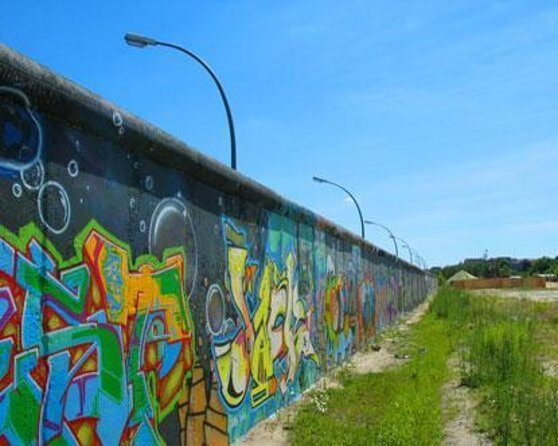
- Berlin Wall viewpoints: you see where the Cold War “Iron Curtain” effect became physical
- Holocaust Memorial stop: a pause for reflection tied to lessons learned
- Then & Now photos and maps: helps you visualize what changed and what stayed
- Small group energy: the guide can stay engaged with you, not just talk at you
Following the Arc: WWII to Cold War Across One Big City Change
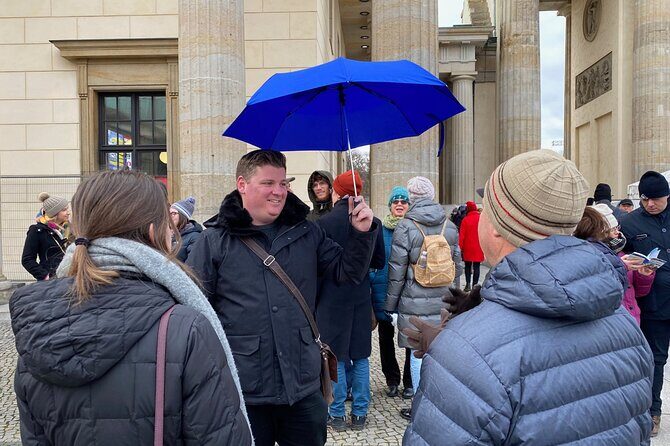
This is a 2.5-hour walking tour built like a timeline you can actually see. You’ll start at the Tourist Center at the Brandenburg Gate (look for the blue umbrella) and end back near the same meeting point, so you’re not stuck figuring out transit mid-story.
The big value here is how the guide connects political events to physical places. Berlin wasn’t divided by accident. It was shaped by decisions, violence, and competing powers—and then later repaired, redefined, and reunited. The tour makes that shift feel concrete, especially when you move from WWII sites tied to terror and power into Cold War locations tied to control and separation.
You can also read our reviews of more tours and experiences in Berlin.



Brandenburg Gate: From War Scars to a Unity Symbol
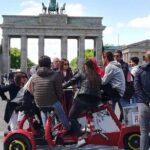
You begin at the Brandenburg Gate, and that’s not random. It’s one of those Berlin landmarks that can hold multiple meanings depending on the era you’re in—war-torn scars one day, a widely recognized emblem of unity in another.
You’ll get background on why this location became a kind of anchor point for Berlin’s identity. Even if you’ve seen photos online, it helps to have a guide explain the surrounding shifts in power and symbolism, so you don’t just admire the building—you understand why it carries weight.
Practical note: it’s a public, easy-to-find start, but it can be busy. Go in with comfortable shoes and a ready brain, because the pace moves fairly steadily.
Reichstag and Politics: How Power Shows Up in Architecture
Next, the focus turns to the Reichstag. The tour frames this stop around politics and how governments project authority—then how that projection gets disrupted in the biggest historical shocks of the 20th century.
For you, this is a useful stop because it explains the mechanics behind the drama. It’s not just what happened in Berlin; it’s how power operated and why institutions mattered. When you later look at Cold War division, you’ll recognize the same theme: control over space, messaging, and who gets access to decision-making.
If you like history that connects buildings to behavior, this part will click.
Hitler’s Bunker and Gestapo HQ: Where Fear Became System
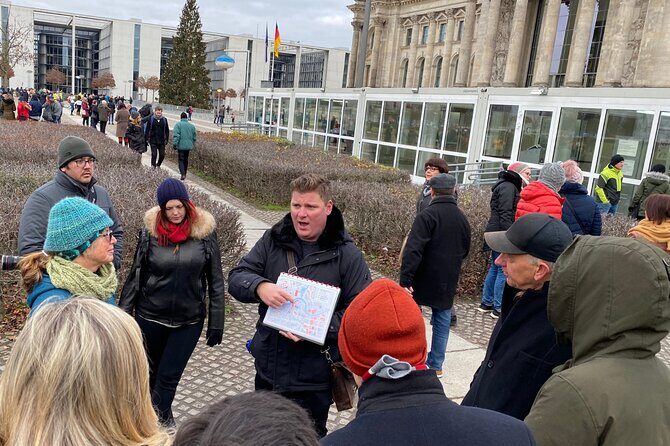
Then you’ll hit two of the most chilling WWII-linked stops: Hitler’s Bunker and the Gestapo HQ. These aren’t “war museum” moments designed for entertainment. They’re part of the city’s dark record—places tied to command, surveillance, and persecution.
What makes this worthwhile is the way the tour uses these points to explain how Nazi control worked day-to-day, not just at the highest command level. You get a clearer sense of the system behind the terror—how power turned people into targets and how fear spread.
A consideration here: if you’re sensitive to emotionally heavy topics, plan to slow down and take breaks if you need them. This tour is respectful, but it does not shy away from reality, especially around the Nazi era.
The Holocaust Memorial Stop: Learning That Demands a Pause
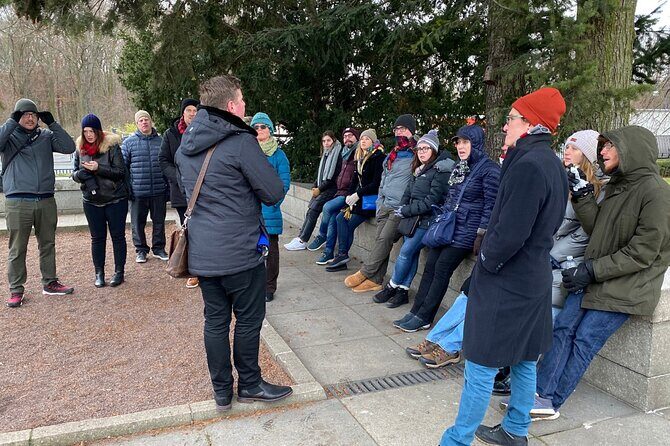
One highlight is the Memorial to the Holocaust. This is where the tour shifts from explaining events to prompting you to think about loss and lessons learned during the Nazi era.
I like this stop because it adds a moral and emotional layer to the route. You’re not only tracing political moves. You’re also acknowledging what was destroyed and what must not be repeated. For many people, this is the emotional center of the tour—and it’s also the one where your brain benefits from quiet attention rather than fast scanning.
If you’ve toured Berlin before, you might still find value here. A guide’s framing helps you connect the memorial to the broader WWII story you’ve just heard, instead of treating it like a standalone photo stop.


The Berlin Wall: Seeing the Cold War “Iron Curtain” in Real Space
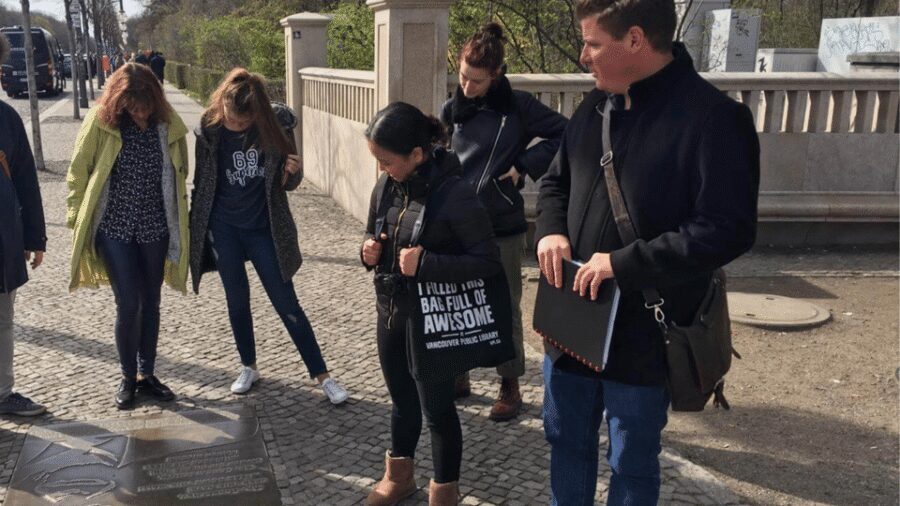
The Berlin Wall is a headline reason to book this tour, and it’s highlighted in a very practical way: you’ll view the Wall as a physical barrier and understand it as an instrument of division.
Here’s why this matters for you. Berlin isn’t just famous for the Wall as an idea—it’s famous for how it changed everyday life: movement, family connections, and what it meant to live on the border of competing political systems. With the guide’s context, the Wall location becomes more than a landmark. It becomes a lesson in how ideology becomes architecture.
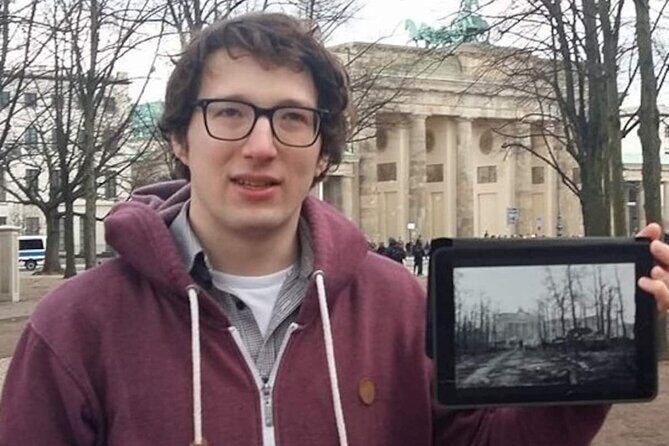
You’ll also see “then & now” visuals paired with maps, which is a smart way to understand the transformation. Where you start to feel the change most strongly is when the story jumps from WWII terror and power to Cold War control and separation. The emotional tone shifts, but the theme of power over people stays.
Checkpoint Charlie: A Front-Row Seat to a Divided City
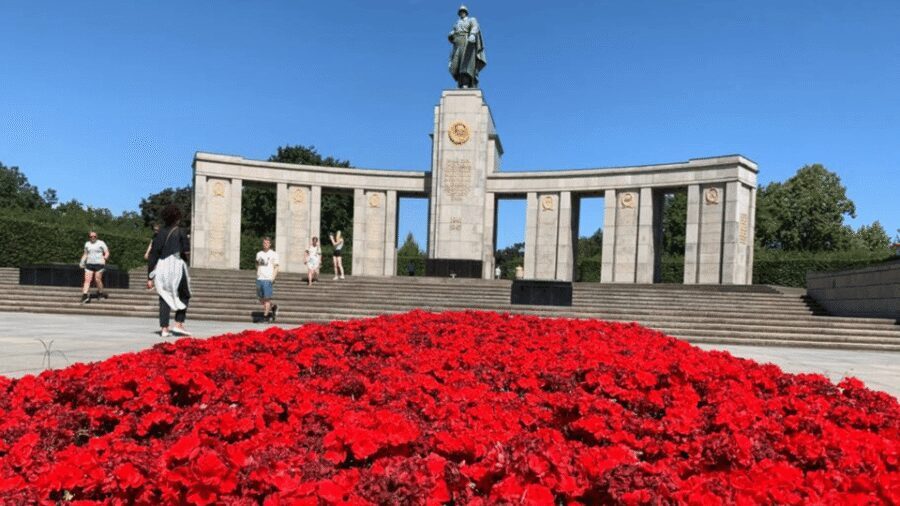
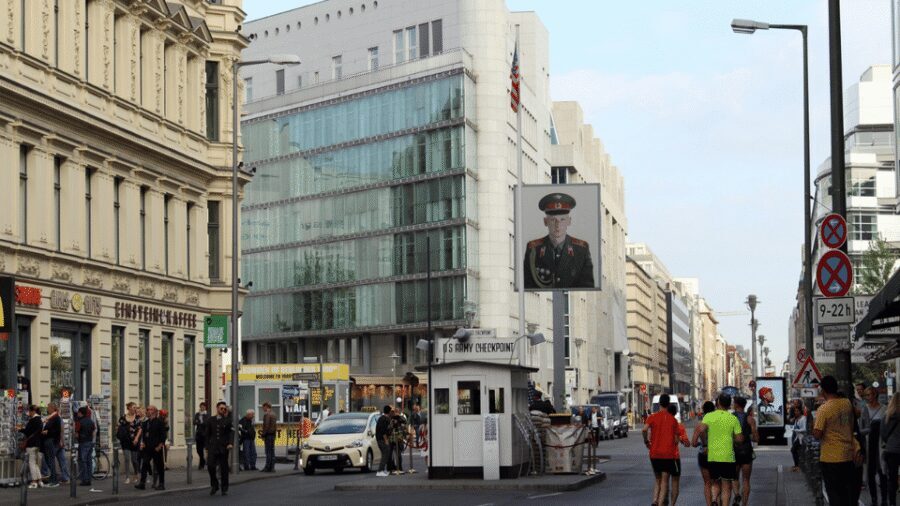
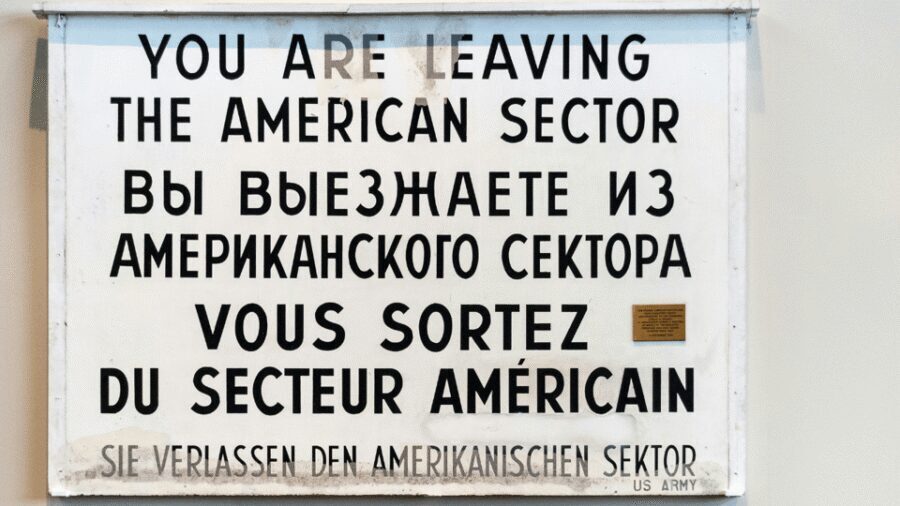
Finally, the tour reaches Checkpoint Charlie. This is one of those places that gets photographed endlessly, but it still hits differently when it’s explained as a real crossing point inside a larger system of enforced division.
The guide helps you understand what the checkpoint represented—why it was strategically important and how the city functioned while separated. You’ll come away with a clearer sense of why Berlin became the stage for Cold War tension, not just a background setting.
If you like history you can translate into daily-life understanding, this is a strong ending. You’ve walked through sites tied to fear, then you’ve walked into sites tied to borders. The story feels logical, and Checkpoint Charlie ties off the Cold War theme cleanly.
Then & Now Photos and Maps: How the Tour Helps You Think Like a Berliner
A big plus in this tour package is the inclusion of then & now photographs and maps. These tools do more than add variety. They help you visualize how Berlin reshaped itself—sometimes by rebuilding, sometimes by memorializing, and sometimes by leaving scars visible.
For you, this improves retention. You don’t just remember names; you remember location relationships. After the tour, you’ll be better at reading the city on your own: where something used to be, how far apart the key WWII and Cold War markers are, and how the route connects them into one coherent story.
Small Group, Live English Guide, and the Impact of a Good Host
This is a small-group tour with a live English guide, and that matters more than you might think. One review specifically praised Tom for being excellent: knowledgeable in the material, interesting, appropriate, and engaged well with all members of the group. Another high rating noted the tour covered all the sites the guide promised.
That combination tells you what you’re buying: not just facts, but delivery. In a tour like this, pacing and clarity matter. You’ll want a guide who can keep the story moving without turning it into a lecture, especially when the content is heavy.
Also, because it’s small, you’re more likely to get moments that feel like real conversation rather than a one-way stream. If you ask questions as you go, you’ll likely get straight answers that tie back to the stops.
Price and Time: Is $34 Good Value for This Kind of Berlin Walk?
At $34 per person for about 2.5 hours, the value comes from what’s included and how focused the route is. You’re getting an expert guide, a structured walk covering WWII and Cold War landmarks, plus photos and maps to help you make sense of what you’re seeing.
A DIY approach is possible, but it usually turns into a grab-bag: you hop between famous spots, you miss the political connections, and you end up with a city that feels like separate attractions instead of one story.
If you’re in Berlin for a short time and you want the major markers tied together—Brandenburg Gate, the Reichstag, Berlin Wall areas, Holocaust Memorial, Checkpoint Charlie—this price-to-time ratio is fair. You’re paying for interpretation, not just access to scenery.
Weather, Walking Pace, and What to Pack
This tour runs rain or shine. That’s common in Berlin, but it still affects your enjoyment, especially on a topic-heavy walk where you’ll want your attention on the story, not your comfort.
Bring:
- comfortable shoes
- water and light snacks
- an umbrella or raincoat for bad weather
You’ll likely spend most of the 2.5 hours outside, moving between stops, so plan for a steady, not leisurely, pace.
Who Should Book This Tour (and Who Might Not)
This tour is a strong fit if you:
- want a guided route that connects WWII to the Cold War instead of treating them as separate topics
- like history that explains why places matter, not just what they look like
- want to see major Berlin landmarks in one efficient walk
It may be less ideal if you:
- can’t handle emotionally heavy topics tied to the Holocaust and Nazi terror
- prefer very slow, casual sightseeing with lots of free time at each stop
If you’re the type who learns best by walking and talking through context, you’ll probably get a lot out of this format.
Should You Book Hitler to Stalin: WWII & Cold War Tour?
If you want Berlin history that ties together the Nazi era and the Cold War into one clear path, I think this is a smart booking. The route hits the big names you’re coming to see—Brandenburg Gate, Reichstag, Berlin Wall, Holocaust Memorial, Checkpoint Charlie—plus darker WWII sites like Hitler’s Bunker and Gestapo HQ, which are essential for understanding how Berlin got from one era to the next.
Book it if you value a focused 2.5-hour structure, a small group experience, and a guide who can keep you engaged. I’d also say it’s worth it even if you’ve read about these topics before, because the “then & now” photos and maps make the city’s changes feel real.
FAQ
How long is the Hitler to Stalin tour?
It lasts about 2.5 hours.
Where do I meet for the tour?
You meet at the Tourist Center at the Brandenburg Gate, looking for the blue umbrella.
Is the tour in English?
Yes, the live tour guide speaks English.
Does the tour run in bad weather?
Yes. It takes place rain or shine.
Is the tour wheelchair accessible?
Yes, it is described as wheelchair accessible.
What should I bring?
Bring comfortable shoes, water, and light snacks. In unfavorable weather, bring an umbrella or raincoat.
If you tell me your travel dates and whether you prefer a morning or afternoon start, I can help you plan how to fit this tour into the rest of your Berlin days.