REVIEW · NUREMBERG
Nuremberg Private Walking Tour: Old Town and Nazi Rally Grounds
Book on Viator →Operated by Nuremberg City of Empires Tours · Bookable on Viator
Nuremberg has two faces, and this tour reads them. I like the hotel pickup and private guide setup because it saves time and keeps the day aimed at what you care about most. You start in the Old Town, then (if you choose longer) you shift to the Nazi rally grounds for architecture-and-context history.
I love the way the tour connects medieval prosperity to the Third Reich. With the 3- or 4-hour option, you’ll see the Congress Hall area and the Documentation Center, guided by people like Niklas, Dimitri, Jason, and Natasha who know how to explain what you’re looking at.
The trade-off is time on your feet, and some Nazi-era stops can feel heavy. If you’re hoping for a slow, cushy walk, plan on comfortable walking shoes and a little mental space for the stories.
In This Review
- Key Things That Make This Tour Worth Your Time
- Old Town Meets the Third Reich: Why This Day Works
- Hotel Pickup and Private Pacing (What That Buys You)
- Getting Oriented Fast: Old Town Walls, Markets, and Castle Power
- A small practical note
- Hauptmarkt to Kaiserburg: What You Should Look For
- The Beautiful Fountain and Nuremberg’s Craft Street Mood
- What I like about this segment
- Dürer’s House Energy: Art That Explains the Renaissance City
- Churches and Courtyards: St. Lawrence, St. Sebaldus, and Rebuilt Memory
- When You Upgrade: Speer’s Great Street and the Congress Hall Scale
- Luitpoldhain: Where Propaganda Became a Stage
- The Documentation Center: Moving From Buildings to Meaning
- Walking, Transit, and Time on Your Feet
- Plan for comfort
- Price and Value: What You’re Actually Paying For
- What Kind of Traveler Should Book This
- A Quick Reality Check Before You Go
- Should You Book This Tour?
- FAQ
- How long is the Nuremberg private walking tour?
- Is hotel pickup and drop-off included?
- What’s included in the price, and what is not included?
- Is public transportation included?
- Is this a private tour, and is it offered in English?
- Are admission tickets included for the stops?
- Can I cancel for a full refund?
Key Things That Make This Tour Worth Your Time
- Private guide, not a crowded audio plan: you can ask questions and steer the pace
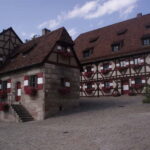
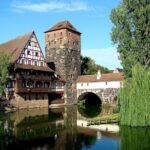
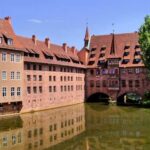
- Old Town walk with real texture: timber-framed streets, cobblestones, and views from the city walls
- Hauptmarkt and Kaiserburg first: power, religion, and the market square that still anchors the city
- Artisans and craft culture close up: Handwerkerhof and the working-streets feel of Nuremberg
- Upgrade adds rally grounds with structure: Speer’s axis, huge scale buildings, and the Documentation Center
- Most highlights are free to enter: many stops list free admission, so you pay mostly for your guide time
Old Town Meets the Third Reich: Why This Day Works
This is a private walking tour designed to do two things well: help you see Nuremberg, and help you understand it. In two to four hours you can move from the Holy Roman Empire era into the world of rallies, propaganda, and the aftermath.
You’re not just looking at old stones. The guide’s job is to connect the dots—why this city mattered, how it changed, and how people in different periods justified what they did. That connection is the main value of hiring a real person instead of wandering with a map.
You can also read our reviews of more walking tours in Nuremberg
Hotel Pickup and Private Pacing (What That Buys You)
The tour starts with hotel pickup in central Nuremberg or at the train station area. That matters in a place like Nuremberg where the Old Town is walkable, but the day gets easier when you’re not rushing around to find the exact start point.
Because it’s a private experience, you’re not trapped in a group pace. If you want extra time near the Imperial Castle courtyards or you’d rather shorten a church stop, your guide can adjust within the tour length you booked.
You’ll also get a mobile ticket, which is one less thing to manage on travel day. And it’s offered in English, which keeps the storytelling tight and clear.
Getting Oriented Fast: Old Town Walls, Markets, and Castle Power
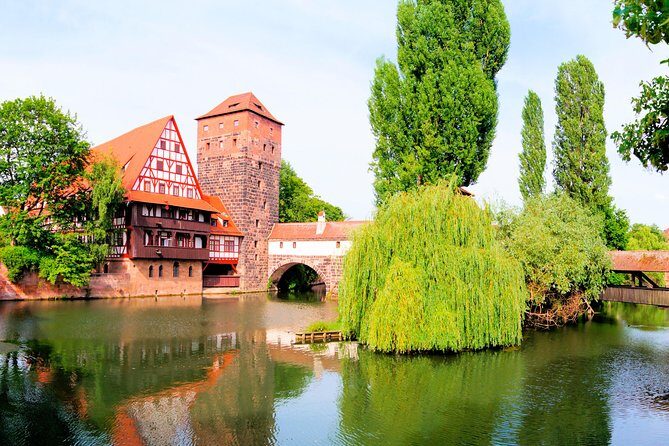
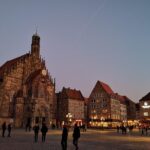
Your Old Town route has a built-in logic. You begin at the Hauptmarkt, Nuremberg’s main square that has acted as the city center since the 1300s. This is where you get a feel for why markets shaped daily life—trade, food, crafts, and civic identity all happening in one place.
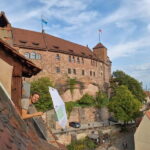
From there you head toward Kaiserburg (Imperial Castle), dating back at least to 1050. Even when you’re just walking through courtyards, you can sense the old power structure. It’s not just scenery. It’s a reminder that this city was important long before the 20th century.
A small practical note
Many of these stops are listed as free admission, so your money goes toward the guide rather than ticket lines. If you hate paperwork and paying for each little viewpoint, this tour fits that style.
Hauptmarkt to Kaiserburg: What You Should Look For
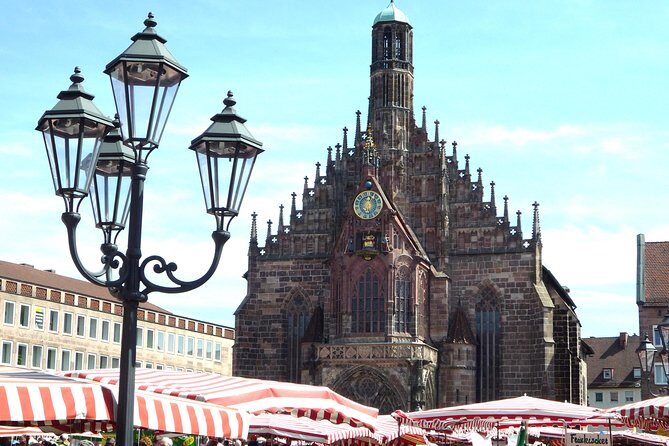
In the market square, watch how the space works. Squares like this weren’t built for photos. They were built for crowds, decisions, announcements, and commerce. A good guide will help you read what the buildings imply about status and wealth.
At the Imperial Castle, pay attention to the courtyards and the surrounding structure. You’ll get stories about who was crowned here and where saints are buried, which helps the castle feel less like a fortress and more like a city-stage for politics and faith.
You can also read our reviews of more private tours in Nuremberg

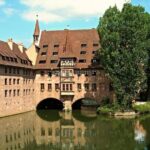
The Beautiful Fountain and Nuremberg’s Craft Street Mood
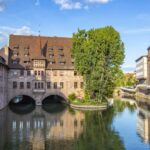
Next comes the Der Schöne Brunnen (the Beautiful Fountain). This includes a golden Gothic tower and the wishing ring of Nuremberg. It’s the kind of stop that’s small on paper but big for atmosphere, because it gives the walk a lighter pause between heavy history blocks.
After that, you’ll step into the crafts area—Handwerkerhof, a reproduction of a traditional craftsman’s market with shops and restaurants. It’s a smart place to look at craft culture because you can connect the past to what Nuremberg still sells today: glasswork, leather, gold and silver work, and stained-glass artistry.
What I like about this segment
The tour doesn’t treat crafts like background noise. It frames them as part of why Nuremberg became prosperous—people came here to make things, and others came to trade for them.
Dürer’s House Energy: Art That Explains the Renaissance City
You’ll also have time around Albrecht Dürer’s house, the famed German Renaissance artist. This stop helps you see Nuremberg as a place of ideas and talent, not just a political stage.
Even if you’re not an art history person, Dürer is a useful guidepost. He’s a shortcut into how a city builds reputation through creators, learning, and craft excellence.
Churches and Courtyards: St. Lawrence, St. Sebaldus, and Rebuilt Memory
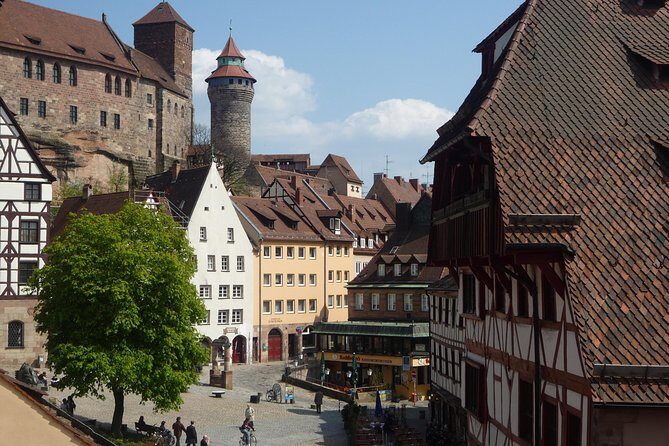
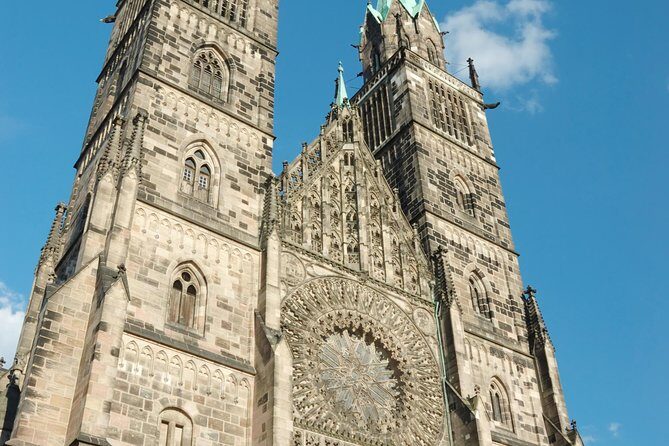
Nuremberg’s churches add texture to the walk. You’ll see St. Lawrence Church, which was rebuilt after World War II, and you’ll also visit St. Sebaldus Church, Nuremberg’s oldest church and patron saint connection.
Two things matter here:
1) You’re seeing religious buildings shaped by history and war, not just old architecture.
2) Admission may not be included for some church stops. St. Sebaldus is listed as ticket not included, so it’s wise to expect a small extra cost if you want to go inside.
When You Upgrade: Speer’s Great Street and the Congress Hall Scale
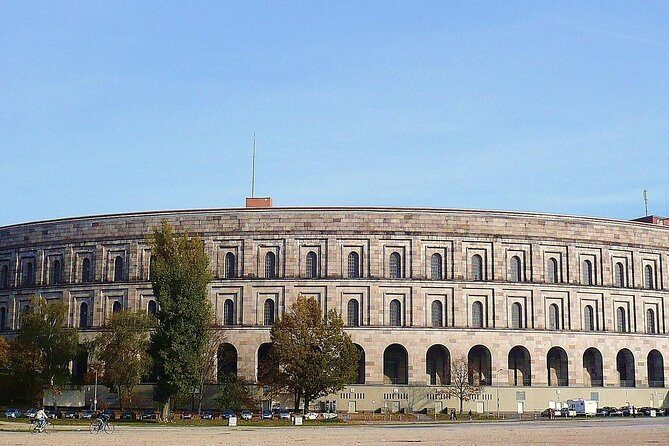
If you choose the 3- or 4-hour tour, the day shifts from Old Town texture to the monumental geometry of the Nazi rally grounds.
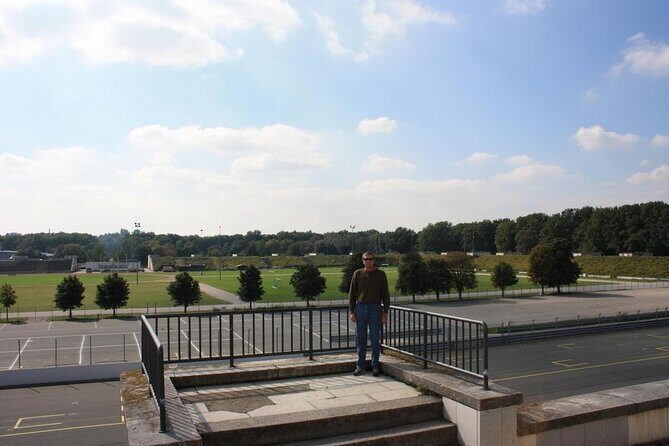
The guide takes you to Great Street, designed by architect Albert Speer as the central axis of the rally grounds. You’ll also see the half-finished Congress Hall, planned for party meetings by Hitler. The important thing isn’t just that the buildings exist—it’s what the design tried to do: control the view, the movement, and the feeling of the crowd.
There’s also time around some of the largest Third Reich buildings, including the area where Hitler inspected members of the SS. Seeing the scale in person changes how the propaganda stories land. It’s harder to dismiss when you can measure the space with your own body.
Luitpoldhain: Where Propaganda Became a Stage
Another major rally grounds stop is Luitpoldhain, used by the Nazis more than any other area. This is where you’re likely to feel the “set design” of authoritarian theater.
A good guide will connect what you’re seeing to the reason propaganda films mattered. In particular, some guides use images and period context to help you picture how it looked during rallies, not just what’s left now.
This isn’t a casual photo walk. It’s history with an uncomfortable presence.
The Documentation Center: Moving From Buildings to Meaning
One of the most valuable parts of the longer option is the Documentation Center. It’s a museum with exhibits on wartime and post-war events, including the Nuremberg Trials.
This is the piece that helps you avoid a common trap: treating these sites as scenery. The Documentation Center is where the story shifts from “what was built” to “what it led to,” and then into how Germany confronted the past after the fact.
If you want one practical tip: give yourself mental permission to slow down here. The museum material is serious, and that seriousness is the point.
Walking, Transit, and Time on Your Feet
This is a walking tour, and the Old Town stretches into city wall territory. The walls run about 2.5 miles (4 km), so you get a real sense of how the city was enclosed and protected.
For transit: public transportation is not included, and there’s a listed €8.00 per person cost. The tour is “near public transportation,” and that’s a hint that parts of the rally grounds route may involve getting around by local transit rather than being purely on foot.
Plan for comfort
Bring comfortable walking shoes. And since food and drinks aren’t included, you’ll want a snack strategy. Handwerkerhof has shops and restaurants, so you’ll have options within the craft-focused part of the route.
Price and Value: What You’re Actually Paying For
At $133.03 per person, the price is high compared with DIY walking maps. The difference is what you’re buying: a private guide who can explain why Nuremberg matters, and who can connect the Old Town, the Nazi rally grounds architecture, and the post-war confrontation with the past.
Many stops have free admission, which helps your money go to the guided experience rather than site fees. And because the tour includes hotel pickup and drop-off, you’re also paying for logistics that are easy to underestimate when you’re coordinating yourself.
Is it pricey? Yes. One fair way to judge it is this: if you want context and interpretation, a private guide pays off fast. If you only want the basics and you’re happy with self-guided walking, you might feel less satisfaction.
What Kind of Traveler Should Book This
This tour is a strong fit for:
- History-minded travelers who want the story tied to specific places
- First-time visitors who want orientation in a few hours
- People who appreciate a private pace and the chance to ask questions
- Families with older kids: there are examples of families with teens enjoying both the Old Town and rally grounds parts
It’s not ideal if:
- You dislike walking and prefer short, sit-down sightseeing
- You’re looking for a light, casual day without heavy subject matter
- You expect Nuremberg to feel like a huge megacity full of random stops. The point here is quality and context, not volume.
A Quick Reality Check Before You Go
Nuremberg’s train station area can look like any busy station zone: a mix of people, some of it less polished than postcards. One reason the private pickup helps is it reduces how long you’re exposed to the “get moving” feeling and keeps your first minutes calmer.
Also, the Nazi-era portion is emotionally intense. You don’t need to force your way through it. If you choose the longer version, accept that the design and museum material are meant to stop you in your tracks.
Should You Book This Tour?
If you want a guided, place-based understanding of Nuremberg, this is a smart choice. The private format plus hotel pickup makes it easy, and the option to extend into the rally grounds and Documentation Center turns it into more than sightseeing.
I’d book it if you’re the kind of traveler who likes asking why something is where it is, and who appreciates explanations that connect architecture, power, and consequences. I might skip it if you only want a few quick photos, plan to self-guide everything, or know you’d rather avoid heavy WWII and Third Reich topics.
FAQ
How long is the Nuremberg private walking tour?
The tour runs about 2 to 4 hours, depending on the duration you choose.
Is hotel pickup and drop-off included?
Yes. Hotel pickup and drop-off are included, and pickup can also start at Nuremberg train station (Hauptbahnhof) or another central location.
What’s included in the price, and what is not included?
Included: hotel pickup and drop-off, plus a private guide. Not included: food and drinks.
Is public transportation included?
No. Public transportation is listed as €8.00 per person, and the tour is near public transportation.
Is this a private tour, and is it offered in English?
Yes. It is a private tour with only your group participating, and it’s offered in English.
Are admission tickets included for the stops?
Many stops are listed as free admission, but not all are. For example, St. Sebaldus Church is listed as ticket not included.
Can I cancel for a full refund?
Yes. You can cancel up to 24 hours in advance for a full refund.