REVIEW · NUREMBERG
Nuremberg: Free Walking Tour
Book on GetYourGuide →Operated by Nuremberg Free Walking Tour - The Original · Bookable on GetYourGuide
Nuremberg tells its story street by street. This 2–2.5 hour walking tour with local guide Andreas turns major sights into a clear timeline you can actually remember.
I love two things right away. First, the way the tour connects Nuremberg’s Golden Age in the late Middle Ages to the city’s “dark age” under the 3rd Reich and then to how Nuremberg deals with the past today. Second, you’re not just looking at buildings; you’re learning what they meant, from the medieval heart around Hauptmarkt to landmark stops like St. Sebaldus Church, the Imperial Castle, and Albrecht Dürer’s house.
One consideration: it’s still a walking tour. Bring comfortable shoes and plan for variable weather, since you’ll be out for about two hours (sometimes a bit longer with questions) and you may spend stretches in sun depending on the day and route.
In This Review
- Key highlights at a glance
- Nuremberg’s Old Town is built for walking
- Starting at Schöner Brunnen and building quick confidence
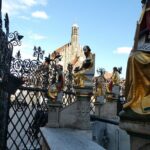
- Hauptmarkt and St. Sebaldus: where medieval power shows up
- Old City Hall and the Imperial Castle views you’ll remember
- Albrecht Dürer’s house: art, pride, and a human scale
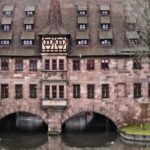
- Weissgerbergasse and Hangman’s Bridge: stories that add real texture
- From the 3rd Reich to reconstruction: how Nuremberg deals with the past
- Food, beer, and local tips that make the walk pay off
- Price and duration: what $3.54 buys in real value
- Who this tour suits best (and when to choose something else)
- Should you book this free walking tour?
- FAQ
- How long is the Nuremberg Free Walking Tour?
- Where do I meet the guide?
- What languages are available?
- Is the price really $3.54, and is it free?
- Does the tour cover the courthouse of the Nuremberg trials?
- Does the tour include the former Nazi rally grounds?
- What should I bring for the tour?
Key highlights at a glance
- Schöner Brunnen start point: a classic Nuremberg landmark to orient you fast
- Medieval-to-modern story line: from late Middle Ages through the 3rd Reich to postwar reality
- Architecture with context: churches, half-timbered streets, and the castle explained in plain language
- Dürer’s Nuremberg: a stop at Albrecht Dürer’s house with art and local pride
- Hard history handled carefully: stories about Nazi-era heritage and reconstruction, with room for questions
- Food and drink tips: guidance on local specialties and where to find them
Nuremberg’s Old Town is built for walking
If you only do museums in Nuremberg, you miss the main trick of the city: the past sits right on the pavement. The streets around the historic center are arranged so the story makes sense—market life, religious power, political authority, and later the heavy weight of 20th-century events.
That’s why this tour works. You’re not handed a lecture and sent off to read plaques. You’re guided through a sequence of landmarks, each one becoming a “chapter.” The tour is designed to take you from the Middle Ages through the 3rd Reich era and into how Nuremberg is dealing with that legacy now. You get the broad arc, but you also get the small details that make the big events feel real.
And the guide style matters. Andreas is born and raised in Nuremberg, and that local perspective comes through in how he frames what you see. The best moment is when a building stops being a postcard and starts being a role in a story—who used it, why it mattered, and what it says about the city’s mindset at the time. Several different guides show up for different language days in the available reviews (including Andreas, Alexandra, Tom, and Aleksandra), and the consistent theme is energy plus humor, paired with care on the tougher parts.
You’ll also like the pacing. People often describe the walk as unhurried, with short stops where the guide talks for around 10–15 minutes before moving on again. It’s long enough to learn a lot, short enough to keep your feet from rebelling.
You can also read our reviews of more walking tours in Nuremberg

Starting at Schöner Brunnen and building quick confidence
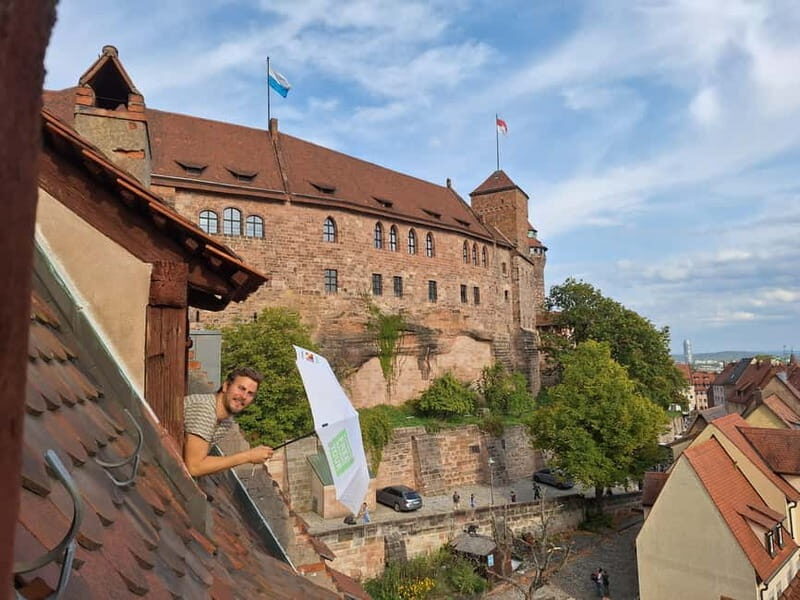
The tour begins at Schöner Brunnen, one of the easiest “anchor points” in the center. You meet there under a white umbrella with a green symbol. This matters more than it sounds. When you start at a recognizable landmark, you spend less mental energy figuring out where you are and more energy noticing the city.
From the start, the guide’s job is to help you see structure. Nuremberg can look like a maze at first glance, but the medieval core is organized around key civic and religious places. By the time you reach the main market area, you’ll feel like you’re moving along a map you understand.
Expect the first part to set the tone: where the stories will go and what you should pay attention to as you walk. If you’re the type who wants your trip to feel coordinated, you’ll appreciate this. Even if you later choose to explore on your own, you’ll know the city’s “spine.”
A small practical note: this is a walk. If you show up underdressed for the weather, your tour experience will suffer, not because the guide does a bad job, but because your body runs the show. Wear comfortable walking shoes and bring water. In cooler weather, you’ll enjoy being outside more; on hot days, you’ll want the hydration.
Hauptmarkt and St. Sebaldus: where medieval power shows up
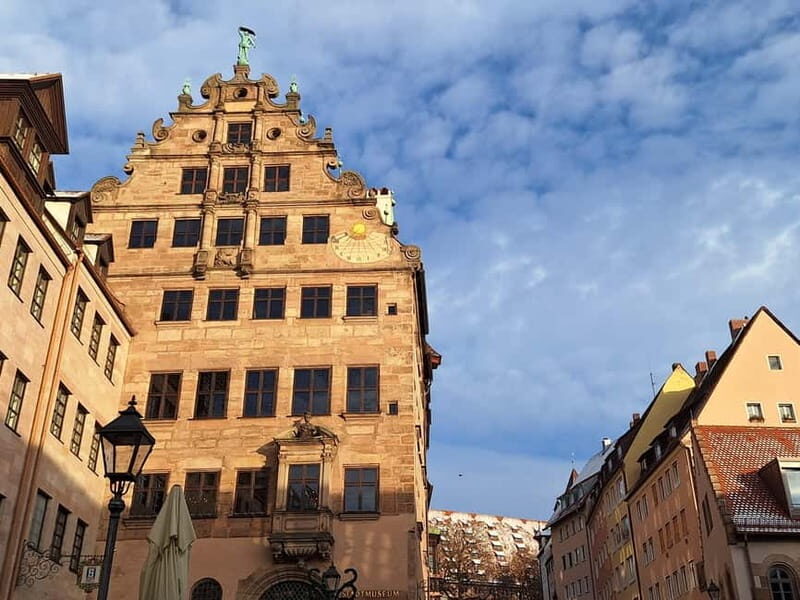
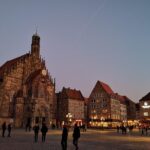
Next you head into the civic core, starting with Hauptmarkt Nürnberg. This is where market life and city identity overlap. The guide typically connects the square to how the city earned its reputation in the late Middle Ages—an era often described as a kind of “Golden Age.” You’ll also get a sense of how authority and everyday life coexisted in one compact area.
Then comes St. Sebaldus Church. Churches in Nuremberg aren’t just religious buildings; they’re historical statements. In a well-run tour, you learn how to look: what symbols mean, what the timing of construction tells you, and how the church fits into the larger civic story.
What I like about these stops is the balance between big picture and clear observation. You’re shown architectural highlights, but the tour also explains why those highlights exist—how wealth, politics, and belief shaped the skyline. If you tend to ignore details on your own, this guide style changes that. You’ll start noticing what you used to walk past.
Old City Hall and the Imperial Castle views you’ll remember
From St. Sebaldus, the tour shifts into government and power with the Old City Hall Nuremberg. This is a strong stop for anyone who likes to understand how a city governed itself. The guide’s storytelling makes the square-and-building combination feel purposeful rather than scenic.
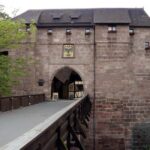
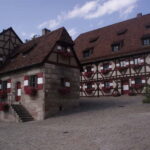
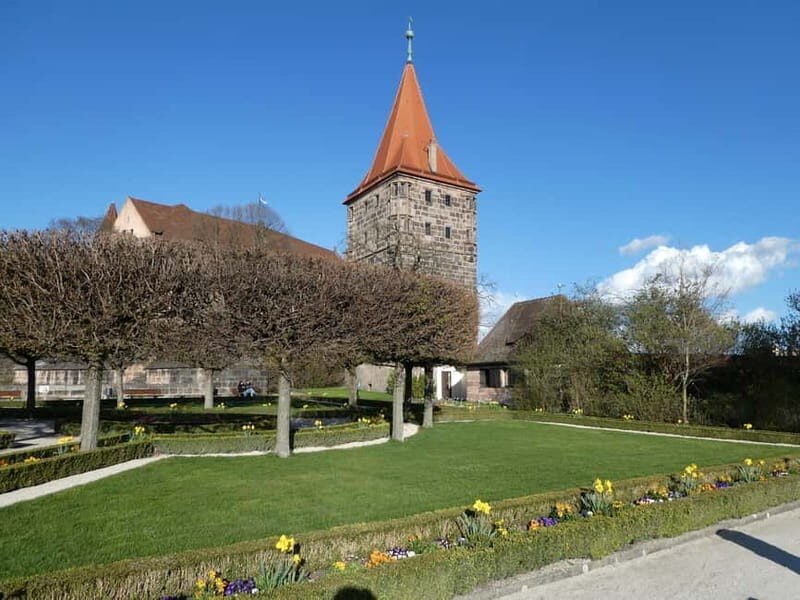
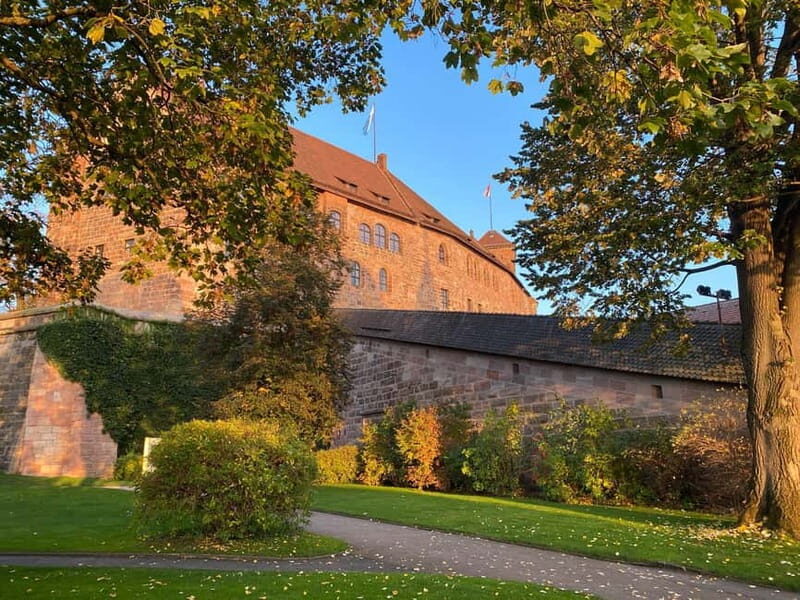
Then you climb into the Imperial Castle of Nuremberg. Even if you’re not a “castle person,” this stop usually lands because you’re rewarded with perspective. The castle dominates the landscape, and the guide ties that physical dominance to the city’s historical importance.
The best part of the castle segment is how it acts like a hinge between eras. You’ve seen the market and church world of medieval Nuremberg, and now you’re looking at the political and strategic angle. The tour keeps the timeline moving, so you don’t feel stuck in one period.
Possible drawback: if you’re sensitive to steep walking, plan for a bit more effort at the castle area. The time is still reasonable, but you’re trading speed for views and understanding.
Albrecht Dürer’s house: art, pride, and a human scale
After the architectural and power stops, the tour turns more personal at Albrecht Dürer’s House. This is one of the most enjoyable transitions because it shifts from institutions to people.
Dürer is an easy name to recognize, but the guide helps you understand why he belongs in a tour like this. It’s not just about visiting a famous address. It’s about seeing how a city supports creativity and how art fits into the identity of Nuremberg itself.
If you like tours that give you something to carry home, this is the kind of stop that helps. You’ll walk away with a clearer sense of how local culture connects to the famous individuals who represent it.
Also, this is where the tour starts to feel like it includes “everyday” Nuremberg, not only landmark Nuremberg. Several guides in the reviews emphasize practical tips, including where to find local specialties and how to plan food around what you want to see.


Weissgerbergasse and Hangman’s Bridge: stories that add real texture
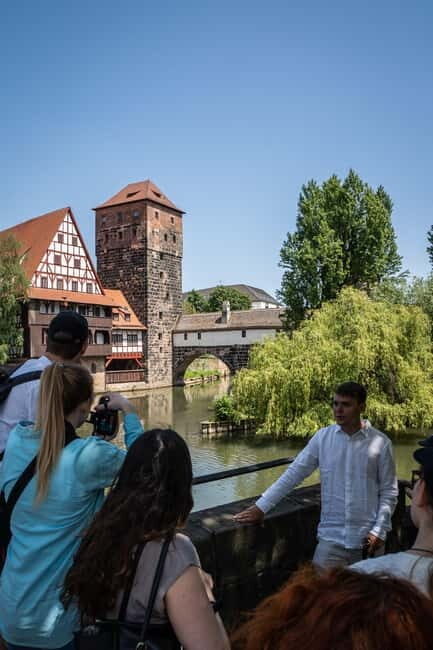
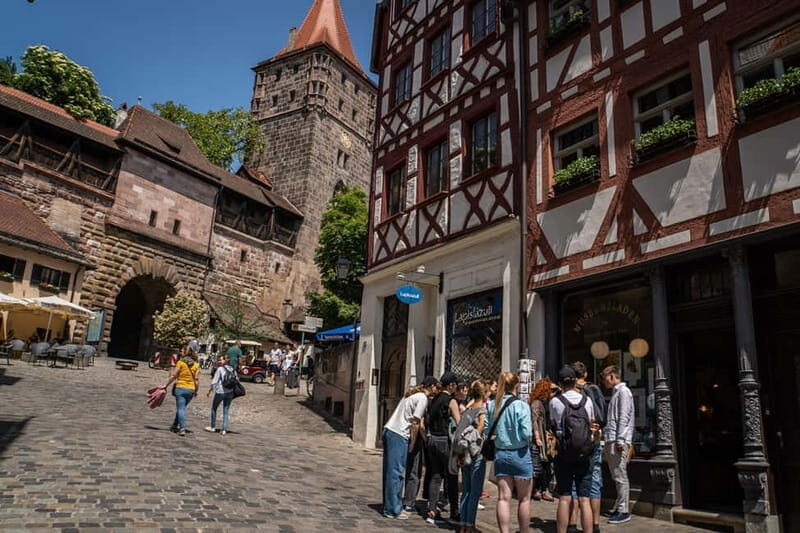
Next you’ll pass through Weissgerbergasse. This street is a classic example of how Nuremberg’s old neighborhoods preserved both craftsmanship and character. In a good tour, you don’t just call it a pretty street—you learn what it represented in its working days, and you get a feel for how the city’s trade and skills fed its status.
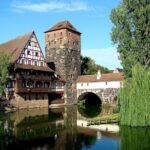
Then comes Hangman’s Bridge. This is one of those stops that sounds like it should be dark and spooky, and it is—just not in the cheap, horror-movie way you might expect. The guide tells stories about Franz Schmidt, and the twist is that he was a far more friendly figure than people assume. It’s a reminder that history isn’t only villains and victims; it’s also human beings doing their jobs inside the rules of their time.
This stretch is where the tour becomes more memorable than standard sightseeing. You’ll likely find yourself thinking about how even the city’s grim associations were embedded in a functioning community.
And if you’re the kind of traveler who likes humor, you’ll probably appreciate the way the guide keeps the tone human. Reviews repeatedly highlight a sense of humor and engaging narration, and that’s important here—because if hard topics are treated like facts only, you don’t connect. Humor, used lightly and wisely, helps you stay present without disrespecting what matters.
From the 3rd Reich to reconstruction: how Nuremberg deals with the past
The tour explicitly covers Nuremberg’s path from the Middle Ages through the era of the 3rd Reich and then into the aftermath—doom and reconstruction after WWII. This part of the experience is handled in a way that aims for clarity and sensitivity, not sensational storytelling.
This is also where you’ll most feel the value of a local guide. Local knowledge isn’t just facts—it’s the ability to explain what’s taught, what’s contested, and what people in the city want visitors to understand. The tour’s goal is to show how the city navigated the heritage of the Nazi era and how reconstruction shaped what you see today.
If you want hard history, you’ll get it. If you want hard history without being steamrolled, you’ll likely appreciate the approach. The guided discussion includes room to ask questions, and many reviews praise the guide’s preparation for that Q&A moment.
One key note: the tour includes broader historical context, but it doesn’t promise the full set of sites tied directly to the Nuremberg trials. Those elements are listed as not included in the experience. If your priority is the courthouse-related history or the former rally grounds, you’ll need to plan those separately. Think of this tour as the orientation and interpretation layer that makes those later visits easier.
Food, beer, and local tips that make the walk pay off
One reason people book a walking tour early in a trip is so they can stop guessing later. This one helps with that. The guide points out Nuremberg specialities and where you can get them at good places (not only where they are on a map).
You can also expect practical direction around regional culture through the guide’s local perspective. Reviews mention tips on food, coffee shops, bakeries, and even beer. That’s useful because Nuremberg is the kind of city where the best choices are often small and specific. A guide can save you time by telling you where locals go.
Here’s the value for you: after the tour, you’re not just armed with facts. You’re armed with a short list of “try this next” options—so your next meal becomes part of the story you just learned.
Price and duration: what $3.54 buys in real value
This tour is listed at $3.54 per person, and it’s described as free. Either way, the key question is what you actually get for the money. For a short trip, the answer is: you get an organized orientation to Nuremberg’s most important landmarks, plus a guided narrative that connects them across centuries.
At about 2 to 2.5 hours, you get a lot of walking ground without feeling like your day is consumed. Many reviews describe a smooth experience that keeps people moving, with stop talks that feel like they fit the time. If you’re comparing this to paying for individual guided entrances or piecing together your own self-guided route, the value is strong—especially because the guide explains what you’re seeing instead of expecting you to interpret it alone.
Tip isn’t included. That matters if you rely on fixed budgets, but it also means you can decide based on your experience. If the guide helped you understand the city and kept the pace friendly, you’ll probably feel comfortable rewarding that directly.
Who this tour suits best (and when to choose something else)
This tour is a great fit if you want:
- A guided story of Nuremberg that covers the whole timeline, not just one era
- Clear explanations at key architectural stops, including the castle and churches
- A guide who can handle difficult subjects with care and still keep things engaging
- Practical local tips for food and what to do next
It may be less ideal if:
- You want only memorial sites or only trial-related history, since those are not included
- You have very limited mobility or can’t handle an extended walk and possible uphill areas
- You prefer total silence and self-guided pacing (this tour is built around talking, storytelling, and Q&A)
Should you book this free walking tour?
Yes—if you want Nuremberg to make sense quickly. For most visitors, this is the kind of first-contact experience that pays off all trip long: you’ll understand what you’re looking at, you’ll know how different eras connect, and you’ll leave with local recommendations that help you eat and explore smarter.
Book it early in your stay if possible. That way, the city’s landmarks become a set of clues you can use later while wandering on your own. Just come prepared for walking, be ready for the tour to cover heavy 20th-century material, and bring questions—because the guide makes time to answer them.
FAQ
How long is the Nuremberg Free Walking Tour?
The tour runs about 2 to 2.5 hours.
Where do I meet the guide?
Meet at Schöner Brunnen and look for a white umbrella with a green symbol.
What languages are available?
The live guide is available in German, Spanish, and English.
Is the price really $3.54, and is it free?
It is listed as a free walking tour experience, shown with a price of $3.54 per person. Tips are not included.
Does the tour cover the courthouse of the Nuremberg trials?
No. The courthouse of the Nuremberg trials is not included in this experience.
Does the tour include the former Nazi rally grounds?
No. The former Nazi rally grounds are not included.
What should I bring for the tour?
Wear comfortable walking shoes, bring water, and dress for the weather. A camera is also a good idea for the architectural sights.