REVIEW · NUREMBERG
“Rotes Bier” and “Blaue Zipfel”. A historical-culinary walk
Book on GetYourGuide →Operated by Geschichte Für Alle e.V. · Bookable on GetYourGuide
Bratwurst and beer tell Nuremberg stories. This historical-culinary walk ties the city’s cooking traditions to real stops you can still point to in the old center, from the Rathaus area to the Altstadthof brewery.
I especially like the way the tour mixes food history with sensory samples, so facts land in your mouth as well as your head. I also appreciate that the guide stays nimble for questions; in recent feedback, people highlighted guides like Sonja as both sharp and funny, not stuck in lecture mode.
One drawback to consider: you’ll be on your feet the whole time, and the tasting portions are set up for a light-to-moderate snack experience rather than a full meal. If you’re a big eater, you may want to plan a proper dinner after.
In This Review
- Key highlights I’d circle on your plan
- Rotes Bier and Blaue Zipfel: the local flavor names you’ll actually taste
- Meeting at Altes Rathaus: easy start, clear wayfinding
- First stop energy: bratwurst at Bratwurst Röslein and the sausage-name story
- Hauptmarkt tastings: gingerbread and the center of town life
- Trödelmarkt 13 and Unschlitthaus: when the food history gets weird
- St. Sebaldus Church stop: history you can pair with a bite
- Altstadthof Brewery to Hausbrauerei Altstadthof: where the red beer finishes strong
- What you actually eat and drink: snacks, beer, and pacing
- Price and value: is $29 for two hours worth it?
- Who should book this, and who should skip it
- Practical tips: shoes, weather, and making the most of German
- Should you book Rotes Bier and Blaue Zipfel?
- FAQ
- Where do I meet the guide?
- How long is the tour?
- Is the tour in German?
- What’s included in the price?
- Is transportation to and from the meeting point included?
- Does the tour run in bad weather?
- What should I bring?
- Is the tour wheelchair accessible?
- Can I cancel for a refund?
Key highlights I’d circle on your plan
- Rotes Bier and Blaue Zipfel tastings that show how Nuremberg drinks earned their local reputation
- Nuremberg bratwurst culture, including why these sausages are famously small
- Lebkuchen (gingerbread) tasting with a wow-factor that’s clearly a centerpiece
- Historic town stops that turn everyday food words into location-based stories
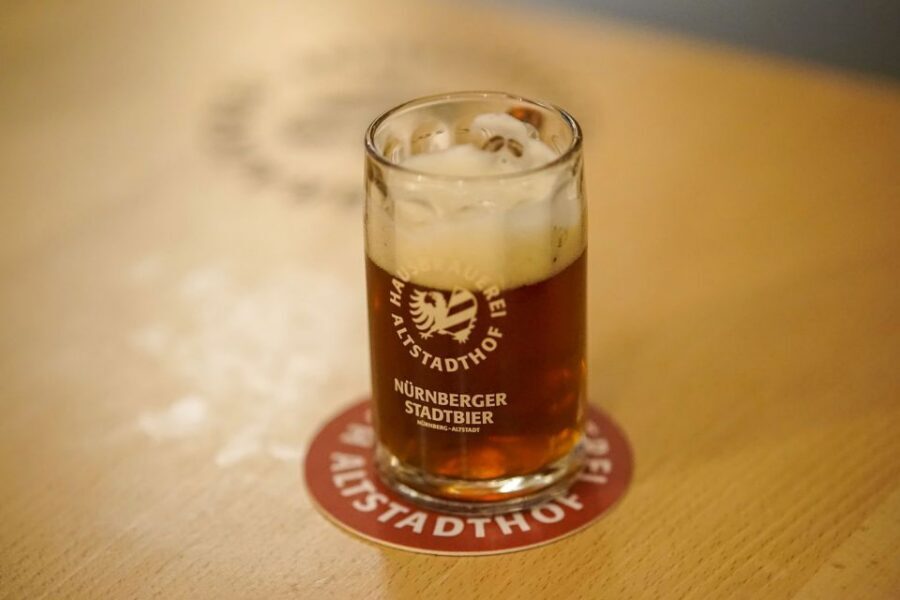
- Beer hall finish at Hausbrauerei Altstadthof, ending where the flavor is the point
Rotes Bier and Blaue Zipfel: the local flavor names you’ll actually taste

If you only think you know German beer, this tour will correct that fast. The names Rotes Bier and Blaue Zipfel aren’t just labels; they’re part of how Nuremberg talks about its drinking culture. During the walk, the guide connects those traditions to the city’s everyday life, so you’re not just sampling—you’re learning what shaped the tastes.
I like that the tour doesn’t treat beer as a random pairing. Instead, it frames beer as a working part of the city: something tied to how people gathered, how they ate, and how local producers built reputations. Even better, the samples are served in between story stops, which keeps the pacing lively.
If you’re curious about what makes something taste distinctively local—rather than just “German”—you’ll get a lot out of this. You’ll also learn why Nuremberg has a reputation for specific food ideas, from bratwurst to gingerbread, and how those ideas got attached to particular places.
You can also read our reviews of more walking tours in Nuremberg

Meeting at Altes Rathaus: easy start, clear wayfinding
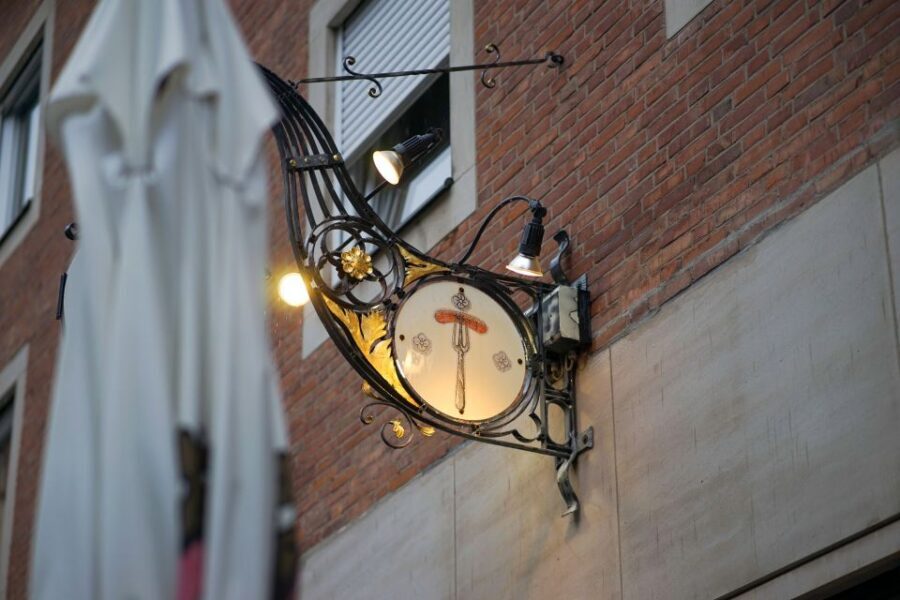
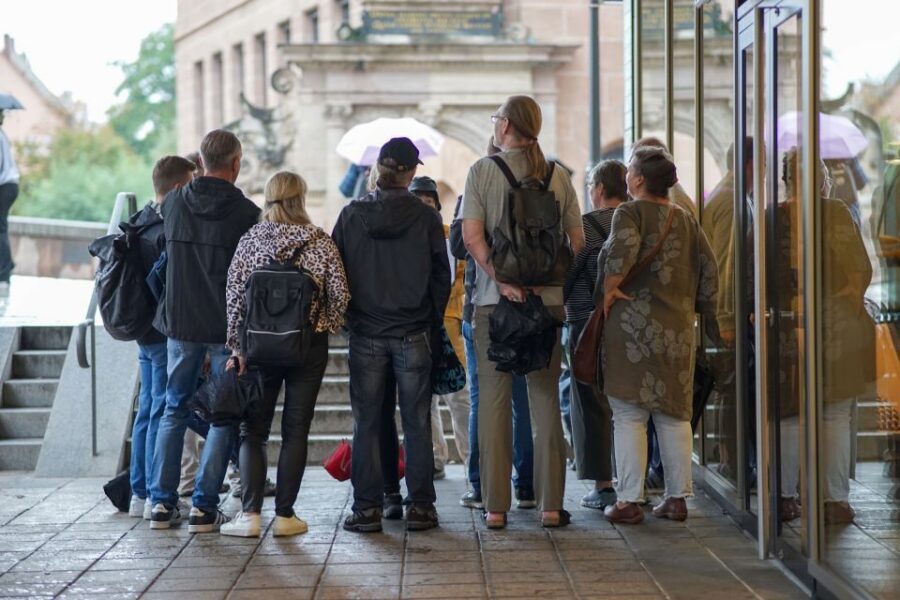
The experience begins at Altes Rathaus, right at the main entrance on Rathausplatz. The meet-up is easy to spot: look for your guide with a picture folder and the green logo for Geschichte Für Alle e.V. This is helpful because it cuts down on that awkward “Is this the right group?” moment.
From there, you walk through the old town on foot. The timing is built for a steady pace over about two hours, with short stretches between tastings and explanations. This matters because it keeps you from feeling rushed, while still moving through enough key streets to feel like you covered ground.
The tour is in German, rain or shine. That’s a practical note: if you’re not comfortable with German, bring the right expectations. You can still enjoy the tastings and the stories through the guide’s explanations, but it will be harder to follow every detail. If you’re at least conversational, you’ll likely catch more of the wording that makes local food history click.
First stop energy: bratwurst at Bratwurst Röslein and the sausage-name story
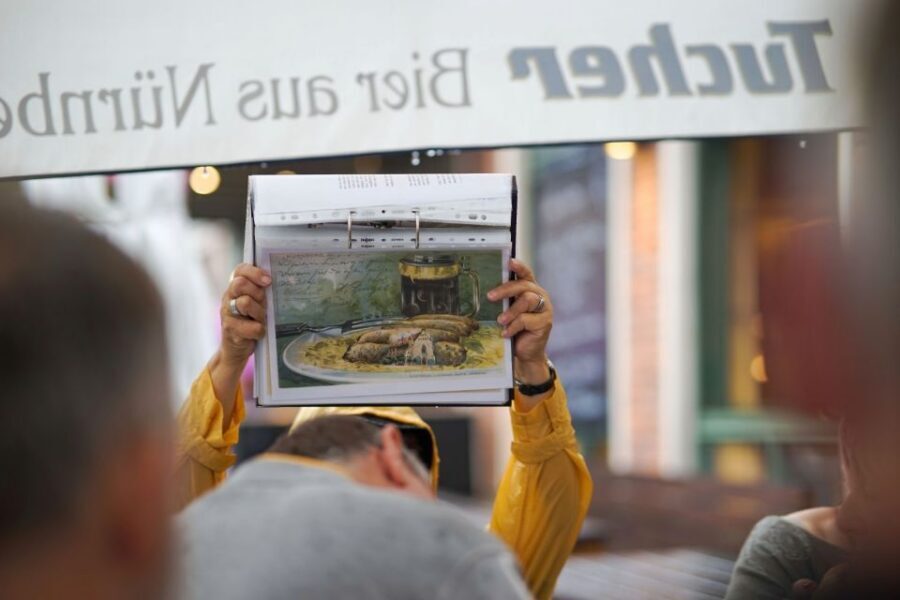
Nuremberg’s bratwurst isn’t just food here—it’s part of the city’s language. At Bratwurst Röslein, the walk shifts from “where are we” to “what are we tasting,” and the guide starts answering questions that many visitors have never been asked out loud.
You’ll hear why it’s called bratwurst, plus what’s special about the sausage culture in Nuremberg. A highlight of this stop is the attention to size: the guide will explain why Nuremberg bratwurst is so small. That detail might sound trivial, but it actually helps you understand how food traditions form around local needs—portioning, cooking methods, and how people ate while moving through the day.
This is also where the tasting approach really makes sense. You’re standing in a food-focused place, getting samples, and then getting the story behind them. That turns bratwurst from a souvenir purchase into a “why this, why here” experience.
Practical tip: keep your balance in mind. You’ll be eating while walking or pausing, so comfortable shoes matter more than you’d think.
Hauptmarkt tastings: gingerbread and the center of town life
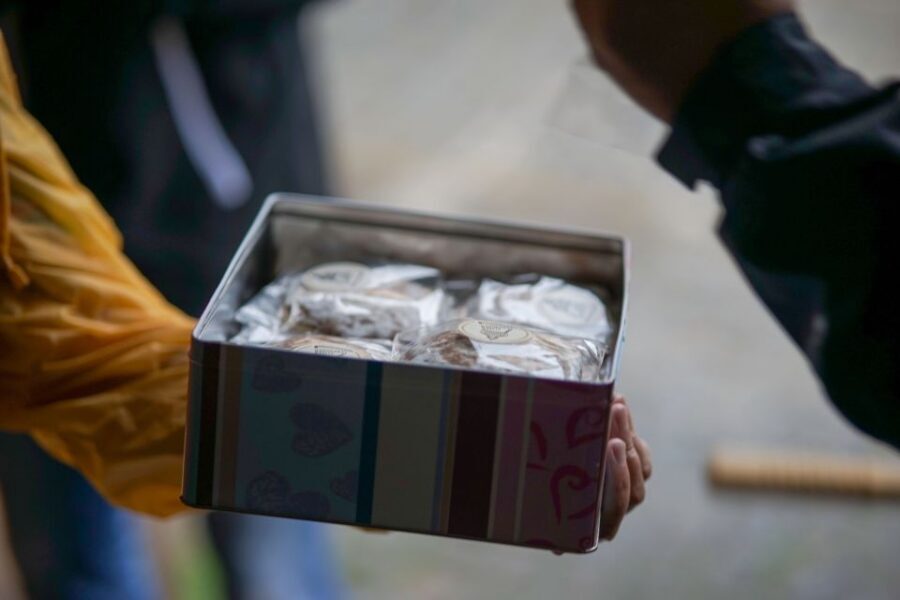
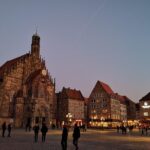
The walk then reaches Hauptmarkt Nürnberg, the main market area, a natural stage for food culture. This stop is valuable because it anchors the tastings in the city’s public face: the place where people gathered, traded, and ate what made sense for market rhythms.
Here, the tour leans into the local sweet side with gingerbread (Lebkuchen) tasting. The experience is billed around it being among the best in the world, and even if you take that phrasing with a pinch of skepticism, the point is clear: this is the sweet you’re supposed to remember.
What you’ll like is how the guide builds context around the cooking pot, including questions that sound odd until you hear the story. You’ll learn about what Nuremberg cooks knew historically, including whether and when they were making ravioli-style dishes—an idea that challenges the usual “German food only means sausages and beer” assumption.
And the center stops include multiple passes through the Hauptmarkt area, so you get repeated tastings without it feeling like repetition. Think of it as learning the same “headline” from different angles, with different flavor moments attached.
Trödelmarkt 13 and Unschlitthaus: when the food history gets weird
Not all food history is polite and linear, and that’s part of why I enjoy this section of the route. The tour heads toward Trödelmarkt 13 and Unschlitthaus, two stops that help explain how cooking connects to the real machinery of a city.
This is where you’ll hear the meaning behind a phrase like Devil’s Kitchen and how it relates to the broader world of Nuremberg cooking. The tour also tackles who was involved in planning the broader landscape—the guide ties the planner of the English Garden to Nuremberg food history, turning what sounds like a random name into a thread you can follow.
Even without you catching every historical reference, the structure helps: you’re learning ideas about kitchens, production, and how cooking culture developed, and then you’re sampling food along the way. That sensory pacing keeps you from getting lost in dates.
One possible limitation: if you want purely “food and photos,” this segment is more explanation-heavy than some tastings-focused tours. The upside is that the payoff is bigger. You’ll leave understanding how local food culture gets labeled, remembered, and repeated.
You can also read our reviews of more historical tours in Nuremberg


St. Sebaldus Church stop: history you can pair with a bite
Next comes St. Sebaldus Church, a stop that gives the tour more weight than a simple snack run. I like this choice because churches in old European towns aren’t just religious buildings; they’re social anchors. And when a food tour includes one, it signals that the stories aren’t isolated—they connect to who lived here, how they organized community life, and where traditions gained legitimacy.
This stop also helps you slow down for a moment. You get breathing space between tastings and town-center stories, and you can re-orient yourself in the layout of the old city. If you’re the type who likes to understand “how the town is shaped,” you’ll appreciate that.
From the tour’s perspective, the church is a backdrop for the bigger theme: food traditions weren’t created in a vacuum. They were repeated in public spaces and supported by local systems—economic, religious, and social. That’s the kind of context that makes the later brewery finish feel more earned.
Altstadthof Brewery to Hausbrauerei Altstadthof: where the red beer finishes strong
The final stretch is the most satisfying for anyone who came for the drink. The tour leads to Altstadthof Brewery, then finishes at Hausbrauerei Altstadthof – Rotbierstüberl – Brauerei und Whiskydestillerie.
Why this matters: ending at the place tied to Rotes Bier puts you at the logical endpoint of the tasting story. You’re not wrapping up with a random pub stop; you’re closing the loop with a brewery setting that supports what you’ve been learning. It’s the kind of finish where the last sips feel less like “bonus” and more like “this is the whole point.”
I also like that the finish is positioned as a destination rather than a quick detour. You’ll have time to enjoy the tasting atmosphere after a full two hours of walking and snacking, which keeps the experience from feeling like you only stop long enough to check off a list.
If you’re sensitive to strong flavors, pay attention to what you’re given. You’ll likely have more than one sample across the tour, and red beer styles can be distinctive.
What you actually eat and drink: snacks, beer, and pacing
The tour includes snacks and beer, plus the guide and the walking tour format. That’s a clear signal: you’re not meant to expect a full restaurant dinner experience with multiple courses. Instead, think of it as a sequence of small “tasting moments” placed between story stops.
That works well for most people because you get variety without getting stuffed. You’ll try local favorites like Nuremberg bratwurst and gingerbread, plus the beer theme throughout. The structure also means your attention stays flexible—if one stop interests you more than another, the tasting helps you still enjoy the overall route.
Now, balance check: one piece of feedback I’d take seriously is that the tasting snacks could be a bit more substantial or higher in value. The same feedback also praised the top-line items—bratwurst, Lebkuchen, and beer—so you’re likely still walking away happy. Just don’t expect gourmet fireworks in every single snack item.
If you want to eat more after: plan something simple and local nearby. A two-hour walk that includes samples is a great lead-in to dinner, not a replacement for one.
Price and value: is $29 for two hours worth it?
At $29 per person for about two hours, the value comes down to two things: what you get included, and how well the pacing matches the theme.
Included basics are solid: the walking tour, a live guide, snacks, and beer. So you’re paying for the combined experience—education tied to tastings, plus the actual samples that make the history real. You’re also not spending extra time figuring out where to eat next, which can be a hidden cost in both money and effort when you arrive in a new city.
Is it a bargain-food buffet? No. But for a guided route in old town Nuremberg that centers around specific local items—bratwurst culture, gingerbread, and red beer—that price feels fair. It’s also worth noting the tour sits at a 4.4 rating from 190 reviews, which is usually a good sign when the experience includes both narration and food.
If you’re very price-sensitive and only want food with no interest in the stories, you might feel underfed. If you care about understanding what makes Nuremberg food culture tick, this is priced like a focused specialty tour—and that’s the right fit.
Who should book this, and who should skip it
This tour is a strong match if you:
- like guided walking tours that connect places to real food traditions
- want to try Nuremberg gingerbread in context, not as a generic shop stop
- enjoy local beer culture and want the “why” behind Rotes Bier
- don’t mind that the tour is in German and you’re okay following along
It’s less ideal if you:
- want a silent, self-guided tasting route
- expect full meals rather than snacks and tastings
- need a very non-speaking experience; the tour guide explanations are key here
I’d also say it fits well for couples, solo travelers, and small groups who want a clear plan without wasting time hunting for the “right” bratwurst or the “right” gingerbread.
Practical tips: shoes, weather, and making the most of German
The tour runs rain or shine, so dress like you’re going to be outdoors for two hours. Comfortable shoes are the big one. You’ll be moving between historic sites and tasting stops, and you don’t want to think about your feet the whole time.
Because the tour is German, a simple strategy helps: let the tastings act as anchors. Even when you miss a sentence, the sample plus a key word or two will keep you engaged. If you’re traveling with someone who speaks German better than you do, it’s still not wasted—you can still enjoy the route and the food while they catch more of the historical connections.
If you get a guide like Sonja, take advantage of that invitation to ask questions. Recent feedback praised guides who take time for follow-ups, and that’s often where these tours become more than just a script.
Should you book Rotes Bier and Blaue Zipfel?
I’d book it if you want Nuremberg food culture with real structure: old town sights paired with tastings that follow a theme (bratwurst, gingerbread, red beer). The route is compact enough to fit into a city visit, but meaningful enough that you leave with ideas you can actually use when you decide what to buy or where to eat next.
Skip it only if you need full meals, prefer English-only narration, or hate walking in all weather. For the right traveler, this is an efficient, locally focused way to understand Nuremberg beyond postcards.
FAQ
Where do I meet the guide?
Meet your guide in front of the main entrance of the Altes Rathaus. Look for the picture folder and the green logo for Geschichte Für Alle e.V.
How long is the tour?
The tour lasts about 2 hours.
Is the tour in German?
Yes, the tour is held in German.
What’s included in the price?
Included are the walking tour, the guide, snacks, and beer.
Is transportation to and from the meeting point included?
No, transportation to and from the meeting point is not included.
Does the tour run in bad weather?
Yes. The tour takes place rain or shine.
What should I bring?
Bring weather-appropriate clothing and comfortable shoes.
Is the tour wheelchair accessible?
Yes, it is listed as wheelchair accessible.
Can I cancel for a refund?
You can cancel up to 24 hours in advance for a full refund.