REVIEW · DRESDEN
Dresden Old Town – Guided Walking Tour in English
Book on GetYourGuide →Operated by Walkative Tours · Bookable on GetYourGuide
Dresden tells stories fast. This 2.5-hour guided walk pulls you through Dresden Old Town with a local who connects the Slavic roots of the city to the WWII reconstruction you see in front of you. You’ll also pick up a sense of how the Elbe became more of a meeting line than a divider.
I love how the guide turns big names and famous facades into a clear, human timeline you can follow on foot, and I love the tight route that gives you quick orientation without feeling rushed. One thing to consider: it’s a steady walk between stops, so if you need a toilet break, plan ahead rather than waiting for one on the schedule.
In This Review
- Key Things I’d Put on Your Short List
- Where This Walk Begins: Neumarkt and the Martin Luther Statue
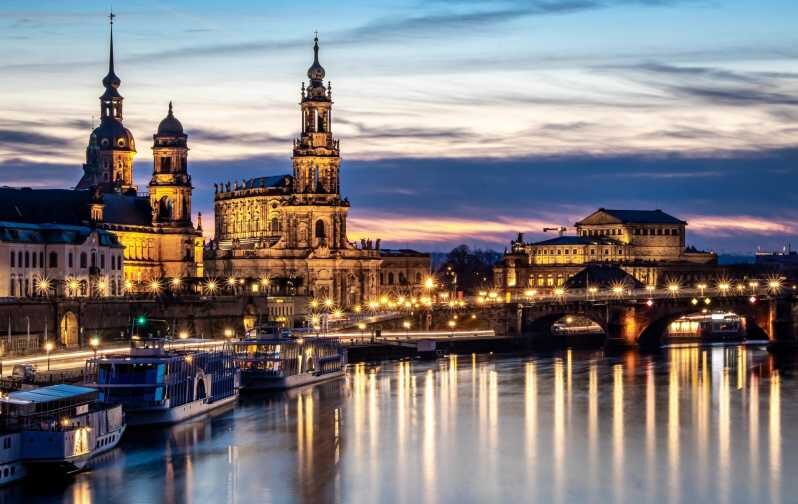
- Why the Elbe Is More Than a River Here
- Frauenkirche Area: Getting Your Bearings Fast
- Fürstenzug: The Prince-Elector “Gallery” That Explains Saxony
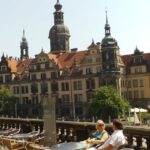
- Dresden Castle and Hofkirche: Seeing Authority in Stone
- Altmarkt and Kreuzkirche: The Old Square’s Big Role
- Brühlsche Terrasse: The Riverfront Walk That Feels Like a Viewpoint
- Semperoper: Dresden’s Music and the City’s Cultural Image
- Zwinger Palace Near the Elbe Bridge: Baroque Splendor with Context
- What the 2.5 Hours Actually Feels Like on Your Feet
- English Guiding That Stays Lively
- Price and Value: What $35 Buys You (and What It Doesn’t)
- Who Should Book This Walk
- Final Take: Should You Book This Dresden Old Town Tour?
- FAQ
- How long is the Dresden Old Town guided walking tour?
- What is the meeting point for the tour?
- Is the tour in English?
- Is transportation included?
- How much does the tour cost?
- Is there free cancellation?
- Can I reserve and pay later?
- Is the tour wheelchair accessible?
Key Things I’d Put on Your Short List
- Martin Luther Statue at Neumarkt as a smart starting signal for Dresden’s main story arc
- Fürstenzug (Procession of Princes) explained in a way that makes the art feel personal
- WWII-era rebuilding context that changes how you read the baroque buildings
- English guiding with humor and story rhythm, so the facts stick
- A riverfront-and-architecture mix that works even if you’ve only got half a day
Where This Walk Begins: Neumarkt and the Martin Luther Statue
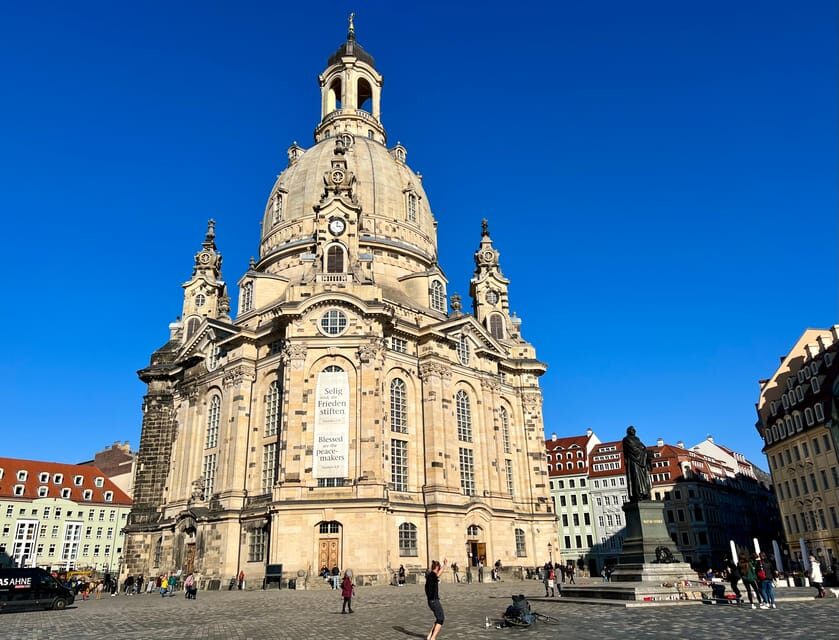
You start in the Neumarkt area, right by the Martin Luther Statue next to the Frauenkirche. It’s a good spot because you’re positioned at the cultural center of gravity—both religiously and visually. Look for the guide holding a yellow umbrella.
Arrive about 10 minutes early so you’re not hunting for the group while everyone else is moving. Dresden’s Old Town is compact, but once you’re on the route, you’ll be grateful you can keep your pace without stops for logistics.
This meeting point also matters thematically. Neumarkt and Frauenkirche aren’t just scenery here; they’re the tour’s first proof that Dresden’s present is built directly on its past, including the scars of the 20th century.
You can also read our reviews of more walking tours in Dresden
Why the Elbe Is More Than a River Here
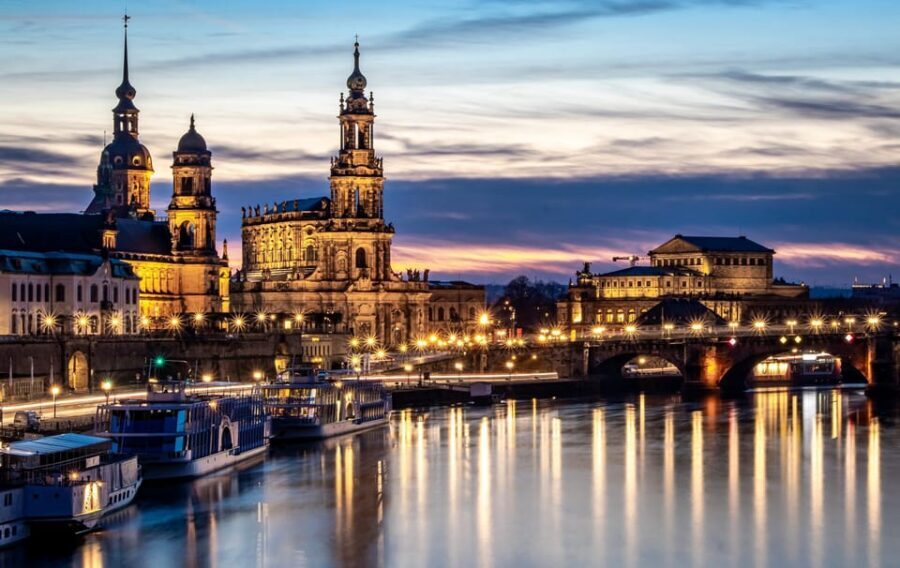
Early on, the guide frames Dresden around the Elbe, not just as a postcard backdrop but as a historical connector. The tour idea is that this stretch of Central Europe formed through contact—trade, migration, and shifting cultural influence—between Germanic and Slavic worlds.
You’ll hear how Dresden started as a smaller Slavic settlement, and how the name rings familiar if you speak Czech, Slovak, Polish, or Sorbian. Then you get the arc of growth: a village built around a castle in the 13th century, expanding into a major trading center by the end of the Middle Ages.
One practical reason I like this framing: it prevents you from treating Dresden as only a 1700s baroque city. Instead, you start noticing older layers—language, trade wealth, and regional power—under the monuments you recognize.
Frauenkirche Area: Getting Your Bearings Fast
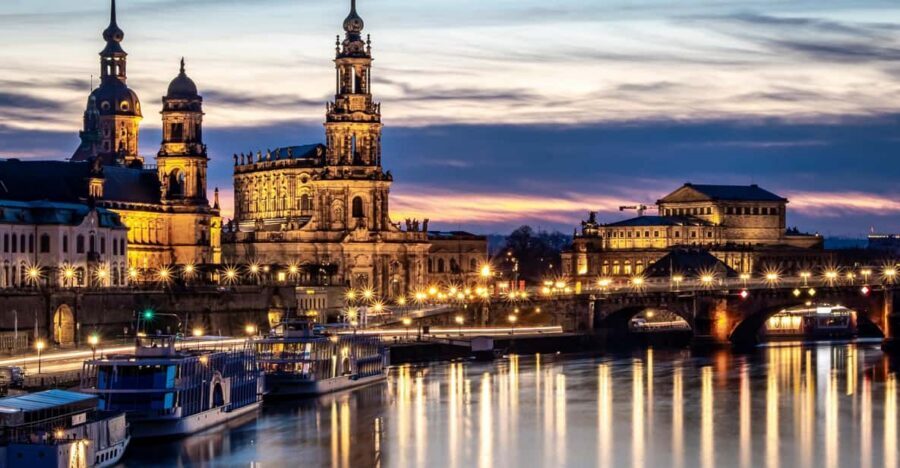
From the meeting point, you’ll connect the square setting to Dresden’s religious and civic identity. The tour includes the Frauenkirche area along with the statue landmark you used to find the group.
What’s useful here is not just that Frauenkirche is famous, but that the guide sets up the city’s modern look as the product of restoration. Dresden was famously bombed during World War II, and the central city was rebuilt with careful methods and design that echo what came before. When you understand that, the buildings don’t feel like a stage set. They feel like a choice people made: rebuild what they could, and carry the memory forward.
If you’re the type who likes to visit a church interior, plan that separately; the walking tour focus is the streetscape and what they mean. Think of it as your map-reading session, not your deep museum day.
Fürstenzug: The Prince-Elector “Gallery” That Explains Saxony
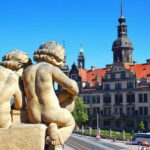
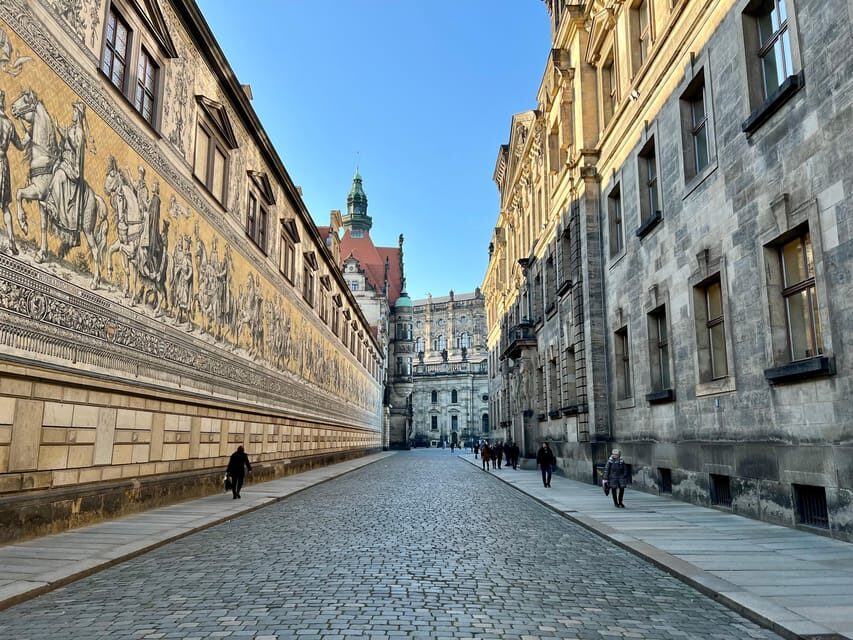
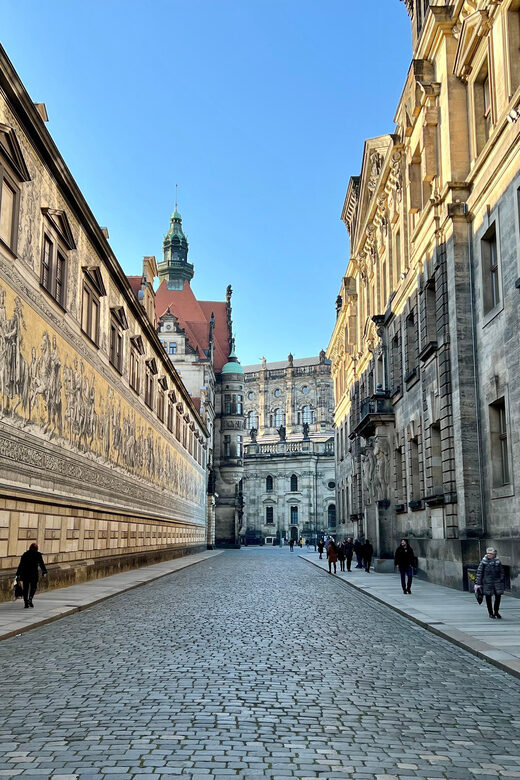
Next comes Fürstenzug, the long painted procession of Saxon prince-electors. Even if you don’t read every figure, it’s the kind of stop that makes Dresden’s political history feel visible.
This is where the guide’s European context really pays off. You’ll hear how Dresden moved from regional importance into a seat of power—rising especially when Saxon princes of the Wettin dynasty gained major influence in the early 1700s. The result was something close to court-city splendor, and Fürstenzug becomes an easy way to see that power as pageantry, not just politics.
Why it’s worth your attention: you’ll likely pass art like this later in your trip without knowing what it’s saying. Here, you’ll leave with a sentence in your head that helps you interpret the visuals on the wall.
Dresden Castle and Hofkirche: Seeing Authority in Stone
From Fürstenzug, the walk continues toward the major power zones around Dresden Castle and the nearby Hofkirche. This is the stop where the tour shifts from visual storytelling into architectural “how the city thinks” mode.
Dresden Castle is part of the Saxon prestige machine. You’ll see how the city’s wealth and position translated into monumental building. And when the guide connects those choices to the broader timeline—trade prosperity, then elevated political status, then the baroque burst—the buildings start to feel less decorative and more purposeful.
Hofkirche works as a companion piece. Without needing to be a church expert, you’ll understand why it belongs near the centers of authority. It’s the kind of stop that helps you read Dresden’s skyline: power and religion weren’t separate here; they were adjacent, in the same urban neighborhood.
You can also read our reviews of more guided tours in Dresden





Altmarkt and Kreuzkirche: The Old Square’s Big Role
Now you move through the core civic rhythm around Altmarkt and the Kreuzkirche area, plus the palace of culture nearby. This section helps you see Dresden as more than palaces and museums.
Altmarkt is where the city performs its everyday identity—public life in a square setting. Kreuzkirche adds a different texture: it’s a reminder that Dresden’s story isn’t only about court grandeur. Religious institutions, city squares, and cultural buildings formed the daily stage.
If you like walking tours that don’t treat everything as a single-theme museum, this part usually lands well. You get to feel how Dresden worked at street level while still understanding the bigger forces shaping what got built.
A note on pacing: this section can feel slightly busy in your photo planning. Keep an eye on the guide, because the real payoff is tying what you see to the story you’re hearing.
Brühlsche Terrasse: The Riverfront Walk That Feels Like a Viewpoint
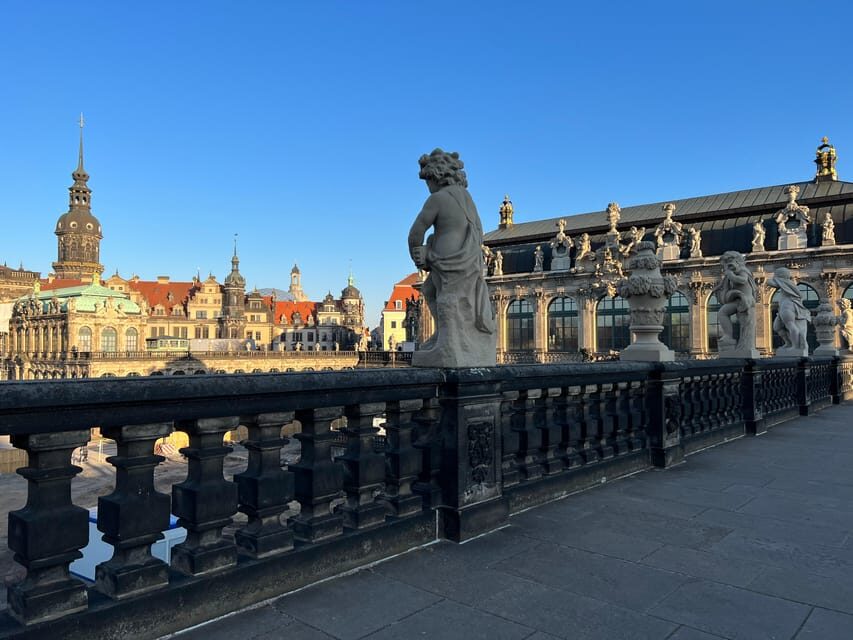
Then you hit Brühlsche Terrasse, one of Dresden’s signature riverfront scenes. The tour uses this stop for two reasons: the obvious one is the view, and the smarter one is perspective.
Standing along the Elbe-side promenade, you start to understand how the city’s layout fits together—where authority sits, where squares form, and how the river shapes movement and identity. When the guide earlier talked about the Elbe as a connector, this stop makes the concept physical.
You’ll also notice how reconstruction affects what you feel at the riverfront. Even when you’re just watching the skyline, you’re seeing a city that chose to rebuild, which changes the emotional weight of the scenery. It’s not just pretty; it’s meaningful.
Semperoper: Dresden’s Music and the City’s Cultural Image
Next is the Semperoper area. This is where Dresden’s cultural brand shows up in plain sight: the city’s identity isn’t only about rulers and churches, it’s also about performance and public imagination.
The guide typically links what you see to the baroque-to-early-modern era ambitions of the city. Even if you don’t go inside the opera, you’ll understand why Semperoper belongs on the map of “this is who we want Dresden to be.”
This stop works especially well if you’re traveling with someone who likes arts and architecture. It gives you a break from being in “history mode” while still being part of the same story.
Zwinger Palace Near the Elbe Bridge: Baroque Splendor with Context
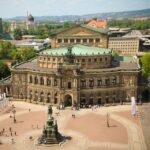
You finish with the area around Zwinger Palace, near the Elbe bridge. Zwinger is the kind of sight that can easily become a checklist photo unless you know why it was built the way it was.
That’s where the tour’s earlier storytelling helps. By the time you reach Zwinger, you’ve heard how Dresden’s fortunes rose when Saxon princes gained huge status in Central Europe, and you’ve heard how the 20th century shattered that continuity. The reconstruction then becomes the final theme: this is a city that rebuilt its artistic image after extreme damage.
So when you look at Zwinger’s baroque lines, you’re not only admiring design. You’re also witnessing a restored statement—about taste, wealth, and identity—made durable through rebuilding.
What the 2.5 Hours Actually Feels Like on Your Feet
The advertised time is about 2.5 hours, and in real terms it’s a focused Old Town loop. Expect walking between major landmarks rather than long breaks at each stop. That keeps the momentum and helps you cover ground efficiently.
A couple of practical points:
- Wear shoes you can trust. Cobblestones and uneven patches are common in historic centers.
- If you’re sensitive to pace, plan a restroom stop before you meet your guide. One mention from a prior visitor was that the tour can run without a toilet break, and that’s a fair heads-up.
The upside of this format is that you get orientation fast. If Dresden is only one stop on your trip and you want to feel oriented by the end of the walk, this works.
English Guiding That Stays Lively
The guides are a big reason this tour gets strong marks. Names that have shown up in feedback include Nicolo/Nicolas/Nikolai, James, Dominica, and Chris. Across those experiences, what people consistently liked was the combination of strong English and story delivery with humor—fan facts and light jokes timed to keep attention.
The best guides do two things well: they explain what you’re looking at, and they connect it to Europe beyond Dresden’s borders. If that’s what you care about, you’re in the right place.
Price and Value: What $35 Buys You (and What It Doesn’t)
At $35 per person, you’re paying for a guided walk and an English-speaking host. Transportation isn’t included, so you’ll handle getting to and from the meeting point on your own.
Is it worth it? In my view, yes—if you’re the type who wants meaning, not just movement. This tour isn’t only about landmarks; it’s about how Dresden became Dresden: Slavic settlement origins, Saxon rise, baroque building energy, and the 20th-century destruction followed by meticulous restoration.
You also get practical value from the format. Two and a half hours is long enough to learn the city’s “why,” but short enough to fit into an itinerary without hijacking your whole day.
One important pricing note: your booking is tied to a pay-as-you-wish style approach where the amount you pay covers a reservation fee and the guide’s payment. If you loved your guide’s storytelling, you’ll have the chance to reward accordingly in that spirit.
Who Should Book This Walk
This is a great choice if:
- You want an Old Town overview that’s more than a photo run
- You care about how Dresden’s present grew out of its past, especially the rebuilding story
- You’d like architecture and art explained with clear context
- You’re traveling in a way where time matters—2.5 hours is a solid commitment window
It may not be ideal if you want long museum-style stops or a very slow pace. It’s a walking tour with a narrative drive.
Final Take: Should You Book This Dresden Old Town Tour?
I’d book it if you want to understand Dresden in one clean sweep. The route hits the big landmarks that people travel for—Frauenkirche area, Fürstenzug, Dresden Castle zone, Altmarkt/Kreuzkirche, Brühlsche Terrasse, Semperoper, and Zwinger—then ties them to the city’s deeper turning points.
The only real caution is comfort and timing. Bring good walking shoes, and don’t count on mid-tour pauses if you’re strict about restroom needs.
If you’re after a guide who keeps the story moving (and can make facts feel like scenes), this is a strong value way to start your Dresden day.
FAQ
How long is the Dresden Old Town guided walking tour?
The tour runs for about 2.5 hours.
What is the meeting point for the tour?
Meet your Walkative! guide next to the Martin Luther Statue at the Neumarkt, next to Frauenkirche. Look for the guide with the yellow umbrella.
Is the tour in English?
Yes, the guide offers the tour in English.
Is transportation included?
No, transportation is not included.
How much does the tour cost?
The price is $35 per person.
Is there free cancellation?
Yes. You can cancel up to 24 hours in advance for a full refund.
Can I reserve and pay later?
Yes. You can reserve now and pay later.
Is the tour wheelchair accessible?
Yes, the tour is listed as wheelchair accessible.