REVIEW · NUREMBERG
Nuremberg: Medieval Dungeons Guided Tour
Book on GetYourGuide →Operated by Förderverein Nürnberger Felsengänge e.V. · Bookable on GetYourGuide
A short walk turns into medieval justice. Under Nuremberg’s Altes Rathaus, this 45-minute guided tour takes you into vaulted cellars where you’ll see mostly original dungeon furnishings, and a live guide tells the story with a mix of facts and theatre. I also love the way the route moves fast enough to stay vivid, starting with the twelve small cells and ending at the torture chamber.
The big consideration is that the subject is grim: you’ll hear reports of torture in tight underground rooms, and it’s not a fit for claustrophobia or people with mobility impairments.
In This Review
- Key things I’d watch for
- Under Nuremberg’s Altes Rathaus: What You’ll See in 45 Minutes
- Medieval Justice 101: Why the Dungeon Was Used Before Judgment
- Twelve Small Cells and Mostly Original Furnishings
- The Torture Chamber: What You’ll Learn Without Needing Extra Imagination
- Meeting at Altes Rathaus: How to Prepare So the Tour Feels Easy
- Price and Value: Why $11 for 45 Minutes Can Be a Great Deal
- Who Should Book This Dungeon Tour (and Who Should Skip It)
- Should You Book the Nuremberg Medieval Dungeons Guided Tour?
Key things I’d watch for
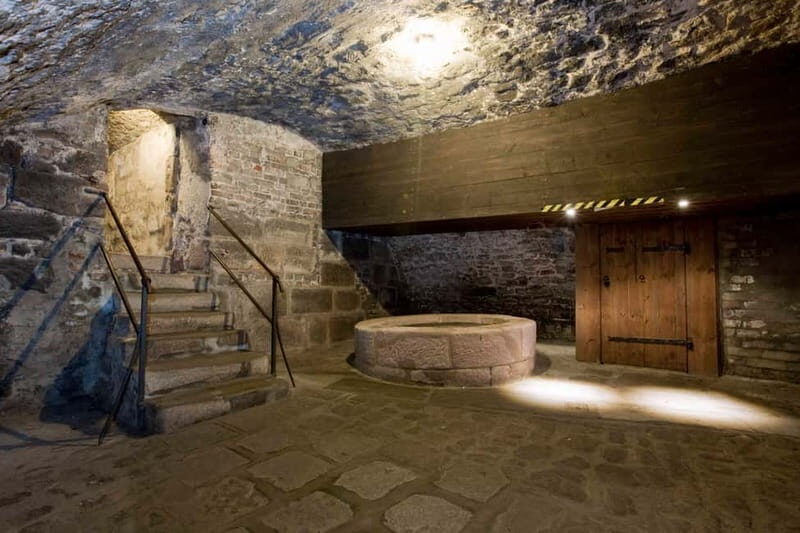
- Mostly original dungeon furnishings: you’re not just looking at replicas; the vibe is real.
- A live guide who balances tone: expect clear explanations with some humour, not a lecture.
- A 45-minute format: short enough for your day, long enough to understand what these spaces were for.
- The whole justice process, not just scares: remand detention, questioning, and judgment context.
- Twelve small cells plus a torture chamber: the route is tight, so comfort matters.
Under Nuremberg’s Altes Rathaus: What You’ll See in 45 Minutes
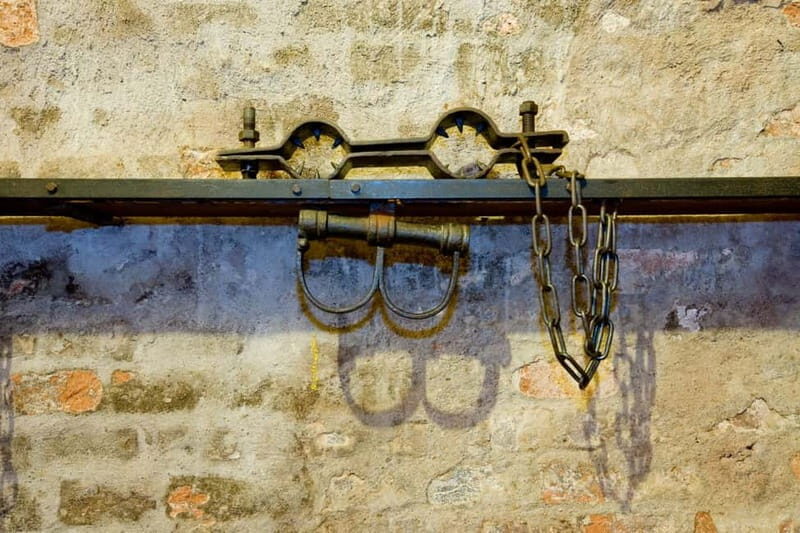
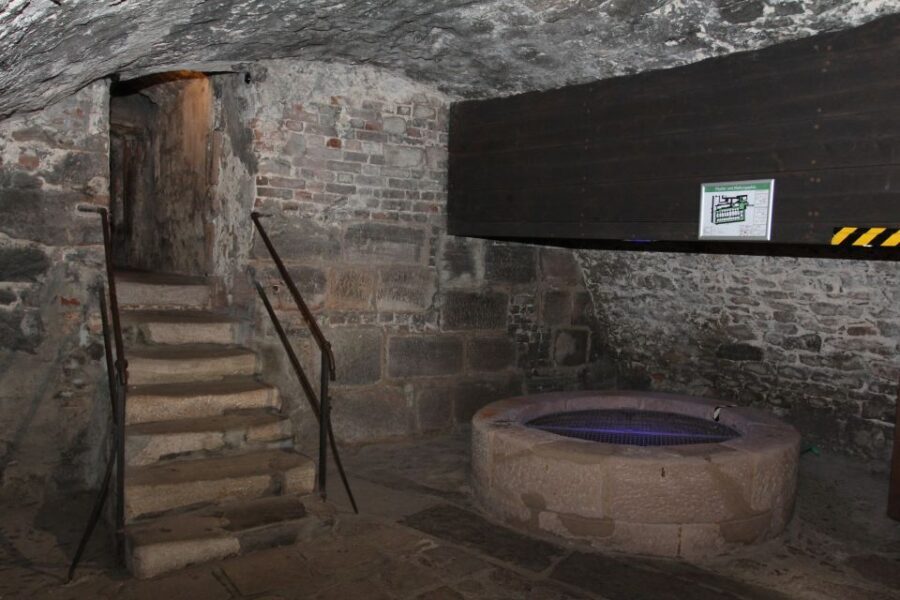
This is one of those Nuremberg activities that feels almost too close to the ground. You meet at the Old City Hall (Altes Rathaus), near the middle entrance, and you start outside before going down into the city’s medieval underworld. Once you’re inside, the vaulted cellars set the mood fast: low ceilings, thick stone, and a layout built for confinement.
The tour runs about 45 minutes, which is a big part of why it works. You’re not trapped underground for hours, but you also get a real walkthrough instead of a quick “look and leave.” The route focuses on the dungeon as a working system: you move cell to cell, then you end with the torture chamber, where the guide explains what happened and why it was used as part of medieval punishment and questioning.
I like that the experience is structured like a story with stops. You don’t just hear random facts—you’re led through spaces that match those facts. That makes it easier to understand how an ordinary day could turn into detention, interrogation, and judgment before a person even knew what their fate would be.
One practical note: you’ll want to wear warm clothing. Underground rooms can feel much cooler than street level, and the tour format keeps you standing while the guide talks.
You can also read our reviews of more guided tours in Nuremberg



Medieval Justice 101: Why the Dungeon Was Used Before Judgment
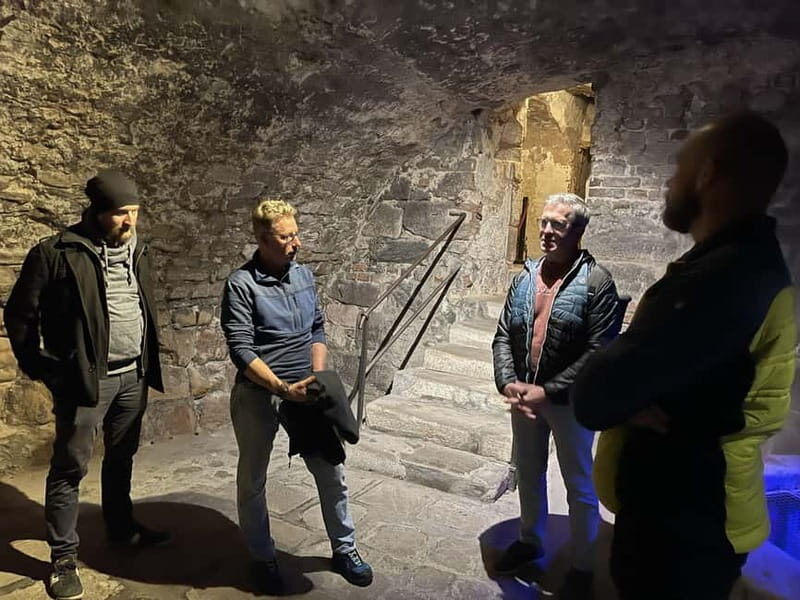
The core idea you’ll hear—clearly and repeatedly—is that these spaces weren’t only punishment. Starting from the 14th century, the dungeons under the Old City Hall served as places to hold and question prisoners while they awaited judgment. In other words: detention came before certainty.
The guide’s framing matters here. You learn that remand detention was designed to force answers, and that confession was treated like proof—even if the prisoner was guilty, innocent, or simply scared and exhausted. The tour emphasizes that people could be thrown into the dungeon with very little in their favour. In medieval terms, it could feel like a death sentence long before a verdict was spoken.
You also get context on what “judgment” looked like in those days. It wasn’t a neat courtroom drama with modern rules. It was a system that tried to determine guilt through questioning and punishment. That’s why the story isn’t only about cruelty as an idea; it’s about process: why someone could end up in a cell, how long they might wait, and how the dungeon fit into the machinery of justice.
This part of the tour is valuable because it turns the dungeon from a spooky photo spot into an explanation of how society worked. Once you understand the system, the spaces make more sense. The cells stop feeling like random medieval props and start feeling like tools.
Twelve Small Cells and Mostly Original Furnishings
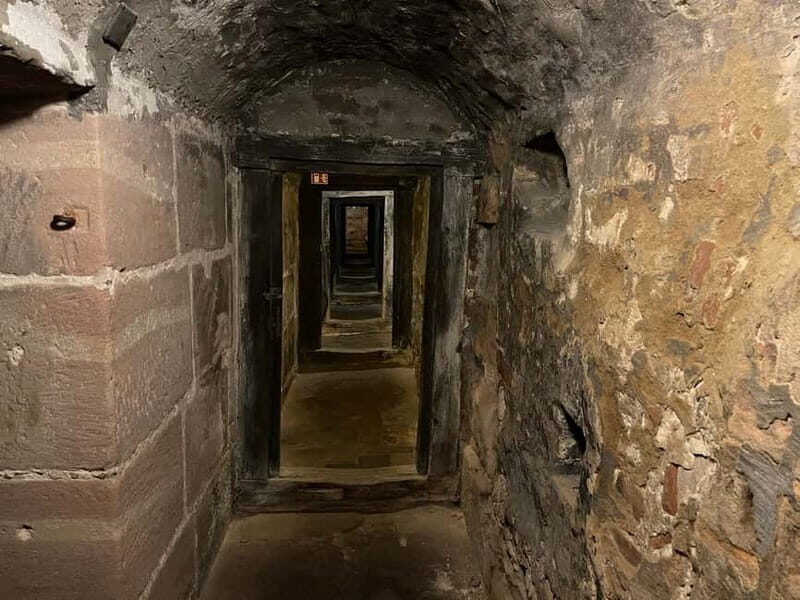
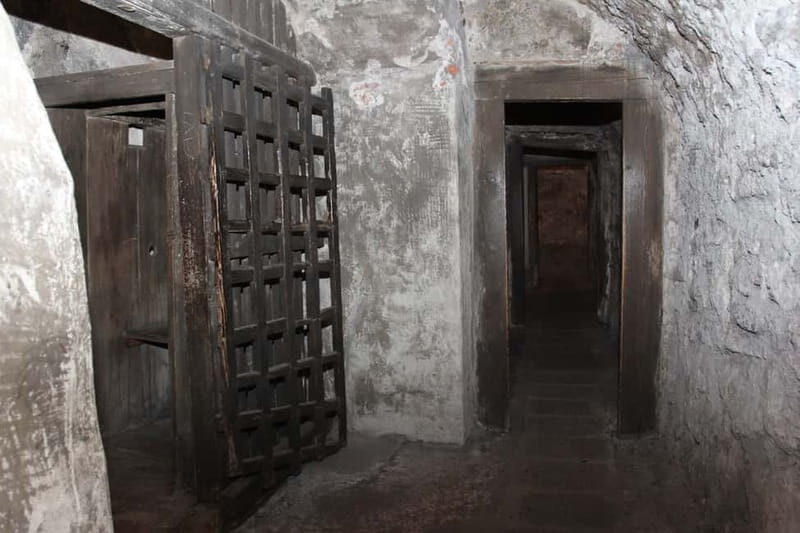
The heart of the tour is the walk through the twelve small cells. Even before you reach the most frightening room, the cells teach you what confinement meant on a practical level. Small spaces shape everything: movement, breathing, sound, and time.
The tour highlights that you’ll see mostly original furnishings, which is a big difference between a dungeon museum and the real thing. When you stand where people were held and look at what’s still there, you start to understand how daily life would have felt—how little space you would have had, and how helpless that would make you.
Here’s what I’d pay attention to as you go: the guide doesn’t treat the cells like a checklist. The better guides connect each stop to the decision being made at that stage of the justice process. One cell can become an example of waiting. Another can become an example of pressure. By the time you’re halfway through, you’re not just picturing suffering—you’re learning why the dungeon was built to produce it.
If you’re travelling with someone who wants the “why,” this is the part that usually clicks. And if you’re travelling with someone who wants the “what,” the cells deliver that too. Either way, the route keeps things moving, so you’re not stuck in one spot with only your imagination.
Some guides also reference details inside the dungeon rooms (for example, you may hear about a red room as part of the storytelling). If that kind of naming helps you remember what you saw, you’ll likely appreciate that extra layer.
The Torture Chamber: What You’ll Learn Without Needing Extra Imagination
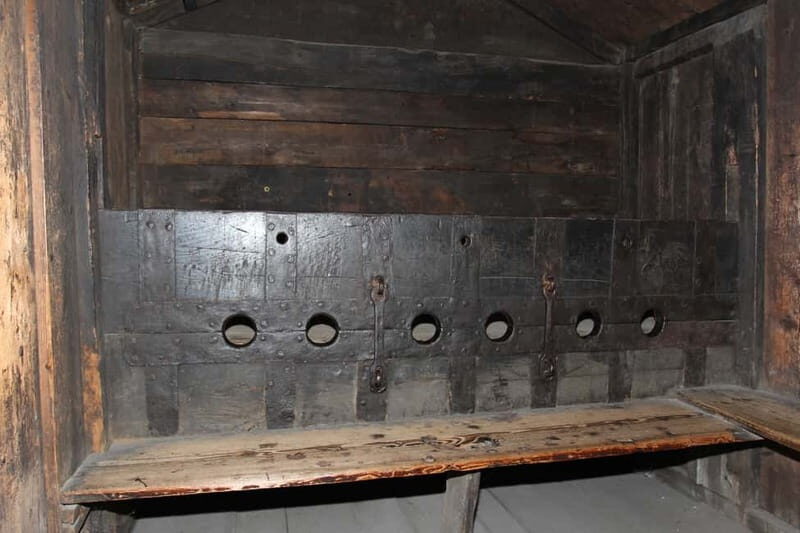
You’ll reach the torture chamber near the end, and the tone shifts into the darkest portion of the tour. You should know upfront: you will hear reports of torture. That’s not a suggestion. It’s part of what the guide explains.
What you’re really there to understand is the role torture was said to play inside the justice system. The tour connects it to questioning and the attempt to extract confession before judgment. That can be hard to hear, but it’s also historically specific. It’s not just shock value; it’s meant to explain how punishment and interrogation were treated as connected steps.
One reason this tour gets high marks is how guides handle the topic. Multiple guides in this program are praised for bringing the story to life while still keeping control of the moment. You may hear a guide with a strong voice for dungeon tales, and you may notice humour used carefully—enough to keep the tour engaging, not enough to cheapen the subject.
Still, you should judge your own limits. This isn’t a gentle history walk. The rooms are underground, the lighting and acoustics are built for confinement, and the content is grim. If low ceilings, tight spaces, or gruesome historical discussion are triggers for you, skip this one and pick a different Nuremberg tour.
Meeting at Altes Rathaus: How to Prepare So the Tour Feels Easy
Logistics here are simple, but a few details really help. You meet in front of the Old City Hall (Altes Rathaus), near the middle entrance, and you wait outside. From there you follow the guide down into the vaulted areas.
Plan your comfort first. Bring warm clothing. The underground setting can chill you faster than you expect, and you’ll spend most of the tour on your feet in enclosed spaces. Also bring a charged smartphone—it’s not required for understanding the story, but it’s useful if you like photographing what you see or saving quick notes for later.
A couple of rules keep the experience smooth: no food and drinks inside the tour spaces. That’s helpful because it keeps the focus on the guide and the rooms, and it avoids mess in tight corridors.
If you’re deciding based on fit, remember the limits stated for this tour: children under 10 aren’t allowed, and it’s not suitable for people with mobility impairments or claustrophobia. The reason is straightforward—the environment is tight, low-ceiling, and not designed for accessibility.



Price and Value: Why $11 for 45 Minutes Can Be a Great Deal
At $11 per person, this is priced like an impulse-friendly add-on—and for many people, it ends up being one of the most memorable stops in Nuremberg.
Here’s the value equation that makes sense:
- You get a live guide in English or German, not just an audio track.
- The time is tight and efficient: 45 minutes means you can fit it without rearranging your day.
- You’re paying for access to a specific underground setting, with preserved features like mostly original furnishings.
It’s also good value because the guide’s job is harder than it sounds. Underground tours require clarity: the acoustics, the lighting, the crowd flow, and the emotional weight of the subject. When a guide can keep a group moving while still making the history understandable, you’re getting more than entertainment—you’re buying context.
On top of that, the tour’s size can work in your favour. Many guides are praised for keeping the group manageable and the delivery engaging, which matters in confined spaces. If your group is small, the tour can feel more like a conversation than a performance.
Who Should Book This Dungeon Tour (and Who Should Skip It)
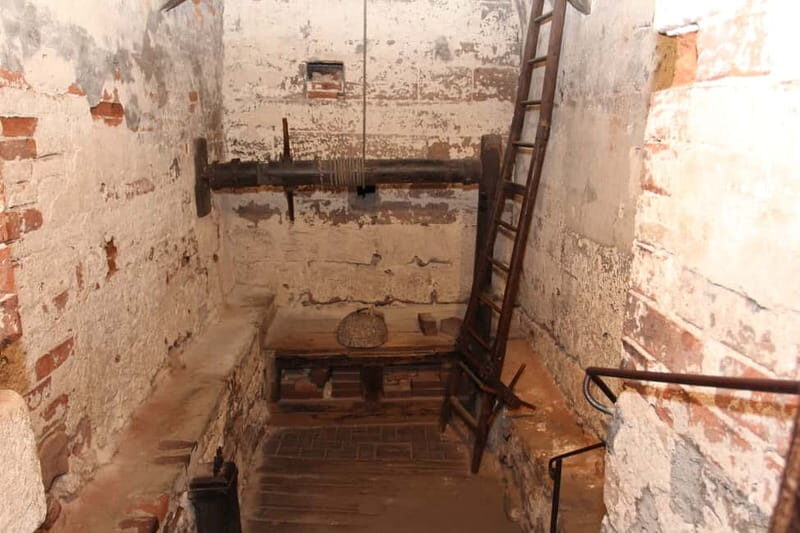
This tour makes the most sense if you like history that explains systems, not just dates. If you’re curious about how justice and punishment worked in medieval towns—why interrogation happened, why confinement preceded judgment, and how the dungeon fit into everyday authority—this walkthrough gives you a grounded understanding.
It’s also a good choice if you want a different side of Nuremberg. You get the city hall above ground, but you also get what sat underneath the power structure. The contrast helps the story land.
Book this tour if:
- You want a short, guided experience that fits easily into a busy schedule.
- You’re comfortable hearing about torture as a historical topic.
- You can handle tight, underground spaces for about 45 minutes.
Skip it if:
- You have claustrophobia.
- Mobility is an issue for you.
- You’re travelling with kids under 10 (this tour doesn’t allow them).
Should You Book the Nuremberg Medieval Dungeons Guided Tour?
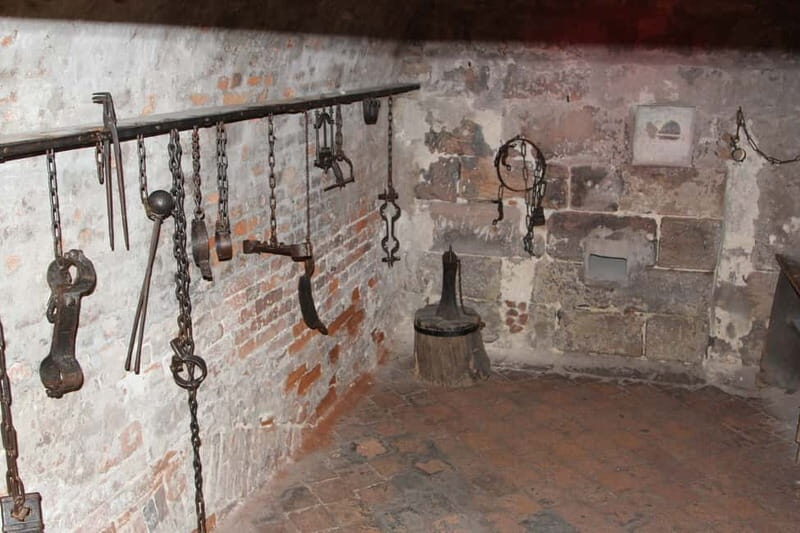
If you can handle dark history, I’d say yes. This is one of the best-priced ways to get inside an actual medieval prison setting under the city’s Old City Hall, and the live guide storytelling seems to be the main reason people love it—fast-paced, clear, and often delivered with a controlled sense of humour.
You just need to be honest about fit. The tour includes reports of torture, and the spaces are tight and underground. If that’s going to stress you, you’ll be happier with a lighter historical tour. If it won’t, this is a sharp, memorable stop that makes medieval justice feel real in a way no map ever does.