REVIEW · NUREMBERG
Nuremberg: Tunnels and Secret Passages in the City Wall Tour
Book on GetYourGuide →Operated by Förderverein Nürnberger Felsengänge e.V. · Bookable on GetYourGuide
Nuremberg hides defenders under castle rock. This 1-hour walk links the visible drama of the Imperial Castle and sandstone walls with what you only understand once you’re underground: secret passages built for protection. You follow the defensive logic of a city that was designed to resist capture.
I love two things most. I like walking the line of the city walls above and then stepping into the defensive corridors, where the architecture makes sense in your legs and your senses. I also enjoy the live guidance, with guides who explain the moat and wall systems and then keep you involved by asking the group questions about how defenses worked.
One thing to consider: this is steep, tight, and stair-heavy. Expect old stairs and ramps plus narrow, low spaces, which can be a problem if you’re prone to claustrophobia or need easy walking surfaces.
In This Review
- Key things you’ll notice on this Nuremberg tunnels tour
- Meeting at Historischer Kunstbunker and Getting Oriented Fast
- The Imperial Castle and City Walls: Why Nuremberg Was Built to Resist
- Inside the Sandstone: Defensive Corridors in the City Wall
- Secret Passages Under the Imperial Castle: Defender Routes You Can Actually Walk
- 16th-Century Bastions and Cannon-Ready Thinking
- Your Guide in the Tunnels: Alan, Tom, Andreas, Martin, and Others
- What to Wear and Expect: Stairs, Tight Spaces, and No Bathroom Breaks
- Price and Value: Why $14 Feels Like a Deal for Underground Access
- Who This Nuremberg City Wall Tour Is Best For
- Should You Book the Tunnels and Secret Passages Tour?
- FAQ
- How long is the Nuremberg tunnels and secret passages tour?
- Where do I meet for the tour?
- What languages is the live guide available in?
- Is this tour suitable for claustrophobia?
- What should I wear or bring?
- Are food and drinks allowed during the tour?
- Are there toilet breaks?
Key things you’ll notice on this Nuremberg tunnels tour
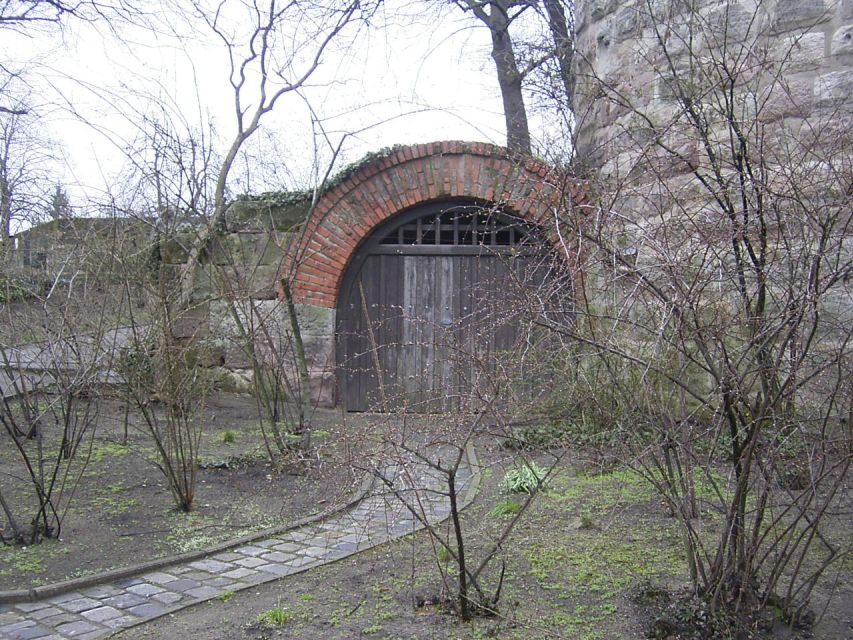
- Two levels of defense: city wall passages above, then underground routes under the Imperial Castle
- How shooting angles were planned: corridors and chambers shaped to fire at attackers from many sides
- Moat-and-wall thinking: you’ll connect defensive walls to the broader barrier system around the castle
- Stairs are part of the story: lots of climbing down and up through old sandstone spaces
- Guides bring it to life: several guides (like Alan, Tom, Andreas, and Martin) use humor, Q&A, and quick problem-solving questions
Meeting at Historischer Kunstbunker and Getting Oriented Fast
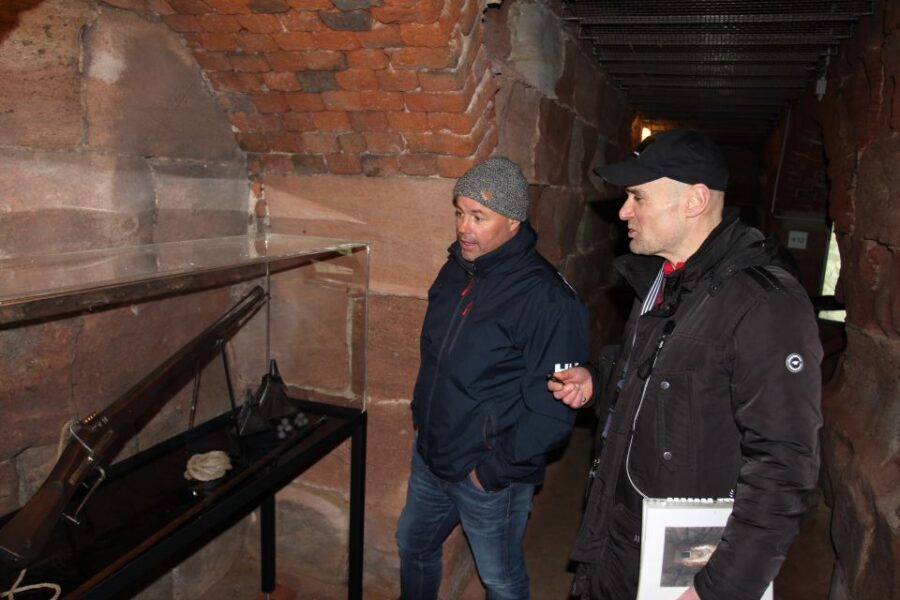
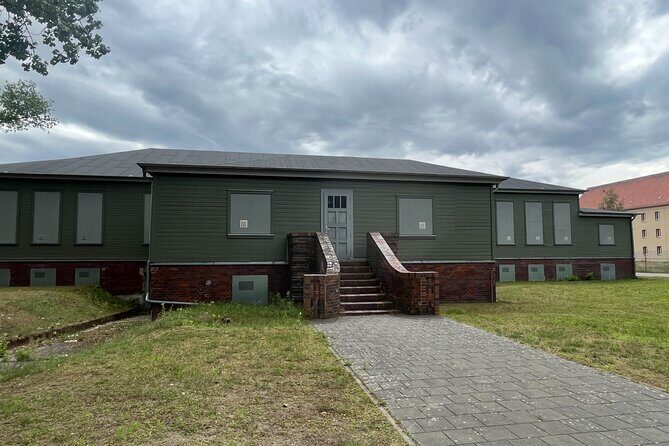
You meet at the entrance of the Historischer Kunstbunker on Obere Schmiedgasse 52. It’s a practical starting point because you’re close to where the Imperial Castle area starts to dominate the skyline. The tour quickly shifts from street-level history to stone-level details, so you’re not just waiting around for the “real part.”
This one-hour experience tends to feel compact. Many people do it as a focused block within a day of Nuremberg sightseeing, because the main payoff is access to places you usually can’t see. If you prefer short tours where you get a lot of value per minute, this fits.
You can also read our reviews of more city tours in Nuremberg


The Imperial Castle and City Walls: Why Nuremberg Was Built to Resist
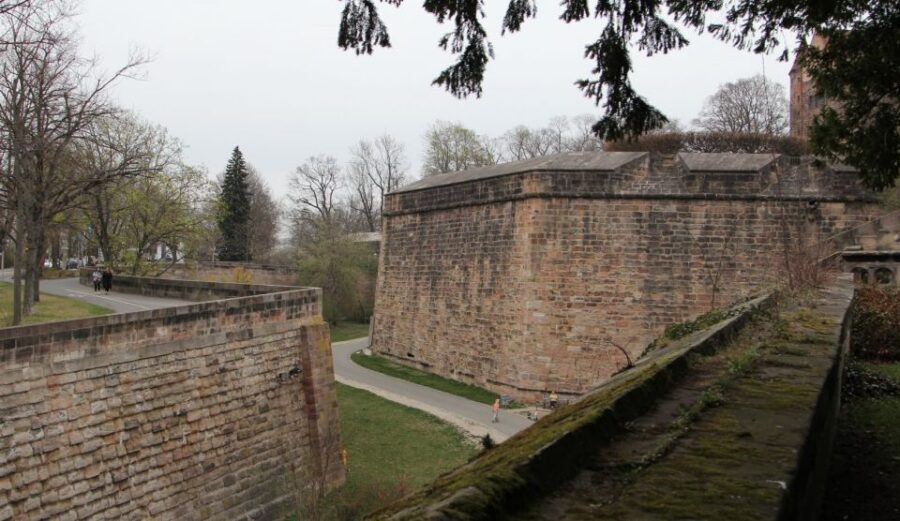
The obvious star on this walk is the Imperial Castle and its surrounding city wall system. From the street, you see imposing sandstone and the sense of mass that comes with medieval fortifications. But the tour’s real trick is that it makes you connect what you’re seeing above ground with what’s hidden below.
You’ll hear how the castle defenses and wall system worked together. The moat design isn’t presented as a medieval “castle myth,” but as a planned obstacle that defenders could support with controlled firing positions. As you move along, you start to understand the logic: attack paths were predictable, and the defenders designed their architecture to meet those paths.
You also learn why Nuremberg’s fortifications mattered in the bigger story of the empire. The emphasis isn’t on dates and names for the sake of it. It’s on the engineering mindset that kept the city protected for centuries.
Inside the Sandstone: Defensive Corridors in the City Wall
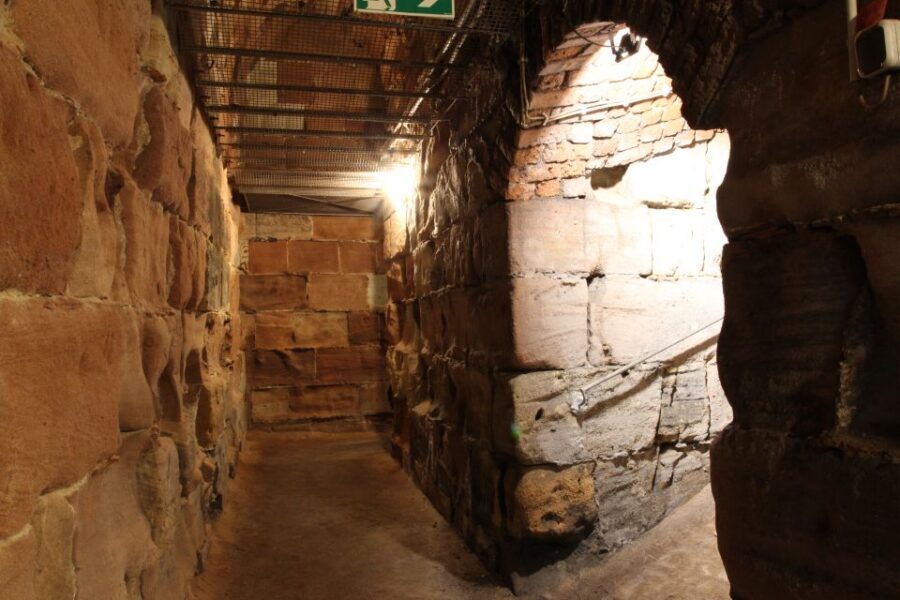
Then you drop into the defensive corridors. This is the main reason I think this tour is worth your time: you’re not just reading about fortifications. You’re walking through them.
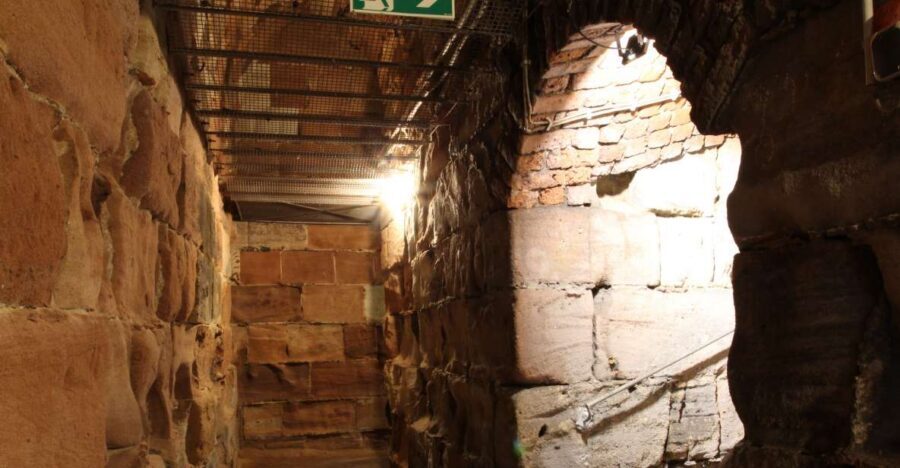
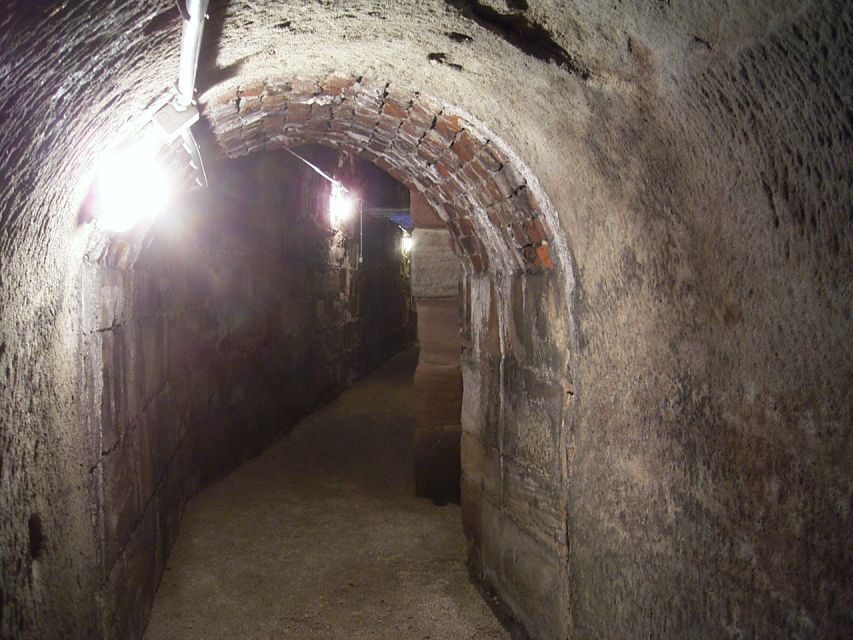
The corridors and chambers are carved from the castle rock, with narrow passages and high-vaulted rooms you can’t really imagine from photos. One strong theme you’ll pick up fast is that these routes were not meant for comfort. They were meant for defense—movement, positioning, and protection under pressure.
In the underground sections, you’ll likely notice several things at once:
- The walls feel thick and close, so your brain stops treating the castle like a museum display
- The geometry makes more sense as you follow the path in order
- You start thinking like a defender, not like a tourist
A real bonus is how the guide ties physical space to defensive tactics. You’ll hear about the labyrinth of corridors designed for defenders to shoot at enemies from multiple directions as they tried to cross the moat. That “from all sides” idea matters, because it turns a wall into a whole defensive network rather than a single barrier.
Secret Passages Under the Imperial Castle: Defender Routes You Can Actually Walk
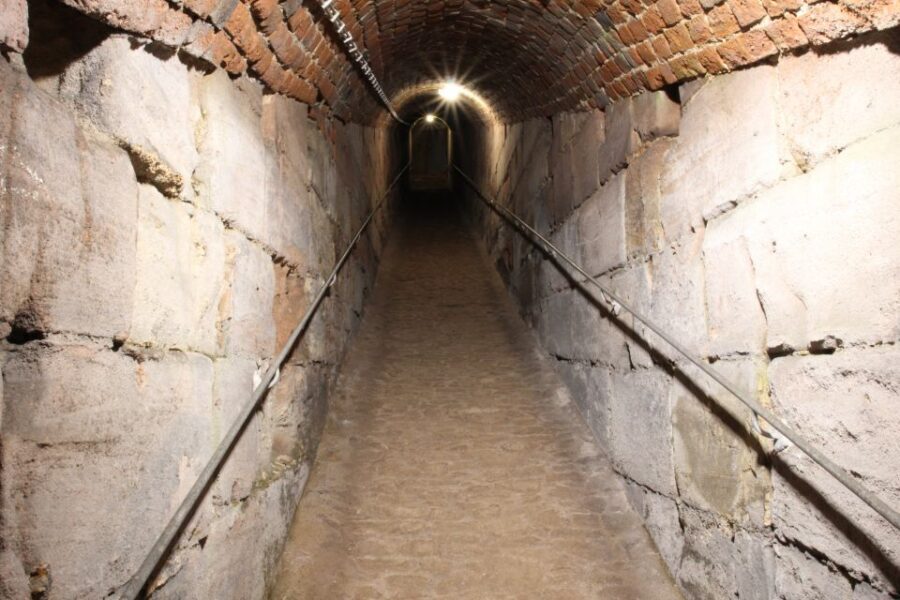
The tour also includes access to secret passages and corridors under the Imperial Castle. This is where Nuremberg shifts from impressive to surreal. You’re inside the defensive system rather than looking at it.
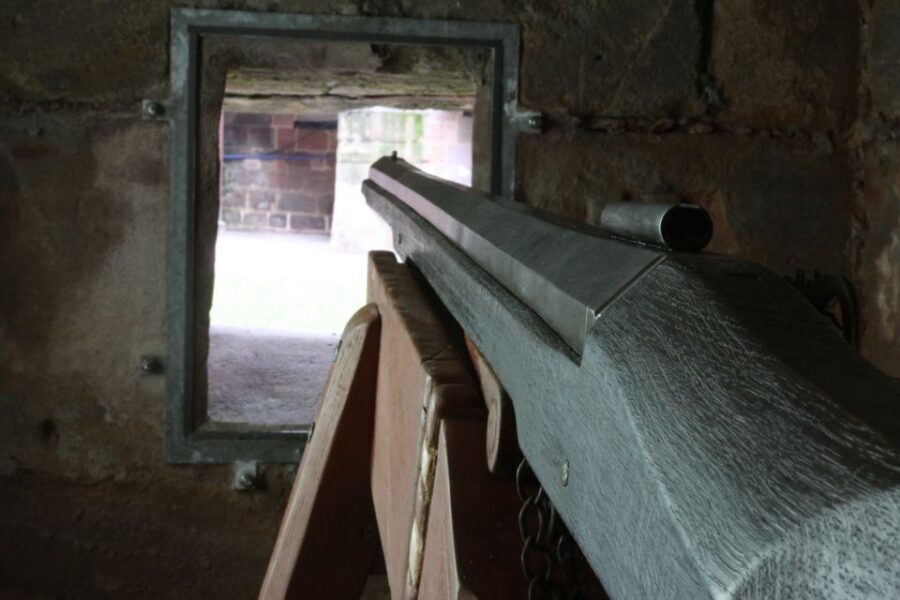
What makes these passages special is their purpose. The space is designed for how defenders could move, regroup, and respond during an attack. It’s not just about hiding people. It’s about controlling movement and creating cover while maintaining the ability to fire.
You’ll also learn about medieval weapons hidden inside the city walls and how they were used. Even if you’re not a weapon-history buff, the presentation is practical: the guide connects tools to architecture. The city walls become an equipment system, not just a boundary.
Some guides add a fun interactive layer. One guide style you might get is the habit of asking the group what a feature was for before revealing the answer. It makes you pay attention to small details you might otherwise pass without thinking.
16th-Century Bastions and Cannon-Ready Thinking
Along the route, you’ll see modern bastions built in the sixteenth century, designed to withstand cannon fire. This part helps you understand that fortifications weren’t static. They evolved as warfare changed.
It’s easy to think medieval walls are automatically outdated by later tech. Here, you get the opposite message. The city added defenses that could handle cannon pressure, meaning Nuremberg kept upgrading its “security system” as attackers gained new tools.
That upgrade story also gives you a clearer picture of why the underground corridors mattered. Even as tactics evolved, the city still needed protected routes, firing points, and controlled movement within its defenses.




Your Guide in the Tunnels: Alan, Tom, Andreas, Martin, and Others
A tour like this lives or dies by the guide, and the feedback here is consistently strong on that point. Guides named in past groups include Alan, Tom, Robert, Andreas, Martin, Ralf, Fiona, and Penny. People describe them as friendly, funny, and quick to answer questions.
The best part of these guides isn’t just facts. It’s how they shape the experience into something you can follow while moving through tight spaces. You might get:
- clear English or German explanations
- chances to ask questions
- humor that keeps the mood light during the stair-and-stone parts
- a “guess the feature” style that helps you remember what you saw
Even with great guides, sound can be tricky in underground corridors. If your hearing isn’t great in enclosed spaces, you may want to stand where you can clearly see and hear the guide. One practical tip: keep your questions short and specific, because there’s limited time and lots to cover.
What to Wear and Expect: Stairs, Tight Spaces, and No Bathroom Breaks
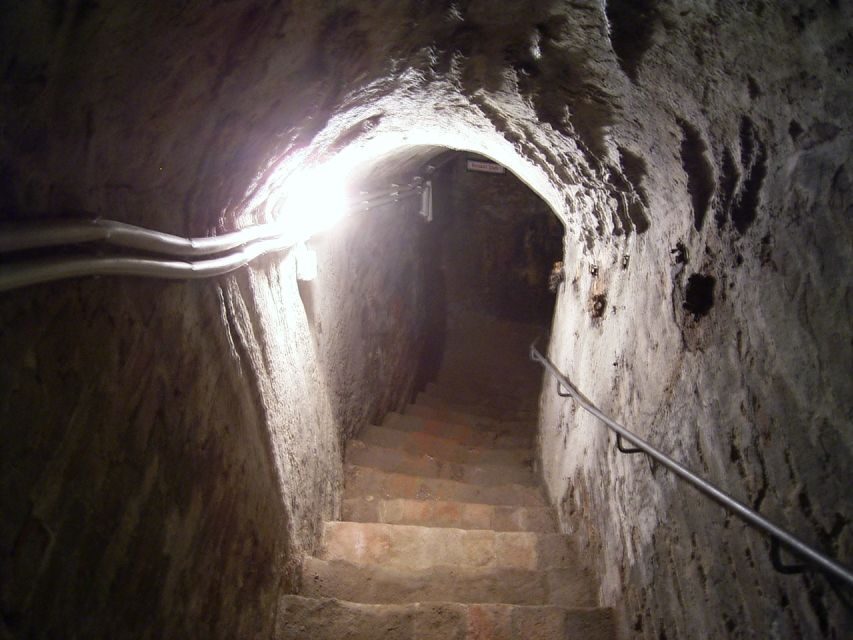
This tour is physical, but not in a “gym workout” way. It’s physical because the city defenses were built for attackers and defenders, not for modern comfort. Expect climbing lots of old stairways and ramps.
Bring warm clothing. Underground spaces can feel cooler, and you’ll be moving in and out of stone passages. Also wear proper footwear. Sandals and flip-flops are not allowed, and you should plan for non-slip shoes. A lot of people note the importance of traction.
You should also plan for the reality of old tunnels:
- Mud and wet patches can happen
- The passages can be narrow
- Some sections may have low ceilings, with reports of spots under about 1.5 meters
If you’re claustrophobic, treat this as a serious warning sign rather than a minor inconvenience. This is not designed for people who feel panicky in tight spaces. It’s also not suitable for wheelchair users, and mobility impairments can make the stair and ramp sections too hard.
Finally, there are no toilet breaks during the tour. That matters because you’re committing to the full hour through a schedule that includes stairs and underground walking. Go before you meet.
Price and Value: Why $14 Feels Like a Deal for Underground Access
At around $14 per person for a one-hour guided tour, the value is unusually strong. The reason is simple: your ticket covers entry to defensive corridors in the city walls and secret passages under the Imperial Castle—spaces you can’t just wander into on your own.
You also get a guide who explains how the system worked, plus a structured route that helps you understand what you’re seeing. If you’ve ever visited a historic site where you needed a PhD to connect the dots, you’ll appreciate what the guide does here. The architecture becomes legible.
You do give up something, though. The tour is short, so you won’t have unlimited time in each chamber. It’s designed for a concentrated experience, not a slow crawl. If you’re the type who wants to linger for 30 minutes in one spot, you’ll feel the time pressure. For most people, the tight format is part of the appeal.
Who This Nuremberg City Wall Tour Is Best For
This is best for you if you like:
- medieval defensive design and how architecture served tactics
- walking tours with a clear story arc
- hands-on history where you see and walk the spaces
Families can do well, especially with kids who can handle a bit of climbing and tight corridors. Some past groups included children who enjoyed the interactive way guides explained the tunnels. Still, it’s not a stroller-and-easy-sightseeing kind of outing.
If you want a break from rainy weather, this also works. The underground portions keep you sheltered once you’re inside, and the tour doesn’t depend on long outdoor viewpoints to deliver value.
Should You Book the Tunnels and Secret Passages Tour?
If you’re comfortable with steep stairways and you don’t mind narrow underground spaces, I’d book it. The combination of Imperial Castle fortifications and the chance to walk the defensive corridors is a rare Nuremberg experience. It turns the city walls from a pretty photo subject into a functioning defense system you can understand.
Don’t book it if claustrophobia is a real issue for you, or if mobility limitations make stairs and tight passages difficult. In that case, you’ll get more out of a different style of Nuremberg walk with easier surfaces and fewer enclosed areas.
Use this quick checklist: warm clothes, non-slip shoes, ready for stairs, and okay with tight spaces. If that sounds like you, this one-hour underground tour is a high-value way to see Nuremberg from the inside out.
FAQ
How long is the Nuremberg tunnels and secret passages tour?
The tour lasts 1 hour.
Where do I meet for the tour?
Meet in front of the entrance of the Historischer Kunstbunker, Obere Schmiedgasse 52.
What languages is the live guide available in?
The live tour guide is available in English and German.
Is this tour suitable for claustrophobia?
No. It is not suitable for people with claustrophobia, since the experience includes underground tunnels and corridors.
What should I wear or bring?
Bring warm clothing. Sandals or flip flops are not allowed, and you should wear footwear with good grip because the route includes stairs and ramps.
Are food and drinks allowed during the tour?
No. Food and drinks are not allowed.
Are there toilet breaks?
No. There will be no toilet breaks during the tour.