REVIEW · NUREMBERG
Nuremberg: 1.5-Hour Private Tour through Historical Old Town
Book on GetYourGuide →Operated by Franken Guide · Bookable on GetYourGuide
A 90-minute walk can still feel like a full story. This private tour strings together Nuremberg’s Middle Ages highlights in a way that actually helps you get your bearings fast: the Hauptmarkt with its fountain and the Frauenkirche, plus stops tied to Albrecht Dürer and Nuremberg Castle. I especially like how the route focuses on key places you’ll want to revisit later, and I like the way the guide connects famous people to the streets you’re standing on. One possible drawback: it’s a walking tour, so you’ll want comfortable shoes and you should expect uneven old-street surfaces.
The pace is friendly, but it isn’t designed for mobility impairments or wheelchair users. Also, entrance fees aren’t included, so if you plan to go inside any sites you’ll want to budget extra time and money.
In This Review
- Key Things That Make This Tour Work So Well
- Why Nuremberg’s Old Town Fits a 90-Minute Private Tour
- Hauptmarkt and Frauenkirche: The Heartbeat of the Old Town
- Albrecht Dürer’s House: Art History, Grounded in One Place
- Nuremberg Castle: Power, Views, and the Holy Roman Empire Connection
- Tiergärtnertorplatz and the Streets Between Stops
- The Guide: Where the Value Really Shows
- Price and What You’re Actually Buying
- What To Plan: Walking Time, Shoes, and Entrance Fees
- Who Should Book This (and Who Might Skip It)
- Should You Book This Nuremberg Old Town Tour?
- FAQ
- How long is the private tour?
- How much does the tour cost?
- Is the tour private?
- What language is the guide available in?
- What’s included in the price?
- Are entrance fees included?
- Is hotel pickup available?
- Is this tour suitable for wheelchair users or people with mobility impairments?
- Are individual start times available?
Key Things That Make This Tour Work So Well
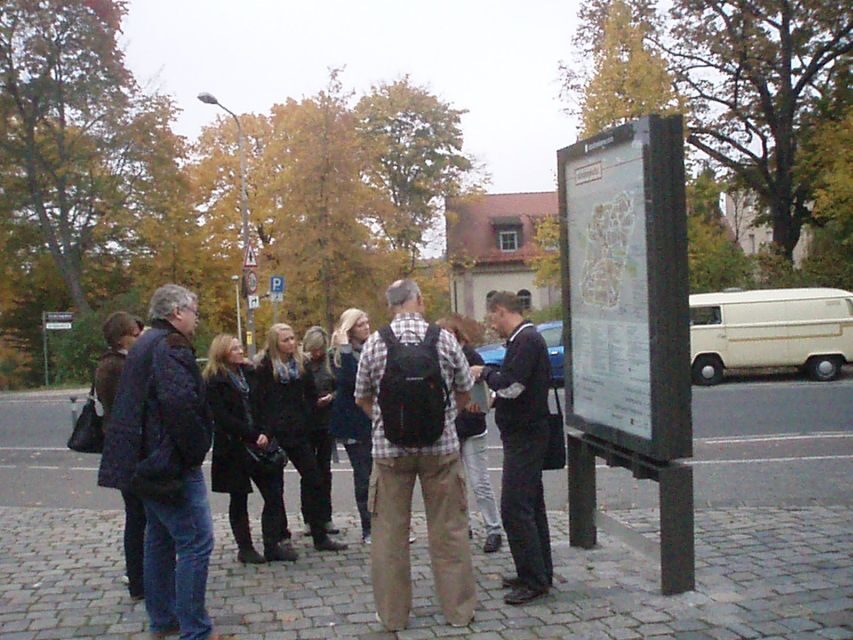
- Hauptmarkt + Frauenkirche: you start in Nuremberg’s classic public square, where the city’s power and daily life overlap
- Albrecht Dürer’s House: art history told through the actual place where Dürer was born and created work
- Nuremberg Castle: castle territory ties the city to the Holy Roman Empire story in a real-world way
- A guide who answers on the spot: expect Q&A and clear explanations, including architecture and geography
- Truly private group time: you can ask questions and adjust the pace without feeling rushed
Why Nuremberg’s Old Town Fits a 90-Minute Private Tour
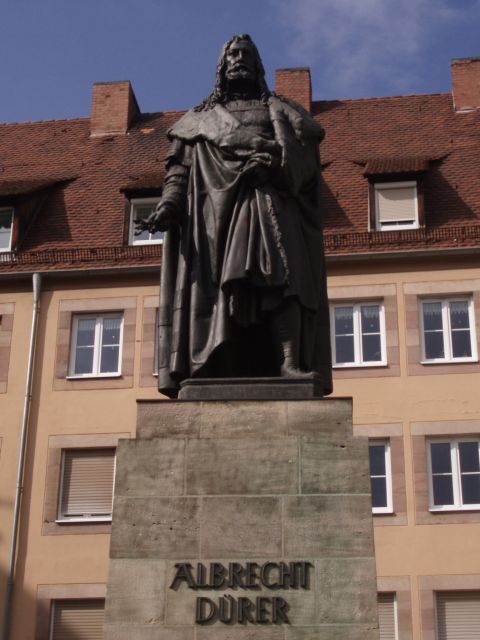
Nuremberg is one of those German cities where the Middle Ages aren’t locked behind museum doors. They’re written on the street layout, the landmarks, and the locations tied to names you’ll recognize from school. This tour takes that big theme—how Nuremberg mattered in the Holy Roman Empire—and funnels it into a focused 90 minutes.
For you, that matters because it helps you spend your time well. Instead of trying to plan a self-guided route that hits everything, you get a guided path that hits the big visual anchors first. And because it’s private (up to 8 people), the guide can tailor the conversation: you’re not stuck listening to a script aimed at the slowest walker or the most distracted group.
You can also read our reviews of more private tours in Nuremberg

Hauptmarkt and Frauenkirche: The Heartbeat of the Old Town
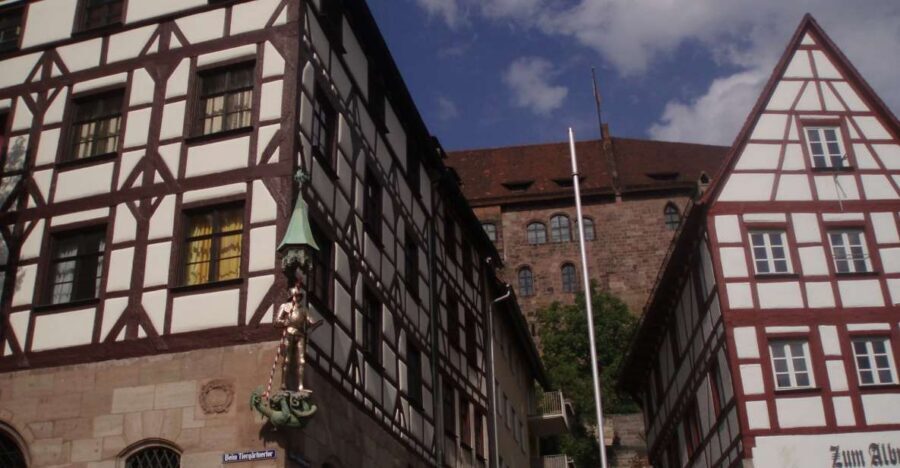
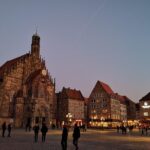
The tour’s main “anchor moment” is the Hauptmarkt, Nuremberg’s central square. If you’ve seen photos of Nuremberg, this is likely the place they were taken from. The fountain and the Frauenkirche give you instant context: this wasn’t some quiet corner town. It was a major civic center—people gathered here for trade, news, and city life.
What I like about starting here is that it sets the map in your mind. From the square, the city’s layout makes more sense. You can look around and understand why certain buildings and streets mattered, instead of just memorizing names. And because the guide is walking you through what the city was like during the Middle Ages, the square stops being just a pretty backdrop and becomes a living part of the story.
Practical note: this is an excellent spot to pause, take photos, and absorb the scale before you move on to smaller streets and viewpoints.
Albrecht Dürer’s House: Art History, Grounded in One Place
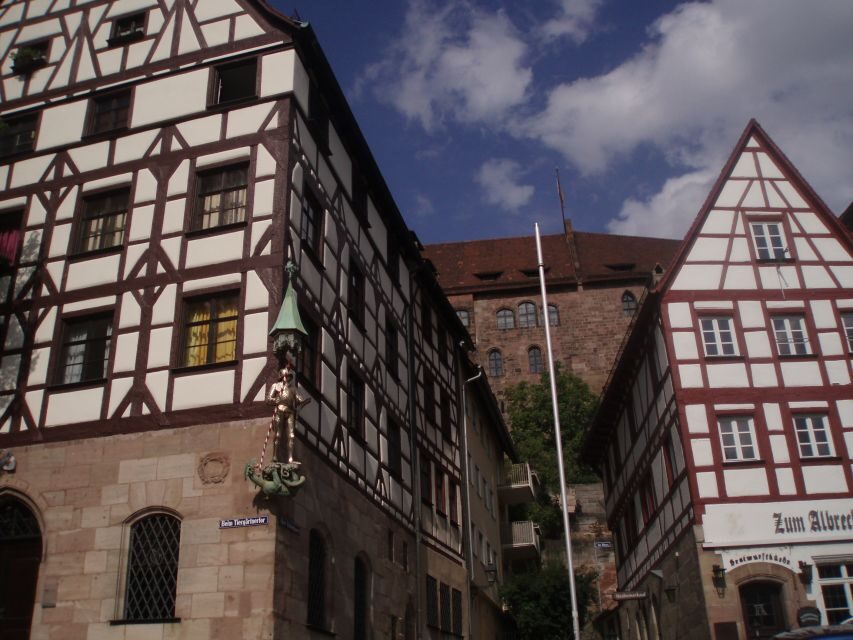
If one name defines Nuremberg for many people, it’s Albrecht Dürer. This tour doesn’t treat him like a museum card. You’ll see the house tied to Dürer’s life, and you’ll hear how he was born in Nuremberg, made major work there, and was buried there.
Here’s why that’s valuable: it turns “famous artist” into “local story.” You start to understand that Nuremberg didn’t just host talent—it shaped it. When you stand near Dürer-related landmarks, you’re not just learning trivia; you’re connecting creative work to a specific city environment.
And the guide also brings in other key Nuremberg figures, which helps you see the bigger picture:
- Hans Sachs created his works in Nuremberg
- Martin Behaim made the first globe here
- even the first railway line in Germany ran from Nuremberg to Fürth
- and the first pencils were invented here
That list is the payoff of the tour’s storytelling style. You get a city that’s famous for art, yes—but also for science, inventions, and ideas that traveled beyond the region.
If you’re the type who enjoys understanding why people mattered, not just where they were famous, this stop will land well.
Nuremberg Castle: Power, Views, and the Holy Roman Empire Connection
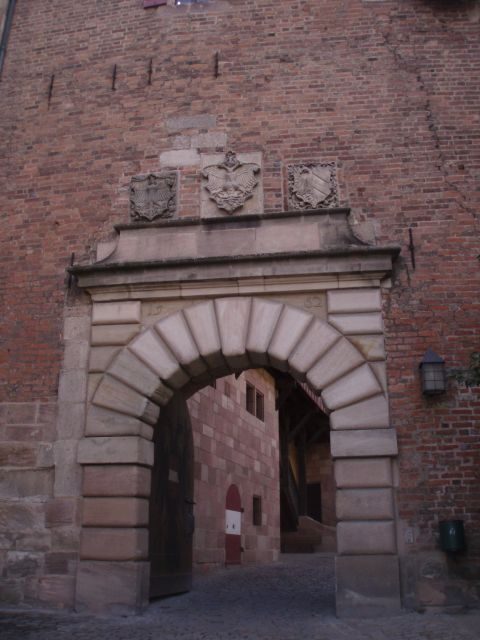
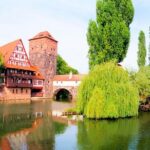
Next comes Nuremberg Castle, a place that helps you understand why cities gain influence in the first place. Even if you’re not a “castle person,” the location does part of the teaching for you. From the castle area, you get a sense of control—over routes, over the city below, and over the wider region.
The tour ties this to Nuremberg’s role as one of the largest German cities during the Middle Ages and to its position at the heart of the Holy Roman Empire of the German Nation. That’s the kind of historical framing that’s hard to appreciate when you’re reading only dates. Walking there makes it feel more logical: power needed strategy, fortification, and presence.
Potential drawback to keep in mind: the castle area is all about walking and viewpoints. If you prefer lots of inside time in climate-controlled spaces, you may find this less suited to your style. But if you like the “stand here and it makes sense” feeling, you’ll probably love it.
Tiergärtnertorplatz and the Streets Between Stops
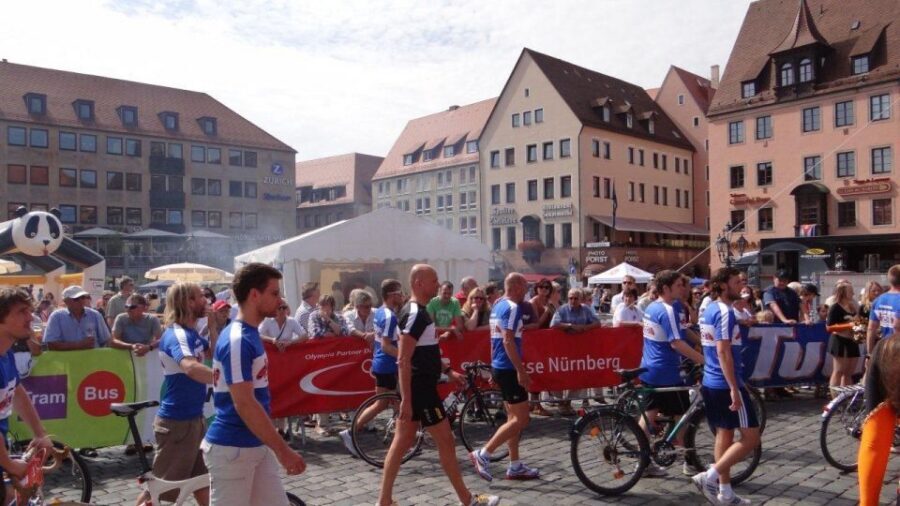
Not every highlight is a famous building. Some are the spaces in between—and this tour includes key street-level moments like Tiergärtnertorplatz. Spots like this are where you feel the old-city rhythm: narrow ways, turns that change your perspective, and those small transitions that make the city feel human instead of staged.
I like these segments because they break the tour into digestible chunks. You’re not just marching from one postcard to another; you’re being shown how the city flows. That’s especially helpful if you plan to explore more after the tour. You’ll remember where you were, not just what you saw.
Also, since the tour is private, the guide can adjust the pacing around what you’re interested in—architecture, geography, or the human stories tied to the landmarks.
You can also read our reviews of more historical tours in Nuremberg




The Guide: Where the Value Really Shows
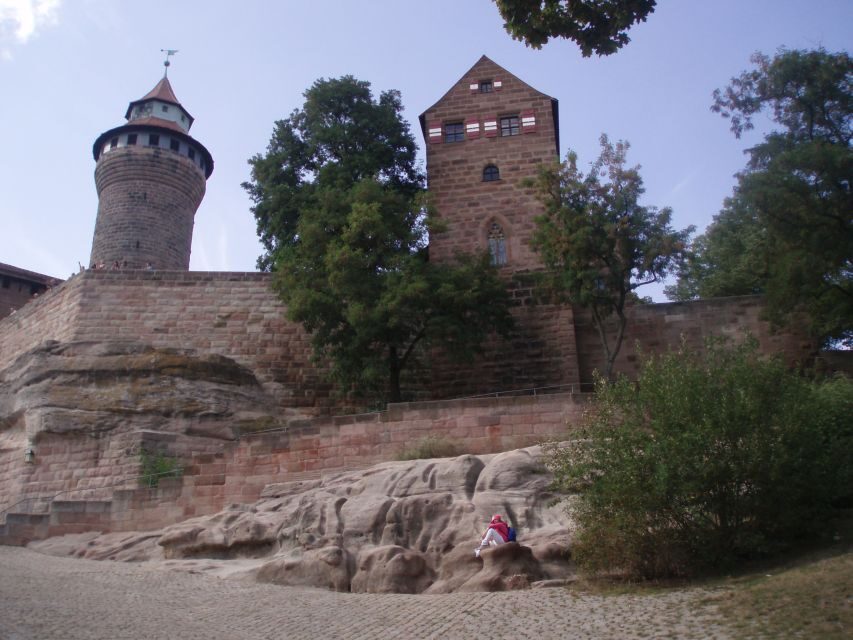
This is where the tour earns its high rating. The guides bring more than facts; they bring the ability to answer your questions clearly and keep things understandable without flattening the story. One guide name that comes up is Daniel Vogel (often referred to as Herr Vogel). In practice, what you’ll want is what these reviews consistently point toward: a guide who handles questions well, explains history and architecture in a way that sticks, and keeps the group engaged.
This matters for you because the difference between a good tour and a great one is rarely the landmarks. It’s the “so what?” The guide connects the dots: why Dürer’s life is tied to this city, why the castle matters, why the square feels like a power center, and how inventions (like the first railway line to Fürth and the first pencils) fit into the larger Nuremberg identity.
You also benefit from private timing. With a group of up to 8, you’re less likely to feel like you’re squeezing your questions in between other people’s attention spans. And the guide can be flexible with your needs—one example you should keep in mind is that they can adjust the tour for unusual group situations when appropriate.
Price and What You’re Actually Buying
The price is $140 per group up to 8 people, for about 90 minutes. That sounds like a lot if you’re thinking per person—but private tours are priced by group size, not by head count.
Here’s how to look at value:
- If you’re traveling solo or as a couple, you’re paying more per person.
- If you’re a small group (up to 8), the cost can turn into one of the better-use-of-time options in Nuremberg.
- The biggest “value” isn’t just the guide. It’s the fact that the guide chooses a route that works in a short time, so you don’t spend your limited hours figuring it out on your own.
Entrance fees aren’t included, so you’re not paying for ticketed museum time. You’re paying for a guided walk that gives you context while you’re seeing the city in motion.
What To Plan: Walking Time, Shoes, and Entrance Fees
This is a walking tour, and that’s the real planning item. Old towns tend to mean cobblestones and uneven surfaces. Bring comfortable shoes you can trust for 90 minutes of moving around.
Also keep the “not included” piece in mind:
- Food and drinks aren’t part of the experience
- Entrance fees aren’t included
- Tips are not included
That doesn’t make it a bad deal—just realistic. If you want a longer stop inside a site, you’ll need extra time and money. But even without entering places, you can still get a lot from the exterior sights and the way the guide frames them.
Finally, about meeting logistics: hotel pickup is only available from within the old town. If you’re staying outside that area, you’ll likely meet elsewhere in the old town.
Who Should Book This (and Who Might Skip It)
Book this if:
- you want a short, guided orientation to Nuremberg’s most important historic locations
- you like history explained through real places (Dürer, castle, the square)
- you’re traveling with a small group and want private pacing
- you care about getting answers, not just hearing a one-way lecture
You might skip this if:
- you need a wheelchair-accessible tour
- you dislike walking on uneven historic streets
- you want long time inside buildings or lots of museum content
Should You Book This Nuremberg Old Town Tour?
Yes—if your goal is to see the main story of Nuremberg without wasting hours planning. The standout strength here is the guide experience: clear explanations, strong Q&A, and a way of tying famous figures to the street-level reality you’re standing in. The Hauptmarkt start gives you structure, Albrecht Dürer’s House gives you meaning, and Nuremberg Castle gives you context at a bigger scale.
If your group fits the private setup (up to 8) and you’re comfortable with a 90-minute walking format, this is a smart-value way to get oriented and leave with names and places that actually stick.
FAQ
How long is the private tour?
It lasts about 90 minutes.
How much does the tour cost?
The price is $140 per group, up to 8 people.
Is the tour private?
Yes, it’s a private group experience.
What language is the guide available in?
The live guide is available in German and English.
What’s included in the price?
You get a walking tour through the old town and a tour guide.
Are entrance fees included?
No, entrance fees aren’t included.
Is hotel pickup available?
Hotel pickup is only available if your hotel is within the old town.
Is this tour suitable for wheelchair users or people with mobility impairments?
No. It isn’t suitable for wheelchair users or people with mobility impairments.
Are individual start times available?
Yes, individual start times are available upon request.