REVIEW · BERLIN
Berlin: The Time of National Socialism Walking Tour
Book on GetYourGuide →Operated by You In Berlin · Bookable on GetYourGuide
Propaganda bricks, grief memorials, and hard truths. I love how the route threads from Brandenburg Gate to the Topography of Terror sites, so the Third Reich story stays anchored to what you can actually see. I also like the physical shock of WWII leftovers, like Soviet tanks and artillery sitting in Tiergarten.
One catch: this walking tour is in German, so if you don’t follow spoken German well, you’ll likely feel like you’re reading subtitles with your ears.
In This Review
- Key things you’ll notice on this Berlin Nazis walking tour
- From propaganda marches to memorial streets in just 2 hours
- Pariser Platz and the start point near Brandenburger Tor
- Brandenburg Gate: seeing how public space can sell an ideology
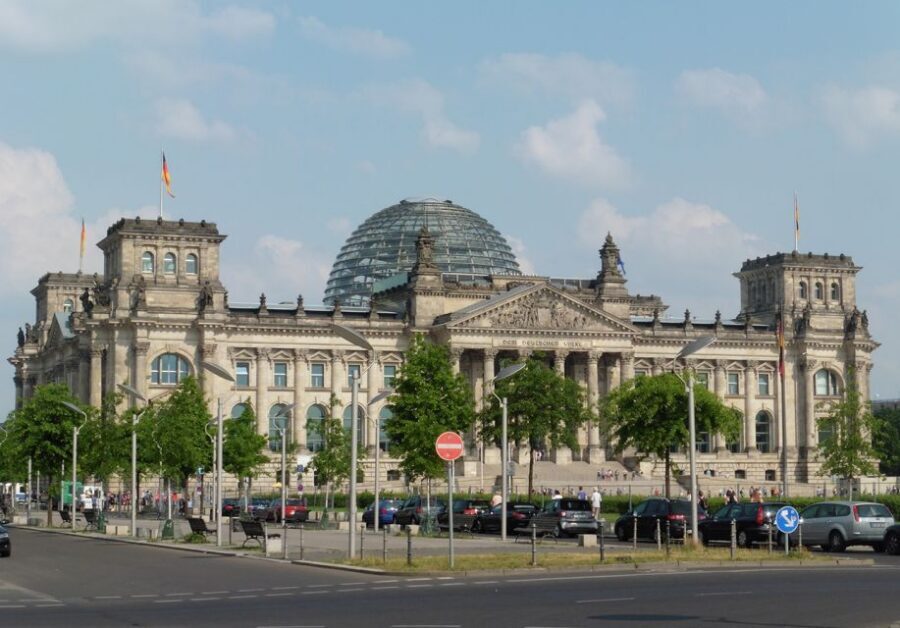
- The Reichstag and the 1933 moment that changed everything
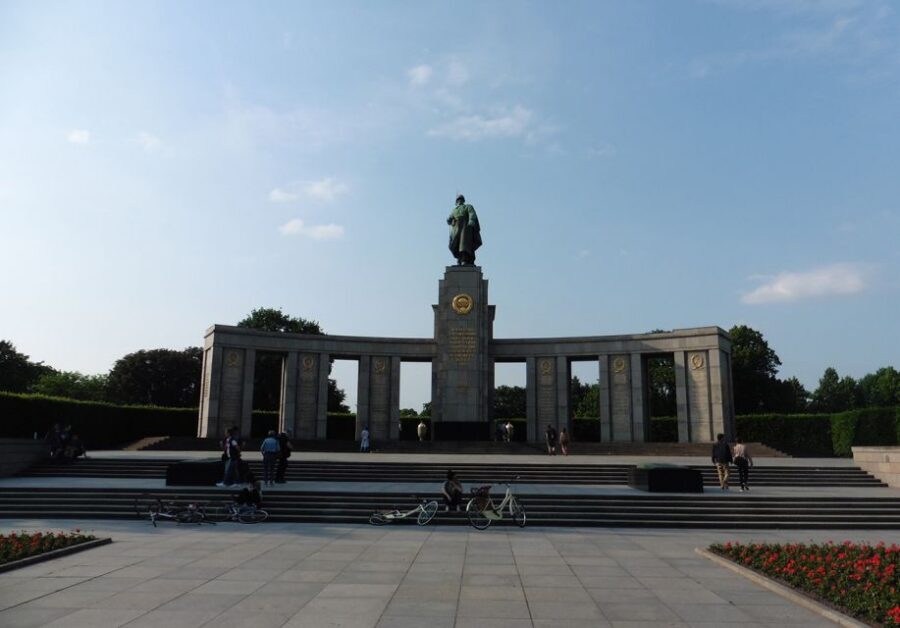
- Tiergarten Soviet War Memorial: tanks and artillery inside the city
- Holocaust Memorial: when the walk becomes a statement of loss
- Resistance perspective: from Johann Georg Elser to the dictatorship’s weaknesses
- Hitler’s bunker and the New Reich Chancellery: the power machines you can almost picture
- Topography of Terror: walking through the Nazi security state’s footprint
- Price and value: why $43 can make sense for this specific route
- Practical tips so you don’t get stuck in the cold (or rain)
- Who this tour is best for
- Should you book the Berlin: The Time of National Socialism walking tour?
- FAQ
- How long is the walking tour?
- Where do I meet the guide?
- What language is the tour in?
- What’s the group size?
- Is the tour wheelchair accessible?
- What should I wear?
- Does the tour run in bad weather?
- Is it easy to cancel?
Key things you’ll notice on this Berlin Nazis walking tour
- Brandenburg Gate + Pariser Platz set the tone fast, since this area was used for Nazi propaganda marches.
- Reichstag is framed as a 1933 turning point, tied to how the Nazis gained power.
- Tiergarten Soviet War Memorial puts WWII in front of you with Soviet T-34 tanks and artillery on display.
- Holocaust Memorial shifts the focus from politics to the human cost, right in the middle of the city walk.
- Johann Georg Elser Memorial keeps the story from being only about the regime by highlighting resistance perspectives.
- Topography of Terror maps the Nazi security-state: SS, secret police, the Reich Security Main Office, and the Reich Aviation Ministry.
From propaganda marches to memorial streets in just 2 hours
This isn’t a “read facts at a museum” kind of tour. You move through central Berlin and let the buildings do their job, which is exactly why the experience works.
In two hours, you cover a lot of emotional and historical ground: Nazi power centers, WWII traces, and sites devoted to victims and resistance. And because the group is small (up to 10), you can actually ask questions and keep up with the story as it changes from stop to stop.
You can also read our reviews of more walking tours in Berlin


Pariser Platz and the start point near Brandenburger Tor
You meet at the metro station S+U Bhf. Brandenburger Tor, exit B, heading toward Pariser Platz / Straße des 17. Juni. Look for the tour guide with the Get Your Guide – You in Berlin flag, and expect a quick orientation before you start walking.
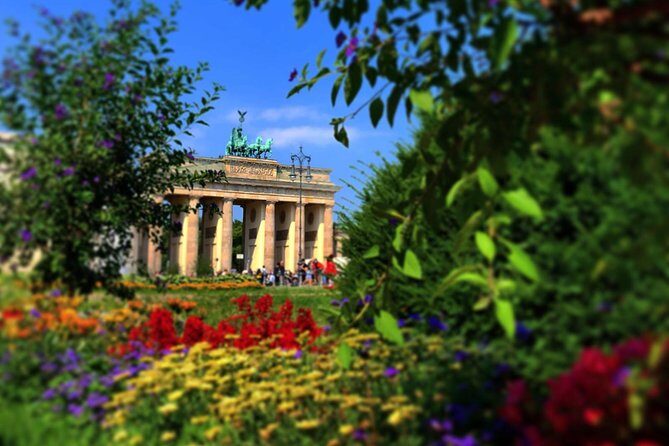
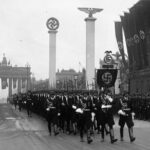
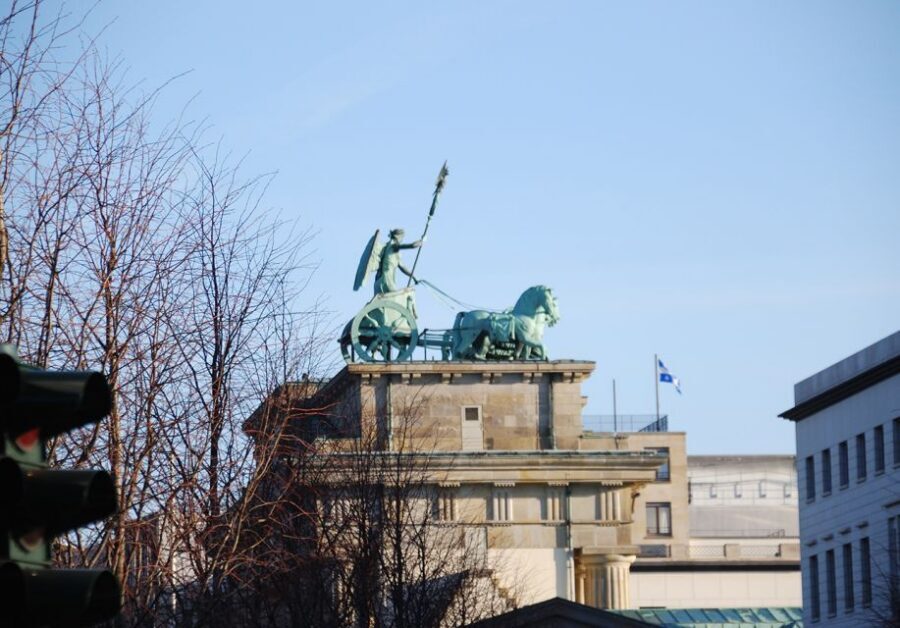
The tour begins in the area around Pariser Platz, then moves toward the Brandenburg Gate—Berlin’s most famous landmark. This matters because the gate wasn’t just scenery. It was used for public theater: propaganda marches in the time of National Socialism.
Brandenburg Gate: seeing how public space can sell an ideology
At the Brandenburg Gate, you don’t just get a name and a date. You get the “why here?” angle—how a central monument becomes a stage for messages.
You’ll walk in a way that helps you notice the geometry of the street and the sense of direction people would have felt during marches. Even if you know Berlin well, this stop makes you look at the city like a political tool, not a postcard.
The Reichstag and the 1933 moment that changed everything
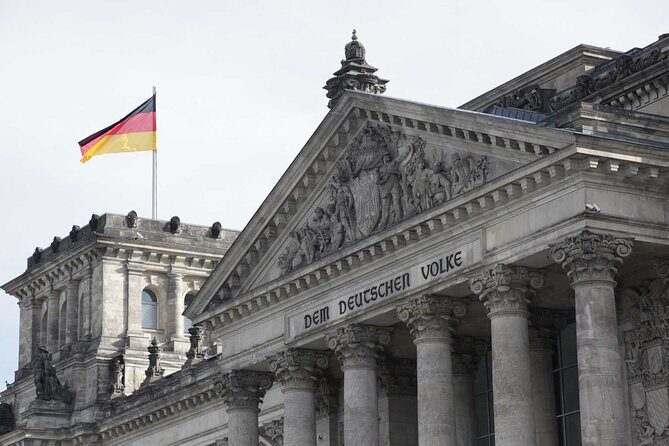
From there, you head to the nearby Reichstag, the German Parliament building today. During the Nazi rise, the area is presented as a key stage for the NSDAP and for Adolf Hitler coming to power in 1933.
What I like about how this is handled is the pacing. You’re not rushed through the “big names.” You’re guided to understand how political power can concentrate quickly, and how a place used for governance can become part of the regime’s messaging and control.
Tiergarten Soviet War Memorial: tanks and artillery inside the city
Next comes Tiergarten, where the tour turns to WWII’s physical aftermath. At the Soviet War Memorial, you see Soviet T-34 tanks and artillery displayed from the war.
This stop is a reality check. In Berlin, it’s easy to forget how much of the city’s look is shaped by destruction, occupation, and the end of the Nazi period. Here, the tour leans into that by putting wartime hardware in your line of sight, right where you might otherwise just be walking through a park.
Also, the guide’s job is harder here, because the story shifts fast: from propaganda and power to collapse and conflict. That’s where having a steady, story-led guide really matters.

Holocaust Memorial: when the walk becomes a statement of loss
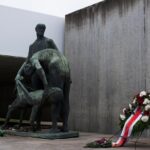
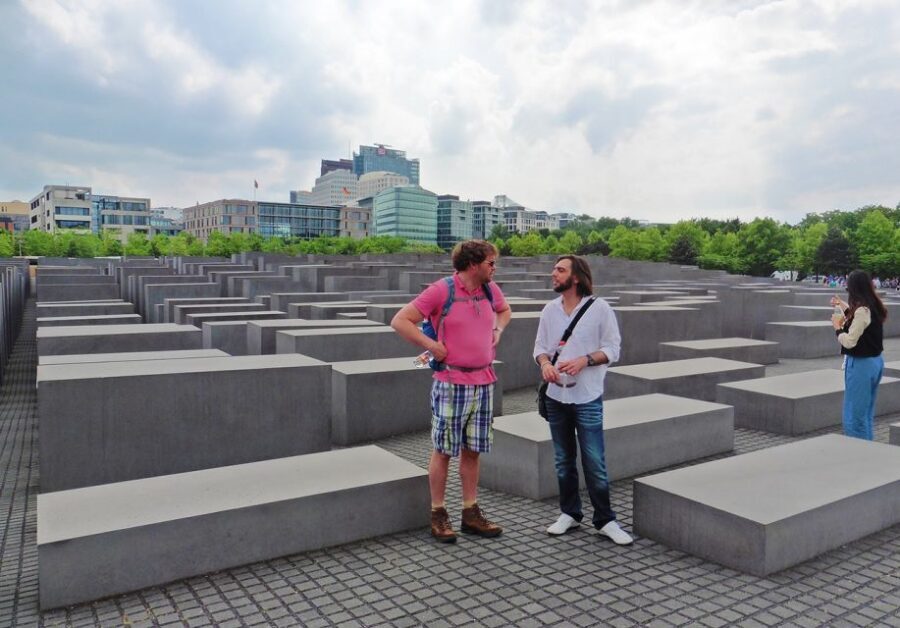
After Tiergarten, you reach the Holocaust Memorial, the memorial to the murdered Jews of Europe. This is not the kind of stop you can “speed through” and keep it meaningful.
The tour frames it in a way that helps you connect the earlier political steps to the consequences that followed. You’ll likely find yourself slowing down, just because the place doesn’t invite quick glances—it asks you to stand and take in what it’s trying to communicate.
If you’re visiting Berlin for the first time, this is the moment where the tour’s purpose becomes crystal clear: you’re not just learning history—you’re walking through how history turns into mass murder.
Resistance perspective: from Johann Georg Elser to the dictatorship’s weaknesses
One of the more powerful choices on this tour is including the Johann Georg Elser Memorial. It signals that resistance existed, and that the story isn’t only the regime’s propaganda versus the victims’ silence.
From there, you also pass Detlev-Rohwedder-Haus as part of the route through the government district. The tour uses these stops to keep your understanding grounded in the geography of power—where decisions were made and where the regime built its presence.
You might not expect a walking tour to handle resistance well, but the way the guide keeps mentioning it helps you see it as part of the same system, not a separate chapter.
Hitler’s bunker and the New Reich Chancellery: the power machines you can almost picture
The tour then focuses on the place where Hitler’s bunker and the New Reich Chancellery were located. Even without walls still standing, the tour approach makes the area feel like a functional center of control rather than an abstract “where something happened.”
This stop is heavy. The value is that you understand the regime as infrastructure—offices, security, communications, planning. Standing near the site helps you shift from thinking about history as distant events to thinking about it as choices made by specific institutions.
Topography of Terror: walking through the Nazi security state’s footprint
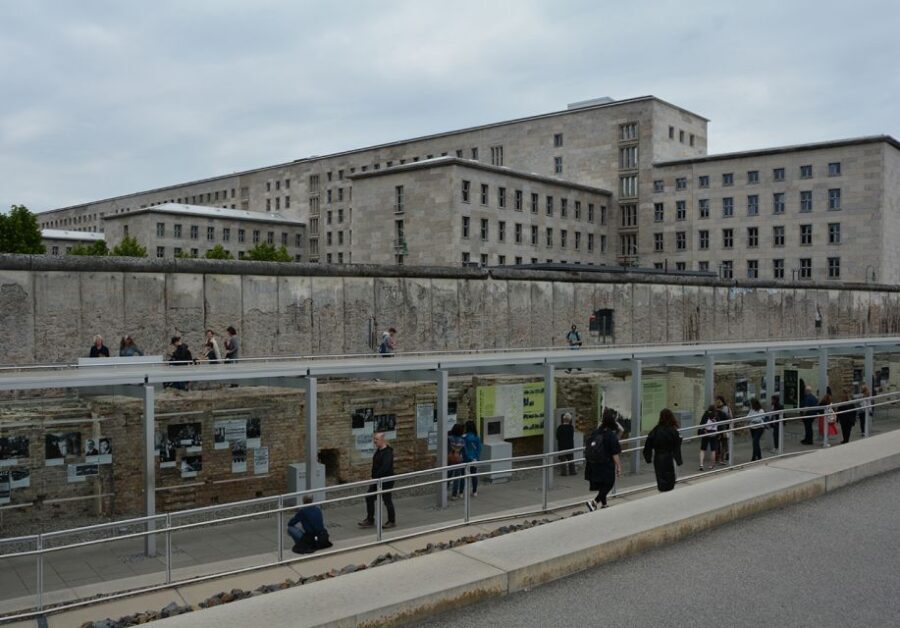
The final stretch lands at the Topography of Terror Documentation Center, which is where the tour really tightens its focus. Here, you learn about the headquarters locations during WWII, including:
- the SS
- the Secret State Police
- the Reich Security Main Office
- the Reich Aviation Ministry
That list is why this part sticks with you. You’re not hearing a vague “they were terrible” summary. You’re getting a map of the regime’s machinery: enforcement, intelligence, and power coordination.
The guide also ties in stories of German Resistance against the dictatorship throughout the walk. By the time you reach this documentation center, the resistance thread feels earned rather than tacked on.
You finish at the Topography of Terror, which is convenient if you want to keep exploring right away. Even if you’re not a museum person, the area tends to make you slow down and process.
Price and value: why $43 can make sense for this specific route
At $43 per person for a 2-hour guided walk, the price isn’t “cheap,” but it’s also not out of line for central Berlin history.
Here’s where the value really shows:
- You get a professional city tour guide instead of reading plaques alone.
- The route connects several major sites—Brandenburg Gate, Reichstag area, Tiergarten memorials, Holocaust Memorial, and Topography of Terror—without you having to stitch the story together yourself.
- The group is small (up to 10), which usually means fewer headaches and more chances to ask questions.
If you’re choosing between a general Berlin history walk and something like this, I’d steer you toward this one only if you want a direct, guided explanation of how the Nazi system worked in space and policy. If you want lighter entertainment, you’ll probably find this one too serious.
Practical tips so you don’t get stuck in the cold (or rain)
This tour runs in all weather conditions and public holidays, so you’ll want to dress like you’re going to be outside for two hours—because you are.
A couple things that matter more than you might think:
- Wear suitable walking clothes and shoes with grip. Berlin sidewalks can be slick in winter.
- If it’s cold, keep your hands protected. The story is detailed, and you’ll want to keep listening instead of shivering.
- The tour is set up to be wheelchair accessible, which is good to know if you need a route that works for mobility.
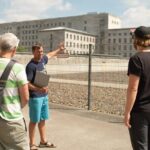
In recent outings, guides like Carlo have been praised for staying on track even in tough conditions, and for taking time to answer questions. That’s exactly what you want when the streets are icy and the topic is intense.
Who this tour is best for
This is a strong pick for:
- first-timers who want the major Nazi-era context in a concentrated walk
- history-minded travelers who prefer real-world locations over textbook time
- people who like direct guidance and Q&A during stops
It can also work well for teens and twens, especially if your group likes clear explanations of cause-and-effect. The topic is serious, but the structure helps it feel understandable rather than random.
If you’re someone who needs a fully bilingual experience or you’re not comfortable with German-led narration, you may want to look for an English-language alternative. The language is listed as German, and that affects how much you get out of each stop.
Should you book the Berlin: The Time of National Socialism walking tour?
I’d book it if you want a guided, location-based story of the Third Reich that also includes surviving WWII traces—like the Soviet memorial artifacts—and ends with the security-state details at Topography of Terror.
I’d skip it if you’re trying to keep things light, or if German spoken narration is a struggle for you. The topic demands attention, and the format assumes you’re ready to listen closely on your feet.
If you do book, plan for the weather, wear grippy shoes, and come ready to treat central Berlin like a living archive of what happened here. That’s when the tour really earns its time.
FAQ
How long is the walking tour?
The tour lasts 2 hours.
Where do I meet the guide?
Meet at the exit of S+U Bhf. Brandenburger Tor, exit B, in the direction of Pariser Platz / Straße des 17. Juni. Look for the guide with the Get Your Guide – You in Berlin flag.
What language is the tour in?
The live tour guide language is German.
What’s the group size?
It’s a small group, limited to 10 participants.
Is the tour wheelchair accessible?
Yes, the tour is listed as wheelchair accessible.
What should I wear?
Wear suitable clothes for a walking tour, since you’ll be outside for the full duration.
Does the tour run in bad weather?
Yes. The tour takes place in all weather conditions and on public holidays.
Is it easy to cancel?
There is free cancellation up to 24 hours in advance for a full refund.