REVIEW · BERLIN
Berlin: Sachsenhausen Concentration Camp Memorial Tour
Book on GetYourGuide →Operated by buendía · Bookable on GetYourGuide
Sachsenhausen is history you can walk through. This 5-hour trip from Alexanderplatz turns a tough subject into a guided, well-paced route, starting with context on the train and ending at the most important memorial points. I especially like that you’re with a licensed guide the whole way, not just dropped off at the gates.
Two details I really like: you’ll get clear stops at Barracks 38 and 39 (including the cramped conditions and what’s preserved today), and you’ll also see Station Z and the execution remnants, where the scale of violence becomes impossible to ignore. One consideration: the tour is not suitable for wheelchair users or people with mobility impairments, so you’ll want to plan around walking and uneven memorial grounds.
In This Review
- Key Highlights You’ll Care About Most
- Sachsenhausen From Berlin: A Day Trip That Actually Makes Sense
- Price and Value: What $21 Really Covers (And What It Doesn’t)
- Getting There: Alexanderplatz to Sachsenhausen With Built-In Context
- Tower A and the Main Entrance: What the First Gate Teaches You
- Barracks 38 and 39: The Daily Life Side of Imprisonment
- Medical Experiments, Infirmary, and Morgue: Where Cruelty Became Policy
- Station Z Executions: The Camp’s Brutal Machinery in Place
- The Former Prisoner Kitchen and the Soviet Memorial (1961): The Afterlife of a Site
- What Makes the Guides Here So Important
- Timing, Comfort, and How to Plan Your Return
- Who This Tour Fits Best (And Who Should Think Twice)
- Should You Book This Berlin to Sachsenhausen Memorial Tour?
- FAQ
- Where do I meet my guide in Berlin?
- How long is the Sachsenhausen concentration camp memorial tour?
- What’s included in the price?
- Do I need a train ticket, and which one?
- Is there a way to avoid waiting in line at the memorial?
- What languages are offered for the live guided tour?
- Is the tour suitable for wheelchair users or mobility impairments?
- Can I stay at the memorial after the guided portion?
Key Highlights You’ll Care About Most
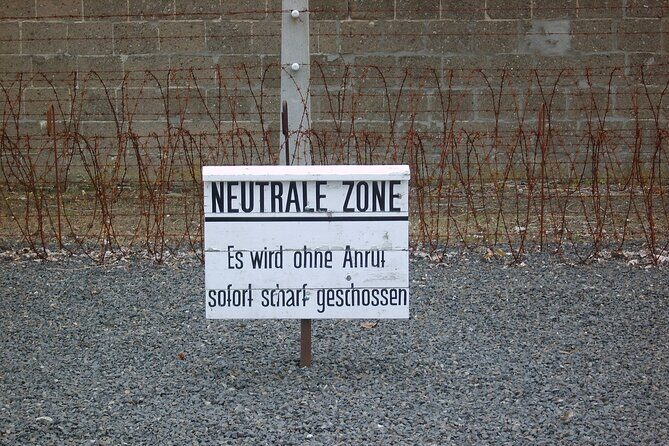
- Licensed guide with respect-first delivery that keeps the focus on victims and historical clarity
- Skip-the-line, separate entrance that saves time when you arrive
- Barracks 38/39 and punishment cells for both day-to-day reality and the camp’s control system
- Medical experiments, infirmary, and morgue to understand how cruelty was systematized
- Station Z and the Soviet memorial (1961) to connect Nazi-era purpose with the camp’s postwar memory
- Return or stay longer at your own pace once the guided portion ends
Sachsenhausen From Berlin: A Day Trip That Actually Makes Sense
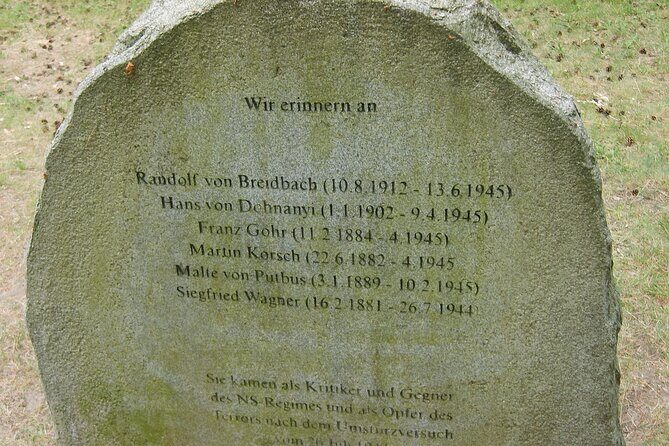
If you’re visiting Berlin and want more than a quick glance at World War II history, Sachsenhausen is one of the places that earns the time. The reason this tour works is simple: you don’t just arrive and wander. You get historical orientation while you’re still in Berlin, then you move through the memorial’s key sites in a logical order.
A big part of the experience is structure. Standing in front of remaining walls and memorial markers can feel overwhelming. With a guide walking you through what you’re looking at (and why it mattered), you end up with a clearer picture instead of a blur of names and dates.
This tour also helps you mentally pace yourself. The guide approach is explicitly framed as respectful toward victims, and that matters when you’re dealing with medical atrocities, imprisonment, and executions.
You can also read our reviews of more tours and experiences in Berlin.


Price and Value: What $21 Really Covers (And What It Doesn’t)
At around $21 per person for a 5-hour outing, you’re paying for more than an entrance fee. The package includes a professional guide who travels with your group from Berlin, plus the memorial entry (a 3€ entrance fee is included).
What’s not included is the train ticket. You’ll need an ABC zone ticket (purchased in advance) for public transit around Berlin. That extra step is easy, but it’s real. So I’d judge the value this way: you’re paying for the guided historical experience and the smooth Berlin-to-memorial flow, not for all train costs.
For reference, many guides in recent groups have been praised for staying organized, respectful, and clear—even when it’s cold out. Some have also been noted for balancing seriousness with a human tone that helps you process the facts without getting lost.
Getting There: Alexanderplatz to Sachsenhausen With Built-In Context
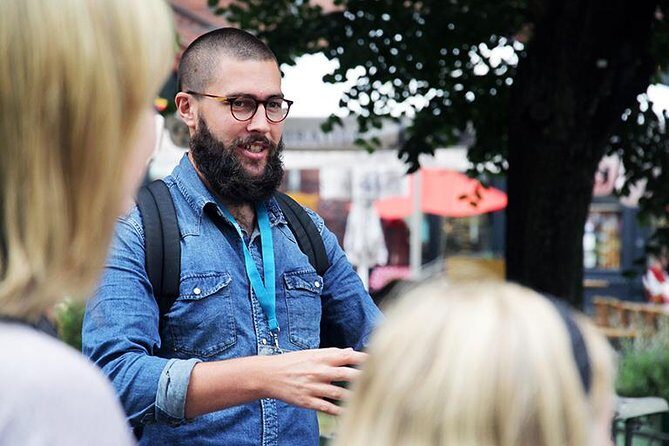
The meeting point is convenient if you’re already using Berlin’s transit hub: your guide waits next to the World Time Clock at Alexanderplatz, wearing Buendía accreditation. That’s a practical detail because it removes a lot of guesswork when you’re meeting a group you don’t know.
From there, you’ll take a train ride to Sachsenhausen with your guide explaining the camp’s origins, purpose, and how it functioned as a model concentration camp for the Nazis. I like this setup because it changes the emotional weight of the visit. You arrive oriented, knowing the “why” before you see the “what.”
One helpful pattern from strongly rated groups: your guide tends to keep the group together and make sure everyone has the right transit tickets before heading back. That’s not glamorous, but it prevents the kind of day-trip chaos that can drain energy from a heavy experience.
Tower A and the Main Entrance: What the First Gate Teaches You
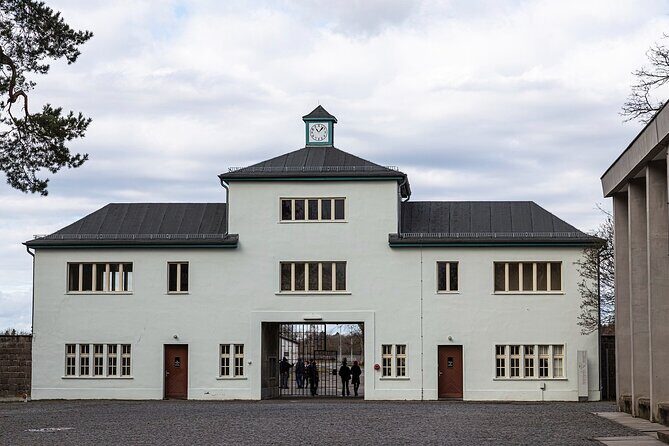
When you arrive, you begin at Tower A, the camp’s main entrance, marked by the infamous Arbeit macht frei sign. Even if you’ve seen the phrase before, seeing it in context is different—because the memorial doesn’t treat it like a slogan. It treats it like an artifact of propaganda built on intimidation and false promises.
From that starting point, you’ll get a guided introduction to how the camp was designed for control. This matters because Sachsenhausen wasn’t only a detention site; it was a machine for systematizing humiliation, labor, and violence.
It’s also a good place to remember what you’re doing that day. You’re not touring a museum with cheerful exhibits. You’re learning how a brutal system operated, and the entrance sets the tone for the rest of your route.
Barracks 38 and 39: The Daily Life Side of Imprisonment
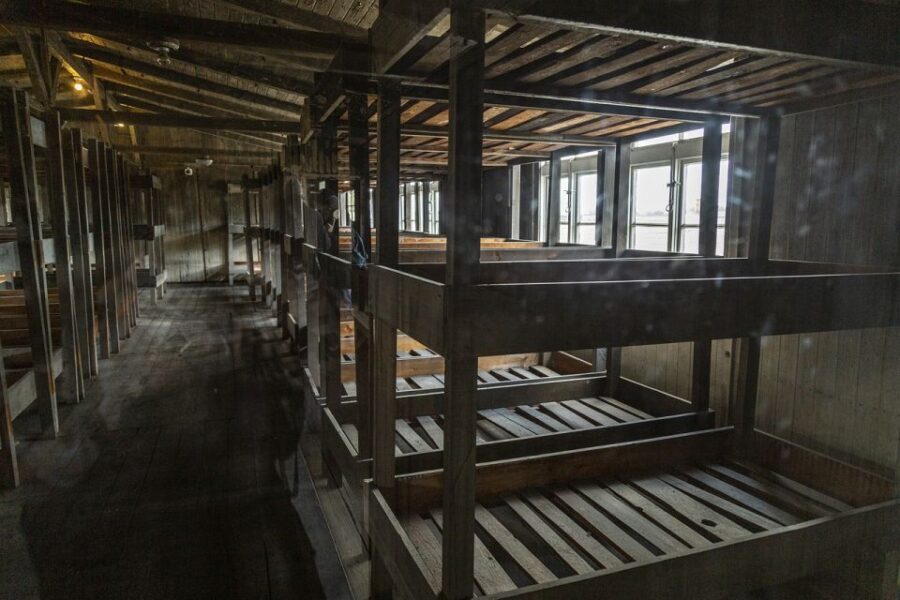
Next comes one of the tour’s most important clusters: Barracks 38 and 39. These buildings relate to Jewish prisoners held under extremely cramped conditions. The guide work here is key. A memorial space like this can be hard to picture without explanation, and the story behind the layout helps you understand what cramped meant in real terms.
Barracks 38 now operates as a museum, showcasing what life looked like inside—turning preserved rooms into an evidence-based narrative rather than vague impressions. If you want to leave with more than “it was awful” (and you do), this is one of the stops that gives you that extra layer.
You’ll also see the original punishment cells, used to detain prisoners for minor offenses. I appreciate how this creates a sense of the camp’s logic. Punishment wasn’t only for major crimes. It was woven into daily life as a deterrent, shaping fear and obedience.



Medical Experiments, Infirmary, and Morgue: Where Cruelty Became Policy
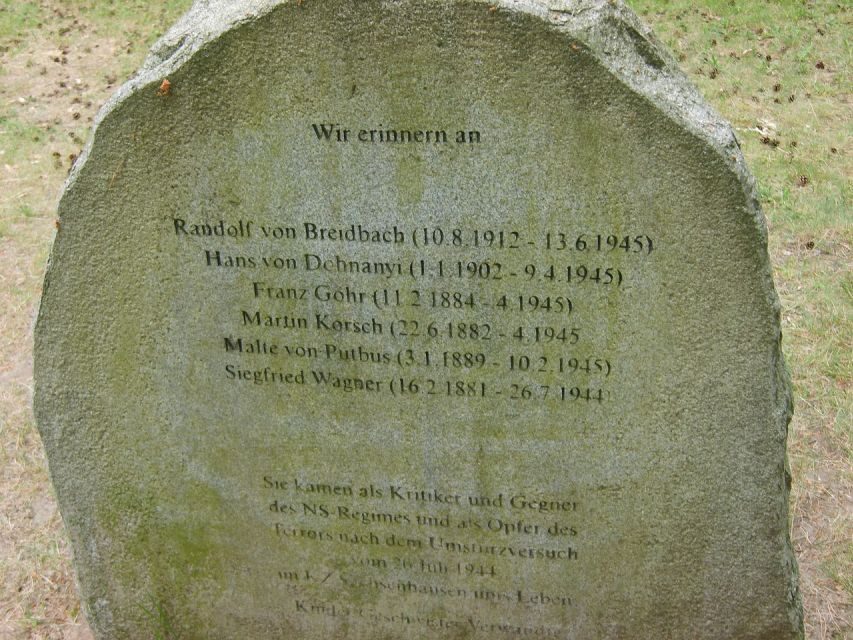
Later in the visit, you’ll be guided through parts connected to medical experiments—including areas described as the infirmary and morgue. This section is heavy because it forces you to face how scientific language and medical settings were used to commit cruelty.
The value of a guided visit here is that you’re not just looking at rooms; you’re learning what those places meant in the camp system. Your guide also provides the historical framing with respect for the victims, which helps keep the focus where it belongs.
If you’re the type who gets emotionally stuck when facts turn too bleak, this is a good moment to lean into the guide’s pacing. A lot of the best guiding is the ability to explain clearly without sensationalizing.
Station Z Executions: The Camp’s Brutal Machinery in Place
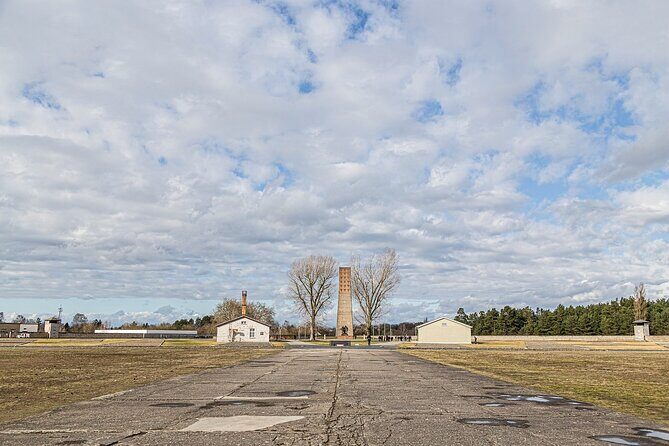
Another central stop is Station Z, with visible remains tied to executions that took place there. Seeing the location after hearing the historical context can feel like the story suddenly “clicks” into place—because you’re connecting command, imprisonment, and punishment to a physical site.
I also like that the tour doesn’t rush through the big moments. Station Z is the kind of place where you want time to absorb what it represents, even if you don’t want to linger in the cold.
If you remember only one thing from Sachsenhausen, make it this: the violence wasn’t random. It was organized, repeated, and built into the camp’s function.
The Former Prisoner Kitchen and the Soviet Memorial (1961): The Afterlife of a Site
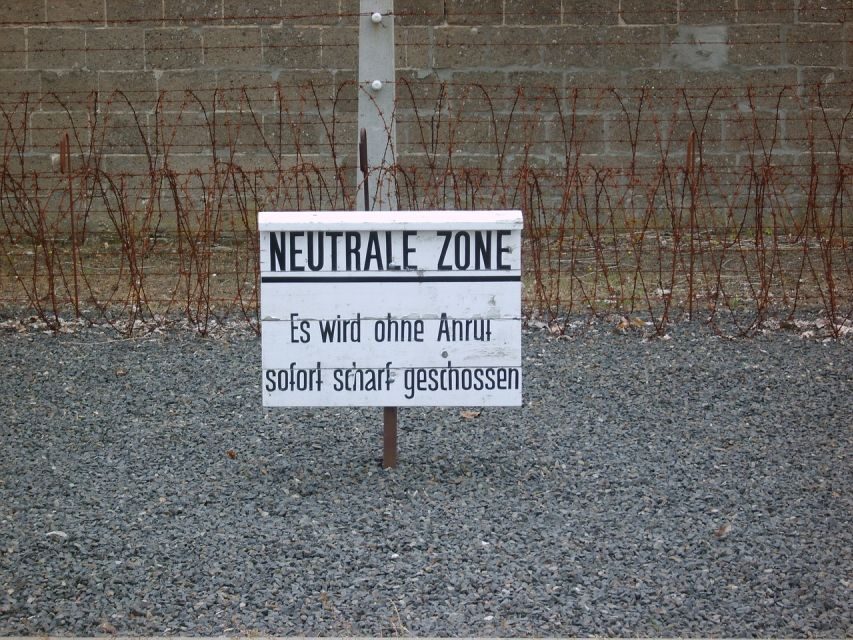
Toward the later part of the visit, you’ll see the former prisoner kitchen, now presented as a museum that highlights key moments in the camp’s history. This stop is useful because it shifts your lens from punishment to survival pressures—how basic needs and daily routines were controlled or stripped away.
Then comes the Soviet memorial built in 1961. This matters because it reminds you Sachsenhausen didn’t end when the war ended. The camp’s memory was reshaped, and memorials built later reflect how different eras wanted the story told.
You’ll finish with a clearer understanding of the timeline: Nazi Germany’s concentration camp system, its mechanisms of control, and the later memorial framing that followed World War II.
What Makes the Guides Here So Important
A Sachsenhausen tour lives or dies on how it’s explained. The highest praise in recent groups centers on guides who are organized, respectful, and good at making complex history understandable without flattening it.
In particular, names like Walid, Richard, and Peter show up again and again for being engaging while still careful about the subject matter. People also noted guides like Amelia, Mathis, Hugo, and Filipe for clarity and for answering questions without rushing. One guide has been praised for a sense of humor used carefully to keep attention while staying appropriate—useful if you get numb or overwhelmed and need a mental reset.
One more practical point: many guests specifically appreciated how guides handled train tickets and group coordination. That’s a real travel skill, especially on a day trip where delays or confusion can happen. The result is a smoother experience when your brain is already carrying something heavy.
Timing, Comfort, and How to Plan Your Return
The full experience is 5 hours, which is a sensible length. It gives you enough time to cover multiple memorial zones while still leaving room to breathe and regroup.
Your time outdoors can be a lot—this is northern Germany, and the memorial grounds aren’t designed for comfort. Bring comfortable shoes first, then snacks. Snacks sound basic, but on a day like this they help you avoid the situation where you’re emotionally taxed and also running on empty.
At the end, you have choices. You can return to Berlin by train with your guide’s help, or you can stay longer and explore the memorial at your own pace. I like that flexibility because some people want a fast exit after the last stop, and others want extra time to read signs slowly and take in details without group pacing.
Who This Tour Fits Best (And Who Should Think Twice)
This tour is a strong fit if you want a guided Sachsenhausen experience that prioritizes clarity and historical context, not just sightseeing. If you’re the kind of traveler who likes knowing what you’re looking at—especially before you stand in front of sites connected to imprisonment, executions, and medical cruelty—you’ll probably appreciate the structure.
It’s also a good choice for small-history-nerds and first-timers alike. First-timers get the overview. History-minded visitors often get the grounding that makes the remaining details meaningful.
The one clear mismatch: it is not suitable for mobility impairments or wheelchair users. If that affects you, you should choose a different format or a route that fits your needs.
Should You Book This Berlin to Sachsenhausen Memorial Tour?
Yes—if you’re prepared for a serious, sometimes draining day, and you want the memorial explained in a respectful, well-paced way. The value for me comes from the combination of a licensed guide traveling with you from Berlin, guided access through key sites, and a route that connects the camp’s internal logic to the memorial’s different layers.
Book it if:
- you want guided historical context before you reach Tower A and Station Z
- you prefer not to figure out the day alone (meeting point is clear, guide stays with the group)
- you can handle walking through memorial spaces and spending hours in a solemn setting
Skip or reconsider if:
- mobility constraints make the tour’s walking and ground conditions difficult
- you want a lighter, purely observational experience with no structured historical explanation
If you’re serious about understanding Sachsenhausen beyond headlines, this is one of the most practical ways to do it from Berlin—and it’s priced in a way that keeps the experience within reach.
FAQ
Where do I meet my guide in Berlin?
You meet next to the World Time Clock at Alexanderplatz. The guide will be wearing Buendía accreditation.
How long is the Sachsenhausen concentration camp memorial tour?
The tour lasts 5 hours.
What’s included in the price?
You get a professional guide who accompanies the group from Berlin, the Sachsenhausen memorial entrance fee (3€ included), and guided explanations at the memorial site.
Do I need a train ticket, and which one?
Yes. Train tickets are not included. You need an ABC zone train ticket purchased in advance.
Is there a way to avoid waiting in line at the memorial?
Yes. The tour includes skip-the-line access through a separate entrance.
What languages are offered for the live guided tour?
The live guide is available in Spanish, English, German, French, and Italian.
Is the tour suitable for wheelchair users or mobility impairments?
No. It is not suitable for people with mobility impairments or wheelchair users.
Can I stay at the memorial after the guided portion?
Yes. At the end, you can choose to return to Berlin by train with the guide’s help or stay longer to explore on your own pace.