REVIEW · NUREMBERG
Nuremberg: Nuclear Bunker in Main Railway Station
Book on GetYourGuide →Operated by Förderverein Nürnberger Felsengänge e.V. · Bookable on GetYourGuide
A nuclear bunker under a major train station sounds wild. What makes this visit compelling is that it turns Cold War fears into clear, hands-on exhibits about civilian protection, including threats beyond nuclear war. I especially like the way the tour explains how people were meant to survive, not just what a bunker was. One thing to consider: the space and the message are intense, so it’s not for claustrophobia.
You start right in the energy of Nürnberg Hauptbahnhof and then move below street level into a world of rationed time, thick walls, and hard questions. I like that the tour includes a computer simulation to help you grasp the destructive scale, and it also lets you imagine life inside by trying a pallet or sitting in the way people might have waited it out. If you’re coming from outside Nürnberg, give yourself extra time because the entrance can feel a bit hidden at first.
In This Review
- Key Points You’ll Appreciate Fast
- Why Nuremberg’s Nuclear Bunker Is Worth 75 Minutes
- Finding The Entrance Under Nürnberg Hauptbahnhof (Meet at Yorma’s)
- What You’ll Learn About Nuclear Threats and Civilian Protection
- Exhibits and Computer Simulation: Seeing the Scale Without Guessing
- Life Inside the Bunker: How It Feels to Wait It Out
- Tour Style in Practice: A German Guide With Humor and Common Sense
- Value and Practical Budget: What $15 Really Buys
- Who This Tour Fits (and Who Should Skip It)
- Should You Book This Tour?
- FAQ
- Is the tour worth it if I only have about an hour?
- Where exactly should I meet for the tour?
- How do I get to the bunker entrance from the main hall?
- What is included in the price?
- What costs are not included?
- Does the tour run in bad weather?
- Can I enter after the tour starting time?
- What language is the tour guide?
- What items are not allowed during the tour?
Key Points You’ll Appreciate Fast
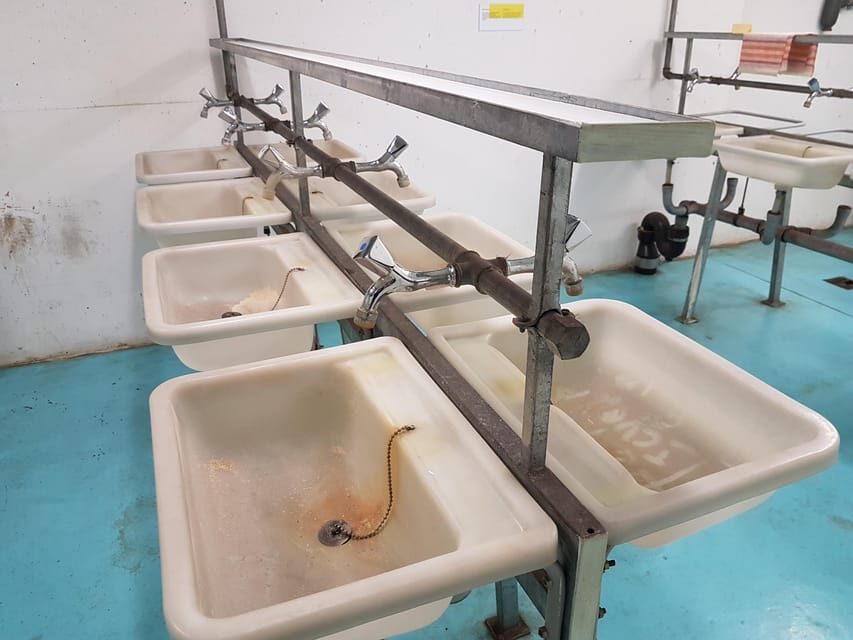
- Easy-to-find start point (once you know the trick): enter Hauptbahnhof and head for the escalators near the main hall.
- Hands-on, not just reading: you’ll be able to lie down on a pallet or sit to imagine life inside.
- More than nuclear weapons: the bunker was also designed to shield against biological and chemical attacks.
- Scale made understandable: a computer simulation compares how early atomic bombs relate to later warheads.
- Guide keeps it steady: the tour is known for a tone that uses humor and practical common sense to handle a heavy subject.
- Weather-proof schedule: the visit runs rain or shine and stays focused on the 75-minute window.
Why Nuremberg’s Nuclear Bunker Is Worth 75 Minutes
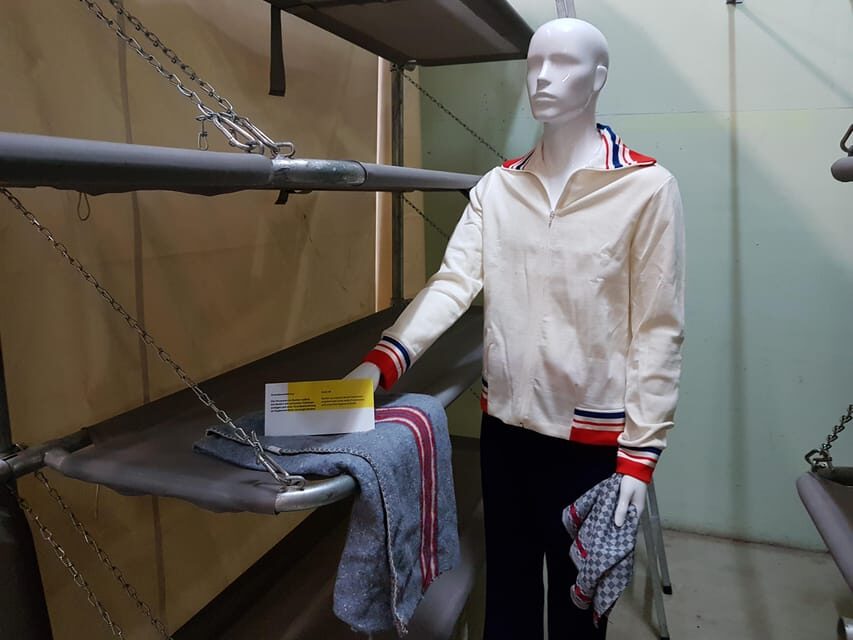
This is one of those experiences that surprises you because it sits in plain sight—literally under the central train station. You’re not touring a distant museum display. You’re stepping into a purpose-built space meant for an acute threat, where protection for some residents—and especially travelers—was the goal.
What I like most is the tour’s focus on real questions: after the atomic bombings in Japan, how could a population possibly prepare? The answer, in the bunker’s era, was civilian protection—thick shielding, controlled spaces, and procedures designed to buy time while a threat passed.
The ticket is also refreshingly simple. At about $15 per person for a guided visit that lasts 75 minutes, you’re paying mostly for access plus a live guide who can translate complicated, grim topics into something you can actually follow. You may not leave cheerful, but you’ll leave clearer.
You can also read our reviews of more tours and experiences in Nuremberg.


Finding The Entrance Under Nürnberg Hauptbahnhof (Meet at Yorma’s)
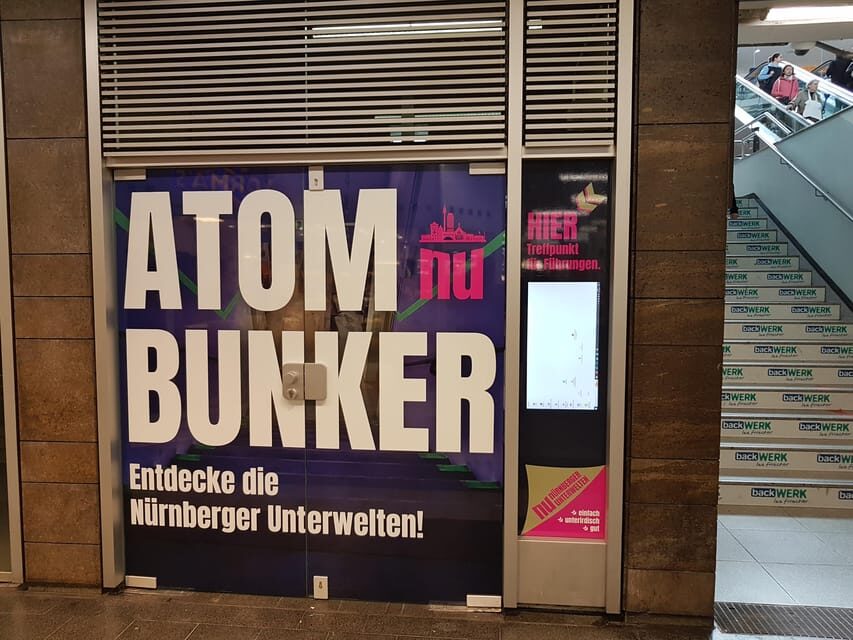
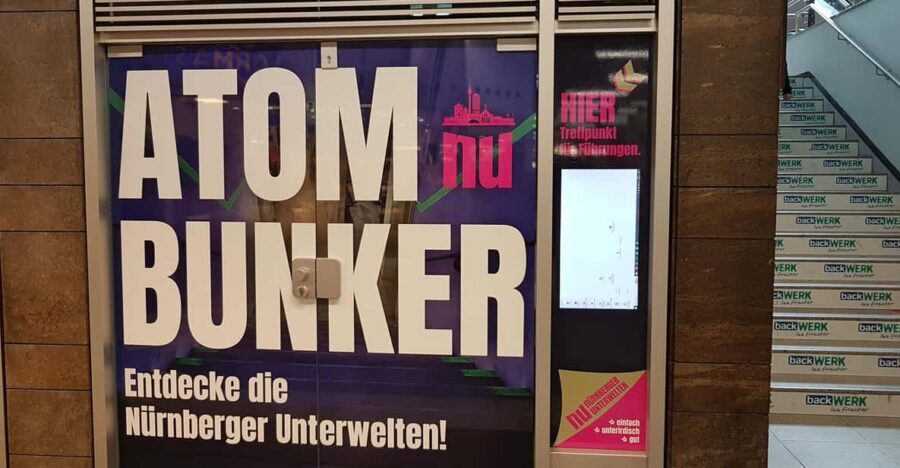
The meeting point is the part that can trip you up if you don’t already know Nürnberg. Start by entering the station through the main portal and walk into the main hall. From there, you’ll see four escalators going down to the basement levels.
Now for the practical trick: take the long escalator down to the shopping arcade called Königstorpassage, or take the short escalator and then use the step staircase. Immediately at the foot of the escalator stairs, turn sharply to the right. The bunker entrance is on the right wall.
Wait for the tour to begin directly at the entrance area, by Yorma’s restaurant. One helpful detail: the entrance can feel tucked away, so it pays to arrive a few minutes early and confirm you’re in the right spot before the start time.
What You’ll Learn About Nuclear Threats and Civilian Protection
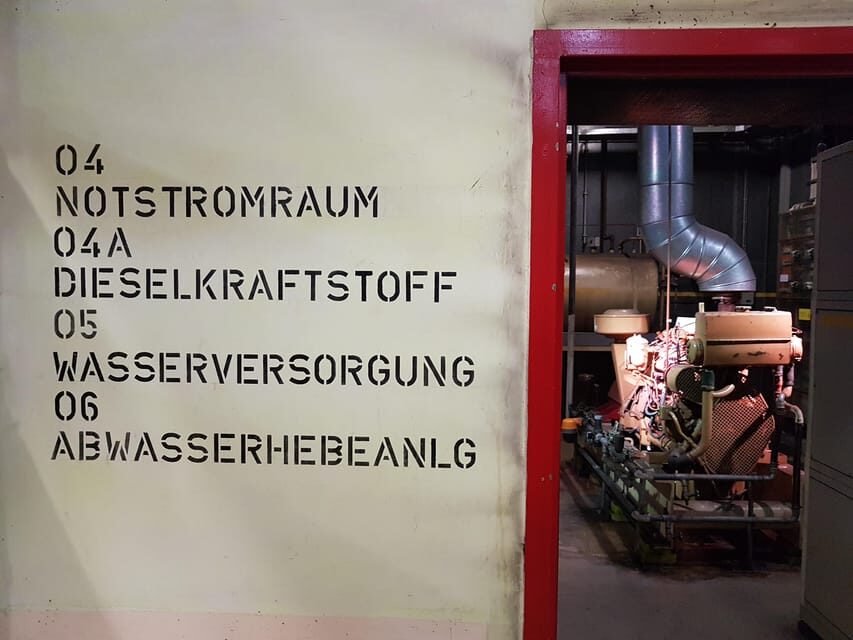
The tour’s story starts after the Second World War and the emergence of nuclear weapons as a Cold War defining threat. It explains the shift in thinking that followed the atomic bombings: if the danger could be sudden and civilization-changing, protection couldn’t be only about fortresses or front lines. It had to include civilians.
You’ll see how atomic bunkers were proposed as one solution. In this case, the bunker under the station was intended to protect some inhabitants and primarily travelers, which makes the location feel even more logical. It also wasn’t limited to nuclear threats; the bunker’s concept included shielding against biological and chemical attacks.
As you walk through the exhibits, the tour keeps returning to the same central mindset: what could people realistically do when the threat is beyond normal human experience? The displays are designed to help you imagine the plans behind civilian protection—what authorities expected, what they feared, and what they tried to prepare for.
Exhibits and Computer Simulation: Seeing the Scale Without Guessing
This isn’t a “read one panel and move on” type of tour. You’ll spend time with explanations meant to help you understand the destructive power of nuclear weapons in a way that doesn’t stay abstract.
A key moment involves a computer simulation. It gives you a visual sense of how the nuclear arsenal developed over time and how later warheads relate to the earliest atomic bombs. That comparison matters. Without it, people tend to think in only one direction—either imagining early bombs as too small or later warheads as totally unknowable.
You’re also asked to think about preparedness in a personal way. The tour doesn’t just list facts; it nudges you to consider what protection would mean for ordinary routines—getting trapped indoors, sharing limited space, and trusting systems that were designed for worst-case scenarios.
One practical note from a visitor perspective: the tour limits touching exhibits, so expect to rely on visuals and guidance. That sounds limiting, but it actually helps the message stay clean and consistent as the guide moves the group through.
Life Inside the Bunker: How It Feels to Wait It Out
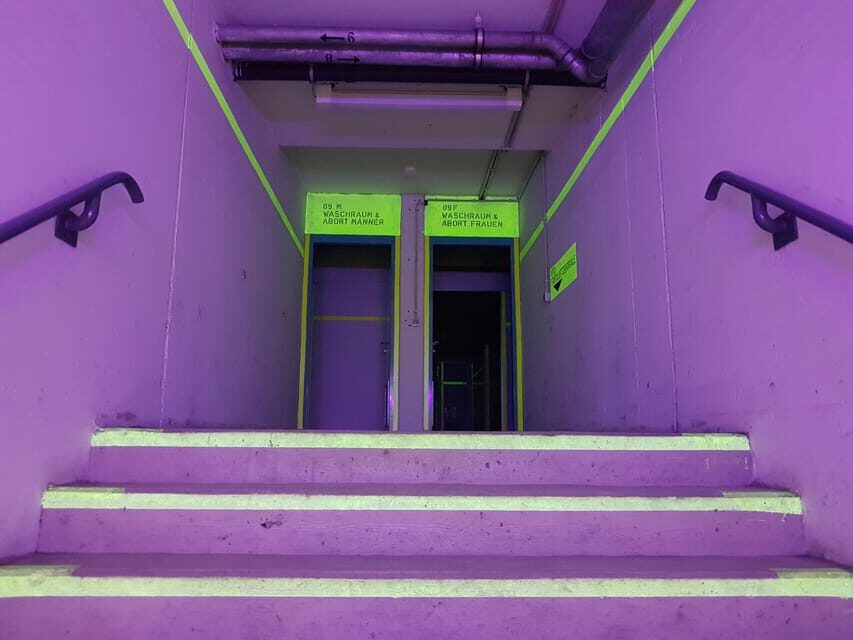
The most memorable part for many people is the part that gets you out of your head and into your body—imagination with a physical cue. The tour invites you to experience how life might have felt by letting you lie down on a pallet or sit in the setup described.
It’s a simple action, but it lands. When you picture being cooped up, it’s one thing to think about it. It’s another to physically set yourself in a waiting posture and realize how long “waiting” could become when hundreds of people are involved.
The bunker concept includes the idea that it would hold multiple people at once. You’ll hear the scenario of being with several hundred people, which is where the claustrophobic feeling starts to make sense, even if you’re not a natural worrier. This is also why the visit is explicitly not suitable for people with claustrophobia.
Think of it as a controlled, guided empathy exercise. The tour isn’t trying to traumatize you; it’s trying to make the historical planning feel real. The tone stays educational, but the space will do its job.


Tour Style in Practice: A German Guide With Humor and Common Sense
This is a live guided tour, and the guide speaks German. That matters for your expectations: you’ll want to be comfortable following German explanations, or at least be ready to let the exhibits and visuals do some of the work.
What helps most is the guide’s balance in tone. The bunker topic is naturally heavy, but the experience is known for combining humor with practical common sense. That blend is important here. Without it, nuclear protection can feel like only propaganda or only doom.
Instead, you get a guided walkthrough that helps you stay oriented while the content covers World War II aftermath, Cold War planning, and the frightening logic of weapons development. In other words: you’re not lost in a maze of jargon. You’re guided through the message.
Also, it’s a fixed-time experience: there can be no entry after the tour starting time. So once you locate the entrance near Yorma’s, settle in and be ready when the group starts moving.
Value and Practical Budget: What $15 Really Buys

At around $15 per person, this is good value for a few reasons.
First, you’re paying for more than a doorway. You get guided access to an actual bunker space under a major landmark, plus curated exhibits and a guided explanation of nuclear threat development and civilian protection. That kind of structured interpretation is hard to reproduce on your own.
Second, the duration is tight and purposeful—about 75 minutes. You’re not committing to a half-day excursion. It fits nicely as a focused stop inside an otherwise busy day in Nürnberg.
Finally, the inclusions are clear: the bunker entry fee and the guide are included. Transportation and food aren’t included, so plan to handle meals and tram or walking time separately. If you’re hungry later, you can pair the tour with a meal around the station area—just don’t plan to eat inside the bunker space because food and drinks aren’t allowed.
Who This Tour Fits (and Who Should Skip It)
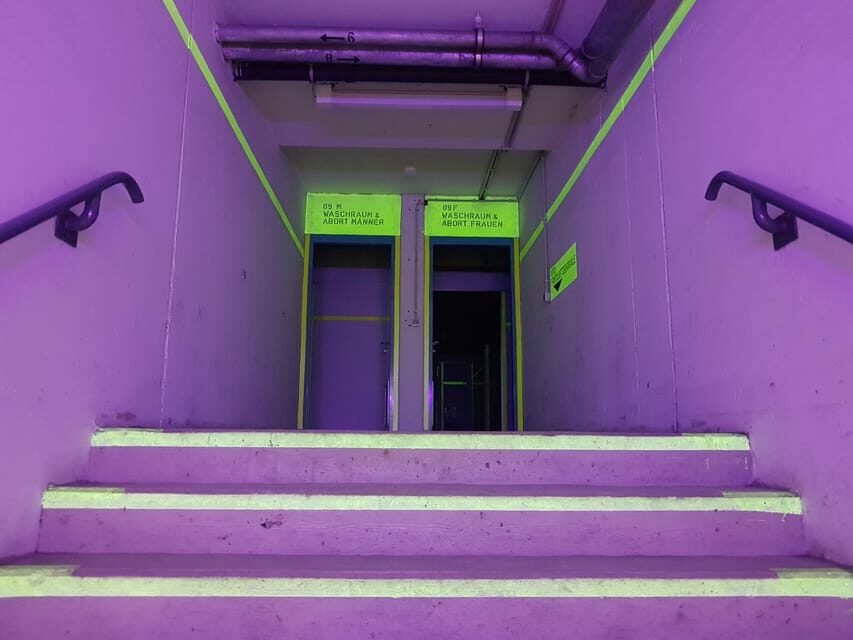
This is best for adults and older teens who want a serious historical-and-science angle without needing a degree. If you’re the type who likes Cold War context, civil defense planning, and how people tried to prepare for threats beyond everyday war, you’ll likely enjoy this a lot.
It’s also a solid choice for travelers who enjoy practical learning. The tour uses exhibits plus a simulation plus a physical prompt (pallet or sitting), so it’s not just passive reading.
But skip it if you fall into the listed restrictions:
- It’s not suitable for children under 8
- Not suitable if you have mobility impairments or use a wheelchair
- Not suitable if you have claustrophobia
- You also can’t bring luggage or large bags, and pets aren’t allowed (assistance dogs are allowed)
And because you won’t want surprises, plan around the rules: no smoking, no selfie sticks, and you can’t touch the exhibits. That keeps the experience consistent, and it protects both the space and the displays.
Should You Book This Tour?
If you want a short, guided, thought-provoking look at how civilian protection was imagined during the nuclear age, this is a strong pick. The combination of location (under Hauptbahnhof), focused duration (75 minutes), and clear guided explanations gives you real context without turning it into a long museum slog.
I’d book it if you’re comfortable with tight indoor spaces and you can handle intense topics. If you’re coming with kids, need wheelchair access, or deal with claustrophobia, this one isn’t the right fit.
FAQ
Is the tour worth it if I only have about an hour?
Yes. The duration is 75 minutes, and the visit is focused on exhibits, a computer simulation, and a guided look at how civilian protection was planned.
Where exactly should I meet for the tour?
Enter Nürnberg Hauptbahnhof through the main portal, go to the main hall, then take one of the escalators down. At the foot of the stairs, turn sharply right to find the bunker entrance near Yorma’s restaurant, and wait there for the tour to begin.
How do I get to the bunker entrance from the main hall?
Use the escalators in the main hall. Either take the long escalator down to the Königstorpassage shopping arcade, or take the short escalator followed by a step staircase. Immediately at the foot of the stairs, turn sharply right to reach the entrance on the right wall.
What is included in the price?
Your ticket includes the nuclear bunker entry fee and a live guide.
What costs are not included?
Transportation and food and drinks are not included.
Does the tour run in bad weather?
Yes. It takes place rain or shine.
Can I enter after the tour starting time?
No. There can be no entry after the tour starting time.
What language is the tour guide?
The live tour guide speaks German.
What items are not allowed during the tour?
Smoking is not allowed, as well as food and drinks. You also can’t bring luggage or large bags, selfie sticks, or pets (assistance dogs are allowed). You also shouldn’t touch the exhibits.