REVIEW · NUREMBERG
Nuremberg: Historischer Kunstbunker WWII Art Bunker Tour
Book on GetYourGuide →Operated by Förderverein Nürnberger Felsengänge e.V. · Bookable on GetYourGuide
WWII stayed underground in Nuremberg. This 1-hour walk through the Historischer Kunstbunker turns bombing history into something you can actually see, feel, and follow step by step. I love how the guide connects the tunnel route with a clear story of how artworks survived when the medieval Old Town was largely destroyed. I also like that you’re not just looking at walls—you’re hearing about specific masterpieces and the hands-on rescue logic behind their storage.
One thing to plan for: the bunker is tight and chilly, so if you hate close spaces, you’ll want to think twice before going.
In This Review
- Key Highlights at a Glance
- Historischer Kunstbunker: A WWII Art Rescue Under Nuremberg
- Meeting at the Entrance: Fast Orientation Before You Go Underground
- From Medieval Beer Cellar to WWII Art Shelter
- Following the Tunnel Network With a Real Guide
- Masterpieces You’ll Hear About: Veit Stoss, Dürer, and the Codex Manesse
- Nuremberg’s 90% Destruction and the Rebuild Story
- Price and Timing: Is $14 for 1 Hour Good Value?
- What to Wear: The Cold Tunnels Matter
- Who Should Go (and Who Should Skip It)
- Group Size Reality Check: When Space Feels Tight
- Should You Book This WWII Art Bunker Tour?
Key Highlights at a Glance
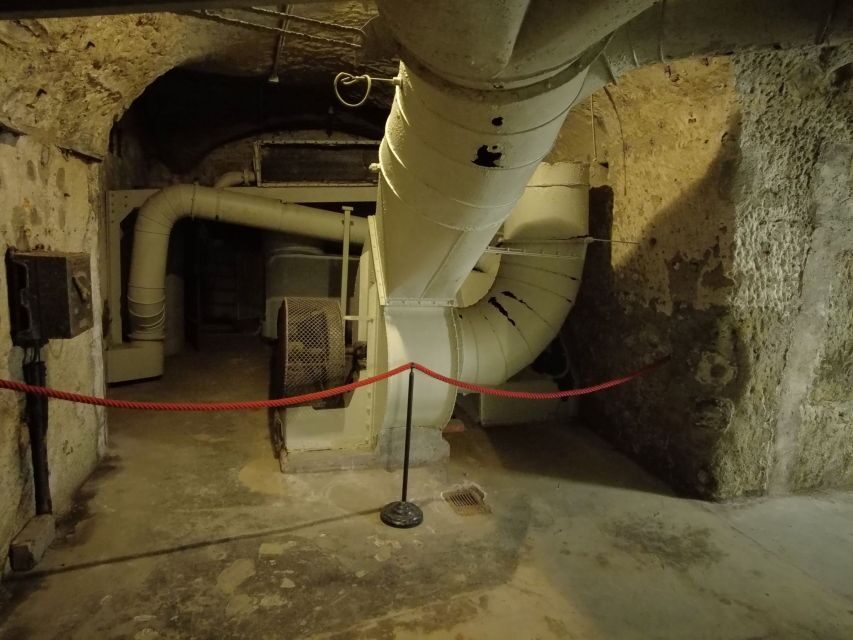
- A focused 1-hour route that keeps WWII art rescue story moving, not dragging
- Followable tunnel navigation thanks to a local-style guide-led flow
- WWII art protection details tied to famous works like Veit Stoss and Dürer
- A surprising history layer: this space also had a medieval life storing beer
- Cold-but-worth-it conditions inside the cellar network
- Nuremberg’s ruin and rebuild explained in the same arc as the bunker story
Historischer Kunstbunker: A WWII Art Rescue Under Nuremberg
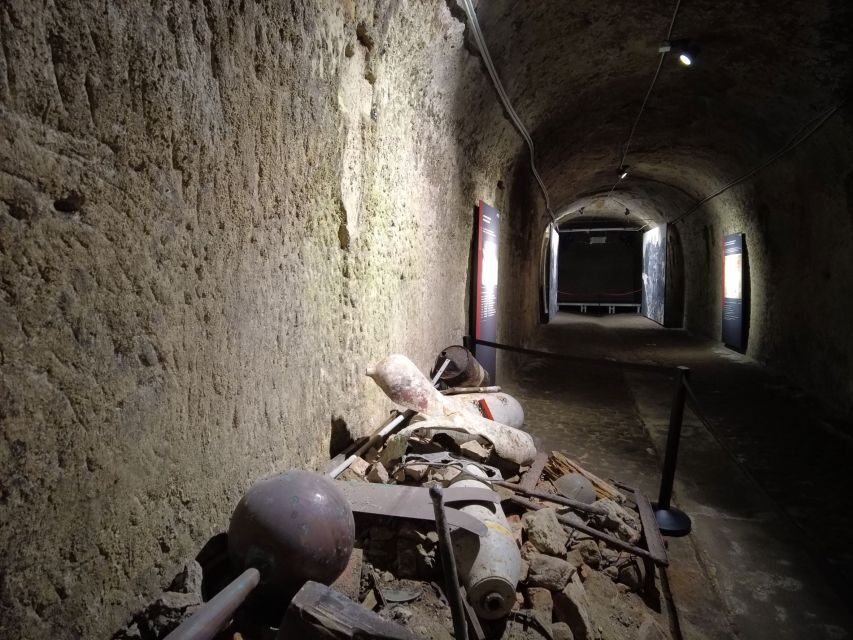
If you’re the type of traveler who likes history that has a real physical footprint, this one hits hard—in a good way. The Historischer Kunstbunker isn’t a distant museum exhibit. It’s an underground space under Old Town Nuremberg where the wartime story played out in tunnels and cellars.
The core idea is simple and compelling. Nuremberg was heavily bombed, and about 90% of the medieval Old Town was destroyed. While buildings were falling, leaders tried to protect what they valued most: artworks and cultural objects. This tour shows the plan and the pressure behind it—without turning it into a vague lecture.
For you, that means two kinds of payoffs. First, you get WWII context that matches what you see above ground later. Second, you get a tangible sense of how people think, hide, move, and preserve when everything is breaking around them.
You can also read our reviews of more tours and experiences in Nuremberg.


Meeting at the Entrance: Fast Orientation Before You Go Underground
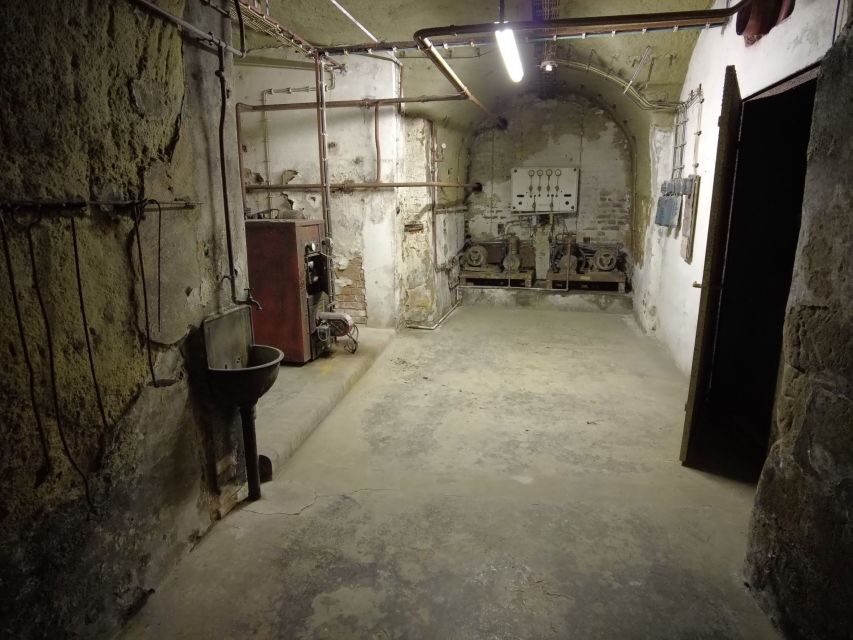
You’ll meet your guide at the entrance to the Historischer Kunstbunker Museum. Expect the tour to start right away, with the guide setting the tone and explaining how the tunnels connect. That early orientation matters because the cellar network is not meant for wandering.
A number of guides on this route use a lively style, and it helps you stay locked in. Guides like Andres, Marc, Michael, and Jana are repeatedly praised for making the story feel immediate and personal, not dry. Even with a small group, you’ll learn how to follow along, what to pay attention to, and what questions to ask.
One practical note: the tour runs rain or shine, and the bunker portion is the main event. So dress for the weather outside, then plan for the colder, enclosed conditions once you’re inside.
From Medieval Beer Cellar to WWII Art Shelter
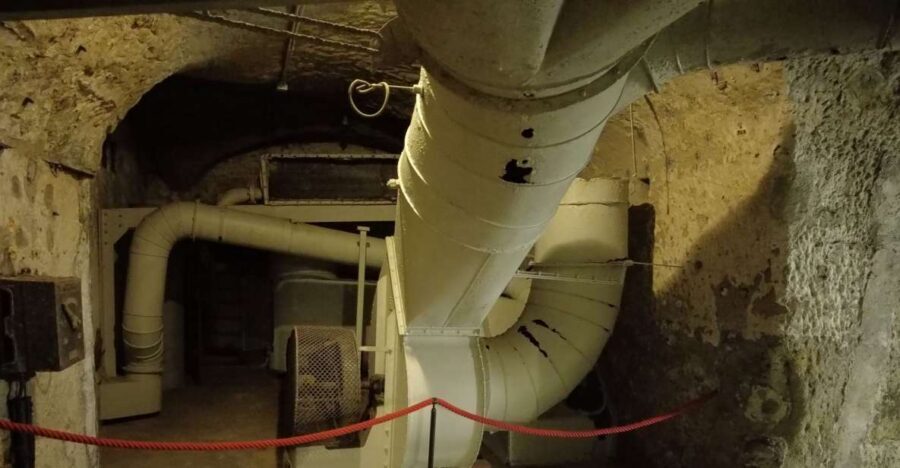
One of the most interesting twists is that this space wasn’t born as a bomb shelter. The tour explains how this cellar had a medieval use storing beer, long before wartime officials repurposed it for a totally different kind of protection.
That contrast is more than trivia. It gives you a time machine effect. You start to see the space as something the city reused and reshaped across centuries, instead of treating it as a one-time prop. The guide’s story helps you understand how practical infrastructure can become a refuge when history forces the change.
Once WWII enters, the tone gets more serious. The guide explains how Nazi officials used this underground area to preserve priceless works during bombing. You’ll hear how the plan focused on saving artworks, even as the city above suffered massive destruction.
Following the Tunnel Network With a Real Guide
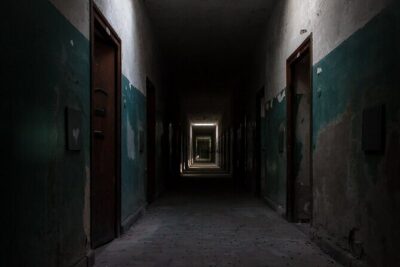
Inside, the tour becomes mostly movement through the tunnel network—guided, paced, and explained. This is where the local-guide value shows up. You’re not left with a map and a hope. You’re led through the route in a way that helps you keep track of what you’re seeing and why it mattered.
The best part is that the route feels navigable. People mention how easy it is to follow because the guide keeps you oriented as you move. That’s a big deal in underground spaces where it’s easy to lose your sense of direction or feel tense.
Also, you’ll quickly understand the emotional weight of the place. You’re hearing how people stored and protected art under threat, while physically moving through the same kind of cramped corridors where that plan had to function.
Masterpieces You’ll Hear About: Veit Stoss, Dürer, and the Codex Manesse
This tour isn’t built around generic art names. It focuses on objects with clear identities, and the guide ties them to the bunker’s purpose.
You’ll learn about artworks and cultural items stored during bombing, including:
- The Altarpiece of Veit Stoss
- The automaton clock from the Frauenkirche
- The Codex Manesse
- Works associated with Albrecht Dürer
Hearing these names while you’re standing in the underground storage environment changes how you process the story. It stops being abstract and becomes specific. The tour also highlights which works were saved—so you get a sense of survival, not just destruction.
One more detail that sticks: the guide explains why certain pieces mattered for protection and how that priority shaped storage decisions. Even if you’re not an art nerd, you’ll leave with a clearer picture of what cultural preservation looked like under extreme pressure.
Nuremberg’s 90% Destruction and the Rebuild Story
The tour doesn’t end at the underground door. It pulls you back into the bigger picture of what happened above ground and what came next.
Nuremberg’s Old Town is described as being reduced heavily in WWII, then rebuilt after the war. That arc matters because it helps you avoid a common trap: seeing the bunker as a standalone dark chapter with no aftermath. Here, you get the bridge to the postwar world.
So when you walk outside after the tour, you have context for why Nuremberg looks the way it does today. You’ll be better prepared to connect architecture, streets, and rebuilding choices with the scale of what was lost.
Price and Timing: Is $14 for 1 Hour Good Value?
At $14 per person for about 1 hour, this is priced like a smart add-on that doesn’t eat your day. And because the tour includes the museum entry fee and a guide, you’re paying for interpretation, not just access.
In practical terms, the value comes from three things:
- You get an English- or German-speaking guide who leads you through a physically challenging space.
- You learn about specific artworks and the rescue plan, instead of generic WWII background.
- You can still plan the rest of your Old Town day afterward without rushing.
If you’re already walking around Nuremberg’s historic center, it’s easy to slot this in. And if you’re the kind of traveler who thinks one good underground tour is better than three quick stops, this hits that sweet spot.
What to Wear: The Cold Tunnels Matter
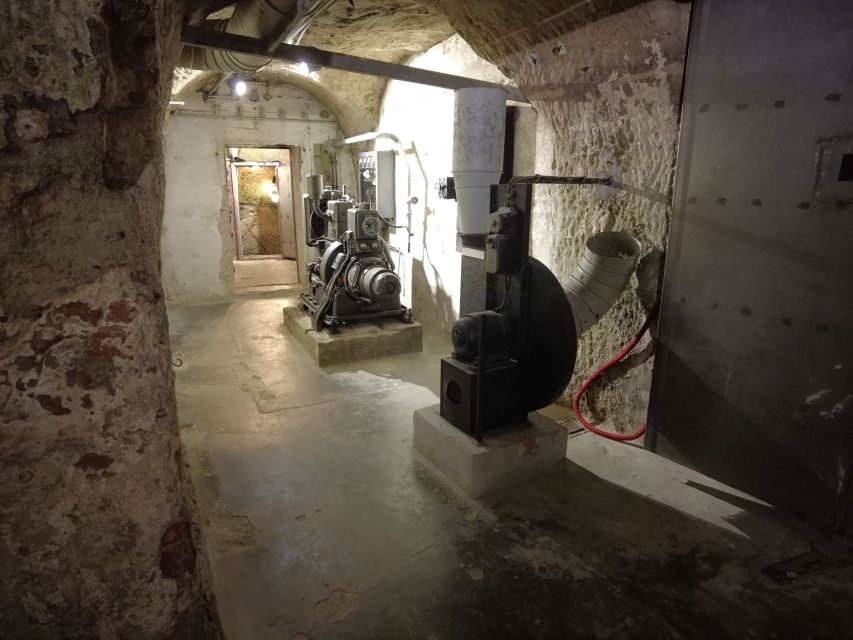
Bring warm clothing. That’s not a suggestion for comfort—it’s part of whether you enjoy the full hour.
Several people note the bunker interior runs around the range of 10–12°C, no matter what the weather is outside. One person even warned to take a jersey because the difference feels real. So for you, that means: wear layers, not just a light jacket.
Also consider that this is a walking-in-tunnels experience, not a sit-and-watch show. Comfortable shoes help, and a warm layer helps even more.
Who Should Go (and Who Should Skip It)
This tour is best for people who like WWII history but also care about how stories connect to real spaces and real objects. If you enjoy art history, cultural heritage, or simply want a more human, story-driven view of the war, you’ll likely feel right at home.
It’s not suitable for:
- People with mobility impairments
- People with claustrophobia
- Wheelchair users
That isn’t just legal fine print. It’s a practical warning about how this experience works. The setting is enclosed, and the route requires close quarters and standing/walking through tunnels.
If you fall into any of those categories, you might choose a different Nuremberg WWII option instead. It’s better to pick something that feels safe and comfortable than to force it.
Group Size Reality Check: When Space Feels Tight
Most people seem to love the tour flow, but there’s one recurring comfort issue: the tunnel space can feel cramped, especially when the group is on the larger side. One guide-specific note mentioned a group of about 21 people, and that made the space feel a bit crushed for some.
So here’s my practical advice for you: if you’re sensitive to tight spacing, treat this as a comfort-sensitive tour, not just a history tour. Choosing the right time of day (when offered) may help, but the safest bet is to assume it will feel narrow.
Should You Book This WWII Art Bunker Tour?
Book it if you want WWII history that’s not just dates and headlines. This tour gives you a clear story arc: Nuremberg’s destruction, the underground attempt to save art, the specific works tied to that plan, and the rebuild afterward. For the time and price, it’s a strong stop.
Skip or reconsider if close, enclosed spaces are a problem for you. The experience happens underground, so it’s not a mild museum visit—it’s a tunnel walk with cold air and tight quarters.
If you’re in Nuremberg for a short stay and you like getting your bearings fast, this is one of those 1-hour experiences that pays back later when you’re walking the Old Town streets above.