REVIEW · BERLIN
Berlin: Private Kreuzberg Street Art Walking Tour
Book on GetYourGuide →Operated by BG Tours · Bookable on GetYourGuide
Kreuzberg turns walls into conversation. On this street-art walk, you get close to huge murals by international artists, and you learn how Berliners turned graffiti into commentary on power, identity, and survival. I like the first-hand tone from a guide who’s part of the scene (or used to be), and I like that the route mixes standout art with real neighborhood life like cafés and bars. One possible drawback: if you want a strict, textbook-style history lesson, this can feel more street-level than academic.
The tour is private, so it stays flexible, and it lasts just 2 hours, which makes it a good add-on to a day of sightseeing. You start at U Schlesisches Tor (exit at street level, by the elevator), and the guide works in English or German. If you’re traveling with big luggage, plan to leave it behind, because large bags aren’t allowed.
In This Review
- Key things you’ll notice on this Kreuzberg tour
- Kreuzberg Street Art: What a 2-Hour Walk Really Shows
- Meeting at U Schlesisches Tor: Start Fast, Stay Comfortable
- Kreuzberg on Foot: Murals, Graffiti, and the Political Why
- Learning the Craft: Technique Talk That Actually Helps You See
- Oberbaumbrücke and the Neighborhood Side of Berlin
- Private Group Advantage: Better Questions, Better Route Feel
- Price and Value: How $200 for Up to 5 People Really Works
- Who This Tour Fits Best (and Who Might Want Something Else)
- Should You Book This Kreuzberg Street Art Walking Tour?
- FAQ
- Where is the meeting point?
- How long is the Kreuzberg street art walking tour?
- What is the price and group size?
- Is the tour private?
- What languages are offered?
- Is the tour wheelchair accessible?
- Are luggage or large bags allowed?
- What areas and sights does the tour include?
- What if I arrive late?
- What’s the cancellation policy and payment option?
Key things you’ll notice on this Kreuzberg tour
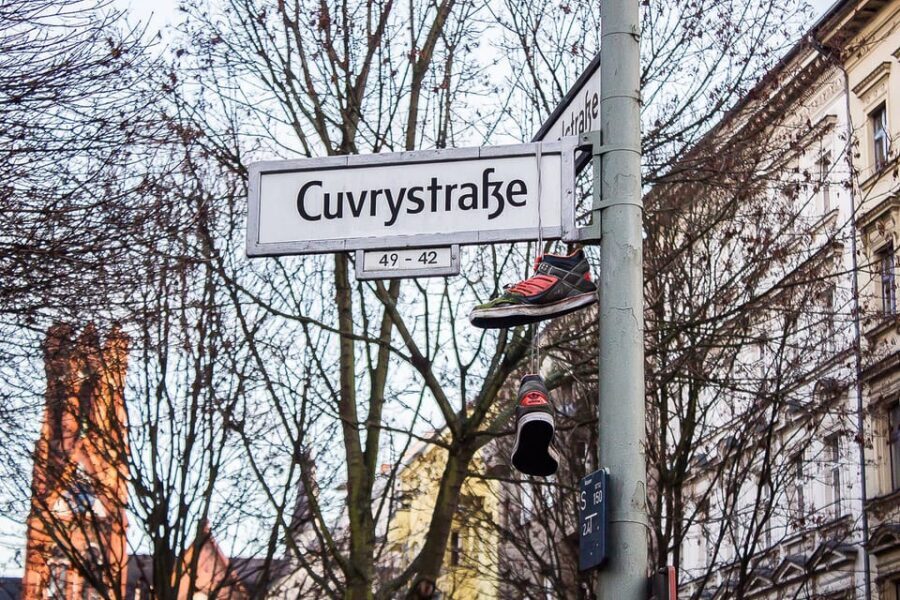
- Murals by international street artists in a neighborhood where street art never really took a day off
- Political and historical context for why graffiti showed up in the first place
- Oberbaumbrücke on the route, so you get art plus a classic Berlin view
- A guide with real scene experience, often including technique talk, not just descriptions
- A focused 2-hour pace, which is great for time-crunched visitors (but can be warm-weather tough)
Kreuzberg Street Art: What a 2-Hour Walk Really Shows
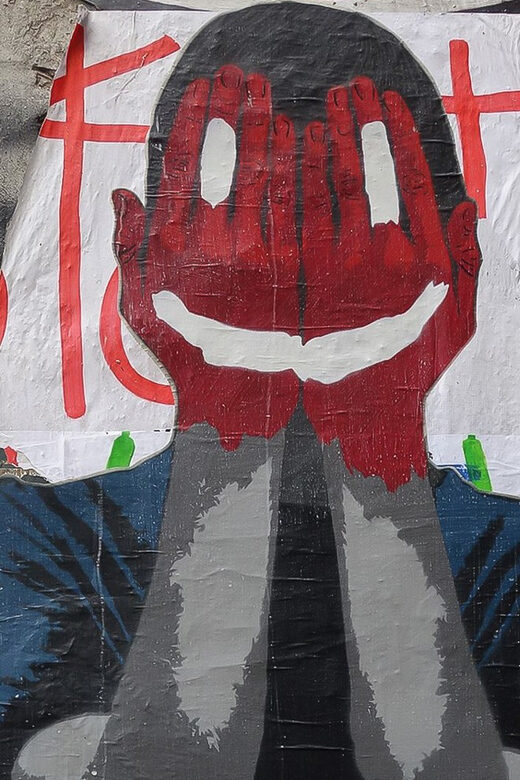
This isn’t a museum stroll where everything is labeled and quiet. Kreuzberg street art lives in context—on the sidewalks, on the walls people pass every day, and in a district that has long been a magnet for outsiders and artists.
You’ll see big murals and likely recognize that style can be political, personal, or just loud. The guide’s job is to connect those walls to the ideas behind them: who was speaking, who was ignored, and why spray paint and graffiti became a kind of public language. That’s where the tour earns its time.
I also like the practical focus. A good street-art guide doesn’t just say what you’re looking at. They teach you how to read it. You start paying attention to things like line quality, color choices, and the way tags and characters often work together in a single wall.
You can also read our reviews of more walking tours in Berlin



Meeting at U Schlesisches Tor: Start Fast, Stay Comfortable
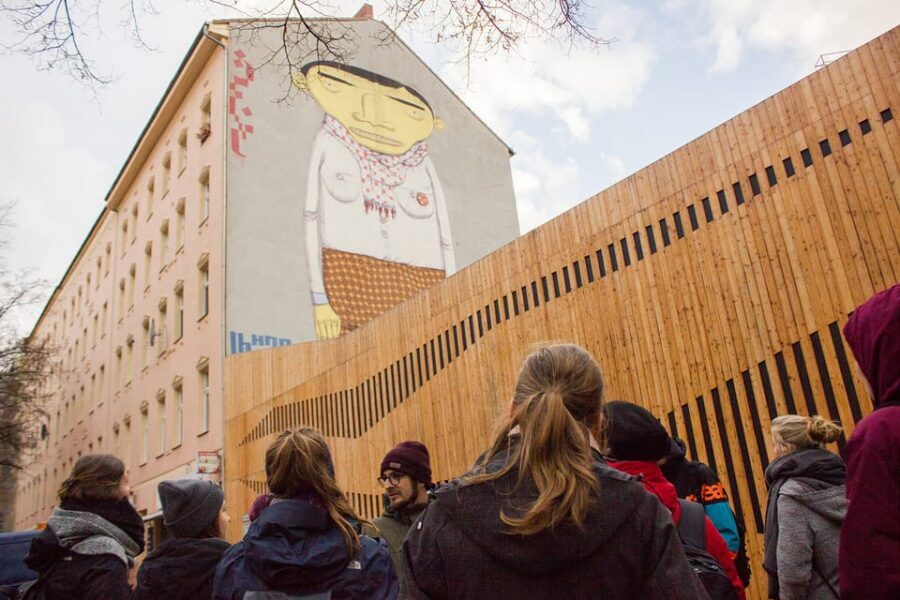
You’ll meet at the exit of Schlesisches Tor station, at street level next to the elevator. The station serves U1 and U3, so getting there is usually simple—especially if you’re already moving around Berlin by metro.
This matters more than it sounds. A 2-hour tour is short, so starting on time keeps you from feeling rushed at the first stop. If you arrive late, you likely lose part of the experience, so aim to be there early and let the group form.
One more thing I’d plan for: no luggage or large bags. If you’re carrying a backpack, keep it day-sized and easy to move with. The tour is walking-first, and you don’t want to spend energy managing bulky gear instead of looking.
Kreuzberg on Foot: Murals, Graffiti, and the Political Why
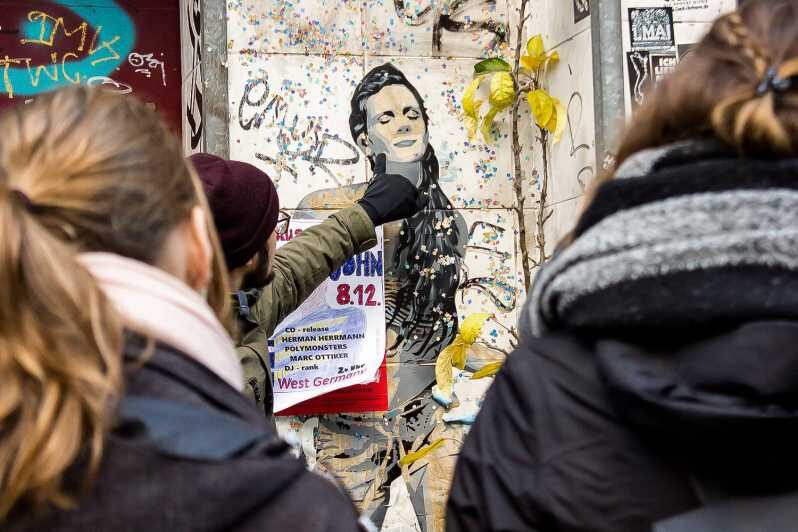
Kreuzberg is the kind of neighborhood where you can sense layers of Berlin history just by walking. The tour uses that setting to explain why street art grew into an open-air canvas rather than disappearing when the moment passed.
Expect the guide to connect graffiti to more than aesthetics. You’ll hear about the district’s historic and political dimensions, including how Kreuzberg was once home to squatters and a significant Turkish community. Street art in places like this often becomes a voice for people who didn’t have an official platform.
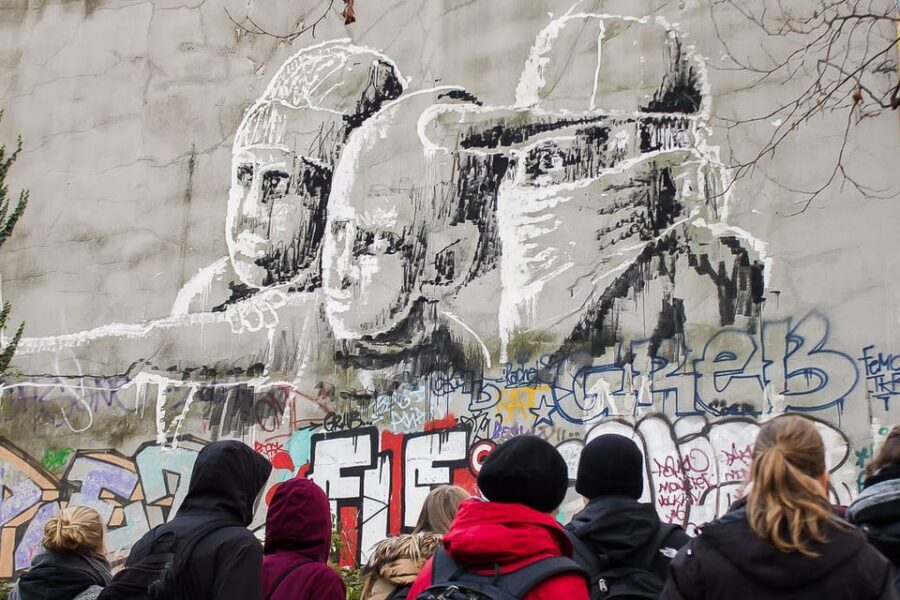
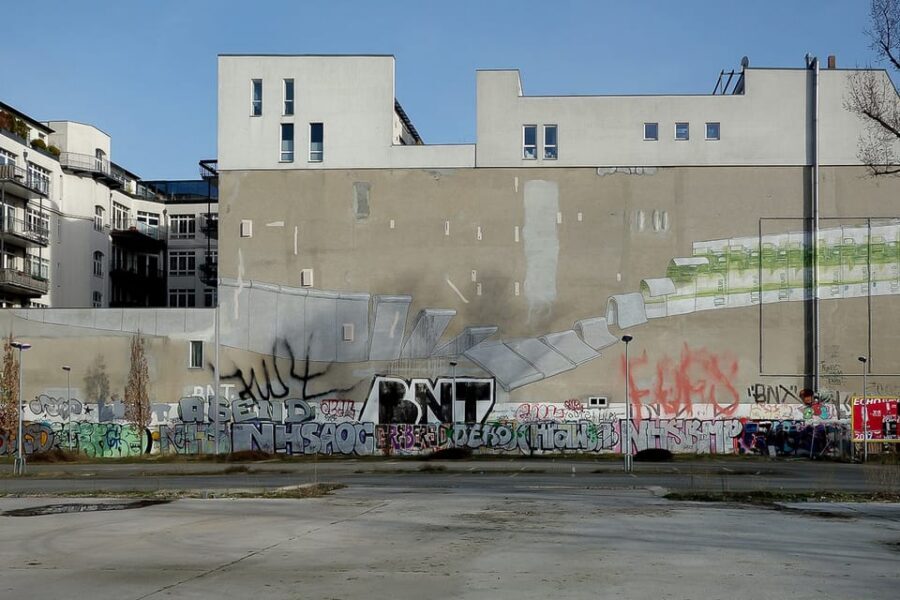
You’ll also see huge murals by international street artists. That international mix matters because it shows street art didn’t stay local in Berlin. It became part of a wider global conversation—one that still reacts to local issues and local tensions.
A small but important tip: when you pause for murals, slow down and read the wall like a poster. Look at the faces or symbols first, then the style. If you rush straight to photos, you’ll miss the point the guide is trying to steer you toward.
Learning the Craft: Technique Talk That Actually Helps You See
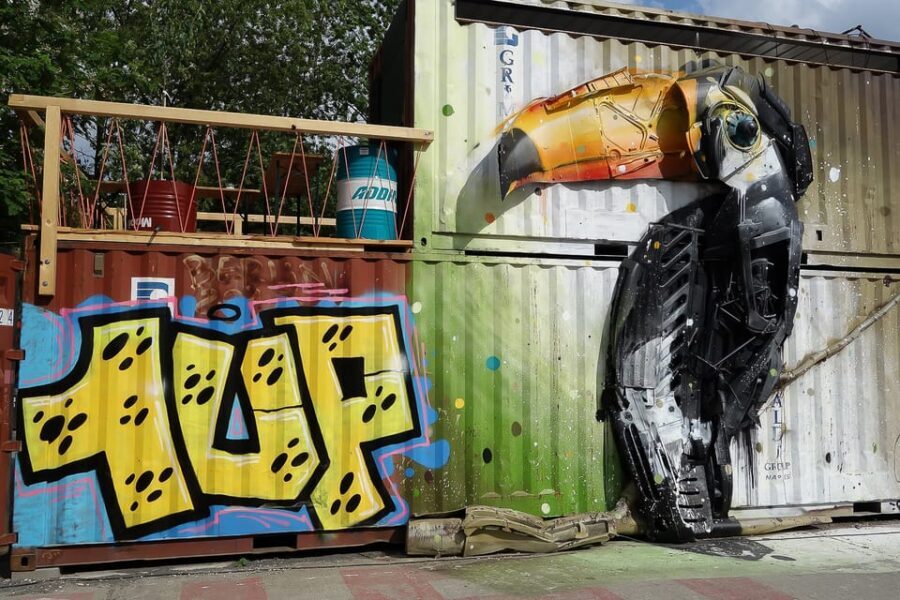
One reason this tour gets strong marks is the way it explains how graffiti works, not just what it looks like. You should expect the guide to share practical insights into methods and styles—especially in the kind of hands-on storytelling that street artists tend to do naturally.
In particular, at least one guide named Tijmen stood out for being entertaining while showing techniques. That combo is smart. Technique talk turns your photos into evidence. You start noticing how colors blend, where the linework gets bold, and how certain elements are built to read from a distance.
I also like that you’re not only looking at murals. You’re learning the logic behind the mix: big pieces, smaller marks, and the way different styles share the same surface. Graffiti can feel chaotic until someone teaches you the underlying structure.
Now the balance: one piece of feedback says the tour didn’t meet expectations for deeper factual knowledge for a personal tour style. That’s a real consideration. If you’re someone who expects heavy factual depth, you might want to manage your expectations and treat this as street-art interpretation rather than a formal lecture.
Oberbaumbrücke and the Neighborhood Side of Berlin
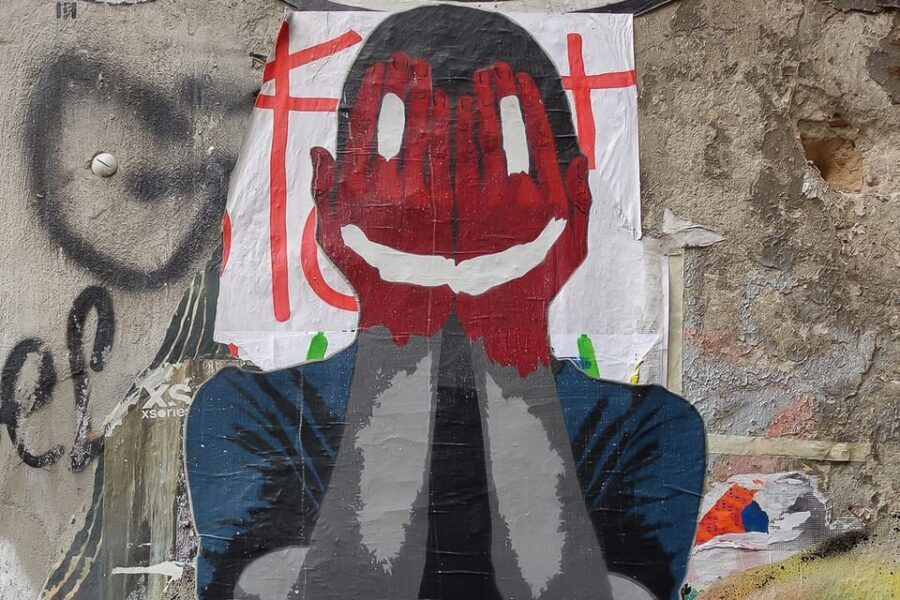
You’re not stuck in one art alley. The route also includes touristic sights such as the Oberbaumbrücke, which gives you a classic Berlin moment. It’s a helpful contrast: art on walls, and Berlin on postcards.
What makes this valuable is the rhythm. You walk from mural-heavy streets to a more open view, then back into the dense neighborhood lanes. That keeps the experience from feeling like a single long “look at the wall” task.
You’ll also get a real taste of Kreuzberg street life. The tour goes past cafés, bars, and restaurants, which helps you remember this is a living district, not a theme park. Even if you only stop for a quick drink later, the tour sets you up to explore on your own afterward with better instincts about where the neighborhood energy is.
Heat can be a factor. There’s at least one comment noting the walk felt limited in movement or time in stops, possibly because of hot weather. If you visit in summer, wear light layers, bring water, and don’t count on lingering everywhere for long stretches.
You can also read our reviews of more private tours in Berlin



Private Group Advantage: Better Questions, Better Route Feel
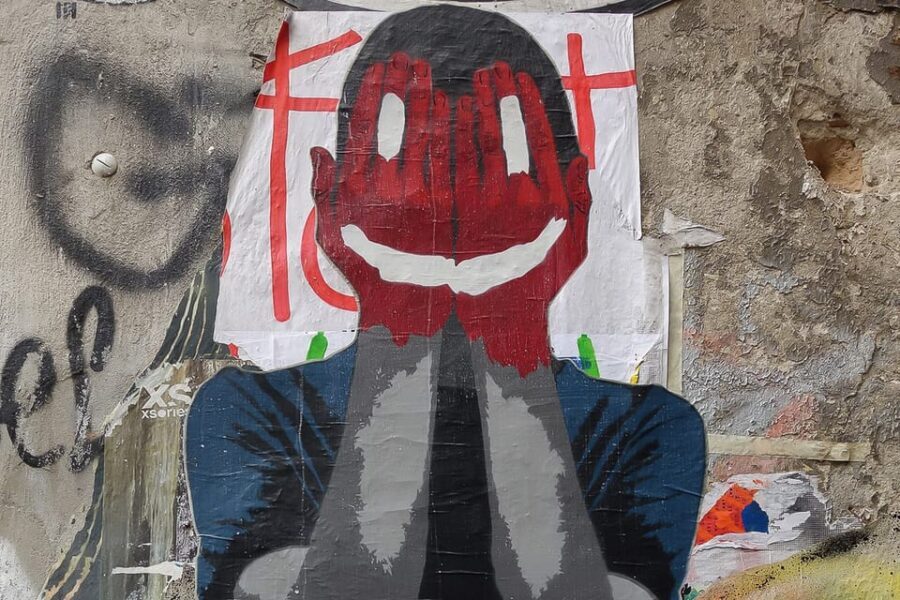
A private group up to 5 people changes the tone immediately. You can ask follow-ups, adjust your pace, and spend an extra minute on a wall that really grabs you. That’s especially useful for street art, where everyone notices different details.
Also, a private setup tends to reduce the “herding” feeling. You’re more likely to get an explanation that matches what your group cares about, whether it’s the symbolism, the techniques, or the neighborhood background.
The guide works in English and German, so you’re less likely to get stuck with awkward translations of slang or street-art terms. And since the tour is listed as wheelchair accessible, you should assume the provider can accommodate mobility needs—though you’ll still want to check what “walking” means for your specific chair and path surface.
Price and Value: How $200 for Up to 5 People Really Works
At $200 per group (up to 5 people), the price makes sense if you’re traveling with others. Think of it less as “per person” and more as “you’re buying time with a guide.”
For example, split five ways and the cost lands around $40 each for a focused 2-hour experience. Split three ways and it’s roughly $65 each. In both cases, you’re paying for a guided route with context you’d struggle to piece together on your own quickly.
The value here is interpretation. You’re not just seeing murals; you’re learning why they exist and how graffiti ties into local culture, politics, and community history. That kind of meaning is hard to DIY unless you already know the scene—or you want to spend a lot of time researching.
If you’re a solo traveler, the price might feel steep compared with standard group tours. In that case, decide what you want most: a crowded schedule with less attention, or a private guide who can answer your questions in real time.
Who This Tour Fits Best (and Who Might Want Something Else)
This tour fits you if you like urban art and you want more than a photo stop. You should enjoy it if you’re curious about how graffiti became a voice in Berlin’s public spaces, especially in Kreuzberg’s story with squatters and the Turkish community.
It also fits you if you enjoy guides who can speak from experience. The tour is designed for personal insights into Berlin’s street-art scene, and the tone tends to be human and direct.
You might want to skip or adjust expectations if you need a very academic, fact-heavy approach. One negative note highlights that the guide’s expertise felt insufficient for a high-expectations personal tour style. Street art tours can be interpretation-heavy, and you’ll get the most satisfaction by treating it as guided seeing, not a textbook.
Finally, keep your logistics simple. No large luggage, a starting point at Schlesisches Tor, and a steady walking format for just 2 hours. Pack light, wear comfy shoes, and plan to move.
Should You Book This Kreuzberg Street Art Walking Tour?
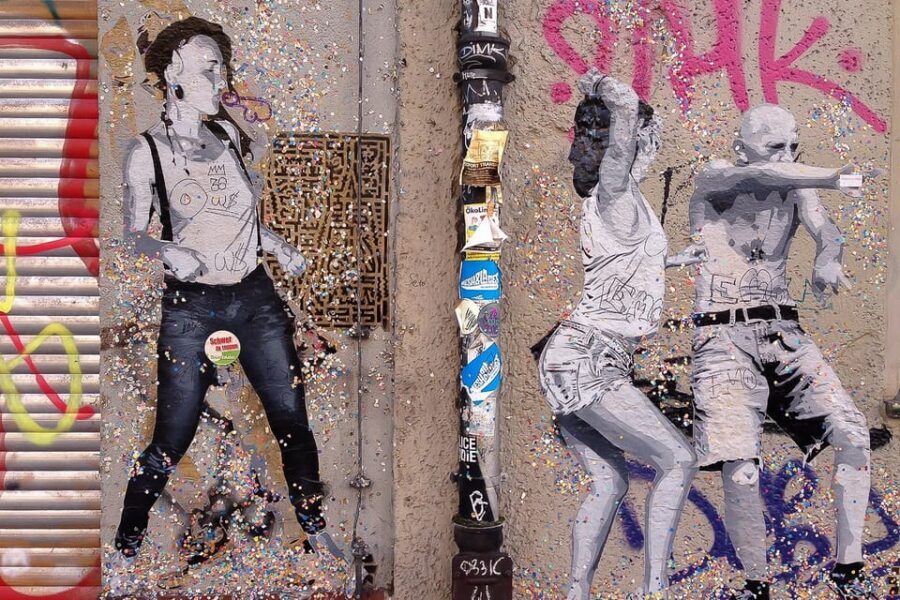
I’d book it if you want a smart, short street-art experience in Kreuzberg with real context and a guide who can connect walls to ideas. It’s also a strong choice for small groups because the private format helps you get explanations that actually match what your eyes latch onto.
I’d think twice if you’re chasing deep academic history or highly technical art instruction with lots of structured facts. This tour sounds built for first-hand street insight and neighborhood interpretation, not a formal classroom approach.
If that sounds like your style, you’ll likely come away with two things: a set of murals you can read more clearly, and a better sense of why Kreuzberg’s walls became an open-air conversation in the first place.
FAQ
Where is the meeting point?
The meeting point is at the exit of the metro station Schlesisches Tor (Lines U1, U3), next to the elevator.
How long is the Kreuzberg street art walking tour?
The tour lasts 2 hours.
What is the price and group size?
It costs $200 per group, up to 5 people.
Is the tour private?
Yes, it’s a private group tour.
What languages are offered?
The live tour guide offers English and German.
Is the tour wheelchair accessible?
The activity is listed as wheelchair accessible.
Are luggage or large bags allowed?
No. Luggage or large bags are not allowed.
What areas and sights does the tour include?
You’ll walk through Kreuzberg and see street art murals, with touristic stops such as Oberbaumbrücke mentioned as part of the route.
What if I arrive late?
Late arrivals will not be refunded, so it’s important to be at the start point on time.
What’s the cancellation policy and payment option?
You can cancel up to 24 hours in advance for a full refund. You can reserve now and pay later to keep your plans flexible.