REVIEW · BERLIN
Private Walking Tour: World War 2 and Cold War Sites in Berlin
Book on Viator →Operated by Insider Tour Berlin · Bookable on Viator
Berlin’s history hits close up.
This private walking tour strings together the biggest Berlin landmarks while explaining what they meant during World War II and the Cold War. I especially like how your guide can shape the day toward the era you care about most, instead of forcing a one-size-fits-all route.
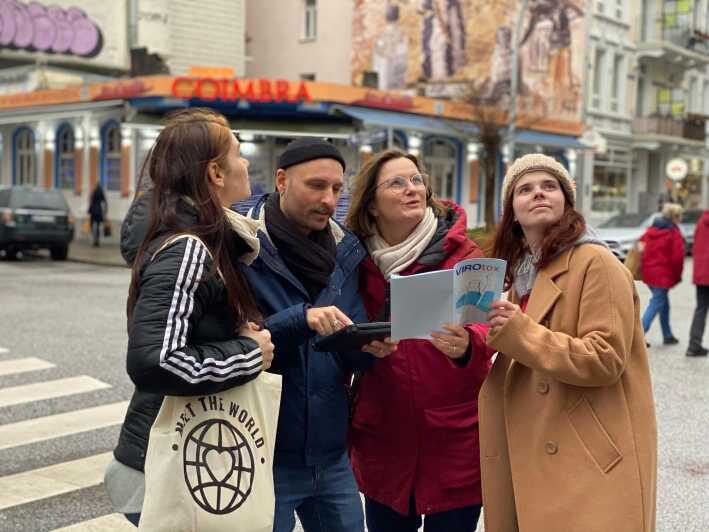
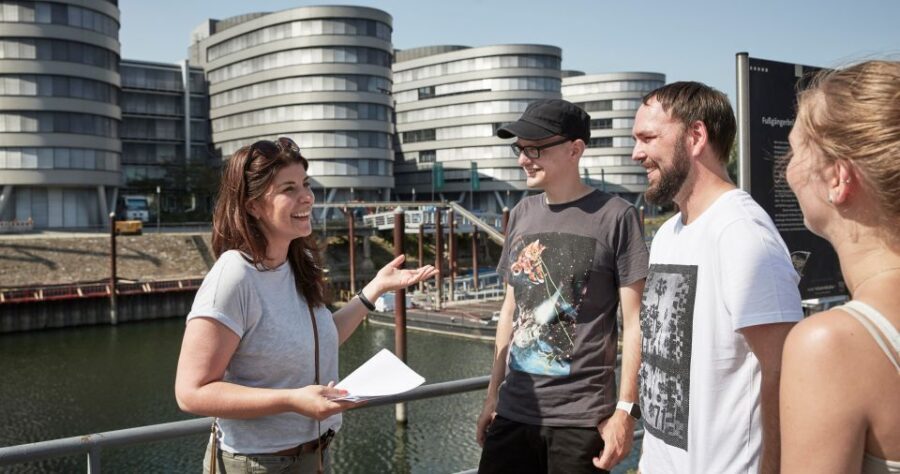
What I like most is the private format and the hotel pickup/drop-off. Guides such as Hannah, Daniel, Jeff, and Glen (you may get different guides) show up ready to answer real questions and adjust pacing on the fly, which matters a lot when you’re walking and the topics are heavy.
One drawback to plan for: you’re doing a lot of walking, often around powerful sites, and food and drinks aren’t included, so you’ll want comfortable shoes and a water plan.
In This Review
- Key things that make this tour worth your time
- The WWII-to–Cold War Berlin you see from street level
- Meeting your guide at your hotel (and why that’s not a small detail)
- Reichstag and Brandenburg Gate: the story starts with power and symbolism
- The Holocaust Memorial: reflection with context built in
- Fuhrerbunker and Nazi-era sites: seeing how control worked
- Checkpoint Charlie and Tränenpalast: the Cold War as a personal story
- Tempelhofer Feld and the Airlift: when Berlin fought for breath
- The Berlin Wall at Bernauer Straße: escape stories you can feel
- Prenzlauer Berg and former NKVD/Stasi prison sites
- East Side Gallery: Berlin Wall art that carries real meaning
- How to plan your day: walking distance, timing, and getting the most from short stops
- Price and value: what $192.97 buys you on a private tour
- Who should book this, and who might skip it
- Should you book this Berlin WWII and Cold War walking tour?
- FAQ
- What sites will we see on this walking tour?
- Can I choose WWII, Cold War, or a mix?
- Does the price include hotel pickup and drop-off?
- Are admission tickets included for the stops?
- Is food or drinks included?
- Is this tour private?
Key things that make this tour worth your time
- Private pacing with customization: choose WWII, Cold War, or a mix, and your guide steers the narrative to your questions.
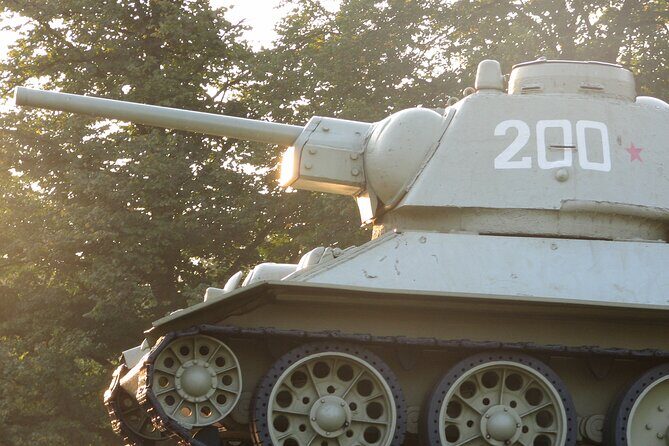
- Major Berlin anchors on foot: Reichstag, Brandenburg Gate, Checkpoint Charlie area, and Berlin Wall memorial sites.
- WWII context at the source locations: from the Reich Air Ministry to Topography of Terror.
- Cold War emotions, not just facts: Tränenpalast and Bernauer Straße bring the human cost front and center.
- A walking route that also gives you bearings: by the end, you’ll know where key places sit in the city.
- Well-paced stops: many locations are short, focused visits so you keep momentum without rushing.
The WWII-to–Cold War Berlin you see from street level
Berlin can feel like it’s made of layers—old streets, newer buildings, and places that still carry the weight of what happened there. This tour works because it doesn’t treat history like a museum exhibit behind glass. You walk past the places where Nazi Germany planned, organized, and fought—and then you shift to the Cold War border machinery that divided families and neighborhoods.
You’ll start with a central hotel lobby meet-and-greet, with an option for a morning or afternoon departure. Then you choose how you want the story told: focus on WWII, focus on the Cold War, or blend both. If you like structure, the route has clear stops; if you like flexibility, the guide can adjust.
Expect a half-day experience of about 3 to 4 hours, with short site moments (often around 10–25 minutes) designed to keep things moving. That pacing is handy in a big city like Berlin where transit lines are easy—but time isn’t.
You can also read our reviews of more walking tours in Berlin


Meeting your guide at your hotel (and why that’s not a small detail)
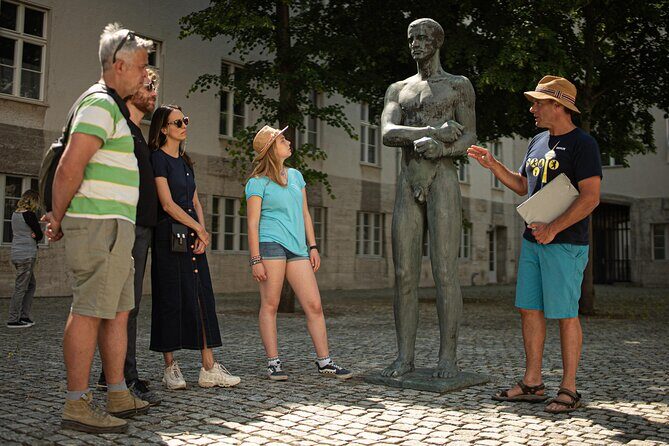
Hotel pickup and drop-off sounds like convenience—until you use it in Berlin. This tour is designed to start with minimal fuss: you meet your guide in your hotel lobby area, get oriented, and then go straight into the walking route.
That matters for two reasons. First, it helps you avoid wasting the first hour of your day figuring out trains or street corners. Second, it makes a private tour feel truly private. You’re not stuck waiting with strangers or negotiating your pace around other people’s energy.
From the feedback, the guides who stood out did three things well:
- They held a strong narrative thread so locations felt connected.
- They answered follow-up questions instead of rushing you through.
- They adjusted timing when the group needed slower stops or extra explanation.
Reichstag and Brandenburg Gate: the story starts with power and symbolism
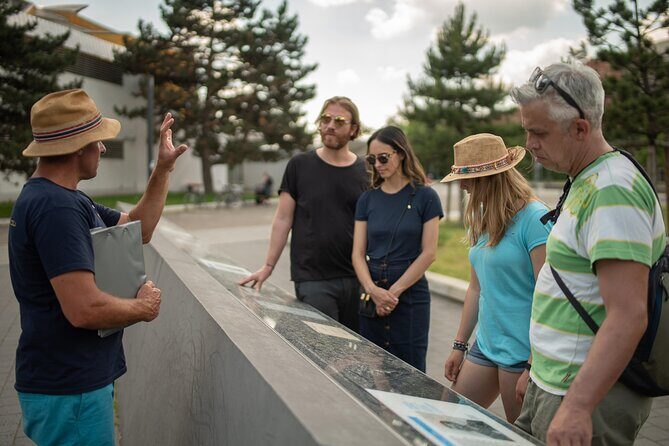
You begin at the Reichstag Building, a place tied to Germany’s political theater. This stop isn’t just about architecture. You’ll hear about figures who opposed the Nazi regime, including Claus von Stauffenberg, and you’ll connect the fall of the Third Reich’s capital to major WWII turning points, including the story from Stalingrad through Berlin’s final days.
If WWII is your main interest, this is a strong opening because it sets the tone: power, opposition, and the collapse of a regime all in one place. If Cold War is your focus, it still helps to start here because Berlin’s later division grew out of what WWII left behind.
Next comes the Brandenburg Gate, one of Berlin’s most recognizable landmarks. Your guide frames it as a symbol of division between Berlin and Germany during the Cold War—and then as something different in the present, a national symbol of peace and unity. This stop also acts like a visual reset: you’re learning hard history, then suddenly you’re looking at a monument that now represents something hopeful.
A small consideration: the Gate and the surrounding area can feel busy and photo-heavy, so if you hate crowd energy, let your guide know early and ask for a spot for quieter listening.
The Holocaust Memorial: reflection with context built in
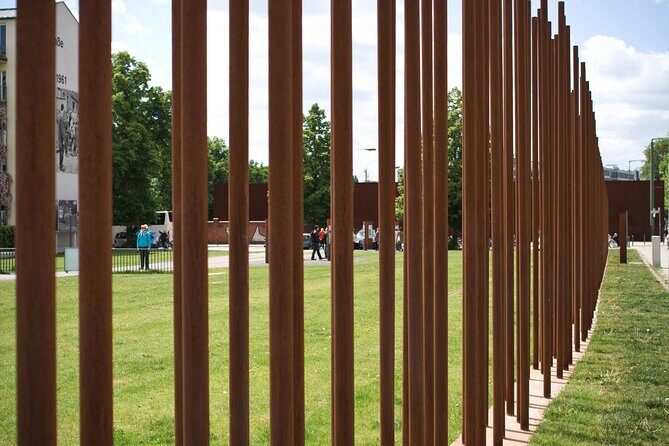
Then you’ll reach the Memorial to the Murdered Jews of Europe, near the Brandenburg Gate. The memorial is made of 2,711 concrete slabs arranged in a grid, creating a walk-through experience that feels disorienting on purpose. The varying heights are meant to evoke unease and loss.
What makes this stop more useful than a quick photo moment is the underground information center beneath the field of stelae. It gives historical context and personal accounts related to the atrocities committed during World War II.
Plan to slow down here. This is one of the stops where the value is in attention, not speed. Even if your feet want to keep moving, give the guide space to explain what you’re seeing.
Fuhrerbunker and Nazi-era sites: seeing how control worked
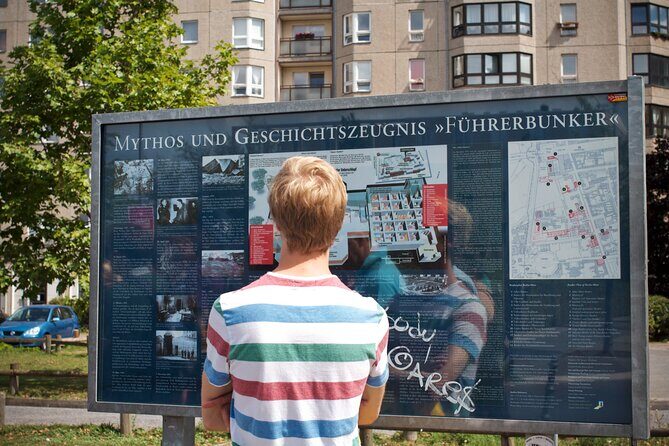
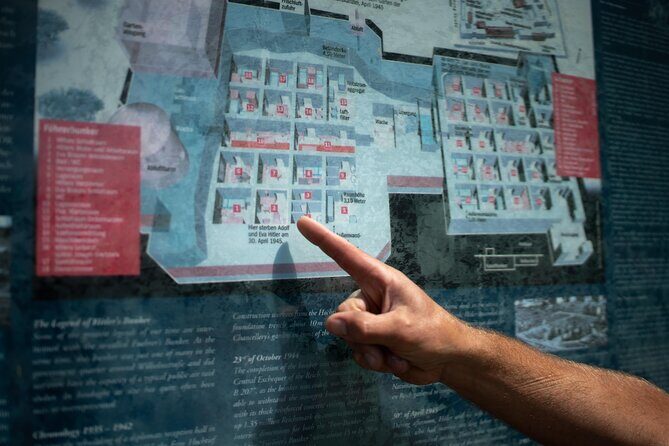
From the Holocaust Memorial, the tour turns toward Nazi Germany’s physical footprint. You’ll visit the Fuhrerbunker area, where Adolf Hitler’s bunker was located. This stop is short, but it carries a heavy punch because it connects the political story to the place where decisions were made at the end.
Next is a stand-out architectural stop: the Aviation Ministery of Berlin (the Reich Air Ministry). Completed in 1936 and closely linked to Hermann Göring, it housed the Luftwaffe headquarters during WWII. The building was designed to showcase Nazi power, and there’s a story of how Göring’s office on the top floor offered sweeping views of Berlin—like the regime wanted the city itself to feel controlled.
Even better, the site survived the war and was later repurposed by East Germany as the Ministry of Transport. That makes the building a useful reminder: regimes change, but their infrastructure can stay. One surviving Nazi-era structure can teach you more than a textbook paragraph, especially because it shows how power likes to build long-term.
After that, you’ll head to Topography of Terror, the site tied to where the SS, Gestapo, and SD had their HQ during the Nazi period. Today it’s an exhibition site that focuses on the perpetrators and what they did. This is the kind of place where a good guide helps you connect names and organizations to what you’re standing on.
Possible drawback here: if you’re not ready for intense material, this is where the day can feel emotionally taxing. If you want to pace the heaviness, tell your guide before the tour starts and choose more Cold War stops as a balance.
You can also read our reviews of more private tours in Berlin


Checkpoint Charlie and Tränenpalast: the Cold War as a personal story
Once you shift to the Cold War section, the tour becomes more about borders and consequences. You’ll visit Checkpoint Charlie, the best-known crossing point between East and West Berlin during the Cold War.
This stop works because you’re not just seeing a marker—you’re hearing how the checkpoint became a symbol of tension and fear. Your guide covers the 1961 standoff between American and Soviet tanks, plus the surrounding stories of espionage, escape attempts, and the human cost of a divided city.
From there you’ll move to Tränenpalast at Friedrichstraße Station—the Palace of Tears (the name comes from the grief tied to farewells). Between 1961 and 1989, it served as a departure hall for East Germans crossing into West Berlin. Families were often forced into painful goodbyes because travel restrictions made reunions uncertain.
Today it houses a museum about the Berlin Wall and personal stories of the division. This is another stop where you’ll get more value by listening carefully, not just taking a quick look.
Tempelhofer Feld and the Airlift: when Berlin fought for breath
Next comes a change of pace: Tempelhofer Feld. You’ll walk around the old Nazi airport that the Allies used during the Berlin Airlift in 1948–49.
What I like about including a place like this is that it adds a different kind of tension. The story stops being only about walls and starts being about supply, survival, and endurance. The tour notes that the space today isn’t operating as an airport—it’s an immense public area where people enjoy the site as a large open playground. That contrast is part of the value: Berlin reuses spaces, often in ways that would have been hard to imagine back then.
The Berlin Wall at Bernauer Straße: escape stories you can feel
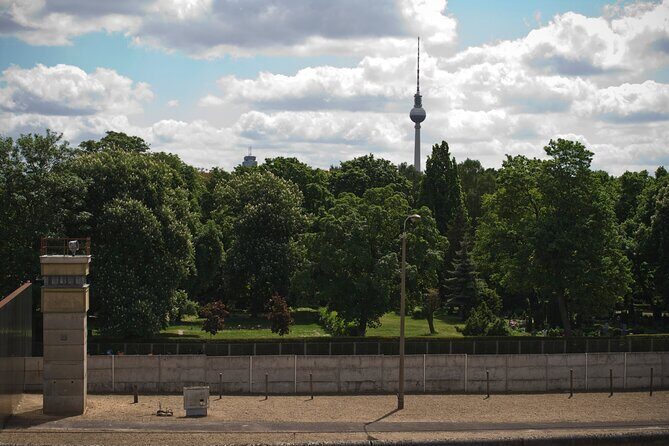
Then you reach the Memorial of the Berlin Wall on Bernauer Straße, one of the most powerful Wall-related sites in the city. When the Wall was erected in 1961, it split the street in half—trapping East Berlin residents while neighbors in the West watched.
Your guide will point out escape attempts connected to this area, including Tunnel 29 and Tunnel 57. Tunnel 29 was built in 1962 and helped 29 people flee. Tunnel 57, constructed in 1970, helped 57 people escape by crawling through a narrow tunnel beneath the Wall. Those numbers matter, because they turn an idea of division into actual lives affected.
The memorial preserves sections of the Wall, a watchtower, and a documentation center. This is a stop where the time you spend listening is the time that turns a wall segment into understanding.
One practical note: the emotional intensity can make the walk feel longer. If you’re sensitive to heavy topics, mention it early so the guide can keep breaks balanced.
Prenzlauer Berg and former NKVD/Stasi prison sites
After the Wall memorial area, the route shifts toward Prenzlauer Berg, where you’ll hear about an old NKVD prison site later used by East Germany’s Stasi. The guide explains methods used to extract information from prisoners and what the site is used for today.
This stop is useful if you want the Cold War to be more than street-corner landmarks. It pushes the story into the systems behind the division—how control operated, not just where it stood.
If you’re touring with teens or someone who needs a clearer explanation of how political systems functioned, this is a strong choice because a good guide can connect fear, surveillance, and everyday life.
East Side Gallery: Berlin Wall art that carries real meaning
To finish the Wall story in a visually striking way, you’ll walk the East Side Gallery. The tour describes it as the longest permanent open air graffiti wall in the world and also the longest piece of the Berlin Wall still standing.
This stop includes the murals and the message behind them—justice and freedom themes that you have to see to believe. I like this ending because it gives you a final contrast: the Wall as a symbol of division becomes a canvas for public meaning.
How to plan your day: walking distance, timing, and getting the most from short stops
The format here is built around short, high-impact stop times. That’s great for efficiency, but it also means you’ll feel the walking. Many sites are around 10–25 minutes, so your guide has to manage time carefully, and you’ll get the best experience by wearing shoes you can walk in for hours.
Also, food and drinks aren’t included. Not having a set meal stop can be fine if you plan your own snack breaks. If you know you get cold or hungry quickly, bring water and consider a small snack before you meet.
Weather matters in Berlin. Rain turns cobblestones into slip-prone surfaces, and cold makes long listening sessions feel harder. I’d dress for movement, not for comfort in one spot.
Price and value: what $192.97 buys you on a private tour
At about $192.97 per person, this isn’t a cheap add-on. The value comes from combining several things that are expensive when done separately:
- You get a private guide for the full 3–4 hours, not a shared group experience.
- You get hotel pickup and drop-off, which saves time and removes the stress of coordinating transit.
- You cover a long list of major sites tied to both WWII and the Cold War, many marked with free admission on the route.
If you’re traveling as two people, the private format can start to feel more reasonable because you’re essentially paying for clarity: a coherent story tying Reichstag to the Wall, and Nazi-era sites to Cold War crossings.
If you’re a solo traveler who can walk and self-navigate easily, you might ask whether you’d rather spend less and build your own schedule. But if you want a guide who can answer questions and customize the focus, the price tends to make sense.
Who should book this, and who might skip it
This tour is perfect if you:
- Want a first-time Berlin overview with WWII and Cold War context.
- Prefer a private guide who can adjust to your interests.
- Like history that connects the dots between monuments and real events, not just dates.
It can be less ideal if you:
- Want a light, fun afternoon with minimal heavy content.
- Need frequent long rest breaks or a tour that’s more about cafés and less about listening.
- Don’t enjoy long walking days.
If you care about getting the narrative to land, pick the focus you want at booking. Many guides are praised for how they tailor the route and pacing, and that’s the difference between seeing places and actually understanding them. Some even add small Berlin culture links along the way, like the Ampelmann street-crossing figure (a fun example mentioned in the guide experiences you can draw from).
Should you book this Berlin WWII and Cold War walking tour?
If you’re planning a Berlin visit and want the city’s hardest chapters explained at street level, I’d book it. The private setup, hotel pickup/drop-off, and the mix of WWII and Cold War sites make it a strong use of limited time.
Just be honest with yourself about walking and topic intensity. If you’re okay with a 3–4 hour day that prioritizes meaning over comfort, this is the kind of tour that helps Berlin make sense fast—and that’s worth paying for.
FAQ
What sites will we see on this walking tour?
You’ll visit major Berlin landmarks and historic sites connected to WWII and the Cold War, including the Reichstag Building, Brandenburg Gate, the Memorial to the Murdered Jews of Europe, Checkpoint Charlie, Tränenpalast, Berlin Wall Memorial at Bernauer Straße, and the East Side Gallery. Other stops include Fuhrerbunker, Topography of Terror, the Reich Air Ministry building, Tempelhofer Feld, and a former NKVD/Stasi prison site area in Prenzlauer Berg.
Can I choose WWII, Cold War, or a mix?
Yes. You can decide whether to focus on Berlin’s World War II history, the Cold War history, or request a combination of both. The tour is customized to your interests.
Does the price include hotel pickup and drop-off?
Yes. Hotel pickup and drop-off are included, and you’ll meet your guide in a central Berlin hotel lobby area.
Are admission tickets included for the stops?
The stops listed in the route are shown as having admission marked free. You won’t be charged admission for the listed locations in the itinerary as provided.
Is food or drinks included?
No. Food and drinks are not included, so plan to bring water or snacks if you need them during the walk.
Is this tour private?
Yes. It’s a private tour/activity, so only your group participates. The tour is offered in English, and service animals are allowed.