REVIEW · BERLIN
Private Berlin WWII and Cold War History Tour with Local Expert Guide
Book on Viator →Operated by Friendly Local Guides · Bookable on Viator
Berlin’s borders left scars you can still walk. This private 4-hour history tour connects WWII aftermath to Cold War escape stories, with time at major sites like the Holocaust Memorial and Checkpoint Charlie. You also get a built-in food stop for a classic Berlin currywurst as you move through the city.
I especially like the private, local-guide format. In practice, it means you can set the pace, ask questions, and get pointed shortcuts instead of wandering in circles. On top of that, the tour is built around strong visual moments, so you’re not just hearing dates—you’re seeing architecture, memorial design, and real border-era locations as you go.
One thing to plan for: you’ll cover a lot of ground on foot, so it’s best if you’ve got moderate stamina. Also, parts of the story are emotionally heavy, so dress for walking and bring your calm brain for the harder stops.
In This Review
- Key things I’d highlight before you go
- Meeting Oranienburger Straße: where the divided-city story starts
- New Synagogue and the Palace of Tears: architecture meets border reality
- A WWII-and-Cold-War hit list: Brandenburg Gate, Holocaust Memorial, and the Führerbunker area
- Gendarmenmarkt and Bebelplatz: the pretty squares with serious footnotes
- Museum Island: UNESCO-level sights plus the Nazi book burning story
- Mitte’s side streets: Missing House and Heckmann Höfe
- Checkpoint Charlie: the border you can stand on
- Practical value: why this private format is worth the $129
- Who this tour is best for (and who should think twice)
- Picking a guide: names you’ll hear for a reason
- Quick FAQ
- FAQ
- How long is the private Berlin WWII and Cold War history tour?
- What does the tour cost?
- Is it private, or do I share with other people?
- What language is the tour offered in?
- Where do we meet, and does it end nearby?
- Is currywurst included?
- What’s the cancellation rule if plans change?
- Should you book this Berlin history walk?
Key things I’d highlight before you go
- Private guide, real storytelling: You get explanations that match what you’re looking at, not a generic script.
- Cold War escape context at the Palace of Tears: It’s not just a photo stop; it’s where you understand how people tried to leave.
- WWII sites in a tight loop: You’ll see the Holocaust Memorial and the Hitler bunker area without wasting time hopping across town.
- UNESCO Museum Island + the Nazi book burning story: A strong cultural stop that adds meaning to the day.
- Currywurst break built into the route: You’ll take a breather and try a Berlin classic.
- Guides get praised for pacing and tailoring: Names like Dimitri and Eleni show up again and again for making the walk feel workable and personal.
Meeting Oranienburger Straße: where the divided-city story starts
You meet near Oranienburger Str. 28-30 in central Berlin. The area matters. This isn’t some random starting point where you “begin Berlin.” It’s West Berlin territory right at the edges of what used to be a brutal divide. Within minutes, your guide frames the day so you can follow the map in your head: what changed after WWII, why Berlin became a Cold War hotspot, and how ordinary people experienced it on the street.
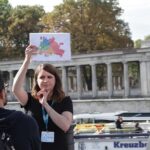
You’ll start walking right away, but it won’t feel like you’re being marched. The tour is private, so the guide can slow down for photos or speed up when your group is moving well. If you like having a plan but still want room to ask questions, this format tends to hit the sweet spot.
You’ll also get an easy rhythm: history stop, short explanation, time to look, then move on. That structure helps when you’re learning about events that happened long ago but still shape Berlin’s layout today.
You can also read our reviews of more guided tours in Berlin



New Synagogue and the Palace of Tears: architecture meets border reality
One of the first stops is the Stiftung Neue Synagoge Berlin – Centrum Judaicum. The building style is dramatic—Moorish architecture that looks almost out of place in a city shaped by wars. Your guide uses the setting to talk about Jewish life and the link between past and future, which gives the day a fuller human dimension beyond politics and power.
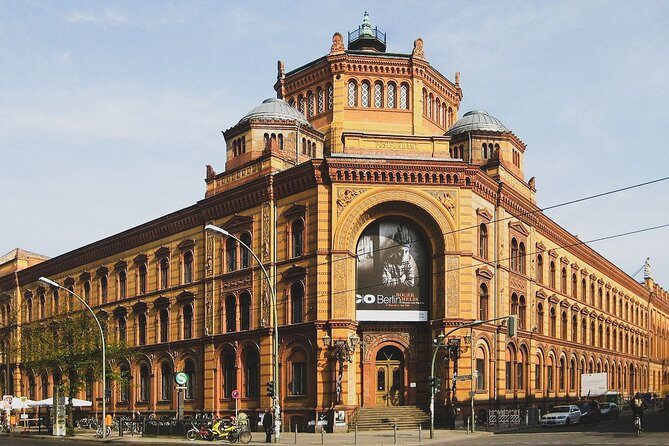
From there, you move toward the Palace of Tears. This place is unforgettable because it was a real border point between East and West Berlin. Inside, the building’s interior design and the exhibition floor-by-floor feel like you’re stepping into a 1960s-era mindset. The big value here is how your guide explains what people faced when they tried to flee from Russian occupied East Berlin into Allied occupied West Berlin.
You’ll hear the harrowing stories tied to those escape attempts. That means the Palace of Tears works as more than a “Cold War museum.” It gives you context for why Berlin’s border system was so intense—and why people risked so much to cross it.
Practical tip: bring your camera, but also take a minute to actually read and absorb. Some of the most important details aren’t the ones that photograph well.
A WWII-and-Cold-War hit list: Brandenburg Gate, Holocaust Memorial, and the Führerbunker area
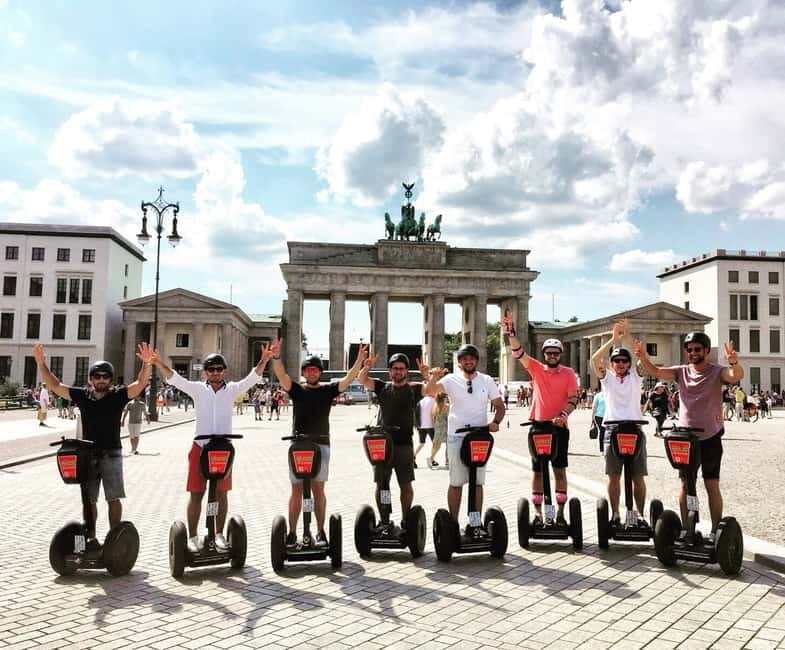
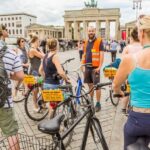
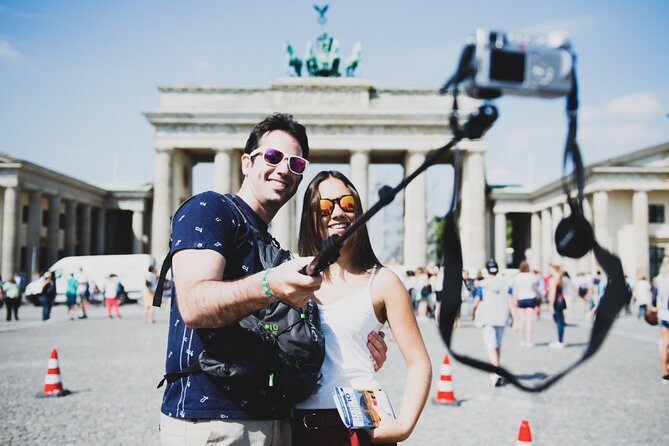
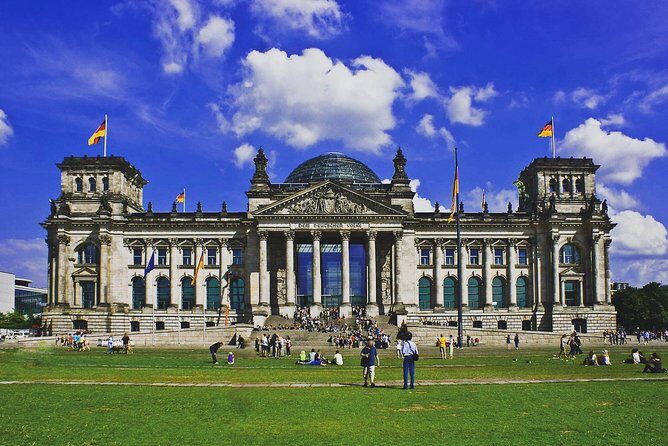
The tour then swings into Berlin’s WWII weight. You’ll pass iconic landmarks where the city’s meaning comes from what happened around them, not just what the buildings look like. Brandenburg Gate is the obvious name, and it’s worth seeing in person. But the guide’s role is what turns it from a postcard into a timeline.
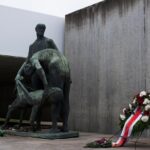
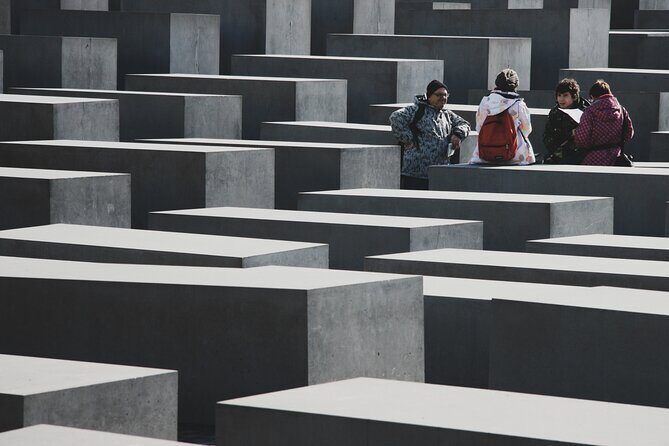
Next comes the Holocaust Memorial—Memorial to the Murdered Jews of Europe. This is one of those places where the design itself does the talking. Your guide helps you notice the mood of the grey architecture and the way it forces stillness. You may not feel “tourist-bright” here, and that’s normal. The point is remembrance, not entertainment.
The day also includes a stop connected to Hitler’s bunker, the Führerbunker area. Even if you’ve heard the basic story before, Berlin does something special: it anchors the rise and collapse of Nazism into a physical landscape. You’ll get more information about how the Nazi party took power and what came at the end.
What to consider: this stretch is emotionally intense. If you know your stress triggers during dark history, plan to take a slow breath before you step into the memorials and bunker-related stop.
Gendarmenmarkt and Bebelplatz: the pretty squares with serious footnotes
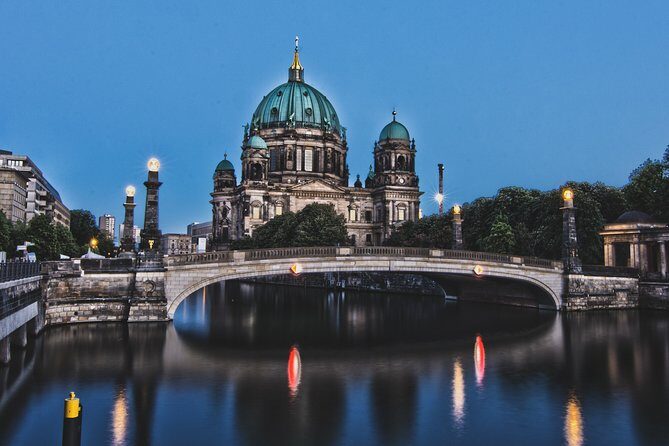
After the heavier stops, the walk turns toward Berlin’s showpiece squares. You’ll stroll around Gendarmenmarkt and Bebelplatz, places where architecture is stunning and the city suddenly looks like it’s playing dress-up. That contrast is part of what makes Berlin strange—in a good way.
Bebelplatz is especially interesting because your guide ties its calm public space to “chequered history.” You’ll also see how Berlin’s public squares can hold memories of cultural repression and political control. It’s not just a pretty pause. It’s a place where the past is layered, and your guide helps you spot that.
Gendarmenmarkt gives you an easy break for photos and for people-watching. It’s the kind of stop that helps your brain reset between chapters of the story. If you’re traveling with someone who gets overwhelmed by too much seriousness too quickly, these squares are a decent pressure release.
Museum Island: UNESCO-level sights plus the Nazi book burning story
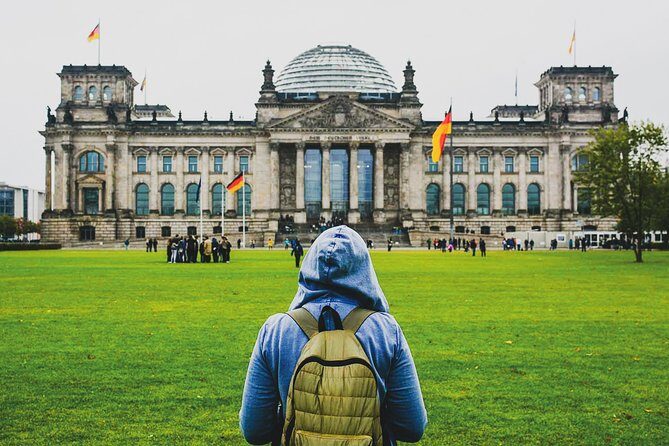
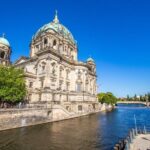
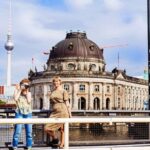
Museum Island is UNESCO-listed, and your guide treats it as more than a label. Even if you’re not going into every museum, the area is a world-class ensemble. You’ll learn why it’s considered important and how the island’s museums connect to Berlin’s larger cultural and political shifts.
One of the most powerful takeaways is the story of the infamous Nazi book burning. Your guide connects it to what you see around you so it doesn’t stay as a random historical fact. It becomes a clue about how ideology can target knowledge itself.
This stop also works well for first-time visitors because it broadens the day. So far, you’ve been tracking borders, war, and violence. Museum Island adds the cultural angle: what the Nazis tried to control, and how Berlin’s institutions and public memory evolved afterward.
Practical tip: if you want to use this day to set up museum plans for later, ask your guide what to do next. The tour is designed to include expert advice on where to go after you finish walking.
You can also read our reviews of more private tours in Berlin



Mitte’s side streets: Missing House and Heckmann Höfe
The tour finishes with time exploring the urban quarter of Mitte, but the best part is how it avoids being only the obvious names. Your guide points you toward little-known attractions like the Missing House on Große Hamburger Straße and the picturesque Heckmann Höfe.
The Missing House stop is compelling because it turns absence into something you can see. Instead of only looking at surviving buildings, you get a reminder that WWII-era damage and ideology left permanent holes in the city fabric. It’s the kind of detail that most first-time itineraries skip.
Heckmann Höfe feels like a softer landing. Think quiet courtyards and a more local texture. It’s a nice moment to wander a bit and let the day settle into your memory without being hit with another heavy lecture.
Checkpoint Charlie: the border you can stand on
Checkpoint Charlie is one of the most recognizable Cold War locations in Berlin, and it’s still worth your time. The value here is the emotional and historical resonance your guide brings to it. You’re not just looking at a famous spot—you’re learning what the crossing represented and why it became such a symbol for East-West tension.
Your guide helps you understand the border crossing as part of the wider Berlin system. That matters because Berlin’s story isn’t only about one wall or one moment. It’s about controls, negotiation, escape attempts, propaganda, and the everyday reality of separation.
You’ll also likely come away with better instincts for the city after you leave this stop. Once you understand how checkpoints worked, you start noticing how Berlin’s geography and streets reflect political decisions.
Practical value: why this private format is worth the $129
At $129 per person for about 4 hours, you’re paying for three things you don’t get on self-guided walks: a local expert’s narrative, a route that keeps you from wasting time, and flexibility to match your interests.
Because it’s private, your guide can pace the tour so it feels like a conversation with Berlin rather than a “march through the highlights.” That’s where many people find the real value. When the guide knows how to build in rest moments, it changes the whole experience—especially in winter when stone and wind bite.
Also, a lot of the stops in this route are structured so you’re not paying for entry at every single site. Your tour includes all fees and taxes, and the major timed elements listed are shown as admission ticket free. The result: fewer surprise costs and less time spent trying to figure out what’s open and what isn’t.
Finally, you’ll get “what to do after the tour” advice. That’s not fluff. It helps you turn one good day into a better overall Berlin trip.
Who this tour is best for (and who should think twice)
This is ideal if:
- You want an WWII-to–Cold War timeline that makes sense in physical space
- You like walking tours where photos feel meaningful, not random
- You want a guide who can answer questions and adjust pace
- You enjoy cultural stops as part of history, not as an add-on
You might think twice if:
- You have limited stamina. This route is packed with major stops, and you’ll be on foot most of the time.
- You prefer lighter topics. The Holocaust Memorial and WWII-related moments are serious, even when the tour pacing stays respectful.
One more thought: if you’re traveling in winter or shoulder season, dress like you’ll actually be outside for long stretches. Even the best guided history can feel exhausting if you’re underdressed.
Picking a guide: names you’ll hear for a reason
Different guides bring different styles, but a consistent theme shows up in the praises you’ll hear for this type of tour. Names like Dimitri and Eleni often get highlighted for being informative, personable, and good at keeping the walk moving without feeling rushed.
If you have the option to request a specific guide, it can be worth trying. Still, the bigger win is the structure: private attention, tailored pace, and clear explanations tied to what you’re seeing.
Quick FAQ
FAQ
How long is the private Berlin WWII and Cold War history tour?
It’s about 4 hours.
What does the tour cost?
The price is $129.00 per person.
Is it private, or do I share with other people?
It’s private—only your group participates.
What language is the tour offered in?
The tour is offered in English.
Where do we meet, and does it end nearby?
You meet at Oranienburger Str. 28-30, 10117 Berlin, Germany, and the tour ends back at the meeting point.
Is currywurst included?
Yes. The tour includes a German traditional snack—currywurst.
What’s the cancellation rule if plans change?
Free cancellation is available up to 24 hours in advance for a full refund.
Should you book this Berlin history walk?
If you’re a first-time visitor—or even a returning one who wants a cleaner story from WWII into the Cold War—yes, I’d book it. This route is packed with meaning: borders, memorial design, and cultural context, all stitched together with a private guide who can keep your pace realistic. The currywurst break is also a small but smart touch; it keeps a heavy day from feeling one-note.
Just go in prepared for serious themes and a solid walking day. If you do that, you’ll come away with a Berlin that feels less like landmarks and more like cause-and-effect you can actually see.