REVIEW · BERLIN
Berlin: Museum Island Guided Walking Tour
Book on GetYourGuide →Operated by You In Berlin · Bookable on GetYourGuide
Berlin has a way of stacking eras on top of each other. This Museum Island walk turns that idea into an easy, on-foot route through big sights and big context. You’ll start near city life, cross the Spree, and end at the Humboldt Forum with a clearer sense of how Berlin’s past connects to what you see today.
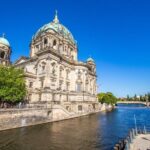
I especially like the way the route hits two visual anchors fast: the monumental Berlin Cathedral and the open space of the Lustgarten. The second thing I really enjoyed is the human guide factor: you’re not just reading plaques, you’re walking with a real Berliner who can explain what the spaces meant, including the former GDR government district.
One consideration: it’s a walking tour in rain or shine, and it’s only about 2 hours—so most major highlights are best seen from outside and in the spaces around them, not through long indoor visits.
In This Review
- Key things you’ll notice on this Museum Island walk
- Getting Oriented Fast: Meeting at U Rotes Rathaus
- Nikolaiviertel to Museum Island: The Walk That Sets the Tone
- Museum Island’s UNESCO Ensemble: Seeing the System, Not Just the Buildings
- Lustgarten and Berlin Cathedral: The Cathedral-Plus-Open-Square Effect
- The Former GDR Government District: Two Berlins, One Route
- Head to the Harbor and Ship Lock: A Maritime Break in the Middle
- Spree River Views and the City Landscape You Don’t Want to Miss
- Finishing Outside the Humboldt Forum: What’s Next After the Walk
- Price and Value: Why $43 Can Be Fair for This Route
- Group Size, Language, and Pace: The Practical Stuff That Affects Enjoyment
- Who This Tour Suits Best (and Who Might Want Something Different)
- Should You Book This Museum Island Guided Walking Tour?
- FAQ
- How long is the Berlin Museum Island guided walking tour?
- How much does it cost?
- Where do I meet the guide?
- What language is the tour guide?
- How large is the group?
- Does the tour run in bad weather?
- What should I bring for the tour?
Key things you’ll notice on this Museum Island walk
- A guided route that follows Berlin’s layers, from medieval-ish streets to 20th-century power centers
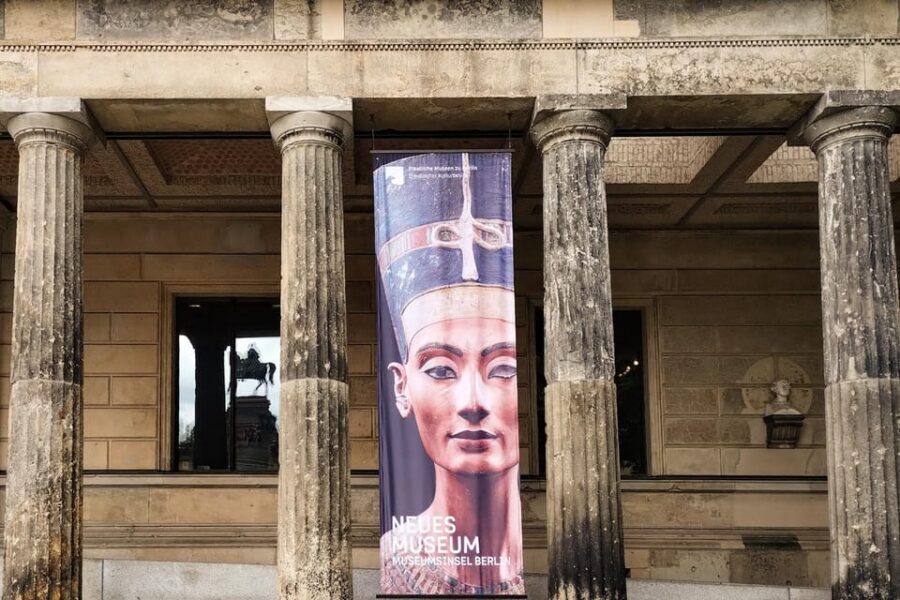
- Museum Island’s UNESCO setting, passing five UNESCO-listed museums as part of the city plan
- Lustgarten + Berlin Cathedral, a quick “wow” stretch that helps you understand how dominance looks in stone
- The former GDR government district explained in plain language while you walk the corridor of history
- A maritime stop at the historical harbor and ship lock, plus old ships docked nearby
- Small group pacing (up to 10), which makes it easier to ask questions without feeling rushed
Getting Oriented Fast: Meeting at U Rotes Rathaus
If you want the tour to feel smooth, show up a few minutes early. Your meeting point is the U Bhf. Rotes Rathaus, exit A, in the direction of Rathausstr./Spandauer Str./Schloßplatz, and you’ll look for a guide with the Get Your Guide – You in Berlin flag.
This is a good start location because it’s central and easy to connect from other parts of the city. Also, since the tour is only 2 hours, getting off on the right foot matters—literally.
You can also read our reviews of more walking tours in Berlin



Nikolaiviertel to Museum Island: The Walk That Sets the Tone
Right away, you’ll head through the Nikolai quarter (Nikolaiviertel) on your way toward Museum Island. This is the kind of neighborhood walk that helps you feel where you are before you start zooming in on monuments.
Then you’ll cross the river Spree along the way. That stretch is more than scenery: Berlin’s river edge is like a moving timeline, and seeing it while you’re being guided helps the later history (GDR government sites) make more sense.
You’ll also pick up practical rhythm here. The tour includes multiple short segments—walk, stop, explain—so the pace stays lively rather than heavy. If you like learning while moving (instead of sitting with a headset), this format clicks.
Museum Island’s UNESCO Ensemble: Seeing the System, Not Just the Buildings
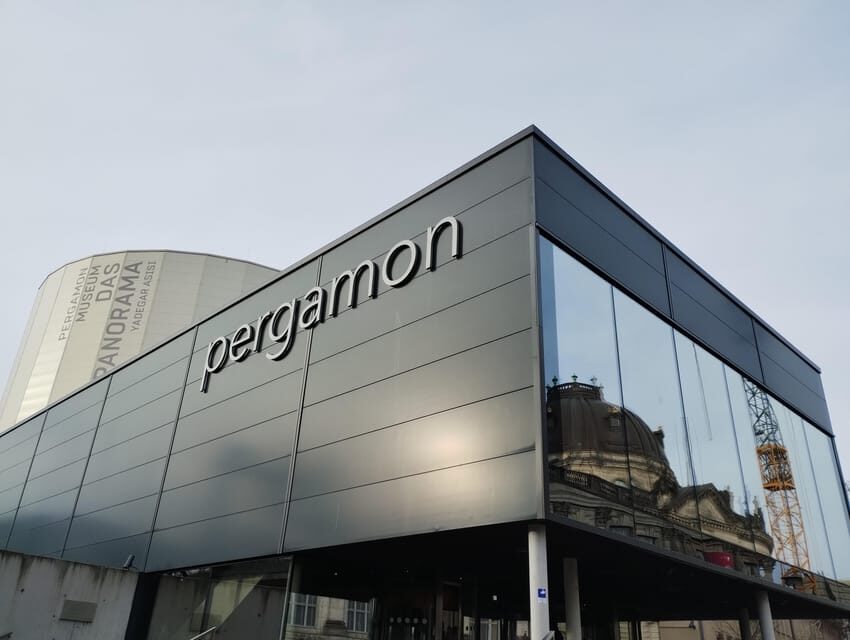
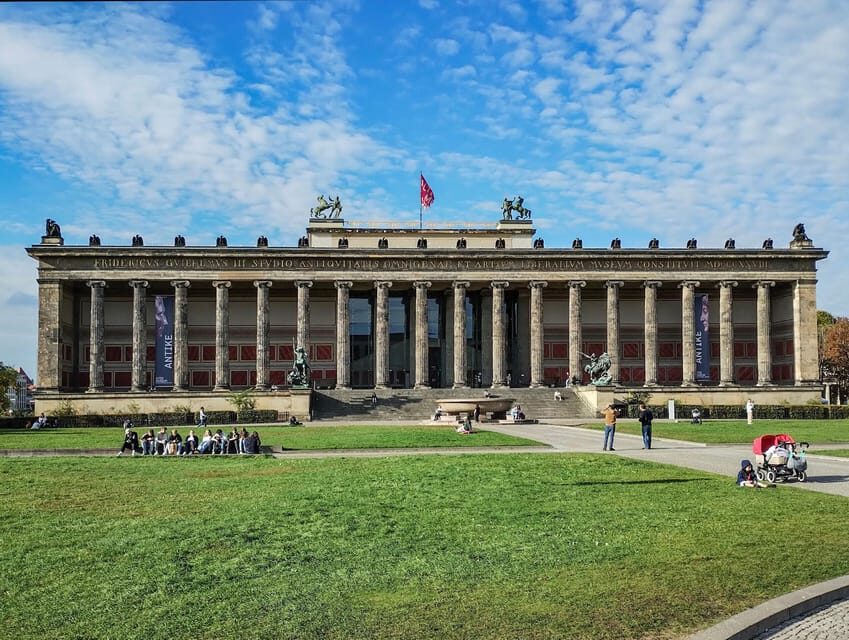
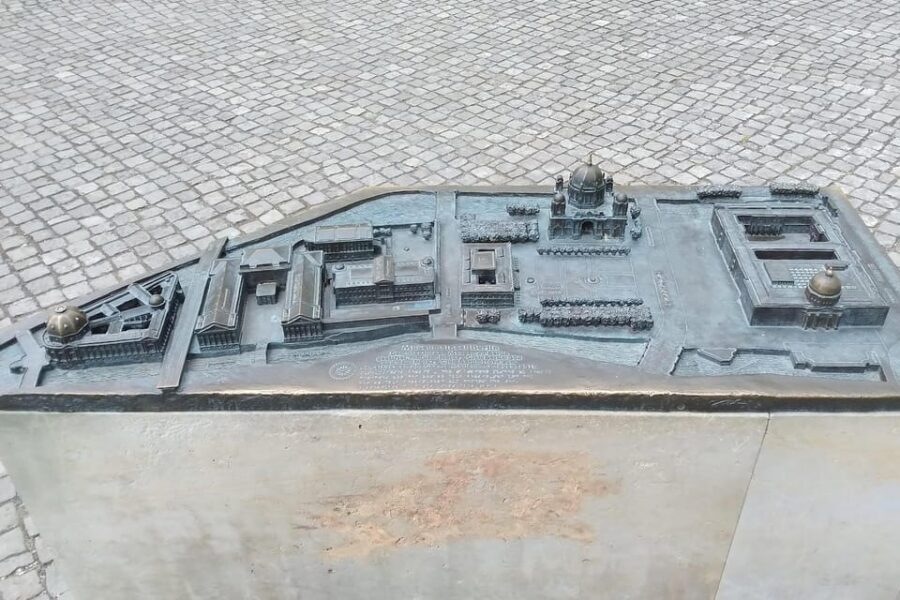
Once you reach Museum Island, the tour shifts from “getting your bearings” to “understanding the plan.” You’ll wander around the island with your guide and pass by the five UNESCO World Heritage-listed museums.
What I like about this approach is that it treats Museum Island like a city lesson. The island doesn’t feel random once you’re walking it as one architectural ensemble—planned, monumental, and tied to the idea of public culture in the center of Berlin.
A quick note on what you should expect: you’re not promised inside-the-building time here. The value is in the guided walk around the complex—so you’ll want to use any free moments for quick orientation and maybe light browsing if the timing works for your group.
Lustgarten and Berlin Cathedral: The Cathedral-Plus-Open-Square Effect
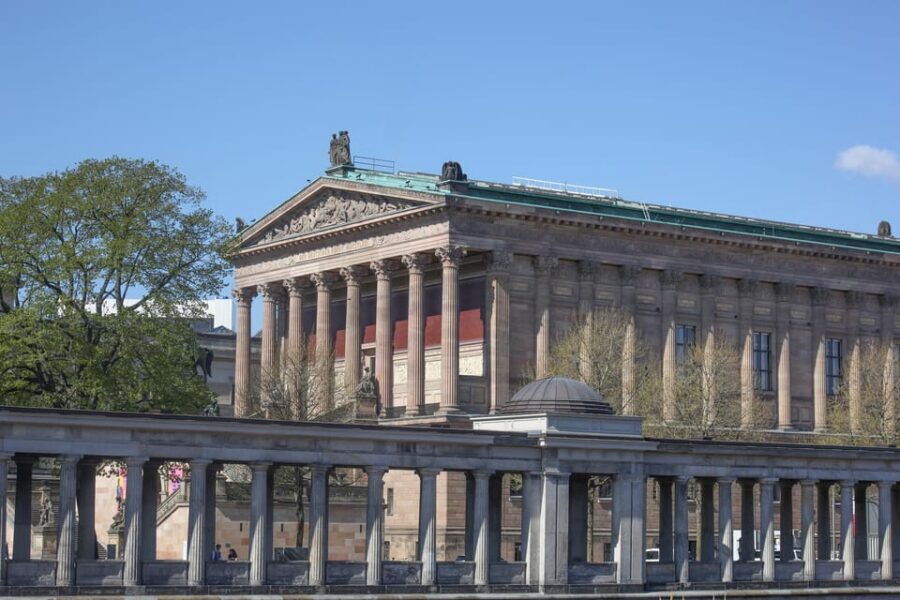
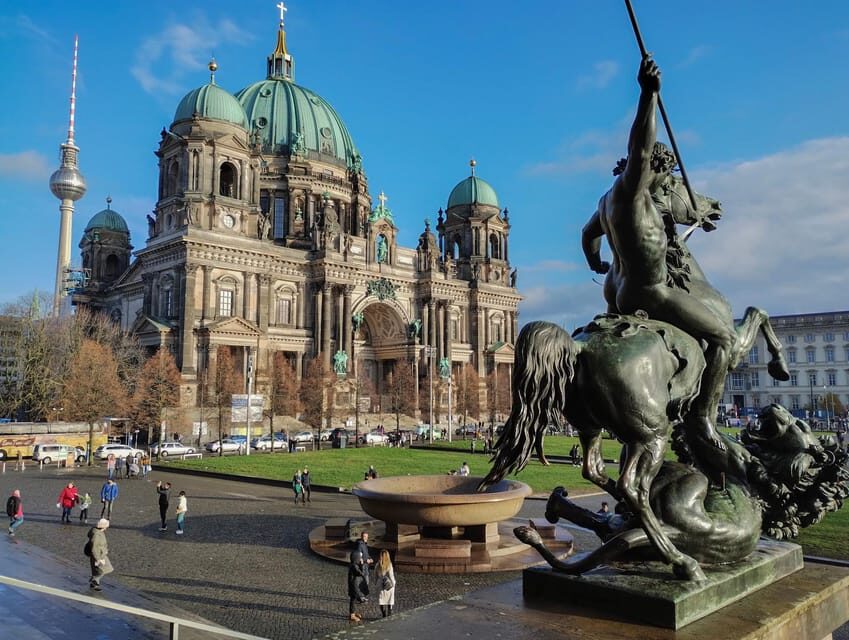
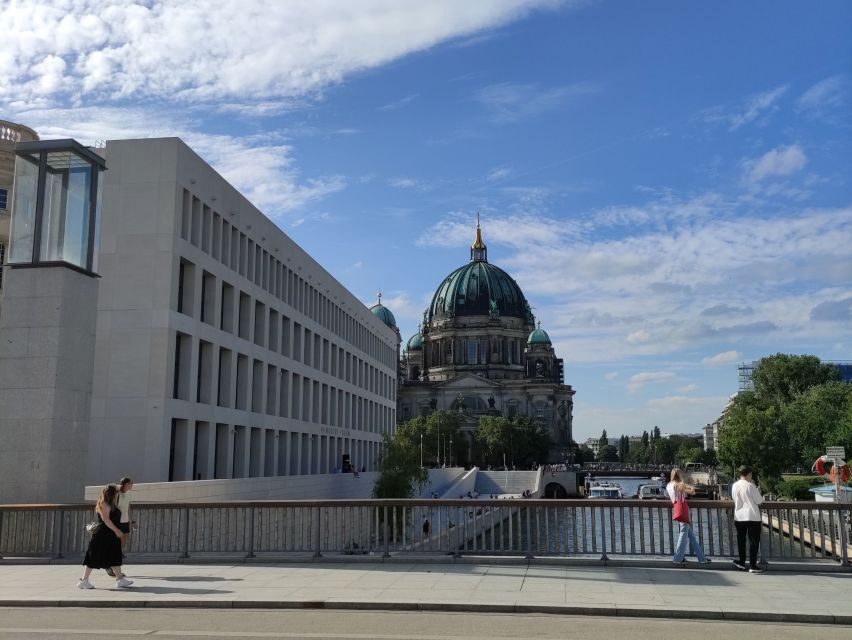
The Lustgarten section is where the tour earns its “must-see” reputation fast. You’ll meander through this broad, historic space and then get your big look at the Berlin Cathedral (Berliner Dom).
Here’s why this matters for your enjoyment: big squares and big churches don’t just look impressive—they explain power, civic ambition, and how ruling culture wants to be photographed. Walking through the Lustgarten with context turns a landmark into a story you can picture.
Also, the cathedral view frames nicely from multiple angles as you move. That means even without going inside for a long visit, you still get a strong sense of scale and design.
If you’re the type who likes connecting architecture to historical meaning, this stop will feel like the tour’s payoff moment.
The Former GDR Government District: Two Berlins, One Route
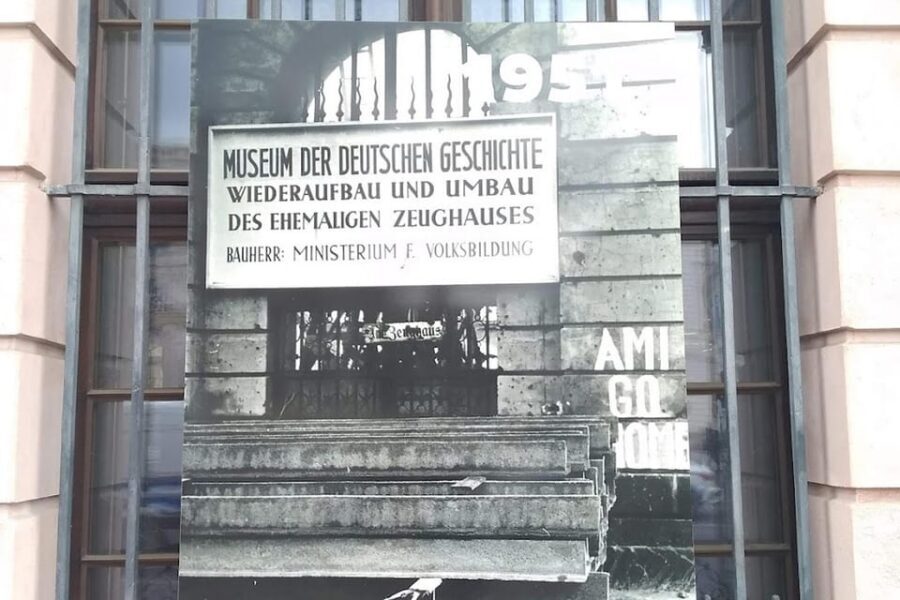
One of the most compelling parts of this walk is the section through the former GDR government district. You’ll learn about the area as you walk, and the guide helps connect what you’re seeing to how the former East German state presented authority in its built environment.
This is also where a local guide helps most. Buildings here can be hard to read if you only know dates and names. With a real Berliner explaining what the spaces were for, the route becomes easier to follow: you start recognizing how layout, proximity, and monumental design all reinforce political messaging.
In practical terms, this stop is ideal if you want to understand 20th-century Berlin without getting lost in a textbook. The tour keeps it walkable and understandable—history made usable.
You can also read our reviews of more guided tours in Berlin




Head to the Harbor and Ship Lock: A Maritime Break in the Middle
Between the grand ceremonial spaces and the political sites, the tour adds a different kind of Berlin detail: you’ll head toward the historical harbor and the ship lock, where you can admire old ships docked here.
This maritime segment works as a mental reset. After monuments and government buildings, seeing water traffic history near the central city makes Berlin feel more complete—not just a capital of power, but also a place where trade and movement mattered.
Even though you’re not touring a museum collection, this stop can be surprisingly memorable because it changes the texture of the experience. You’re trading “stone and ceremony” for “engineering and waterways,” and your guide ties that contrast into the wider city story.
Spree River Views and the City Landscape You Don’t Want to Miss
Throughout the tour, the Spree keeps showing up as a quiet organizer of where things are. The river is practical for the route—plus it gives you those natural sightlines that make landmarks easier to place.
I like this kind of layout planning: you’re not jumping randomly between highlights. You’re moving along a line that helps you understand how Berlin’s core developed and how major institutions relate to the river.
If you’re photographing, this is also where you’ll find angles that make the surrounding architecture look more three-dimensional.
Finishing Outside the Humboldt Forum: What’s Next After the Walk

The tour ends outside the Humboldt Forum. It’s a museum dedicated to human history, art, and culture, and finishing here gives you a satisfying “continuation point.”
Think of it this way: the guided walk sets your context, and then Humboldt Forum gives you an obvious place to keep exploring on your own. Even if you don’t go inside, arriving at the end point with a clearer framework makes the building feel less like a stop and more like a chapter heading.
Also, the fact that the tour finishes at a major cultural landmark is helpful for your day planning. You’ll likely find it easier to connect to dinner or other sightseeing afterward from a central location.
Price and Value: Why $43 Can Be Fair for This Route
At about $43 per person for around 2 hours, this tour lands in the “good value if you like guided interpretation” category.
Why? Because you’re paying for three things at once:
- a local guide who can explain the meaning behind what you see,
- a route that covers multiple major landmarks in a compact time window,
- and a small group size (limited to 10), which helps the explanations feel less generic.
If you prefer self-guided sightseeing and you already know the exact historical story you want, you could do Museum Island on your own. But if you want history turned into a walkable narrative—especially the GDR government district portion—this price starts to make a lot more sense.
Group Size, Language, and Pace: The Practical Stuff That Affects Enjoyment
This is a live tour with a German-speaking guide, and the group is small (up to 10). That small size is not just a comfort thing; it affects the way the tour runs. You’re more likely to get direct answers when something feels confusing.
The pacing is designed to fit a 2-hour window, but it may run a bit longer depending on how the group moves and what questions come up. Either way, the best way to enjoy it is to keep your schedule flexible—wear comfortable shoes and plan for a solid walking workout.
Because it runs rain or shine and on public holidays, your clothing matters. Bring weather-appropriate layers so you stay focused on the walking and learning, not on being cold or uncomfortable.
Who This Tour Suits Best (and Who Might Want Something Different)
This tour is a great fit if you:
- want an efficient orientation to Museum Island and central Berlin,
- like learning through walking rather than only reading,
- care about understanding Berlin’s political history alongside its monuments,
- and appreciate a guide who can make complex history easier to follow.
It may be less ideal if you:
- dislike walking for extended periods,
- expect lots of time inside museums during the 2-hour window,
- or want a deeper museum-only experience rather than a landmark-and-context walk.
Should You Book This Museum Island Guided Walking Tour?
I’d book it if you want a high-impact route with a local Berliner guiding you through Berlin’s visual and political layers. The combination of Berlin Cathedral, the Lustgarten, Museum Island’s UNESCO setting, the former GDR government district, and the harbor/ship lock gives you variety without feeling scattered.
Skip it only if your priority is long indoor museum time. This tour is strongest when you treat it as a narrative walk: you show up to see the big places, and you leave knowing what they meant.
If your German is limited and you’re relying on explanations, you’ll still get the value from the guided pacing and the on-foot structure, but you may want to plan on extra self-study afterward—especially for the history parts.
FAQ
How long is the Berlin Museum Island guided walking tour?
It runs for about 2 hours.
How much does it cost?
The price is $43 per person.
Where do I meet the guide?
Meet at the exit of the metro station U Bhf. Rotes Rathaus, exit A, in the direction of Rathausstr./Spandauer Str./Schloßplatz. Look for the guide with the Get Your Guide – You in Berlin flag.
What language is the tour guide?
The live tour guide speaks German.
How large is the group?
It’s a small group limited to 10 participants.
Does the tour run in bad weather?
Yes. The tour takes place rain or shine.
What should I bring for the tour?
Bring comfortable shoes and weather-appropriate clothing.