REVIEW · BERLIN
Berlin: Third Reich & Cold War Walking Tour
Book on GetYourGuide →Operated by Guydeez Tours · Bookable on GetYourGuide
Berlin has a habit of telling stories with hard edges. This private 2-hour walk strings together the biggest sites of the Third Reich and the Cold War into a clear, human-scale route. I especially like the way the tour connects monuments and street-level locations into one timeline, and I love that you can ask questions as you go with a guide who’s focused on your pace.
Two things stand out for me: the private, exclusive format and the fact that it’s customizable. You’re not stuck with a one-size script, and the guide’s local know-how turns famous stops into practical context.
One possible drawback: it’s only 2 hours, and the subject matter is heavy. If you want slow museum-style reading time, you may feel the walk moves quickly and you’ll want to continue on your own afterward.
In This Review
- Key highlights worth planning for
- Starting at the Hotel Adlon area: where the history walk begins
- Brandenburg Gate: unity as a symbol, not just a photo
- Reichstag: from parliamentary power to Nazi dictatorship
- Memorial to the Murdered Jews of Europe: what you learn by standing there
- Hitler’s bunker site: the end of the war made real
- Topography of Terror: the Gestapo and SS headquarters on the ground
- Berlin Wall stories: escapes, construction, and what changed
- Checkpoint Charlie: the 1961 standoff and 1989’s turning point
- Guides who tailor the walk (and actually answer questions)
- Walking + public transport: how to keep the timing comfortable
- Price and value: $35 for a private history lesson
- Who should book this tour—and who might skip it
- Quick FAQ: what you need to know before you go
- FAQ
- Where does the tour meet?
- How long is the tour?
- Is this tour private?
- What languages are available for the live guide?
- What major stops are included?
- Is public transport included?
- Does the price include food or drinks?
- How much does the tour cost?
- Is there a cancellation option?
- Should you book the Third Reich & Cold War walking tour?
Key highlights worth planning for
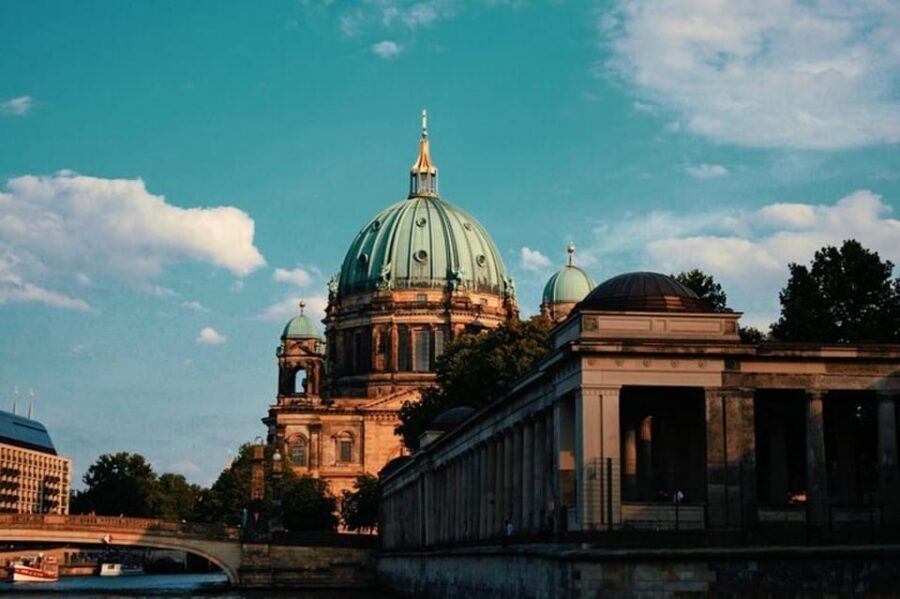
- Private and customizable so you can steer the pace and questions
- A tight route hitting major landmarks from Nazi Germany to the Wall era
- Holocaust Memorial + Topography of Terror for respectful, direct context
- Checkpoint Charlie tied to the 1961 standoff and the 1989 fall
- Good ticket-help from the team for planned visits
- Guide recommendations after the tour for what to do next in Berlin
Starting at the Hotel Adlon area: where the history walk begins
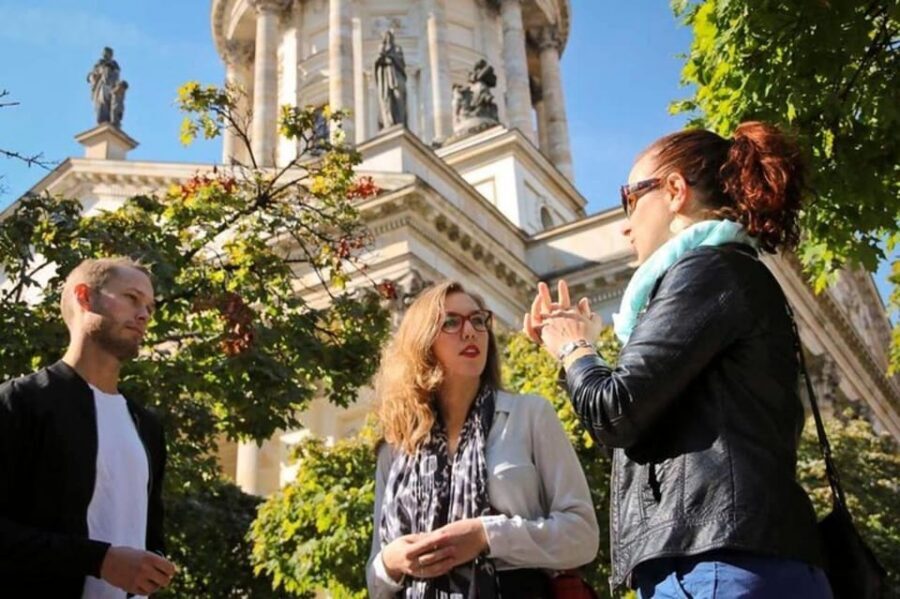
Your tour meets in front of the Wellendorff Berlin (Hotel Adlon), right where you can orient yourself quickly. It’s a smart start point because it’s central and easy to reach, and the 2-hour format means you get a lot of ground without feeling you’ve signed up for an all-day seminar.
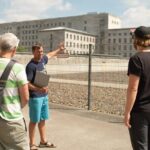
Because it’s a private walking tour, you won’t be blended into a large group. You’ll get your guide’s attention and you can ask for explanations when something feels confusing—Germany’s 20th-century story is complex, and having a real person translate the connections makes a difference.
You can also read our reviews of more walking tours in Berlin


Brandenburg Gate: unity as a symbol, not just a photo
You’ll head to the Brandenburg Gate, one of Berlin’s most recognizable landmarks. The value here is the framing: you’re not just looking at a monument, you’re learning why it became a symbol of German unity and how that meaning shifts depending on the era.
This stop sets the tone fast. Right away, you get a sense that Germany’s story isn’t linear—political power, ideology, and division all leave marks on the same streets and structures. If you like history that you can point to with your feet, this is a strong opening.
Reichstag: from parliamentary power to Nazi dictatorship
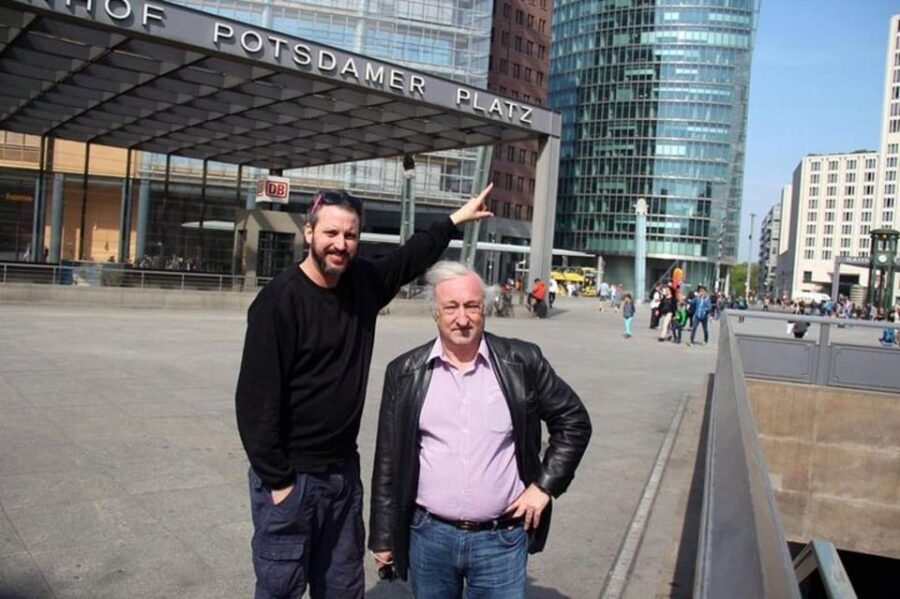
Next comes the Reichstag, Germany’s house of Parliament. You’ll hear how it functioned during the Nazi dictatorship, which gives you a way to read the building beyond architecture and into political reality.
The practical payoff is that you’ll understand why the Reichstag matters even when you’re not planning to go inside. It becomes a visual anchor for “how power takes shape,” and that helps the later stops about state control and surveillance feel less abstract.
Memorial to the Murdered Jews of Europe: what you learn by standing there
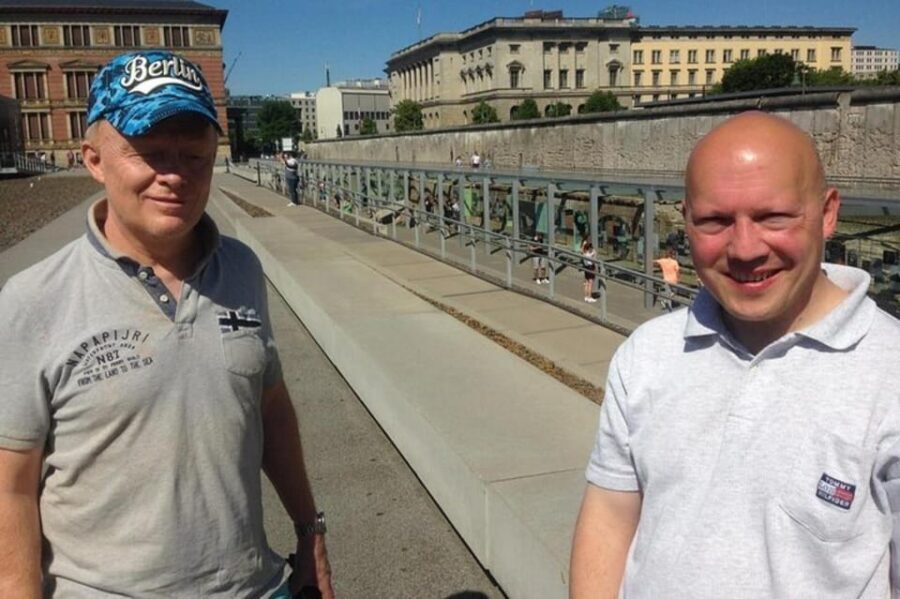
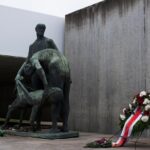
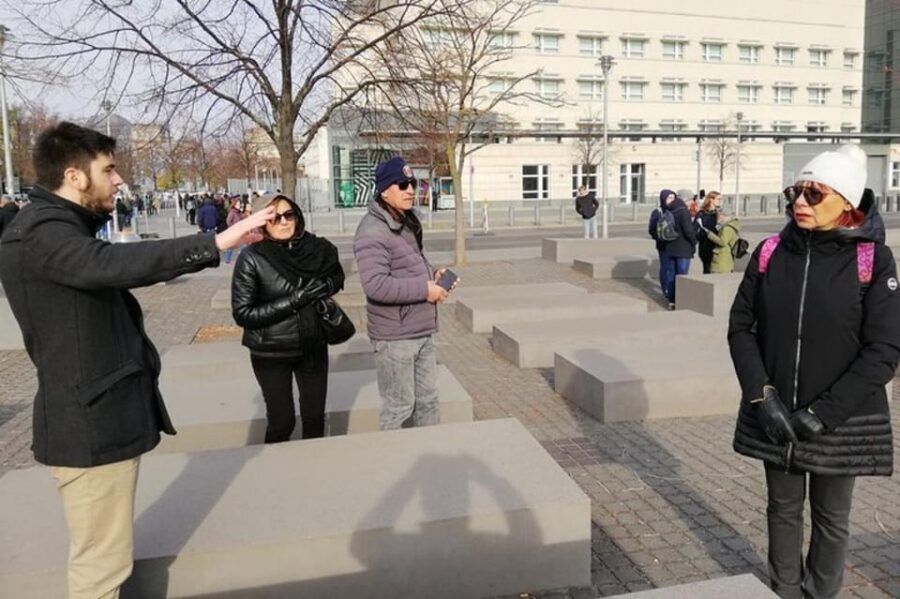
Then you reach the Memorial to the Murdered Jews of Europe. This kind of site can feel difficult to discuss, but the tour’s emphasis is on the meaning of the tribute and the tragedy it represents.
I like that the tour doesn’t treat the memorial as a checklist item. It’s part of the broader story of what the Nazi regime did, which helps you connect the timeline dots instead of compartmentalizing grief into separate categories.
If you’re the type who needs a moment to process, give yourself one. This stop is emotionally weighty, and it’s okay to linger briefly while your guide explains what you’re seeing.
Hitler’s bunker site: the end of the war made real
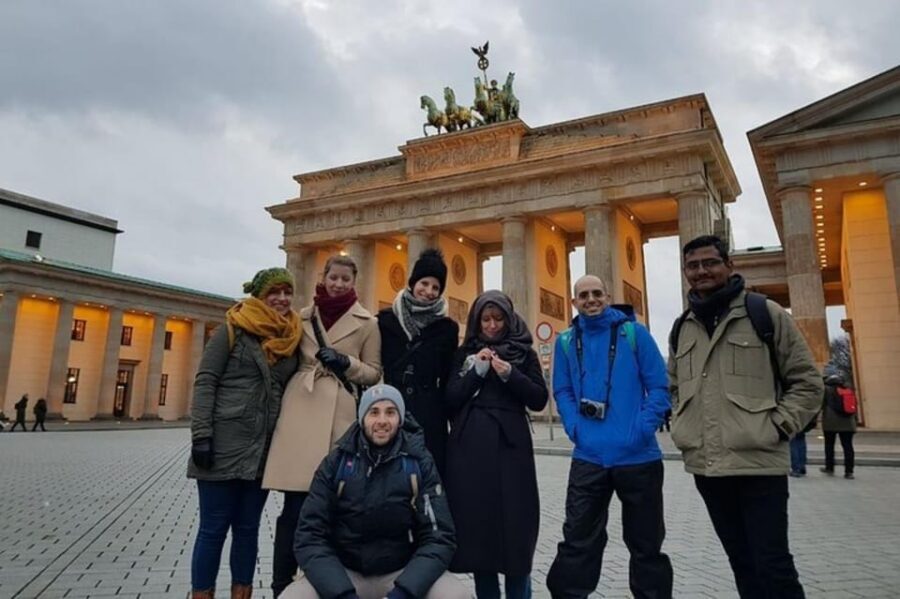
The tour then goes to the site of Hitler’s bunker. You’ll learn about the last days of World War II and Hitler’s suicide, which makes this location more than a footnote.
This is one of those stops where a guide can help you avoid two extremes: turning it into spectacle, or reducing it to a simple horror story. Done well, the explanation helps you see how the regime collapsed and how Berlin’s final chapter played out.




Topography of Terror: the Gestapo and SS headquarters on the ground

After that, you’ll walk through the Topography of Terror exhibition, located on the site of the former Gestapo and SS headquarters. The focus is on crimes committed during World War II, and being at the actual site changes how the information lands.
I love this stop because it connects “what the Nazis claimed” to “what they actually did.” It’s not just about leaders and dates—it’s about systems, offices, enforcement, and the machinery of terror.
One caution: this is also the kind of place where your brain can get overloaded if you try to absorb everything at once. Let your guide point out what to focus on, and don’t feel you have to read every panel to get the core message.
Berlin Wall stories: escapes, construction, and what changed
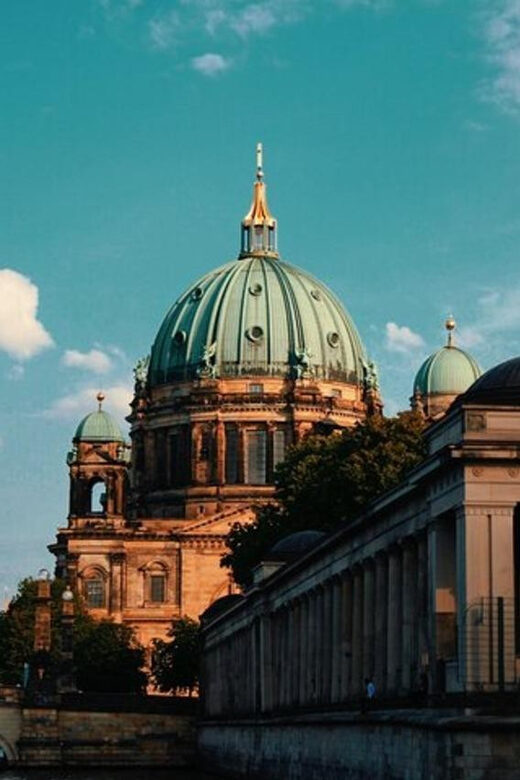
From there, the tour shifts fully into the Cold War era. You’ll hear about the Berlin Wall—its construction in 1961—and the daring escapes over the Wall.
This portion works because it turns the Wall from a historical object into lived experience. Even without adding extra stops, it gives you a framework for understanding why separation became so physical, and why people risked everything to cross it.
The best part is the cause-and-effect feeling. Once you understand how the Wall hardened division, the later checkpoint story makes more sense and feels less like a random tourist landmark.
Checkpoint Charlie: the 1961 standoff and 1989’s turning point
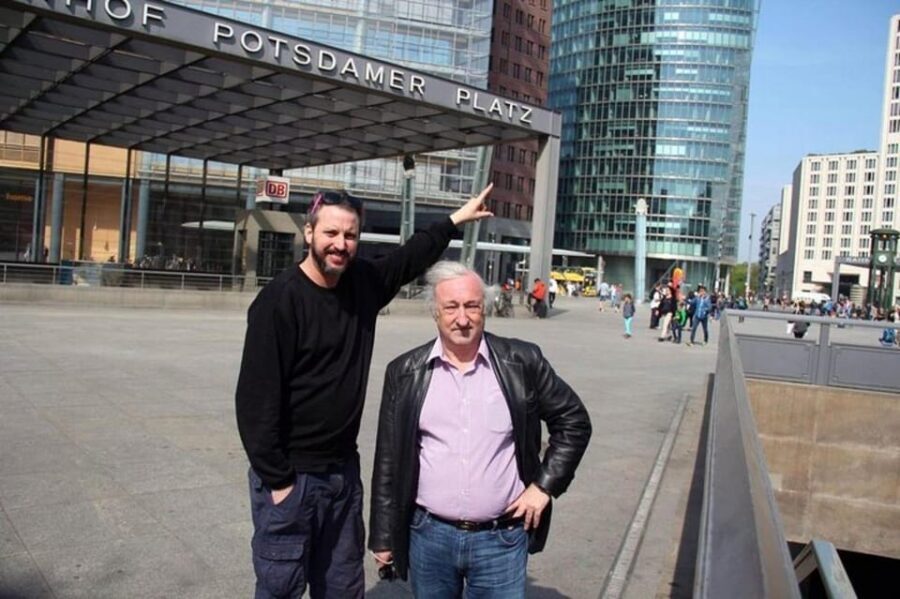
You end at Checkpoint Charlie, the most famous checkpoint of the Berlin Wall. The tour ties it to the standoff between Soviet and American forces in 1961, and then connects it to the fall of the Berlin Wall in 1989.
This is where Berlin’s modern identity clicks into place. You get a clear line from Cold War confrontation to reunification, and you walk away with the sense that “unity” wasn’t a slogan—it was something people fought for, and something history forced Germany to rebuild.
It’s also a great finale if you want photo-friendly landmarks at the end, because your understanding will be stronger by then. You’ll know what you’re looking at and why it mattered.
Guides who tailor the walk (and actually answer questions)
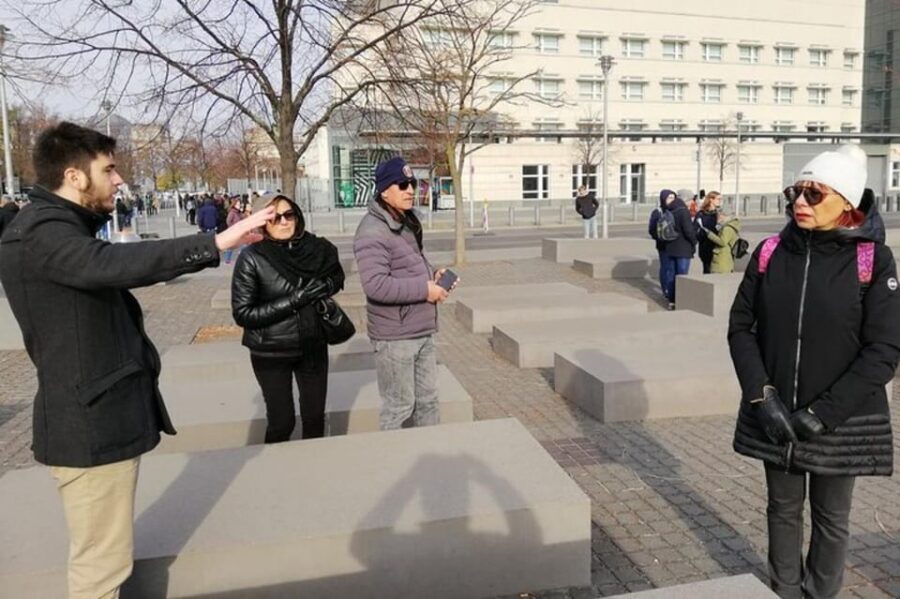
A big reason this tour earns strong ratings is the guides. In particular, I see repeated praise for guides like Eugen (French-speaking, described as didactic and friendly) and Carlo, who’s noted for being helpful in recommending neighborhoods, where to eat, and what local experiences to try.
That last part matters more than it sounds. After a history walk, you don’t just want facts—you want help turning that knowledge into a good day in Berlin. A guide who can point you toward the right neighborhoods and practical options makes the tour feel like it extends beyond the 2-hour window.
Because it’s private, you also get flexibility. If you want to spend extra time on one stop—maybe the memorial, or maybe the Wall story—you can. If you’d rather keep moving and save deeper reading for later, you can do that too.
Walking + public transport: how to keep the timing comfortable
The tour is a walking experience, with public transport included unless you select one of the other options. Since you’re covering major landmarks efficiently, it’s worth wearing comfortable shoes and planning for some outdoor time even in mild weather.
Two hours is a good length for this topic. Long enough to build a coherent narrative, short enough that you’re unlikely to feel drained before the end. Still, the topic load is significant, so take breaks when you can—especially after the memorial and the exhibition.
If you’re prone to fatigue, tell your guide early. A private setup works best when you communicate your pace needs.
Price and value: $35 for a private history lesson
At $35 per person for a 2-hour private walking tour, this can be strong value—mainly because it’s not just a route, it’s a guide-to-you experience. The fact that it’s exclusive (no one else in your group) means you’re paying for time with a person, not just access to a public itinerary.
You also get extra support: the team helps you book tickets for desired visits. That can save time and friction, especially when you’re trying to line up visits without spending your holiday logistics time hunting for entry windows.
One more value point: food and drinks aren’t included, so you’ll keep control of where you pause. That’s not a downside for me—it’s a chance to choose a spot that fits your budget and preferences.
Who should book this tour—and who might skip it
This is ideal if you want a structured, readable overview of Berlin’s most intense 20th-century chapters. It’s especially good for first-time visitors who want to see big landmarks while learning the connections between them.
It also suits anyone who likes local guidance that goes beyond the stops. The guides’ recommendations for neighborhoods and what to do next are a practical add-on, and it makes your day in Berlin feel more planned.
Consider skipping or pairing this with extra time if you want a slower, museum-heavy approach. Since the tour is only 2 hours, you may want to plan additional visits afterward if you’d like deeper reading at any single stop.
Quick FAQ: what you need to know before you go
FAQ
Where does the tour meet?
The tour meets in front of Wellendorff Berlin (Hotel Adlon).
How long is the tour?
It lasts about 2 hours.
Is this tour private?
Yes. It’s private and exclusive, with no one else in your group.
What languages are available for the live guide?
The live tour guide is available in English, French, and Spanish.
What major stops are included?
You’ll visit Brandenburg Gate, the Reichstag, the Memorial to the Murdered Jews of Europe, the site of Hitler’s bunker, Topography of Terror, and end at Checkpoint Charlie.
Is public transport included?
Walking is part of the tour, and public transport is included unless you select one of the options that changes that.
Does the price include food or drinks?
No. Drink or food is not included.
How much does the tour cost?
The price listed is $35 per person.
Is there a cancellation option?
Yes. You can cancel up to 24 hours in advance for a full refund, and there’s also a reserve now & pay later option.
Should you book the Third Reich & Cold War walking tour?
I’d book it if you want a clear, efficient route through Berlin’s hardest history—without trying to piece it together yourself. The combination of major landmarks, on-site context at places like Topography of Terror, and a private guide who can answer questions (and point you to what to do next) makes it feel like more than a sightseeing walk.
Skip it only if you already know you’ll want long, independent museum time for each location. In that case, treat this as a great orientation, then plan extra hours elsewhere.
If you’re visiting Berlin for the first time or you want a structured narrative that connects the Third Reich to the Wall era, this is a smart, good-value way to get your bearings fast.