REVIEW · BERLIN
Get In: The Ultimate Berlin Club Tour
Book on Viator →Operated by BerlinGuide.de · Bookable on Viator
Berlin’s clubs have a story behind every door.
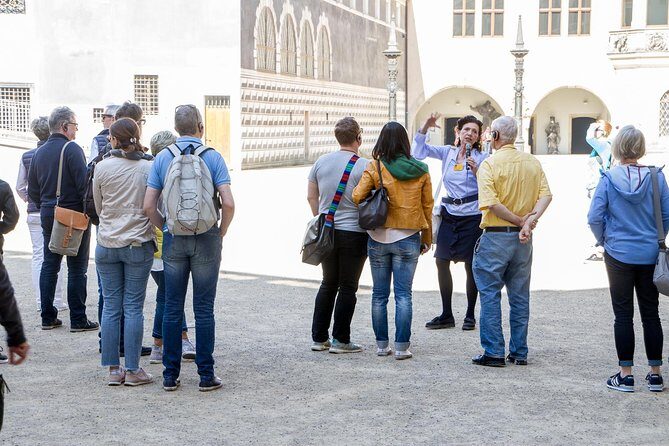
This 3.5-hour route pairs famous venues with real context: LGBTQ+ activism at SchwuZ, punk and Turkish community links at SO36, and techno roots at Tresor and Berghain. I love that it stays small (max 10), so you’re not lost in a crowd, and I also like the augmented reality segments that bring celebrities and club scenes to life. One thing to consider: you’ll be walking and standing outdoors, so go in with good shoes and expect weather to matter.
You’ll finish with a sharper sense of how Berlin nightlife became a culture engine, not just weekend entertainment. Another strong point for me is the balance: politics, identity, and music all show up—without turning into a lecture. The possible drawback is simple: this is more about learning how the scene works than about a guaranteed night out, so if you only want pure dancing, you may want to plan club time separately.
In This Review
- Key highlights worth marking on your Berlin map
- Why this Berlin club tour feels like a cheat code
- Price and logistics: what you should actually plan for
- SchwuZ: LGBTQ+ history and activism you can feel in the walls
- SO36: West Berlin’s stress, punk energy, and community solidarity
- Tresor: techno’s future built in an old power plant
- KitKatClub and Berghain: freedom, anonymity, and the door you can’t ignore
- Clubs as politics: Clubcommission, Kater Blau/Holzmarkt, and YAAM
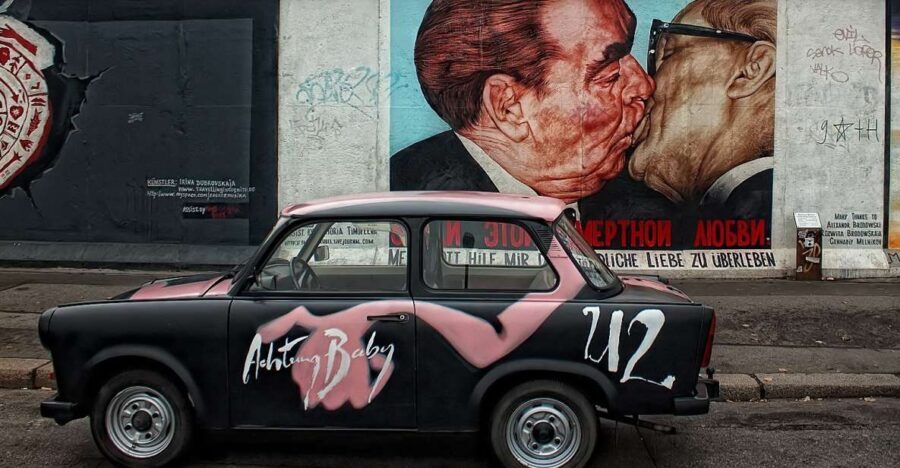
- RAW-Gelände: the alternative playground and the gentrification reckoning
- Augmented reality and Mixies: the “why” behind the tech
- What the guide format gets right for a first-timer
- Who should book this Berlin club tour
- Should you book? My take on value
- FAQ
- How long is the Berlin Club Tour?
- What time does it start, and where does it end?
- How big is the group?
- Is public transport included?
- Are club admission tickets included?
- What technology is used during the tour?
- Does the tour depend on weather?
Key highlights worth marking on your Berlin map
- Max group size of 10 means you actually hear the details and ask questions
- Augmented reality + Mixies photos turn the stories into something you can keep
- A behind-the-scenes club moment (subject to availability) adds a real insider feel
- Nine iconic stops map Berlin’s queer history, techno evolution, and counterculture politics
- SchwuZ admission included, with other stops listed as free to enter during the tour
- Ends near Warschauer Straße, so you can roll into your next plan fast
Why this Berlin club tour feels like a cheat code
Berlin can be intimidating if you’re showing up with only a party plan. Club doors have rules. Neighborhoods have histories. And in Berlin, nightlife isn’t separate from identity and activism—it’s part of the city’s civic life.
This tour is built to fix that. You get a guided pass through places that shaped modern club culture, from LGBTQ+ breakthroughs to techno’s Detroit-to-Berlin sound shift. I also like that the tour doesn’t treat clubs like museum pieces. It talks about how spaces stay relevant as the city changes.
At $81.98 per person for about 3 hours 30 minutes, the price is easier to justify than it looks—because you’re paying for more than walking. You’re getting expert guidance, AR content, and a big set of photos/videos/audio clips (200+) that help you remember what you learned.
You can also read our reviews of more tours and experiences in Berlin.



Price and logistics: what you should actually plan for
Timing matters with Berlin nightlife, and this tour uses the best kind of daytime approach. It starts at 11:30 am and ends at RAW-Gelände, near Warschauer Straße. That means you can do the tour, reset, then decide where you want to go next that night—or even keep exploring the area.
A few practical points that will save you frustration:
- Bring a public transport ticket. Transit isn’t included, and you need it to join the route.
- Wear shoes for standing and walking. The stops are short, but you’re out moving across neighborhoods.
- Keep an eye on the weather. The experience requires good weather, with an alternate date or full refund if it gets canceled for that reason.
- Expect a small-group vibe. The cap is 10 travelers, which affects pacing and how interactive the guide can be.
Also note the tour uses a mobile ticket, which is convenient, and it’s listed as having good participation for most travelers. Service animals are allowed too.
SchwuZ: LGBTQ+ history and activism you can feel in the walls
The tour begins at SchwuZ, one of Berlin’s most iconic LGBTQ+ clubs. This isn’t just a stop for a good photo. It’s where you learn why Berlin’s club culture became a home for people who were otherwise pushed out.
You’ll hear about the Berlin Wall’s impact on nightlife, and you’ll get a name you should remember: Romy Haag, described here as a trans pioneer who helped reshape nightclub life in the 1970s. The tour also connects the dots from early queer community spaces to the later techno revolution, including how clubs like Metropol helped set the stage.
Why this stop matters for your trip: if you only visit Berlin clubs for music, you’ll miss the reason many people treat these venues like social infrastructure. SchwuZ’s link to activism—especially during the AIDS crisis—helps explain why Berlin’s nightlife has a culture of care, not just entertainment.
One small consideration: the stop is about 20 minutes, so you’ll get the key stories fast. If you want to go deeper, plan to follow up later with reading or a return visit after the tour.
SO36: West Berlin’s stress, punk energy, and community solidarity
Next is SO36, framed as the spirit of West Berlin in the 1970s. Here, the story has an economic edge: you learn how economic struggles influenced the club scene and why that mattered for what people created there.
SO36 also becomes a lesson in how subcultures build coalitions. The tour highlights the club as a hub for punk, feminism, and counterculture, and it names music legends tied to the scene—David Bowie and Iggy Pop.
Then the story broadens to community inclusion: the club’s role in Berlin’s Turkish community is part of the explanation, and you’ll also hear about how the club’s calendar links to modern identity events like Kreuzberg CSD and Mad & Disabled Pride.
Practical takeaway: when you walk out after SO36, you’ll have a better sense of why Kreuzberg’s club culture can feel political without being preachy. It’s social. It’s local. It’s tied to who belongs.
This stop is about 20 minutes, and admission during the tour is listed as free.
Tresor: techno’s future built in an old power plant

After that, the tour moves to Tresor, a world-known techno club in a former GDR power plant. That building detail isn’t trivia—it’s part of the symbolic reason Tresor is treated like a landmark.
The tour explains how, after the Berlin Wall fell, techno clubs developed inside abandoned structures, and how that architectural choice helped define the scene’s identity. It also brings in a musical lineage: the influence of Detroit’s Black techno DJs is credited with shaping Berlin’s club sound and culture, with ripple effects far beyond the city.
What you’ll get from this stop: you’ll walk away with a stronger understanding of techno as a migration of sound and community—not just a genre you listen to at home.
This stop is short (about 15 minutes) and listed as free for tour admission.



KitKatClub and Berghain: freedom, anonymity, and the door you can’t ignore
Two stops in this tour set Berlin’s nightlife reputation with extra clarity: KitKatClub and Berghain.
At KitKatClub, the emphasis is on expression and identity. The tour points to roots in Berlin cabaret culture from the 1920s, but then brings you to the club’s reputation today: provocative parties, bold freedom, and a place where boundaries around sexuality and identity get tested in public—in a way that still feels organized around community.
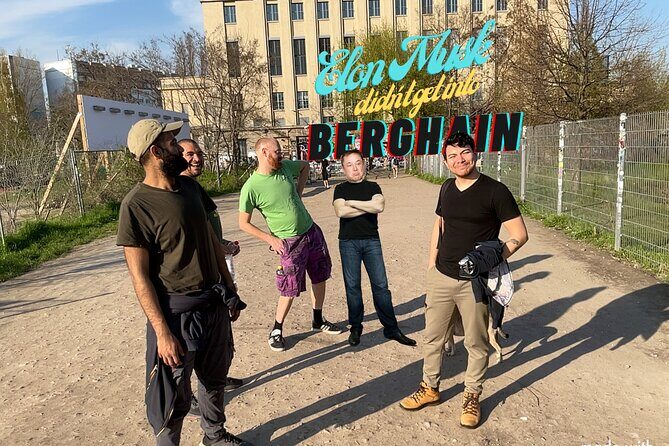
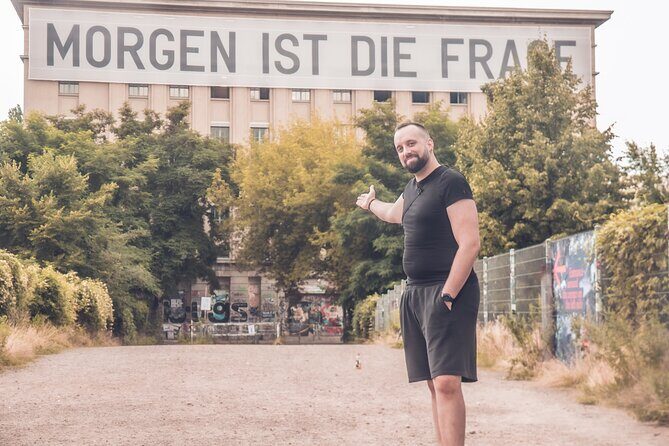
Then comes Berghain, the techno temple most people hear about even if they don’t plan to go inside. You’ll learn about its history in a former bunker and how it grew into one of the world’s most influential music venues. The tour also covers a practical rule that visitors always talk about: Berghain’s strict no-photo policy, which helps preserve an atmosphere of freedom and anonymity on the dancefloor.
The tour also discusses Berghain’s ethos through thinkers named in the experience—Judith Butler and Michel Foucault—linking the space to ideas about identity and expression.
A real-world tip you can use: the experience materials include an example suggesting that showing up on a Sunday morning can improve your odds of entry. No guarantees—Berlin doors are Berlin doors—but it’s a useful strategy to file away if Berghain is on your list.
These stops are listed with 15 minutes for KitKatClub and 20 minutes for Berghain, and both are described as free for tour admission.
Clubs as politics: Clubcommission, Kater Blau/Holzmarkt, and YAAM
Not every meaningful Berlin nightlife story happens inside a famous techno box. This tour makes sure you also understand the political infrastructure around clubs.
First is Clubcommission e.V., described as an organization focused on preserving the political and cultural role of Berlin’s clubs. You’ll learn why Berlin’s nightclubs can function as safer spaces for marginalized communities, and how clubs become centers of activism—up to and including protests linked to the far-right AfD and support for LGBTQ+ rights.
Then you move to Kater Blau and Holzmarkt, where the focus shifts to survival in a changing city. The tour frames these venues as fighting gentrification and the loss of underground culture. The message here is practical: when rent climbs and neighborhoods change, alternative scenes either adapt or disappear. These clubs are part of the push to keep creative communities intact.
Finally, there’s YAAM, where the story turns toward Black Caribbean influence and music—especially reggae. You’ll learn about YAAM as a place of cultural exchange and community building, plus initiatives focused on tolerance and youth empowerment. The tour ties the club’s inclusion message to advocacy for refugees and other marginalized groups.
Why I think this cluster of stops works: it gives your Berlin nightlife context beyond aesthetics. You don’t just learn where to go—you learn why people protect these rooms.
Timing here is shorter—about 10 minutes for Clubcommission, 5 minutes for Kater Blau/Holzmarkt, and 5 minutes for YAAM—and all are listed as free for the tour.
RAW-Gelände: the alternative playground and the gentrification reckoning
The last stop is RAW-Gelände, a sprawling area with multiple clubs such as Suicide Circus, Haubentaucher, and Astra Kulturhaus. This is where Berlin’s underground culture feels like a whole ecosystem instead of one venue.
The tour talks about how RAW and other spaces have shaped alternative culture. It also includes the uncomfortable part: gentrification’s impact, including references to lost venues like Watergate and Grießmühle, plus struggles faced by other hotspots such as ://aboutblank.
There’s also a historical angle worth remembering. The tour connects RAW to Berlin’s longer tradition of open-air raves and how those events helped reclaim techno culture—something that still drives the city’s nightlife today.
When you finish at RAW, you’re not only done with the tour. You’re set up to continue exploring the area nearby, and the end point is described as close to Warschauer Straße for an easy transit exit.
This stop is about 10 minutes and listed as free during the tour.
Augmented reality and Mixies: the “why” behind the tech
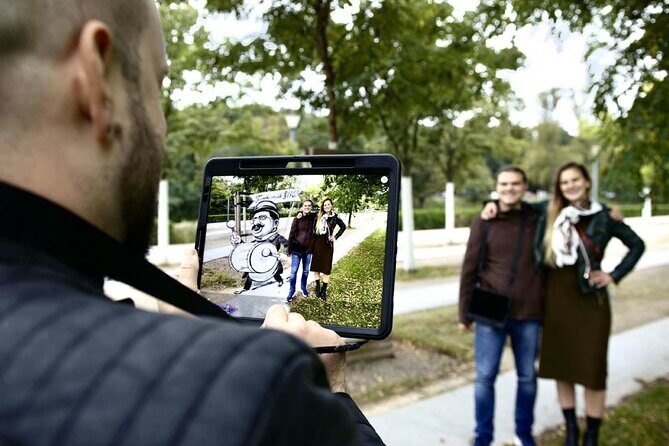
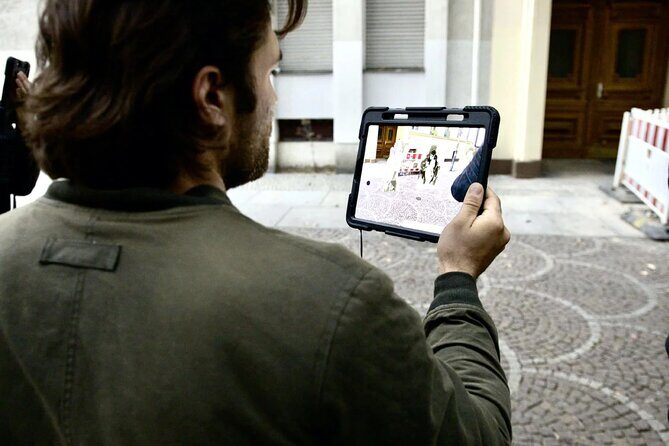
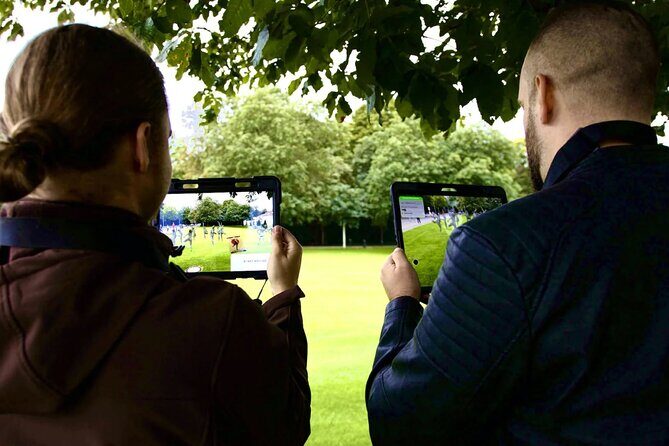
The tour uses augmented reality in a way that’s meant to support the stories, not replace them. You’ll see AR segments tied to celebrities and clubs, with content designed to bring the scene back to life. There’s also mention of stories about celebrities who did—and didn’t—make it past the door, which fits Berlin’s culture of mystery and gatekeeping.
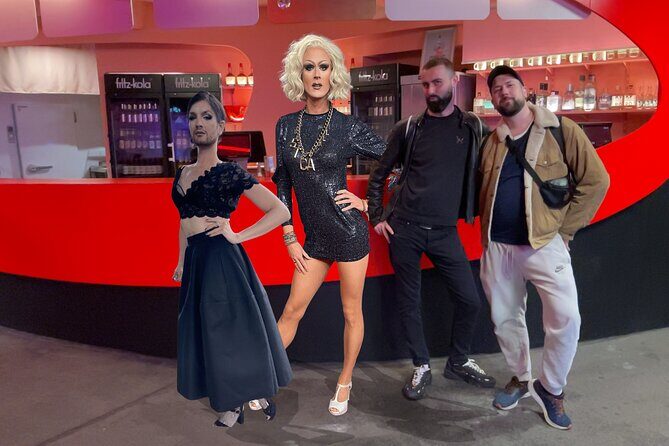
You’ll also get Mixies: personalized photos with AR elements, so you can take home something that matches the theme of the day. And you’ll receive a pack of 200+ photos, videos, quotes, and audio clips tied to Berlin’s club culture.
I like this approach because it addresses a common problem with history tours. After a night of Berlin nightlife, your memory gets foggy. Here, you have media to review later—and it gives you a way to re-share the day with friends without having to reconstruct everything from scratch.
What the guide format gets right for a first-timer
This is where the small group size matters. The experience is capped at 10 travelers, so the guide can keep the pace moving while still connecting dots between stops.
From the experience materials and guide mentions, the guide behind the scenes is Jeff, and the style described is interactive: using an iPad with historical footage, videos, and quiz-style engagement. That’s a big deal if you’re worried that club history tours will be dry. The format here is built to keep you active—asking and answering, not just listening.
It’s also why the tour tends to work well even for people who are unsure about clubbing. Once you see how clubs connect to identity, community, and politics, the whole topic stops feeling like random nightlife trivia.
Who should book this Berlin club tour
I’d put this tour at the top of your list if:
- you’re curious about Berlin’s club scene beyond music
- you want context for LGBTQ+ history and activism
- you like techno, punk, or reggae and want the scenes’ roots
- you enjoy stories that connect neighborhoods to culture
It may be less ideal if:
- you want a pure party night with time to dance at each stop
- you hate walking or standing outdoors for short stretches
- you only care about one club name and nothing else
Should you book? My take on value
For $81.98, I think the value is strong if your goal is to understand Berlin nightlife, not just collect venues. You get a compact route through nine major stops, short enough to keep energy, long enough to build meaning. The augmented reality, Mixies photos, and 200+ media assets make it more than a standard walking tour.
If you’re timing a first Berlin visit, this tour also helps you plan the night afterward. You’ll know what each venue stands for, what rules are part of the atmosphere, and what kind of crowd or history to expect—even before you step inside anywhere.
FAQ
How long is the Berlin Club Tour?
It runs for about 3 hours 30 minutes.
What time does it start, and where does it end?
It starts at 11:30 am and ends at RAW-Gelände, close to the Warschauer Straße train stop.
How big is the group?
The tour has a maximum group size of 10 travelers.
Is public transport included?
No. You should bring a public transport ticket to join the tour.
Are club admission tickets included?
SchwuZ includes an admission ticket. The other stops listed are shown as free for tour admission during the experience.
What technology is used during the tour?
The experience includes augmented reality and uses an iPad during the tour.
Does the tour depend on weather?
Yes. It requires good weather. If it’s canceled due to poor weather, you’ll be offered a different date or a full refund.