Berlin hits fast, especially on foot. This private tour strings together the city’s biggest turning points and a few calmer corners, with a guide who can steer the day to you. You’ll walk from reunification icons like Brandenburg Gate to the heavy stops tied to the Wall, Nazi rule, and censorship—then finish with smart, photogenic sights.
Two things I really like: the hotel pickup and drop-off that keeps the day from turning into meeting-point stress, and the custom pacing that makes it feel personal instead of rushed. The one drawback to plan for is emotional weight: you’ll spend real time at sites connected to Nazi atrocities and Holocaust remembrance, so it’s best if you’re ready for a serious history-focused route.
In This Review
- Key things I’d plan around before you book
- Hotel lobby pickup and the smart way to start in central Berlin
- Private guidance that actually tailors the day
- Brandenburg Gate: the first photo stop with the biggest political meaning
- Berlin Wall Memorial on Bernauer Strasse: where the Cold War feels personal
- Checkpoint Charlie: the Cold War story told at street level
- Führerbunker and the Reichstag: the hard pivot from WWII to modern Germany
- The Führerbunker (about 9 minutes)
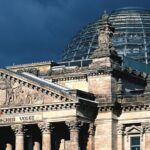
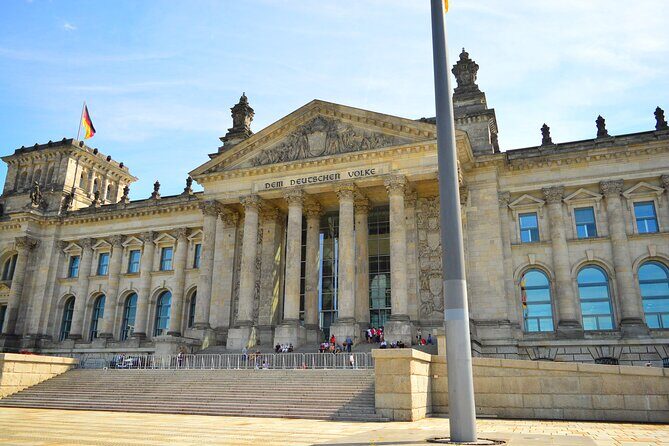
- The Reichstag Building and its glass dome (about 10 minutes)
- East Side Gallery: art on the Wall and hope after 1989
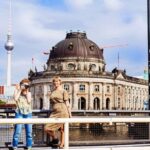
- Museum Island and the Berliner Dom: photo-worthy stops that still make sense
- Museum Island (about 15 minutes)
- Berliner Dom (about 10 minutes)
- Bebelplatz and the Empty Library memorial: censorship you can see
- Gendarmenmarkt and Hackescher Höfe: beauty breaks between the big lessons
- Gendarmenmarkt (about 10 minutes)
- Die Hackeschen Höfe (about 20 minutes)
- “Hidden gems” energy, without the fluff
- Price and value: what you’re paying for at $192.97 per person
- Who this tour suits best (and who might want a different plan)
- Should you book this private Berlin highlights tour?
- FAQ
- How long is the private walking tour?
- What language is the tour offered in?
- Is there hotel pickup and drop-off?
- Is this a private tour?
- Are food and drinks included?
- Are admissions required at the listed stops?
- Can I get a full refund if plans change?
Key things I’d plan around before you book
- Private guide, not a big group: your questions matter, and the guide can shift the route to your interests.
- 3 or 4 hours: shorter option for first-day orientation, longer option if you want more context and time to talk.
- Hotel pickup/drop-off: you won’t waste your limited time hunting for the group.
- The route follows Berlin’s timeline: Cold War division, WWII aftermath, then the visual “after” of 1989.
- Free admission is built in for the listed stops: the stops themselves are marked as free on the itinerary.
Hotel lobby pickup and the smart way to start in central Berlin
Berlin is big in feel, even when you’re moving on sidewalks. I like that this tour starts with a meet-and-greet in a central Berlin hotel lobby. You pick a departure time, and your guide handles the handoff so you can jump straight into the walking portion.
The tour runs about 3 to 4 hours, and that choice changes how much time you get to absorb each place. If you’re using Berlin as a first stop on a trip, the 3-hour option is often the sweet spot. If you tend to ask questions, want extra context at the memorials, or have already seen a couple main sights and want the next layer, the 4-hour option gives breathing room.
You can also read our reviews of more walking tours in Berlin


Private guidance that actually tailors the day
The biggest quality here is not just that you get a guide—it’s that the guide is meant to customize. You can include specific interests when you book, and the route can flex around what you want to spend time on.
That personalization shows up in the reviews in practical ways. I saw praise for guides who adjusted for limited walking ability, kept families engaged while still covering serious material, and shaped the day around WWII focus. Names that come up include Tina, Ronja, Ronjan? (spelled Ronja), Ruben, Klaus, Will, Daniel, Artie, Rohan, Peter F., Grayson, and Xavier, plus others like Mikhail and Eran. The common thread is that guides didn’t just recite facts—they answered questions and built explanations in a way that felt doable while walking.
If you prefer your history in stories—plus small “wait, that’s why that building matters” moments—this style is a good fit.
Brandenburg Gate: the first photo stop with the biggest political meaning
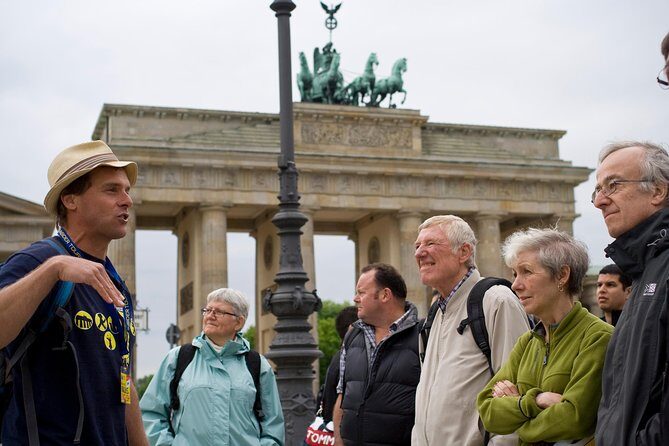
You start at the Brandenburg Gate in Pariser Platz (about 10 minutes). It’s one of Berlin’s most recognizable landmarks, but what makes it a strong opening stop is that it’s easy to understand even before you know the dates.
Your guide will connect the Gate to Germany’s division and reunification, including the meaning behind the Quadriga—a chariot pulled by four horses representing victory. It’s also a lively area for street performers, cafés, and people-watching, so the short stop doesn’t feel like a quick glance and go. It works as a reset: a clear visual reference point for the rest of the day.
Practical note: this is a “stand-and-look” landmark. If you want lots of time for wide photos, the 4-hour option tends to be kinder.
Berlin Wall Memorial on Bernauer Strasse: where the Cold War feels personal
Next comes the Memorial of the Berlin Wall on Bernauer Strasse (about 30 minutes). This is the kind of stop where architecture and history aren’t separate things—they’re the message.
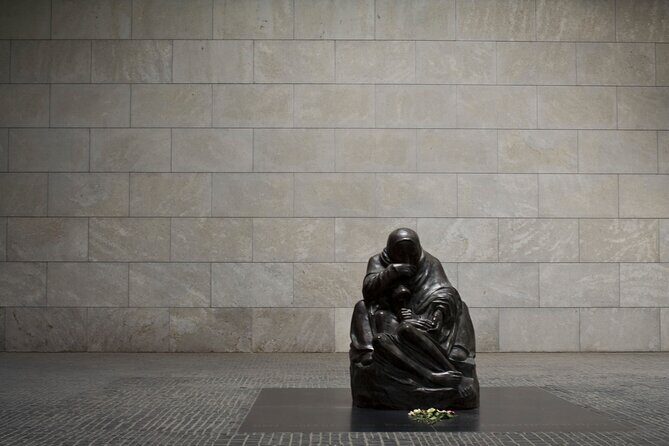
You’ll see a preserved section of the Wall plus a visitor center that gives context on how it was built and what it meant for daily life. The memorial includes exhibits, photographs, and personal stories—so even if you know the headline timeline, you get the human scale. This is also where you’ll feel the tour’s serious tone. The guide’s job here is to keep it clear and respectful while still making it understandable.
One consideration: this stop is more than sightseeing. If you’re prone to getting overwhelmed at memorials, take your time here and let your guide know you want slower pacing.
Checkpoint Charlie: the Cold War story told at street level
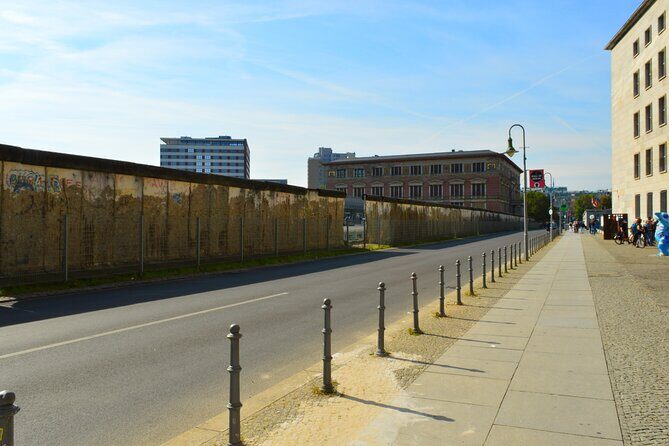
Then you hit Checkpoint Charlie (about 15 minutes). It’s one of the most famous crossing points between East and West Berlin, and your guide will explain its origins and why it became such a symbol of Cold War tension.
Today it operates as a historic site and museum area, and the iconic wooden booth—described as a replica of the original guardhouse—is part of what people photograph. But the value of this stop isn’t just the photo. Your guide will connect the display to escape attempts and the political climate of the era.
Small tip: keep your expectations realistic. The time block is short, so you’ll get the big picture and key stories, not a full museum marathon. If museum time is your top priority, you can always follow up on your own later.
You can also read our reviews of more private tours in Berlin


Führerbunker and the Reichstag: the hard pivot from WWII to modern Germany
Two stops in the middle of the walk take you into the darkest chapters and then straight into Germany’s present-day political symbolism.
The Führerbunker (about 9 minutes)
At the Führerbunker site, located beneath the gardens of the Reich Chancellery, you’ll hear about Hitler’s last days and the underground bunker built in 1944. The site is largely unmarked except for a small plaque, so the guide matters a lot here. Your explanation is what turns a simple location into an informed stop.
This isn’t a “see the exhibit” moment. It’s more of a “stand in the place and understand what happened” moment, with guidance that frames the broader context.
The Reichstag Building and its glass dome (about 10 minutes)
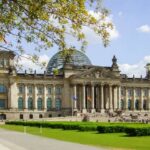
Next is the Reichstag Building (about 10 minutes). Completed in 1894 and later transformed into the seat of the Bundestag in 1999, it carries multiple layers: the 1933 fire, Nazi rise, WWII disruption, then rebuilding and the modern parliament.
One of the standout features is the glass dome by architect Norman Foster. It’s designed to symbolize transparency and offers panoramic views of Berlin. Even with limited time, this is one of those stops where the visuals do real work for the story your guide is telling.
East Side Gallery: art on the Wall and hope after 1989
The tour moves to the East Side Gallery along a remaining stretch of the Berlin Wall (about 20 minutes). Here, the message shifts from division to what followed after the Wall fell in 1989.
You’ll walk a long stretch—about 1.3 kilometers—and see over 100 murals painted after the Wall fell. Your guide will highlight major pieces, including the famous Fraternal Kiss mural showing a kiss between Soviet leader Leonid Brezhnev and East German leader Erich Honecker. The site turns a symbol of separation into a canvas for expression.
What I like about this stop is how it changes the mood without dodging history. It’s still tied to Cold War reality, but you get to see how people processed change through art.
Museum Island and the Berliner Dom: photo-worthy stops that still make sense
The tour doesn’t only chase monuments. You also get in sights that help you “read” Berlin’s layout.
Museum Island (about 15 minutes)
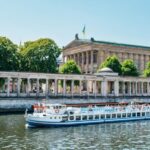
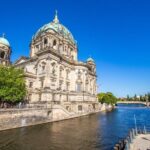
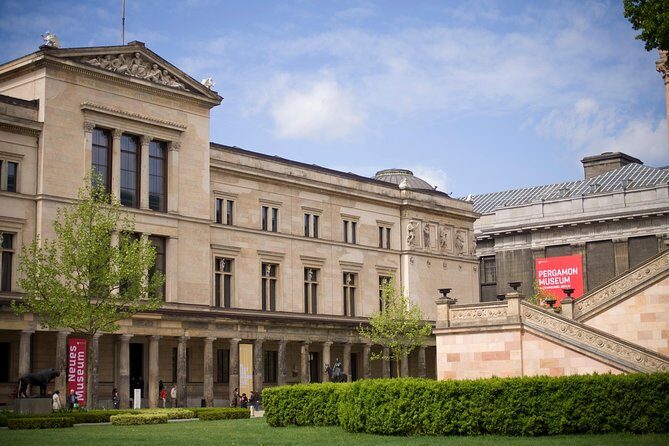
Museum Island is framed around the Spree River and a cluster of museum buildings. The itinerary position here is part photography, part geography. You’ll get strong views of the river and grand facades, plus a sense of why this area matters culturally. It’s a nice reset after the heavy memorials.
Berliner Dom (about 10 minutes)
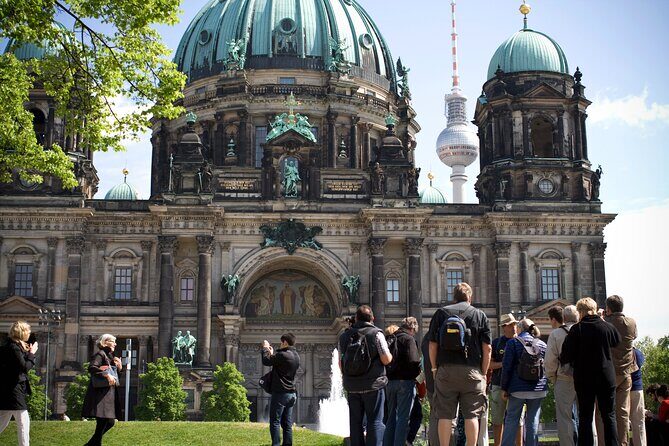
Next is the Berlin Cathedral (Berliner Dom) (about 10 minutes). Completed in 1905, it has a Baroque design and a dome rising 98 meters. If you climb it, you’ll get panoramic views that help you understand Berlin’s shape from above.
Practical consideration: cathedral interiors and dome climbs depend on timing and crowd levels on the day. With a walking tour time window, you may get the outside focus plus some quick inside time, depending on your guide’s pacing.
Bebelplatz and the Empty Library memorial: censorship you can see
At Bebelplatz (about 12 minutes), the guide turns attention to a darker kind of propaganda: book burnings. On May 10, 1933, students and Nazi supporters gathered there and burned over 20,000 books labeled un-German, including works by Einstein, Freud, and Marx.
At the center today is the Empty Library memorial by Micha Ullman—an underground room with empty bookshelves visible through a glass panel. It’s powerful because it’s understated. You’re not looking at a riot scene; you’re looking at the absence left behind.
This stop pairs well with the Wall and Holocaust remembrance elements earlier, because it shows how authoritarian control can target ideas, not just people.
Gendarmenmarkt and Hackescher Höfe: beauty breaks between the big lessons
Near the end, the route balances intensity with Berlin’s softer side.
Gendarmenmarkt (about 10 minutes)
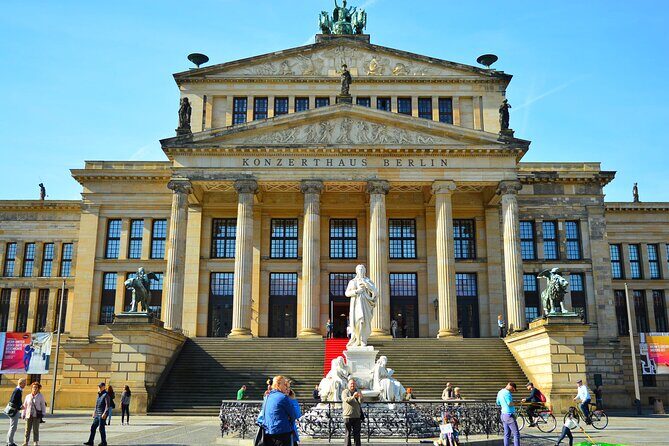
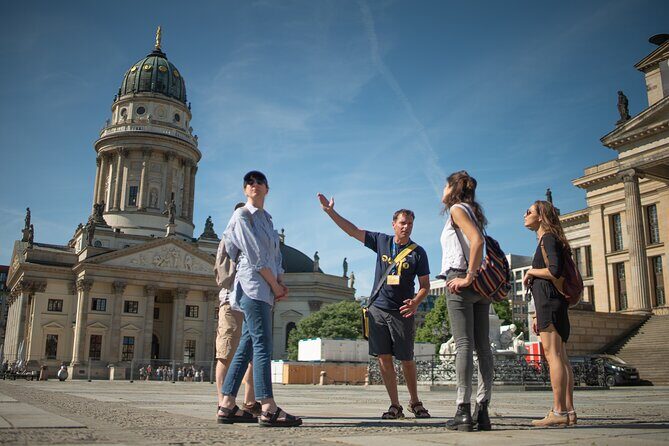
Gendarmenmarkt is a square flanked by the French Cathedral (Französischer Dom) and the German Cathedral (Deutscher Dom), with the Konzerthaus at its center. The itinerary includes the idea of it as a cultural hub with outdoor cafés and cobblestone paths.
This stop is brief, but it helps you breathe. After walking through political and memorial sites, a well-framed square makes Berlin feel more livable again.
Die Hackeschen Höfe (about 20 minutes)
Then comes Hackescher Höfe in the Mitte district (about 20 minutes). This complex of interconnected courtyards dates back to 1906 and is known for its art nouveau facades and design details like tilework and wrought iron.
You’ll see why it became a cultural hotspot: independent shops, restaurants, and theaters tucked into the courtyards. Even if you don’t stop for a long browse, it’s a memorable change of pace—and a good place to grab a snack after, if you’re continuing your day on your own (food and drinks aren’t included).
“Hidden gems” energy, without the fluff
The tour name leans toward hidden gems, but what you should really look for is the guide’s ability to spot details most people miss. In reviews, people praised guides who used visuals, helped with pacing, and added small context that made familiar landmarks feel new.
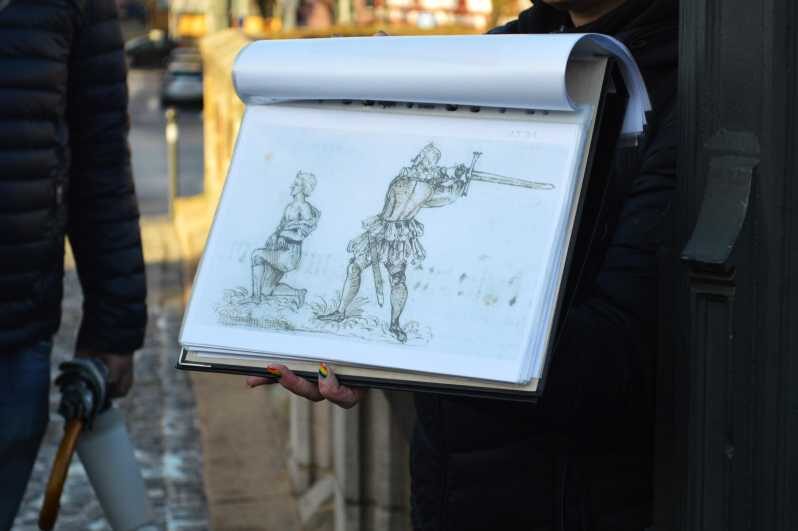
For example, some guides are praised for using pictures to explain what you’re seeing, which is especially helpful when the site is unmarked or when you’re looking at something subtle like the Führerbunker location. Others are praised for humor and personable storytelling while still covering hard topics clearly.
That balance matters. Berlin history can turn into a lecture if you’re not careful. This tour is set up to keep it conversational, with lots of room to ask questions.
Price and value: what you’re paying for at $192.97 per person
At about $192.97 per person, this tour isn’t cheap, but it can be good value if you care about context. You’re paying for three things that are hard to replicate alone:
- A private guide who can tailor the route to you (and keep pace flexible).
- Hotel pickup and drop-off, so your time stays productive.
- A set route that hits major Cold War and WWII turning points plus free-entry stops on the itinerary.
If you’re the type who wants to read plaques and piece history together yourself, you can walk many of these sites independently. But the value here is the explanation layer—especially at locations where the “what am I looking at?” factor is real.
Also, the tour is offered in English with a mobile ticket, which makes day-of logistics easier. Group discounts are mentioned, so if you’re traveling with friends, you may get better per-person value by booking together.
Who this tour suits best (and who might want a different plan)
This is a strong fit if:
- You’re seeing Berlin for the first time and want your bearings fast.
- You want a guided storyline from Cold War division to reunification to Germany’s modern identity.
- You prefer private pacing, not a busload routine.
- You’re traveling with kids or a mixed group and want the guide to keep everyone engaged while covering serious material.
It may be less ideal if:
- You want lots of time inside museums or long ticketed experiences.
- You dislike walking in city weather for a multi-stop route.
- You need a purely light, sightseeing day only.
Should you book this private Berlin highlights tour?
I’d book it if you want one organized morning or afternoon that turns Berlin into more than a list of famous buildings. The combination of hotel pickup, a private guide, and a route that follows Berlin’s political timeline makes it efficient without feeling like a checklist.
If you’re sensitive to heavy content, treat it like a deliberate choice—not a surprise. Let your guide know what to emphasize or soften, and you’ll get a more comfortable fit. With guides like Tina, Ronja, Ruben, Klaus, Will, Daniel, Artie, Rohan, Xavier, and others praised for tailoring and clear explanations, the odds are high you’ll come away with a sharper understanding of why Berlin looks the way it does today.
FAQ
How long is the private walking tour?
You can choose a 3-hour or 4-hour private walking tour, depending on the option selected.
What language is the tour offered in?
The tour is offered in English.
Is there hotel pickup and drop-off?
Yes. The tour includes hotel pickup and drop-off, so you should not have to navigate to a random meeting point.
Is this a private tour?
Yes. It is private, meaning only your group participates.
Are food and drinks included?
No. Food and drinks are not included.
Are admissions required at the listed stops?
The itinerary lists each stop with free admission.
Can I get a full refund if plans change?
Cancellation is listed as free if you cancel up to 24 hours in advance of the experience start time for a full refund.