REVIEW · BERLIN
Berlin: Discover Berlin Walking Tour
Book on GetYourGuide →Operated by Original Berlin Walks GmbH · Bookable on GetYourGuide
History in Berlin moves fast on foot. This Berlin walking tour strings together the city’s biggest landmarks with a story that helps you see cause and effect across centuries. I especially like that you hit Checkpoint Charlie and the Brandenburg Gate while your guide keeps the timeline clear, not chaotic. The tour also tackles brutal moments like the Nazi book burning and Hitler’s last days, so it’s powerful, not light.
You’re getting real value for about $23 because it’s not just a sight list—it’s guided context from Prussian times through the Nazi era, the Cold War, and today. I also appreciate the flexibility of a shorter or longer option, so you can fit it into a tight schedule without feeling like you’re missing half the story. One thing to consider: it runs rain or shine, so you’ll want to dress for real weather.
In This Review
- Quick hits before you go
- Getting Oriented: Prussian roots to today’s Berlin streets
- Checkpoint Charlie and the Cold War pressure points
- Brandenburg Gate and Palace Square: why power keeps reinventing itself
- Museum Island: culture as a counterweight to politics
- Bebelplatz and the Nazi book burning memorial: ideas targeted in daylight
- Standing over Hitler’s suicide site: Berlin’s final days in context
- How the guide turns street corners into a timeline
- Time and weather: how a 2–4 hour route fits your day
- Price and what you actually get for $23
- Who should book this Berlin walking tour
- Should you book this walking tour?
- FAQ
- How long is the Berlin walking tour?
- What sights are included?
- What’s included in the price?
- Is the tour offered in English?
- Does the tour run in bad weather?
- Is there a private group option?
- Where do we meet?
- Can I cancel if plans change?
Quick hits before you go
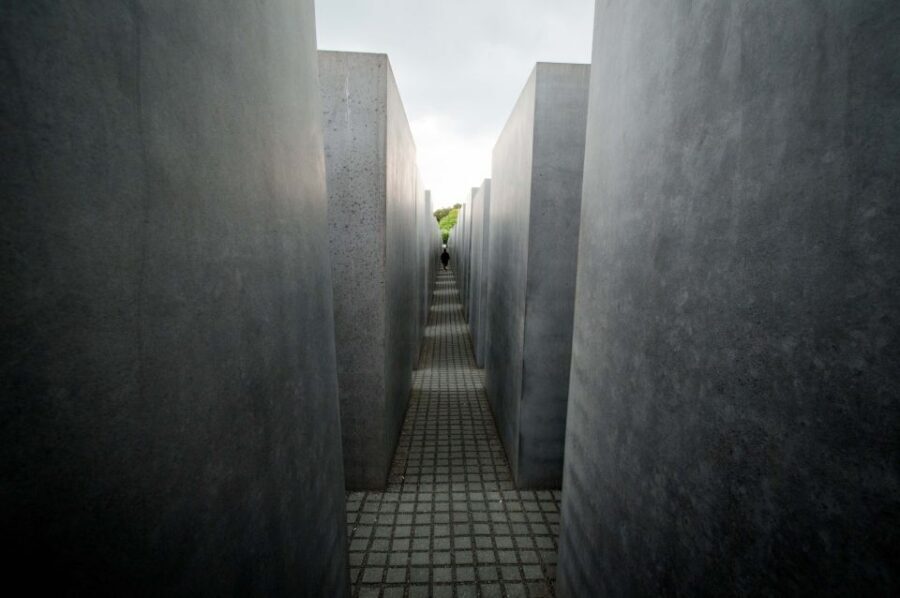
- Checkpoint Charlie and Berlin Wall escapes: You connect the dots between the Cold War and what ordinary people tried to do to survive.
- Brandenburg Gate and Palace Square: You see how imperial power, nationalism, and later reinvention use the same monumental stage.
- Museum Island stop: You get a cultural counterweight to the political drama.
- Bebelplatz book burning memorial: You learn how propaganda targeted ideas—and how public space now holds that shame.
- Hitler’s suicide site: You stand at the edge of Berlin’s final chapter, with sobering context about what happened there in April 1945.
- Guides who tell the story in human terms: You’ll hear names and themes woven through the walk, not dumped as facts.
Getting Oriented: Prussian roots to today’s Berlin streets
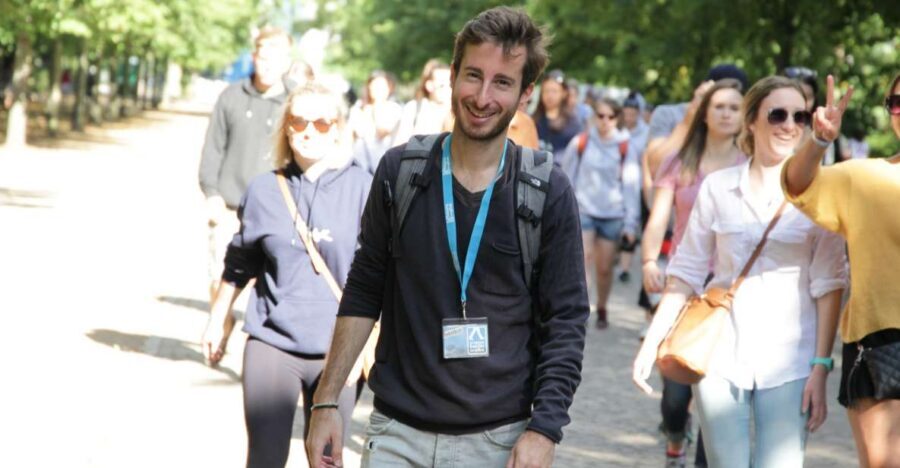
Berlin can feel like a pile of “eras” smashed together. The big win here is that the walk doesn’t treat history like separate chapters on a shelf. Your guide frames the city from its medieval beginnings (including its swampy origins) and then shows how each political shift reshaped the landscape you’re standing in.
That approach matters because Berlin’s buildings don’t come with labels that explain what changed underneath them. By the time you’re near the major monuments, you’ll understand why certain places carry so much political weight—and why Berlin still debates what to show, what to remember, and what to rebuild.
You can also read our reviews of more walking tours in Berlin



Checkpoint Charlie and the Cold War pressure points
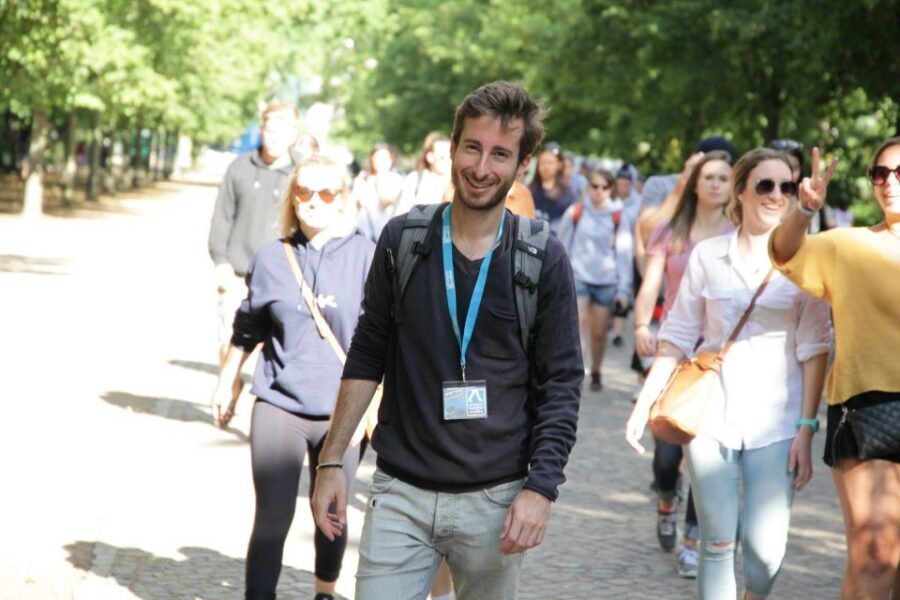
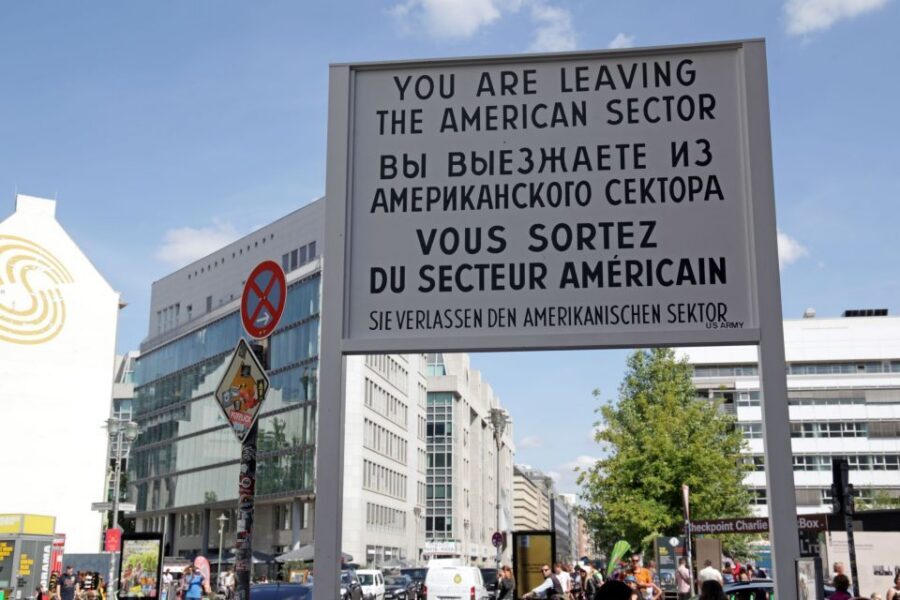
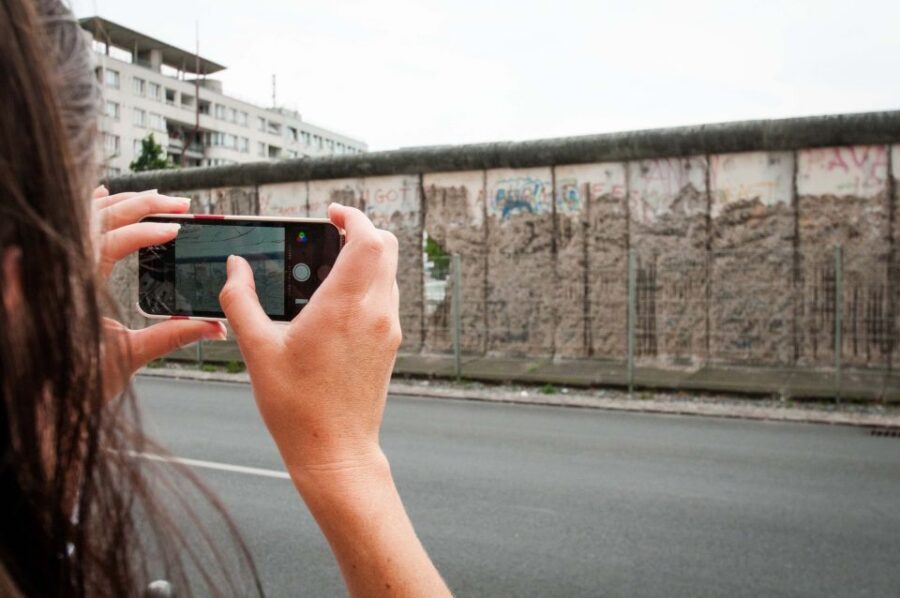
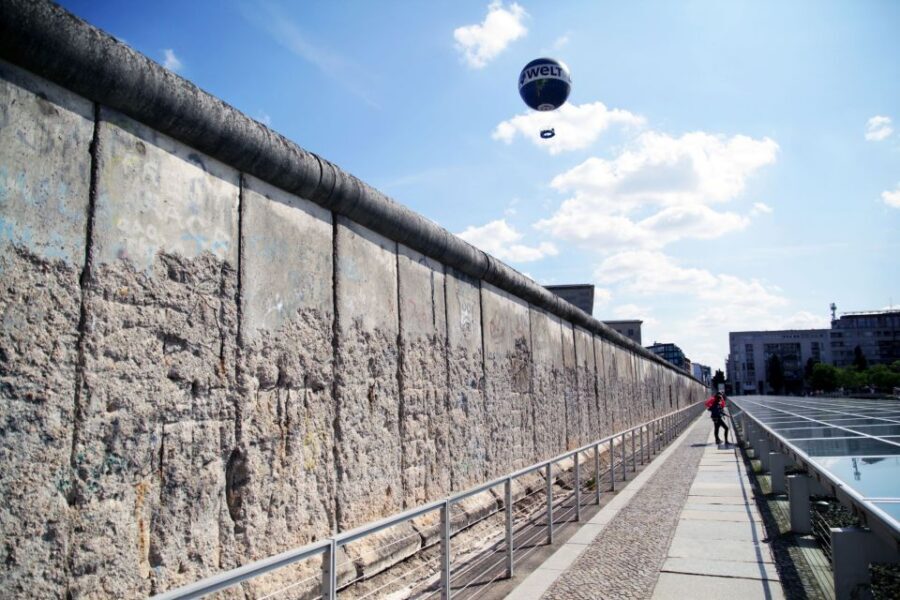
If you only visit one symbol of the Cold War, make it this stop. Checkpoint Charlie is where the story becomes immediate: checkpoints, borders, and the daily reality of living in a divided city. Your guide links the checkpoint to the broader system of the Berlin Wall, including the high-stakes tension of attempted escapes.
You also pick up the kind of detail that makes the scene feel real. The walk brings in well-known figures connected to this period—your guide may mention JFK—and uses them to show how Berlin sat at the center of global power games, not just German ones. That’s when the Cold War stops being a vague concept and becomes a lived pressure.
One caution: the themes here are political and human at the same time. If you’re someone who prefers lighter sightseeing, this is the part where you might feel the heaviness first.
Brandenburg Gate and Palace Square: why power keeps reinventing itself
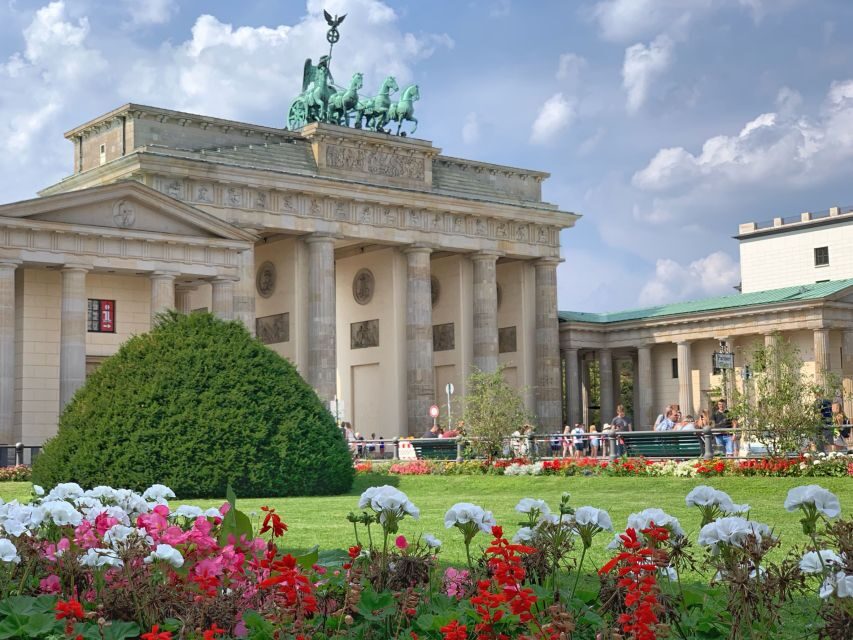
The Brandenburg Gate is famous for a reason, but what makes it click on a guided walk is the “why now” behind it. Your guide ties it to earlier Prussian and imperial ambitions, then follows how later regimes claimed monumental sites as propaganda tools. In other words, the gate isn’t just a photo backdrop—it’s a stage that different leaders tried to use for their own message.
Close by, Palace Square and major civic landmarks help you understand Berlin’s habit of building big when it wants authority to look permanent. You’ll also see how later eras tried to rewrite meaning without erasing the past. Even when the buildings look unchanged at first glance, the context around them shifts the whole interpretation.
Museum Island: culture as a counterweight to politics
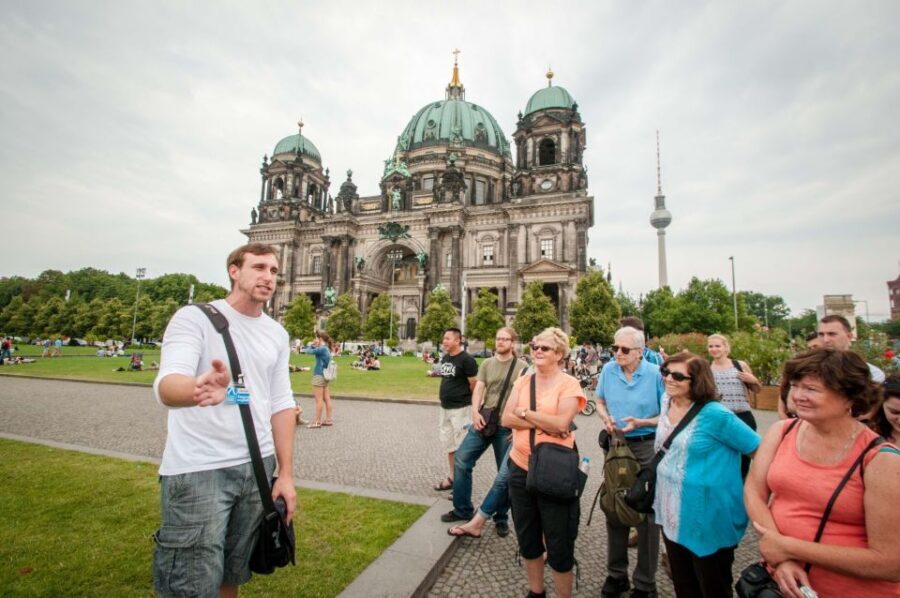
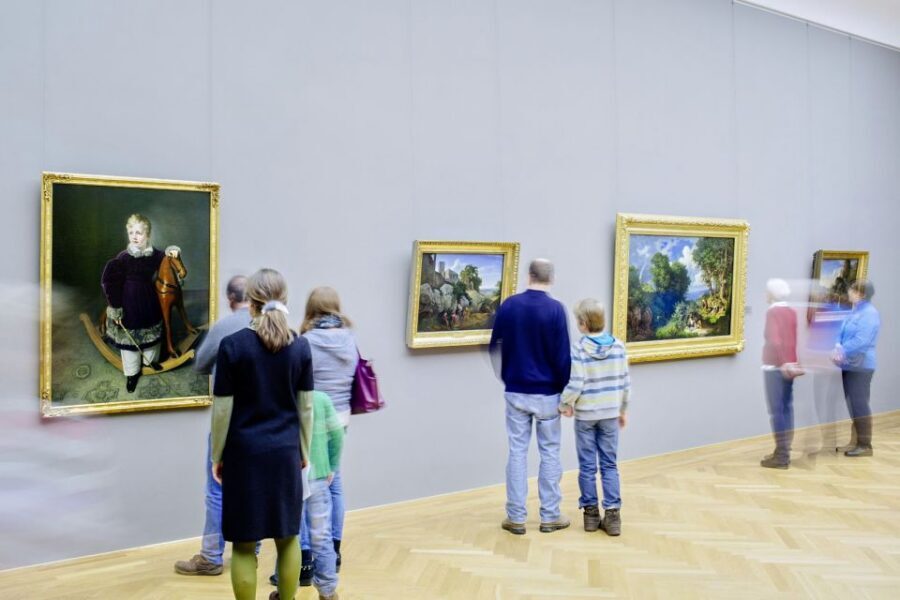
Not every stop is about war and ideology, which is a relief. Museum Island gives you a different lens: Berlin’s investment in art, learning, and public culture. It’s an important contrast because it shows what the city values when it isn’t locked into conflict and surveillance.
On this kind of walk, culture works best when you understand it as part of city identity. Your guide folds in the idea that the same city that built monumental power also tried to project intellect and prestige. You end up with a more balanced view of Berlin than you get from focusing only on the darkest chapters.
If you love history but hate “all weight, no variety,” this stop helps keep the day readable.
Bebelplatz and the Nazi book burning memorial: ideas targeted in daylight
At Bebelplatz, the tour gets intensely thought-provoking. You’ll learn about the Nazi book burning and the chilling logic of targeting ideas in a public setting. What hits hardest is that the event wasn’t hidden. It was meant to be seen, to intimidate, and to define what counted as acceptable thought.
There’s also a practical layer to this stop: your guide talks about controversies over the design of the memorial. That matters because Berlin doesn’t just remember history—it argues about how to remember it. Standing there, you’ll understand why memorial design isn’t neutral. It shapes what people feel, and it influences how future generations interpret the act.
Come prepared to slow down here. The pause is part of the experience.




Standing over Hitler’s suicide site: Berlin’s final days in context
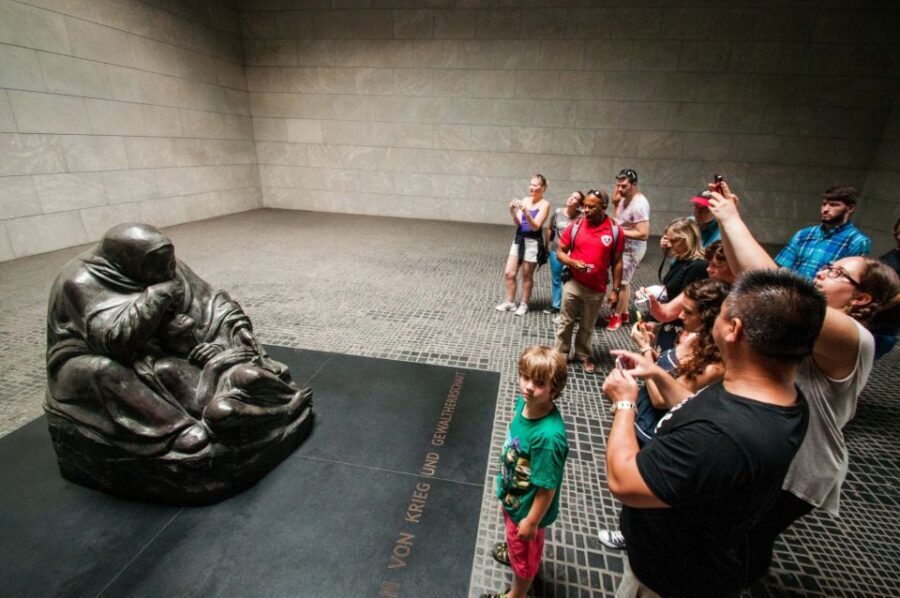
Few places carry more emotional gravity than the site of Hitler’s suicide. This is one of those stops where your guide doesn’t just point you at a location. You get framing about what was happening in April 1945 and how Berlin’s end played out.
The tour also connects this moment to the wider Nazi collapse and then to what came after. Even with the heavy subject matter, you’ll be guided through it in a way that aims for clarity rather than shock. That’s useful, because the temptation with WWII sites is to treat them like set pieces. Here, the story stays focused on why the end mattered and what followed.
If you’re sensitive to war history, I’d treat this stop like a checkpoint of your own. You don’t need to force emotions into a neat shape. Let the meaning land at your pace.
How the guide turns street corners into a timeline
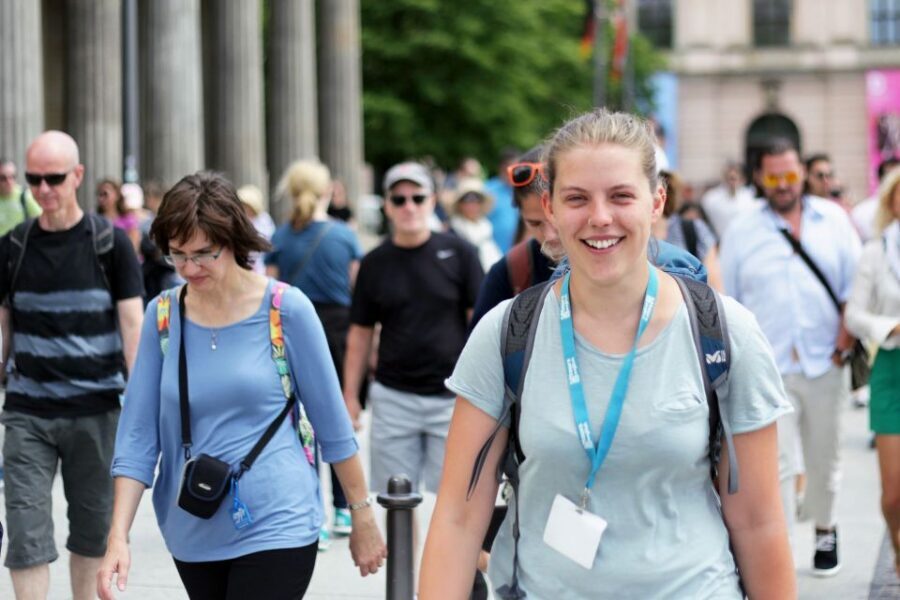
This tour earns its high rating because guides don’t just recite dates. They explain connections. You’ll hear how themes like Prussian, Imperial, Nazi, Cold War, and 21st-century Berlin fit together in the same city blocks.
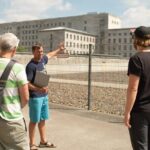
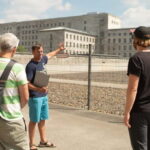
Some of the guide styles you might encounter include historians and archeologists like Anja, who brings historical framing that stays understandable even when the subject matter is complex. Others—like Philipp—lean warm and passionate, tying history to current city culture so you’re not left with a museum-like experience on the street. Guides such as Ben and Joel have a knack for pacing, too, keeping you on schedule while still answering questions.
I also like that the tour seems to plan for comfort in unpleasant weather. If conditions are brutal, guides may pause in warmer or sheltered spots and keep the group moving without turning it into a slog. On icy days, you could even see small practical touches—like someone making sure a guest has what they need.
That’s the difference between a “walk and point” tour and a walk that helps you actually understand what you’re seeing.
Time and weather: how a 2–4 hour route fits your day
The duration is listed as 2–4 hours, and that range is exactly what makes this workable for visitors. If you take a shorter option, you still get the big anchors of central Berlin. If you choose longer, you’ll have more time for stops, explanation, and lingering where a particular place demands it.
Just plan for the pace of walking through central Berlin. You’ll be on your feet for a while, and the tour runs rain or shine, so bring a real rain plan. Comfortable shoes matter as much as your outfit, because you’ll want to stay stable during stops and transitions.
If you’re doing Berlin in limited time, this is a strong first-day choice. It gives you structure so the rest of your sightseeing feels less random.
Price and what you actually get for $23
At $23 per person, you’re not paying for a museum ticket or a special exhibit. You’re paying for interpretation: a guide who connects major sights into one coherent story across eras.
That’s good value if your goal is “learn what I’m looking at.” If your goal is only to collect photos and check boxes, you might feel like paying for someone’s narration is optional. But if you want to understand why Brandenburg Gate, Checkpoint Charlie, Museum Island, Bebelplatz, and Hitler’s final location belong to the same city narrative, the math makes sense quickly.
Also remember: you’re paying for language support too. The tour runs in English and German, so you don’t have to figure out context on your own while you’re walking.
Who should book this Berlin walking tour
This works best for you if:
- You’re a first-time visitor who wants a clear overview fast.
- You like history, but you want it explained with story and context, not just signs.
- You want major sites in central Berlin without hopping between separate destinations all day.
- You prefer a guide to help you connect the themes, especially around WWII and the Cold War.
It’s less ideal if you want only cheerful sightseeing or if you’d rather spend your day inside museums and galleries with long breaks.
For most people, though, it’s a smart way to build a foundation—then you can choose later whether you want more time at specific locations.
Should you book this walking tour?
Yes, book it if you want the shortest path to understanding modern Berlin through its hardest moments. The best reason is simple: you’ll see major landmarks while your guide ties them to a timeline you can actually remember.
I’d skip it or consider alternatives if you know you don’t want WWII and Nazi-era material handled directly. But if you’re willing to face the serious parts of Berlin’s story—and you want help making sense of it—the experience is a strong fit.
If you have limited time and want real value for your sightseeing hours, this is one of the most practical ways to get oriented.
FAQ
How long is the Berlin walking tour?
The tour lasts 2 to 4 hours, depending on the option you choose and how your guide paces the walk.
What sights are included?
You’ll visit major central landmarks such as Checkpoint Charlie and the Brandenburg Gate, plus Museum Island, Bebelplatz (the Nazi book burning site), and the site of Hitler’s suicide, along with other significant locations like Berlin Cathedral and Palace Square.
What’s included in the price?
The tour includes a live guide.
Is the tour offered in English?
Yes. The tour is available in English and German.
Does the tour run in bad weather?
Yes. The tour takes place rain or shine, so bring weather-appropriate clothing.
Is there a private group option?
Yes. A private group option is available.
Where do we meet?
The meeting point may vary depending on the option booked.
Can I cancel if plans change?
There is free cancellation up to 24 hours in advance for a full refund.