REVIEW · BERLIN
Potsdam: 5-Hour-Tour “Parks & Palaces” from Berlin by VW-Bus
Book on GetYourGuide →Operated by Terra Incognita Tours · Bookable on GetYourGuide
Potsdam feels like a palace playground. This VW bus day trip makes the whole idea of a palace visit feel manageable: you zip between parks and palaces, get out to stroll, and you avoid the worst of the crowds. I especially love how the tour pairs Sanssouci (for the garden-and-palace wow factor) with Cecilienhof (for the 1945 Potsdam Conference context), so the sights connect to real stories fast.
One thing to plan around: many palace buildings in Potsdam are closed on Mondays (with the New Palace as the exception).
In This Review
- Key Highlights You’ll Actually Feel On the Ground
- A 5-Hour Potsdam Palace Day From Berlin in a Comfortable VW Bus
- First Stops: Charlottenburg, Königsstraße, and Potsdam’s Old Town Signals
- Park Babelsberg to Glienicke Bridge: Where the Geography Tells the Story
- Bornstedt Crown Estate and the Sanssouci Approach
- Sanssouci Palace Grounds: More Than One Stop, One Big Garden Idea
- Dutch Quarter Drive-Through and the Estate Neighborhood Feel
- Alexandrowka and the Forbidden City: When the Tour Turns Cold War
- New Garden Highlights: Marble Palace, Cecilienhof, and the Potsdam Conference
- Pfingstberg Belvedere: The View That Puts Everything Together
- Price and Value for a Group of Up to 2
- Who This Potsdam Tour Fits Best
- A Note on the Guide Style (And Why It Matters)
- Should You Book This Potsdam Parks & Palaces VW Bus Tour?
- FAQ
- How long is the Potsdam Parks & Palaces tour from Berlin?
- Is this tour private?
- What transportation is included?
- What’s included in the price?
- Are entrance fees included?
- Which languages are offered, and do you get hotel pickup?
- FAQ
- Can I cancel for free?
- Are most palaces open every day?
- Is the tour wheelchair accessible?
- Where does the tour focus within Potsdam?
- What does the itinerary include besides palaces?
Key Highlights You’ll Actually Feel On the Ground
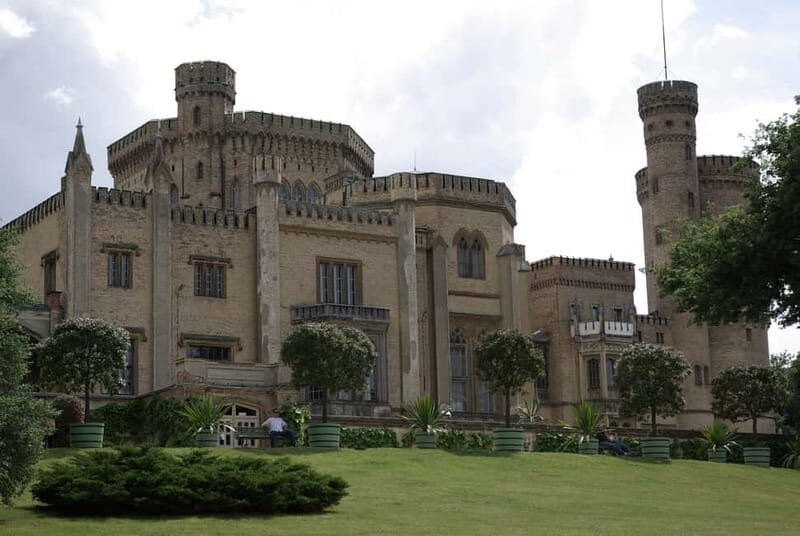
- A private-group rhythm: small-group pacing that gives you time to walk, not just pose.
- Sanssouci Palace and Baroque garden time: enough breathing room to enjoy the grounds.
- Cecilienhof and the Potsdam Conference: history you can point to, not just read about.
- Glienicke Bridge + Havel views: quick geography lessons with photo-worthy scenery.
- Alexandrowka and the Cold War sites: a surprising switch from royal elegance to KGB-era atmosphere.
- Pfingstberg viewpoint finish: a strong end view over Potsdam’s highlights.
A 5-Hour Potsdam Palace Day From Berlin in a Comfortable VW Bus
If Potsdam sounds like an all-day mission, this tour fixes that. You ride in a comfortable, air-conditioned VW bus, and the route is built for maximum highlights in five hours. That matters because Potsdam’s famous places aren’t all clustered on one tiny square. They’re spread across estates, gardens, bridges, and neighborhood zones—so getting there efficiently is half the value.
You also get a guide who can keep the story straight while you’re moving. That’s the real difference between driving yourself and joining a guided format. You’ll learn what you’re looking at as you go: the Hohenzollern stronghold vibe, how the cultural landscape grew around Baroque design, and why UNESCO status applies to the whole setting—not just one building.
One more practical win: pickup is included from hotels within 10 kilometers of Berlin’s Brandenburg Gate. That cuts down the “where do we meet” stress and keeps your day trip on schedule.
You can also read our reviews of more tours and experiences in Berlin.



First Stops: Charlottenburg, Königsstraße, and Potsdam’s Old Town Signals
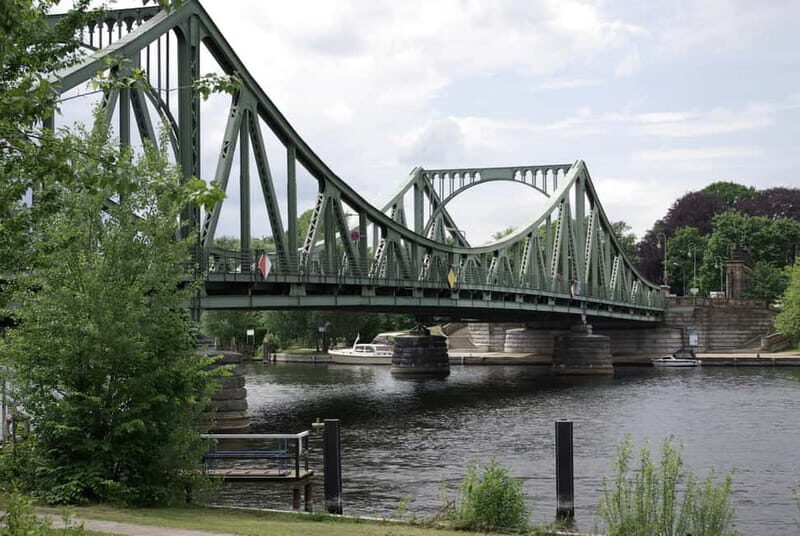
The tour starts by getting your bearings before you go full-on palace mode. You’ll see Charlottenburg Palace along the way and then head along Königsstraße, which helps you understand that Potsdam isn’t just gardens and royalty—it also has a proper city core.
Then you drive toward Potsdam’s old market area, with key landmarks visible in sequence: St. Nicholas’ Church, the old town hall, and the new parliament building designed closely on the old city palace. Even if you only have minutes here, it helps you “read” Potsdam as a place that has kept changing governments and styles, not just maintaining a single royal image.
The route also crosses into the “story area” that connects Berlin’s suburbs to Potsdam’s estates. That’s why the next stop after the city center feels logical: you’re leaving the urban layer and moving into the royal-park world.
Park Babelsberg to Glienicke Bridge: Where the Geography Tells the Story
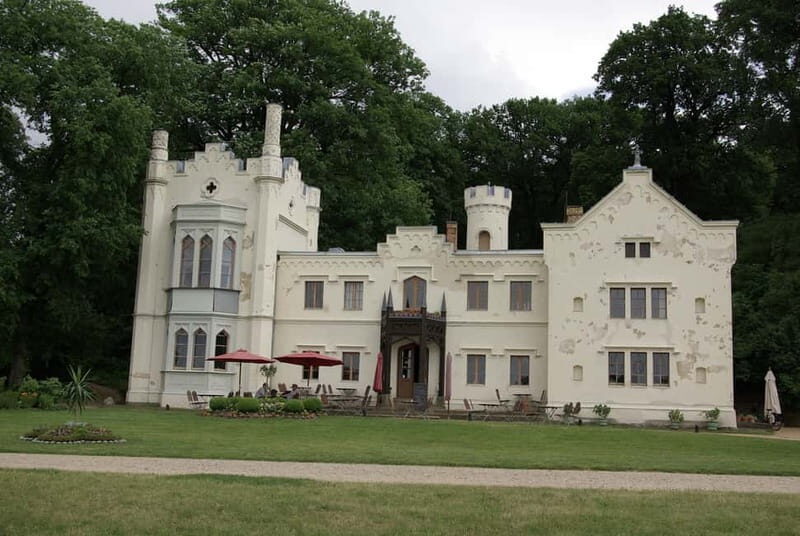
Park Babelsberg is your first real taste of the grounds that make Potsdam famous. This is where you get to see how the estates relate to the river setting—how the Havel scenery works as part of the design, not as scenery you’re stuck beside.
From here you continue across the Glienicke Bridge, a crossing that gives you a quick reality check about Potsdam’s location. It links the East-West tension of the Cold War era with the physical geography people later used for power, secrecy, and movement. You’ll feel that connection later too, when the tour goes into Cold War-related stops.
If you like photo breaks, this is one of the sections to watch for. Even when you’re not “wandering” for long, the bridge and river views give you visual anchors. Those anchors make the palaces feel like they belong to one larger plan.
Bornstedt Crown Estate and the Sanssouci Approach
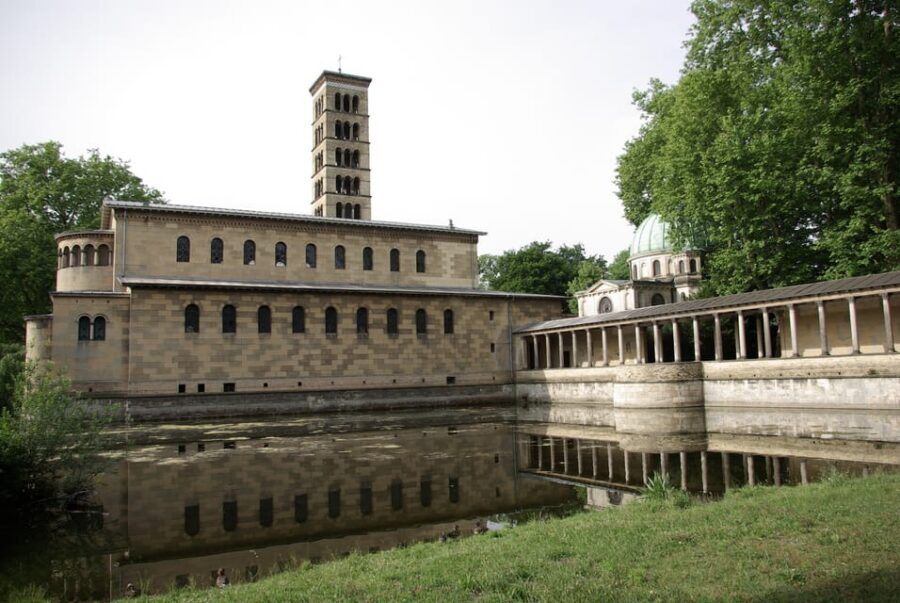
After crossing bridges and moving through residential zones, the tour heads toward Bornstedt Crown Estate. This part is a gentle transition: you’re shifting from the city streets into the estate logic where walking routes, garden sections, and sight lines matter.
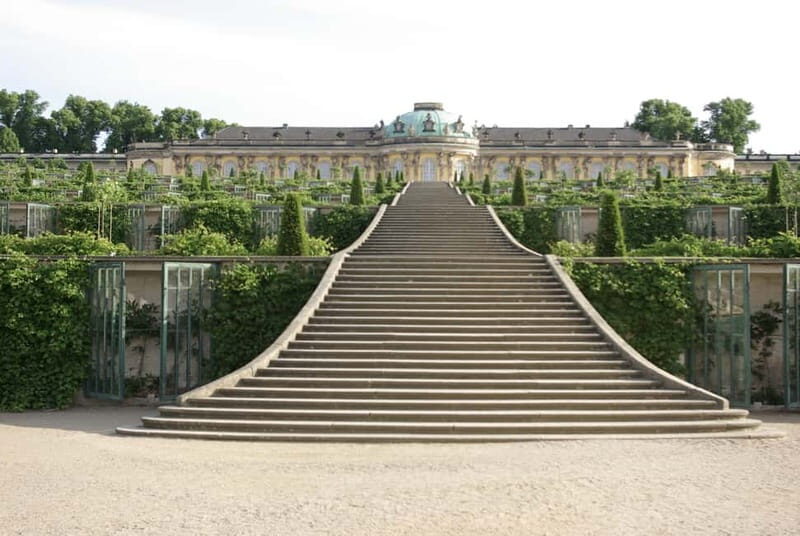
You’ll stroll toward Park Sanssouci, and the first big destination comes quickly: Sanssouci Palace and its Baroque garden. Here, timing is everything. You’re not just looking at a building. You’re getting set up to understand why the gardens are treated as part of the palace experience. The Baroque design isn’t background—it’s the stage.
Tip for your visit: if you’re deciding how much energy to spend, prioritize the garden walk around the palace area. It’s the part that’s easiest to enjoy even if you’re not lingering inside every structure.
Sanssouci Palace Grounds: More Than One Stop, One Big Garden Idea
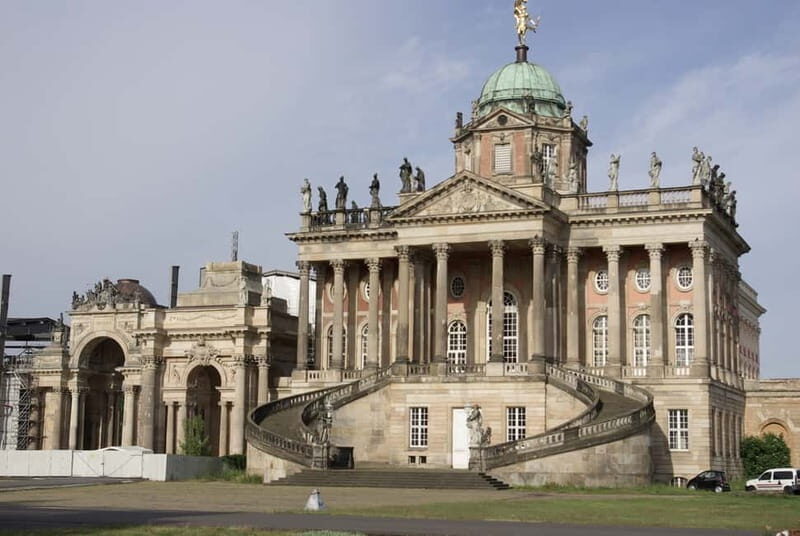
Sanssouci is the name most people recognize, and this tour uses that recognition the right way. You start with the palace of the same name and then you may have time for more garden and palace highlights depending on your schedule and interests.
If you’re trying to pick what matters most, here are the standout options the tour includes time for:
- Marly Garden of the soldier king: a unique garden concept tied to the ruler’s image-building.
- Church of Peace: a solemn stop that fits the “power with meaning” story arc.
- Charlottenhof Palace: another royal residence that broadens the view beyond Sanssouci’s singular focus.
- New Palace and the gallery of Frederick the Great: good choices if you want the grander, more formal side of the estates.
What makes this section valuable is that the guide can help you choose without turning it into a checklist sprint. The goal isn’t to see everything—it’s to see what connects, then have enough time to actually experience the park.
Also note the Monday reality: most palace buildings (with the New Palace as the exception) are closed on Mondays. If your travel dates land on a Monday, you can still enjoy the grounds and the overall UNESCO cultural setting, but your inside-the-building expectations should be flexible.

Dutch Quarter Drive-Through and the Estate Neighborhood Feel
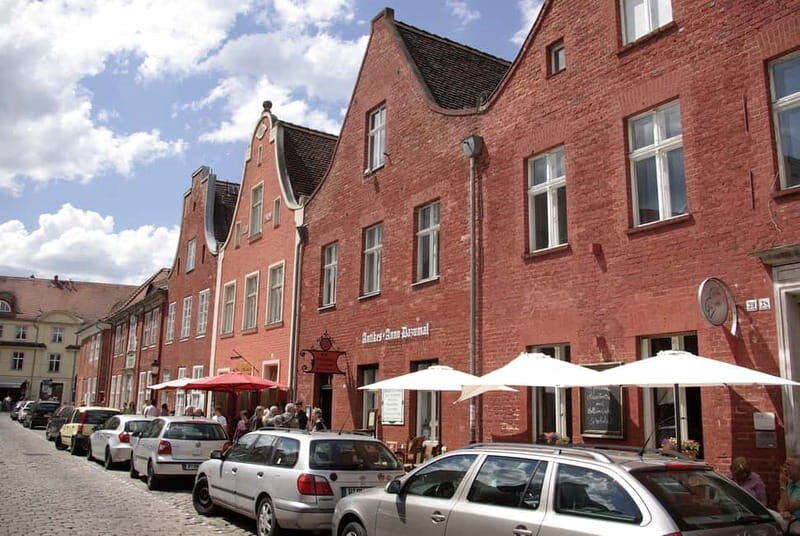
You’ll also pass through the Dutch Quarter as part of the route. You’re not hanging around here for a long time, but it’s an effective visual break. It shows Potsdam isn’t only Baroque royal estates. There are neighborhood layers—community blocks and historic planning styles—that sit next to the grand power structures.
This kind of drive-through stop helps if you’ve ever felt confused in Potsdam: why things can look different within a short distance. The answer is that estates expanded and reorganized around power, architecture, and controlled sight lines. The Dutch Quarter acts like a “pause” that makes those contrasts easier to understand.
Alexandrowka and the Forbidden City: When the Tour Turns Cold War
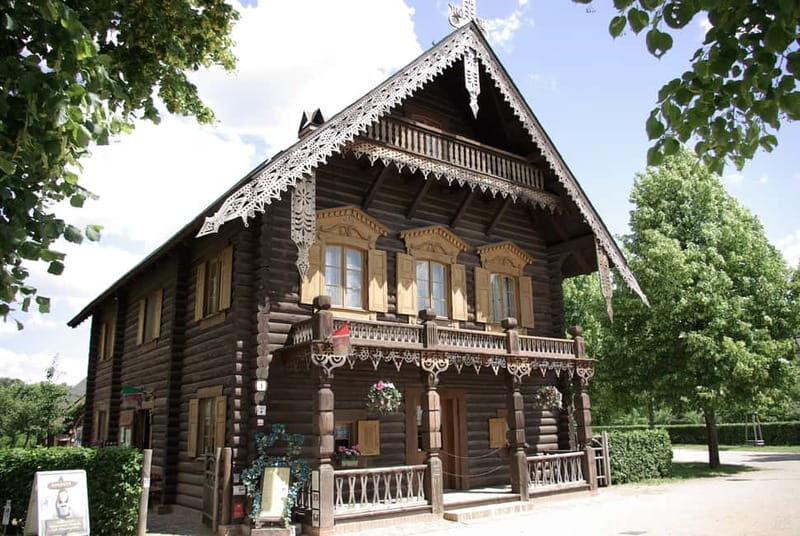
This is one of the more surprising parts of the day. Instead of staying in a purely royal theme, the route goes through Alexandrowka and the “Forbidden City,” described as the European headquarters of the KGB during the Cold War.
It’s a strong reminder that Potsdam’s story isn’t frozen in the 1700s. The same area that hosted royal design and conference diplomacy also got used for modern intelligence operations. Seeing this shift during a single five-hour window makes the Cold War feel less abstract.
One practical note: because this is a guided, timed format, you’ll want to be mentally ready for the tone shift. Expect atmosphere, explanations, and context rather than a long open-ended wander.
New Garden Highlights: Marble Palace, Cecilienhof, and the Potsdam Conference
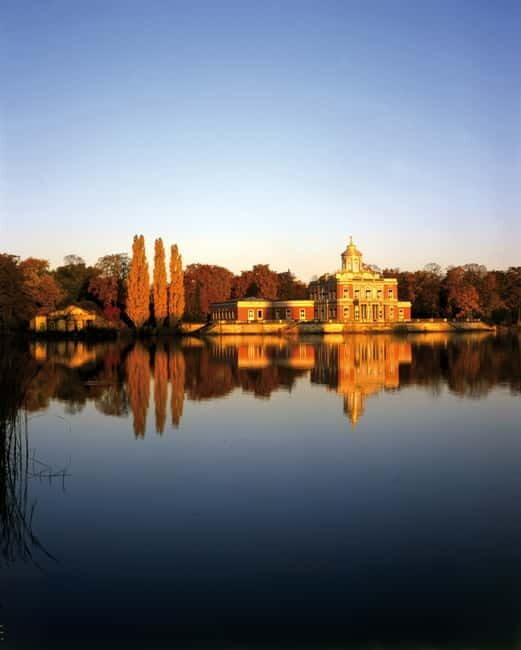
Next comes New Garden, where the tour slows down in meaning even if the clock is still moving. You’ll see the Marble Palace and then one of the most important stops of the entire day: Cecilienhof Palace.
Cecilienhof is where in 1945 the Potsdam Conference took place. That’s not just a name to memorize. It’s the kind of place where you’ll understand why diplomacy, divisions, and reconstruction mattered so much. When you stand in or near sites tied to major postwar decisions, the history stops being a timeline and becomes geography—rooms, locations, and power in a physical space.
From a visitor standpoint, Cecilienhof is one of the best “history-to-sight” connections in the region. You don’t have to be a history buff to get it. The guide’s job here is to help you connect what happened to what you’re seeing now.
Pfingstberg Belvedere: The View That Puts Everything Together
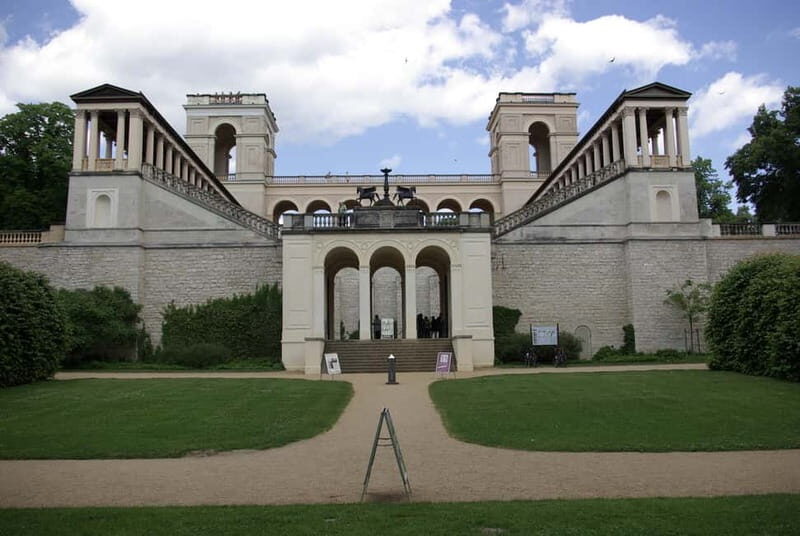
You end this palace day with a payoff view at the nearby belvedere on Pfingstberg. This is the moment where Potsdam stops being a set of separate stops and becomes one planned system of estates, gardens, and viewpoints.
From the viewpoint area, you can look back across Potsdam’s highlights and see why this area earned UNESCO recognition for the way the components relate to one another. It also gives you a calm close to the day if you’ve been walking and driving nonstop.
If you’re the type who likes photos, plan for a few minutes here even if you feel “done.” The view is the kind that makes your previous stops snap into focus.
Price and Value for a Group of Up to 2
The price is $448 per group up to 2 for a five-hour private tour. On paper, that might sound like a lot. In practice, it’s a sensible structure because you’re paying for three things that add up quickly if you DIY:
1) guided interpretation (the “what you’re looking at” part),
2) private transport in a comfortable VW bus,
3) a route designed to make multiple far-flung sites fit into one morning or afternoon.
If you’re traveling as a couple, the effective cost per person drops a lot compared with paying for separate tours or trying to string public transit plus timed entry tickets together. Entrance fees aren’t included, so you’ll still want to budget for those if you plan to go inside multiple palaces. But the guide-led route helps you decide what’s worth paying for on the day you’re there.
Who This Potsdam Tour Fits Best
This tour makes the most sense if you want a high-impact day without turning it into a stressful logistics puzzle. It’s ideal for:
- couples who want a private-group format,
- first-time visitors who want the major Potsdam anchors (Sanssouci and Cecilienhof),
- travelers who like guided context and can’t stand the feeling of standing in front of a palace with only a vague idea of what it is.
It also works well for families in a practical way. In the past, this kind of itinerary has been praised for giving kids space in the gardens while adults take in the highlights and views. If your group includes mixed ages, the parks and walking portions are your friend.
A Note on the Guide Style (And Why It Matters)
The guide experience seems to be a core reason people feel satisfied at the end of the day. Guides like Johannes are described as punctual, flexible, and willing to tailor the pacing to what the group wants. Another guide credited by name is Herr Westerkamp, who provided a trip many felt they’d happily repeat.
Even if you only have five hours, that tailoring matters. It’s the difference between a rushed route where you skim everything and a route where the guide helps you hit the right highlights for your interests.
Should You Book This Potsdam Parks & Palaces VW Bus Tour?
I’d book it if you want a fast, guided, high-value Potsdam introduction that connects palaces, gardens, and major historical context. The combination of Sanssouci, Cecilienhof, bridge-and-river geography, and a Cold War stop gives you a day that feels like more than a standard “pretty buildings” tour.
I wouldn’t book it if your main goal is maximum time inside specific palaces and you’re visiting on a Monday, since many buildings are closed (except the New Palace). You can still enjoy the setting and the guided route, but your inside-the-building expectations need to be flexible.
FAQ
How long is the Potsdam Parks & Palaces tour from Berlin?
The tour lasts 5 hours.
Is this tour private?
Yes. It’s a private group, and the pricing is per group up to 2.
What transportation is included?
Transport is provided by a comfortable, air-conditioned VW bus.
What’s included in the price?
The tour includes a tour guide, transport by VW bus, and related reading material onboard.
Are entrance fees included?
No. Entrance fees are not included.
Which languages are offered, and do you get hotel pickup?
The live guide is available in English and German, and pickup is included at hotels within 10 kilometers of Brandenburg Gate in Berlin.
FAQ
Can I cancel for free?
Yes. You can cancel up to 24 hours in advance for a full refund.
Are most palaces open every day?
Most palaces in Potsdam are closed on Mondays, except the New Palace.
Is the tour wheelchair accessible?
Yes, the tour is wheelchair accessible.
Where does the tour focus within Potsdam?
It focuses on parks and palaces, including Sanssouci Palace, Cecilienhof Palace, and several scenic and historical stops like the Glienicke Bridge area and Cold War-related sites.
What does the itinerary include besides palaces?
It includes drives and stops that cover the Havel area views, the old market square with major landmarks, and areas like the Dutch Quarter, Alexandrowka, and the “Forbidden City.”