REVIEW · BERLIN
Historyof the Trans, Queer & Gay communities of Berlin tour
Book on GetYourGuide →Operated by Gali Jaffe - Archaeology Online · Bookable on GetYourGuide
Berlin makes more sense when you walk it.
This Trans-led tour ties together queer, trans, and gay history with real streets you can still see today, starting by the Spree at the Dr. Magnus Hirschfeld Institute site. I like that the guide, Gali Jaffe, brings context with clarity, not just facts on a sign. I also like how the walk stays in the side-streets and neighborhood details that most quick sightseeing misses. One catch: you’ll need a valid Berlin public transport ticket for parts of the route.
You get a focused, small-group experience (up to 10 people) and a compact, 2-hour route that mixes walking with a short bus ride. It’s not set up for kids under 16, so plan on it as an adult-oriented cultural outing. The tour runs in English and is also available in Hebrew, which makes it easier to match your comfort level.
If you’re the type who wants more than landmarks, this is for you. You’ll leave with new place-names, a better sense of how Nollendorfkiez became a center for LGBTQIA+ life, and a free map to keep exploring after the walk ends at Wittenbergplatz.
In This Review
- Key things to know before you go
- Why the Spree/Hirschfeld start sets the tone
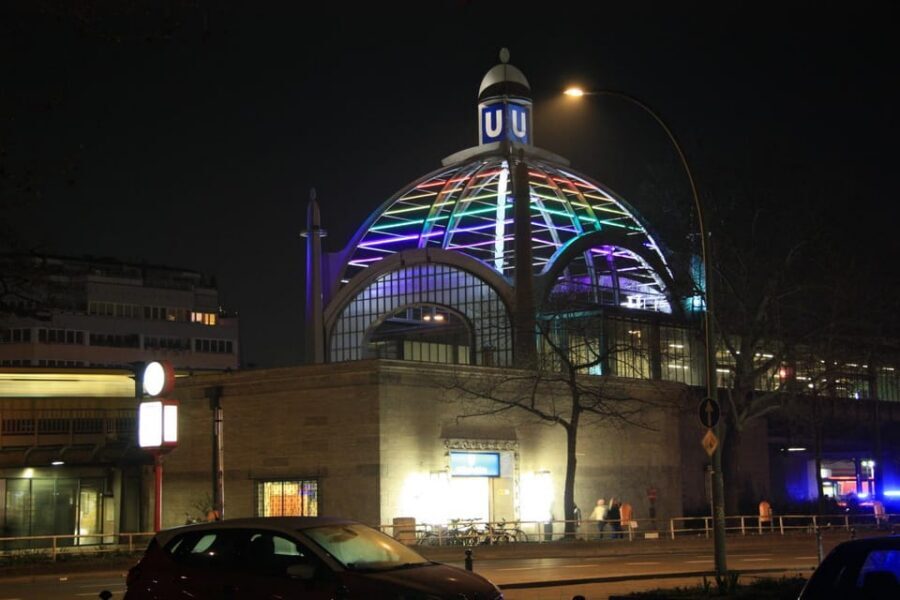
- Schöneberg walk: the Nollendorfkiez center of LGBTQIA+ life
- The bus hop: a small change that saves time
- Urban Nation Gallery stop (optional): street art as commentary
- The 2-hour pace: enough depth without a time sink
- Price and value: $58 for a small-group, Trans-led lens
- Where you meet and where the tour ends (so you can plan cleanly)
- Who this tour is best for (and who should skip it)
- Should you book this Berlin queer, trans & gay history tour?
- FAQ
- How long is the tour?
- Where do I meet the guide?
- Where does the tour end?
- Do I need a Berlin public transport ticket?
- Is the street art stop included?
- Is the tour suitable for children?
- What languages is the tour offered in?
Key things to know before you go

- Start by the Spree and Hirschfeld’s Institute site for a powerful Berlin origin point
- Guided by Gali Jaffe, a Trans woman guide who connects people, politics, and places
- Nollendorfkiez on foot—the neighborhood heart for LGBTQIA+ activity for more than 100 years
- Important neighborhood figures and spots you won’t get from a generic gay-spot list
- Urban Nation Gallery is optional, with free time to look at street art
- Small group, 2 hours, with a short bus ride and a needed public transport ticket
Why the Spree/Hirschfeld start sets the tone
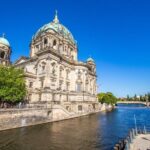
The tour begins at the Reichstag area, then you’ll head toward the Spree River where Dr. Magnus Hirschfeld built his Institute for the Science of Sexuality. This is a strong opening because it frames Berlin as more than nightlife districts. It’s about ideas, advocacy, and how communities build spaces—sometimes groundbreaking ones—then fight to protect them.
Hirschfeld’s institute is described as world famous and the first of its kind, and that matters here. You’re not just hearing that history exists. You’re standing near a physical anchor point in the city, which makes later stops in Schöneberg feel less like random spots and more like chapters in the same story.
I like that the guide doesn’t treat the opening as a lecture. You’re walking in a light, colorful way through less toured parts of Berlin, so you get context without feeling trapped in museum-mode.
A few more Berlin tours and experiences worth a look

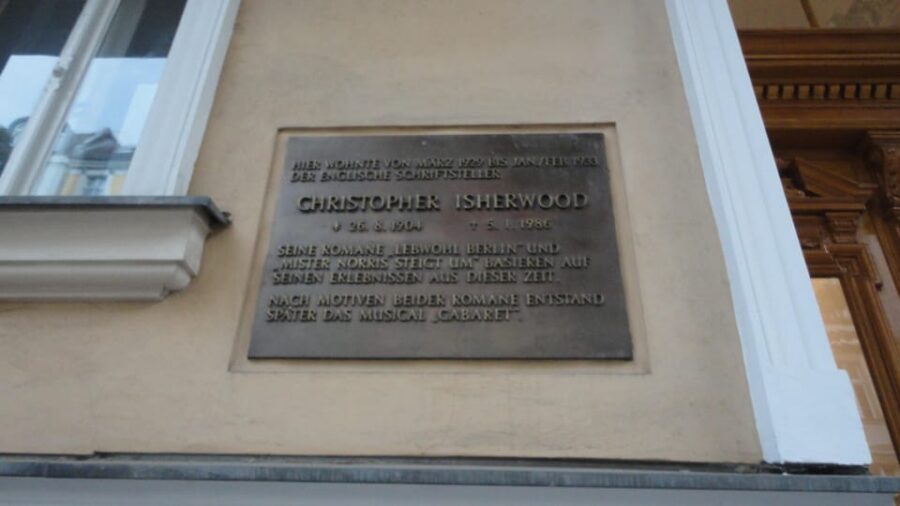
Schöneberg walk: the Nollendorfkiez center of LGBTQIA+ life
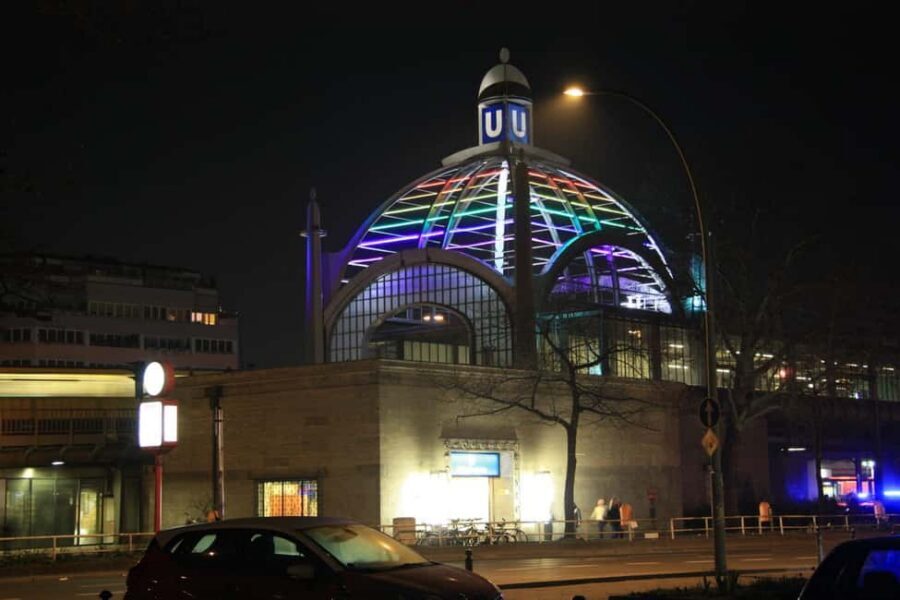
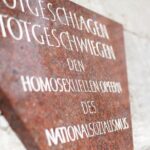
After a short ride by public transport, the tour shifts into Schöneberg, specifically the Nollendorfkiez area—often described as the heart of LGBTQIA+ activity in Berlin for over 100 years. That’s a long time, and it changes how you view the neighborhood. Instead of thinking of it as a scene that exists today, you start seeing it as an evolving community space with layers.
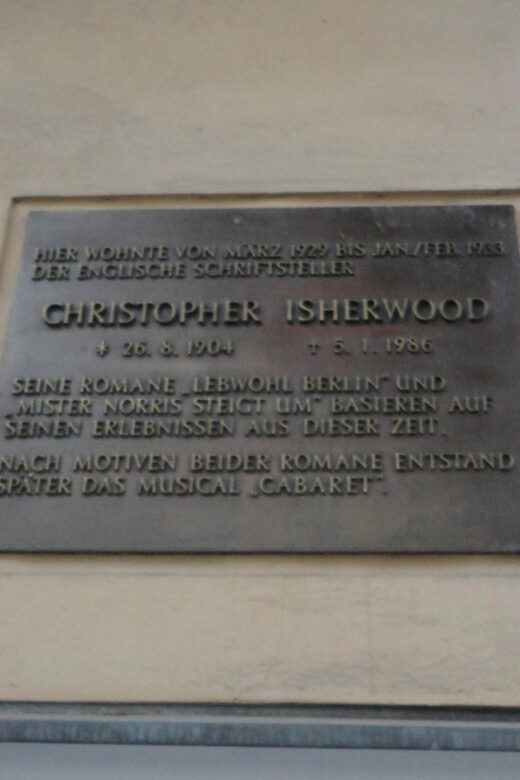
During this guided portion, you’ll learn the neighborhood’s history and hear about famous figures who lived there. The value is in the way the guide points out connections: how a place can become a meeting point, then a cultural hub, then a target, then something resilient again. Even if you only know Berlin from a few famous addresses, this tour helps you connect the dots to what you actually see on the street.
You’ll also look at important spots tied to Nollendorfkiez’s past. That’s where the walk becomes more than scenic. It turns into a street-level orientation: where people gathered, what the neighborhood represented, and why certain places became meaningful.
A practical tip: if you like taking notes, bring something quick to jot down names and street references. The tour moves at a human pace, but it’s dense with ideas, especially in the Nollendorfkiez section.
The bus hop: a small change that saves time

You’ll take a short bus ride during the tour. For many visitors, that’s the best of both worlds. You still get the street texture from walking, but you don’t waste your 2 hours grinding through transit changes.
This matters for value. A compact tour like this only works if you don’t burn time on unnecessary back-and-forth. The bus segment also helps keep the itinerary focused on the areas that connect well to the story the guide is telling.
Just plan around transit: you’ll need a valid Berlin public transport ticket. If you’re relying on a day ticket or app-based option, make sure it’s active before you meet. This is the one “gotcha” that can slow you down if you show up unprepared.
Urban Nation Gallery stop (optional): street art as commentary
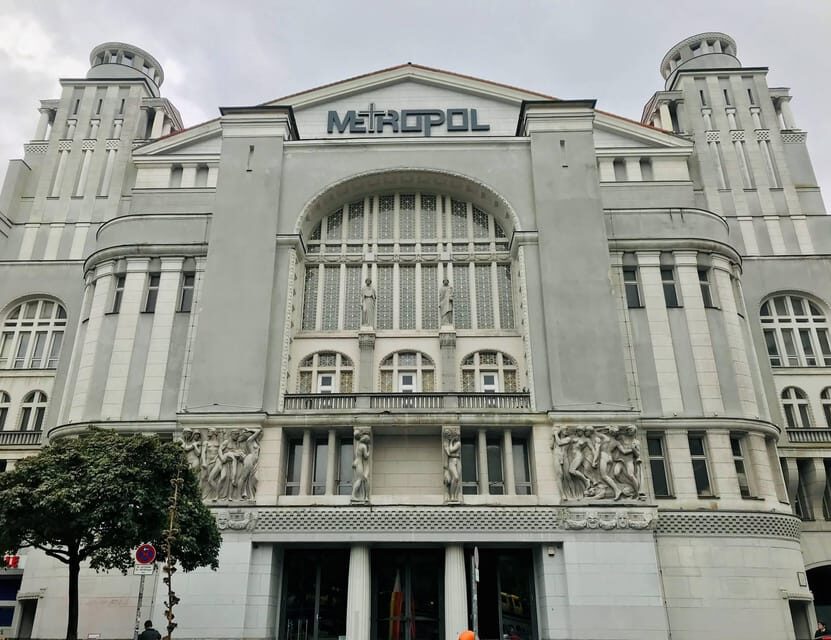
There’s an optional stop at Urban Nation Gallery. The idea here is smart: street art in Berlin often acts like a public conversation, not just decoration. You’ll get a guided moment, then free time to look around for about 20 minutes.
This stop is especially good if your brain likes creative connections. Nollendorfkiez history is about community life, identity, and visibility. Street art can reflect those themes in a more contemporary visual language—one that’s easier to notice if you’ve already been primed by the earlier neighborhood history.
If you’re short on energy, you can skip this portion and keep the tour strictly history-and-streets. But if you enjoy art that feels political or personal, it adds a different flavor to the same overall theme.
The 2-hour pace: enough depth without a time sink
This is a 2-hour experience, and it’s designed to feel doable even in a packed Berlin schedule. You’re not asked to spend half a day or more in transit. Instead, you get an efficient mix: a start in a meaningful landmark area, a walk by the Spree, a short transit transfer, then concentrated time in Schöneberg/Nollendorfkiez.
The group is limited to 10 participants, which makes a difference. In smaller groups, questions actually land, and the guide can react to your interests. From the feedback I’m seeing reflected in the tone of the tour, people liked that the guide can tailor the experience to what the group cares about.
Also, the guide’s personality seems to hit the sweet spot: warm and engaging, while still steering you toward key details and names. You don’t just get a script. You get a human conversation with a clear point of view.
If you’re sensitive to crowd noise, a smaller group may feel more comfortable than larger walking tours. And because the route includes both walking and a short bus ride, you get small rhythm changes rather than one long stretch of pavement.




Price and value: $58 for a small-group, Trans-led lens
At $58 per person for 2 hours, this isn’t the absolute cheapest way to get a Berlin neighborhood tour. I’d frame it as mid-range, with the price justified by two things you won’t replicate with a generic audio guide.
First, you’re paying for a live Trans woman guide, Gali Jaffe, who brings lived perspective and also connects it to documented, place-based storytelling. That turns the outing into more than sightseeing. It becomes an orientation to queer and trans history in Berlin, with a guide who can explain what the neighborhood meant to real people.
Second, you get “extras” that add practical value: a free Berlin Gay Map and access to unique locations tied to the community’s story. That map alone can help you keep momentum after the tour ends, so the cost doesn’t end the moment you say goodbye.
Is it pricier than some other 2-hour walking tours? It can be. But if you want a tour led by someone who knows the topic deeply and can answer questions with nuance, this pricing starts to feel fair—especially given the small group size.
Where you meet and where the tour ends (so you can plan cleanly)

You meet next to the white entrance buildings to the Reichstag. That’s a clear landmark, and it helps if you’re arriving from anywhere around central Berlin.
The tour finishes at Wittenbergplatz, specifically at 10 Berlin-Bezirk Tempelhof-Schöneberg. Ending at Wittenbergplatz is convenient. It’s a good area to continue your day, catch transit, or head toward shopping and cafés without feeling stuck far from the rest of Berlin.
If you want to grab something to eat right after, plan on doing it after you arrive at Wittenbergplatz, not before. The tour timing is compact enough that it can cut into meal plans if you try to schedule too tight.
Who this tour is best for (and who should skip it)

This tour fits best if you want queer, trans, and gay history told through streets rather than just through museums. If you like art, neighborhoods, and the way identities map onto real city spaces, you’ll likely enjoy it a lot.
It’s also a good pick for people who care about being led by a Trans woman guide and who appreciate when the narrative includes lived perspective, not just dates and names.
You should skip it if you’re traveling with children under 16, since it isn’t suitable for that age group. And if you strongly dislike public transport during tours, remember you’ll need a valid Berlin public transport ticket and you’ll use transit during the route.
Should you book this Berlin queer, trans & gay history tour?
Book it if you want a small-group, 2-hour tour that teaches you how Berlin’s LGBTQIA+ story actually shows up in real neighborhoods—starting by the Spree at the Hirschfeld Institute site, then moving into Nollendorfkiez in Schöneberg.
Don’t book it if you’re looking for a low-cost, big-group overview that you could get from a quick checklist. This is designed to be personal, guided, and place-specific. It’s more about understanding why these streets matter than just collecting “things to see.”
And if you can bring one thing to the experience, bring curiosity. The guide, Gali Jaffe, seems to make the tour engaging by tying together people, politics, and art. You’ll leave with more than photos—you’ll have better bearings for the rest of your time in Berlin.
FAQ
How long is the tour?
The tour lasts 2 hours.
Where do I meet the guide?
You meet next to the white entrance buildings to the Reichstag.
Where does the tour end?
The tour ends at Wittenbergplatz, at 10 Berlin-Bezirk Tempelhof-Schöneberg.
Do I need a Berlin public transport ticket?
Yes. The tour requires a valid Berlin public transport ticket.
Is the street art stop included?
Urban Nation Gallery is optional. If you do it, you’ll have a guided portion and then free time (about 20 minutes).
Is the tour suitable for children?
No. It isn’t suitable for children under 16.
What languages is the tour offered in?
It is available in English and Hebrew.