REVIEW · HANOVER
Hanover: Crime Tour by Bike
Book on GetYourGuide →Operated by Hannover Marketing & Tourismus GmbH · Bookable on GetYourGuide
Crime stories roll by on two wheels. This Hanover crime tour by bike turns the city into a living crime scene, mixing true cases with the early days of criminology. You get a ride that’s scenic in spots and creepy in the best way, especially when the route reaches the Maschsee area.
I love two things right away: you see Hanover from the bike saddle, and the guide keeps it grounded in real criminal cases (not just vague spooky talk). My second big favorite is the way the guide, Thomas, brings a police professional’s feel to the stories, with humor and clear connections between police work, justice, and crime.
One consideration: the tour is in German, and it’s not for you if you can’t comfortably ride a bike for 3.5 hours.
In This Review
- Key things to know before you go
- Hanover by Bike: Why a Crime Tour Works So Well
- Two Routes Across Hanover: North–South vs East–West
- Maschsee Segment: Pretty Waters, Real Crimes
- Rolling Beyond the Center: District Stories You Should Expect
- The Police–Justice–Crime Triangle and Criminology Beginnings
- Pacing, Comfort, and What to Bring for a 3.5-Hour Ride
- Price and Value: Is $28 Worth It?
- Who Should Book This (and Who Might Want to Skip It)
- Should You Book the Hanover Crime Tour by Bike?
- FAQ
- How long is the bike crime tour in Hanover?
- How much does the tour cost?
- What language is the live guide?
- Are there different routes to choose from?
- What will I see during the tour?
- What is included in the price?
- What should I bring with me?
- Is the tour suitable if I can’t ride a bike?
- Are meals and drinks included?
- Is cancellation free if I change my plans?
Key things to know before you go

- Two route options with new cases: north to south, or east to west, each time with different stories
- Maschsee section mixes beauty with bite: you’ll pass an idyllic stretch while learning about crimes tied to the area
- A clear crime-to-science storyline: you’ll connect cases to the triangle of police, justice, and crime, plus the beginnings of criminology
- Bike-friendly pacing: stops are spaced well so you’re riding more than you’re standing around
- One guide who sets the tone: Thomas’ background makes the tour feel practical, not theatrical
Hanover by Bike: Why a Crime Tour Works So Well
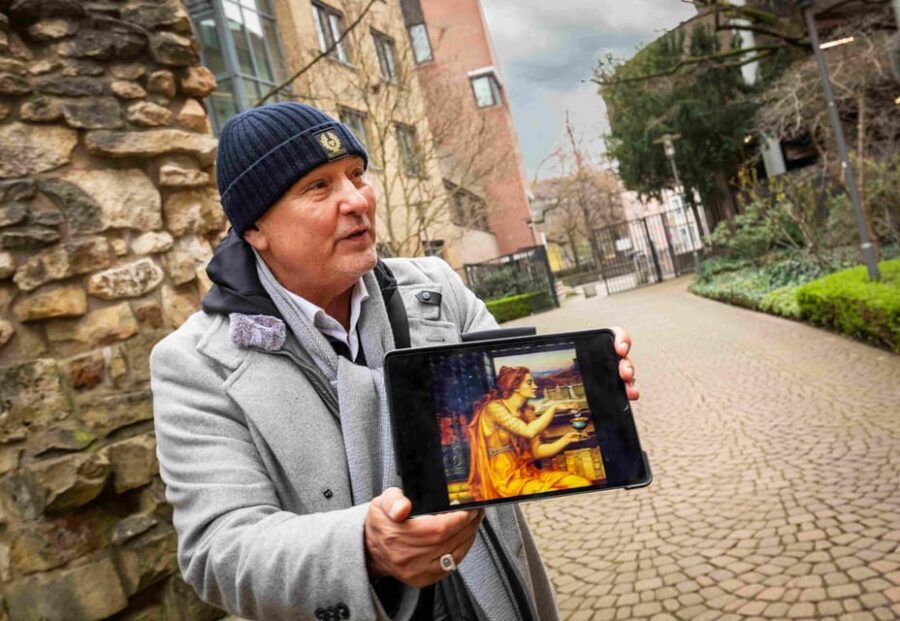
A crime tour can be done on foot, in a car, or on a bike. Doing it on two wheels is the smart choice here, because Hanover is built for movement and you spend more time experiencing the city than hunting for context. In 3.5 hours, the ride itself becomes part of the story: you watch how neighborhoods change and how the crime themes shift as you go.
What makes this one different is the blend of true criminal cases and “how it all connects” thinking. You’re not just told what happened—you’re shown how investigators and the justice system fit into the bigger picture. That structure helps the stories land, even if you’re not a criminology nerd.
Also, the tone is important. Thomas (the guide name you’ll hear a lot) has a way of telling stories with humor, which helps the tension stay interesting without turning the tour into pure heaviness.
You can also read our reviews of more cycling tours in Hanover

Two Routes Across Hanover: North–South vs East–West
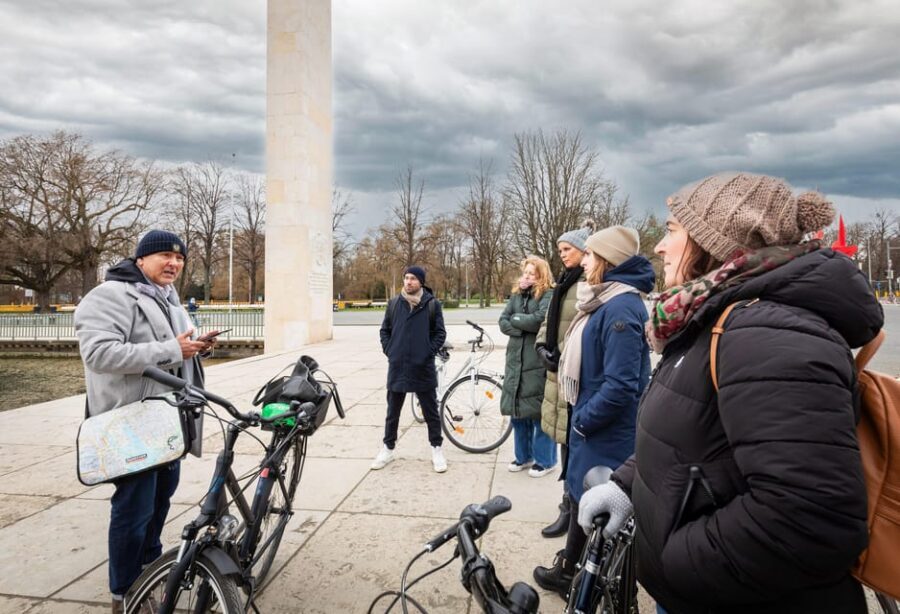
You can choose between two routes, and the key detail is that each one comes with different cases. That means you can do it once and still feel like you got a complete experience, but it also gives you a reason to come back if you want more.
- Route one runs north to south
- Route two runs east to west
Why does this matter to you? Because Hanover neighborhoods aren’t the same from every direction. When you ride a north–south line, you’ll get one “shape” of the city’s crime geography; an east–west ride gives you a different flow and a different set of clues the guide uses to explain patterns. Even if you don’t care about patterns, you’ll feel it in the way the ride breaks into segments.
The other practical benefit: you can pick the route that best matches your comfort and timing. If you’re the kind of traveler who likes choices, this is exactly that. If you’re the kind of traveler who wants certainty, either route will still hit the core themes: real cases, Maschsee, and the shift from center into surrounding districts.
Maschsee Segment: Pretty Waters, Real Crimes
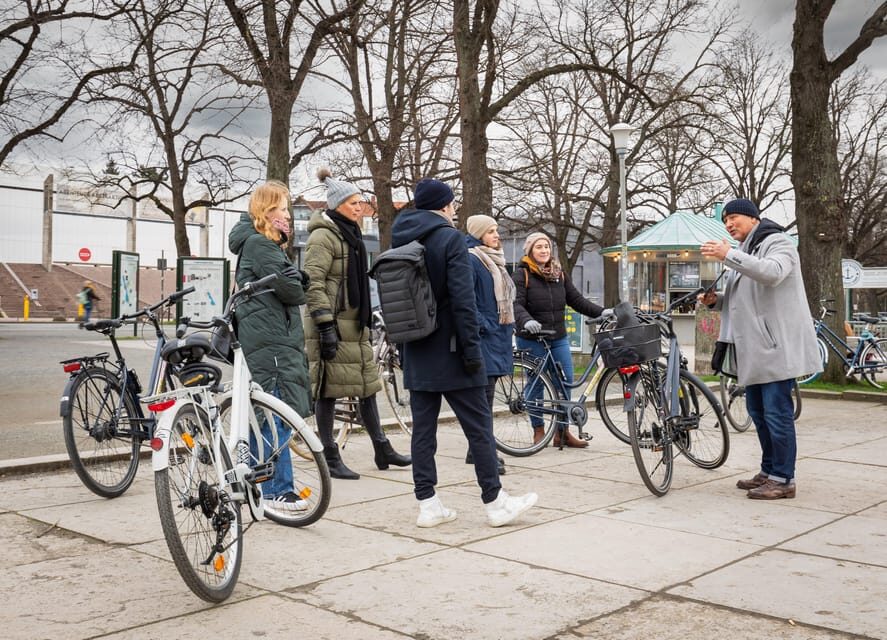
The Maschsee part is a highlight for a reason. It’s described as idyllic, which sets you up for contrast: you’re riding by calm scenery while the guide explains crimes linked to the area over past decades, including cases that are still partly unsolved.
That contrast does something useful for your brain. When a place looks peaceful, your mind naturally asks why it mattered for crime. The guide turns that question into story and context. You’re learning facts, but you’re also learning how location can become a factor—timing, routine, visibility, and public space.
This is also where the tour’s “true-case” approach feels most tangible. Instead of vague rumors, you get specific criminal cases tied to the Maschsee area. Even when details are hard, the overall shape is clear: something happened, residents were affected, and the case left questions behind.
If you’re sensitive to tense material, you can handle it if you pace yourself. The tour has structure and multiple segments, so it doesn’t keep you stuck in one emotional zone.
Rolling Beyond the Center: District Stories You Should Expect
After the city-center stretch, the route takes you out into neighboring districts. This isn’t a token change of scenery—it’s part of the point. Crime isn’t just an inner-city concept, and the guide makes that clear by connecting cases to areas beyond the obvious landmarks.
You’ll hear about true crimes that took place in these districts too. That means the stories expand from the “everyone knows this place” feeling to a broader view of how everyday streets can intersect with serious events.
For me, this section is where the bike format really pays off. On foot, you might just see streets. By bike, you get the sense of distance and transition. You feel how fast the city can move you from familiar to unfamiliar, and the guide uses that to keep the narrative moving.
One small drawback to keep in mind: because you’re covering more ground, you should show up ready to ride steadily. If you’re the type who likes to stop and stare for long stretches, the pace may feel a bit like a guided conversation on wheels.
The Police–Justice–Crime Triangle and Criminology Beginnings
One reason this tour isn’t only for thrill-seekers is that it gives you a framework. The guide presents the triangle of police work, justice, and crime, and that’s a big deal for how you understand the cases.
Here’s how it helps you as a traveler: when you’re told a criminal story in a vacuum, your brain focuses on the plot. When you’re shown the relationships—investigation to evidence, evidence to process, process back to outcomes—you start to understand why certain things remain unsolved or disputed. It shifts the stories from entertainment to explanation.
The tour also illuminates the beginnings of criminology in Europe. That doesn’t mean you’ll get an academic lecture—your guide’s job is to make the ideas understandable through real cases. You’ll get the sense that criminology didn’t appear out of nowhere. It developed as societies tried to make sense of crime systematically.
So if you’re curious about why investigations work the way they do, or you’ve ever wondered how a case becomes a legal story, this section is the reason the tour feels more substantial than a typical “crime walk.”





Pacing, Comfort, and What to Bring for a 3.5-Hour Ride
This is a 3.5-hour bike tour, and comfort is the difference between enjoying the stories and thinking about your back the whole time. The tour asks for comfortable clothes, and for your own safety you should bring a bicycle helmet.
You should also bring something to drink and something to eat. That sounds basic, but on a tour like this, you don’t want low energy to ruin your concentration. You’re listening to real cases, and it’s easier to follow when you’re not running on empty.
What you should expect in terms of ride rhythm: the stops are spaced in a way that lets you keep moving. Based on guide feedback from past participants, the station spacing is one of the things people appreciate—enough time to hear the story, not so many stops that you feel stuck.
One more clear point: the tour is not suitable if you can’t ride a bike. There’s no mention of alternative arrangements, so treat this as a ride-first experience.
Price and Value: Is $28 Worth It?
$28 for a guided 3.5-hour bike tour is the kind of price that makes sense for a lot of travelers. You’re paying for a local guide, multiple story stops, and the extra effort of presenting real cases in a structured way. You’re also getting the bike format, which changes how you experience the city.
What makes the value feel real is the balance of elements:
- real criminal cases tied to specific places (including Maschsee)
- a route that expands beyond the center into neighboring districts
- an explanation of how police work and justice connect, plus criminology’s early roots
This isn’t sold as a long museum session. It’s built for an afternoon ride where learning happens while you move. If you like guided storytelling and you’re comfortable biking, it’s a strong deal for the time.
If you’re expecting a super technical deep-dive into criminology research or legal history, you might find the focus more case-and-meaning than academic detail. The tour’s goal is to explain and connect, not to hand you a textbook.
Who Should Book This (and Who Might Want to Skip It)
This tour is a great fit if you:
- like true-crime stories but want them explained, not just recited
- enjoy biking and want a different angle on Hanover
- like guided history when it’s connected to real places
You’ll also probably enjoy it if you like interactive storytelling. Thomas’ approach is described as lively, and participants highlight that the guide incorporates the group and keeps the tone engaging.
You might want to skip it if:
- you don’t ride bikes comfortably (it’s not positioned as an easy sightseeing stroll)
- you’re only comfortable with tours in languages other than German
- you’d rather avoid darker material tied to real cases
Should You Book the Hanover Crime Tour by Bike?
I’d book it if you want Hanover to feel like a place with stories you can actually track in space. The bike format makes it practical and memorable: you ride from scenic areas to more ordinary neighborhoods while the guide builds a clear connection between cases and the systems around them.
Book it especially if you’re interested in how investigation and justice shape outcomes—and if you want that tied to the early beginnings of criminology in Europe. With two route options and different cases each time, it also gives you a chance to repeat without feeling like you’re hearing the same tour twice.
If you’re a weak rider, a helmet skeptic, or you need a language you’re fluent in, then wait. But for the right audience, this is one of the better-value ways to do a city tour that feels genuinely different.
FAQ
How long is the bike crime tour in Hanover?
It lasts 3.5 hours.
How much does the tour cost?
The price is $28 per person.
What language is the live guide?
The tour guide speaks German.
Are there different routes to choose from?
Yes. You can choose between two routes: north to south or east to west. Each route has new cases.
What will I see during the tour?
You’ll ride through Hanover, including the Maschsee area, and you’ll also go into neighboring districts. The guide covers real criminal cases connected to those areas.
What is included in the price?
Included are the guided bike tour, insights into real criminal cases in Hanover, exploration of crime scenes across the city, and an introduction to the history of criminology in Europe.
What should I bring with me?
Bring comfortable clothes, a bicycle helmet for safety, and something to drink and something to eat.
Is the tour suitable if I can’t ride a bike?
No. It is not suitable for people who can’t ride a bike.
Are meals and drinks included?
No. Meals and drinks are not included.
Is cancellation free if I change my plans?
You can cancel up to 24 hours in advance for a full refund.