REVIEW · BERLIN
From Berlin: 6 Hour Tour to Potsdam
Book on GetYourGuide →Operated by Vive Berlin e.G · Bookable on GetYourGuide
Cold War stories meet royal gardens.
This 6-hour Potsdam trip is a smart way to swap Berlin’s streets for parks, palaces, and political history packed into a walkable day at the gates of the city. I love how the tour reads places like a timeline, with signs from the GDR era living side-by-side with today’s effort to present history clearly. Potsdam’s mix of Prussian splendor and Cold War memory is what makes it feel bigger than a typical sightseeing loop.
I also like two things a lot: you get Sanssouci Park, often called the German Versailles, and you end at the Bridge of Spies, the Cold War exchange-point location. If you’re the type who enjoys history that you can physically stand on and look around, this format clicks. In past groups, guides such as Blas and Jonas have earned strong praise for clear explanations and feeling like you were getting an actual history lesson, not just being rushed from one photo spot to the next.
One possible drawback: this day leans outdoors and walking through parks. Also, the tour does not include Sanssouci Palace interior, so if you want rooms and collections, you’ll need to do something extra on your own. With only 6 hours total and parks involved, comfortable shoes matter more than speed.
In This Review
- Key highlights worth your attention
- Potsdam in six hours: why this itinerary works
- Price and value: is $35 for 6 hours a fair deal?
- Meeting point and getting there: Potsdamer Platz 10 + ABC ticket basics
- Cecilienhof and the Neuer Garten: walking a 1945 conference landscape
- Sanssouci Park: the German Versailles experience you can feel on foot
- The Dutch Quarter and Potsdam’s older Brandenburg Gate
- Ending at the Bridge of Spies: how to read Cold War history in one place
- Guide quality, group size, and what you should do with the Italian language
- Who should book this Potsdam highlights tour—and who should skip it
- Should you book this Berlin to Potsdam 6-hour tour?
- FAQ
- How long is the Potsdam tour from Berlin?
- How much does the tour cost?
- What’s included in the price?
- Is food and drinks included?
- Do I need a transport ticket?
- Is the Sanssouci Palace interior included?
- What language is the guide?
- Where do I meet the group?
- Is it wheelchair accessible?
Key highlights worth your attention
- Bridge of Spies context: a Cold War exchange-point story you can visualize on-site.
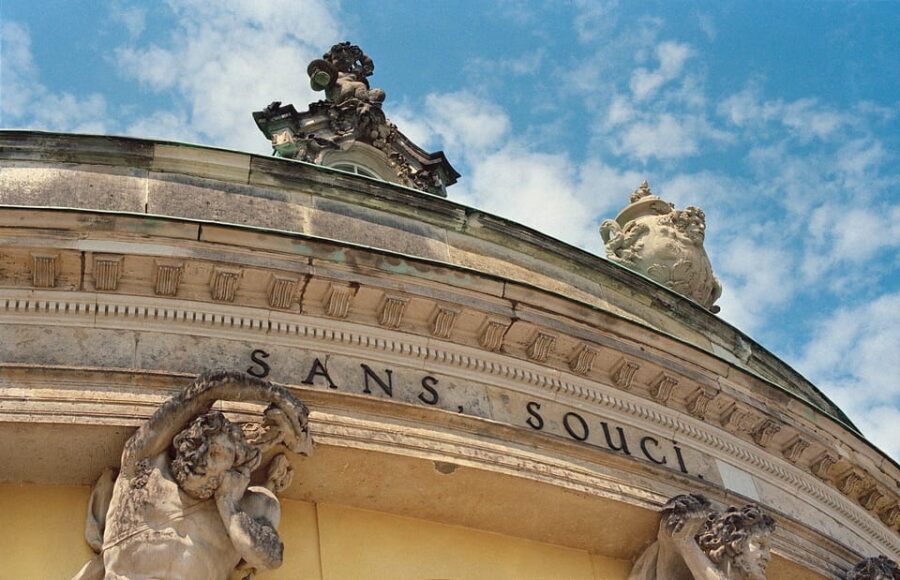
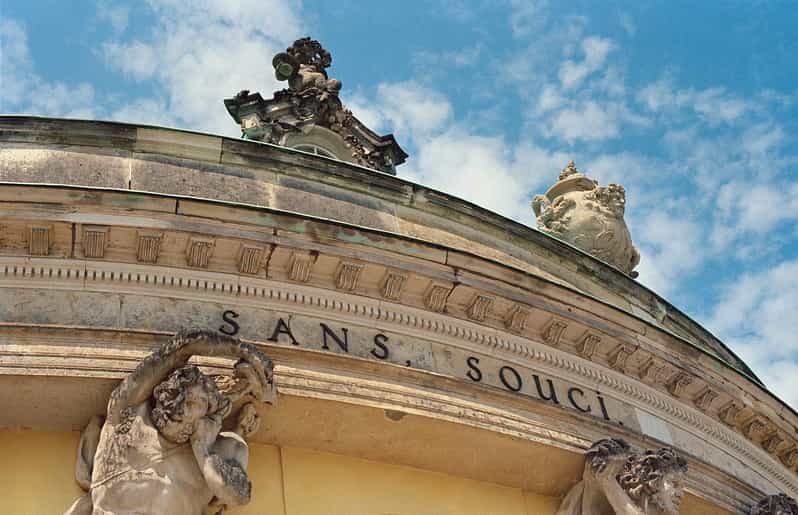
- German Versailles vibes: Sanssouci Park brings the grandeur through gardens and views.
- Cecilienhof Neuer Garten: you walk through a historic royal landscape tied to 1945.
- Dutch Quarter + older Brandenburg Gate: a more varied Potsdam contrast than the headline sites alone.
- Small group size (up to 10): easier pacing for questions and wayfinding.
Potsdam in six hours: why this itinerary works
Potsdam can feel like a whole second country beside Berlin. It’s green, spread out, and full of big names—Prussian rulers, twentieth-century politics, and the long shadow of the GDR—so doing it in a tight window is tricky. This tour keeps it focused: key royal-garden areas plus a final Cold War landmark, all tied together by theme.
What I like is the way the day builds a narrative. You start with Prussian-era grandeur—think parks, palaces, and the legacy of leaders like Frederick the Great, the philosopher king of the mid-1700s. Then the tour shifts toward twentieth-century Potsdam, including the 1945 conference connection at Cecilienhof and the Cold War exchange-point story at the Bridge of Spies. That arc helps you remember what you saw, not just where you took photos.
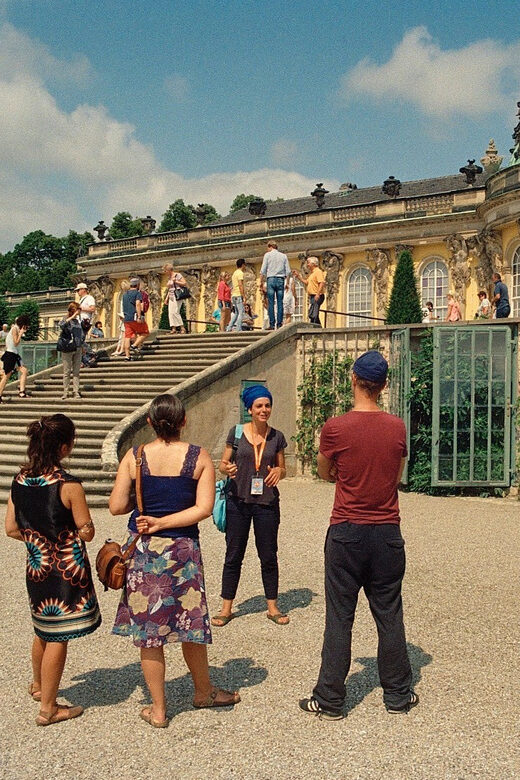
The pacing also matches the reality of Potsdam: you don’t just want a bus tour. You need time to wander, because a lot of Potsdam’s “wow” is in the approach—woods, lakes, garden paths, and long sightlines between monuments. The tradeoff is obvious: you’ll be walking. The good news is the group stays small, capped at 10.
You can also read our reviews of more tours and experiences in Berlin.


Price and value: is $35 for 6 hours a fair deal?
At about $35 per person for a 6-hour small-group tour, you’re paying for three main things: a professional guide, curated route flow, and local interpretation. You’re not paying for entrance-heavy extras here, because Sanssouci Palace interior is not included and food/drinks aren’t part of the package.
So where does the value come from? Mainly from the guide’s explanations and how the day connects the sites. When a guide is strong (and in the past, Jonas and Blas have been praised for clarity), you don’t just see a bridge or a palace garden—you understand why it matters. That turns “I walked there” into “I know what I’m looking at,” which is exactly the kind of value that’s worth paying for.
Another value angle: you’ll be using public transit from Berlin, and the tour requires an ABC public transport ticket of your own. That’s not a downside if you’re already comfortable using transit, but it does mean the tour price isn’t a complete day-package like some all-in-one tours. If you don’t want to think at all, factor in that you’ll need to handle your ticket and lunch plans.
Bottom line: I think it’s good value for an informed, guided highlights day—especially if you’re okay with outdoors-focused sightseeing and you don’t require palace interiors.
Meeting point and getting there: Potsdamer Platz 10 + ABC ticket basics
You’ll meet at Potsdamer Platz 10, at the corner with Gabriele-Tergit-Promenade, under the large silver inscription on the building. It’s the kind of meeting point detail that saves time on a travel morning, so write it down and double-check you’re at the right corner.
The day also requires an ABC public transport ticket. That matters because it affects your prep more than your budget. If you show up without it, you could end up scrambling for a ticket before you can join the group, and then the whole day gets stressful. If you already plan to use Berlin transit that day, this is easy to fold in.
One more practical note: the tour is about walking across multiple park areas. That’s not a “sprint between sights” style. You’ll want shoes that can handle uneven paths and long stretches. It’s not just comfort—it’s how you’ll keep your energy up for stops that are spread out.
Cecilienhof and the Neuer Garten: walking a 1945 conference landscape
One of the most interesting parts of Potsdam is how royal settings later become political stages. The tour includes a walk through the historic Neuer Garten of the Castle of Cecilienhof. It’s tied directly to 1945, when the Conference of the victors of the Second War was held there.
Even if you don’t memorize dates, this kind of visit works because the setting does the storytelling. You’re walking through a planned royal landscape, so it’s easier to imagine how influential meetings would unfold in a place designed for status and ceremony. And because this is a garden-and-grounds experience rather than an interior museum stop, you can actually look around at the space instead of only reading plaques.
A small caution: the tour doesn’t include the palace interior tour of Sanssouci, but Cecilienhof here is presented as a grounds walk through Neuer Garten. That still gives you a meaningful experience, yet it’s not the same as a fully ticketed indoor palace visit. If you love interiors and room-by-room details, you might want to add a separate visit time later.
Still, I like that the tour chooses a site connected to major twentieth-century events. It gives Potsdam more range than just “old buildings in a pretty city.”
Sanssouci Park: the German Versailles experience you can feel on foot
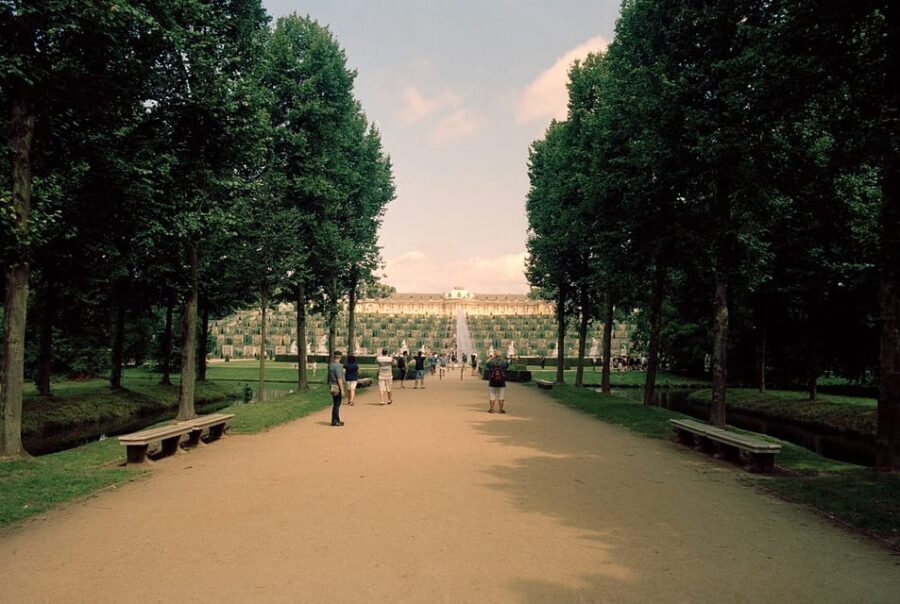
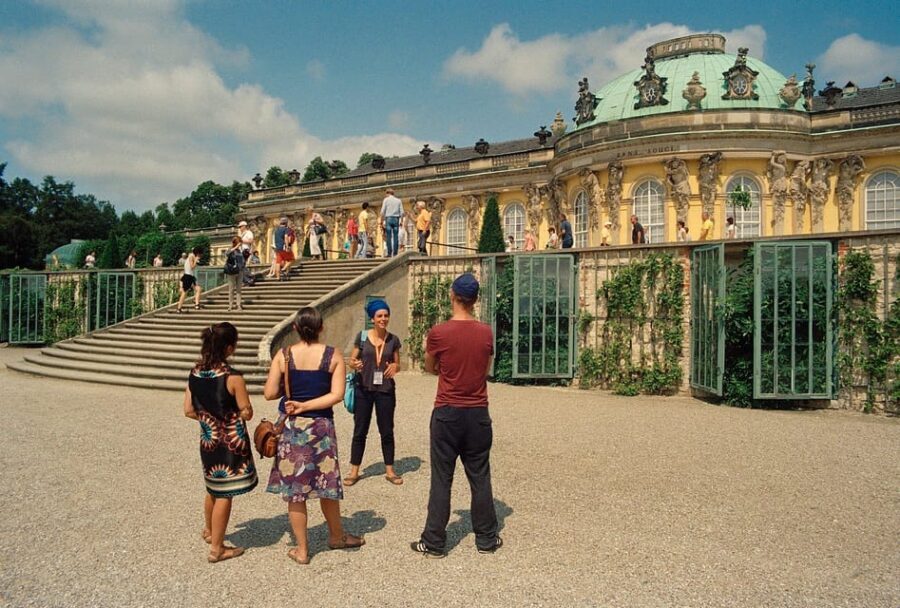
Sanssouci Park is where Potsdam becomes almost cinematic. You’ll walk through it as part of the highlights—often nicknamed the German Versailles—and the idea is simple: scale, sightlines, and garden design do much of the talking.
Why this matters for your day: parks can become an afterthought if you’re rushing. Here, the tour frames Sanssouci as a main event, not a quick photo stop. The result is you’re more likely to notice how the park reveals itself in sections—paths, open views, and the way landmarks are positioned for long-distance looking.
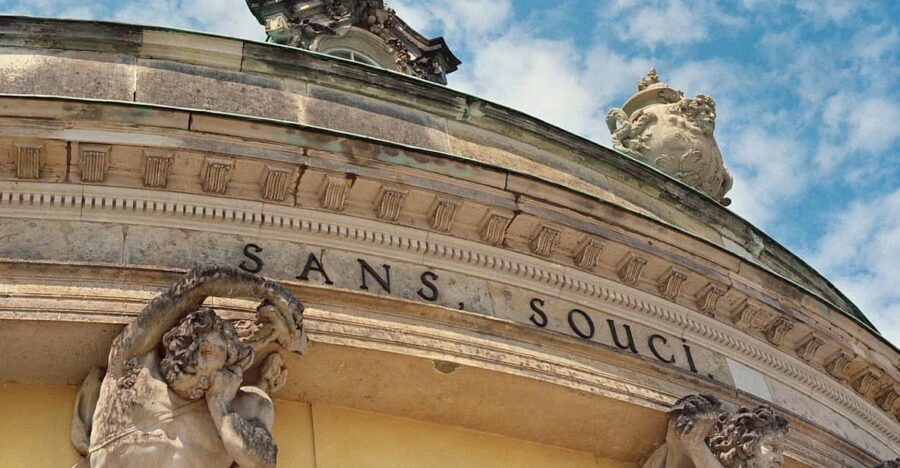
One thing to keep expectations realistic: the tour includes walking through Sanssouci Park, but it does not include a tour of Sanssouci Palace interior. So you’ll get the outdoor grandeur, not the rooms. If you’re the type who wants the full palace experience, plan at least one additional self-guided stop later, or check what’s possible on another day.
The upside of the outdoor focus is energy. Parks let you slow down without feeling like you’re “missing” anything, especially when a guide helps you connect what you’re seeing back to Frederick the Great and the Prussian splendor theme. It’s also a better fit for a 6-hour schedule than piling on museum time everywhere.


The Dutch Quarter and Potsdam’s older Brandenburg Gate
After the garden-heavy segments, the tour takes you toward the Dutch Quarter and a Baroque part of Potsdam. This shift is valuable because it prevents the day from feeling like only one architectural style. Even if you’re not an architecture nerd, variety helps your brain sort the city into recognizable chunks.
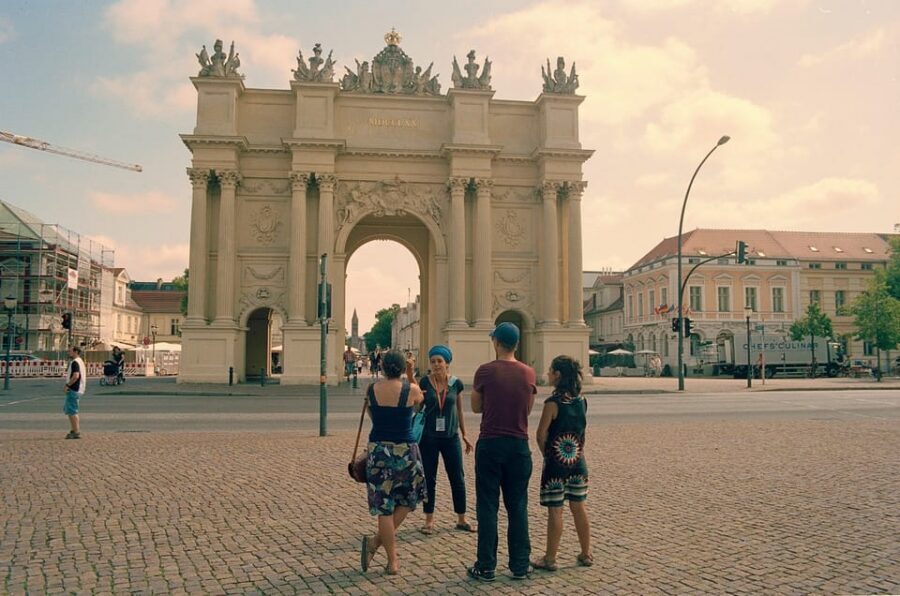
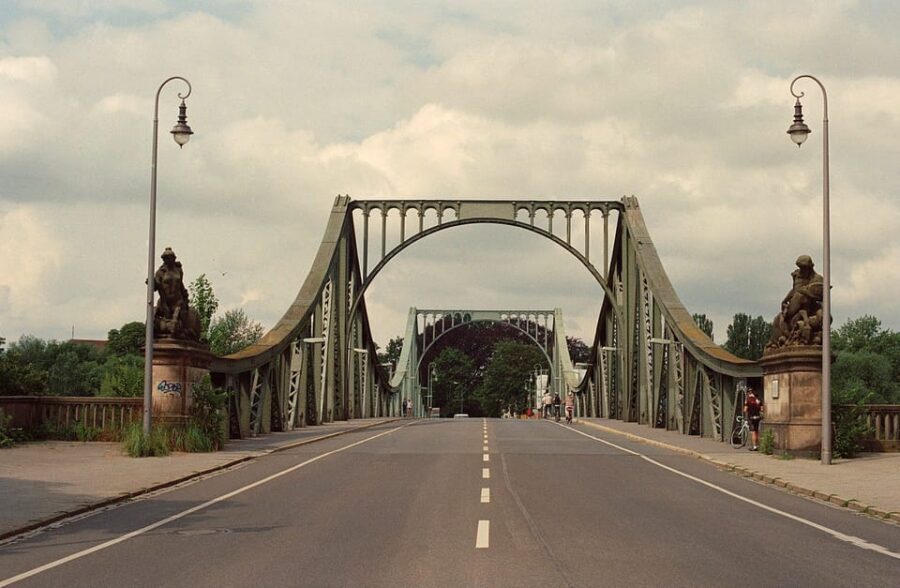
The itinerary also includes crossing the lesser known but older Brandenburg Gate to reach the Dutch Quarter. That’s a smart way to steer you away from the most obvious tourist magnets and toward something more “Potsdam-specific.” Gates are built to be symbolic, so they’re also useful anchors when your day includes political history like the GDR era and Cold War memory.
What you’ll get out of this segment is a visual contrast. Sanssouci brings royal-park grandeur. The Dutch Quarter and baroque areas give you a more mixed, human-scale neighborhood feeling—more texture, less pure palace-land formality. That contrast is one reason this tour can work even if you’ve seen plenty of Germany’s big-ticket palaces elsewhere.
Tip: slow down for a minute here. Don’t just rush for the next viewpoint. This is the place where photos look better when you stand still and let your eyes connect street layout, building lines, and the gate crossing effect.
Ending at the Bridge of Spies: how to read Cold War history in one place
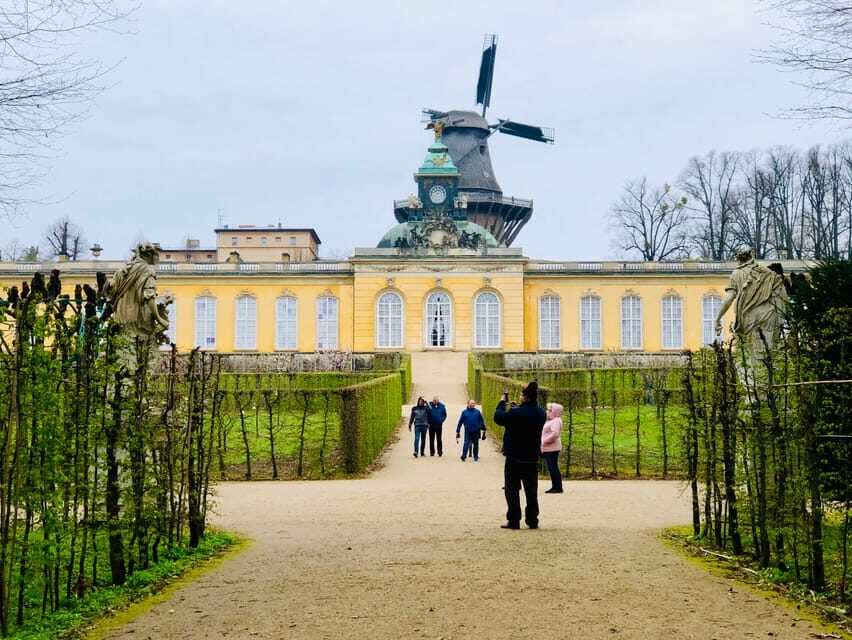
The final stop is the Bridge of Spies, which served as an exchange point for secret agents during the Cold War. Ending here is a good choice because it closes the tour’s story arc. You started with Prussian and royal context, then moved into twentieth-century significance, and now you finish at a site that turns that history into something concrete.
A bridge is a simple structure, but its meaning can be enormous. Standing there, you’re not just looking at a landmark—you’re witnessing a physical reminder of how nations negotiated through secrecy. That’s also why this stop tends to land well emotionally for visitors who like history that has a human drama inside it.
The tour format also helps: after parks and palaces, you arrive at a point where the “political story” becomes straightforward. You’re not trying to interpret something hidden inside a building. You’re at a location tied to the action itself—the exchange point.
If you’re worried about feeling tired, this ending helps because it’s memorable. You can feel confident that even if the day’s walking adds up, you’re finishing with a stop you’ll remember clearly.
Guide quality, group size, and what you should do with the Italian language
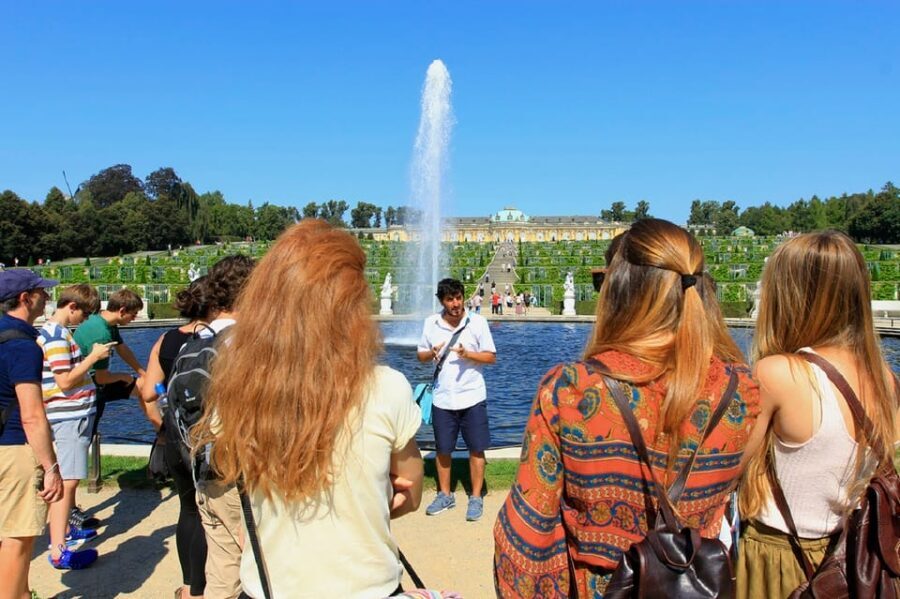
This tour runs with a live guide in Italian, and the group is limited to 10 participants. Small group matters on a day like this because Potsdam routes can involve steady walking and frequent re-grouping. A smaller group also usually means better pacing and more time for questions.
Language is the only real “fit” issue here. If you don’t speak Italian, you’ll still likely get some meaning from context and visuals, but you won’t catch everything the guide says. That’s the biggest reason to decide in advance: do you want Italian-guided history, or do you need an English-first tour style?
One signal from past bookings: people specifically praised guides like Blas and Jonas for delivering history lessons with clear explanations and a complete, pleasant route. That’s not a guarantee for every departure, but it’s a strong indicator that the tour provider puts effort into guiding, not just movement.
Your practical checklist is simple:
- Wear practical shoes for parks and walking.
- Bring water and plan for lunch on your own time, since food and drinks aren’t included.
- Make sure you have your ABC ticket ready before you meet.
Who should book this Potsdam highlights tour—and who should skip it
This tour is best for you if you want a guided highlights day that covers multiple eras: Prussian splendor, GDR-era traces, 1945 significance, and the Cold War memory at the Bridge of Spies. It’s also a good fit if you like outdoor sightseeing that still comes with interpretation.
It might be less ideal if you want a palace-interiors heavy day. Sanssouci Palace interior isn’t part of the plan, and the overall format stays outdoors. If you’re hoping for lots of indoor museum time, you’ll likely feel like you want more.
Also pay attention to mobility reality. The activity listing says wheelchair accessible, but it’s also marked as not suitable for people with mobility impairments. Since the day involves walking through woods, parks, and lakes, assume that movement demands are part of the experience. If you need low-walking or step-light accessibility, you should treat this as a question to resolve before booking.
Finally, if Italian isn’t comfortable for you, consider whether you can enjoy a guide-led day using visual cues and your own reading time. The tour is only 6 hours, so you won’t be locked into a long language mismatch.
Should you book this Berlin to Potsdam 6-hour tour?
If you want a value-priced, small-group guided day that connects royal gardens to twentieth-century Potsdam, I’d say yes. The stops chosen—Sanssouci Park, Cecilienhof’s Neuer Garten with the 1945 conference connection, the Dutch Quarter, and the Bridge of Spies—create a satisfying story in one afternoon.
I’d only hesitate if you’re expecting indoor palace tours or a “no effort” transit-and-lunch solution, because food isn’t included and Sanssouci Palace interior isn’t covered. If you’re okay handling your own lunch and you like walking parks, this tour fits.
FAQ
How long is the Potsdam tour from Berlin?
The tour duration is 6 hours.
How much does the tour cost?
The price is listed as $35 per person.
What’s included in the price?
A professional guide is included.
Is food and drinks included?
No. Food and drinks are not included, but you’ll have free time for lunch.
Do I need a transport ticket?
Yes. You need an ABC public transport ticket for the day.
Is the Sanssouci Palace interior included?
No. The tour does not include a tour of the Sanssouci Palace interior.
What language is the guide?
The live tour guide is Italian.
Where do I meet the group?
You meet at Potsdamer Platz 10, at the corner with Gabriele-Tergit-Promenade under the large silver inscription on the building.
Is it wheelchair accessible?
It’s listed as wheelchair accessible, but it’s also marked as not suitable for people with mobility impairments.