REVIEW · BERLIN
Berlin: World War Two Third Reich and Cold War Walking Tour
Book on GetYourGuide →Operated by Original Tours Holding Limited · Bookable on GetYourGuide
Berlin tells two stories on one walk. This WWII-to-Cold-War tour strings together the Third Reich years, the rise of East Communism, and the Berlin Wall in one route you can actually follow. I love how the guide connects events so you see cause-and-effect, not just dates on a plaque.
I also love the hands-on feeling of seeing Berlin Wall remnants up close and hearing what those structures meant for escape attempts and daily life. One thing to consider: meeting at busy Alexanderplatz can get chaotic if you arrive late or the groups aren’t clearly sorted when you show up.
In This Review
- Key Things You’ll Notice on This Walk
- Where the 5-Hour Route Starts (and Why It Matters)
- The Third Reich Side: Reichstag, War Museum, Flak Tower, and Hitler’s Bunker
- Crossing Into the Cold War: East Communism and the Wall’s Logic
- Seeing the Berlin Wall Up Close: Eastside Gallery and the Berlin Wall Memorial
- Architecture That Stayed Standing: Why Buildings Matter Here
- The Value Question: Is $21 for 5 Hours Worth It?
- What You Should Bring (So Your Tour Doesn’t Feel Like Work)
- Who This Tour Fits Best (and Who Might Want a Different Option)
- Should You Book This WWII and Cold War Walking Tour?
- FAQ
- How long is the Berlin WWII and Cold War walking tour?
- How much does the tour cost?
- Where does the tour start?
- Where does the tour end?
- What language is the tour guide?
- Is the tour wheelchair accessible?
- What’s included in the price?
- What should I bring?
- Is cancellation possible if my plans change?
Key Things You’ll Notice on This Walk
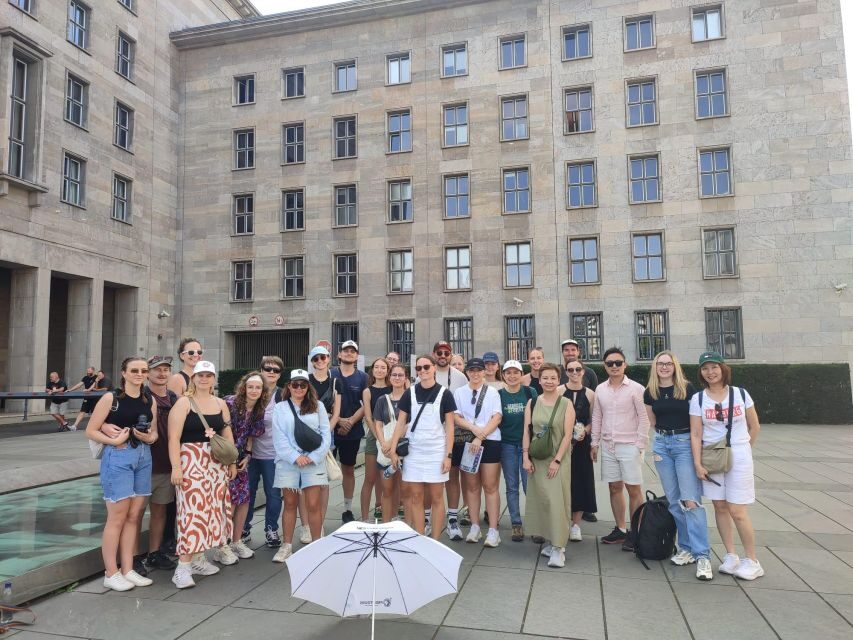
- A single story arc: Third Reich sites, then Cold War tension, then the Wall’s real-world impact
- Berlin Wall stops that matter: Eastside Gallery and the Berlin Wall Memorial are built for understanding, not just photos
- Landmarks with weight: Reichstag area, Flak Tower, Hitler’s bunker, and war-related museums
- A local historian guide who keeps the political context clear while you’re on your feet
- Central ending back at the start point, so you can keep exploring right away
Where the 5-Hour Route Starts (and Why It Matters)
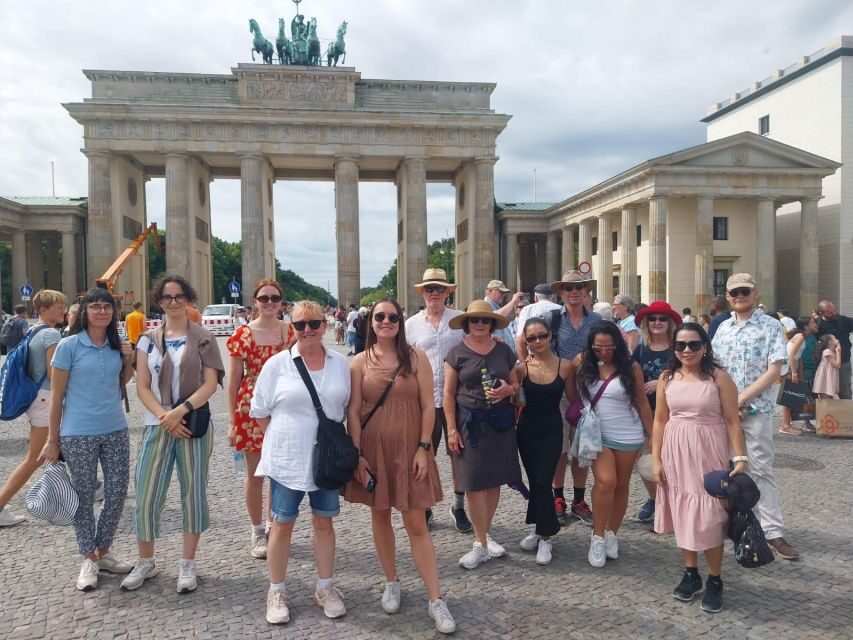
This tour runs about 5 hours and ends back at the meeting point, so you’re not left stranded across town with a dead phone battery and feelings. It starts at Generator Berlin Alexanderplatz, where you look for the white umbrella on the corner out front.
Alexanderplatz is a magnet for crowds, and Berlin has plenty of tours that use the same general area. Plan to arrive early, scan for that white umbrella, and make sure you’re in the right group before you count on the walk starting on time. If your schedule is tight, give yourself extra buffer here.
From there, the walk is designed as a timeline in motion: you start in the era of the Third Reich, then you move into the Cold War mindset, and the Berlin Wall theme becomes the spine of the second half.
You can also read our reviews of more walking tours in Berlin



The Third Reich Side: Reichstag, War Museum, Flak Tower, and Hitler’s Bunker
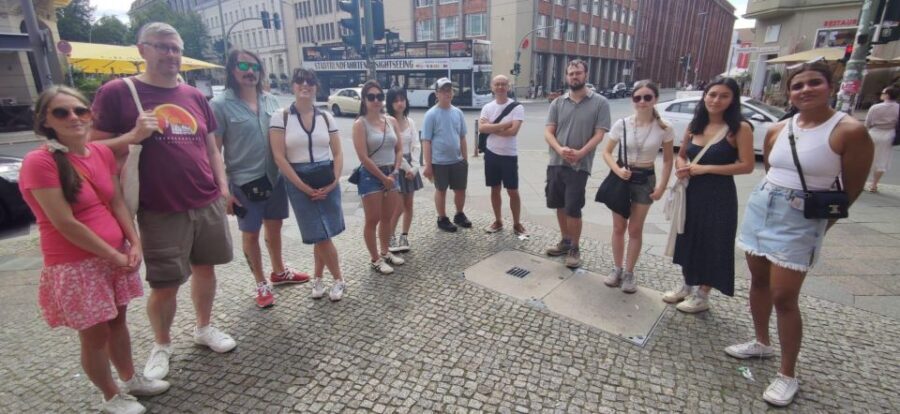
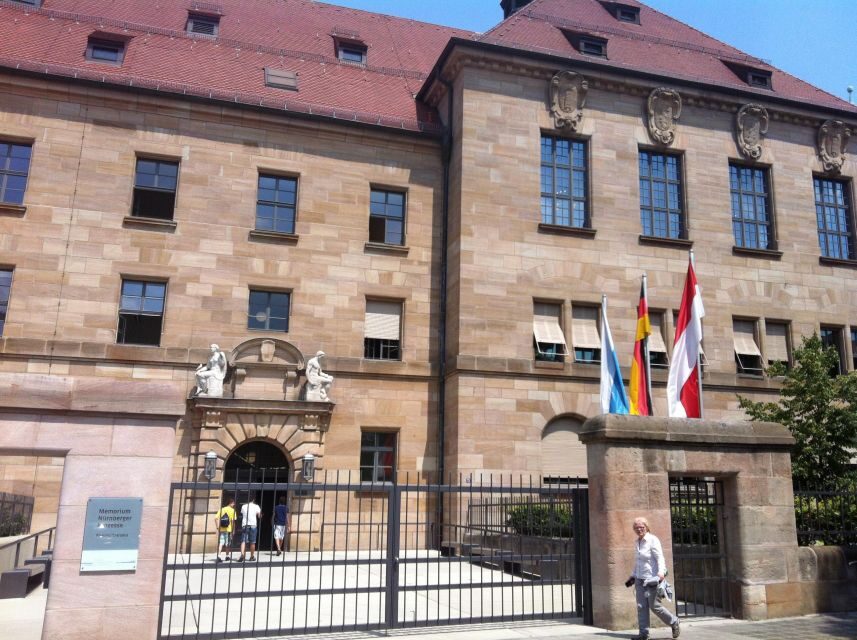
The first part of the tour focuses on the Berlin of the 1930s and 1940s—the buildings, the power centers, and the war infrastructure that shaped what came next. Expect stops tied to the Reichstag area and related sites, plus a cluster of WWII-era memorial and museum points.
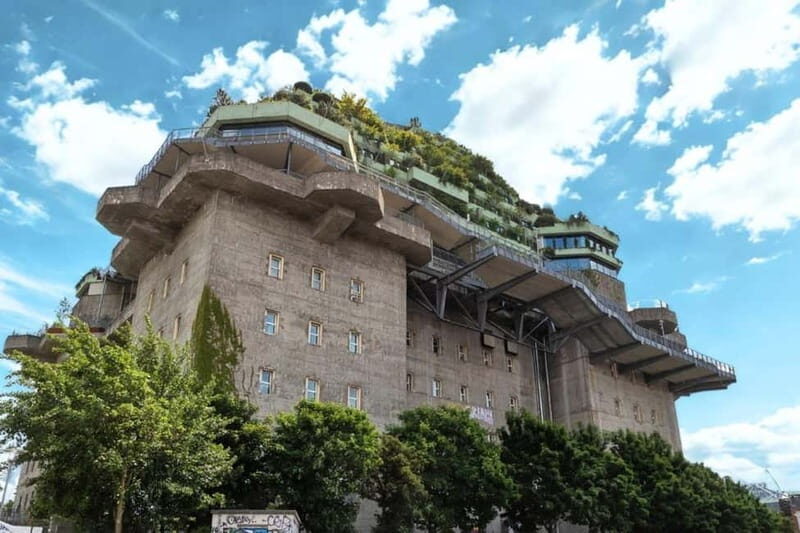
You’ll also encounter mention of the Russian-German War Museum, the Flak Tower, and Hitler’s bunker. Even if some of these are approached from outside or explained in context at nearby points, the guide’s job is to connect the dots: who had power, how Berlin was defended, and how the war’s end set the stage for what followed.
What I like about tackling the Third Reich before the Cold War is that it makes the later division feel less random. You’re not just learning that Berlin got split—you’re understanding why the city stayed so politically charged long after the fighting stopped.
Possible drawback: because these are heavy subjects, the tour isn’t a casual stroll for people who want light entertainment only. Wear comfortable shoes, but also bring a mindset that this is about real harm and real consequences.
Crossing Into the Cold War: East Communism and the Wall’s Logic
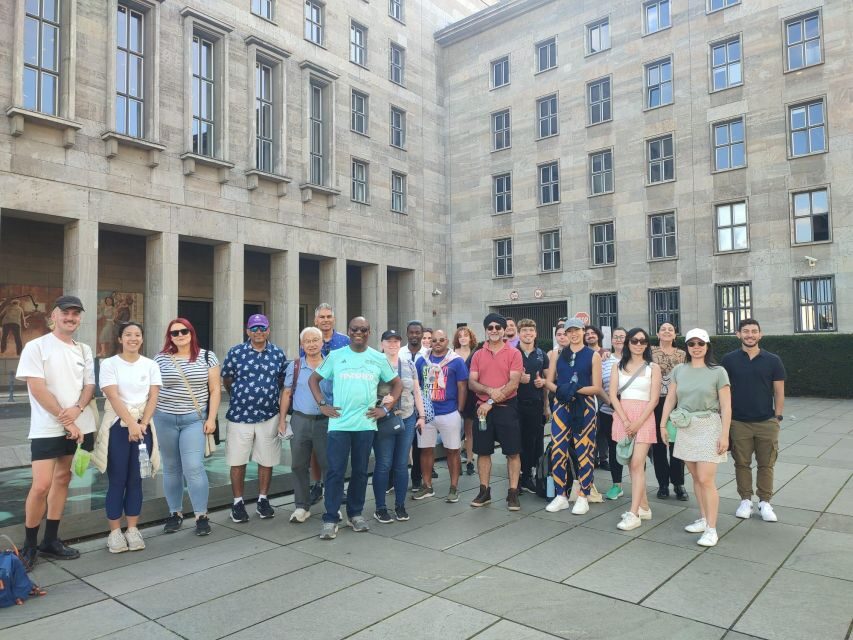
After the WWII section, the tour shifts into the Cold War era—especially the realities of East Communism. This is where the guide’s explanations start to feel more practical. You’ll hear how ideology turned into control, and how that control became physical.
Berlin is a city where borders used to be more than lines on a map. On this tour, you’re taught to read the city like evidence: where tension was built into space, where people could and could not move, and how that affected everyday life behind the Wall.
The tour description mentions you’ll explore how Berliners lived through this era and how the Wall changed movement and opportunity. That’s the key. You’re not just looking at the Wall—you’re learning its operating system: surveillance, restriction, and the constant hope that something could change.
Seeing the Berlin Wall Up Close: Eastside Gallery and the Berlin Wall Memorial
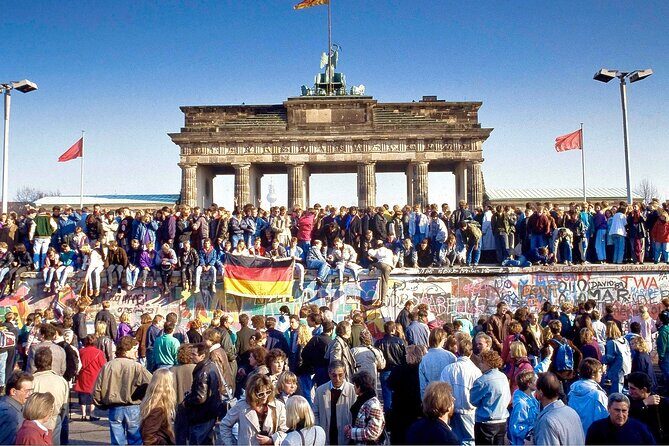
One of the strongest parts of this experience is that it doesn’t treat the Wall like a single stop. You’re guided through remnants of the Berlin Wall and linked sites that show different angles of the same story.
Two of the named highlights are the Eastside Gallery and the Berlin Wall Memorial. The Eastside Gallery is the kind of place where art shows up in a context that still hurts. The point isn’t that murals erase history. The point is that people found ways to speak after silence and fear.
The Wall Memorial shifts the tone. It’s built for understanding the consequences—people affected, the struggle to escape, and what the Wall represented as a barrier. If you care about the human side of geopolitics, this part is the one you’ll remember when you’re back home trying to explain Berlin to friends.
You’ll also get explanations around topics like guard towers and escape routes. Again, you’re not expected to be a Wall expert. The guide’s value is translating what you see—structures, alignments, preserved sections—into what it meant to live there.
Small practical note: for Wall-related stops, you’ll likely want to slow down and let the guide finish thoughts before you race ahead for a photo. The story sticks better when you listen first.
Architecture That Stayed Standing: Why Buildings Matter Here
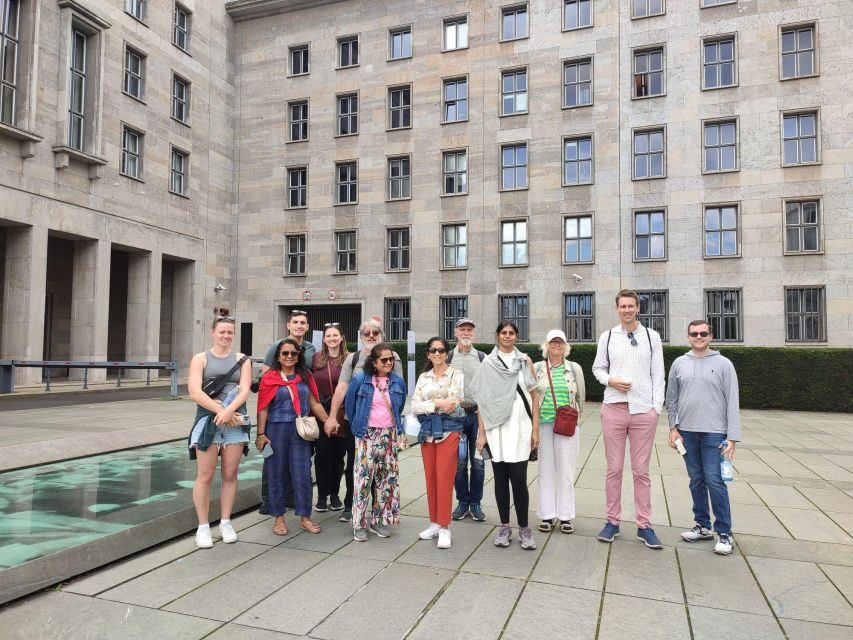
A good history tour tells you what happened. A great one helps you understand why it still looks the way it does. This tour leans into that with attention to the architecture and landmarks that weathered Berlin’s challenges.
That includes both WWII-era structures and Cold War-era remnants. Seeing places like the Flak Tower in a guided setting helps you understand that the war era didn’t vanish—it remained in the skyline and in the city’s layout.
This matters for your experience because Berlin can feel like a modern city with old ghosts. A guided route teaches you to spot where those ghosts are anchored: in walls, in defensive shapes, in the way streets connect old power to new memory.




The Value Question: Is $21 for 5 Hours Worth It?
At $21 per person for about 5 hours, this tour sits in the affordable category for a guided Berlin experience. The value isn’t just the price tag. It’s what you’re buying:
- A local historian guide who connects WWII and Cold War threads into one walk
- Entry to pivotal landmarks (so you’re not only standing outside and reading small signs)
- A structured route through places tied to major eras—not a random highlight shuffle
Two things to keep realistic expectations. First, you’re on foot for a long stretch, so you’ll want comfortable shoes and a snack plan. Second, “Berlin Wall history” can be emotionally intense; this isn’t the kind of tour you do after a late-night party with zero patience for serious topics.
Still, if you want an informed overview that touches major sites across both eras, $21 is strong value for what you’re getting.
What You Should Bring (So Your Tour Doesn’t Feel Like Work)
The basics are simple, and they make a difference. Bring snacks and drinks, and consider bringing cash in case you want anything at a stop. Dress for the weather and wear comfortable shoes—it’s a walking tour, and Berlin weather can change fast.
Also, plan your day around the fact that the tour covers heavy themes. If you’re the type who prefers quiet breaks, you might want to step out briefly for air when you can—just don’t do it without checking with the guide so you don’t miss the next explanation.
Since meals aren’t included, treat this as a “history first, food later” plan.
Who This Tour Fits Best (and Who Might Want a Different Option)
This is a good match for you if:
- You want a clear connection between the Third Reich, the Cold War, and the Wall rather than two separate tours
- You like walking routes where landmarks are explained in context
- You’re comfortable with serious subject matter and want the human impact, not just architecture
It may be less ideal if:
- You’re looking only for one era (strictly WWII or strictly Cold War) and don’t want overlap
- You have limited stamina for a full 5-hour walk
- You want a light, casual sightseeing day with minimal emotional weight
One more practical fit check: the tour is English and wheelchair accessible, which is great. If you use mobility aids, you’ll want to confirm the exact logistics with the operator ahead of time since walking routes can still include uneven surfaces and city obstacles.
Should You Book This WWII and Cold War Walking Tour?
Yes—if you want an efficient, guided way to understand why Berlin changed so dramatically and why the Wall became the world’s loudest symbol of the Cold War. The best reason to book is the structure: it links the Third Reich era to what came after, then anchors the story in Berlin Wall sites you can stand in front of.
Book it if you value a guide who turns landmarks into meaning. Skip it only if you’re seeking something strictly lighthearted or you know you won’t handle the heavy historical content comfortably.
If you do book, show up early at the white umbrella at Generator Berlin Alexanderplatz, bring snacks and water, and give yourself space in your head for what you’re about to see. Berlin’s story is big—and in this tour, it’s tied together in a way that actually helps it make sense.
FAQ
How long is the Berlin WWII and Cold War walking tour?
It lasts 5 hours.
How much does the tour cost?
The price is $21 per person.
Where does the tour start?
You start at Generator Berlin Alexanderplatz. Look for the white umbrella on the corner in front of the hotel.
Where does the tour end?
It ends back at the meeting point (Generator Berlin Alexanderplatz).
What language is the tour guide?
The tour guide speaks English.
Is the tour wheelchair accessible?
Yes, it is listed as wheelchair accessible.
What’s included in the price?
Included: a guided journey with a local historian, entry to pivotal landmarks, and deep dives into Berlin’s transformative eras.
What should I bring?
Bring snacks, drinks, cash, weather-appropriate clothing, and comfortable shoes.
Is cancellation possible if my plans change?
Yes. It offers free cancellation up to 24 hours in advance for a full refund, and it also supports a reserve now & pay later approach.