REVIEW · FRANKFURT
Frankfurt: New Old Town and Highlights German-Language Tour
Book on GetYourGuide →Operated by Tourismus+Congress GmbH Frankfurt · Bookable on GetYourGuide
Frankfurt’s old heart is back. This German-language stroll shows you why the city rebuilt its New Old Town with such care. I love the half-timbered streets around the reconstructed center, and the stop at Römerberg makes Frankfurt’s City Hall feel like more than just a postcard.
One thing to plan for: it’s a 1.5-hour walk, and on very hot days you may be in the sun longer than you’d like, even though guides try to keep you moving between shaded spots.
In This Review
- Key Tour Takeaways
- Why Frankfurt’s Rebuilt New Old Town Feels Special
- Starting at Römerberg and City Hall Römer: Your Orientation Boost
- The Half-Timbered Lanes: A Walk That Teaches You to Look
- St. Paul’s Church: Where the Tour Gets Meaning
- The Cathedral Stop: A Powerful Visual Pause
- Eiserner Steg and Museumsufer: River Views Plus Big Museum Energy
- Pace, Language, and Who This Tour Suits
- Price and Value: Is $21 a Smart Use of Time?
- Should You Book This Frankfurt New Old Town Tour?
- FAQ
- Is the tour available in German?
- How long is the walk?
- Where do I meet the guide?
- What are the main places you’ll see?
- Is this tour wheelchair accessible?
- What’s the cancellation window and payment flexibility?
Key Tour Takeaways
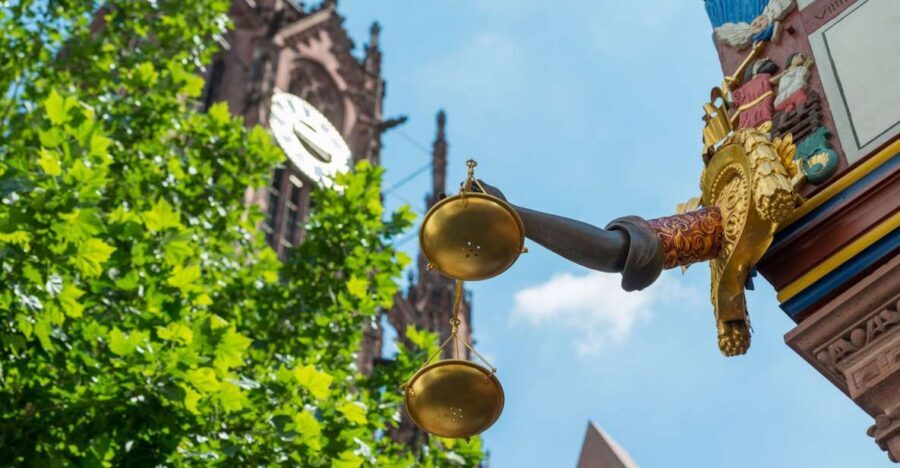
- Römerberg first: Start at the City Hall Römer area, anchored by Frankfurt’s 700-year-old square.
- Half-timbered New Old Town: See winding lanes and rebuilt-looking streets that reconnect past and present.
- St. Paul’s Church and democracy: Learn how political ideas took shape in Germany at a landmark tied to that story.
- Eiserner Steg photo moments: The iron footbridge is one of the most popular viewpoints for a reason.
- Museumsufer skyline views: Get a glimpse of the museum embankment and its 39 museums.
- Real guide support: Guides handle heat and group dynamics well, including when the group is larger than expected.
Why Frankfurt’s Rebuilt New Old Town Feels Special
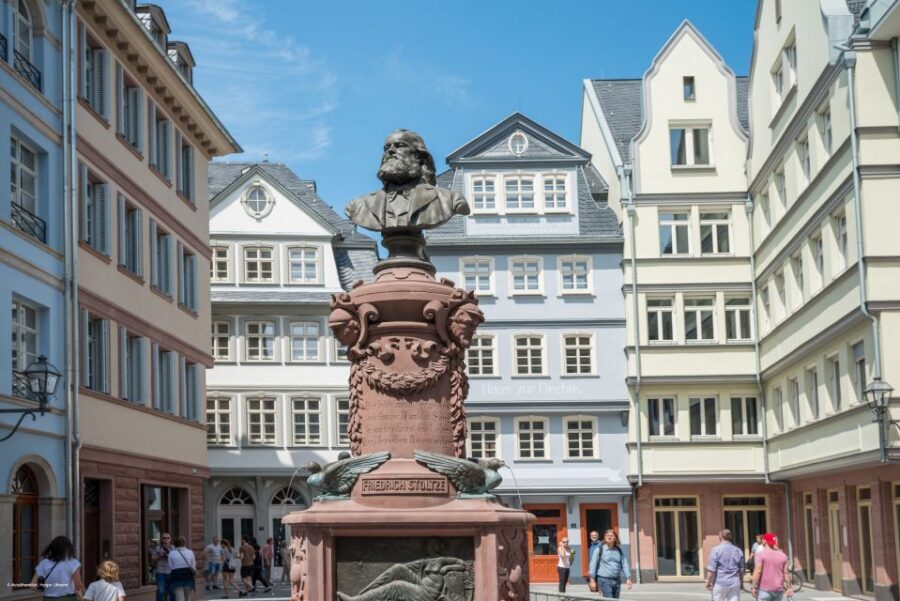
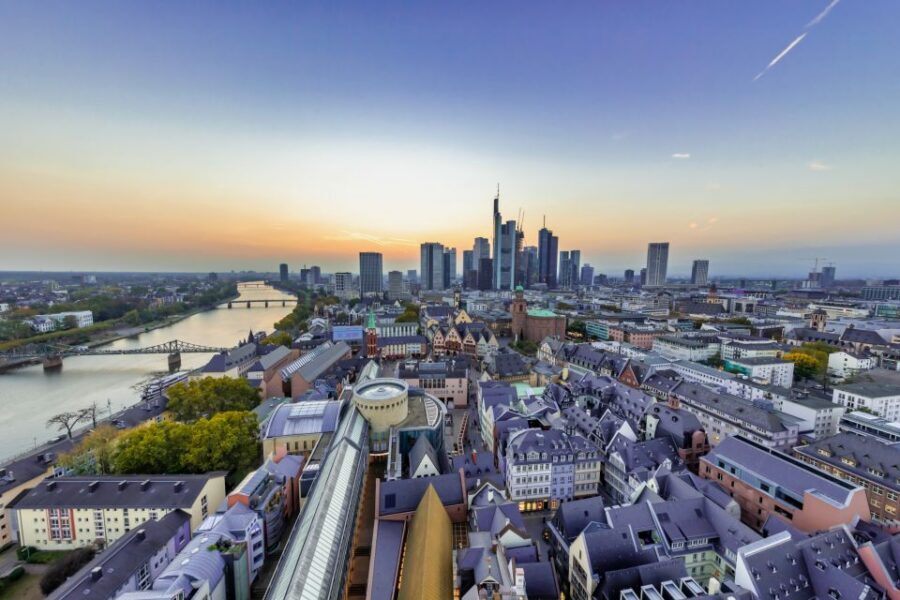
Frankfurt doesn’t try to be all medieval fantasy. Instead, it shows you something more useful: how a city can repair its identity after upheaval. The New Old Town area you’ll walk through is historically reconstructed, which means the streets and building styles are meant to bring back a recognizable old center—not just replace it with generic modern blocks.
That matters because it changes how you read the city. You stop treating Frankfurt as only a financial-business hub and start seeing the layered place beneath it. Even if you’re not a “history person,” you’ll get better at spotting what’s old, what was rebuilt, and what still feels like living city streets.
And it’s practical, too. This tour is designed as a walking loop built around the main shapes of the center: squares, churches, and river views. So you leave with a mental map, not just a list of stops.
You can also read our reviews of more tours and experiences in Frankfurt.

Starting at Römerberg and City Hall Römer: Your Orientation Boost
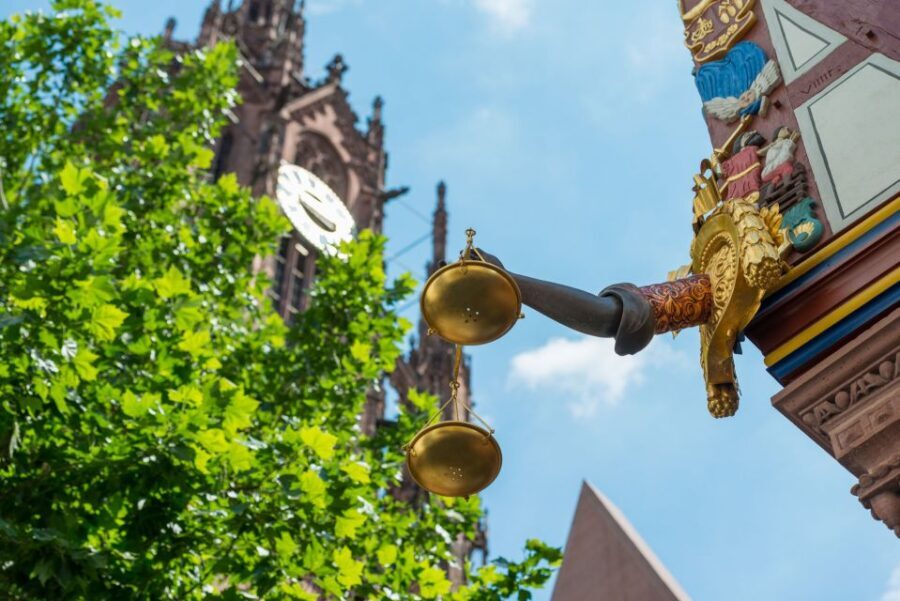
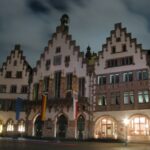
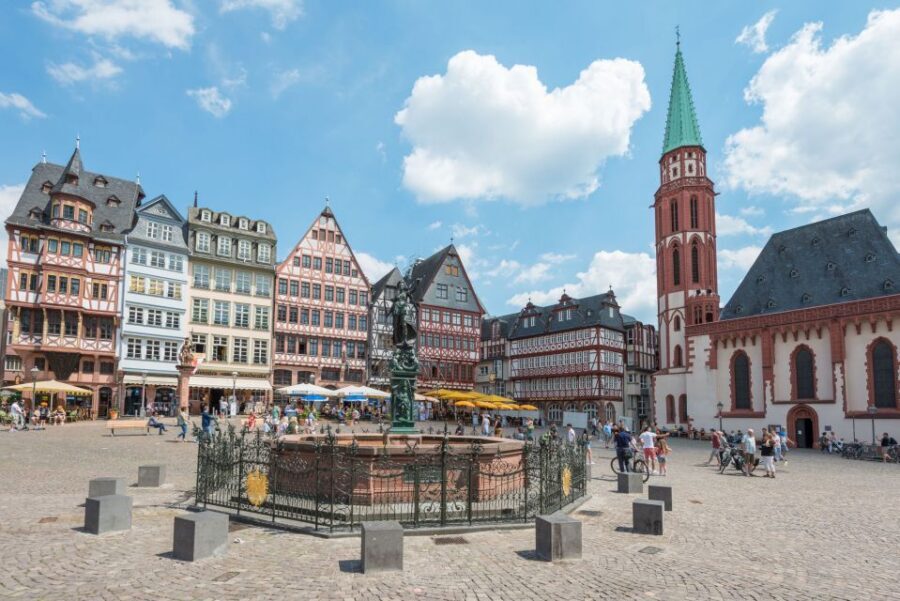
Meet in front of the Tourist Information Office Römer at Römerberg 27. The choice of meeting point is smart because Römerberg is the geographic and symbolic anchor of the Old Town.
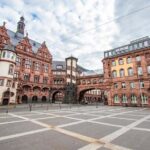
When you begin in front of the City Hall Römer, the tour immediately gives you context. You’re not walking blind into alleys—you start with a landmark that explains Frankfurt’s civic life. From there, the guide can connect architecture to purpose: why a square matters, why public buildings mattered, and how the city organized itself around these spaces.
Römerberg is also home to the 700-year-old square. Even if you don’t memorize dates, you’ll feel the scale: this isn’t a theme park square. It’s been a focal point for centuries, and the reconstruction of nearby streets helps you understand what that focus looked like in earlier days.
The Half-Timbered Lanes: A Walk That Teaches You to Look
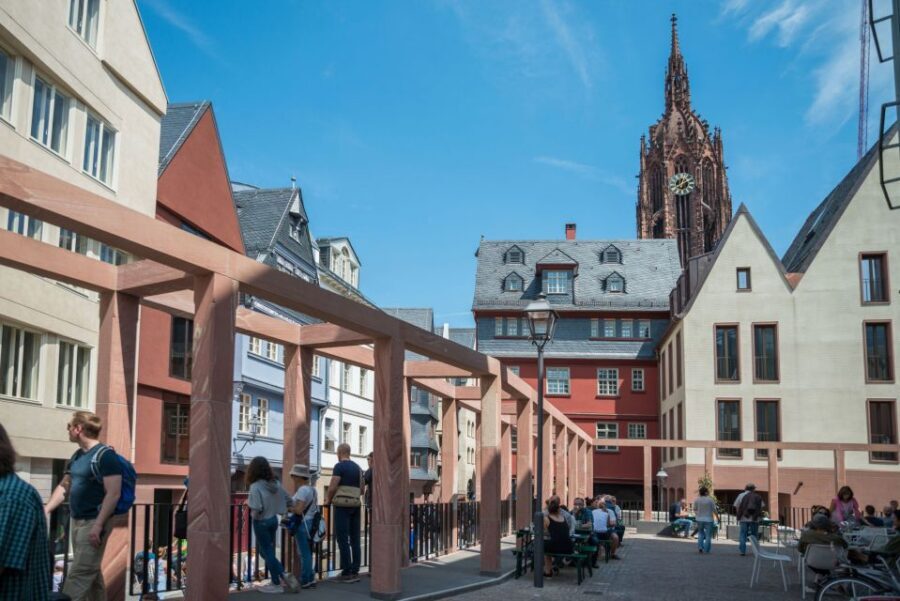
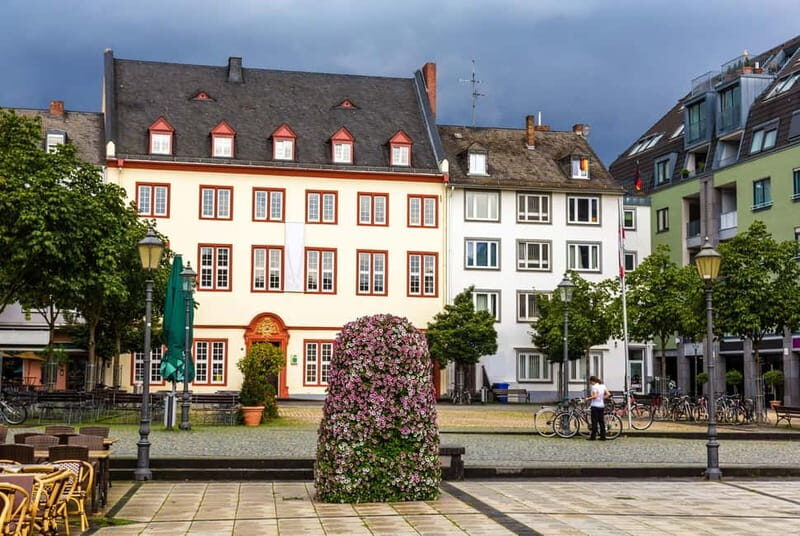
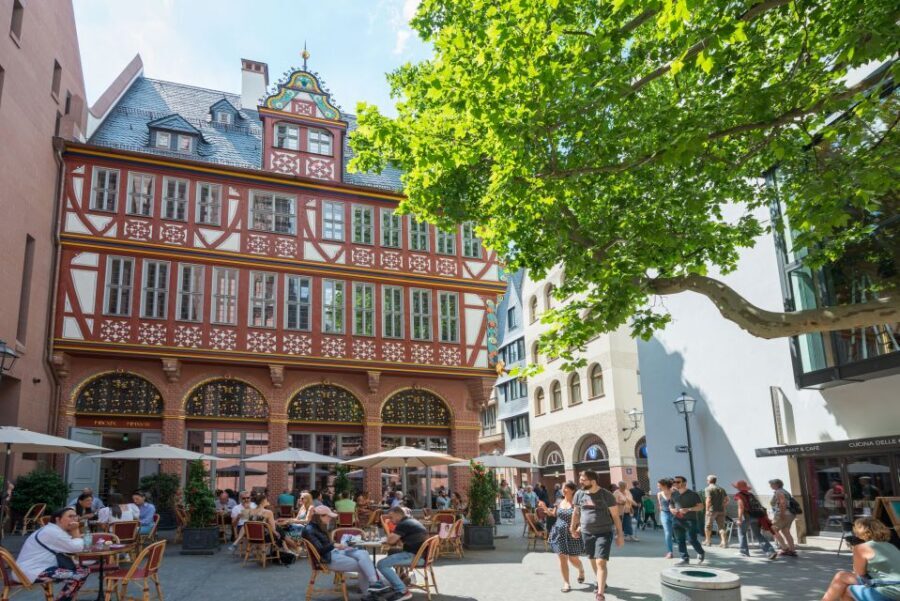
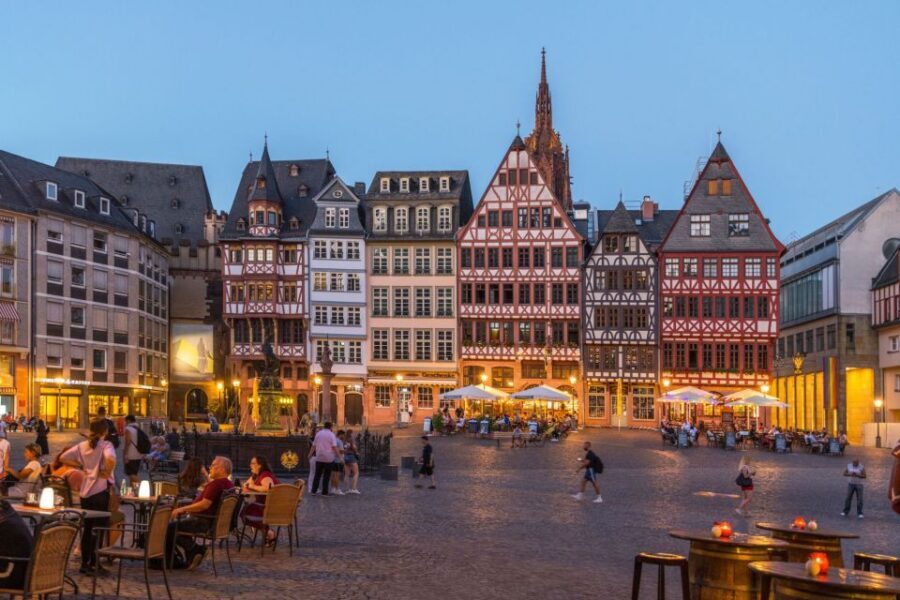
The heart of the experience is the slow stroll through winding lanes and the historically reconstructed center. I like this approach because it’s not just “look at this building.” It’s “look at how the street works,” which is where half-timbered architecture becomes more than decoration.
As you move through the New Old Town, you’ll notice patterns: narrow passages that funnel sightlines, buildings that create a human scale, and street corners that feel designed for everyday life. That’s why the half-timbered look is worth your attention. It gives you an immediate sense of place—something you’ll remember later when you’re elsewhere in the city.
A helpful detail: some guides use before-and-after style visuals to explain what changed and what stayed. Even if your German isn’t perfect, that kind of comparison makes the reconstruction story easier to follow on the spot.
St. Paul’s Church: Where the Tour Gets Meaning
If you want one stop that explains more than architecture, it’s St. Paul’s Church. This is where you learn about Germany’s early democratic developments—an angle that turns the walk from sightseeing into understanding.
You’ll probably walk into this moment with a vague idea of European democracy, and you’ll leave with a clearer sense that political history has specific buildings attached to it. St. Paul’s Church gives that history a physical home, and that’s what makes it stick. It’s also a useful contrast to the recreated medieval-looking streets: one is about how the city looks; the other is about what the city tried to become.
Even if the tour is in German, the meaning lands because the guide can point out key ideas tied to the site. One highlight from past experiences: guides tend to pace explanations in a way that keeps people connected, even when the day is hot or the group is a bit bigger than expected.
The Cathedral Stop: A Powerful Visual Pause
The tour also includes the Cathedral. This is the kind of stop where you can reset your brain—towering forms, stone surfaces, and a scale that makes the surrounding streets feel smaller.
What I like about including a cathedral on a short walk is the visual variety. Half-timbered streets can blur together if you’re moving quickly. A major church gives your eyes a new landmark to hold onto while the guide continues tying the city together through stories of earlier times and later changes.
If you’re the type who reads buildings quickly, take a moment here just to look up and then back down. That back-and-forth is exactly what helps you track how the guide is narrating the city’s evolution.

Eiserner Steg and Museumsufer: River Views Plus Big Museum Energy
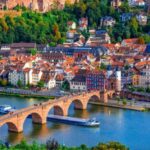
Then the tour shifts toward the river, and the mood changes. First comes Eiserner Steg, the iron footbridge. It’s a popular photo spot for good reason: it frames river crossings and city views in a way that feels instantly “Frankfurt.”
You’ll want a few minutes here for photos, not because it’s trendy, but because it’s one of the easiest places to connect Old Town landmarks to modern skyline lines. This is where Frankfurt starts looking like what you actually came to see: a historic core next to a very contemporary city.
After the bridge, the tour points you toward the Museumsufer. The key detail you’ll hear is that the museum embankment stretches with 39 museums. You don’t have time to hit them all on a 1.5-hour walk, but you get a sense of the theme: this river edge isn’t just scenery. It’s a cultural corridor.
If you want a simple next step after the tour, that’s your clue. You can use this viewpoint as a planning anchor: once you’ve seen where the museums line up, it’s easier to pick one or two for a longer visit later.
Pace, Language, and Who This Tour Suits
This is a guided walking tour, 1.5 hours long, conducted in German. If you speak German well, you’ll get the full storytelling rhythm. If you don’t, you can still benefit a lot, especially if you stay focused on the key nouns the guide points out (Römerberg, St. Paul’s Church, Eiserner Steg, Museumsufer).
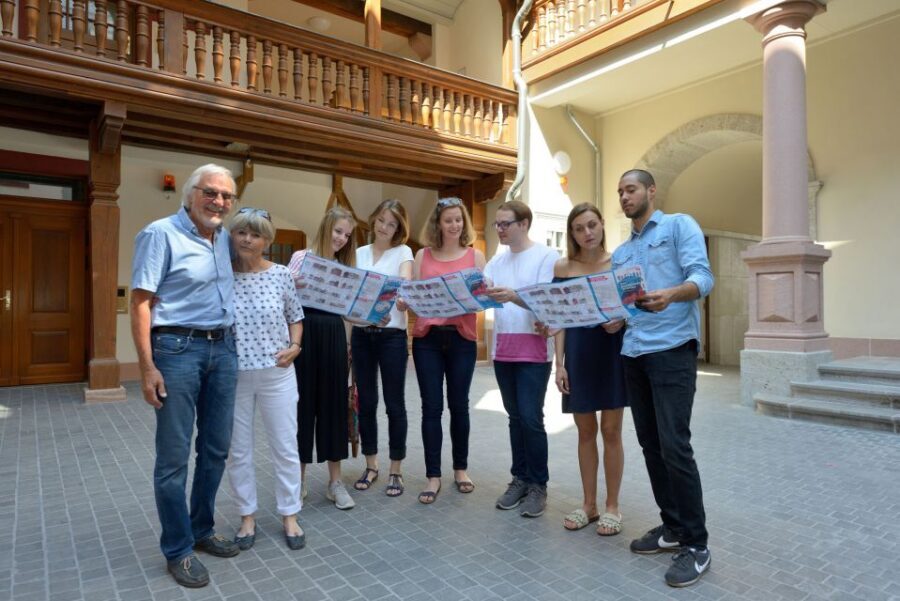
Past experiences show guides do practical things to keep the group comfortable. On a very hot day, one guide tried moving people from shade spot to shade spot. That’s a real quality-of-life issue on a summer Frankfurt afternoon.
Also, guides have managed larger groups while keeping things clear. If you’re worried about hearing the guide, this tour has a track record of handling that part well.
Who should go? If you’re:
- New to Frankfurt and want a fast way to learn the “shape” of the city
- Interested in Germany’s political landmarks, not only monuments
- Keen on architecture and the special angle of reconstruction
One caution: if you’re traveling with kids, the history emphasis might feel heavy on a 1.5-hour timeline—especially in extreme heat. You’ll still see the main sights, but it helps to bring extra curiosity or plan a shorter day elsewhere.
Price and Value: Is $21 a Smart Use of Time?
$21 per person for 1.5 hours sounds modest, and the value comes from how many high-impact landmarks you cover in one connected route. You’re not just paying for walking time. You’re paying for a certified German-speaking guide who can tie the rebuilt city fabric to civic and political landmarks, then connect it to the river views.
The best value move here is combining the tour with your later exploring. After you do this walk, you’ll understand what you’re looking at if you return on your own for:
- Extra time in the square/civic area
- A deeper stop at the church you found most meaningful
- A museum pick from the Museumsufer area
In other words, the tour gives you direction. Without that, you might spend more time wandering with fewer “aha” moments. With it, you get a stronger sense of where to go next.
Should You Book This Frankfurt New Old Town Tour?
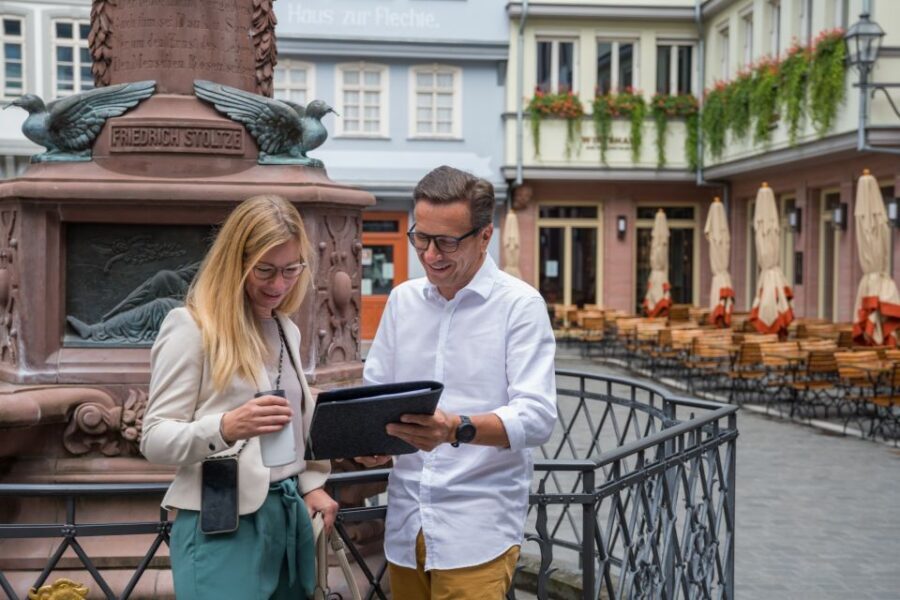
Book it if you want a compact, well-structured orientation to Frankfurt in just 1.5 hours, with the bonus of political context at St. Paul’s Church and classic river views at Eiserner Steg. It’s also a good fit if you like your city tours grounded in real landmarks and not just generic “nice buildings.”
Skip or adjust your expectations if you:
- Want a long, stop-and-stay museum day (this is a walking highlight tour)
- Are sensitive to heat and sun on afternoon strolls
- Need a lot of kid-friendly action beats tied to the pace of the narration
If your priority is understanding Frankfurt quickly—how the reconstructed Old Town fits next to the modern skyline—this is one of the more direct ways to get there.
FAQ
Is the tour available in German?
Yes. The live tour guide language is German.
How long is the walk?
The tour runs for 1.5 hours.
Where do I meet the guide?
You meet in front of the Tourist Information Office Römer at Römerberg 27, 60311 Frankfurt am Main.
What are the main places you’ll see?
Expect stops and views around Römerberg and the Römer (City Hall), St. Paul’s Church, the Cathedral, Eiserner Steg (iron footbridge), and the Museumsufer area with 39 museums.
Is this tour wheelchair accessible?
Yes, the tour is wheelchair accessible.
What’s the cancellation window and payment flexibility?
You can cancel up to 24 hours in advance for a full refund. It also offers reserve now & pay later, so you can book without paying today.