REVIEW · BERLIN
Berlin Historical Highlights Walking Tour
Book on GetYourGuide →Operated by Vive Berlin e.G · Bookable on GetYourGuide
Berlin’s past has sharper edges than you expect. This Berlin Historical Highlights Walking Tour strings the city’s turning points together on foot, with a guide who explains what you’re actually looking at. I especially like how the route connects big symbols (like the Brandenburg Gate) to the human stakes (the Holocaust Memorial), and how Cold War-era landmarks get context fast (Checkpoint Charlie and the Wall). One thing to consider: you’ll cover a lot of ground, so plan for winter chill or heat, and bring comfortable shoes.
You’ll start around Potsdamer Platz and move through the core sites that shaped modern Berlin, then keep going toward Museum Island and the Humboldt Forum area. The small-group feel matters here. It’s easier to ask questions, and it usually makes the walk feel less like sightseeing and more like understanding the city’s decisions. Guides I’ve heard named—like Paul, Céline, Jean Charles, and Paolo—are known for keeping the pace explainable, even when the weather gets messy.
There’s also a practical side: the tour includes a guide, but not public transport, and you may use the metro during difficult weather. If your idea of a great tour is long lingering stops on your own, this one may feel a bit “guided and structured,” not slow and open-ended.
In This Review
- Key highlights to look for
- Potsdamer Platz to the Brandenburg Gate: the logic of this route
- A note on weather and comfort
- Berlin Wall and Topography of Terror: more than a photo stop
- Checkpoint Charlie: Cold War symbolism that actually makes sense
- Hitler’s bunker area and the Reichstag: power, collapse, and rebuilding
- Hitler’s bunker area
- Reichstag
- Holocaust Memorial: reflection that changes the tone
- Unter den Linden and Bebelplatz: Berlin’s grand spine
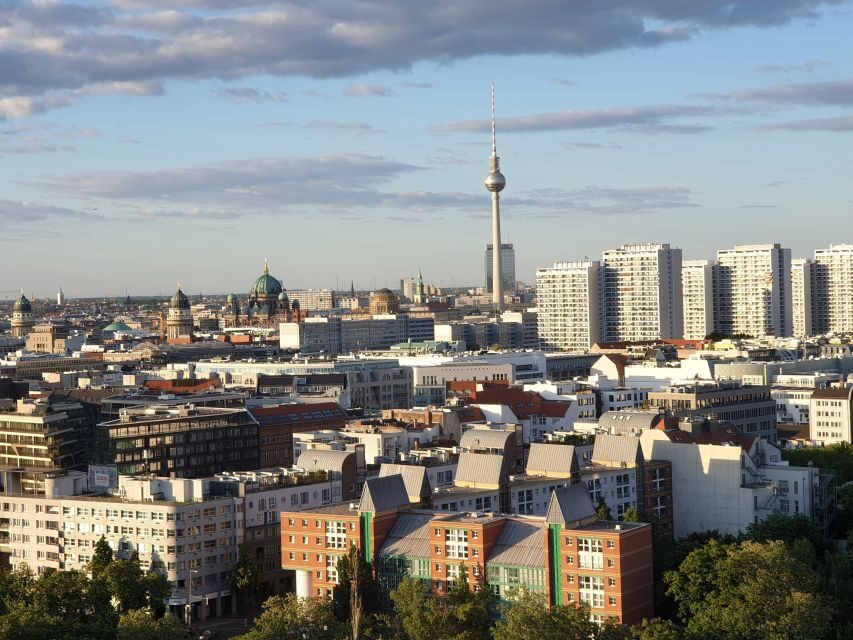
- Museum Island and Humboldt Forum: finishing with culture and contrast
- Museum Island
- Humboldt Forum
- Price and group setup: is $389 per group worth it?
- Tips to get the most out of this walk
- Who this tour fits best
- Should you book this Berlin Historical Highlights Walking Tour?
- FAQ
- How long is the Berlin Historical Highlights Walking Tour?
- Where does the tour start?
- Is public transport included?
- Do you offer pickup?
- What languages are the guides available in?
- Is the tour wheelchair accessible?
- How many people are in a group?
- What should I bring for the tour?
- Can I cancel for a full refund?
Key highlights to look for
- A story-first route linking Potsdamer Platz, the Wall, and the Brandenburg Gate in one flow
- Cold War symbolism at Checkpoint Charlie, explained instead of just photographed
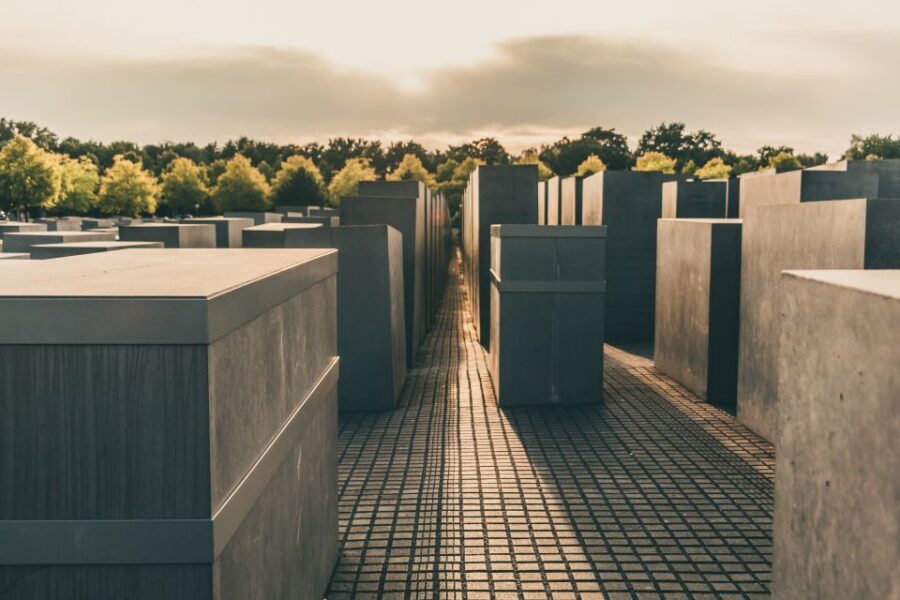
- Meaningful pauses at the Memorial to Murdered Jews of Europe so you process what you’re seeing
- Classic Berlin power sites like the Reichstag and Unter den Linden with clear context
- Museum Island + Humboldt Forum in the same walking arc, without requiring separate planning
- Small-group energy that keeps questions and pacing realistic
Potsdamer Platz to the Brandenburg Gate: the logic of this route
This tour is built around a simple idea: Berlin is easier to understand when you follow cause and effect. Starting at Potsdamer Platz puts you near the crossroads of modern Berlin, then you work backward and forward through eras that left physical marks on the streets.
What you’ll like most is the way the guide turns famous places into timeline landmarks. You’re not just seeing a list of icons—you’re being taught how the city changed hands, ideologies, and borders, and how those shifts still show up in architecture and layout. That makes the walk feel purposeful, not random.
There’s also a smart pacing rhythm. You get short guided stops—enough time to take in details and hear the story—plus walk segments that keep you moving. At the Brandenburg Gate area, there’s even a brief break (about ten minutes), which is a lifesaver if you’re cold, tired, or just want a quick breather before continuing.
You can also read our reviews of more walking tours in Berlin



A note on weather and comfort
Berlin weather can change without asking. Even though this is a walking tour, the organizers note that during difficult conditions you may take the metro during the tour. That’s worth appreciating: it protects your energy for the parts that matter most.
And yes, you should dress for walking. Comfortable shoes are non-negotiable here.
Berlin Wall and Topography of Terror: more than a photo stop
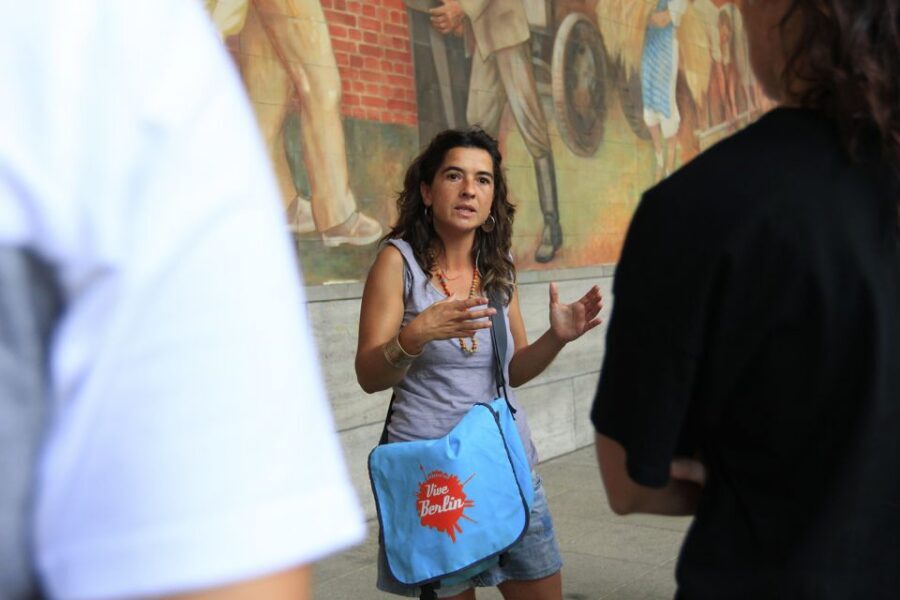
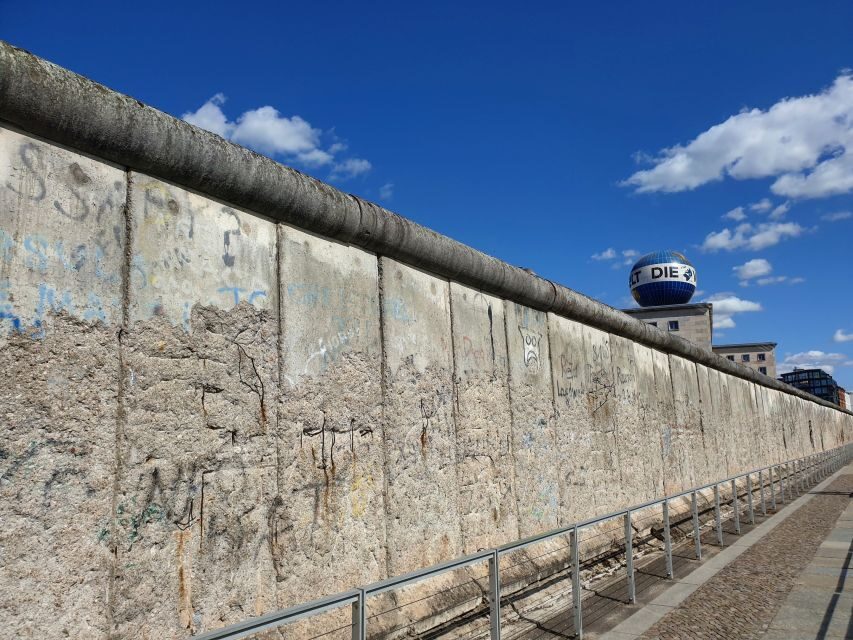
The Berlin Wall section is where this tour earns its reputation for clarity. The guide doesn’t treat it like a static monument. Instead, you’ll hear how division shaped daily life and how the city’s geography became a tool—something political, not just physical.
Then comes Topography of Terror, which carries a different emotional weight. The value of including it on the same arc as the Wall is that you get both systems at once: the mechanisms of oppression and the way the city’s later divisions locked those consequences into place. The guided time is short, but it’s enough to orient you. After that, the area tends to stick in your mind because you understand what to notice.
A potential drawback: if you’re the type who wants long museum-style reading time, you may find the guided timing a bit tight. The flip side is that the structure keeps you from wandering. You leave with a sense of the big picture, which is exactly what helps when you come back later to explore further on your own.
Checkpoint Charlie: Cold War symbolism that actually makes sense
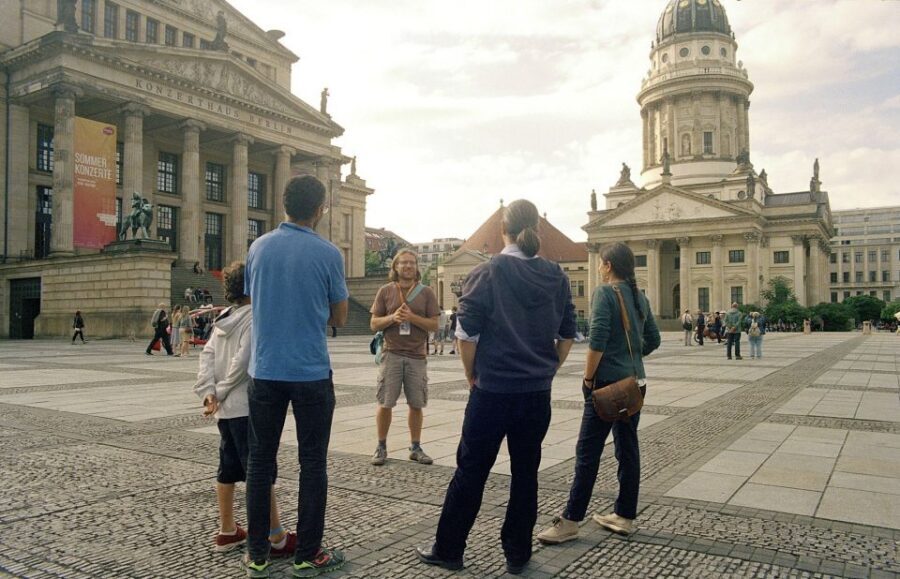
Checkpoint Charlie can look like a tourist zone if you only treat it as a photo background. Here, the explanation changes the experience. You’ll get Cold War context that links the site to the deeper logic of Berlin at the time: controlled movement, propaganda, and tension played out in real space.
The guide’s role is key. When you know what the place signaled—and why both sides cared—you’ll notice things you would otherwise miss. Even if you’ve seen plenty of Berlin Wall images before, this stop often feels like the first moment the tour makes the Cold War feel close and specific.
This is also a strong spot for questions. A small-group format means you’re not shouting across a crowd. If you want to know how people lived, how rules worked, or why certain borders mattered, you can usually get a direct answer.
Hitler’s bunker area and the Reichstag: power, collapse, and rebuilding
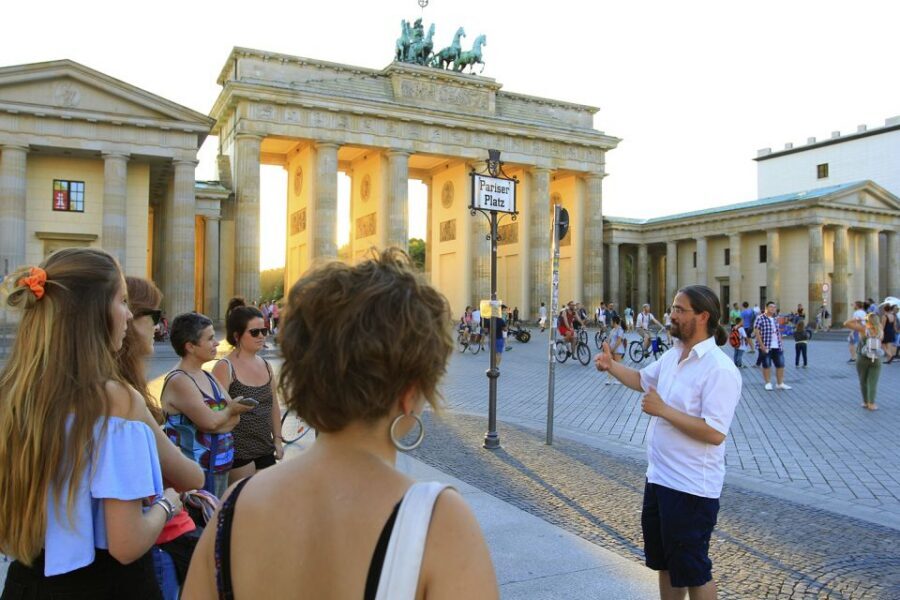
One of the hardest transitions on this route is moving from the oppressive history of the Second World War toward the symbols of later governance. The tour includes the area associated with Hitler’s bunker, then later brings you to the Reichstag.
You can also read our reviews of more historical tours in Berlin




Hitler’s bunker area
This portion is handled as a guided segment, around ten minutes. That short time won’t turn you into an expert, but it can prevent a common mistake: treating the site like a trivia point. With context, it becomes a marker of how ideology and decisions ended in catastrophe—and why Berlin’s postwar story mattered so much.
Reichstag
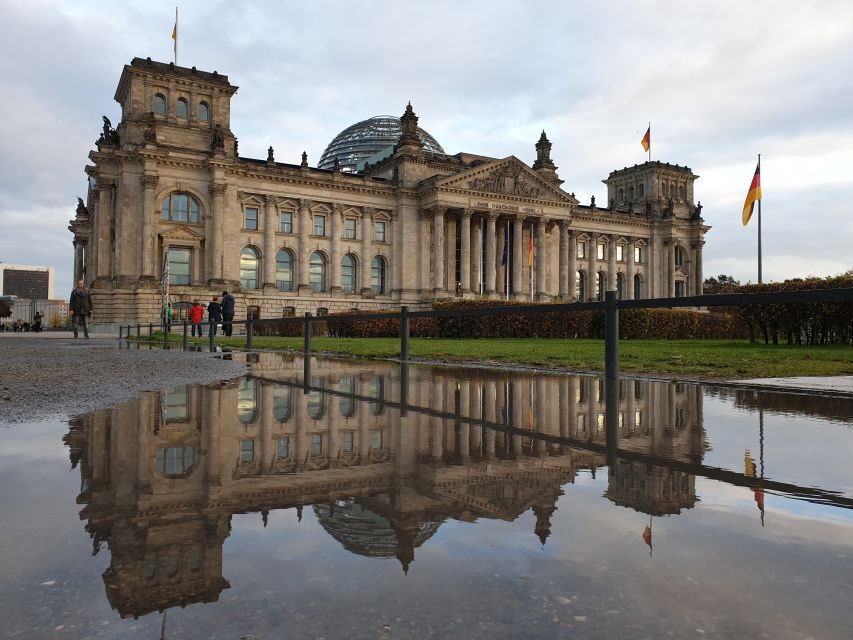
The Reichstag visit is brief, but it’s placed well. By the time you reach it, you’ve already seen how Germany’s political climate warped Berlin. That makes the Reichstag feel less like a landmark you check off, and more like a statement about authority, resilience, and the rebuilding of civic life.
If you’re worried about time here: the guided portion is short on purpose. The tour keeps you moving toward the Brandenburg Gate and Unter den Linden, which is where the city’s “readable” beauty shows up.
Holocaust Memorial: reflection that changes the tone
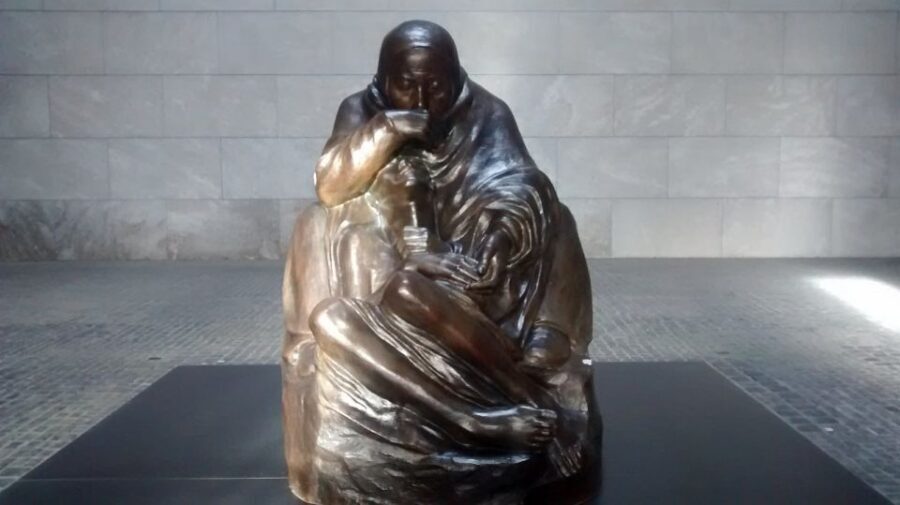
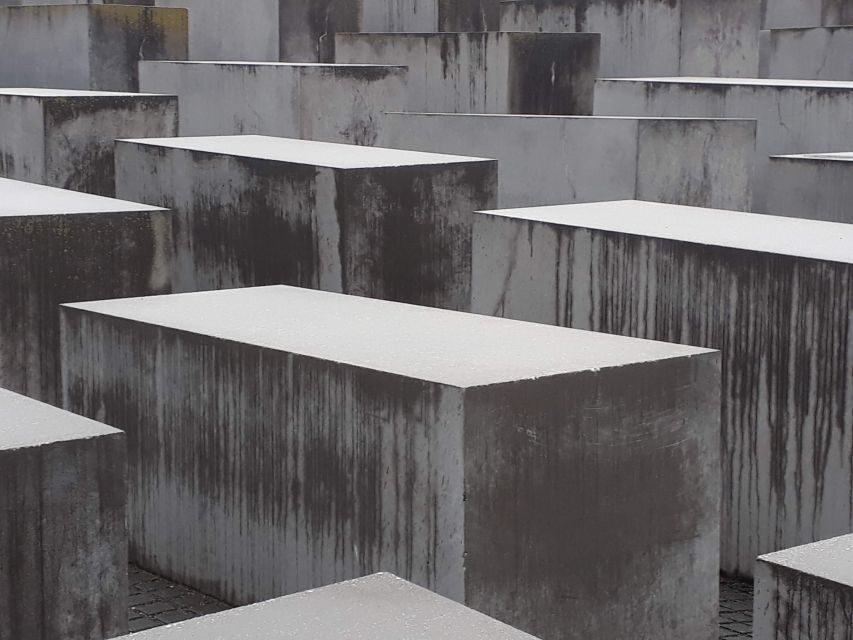
The Memorial to Murdered Jews of Europe is not a stop you just pass through. The tour gives it guided attention (about twenty minutes). That matters, because the guide can help you frame what you’re seeing so the experience doesn’t become mechanical or rushed.
What I appreciate about the structure is the sequence. You come from sites tied to war and power, then you’re asked to slow down and reflect in a space designed to prompt that mental shift. It’s one of those stops where the guide’s pacing helps you absorb rather than just observe.
A consideration: if you prefer a fully self-directed pace at heavy sites, the presence of a guided explanation may feel like it limits your time. But if you want help making sense of what the memorial is meant to communicate, this is one of the tour’s strongest reasons to choose it.
Unter den Linden and Bebelplatz: Berlin’s grand spine
After the major memorial and power sites, the route moves along Unter den Linden, one of Berlin’s defining boulevards. This is where the city looks “classic Berlin” fast: grand streetscapes, monumental sightlines, and the sense that Berlin likes to stage its history in straight lines.
The tour also includes Bebelplatz. This stop helps connect the grand look to the political realities behind it. The guided time is short, but it’s designed to help you understand why this place matters beyond its aesthetics.
What you’ll get out of these sections is a clearer sense of how Berlin planned itself—and how that planning played into what happened later. You’re not only walking past buildings; you’re learning how the city’s layouts reflect control, identity, and public life.
Museum Island and Humboldt Forum: finishing with culture and contrast
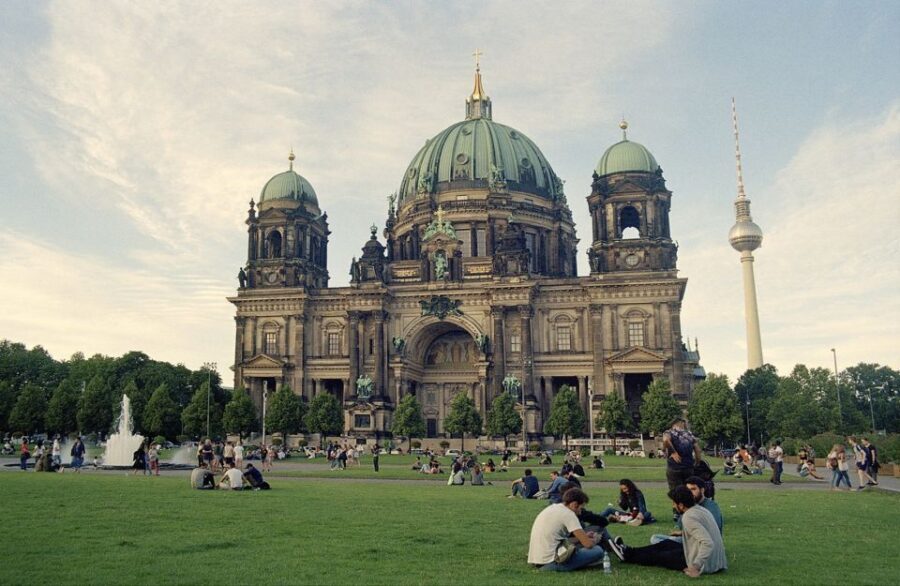
Ending with Museum Island and the Humboldt Forum gives the tour a strong payoff. It’s a reminder that Berlin didn’t just react to division and war; it also built institutions, cultural spaces, and public narratives.
Museum Island
Museum Island is a guided visit. You’ll get orientation and context that helps you understand why this area became central to Berlin’s cultural identity. The biggest value here is knowing what you’re looking for—why these collections and buildings belong together as a concept, not just as individual attractions.
Humboldt Forum
The Humboldt Forum is visited with guided explanation too, and it lands the tour in a more modern conversation. By the time you reach it, you’ve already walked through political fracture and historical memory. That makes the Forum’s role in today’s Berlin feel more meaningful. It’s not just a building—you’re seeing how the city tells stories in the present.
Timing here is friendly for photos, but not so long that you lose the thread. If you want to keep exploring after the tour, this end point is practical because you’re dropped off in the Unter den Linden area, where you can easily plan your next stop.
Price and group setup: is $389 per group worth it?
At $389 per group (up to 6 people), this tour can be good value if you’re traveling with others. The price isn’t “per person,” so it becomes easier to justify when you split it. You’re also paying for guided time across multiple high-demand landmarks that would be harder to sequence logically on your own.
What you’re getting:
- A live guide (included)
- Multiple major sites across Berlin’s political and cultural core
- A route that connects eras instead of repeating the same type of stop
What you’re not getting:
- Public transport tickets
- A slow, open-ended style tour
So here’s the practical way to decide: if you’re the kind of visitor who likes to understand before taking photos, and you don’t want to spend your precious time building your own “best Berlin history” route, this setup makes sense. If you’re a fast walker who loves doing independent museum time afterward, you’ll likely enjoy the structure because it sets you up for smarter follow-ups.
Tips to get the most out of this walk
A few small moves make a big difference on this kind of route:
- Bring your public transport plan. The organizers recommend getting an AB zones ticket for the day to reach the meeting point and continue your journey. The tour doesn’t end where you start, and Berlin is huge.
- Choose comfortable shoes with grip. You’ll be on sidewalks and outdoor ground, often with winter conditions or uneven surfaces.
- Expect some metro use if conditions are tough. That’s not a failure of the tour; it’s a practical adjustment to keep things moving.
- Ask questions at the Wall and Cold War stops. Those are the areas where context changes what you notice in the photos you take.
Who this tour fits best
This is a strong match for you if:
- You want a guided history overview across major sites, not just a museum day
- You appreciate structure and would rather not plan a route across several neighborhoods
- You want to learn the story behind the Brandenburg Gate, Checkpoint Charlie, the Reichstag area, and Memorial context without guessing
It may not be the best fit if:
- You want long stays at each landmark
- You prefer purely self-guided wandering with no schedule at all
Wheelchair accessibility is listed, so you can also consider it if you need that kind of support and your route planning works with a guided walk and possible metro use.
Should you book this Berlin Historical Highlights Walking Tour?
I’d book it if your goal is to get oriented fast and learn how Berlin’s most famous sites relate to each other. The route makes sense, the guided stops are timed to keep the big picture clear, and the strongest emotional moments (especially the Holocaust Memorial) get the attention you’d want in a serious history tour.
I’d think twice if you’re looking for a slow-paced, linger-all-day experience. The tradeoff here is speed-with-context. If that sounds like your style, you’ll get a lot from the time you spend, and you’ll be able to explore Berlin afterward with far better instincts for what matters.
FAQ
How long is the Berlin Historical Highlights Walking Tour?
The duration is listed as 3 to 6 hours, depending on the selected option and the situation on the day.
Where does the tour start?
The starting point is near Potsdamer Platz, and the meeting point may vary depending on the option booked.
Is public transport included?
No. Public transport tickets are not included.
Do you offer pickup?
Pickup is optional. You’d wait in the hotel lobby about 10 minutes before the scheduled pickup time, and you need to contact the operator at least a few days in advance to discuss details.
What languages are the guides available in?
Live guided tours are available in French, Italian, Spanish, and English.
Is the tour wheelchair accessible?
Yes, the tour is listed as wheelchair accessible.
How many people are in a group?
The tour is priced per group up to 6, and private group options are available.
What should I bring for the tour?
Wear comfortable shoes, since the tour is designed to be done on foot.
Can I cancel for a full refund?
Yes. Free cancellation is available up to 24 hours in advance for a full refund.