REVIEW · BERLIN
Berlin: Natural History Museum Entrance Ticket
Book on GetYourGuide →Operated by Museum für Naturkunde Berlin · Bookable on GetYourGuide
Dinosaur giants and a T. rex wait inside. Berlin’s Museum für Naturkunde turns a simple ticket into a fast, fascinating walk through deep time, with jaw-dropping stars like Giraffatitan brancai and the Biodiversity Wall. It’s a very hands-on kind of natural history, even without a guided tour, thanks to smart self-guided flow and a solid audio option.
What I love most is how the museum connects spectacle to science: you’re not just looking at fossils, you’re seeing how researchers use huge collections. I also like that the highlights are clearly built for quick wins—like the world-famous Archaeopteryx lithographica in the Dinosaur Hall and the museum’s famous preserved “wet” specimens in the East Wing. One thing to consider: the audio is downloadable content that needs your phone (and usually headphones), so coming unprepared can slow you down.
In This Review
- Key highlights that make this ticket special
- Berlin’s Museum für Naturkunde: science you can walk through in an hour
- How to plan your self-guided loop (and not miss the best stuff)
- The Dinosaur Hall: Jurassic drama with real scientific context
- East Wing wet collection: why “preserved in alcohol” is worth your time
- The Biodiversity Wall: a single glance that changes how you see species
- Audio guide and phone setup: where your visit can get easy or annoying
- Price and value: why $12 is a strong deal for a top-tier museum
- Timing, crowds, and the best way to walk through
- Practical details you should not ignore
- Who should book this ticket?
- Should you book this Berlin Natural History Museum ticket?
- FAQ
- How long is the Museum für Naturkunde entrance ticket valid?
- Where do I enter at the Museum für Naturkunde?
- Is the ticket price for one person?
- Is an audio guide included, and what languages are available?
- Do I need to download anything to use the audio?
- Is a guided tour included with the ticket?
- Do I need an ID to enter?
- Does the ticket skip the ticket line?
- Is the museum wheelchair accessible?
- What is the cancellation policy?
Key highlights that make this ticket special
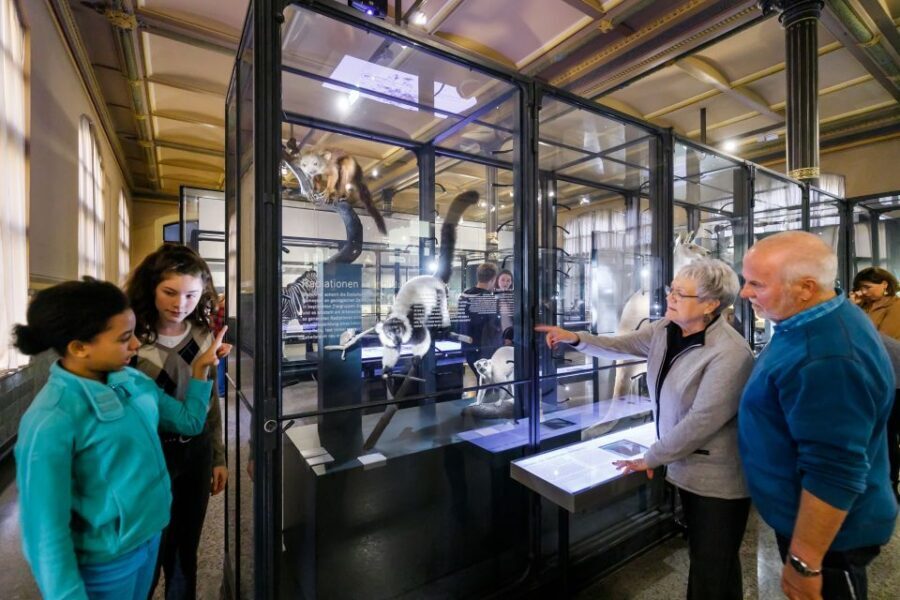
- World-famous dinosaur stars in the Dinosaur Hall, including the tallest mounted dinosaur skeleton, Giraffatitan brancai
- Tristan Otto, one of the few original T. rex skeletons
- The wet collection in the East Wing: about 1 million animals preserved in alcohol
- Biodiversity Wall showing 3,000+ species to think about loss and change
- Archaeopteryx lithographica (kept in a safety showcase) as a must-see centerpiece
- Skip-the-ticket-line entry plus a downloadable, multilingual audio guide option
Berlin’s Museum für Naturkunde: science you can walk through in an hour
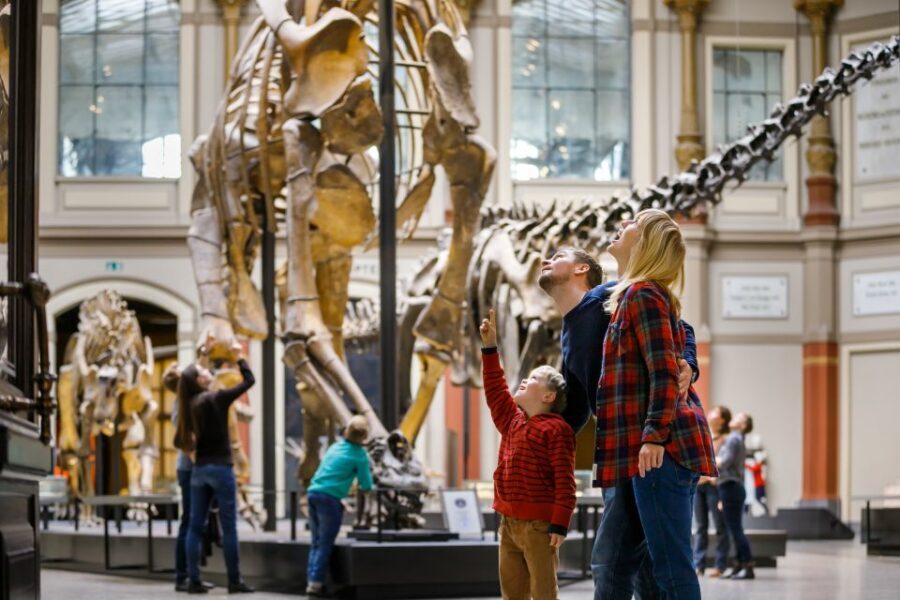
This ticket is for one simple goal: get you into the Museum für Naturkunde fast and focused. The museum is built around real research collections—over 30 million items—and the place isn’t just about old bones behind glass. It’s also about how scientists study life, extinction, and biodiversity for the problems the future holds.
The museum’s starting point is big-name science history. Your route is designed as a journey that nods to explorers like Alexander von Humboldt and Charles Darwin, then keeps rolling forward to modern research. In other words, it’s not trapped in the Jurassic. It’s trying to show how natural history becomes today’s questions: what lives, what disappears, and why.
Practically, think of your visit as a set of themed zones. The Dinosaur Hall is where the big icons live. The East Wing is where you get the more unusual, research-collection experience—yes, including specimens preserved in alcohol. And then there’s the Biodiversity Wall, which is less about awe-at-size and more about a gut-check on species variety and loss.
The value here is that you’re paying for entrance plus audio access, so you can move at your own pace while still getting the context. For about $12, you’re getting multiple world-class exhibits in one stop—this is a good “I only have one museum slot” choice in Berlin.
A few more Berlin tours and experiences worth a look



How to plan your self-guided loop (and not miss the best stuff)
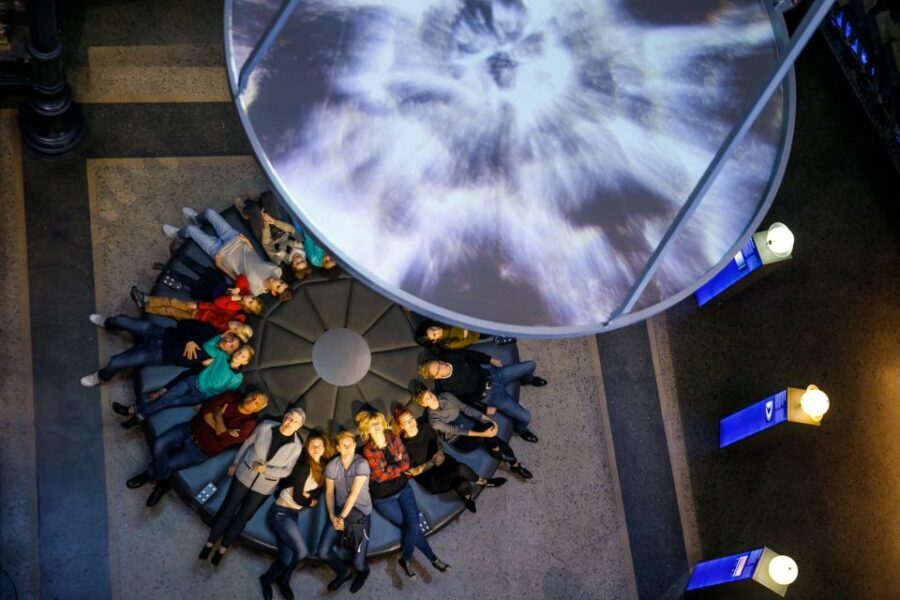
Your ticket time window is 30 minutes to 1 hour, so you’ll get the most value by treating it like a highlight loop rather than a slow roam. You’ll likely want to prioritize the Dinosaur Hall first, then decide quickly whether you want the East Wing wet collection next or the Biodiversity Wall first.
Here’s a straightforward flow that works well for most people:
1) Start with the Dinosaur Hall icons
2) Move toward the Archaeopteryx showcase area
3) Add the East Wing research collection (the wet collection is the “wow, that’s real” stop)
4) Finish with the Biodiversity Wall if you still have time and energy
If your group has kids, the pace matters. Dinosaurs pull attention fast. Biodiversity pulls longer thinking, so it’s best saved for a time when everyone’s ready to slow down for a few minutes.
A quick note on museum size: it can feel more compact than Berlin’s biggest museums, and some days may not show every area. So don’t plan on seeing everything at once. Plan on seeing the key rooms that match your interests.
The Dinosaur Hall: Jurassic drama with real scientific context
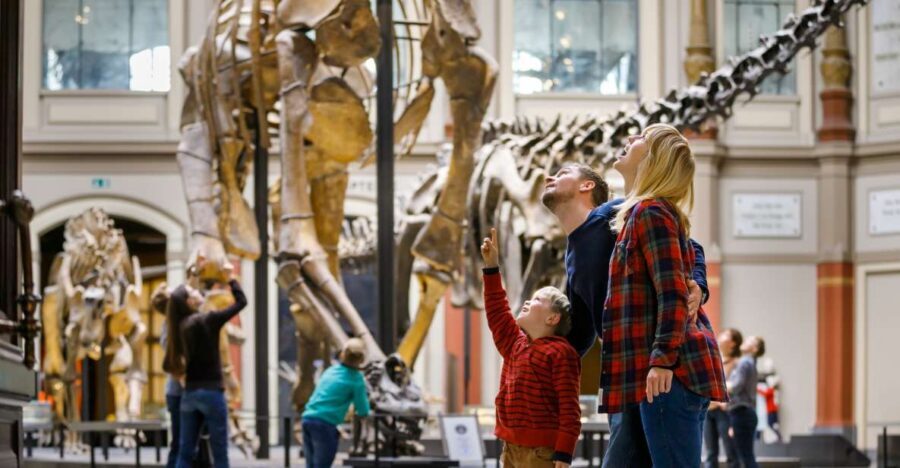
If you’re going to spend just an hour here, the Dinosaur Hall is where that hour should go.
This hall is set up to show life in the Upper Jurassic, about 150 million years ago. The museum’s layout helps you stay oriented: you’re visually guided toward the central star exhibits, then you connect the details with audio.
The showpiece is Giraffatitan brancai, described as the tallest mounted dinosaur skeleton in the world. It’s tall in a very literal way, and the scale is the point. Standing there, you get a better sense of why dinosaur studies aren’t just “look how big.” The bigger the animal, the more it reshapes the environment around it—movement, growth, and survival.
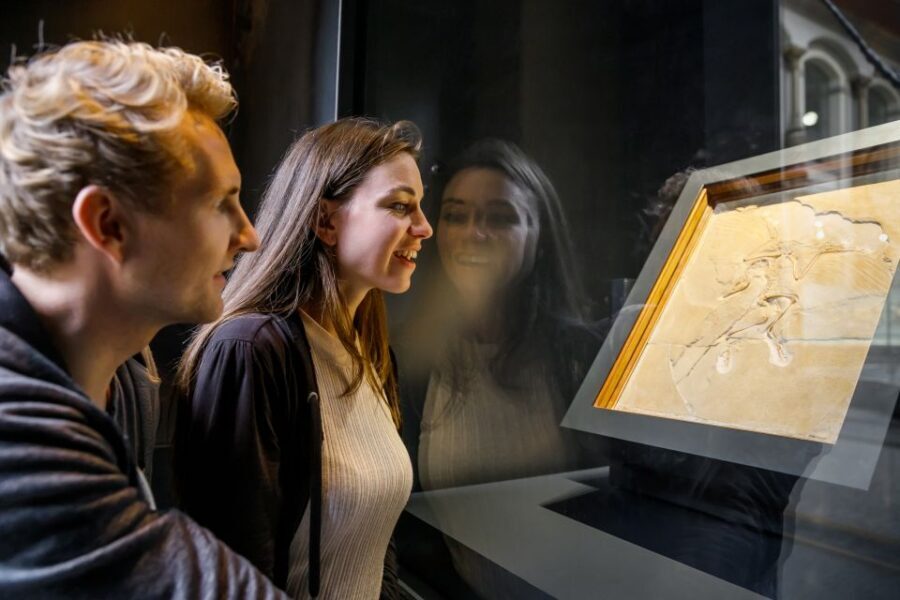
Next, work your way toward the Archaeopteryx lithographica. The museum displays this “Mona Lisa of natural history” in a safety showcase at the back of the hall. It’s a small object compared to the giant skeletons, but it’s an emotional pivot: from giant creatures to the evolutionary bridge that helps explain how we think about birds and dinosaurs.
Then keep an eye out for Tristan Otto, one of the few original T. rex skeletons. The T. rex moment is often the one people remember, and it makes sense. It gives your visit a clean “end boss” feel after the longer Jurassic story.
Even if dinosaurs are your main reason for coming, try to use the audio (or even just glance at labels) to connect what you see to how scientists interpret fossils. In places like this, the best experience isn’t just spotting bones—it’s catching the museum’s main point: fossils still yield new secrets as researchers keep studying them.
East Wing wet collection: why “preserved in alcohol” is worth your time
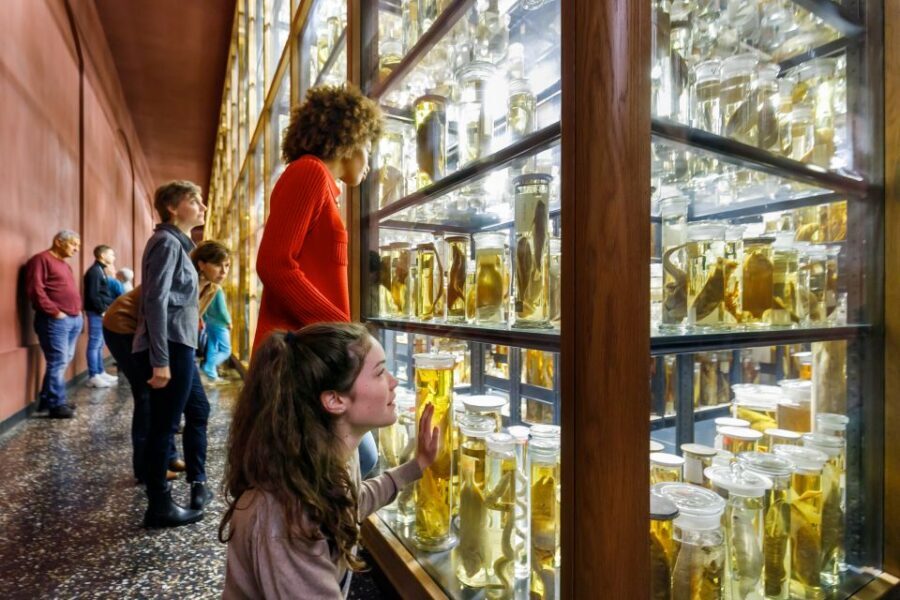
The most unusual part of this museum visit is the East Wing wet collection. Instead of fossils, you get a live-feeling reminder that the museum also studies present-day biodiversity and archived biological material.
The museum describes the collection as about 1 million animals preserved in around 80 tonnes of alcohol. That’s an astonishing number, but the better way to think about it is this: the museum is storing real scientific evidence so future researchers can compare specimens, study anatomy, and revisit questions with better tools.
This area works especially well if you like biology as much as fossils. The experience isn’t about horror-movie shock. It’s about scale and method—how a scientific institution preserves samples so knowledge doesn’t die with the present.
One important expectation-setting point: this is more “scientific collections” than “hands-on play.” If you’re expecting a lot of interactive stations, this may feel more serious and quiet than some children’s museums. Still, it’s a strong pick for older kids and adults who enjoy real specimens and the logic behind their display.
The Biodiversity Wall: a single glance that changes how you see species
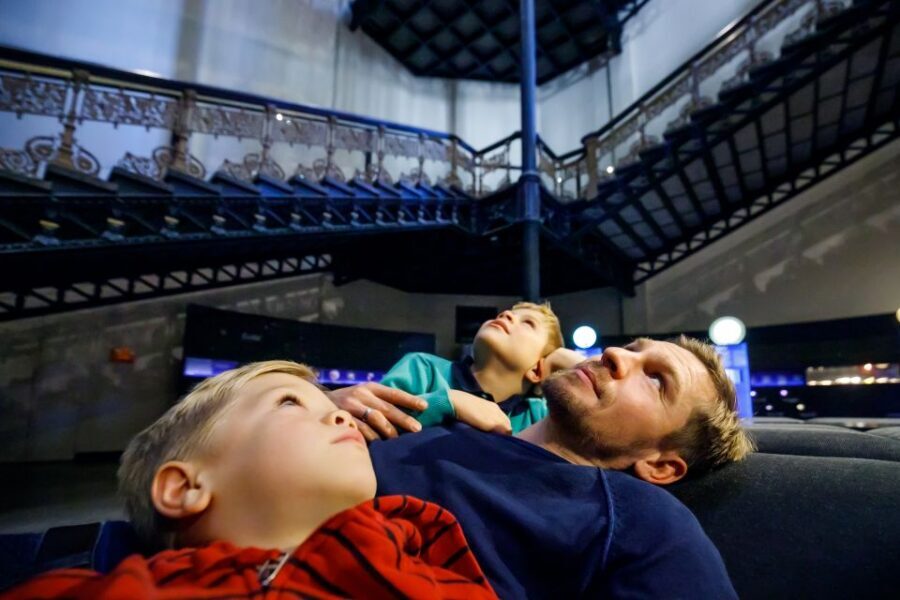
After the dinosaurs and preserved specimens, the Biodiversity Wall hits like a reality check. The museum calls out more than 3,000 different species in one display. This isn’t about one animal. It’s about variety—how many forms of life exist, and how quickly that variety can change.
What I like about this stop is that it gives your visit a modern purpose. The museum frames the discussion around biodiversity and biodiversity loss, and that theme matches what you’re doing in the rest of the museum: looking at evidence, then thinking about what it means for the future.
If your schedule is tight, you don’t need to spend a long time here. Even a short visit gives you the main impact: you walk in seeing hundreds of isolated stories, then you walk out with one big idea—that biodiversity isn’t a background detail. It’s the living foundation of ecosystems.
You can also read our reviews of more historical tours in Berlin






Audio guide and phone setup: where your visit can get easy or annoying
This ticket includes access to downloadable audio content in multiple languages, including English, French, German, Italian, Japanese, Polish, Portuguese, Russian, Spanish, and Turkish. You’ll need to log into a website for the audio content.
Because it’s not a physical audio device, I strongly recommend arriving with your own essentials:
- Your phone charged
- Headphones
- A plan to use museum Wi‑Fi if you need it
This is one of those “it’s fine if you prepare” situations. If you don’t have headphones, you can still read labels, but you’ll lose the advantage of the audio route, and the hall-to-hall context can feel harder to connect.
Also, don’t expect every sign to be in perfect English. The audio guide is your best friend for that reason. Even when labels are translated, audio helps you move quickly without stopping every two steps to translate on the spot.
Price and value: why $12 is a strong deal for a top-tier museum
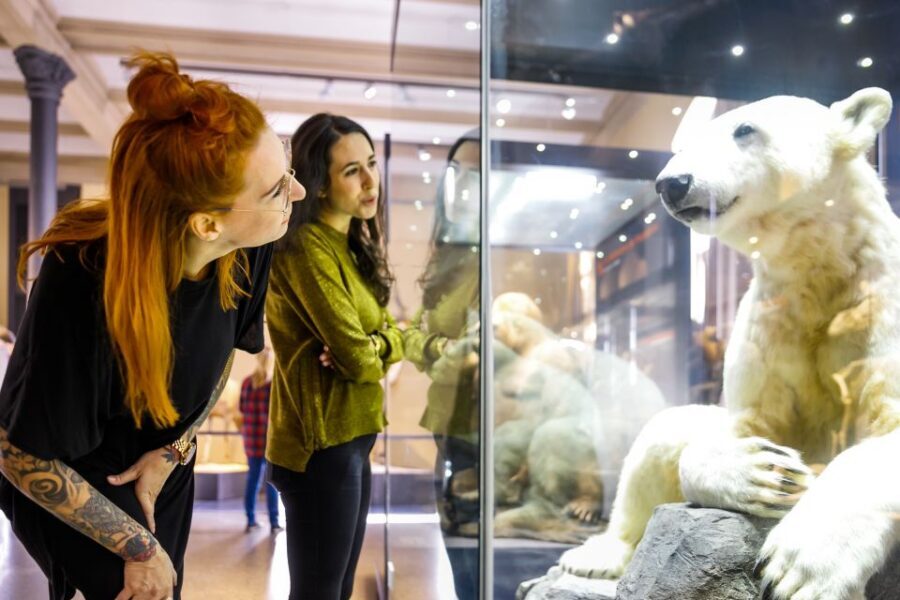
At $12 per person, the ticket is priced like a museum snack, not a museum feast. And yet, you’re paying for entrance plus audio access to multiple high-impact areas: Dinosaur Hall icons, the Archaeopteryx showcase, the East Wing wet collection, and the Biodiversity Wall.
That combination is where the value comes from. Many museums have one “star room.” Here, the stars are split across fossil spectacle, preservation/science, and biodiversity big-picture thinking. So you’re getting variety without needing to stack multiple tickets.
If you’re trying to fit Berlin into a short trip, this ticket makes a lot of sense. It can fill an hour without turning into a half-day commitment.
If you have lots of time, you can still build it out—but the point of this specific ticket is getting you into the highlights efficiently.
Timing, crowds, and the best way to walk through
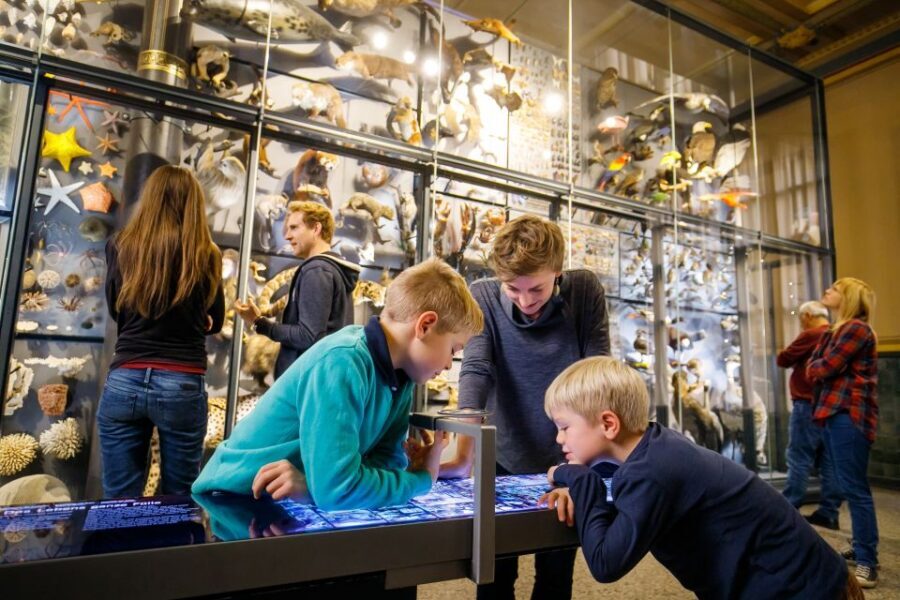
Your entry is designed to be timed, with a visit window of 30 minutes to 1 hour. That helps with the #1 Berlin museum problem: lines. You also get skip-the-ticket-line entry, so you aren’t burning your limited time standing around.
Still, the museum can get busy. The Dinosaur Hall is a magnet, so plan for shoulder-to-shoulder viewing at peak moments. Your best strategy is simple: don’t camp in the busiest spot. Look, get your bearings fast, then move to the next exhibit while the crowd shifts.
Also, expect a lot of families on weekends. That can be fun, but it does change the sound level and pace. For small kids, the dinosaurs are a strong attention magnet, and the museum’s setup supports that. For adults, the audio helps you stay engaged even if the room feels a bit hectic.
Practical details you should not ignore
Meeting point: main entrance of the museum at Invalidenstraße 43, 10115 Berlin.
What to bring: a passport or ID card, especially if you’re using reduced tickets (proof of age/status is required on entry).
Cloakroom: included, which is useful if you’re touring with a jacket, small bag, or extra layer.
Accessibility: wheelchair accessible.
One more small but real tip: download your audio access before you’re rushing. If you get stuck at the door figuring out your login while everyone else streams into the hall, you lose the smooth flow the ticket is built for.
Who should book this ticket?
This entrance ticket is a great match if you want:
- Dinosaur highlights without a complicated plan
- A museum that mixes fossil icons with real biological collections
- A self-guided experience with multilingual audio
It’s less ideal if you’re expecting lots of interactive exhibits or a long, slow “see everything” day. The museum is impressive and well organized, but it’s still a science museum with displays that lean serious and observational.
If you’re traveling with kids, it works well because the dinosaur focus is immediate, and the museum is designed to keep attention moving. If you’re traveling solo or as a couple, it’s also a strong pick because you can control your pace and prioritize your personal must-sees like the T. rex moment and the Archaeopteryx.
Should you book this Berlin Natural History Museum ticket?
Yes—if you want a high-quality museum hit in about an hour and you like dinosaurs plus biology. The $12 price feels fair for the variety you get: Dinosaur Hall giants, Tristan Otto the T. rex skeleton, the Archaeopteryx centerpiece, the wet collection in the East Wing, and the Biodiversity Wall.
Book it if you can come prepared with a charged phone and headphones. That’s the difference between an easy, self-guided loop and a frustrating scavenger hunt for audio.
If you already know you want guided explanations or lots of hands-on time, you may prefer a different format than a self-guided entrance ticket. But for most people, this one is a clean, efficient way to experience a world-class institution without wasting your Berlin day.
FAQ
How long is the Museum für Naturkunde entrance ticket valid?
The ticket is valid for 30 minutes to 1 hour, based on available starting times.
Where do I enter at the Museum für Naturkunde?
The meeting point is the main entrance at Invalidenstraße 43, 10115 Berlin.
Is the ticket price for one person?
Yes, the price is $12 per person.
Is an audio guide included, and what languages are available?
Yes. You get access to downloadable audio content in multiple languages, including English, French, German, Italian, Japanese, Polish, Portuguese, Russian, Spanish, and Turkish.
Do I need to download anything to use the audio?
The audio content is downloadable and requires you to log into a website to access it.
Is a guided tour included with the ticket?
No. Guided tours and other special programs/events are not included.
Do I need an ID to enter?
If you’re using reduced tickets, you’ll need proof of age/status. In general, you should bring a passport or ID card.
Does the ticket skip the ticket line?
Yes, this ticket includes skip the ticket line entry.
Is the museum wheelchair accessible?
Yes, the museum is listed as wheelchair accessible.
What is the cancellation policy?
You can cancel up to 24 hours in advance for a full refund.