REVIEW · BERLIN
Charlottenburg: 2-Hour City Walking Tour
Book on GetYourGuide →Operated by Sonderweg-Berlin · Bookable on GetYourGuide
Charlottenburg feels less touristy than you expect. This 2-hour walk uses Rathaus Charlottenburg as a launch pad for Prussian power, then slows down for the architecture and street scenes that shaped the neighborhood. I love that it’s led by a professional museum expert, with explanations that make the streets feel readable.
I also like the shift from big landmarks to Klausener Kiez everyday life around Nehringstraße and Christstraße, including cafés and small shops where you see real local rhythm. One consideration: the live guide speaks German, so if you don’t read German well, you’ll want a backup plan (like a translation app) to keep the story flowing.
In This Review
- Key Things You Should Know Before You Go
- Why Charlottenburg Works Better Than a Straight Monument Tour
- Rathaus Charlottenburg: The Start Point With Real Meaning
- What you should notice here
- From Medieval Nucleus to Old Village Square
- The practical part
- The Stadtbad Area and Heinrich Zille’s Working-Class Motifs
- Why this matters to your experience
- Luisenkirche and 18th-Century Urban Planning You Can Still See
- A tip for getting the most out of this section
- Housing That Defines the Street: A Berlin You’ll Recognize
- Preserved Schoolhouses Dating From 1786
- Drawback to keep in mind
- A Taste of Real Neighborhood Life in Klausener Kiez
- What you can do during this section
- Villa Oppenheim and Schlossstraße: Museums Without the Museum Detour
- Good to know
- Charlottenburg Palace: The Big Finish With Stüler Domes
- The best way to enjoy the finale
- Price and Value for a 2-Hour Berlin Walk
- What’s not included (so you can plan)
- Logistics: What Will Actually Affect Your Comfort
- Who This Tour Suits Best (and Who Might Want Another Option)
- Should You Book This Charlottenburg 2-Hour Walking Tour?
- FAQ
- Where do I meet the guide?
- How long is the tour?
- How much does it cost?
- What language is the tour guide?
- Is the tour wheelchair accessible?
- Does the tour run in bad weather?
- Is food or drink included?
- Are museum visits included?
Key Things You Should Know Before You Go
- Rathaus Charlottenburg sets the tone fast: the tour starts at the main entrance and frames Charlottenburg as a prosperous Berlin community.
- Heinrich Zille’s Berlin comes into focus: you’ll connect his motifs for ironic working-class scenes to the area near the Stadtbad.
- Urban planning shows up in the architecture: expect clear talk about 18th-century planning around Luisenkirche and housing styles that still shape Berlin.
- You’ll spot preserved schoolhouses from 1786: not just palaces—education and everyday civic life, too.
- The route avoids pure postcard mode: it’s designed to include quieter, less obvious corners rather than only the most famous sights.
- The finale is Palace-scale grandeur: Charlottenburg Palace ends the walk with dome-topped Stüler buildings lining the approach.
Why Charlottenburg Works Better Than a Straight Monument Tour
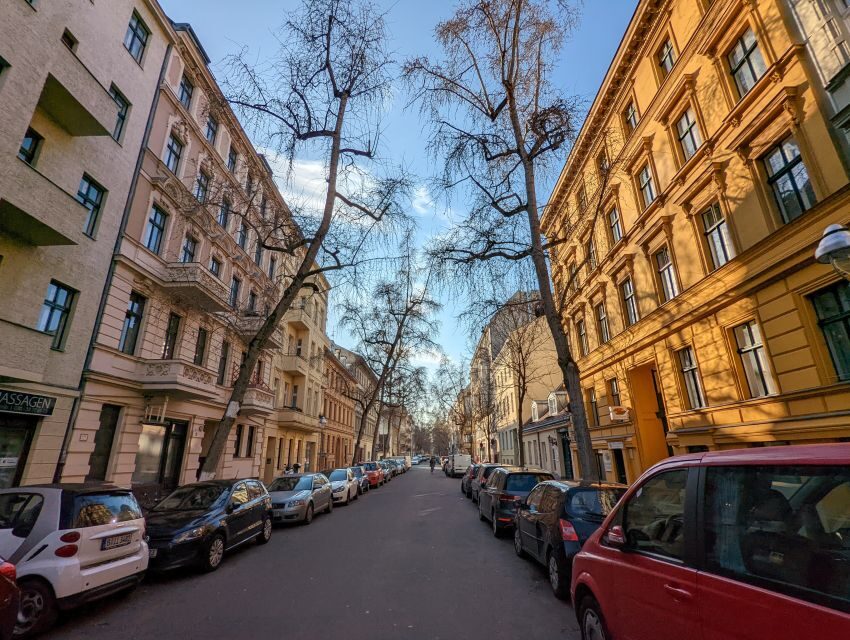
Charlottenburg is one of Berlin’s most opulent neighborhoods, but this walk doesn’t treat it like an open-air museum. Instead, it connects power and design to the street-level places people actually use: village squares, churches, schools, and café corners.
The practical win is pacing. Two hours is long enough to see a coherent arc, from older village fabric through later Prussian urban planning and into palace splendor. It’s also short enough that you can still do other Berlin sightseeing the same day without your feet filing formal complaints.
You can also read our reviews of more walking tours in Berlin



Rathaus Charlottenburg: The Start Point With Real Meaning
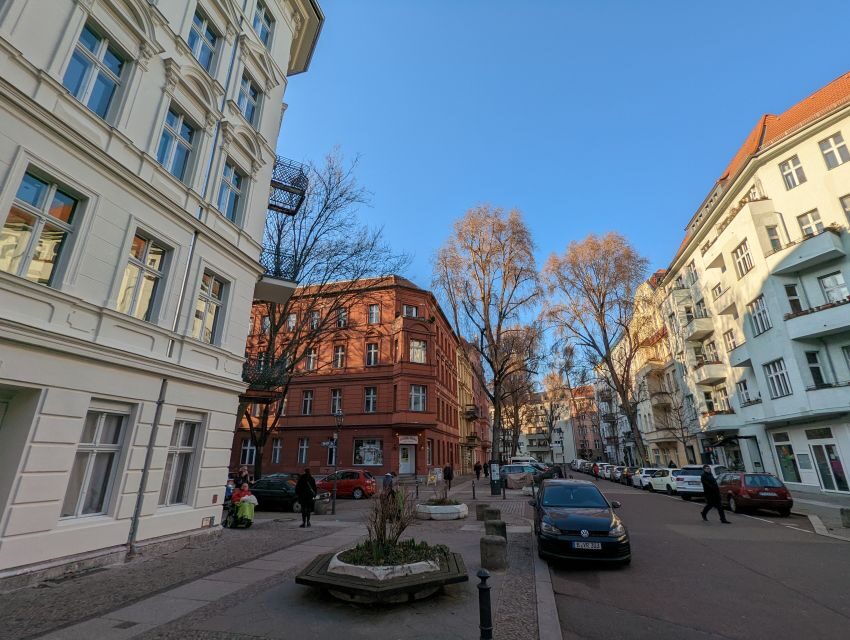
You’ll meet at the main entrance of Rathaus Charlottenburg, and that’s not a random choice. The guide uses the city hall as a symbol of one of Germany’s prosperous communities, so you immediately get context for why this part of Berlin grew the way it did.
From there, the tour becomes a moving lesson in how cities build identity. You’re not just looking at buildings; you’re learning what they were meant to signal—status, governance, and order. If you like your sightseeing with a reason behind it, this is the right opening.
What you should notice here
Look up and around. City halls and civic buildings are often designed to communicate confidence and stability. Even if you miss some details, the guide’s job is to point you toward what matters as you walk.
From Medieval Nucleus to Old Village Square
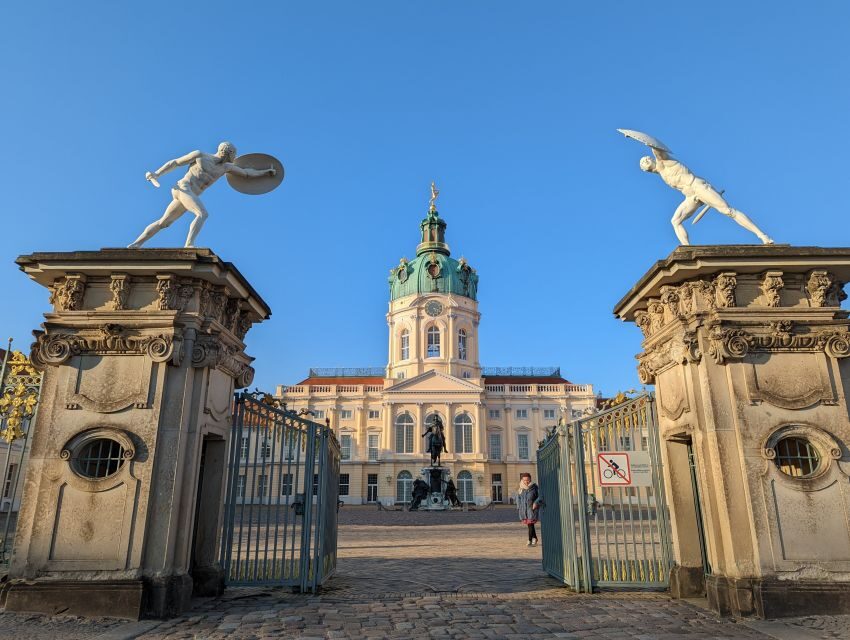
Next, you shift into the older heart of the area: the medieval nucleus and the old village square. This is where Charlottenburg starts to feel like something older than a 19th-century suburb.
The value of this stop is contrast. Berlin can feel like one big “history montage,” but stepping into an older village core helps your brain separate eras. You start recognizing that streets and neighborhoods aren’t just modern lines—they’re layered decisions.
The practical part
Because you’re walking, you’ll get a sense of how compact or spread out these older segments are. That spatial understanding often sticks better than photos.
You can also read our reviews of more city tours in Berlin




The Stadtbad Area and Heinrich Zille’s Working-Class Motifs
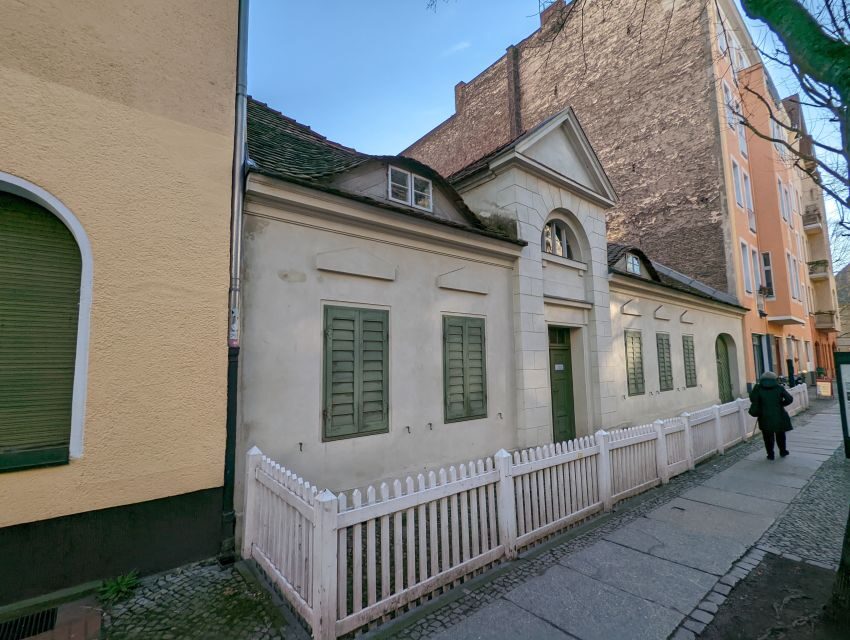
One of the most memorable theme threads here is Heinrich Zille. The tour connects Zille’s artistic focus—his lovingly ironic depictions of Berlin’s working class—to the area near the historic Stadtbad.
This is smart guiding. You’re not just hearing art trivia. You’re learning how an artist found subjects in real street life and how that creative eye shaped what later audiences understood about Berlin.
Why this matters to your experience
When you know why a scene is worth noticing, even ordinary buildings start to look like clues. This stop helps you see Charlottenburg not only as a place of luxury, but also as a lived-in city with everyday grit.
Luisenkirche and 18th-Century Urban Planning You Can Still See
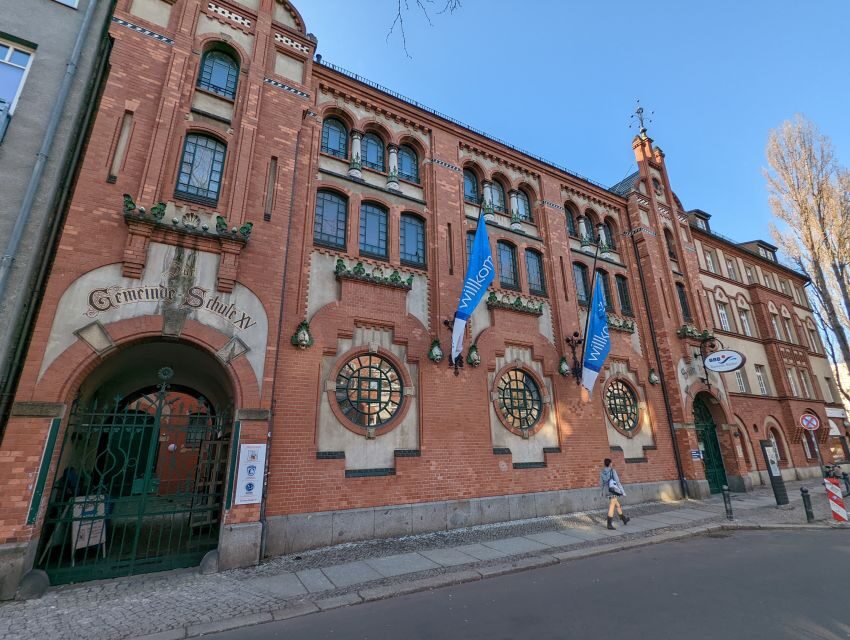
As the route continues, you’ll spend time around Luisenkirche, focusing on architectural history and 18th-century urban planning. This is where the tour earns its “city walk” label: the guide links design choices to the way neighborhoods function.
You’ll also start seeing examples of housing styles that still characterize Berlin’s cityscape. These are the structures you’d otherwise pass without thinking—until someone explains what changed, what was planned, and what endured.
A tip for getting the most out of this section
Slow your pace for a moment at each cluster of buildings. Let your eyes scan façades, street widths, and how buildings sit relative to the road. The urban planning talk makes those details click.
Housing That Defines the Street: A Berlin You’ll Recognize
Along this stretch, the tour highlights preserved styles of housing that still shape what Berlin looks like today. This is where the experience stops being “about buildings” and starts being “about how a city houses people.”
In practical terms, this is helpful if you’re the type who likes to wander afterward with sharper instincts. You’ll know what to look for when you turn corners on your own later.
Also, the guiding style here tends to be direct. The explanations are designed to stay moving at walking speed, not to turn the tour into a lecture where you lose the thread.
Preserved Schoolhouses Dating From 1786
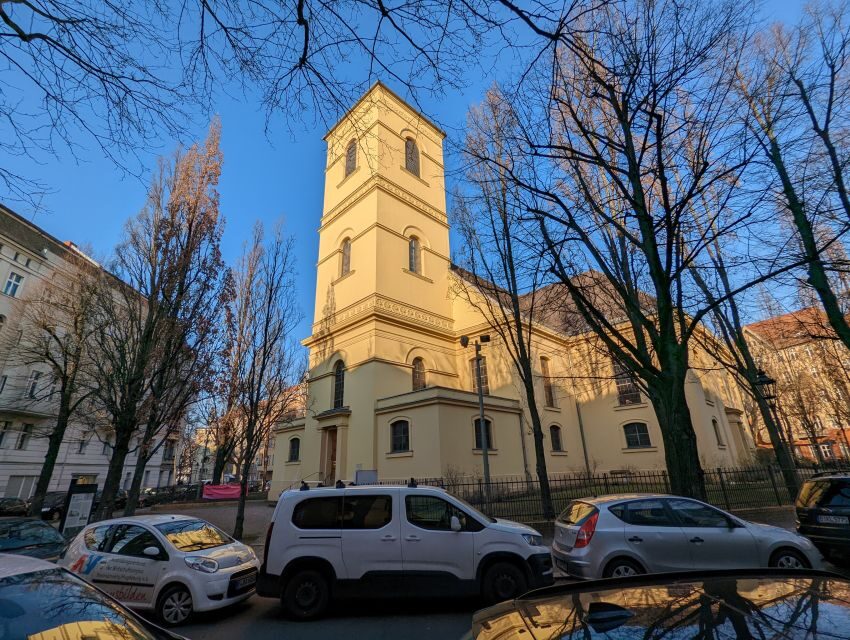
One of the best-feeling details in the itinerary is the preserved schoolhouses dating from 1786. Most walking tours in Berlin either race from palace to church or linger on landmark façades. Here, you get a lesson in civic priorities: education and the infrastructure of daily life.
The payoff is emotional as well as historical. Schoolhouses are easier to imagine in everyday terms. You can almost picture the routines that used these buildings long before today’s cafés took over the rhythm of the street.
Drawback to keep in mind
Because this portion is very much tied to what’s still visible from the sidewalk, the exact structures you see can depend on how the area looks that day. You’ll still get the story, but don’t expect a lineup of perfectly staged photo spots.
A Taste of Real Neighborhood Life in Klausener Kiez
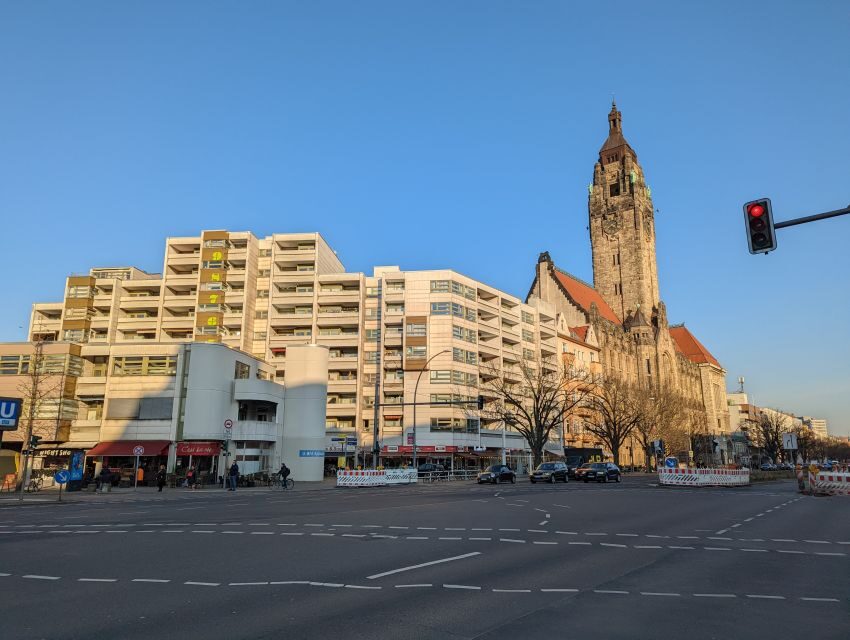
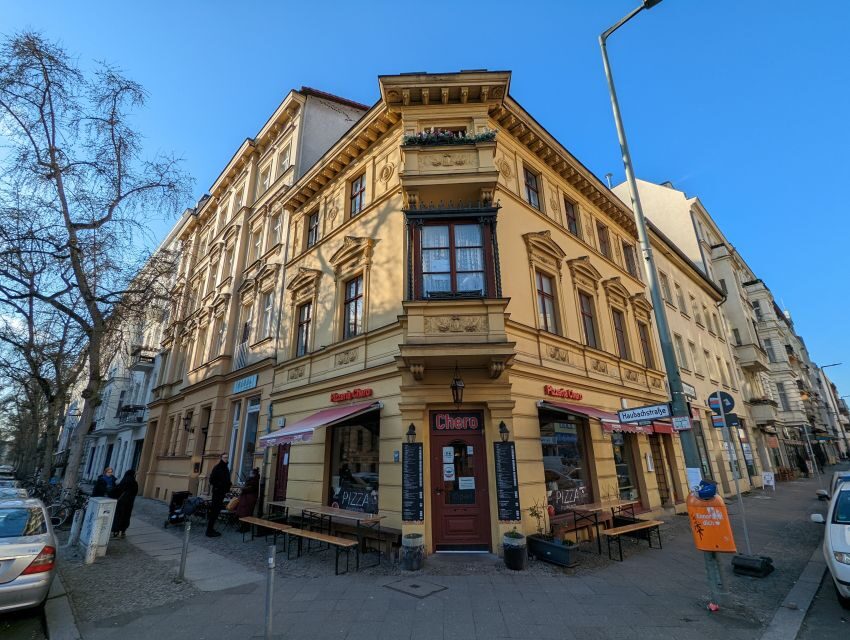
Then the tour pivots into a more social, local side of Charlottenburg: Klausener Kiez. Specifically, you’ll spend time around the corner of Nehringstraße and Christstraße, where locals mingle in cafés, thrift stores, and corner shops.
This is one of the tour’s strongest values. It’s not about checking boxes. It’s about letting you feel what it’s like to be in the neighborhood when no one is herding you into a single viewpoint.
What you can do during this section
If you enjoy “stop and look” sightseeing, this is your moment. Peek into shop windows, notice street-level scale, and watch how the area feels in everyday use. Even if you don’t shop, you’ll return with better instincts for where you’d like to spend time later.
Villa Oppenheim and Schlossstraße: Museums Without the Museum Detour
As the walk moves toward the finale, you’ll pass Villa Oppenheim and then reach Schlossstraße, where world-class museums are located. This is an interesting setup because it gives you museum context without forcing you inside.
The guide ties the area together so the palace isn’t just a standalone monument. You start seeing how the cultural and architectural story overlaps—how a grand setting connects to institutions and streets around it.
Good to know
Museum visits aren’t included. So you’re getting orientation and context, then you can decide later whether you want to add any museum time on your own.
Charlottenburg Palace: The Big Finish With Stüler Domes
At the end, you reach Charlottenburg Palace, with dome-topped Stüler buildings lining the approach. This is the part most people imagine when they think Charlottenburg, and it lands better here than if you rushed straight to the palace first.
Why? Because you’ve already walked through the neighborhood logic. Earlier stops gave you the mindset: power, planning, civic life, and everyday streets. So when the palace finally appears, it feels earned rather than sudden.
The best way to enjoy the finale
Take a few minutes to just stand and look at the lines. Dome-topped façades can feel dramatic even from a distance. If it’s rainy, keep going anyway; the guide’s storytelling continues rain or shine, and the palace still looks impressive when the light is flat.
Price and Value for a 2-Hour Berlin Walk
At $23 per person for a 2-hour guided walk led by a professional museum expert, this is strong value for Berlin. You’re not paying for transportation, hotel pickup, or a long museum ticket stack. You’re paying for guidance: the “what to notice and why” part that turns architecture into understanding.
Also, it’s not a cheap tour that skips important context. The kind of feedback this route tends to generate points to high factual knowledge explained clearly, plus a friendly guide who answers questions and keeps the pace comfortable.
What’s not included (so you can plan)
Food and drink are not included. Museum visits are also not included. If you want a snack, plan to pick one up before or after the tour, then do it at a local café where you’ll already know the vibe from the walk.
Logistics: What Will Actually Affect Your Comfort
This is a rain or shine tour, so dress like Berlin weather can’t be negotiated with. Wear comfortable shoes—this is a walk-first experience.
Language is German, and that’s a meaningful factor. If you speak only basic German, you’ll still enjoy the route, but your full enjoyment depends on how well you can follow explanations. A translation app can help, but don’t count on it to capture every nuance.
Wheelchair access is listed as available, which is good news if you need barrier-free routes. Still, it’s a walking tour, so you’ll likely want to wear supportive footwear and consider how your day handles steady walking time.
Who This Tour Suits Best (and Who Might Want Another Option)
This tour is ideal if you like history that shows up in real streets, not only behind ticket gates. It’s also a great fit if you want a guided structure for a neighborhood you might not hit otherwise.
You’ll probably be happiest here if you enjoy:
- Architecture and city planning explanations you can actually see
- Stories that connect art (Heinrich Zille) to specific places
- A pace that doesn’t trap you in the most famous tourist corridor
If you strongly prefer an English-only experience with no reliance on translation, you may want to look for an English-language alternative. The route itself is rewarding, but the language is the one clearly stated constraint.
Should You Book This Charlottenburg 2-Hour Walking Tour?
Book it if you want a short, high-impact Berlin neighborhood walk that connects Prussian power, 800 years of urban layers, and day-to-day street life. The price-to-guidance value is solid, and the finale at Charlottenburg Palace lands better because the guide builds context along the way.
Skip it only if German language explanations would limit your enjoyment too much. Otherwise, this is a smart way to spend two hours in Berlin’s west: less postcard chasing, more “I get why this neighborhood looks like this” learning.
FAQ
Where do I meet the guide?
Meet right in front of the main entrance to the Rathaus Charlottenburg.
How long is the tour?
The tour lasts 2 hours.
How much does it cost?
It costs $23 per person.
What language is the tour guide?
The live tour guide speaks German.
Is the tour wheelchair accessible?
Yes, the tour is listed as wheelchair accessible.
Does the tour run in bad weather?
Yes, it takes place rain or shine.
Is food or drink included?
No, food and drink are not included.
Are museum visits included?
Museum visits are not included.