REVIEW · BERLIN
Berlin: City Street Art Guided Walking Tour
Book on GetYourGuide →Operated by Alternative Berlin Tours · Bookable on GetYourGuide
Walls talk in Berlin. This 3-hour guided walk lets you read illegal graffiti and murals across East and West Berlin through an artist’s lens, with stops chosen for meaning, not just fame.
What I really like is how the guides keep the focus on the why: the social commentary behind pieces, plus the terminology and styles that make street art legible. The only drawback to plan for is that you’re on your feet the whole time, and you may need the right public transport ticket to match the route.
In This Review
- Key things I’d bet on
- Meeting Smack Burger and Learning How to See Walls
- What the 3-Hour Route Really Covers Across East and West
- Illegal Graffiti, Murals, and the Stories Behind the Walls
- Tags, Stencils, Posters, and Techniques You Can Actually Name
- Social Commentary: Why Berlin’s Murals Feel Like Conversations
- Photo Stops Without the Museum Feel
- Price and Value: Is $23 Worth 3 Hours of Street Art?
- Who This Tour Fits Best (and Who Might Skip It)
- Should You Book This Berlin Street Art Guided Walk?
- FAQ
- How long is the Berlin street art guided walking tour?
- Where do I meet the guide?
- Is the tour in English?
- How much does the tour cost?
- Do I need to bring a public transport ticket?
- Will I need an AB metro ticket?
- Is the tour only street art, or are there other types of stops?
- Is it refundable if I cancel?
- Is it a walking tour?
Key things I’d bet on
- East and West Berlin street art, not just one neighborhood
- Rob, Ben, and other artist-guides who explain the stories behind the walls
- Illegal graffiti and murals you can miss if you just wander
- A focus on technique and “how to see” (tags, stencils, posters, and more)
- Route changes that can happen on the fly when the scene calls for it
Meeting Smack Burger and Learning How to See Walls

Your tour starts at Smack Burger, a simple, easy-to-find landmark. From the first minutes, the tone is practical: the guide sets you up to notice what most people walk past. You’re not just looking at color on brick. You’re learning to spot intent, style, and context.
One of my favorite parts of this kind of walking tour is that the guide doesn’t treat street art like an art-history slideshow. Guides like Rob and Ben are street-level communicators. They talk like they’re translating a language you can start reading right away—then they keep the group moving long enough for that language to actually click.
If you’re worried you’ll feel out of place because you don’t know graffiti terms, don’t be. The best moments come when the guide makes the rules of reading art on walls feel friendly and doable, including the difference between graffiti writing and street art. You’ll leave with sharper eyes fast—get used to spotting details, and you’ll keep seeing them after the tour ends.
You can also read our reviews of more walking tours in Berlin



What the 3-Hour Route Really Covers Across East and West

This is a walking tour that runs for about 3 hours, and it’s structured around contrasts. You go through parts of Berlin where the street art scene has different roots and different pressures, including both East and West Berlin. The point isn’t to memorize locations. It’s to understand how walls became public statements in two halves of the city, and how that continues to shape what you see now.
One past route followed the energy between Friedrichshain and Kreuzberg, which makes sense: those areas are packed with wall culture and experimentation. Another key idea you should expect is that the guide selects spots ranging from more obvious tourist-facing artwork to murals that feel tucked away—pieces you’d never find by accident.
There’s also a helpful rhythm to how the tour moves. You’ll usually start with pieces that set the tone, then shift toward work that carries heavier social commentary. That matters because the scene has layers: the quick-hit visual stuff is fun, but the deeper meaning is where Berlin’s walls start to feel like current events rather than old murals.
The one thing to keep in mind is that the route can change. Some guides adjust things as they go—sometimes because a particular wall is more talk-worthy on that day, sometimes because the best viewpoint depends on the group and timing. That’s not a downside if you’re flexible. It’s often the reason the tour feels alive.
Illegal Graffiti, Murals, and the Stories Behind the Walls
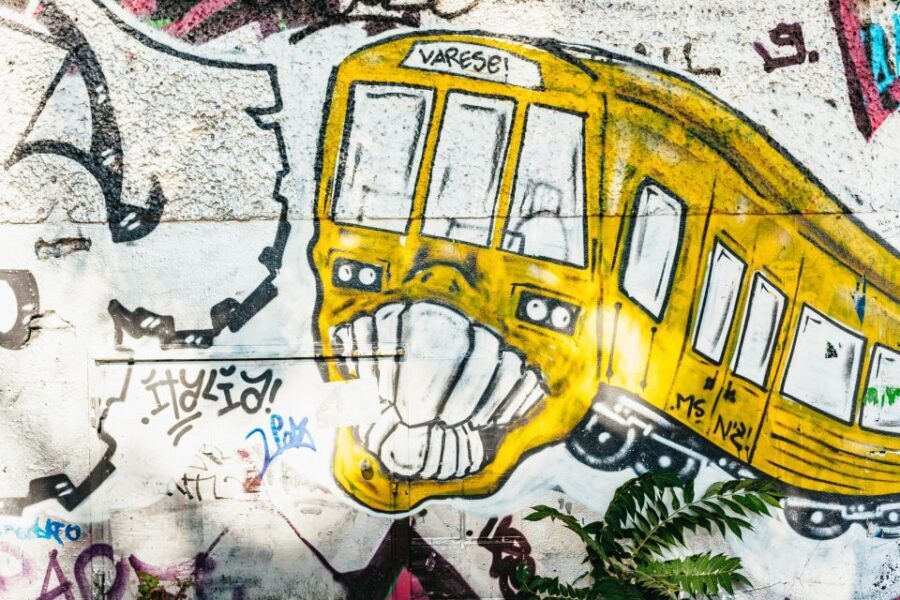
The tour’s core promise is that you’ll experience Berlin through the eyes of people who live close enough to street art that they can explain it. You’ll scout out illegal graffiti and murals hidden throughout the city, and then the guide connects each piece to what it’s responding to.
This is where the strongest praise in the reviews lands: guides are great at talking about specific pieces instead of sweeping through lots of walls with vague commentary. When someone can explain why a mural chose its imagery, or why a particular tag style carries weight, you start to understand street art as communication—not just decoration.
I also like that the tour doesn’t treat every wall as the same kind of art. Berlin’s scene includes works that feel confrontational, playful, political, or personal. You’ll hear how artists think about visibility, audience, and what it means to add to the public conversation in a city where layers of history are everywhere.
And yes, you’ll learn plenty of terminology. But the real value is that terms turn into tools. Once you learn what a style usually signals—or what a piece is trying to say—you stop asking why it’s there and start asking what it’s doing.
Tags, Stencils, Posters, and Techniques You Can Actually Name
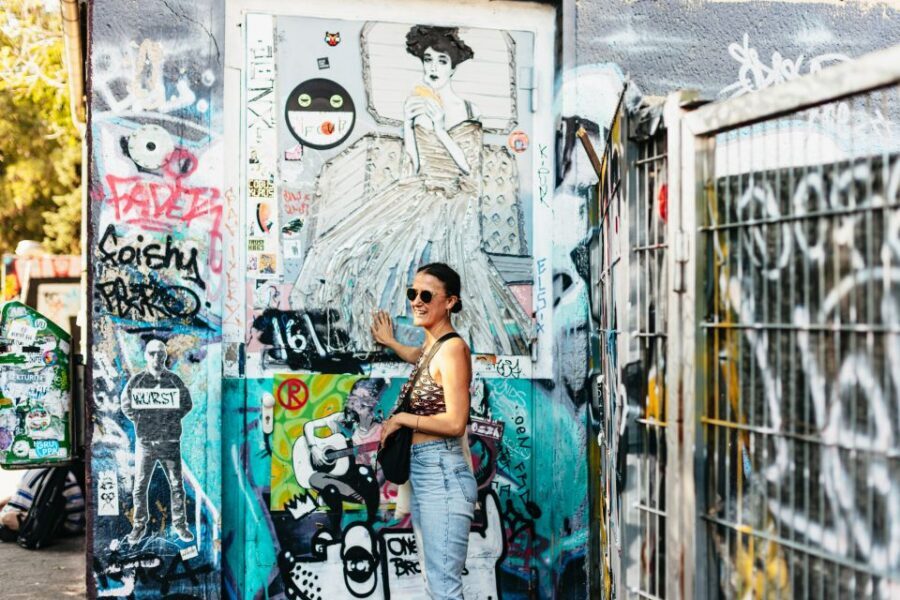
Street art can look like a blur if you’re not given a reading guide. This tour helps by showing you different formats side by side and explaining how they function in the street context.
From the tour experience, you should expect to see a mix like:
- Tags and letter styles
- Stencils
- Posters
- Other creative objects that you might not think of as street art at first
One review even mentioned a mini styrofoam sculpture, which is a good reminder that the scene isn’t only paint and walls. It’s also about materials, scale, and how artists build impact.
Technique is part of the story here, too. Multiple guides were praised for explaining how artists approach their work and what different methods communicate. You don’t need a background in graffiti writing to understand the basics. The guides do the translation, including the “unwritten rules” side of the culture—what matters to the community, and why certain pieces get treated like markers of change.
If you’re the kind of traveler who likes to learn a new skill, this part hits. You’ll walk away able to describe what you saw in more than just color and size, and you’ll find yourself pointing things out on later walks.
Social Commentary: Why Berlin’s Murals Feel Like Conversations
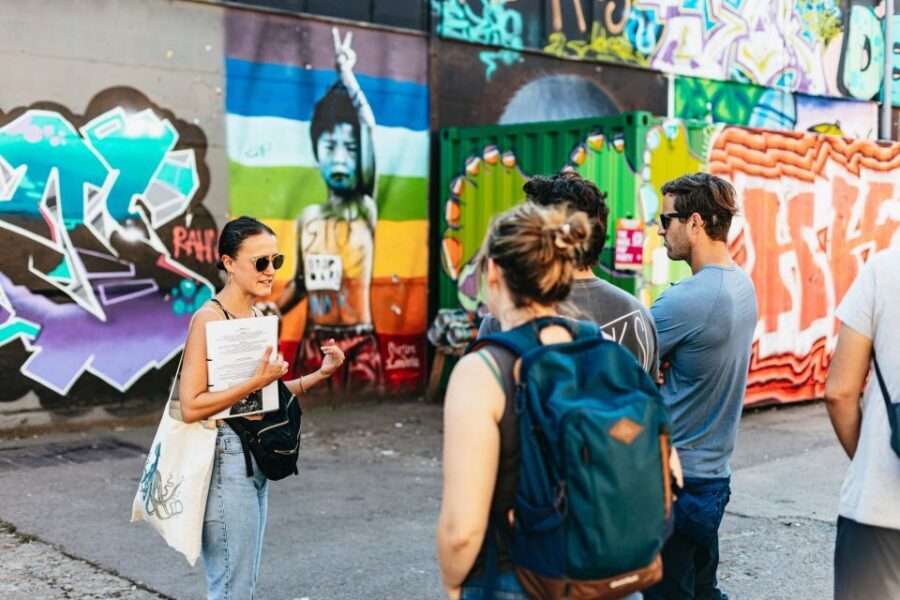
Street art in Berlin isn’t random. It reacts. It argues. It mourns. It mocks. It records. The tour frames murals and graffiti as public speech—often tied to identity, politics, and community life.
The best guides on this tour bring social commentary down to a human level. Instead of only telling you what a piece looks like, they explain what it’s commenting on and who it might be speaking to. That gives the walls a pulse: you’re not just seeing a style. You’re seeing someone respond to their moment.
Another reason I like this focus is that it corrects a common bias: many people assume street art is only vandalism or only rebellion. The tour helps you see it as culture with its own motivations and norms, including how the scene evolves over time. You’ll hear about how the movement changed and what’s at the forefront now.
And the East-West angle matters. When Berlin split, public space and language took on extra weight. Even if you only absorb part of that story, the contrast across neighborhoods makes more sense once you’re shown examples in context.
You can also read our reviews of more guided tours in Berlin





Photo Stops Without the Museum Feel
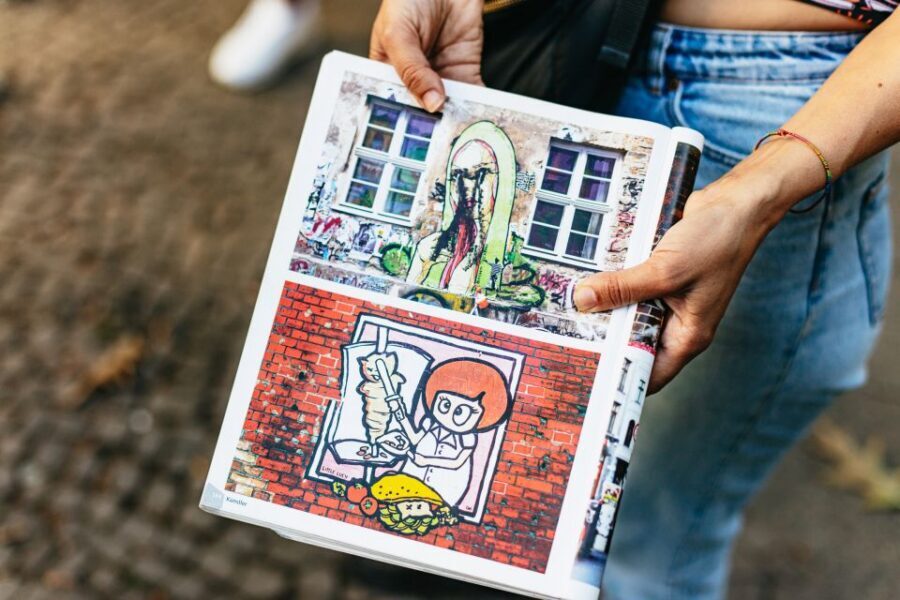
You do get superb photo opportunities, but the tour helps you take better pictures than the quick snap. The guide is timing and positioning-minded, and the explanations encourage you to frame shots around meaning, not only aesthetics.
A practical tip: bring your phone fully charged or your camera ready, because the best photo moments are often at the exact point where the story hits. If you’re stopping just to shoot, you’ll miss what you’re supposed to be seeing. If you listen first, then shoot, you’ll end up with photos you can remember and explain later.
Also dress for the reality of a 3-hour walking tour in Berlin. Reviews mention chilly conditions and rain, and the guides still kept the energy up. If you run cold easily, plan layers. Your comfort directly affects how much you can pay attention.
Price and Value: Is $23 Worth 3 Hours of Street Art?
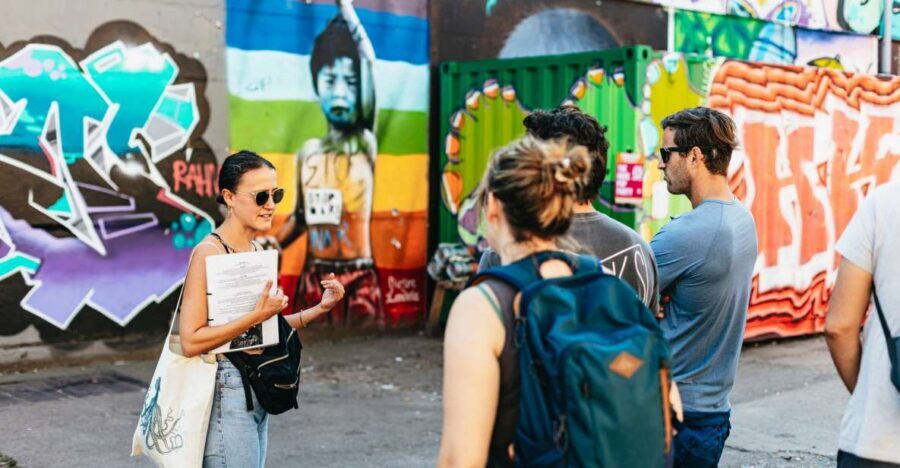
At $23 per person for a 3-hour guided walk, this is one of those deals that feels more like a skill-building workshop than a sightseeing detour. You’re paying for two things: a focused route and a guide who can interpret what you’re seeing.
Compared with a standard generic walk, the value comes from explanation quality. The guide isn’t only pointing. They’re connecting each stop to the broader Berlin street art scene, including terminology, history, and the reasons certain pieces matter. Reviews repeatedly praise guides for being friendly, funny, and able to answer questions without rushing.
This is also a low-risk option in terms of commitment. The length is long enough to feel like you actually learned something, but not so long that you feel stuck if the weather turns.
Who This Tour Fits Best (and Who Might Skip It)
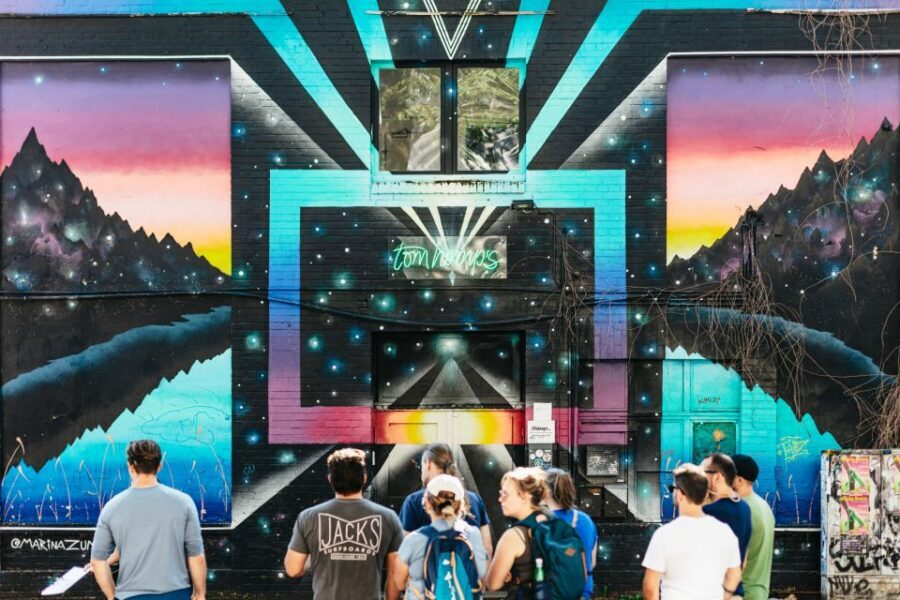
I’d recommend this tour if you:
- Want to see Berlin with a sharper lens than tourist landmarks
- Like street art but want the “decoder ring” for what you’re looking at
- Enjoy listening to stories tied to specific places and objects on walls
- Prefer walking with a guide over wandering alone
You might feel less satisfied if you mainly want iconic, postcard-level sights and nothing else. This tour is intentionally centered on street art and graffiti culture. If that’s not your thing, you’ll spend the hours searching for content you’re not here for.
Should You Book This Berlin Street Art Guided Walk?
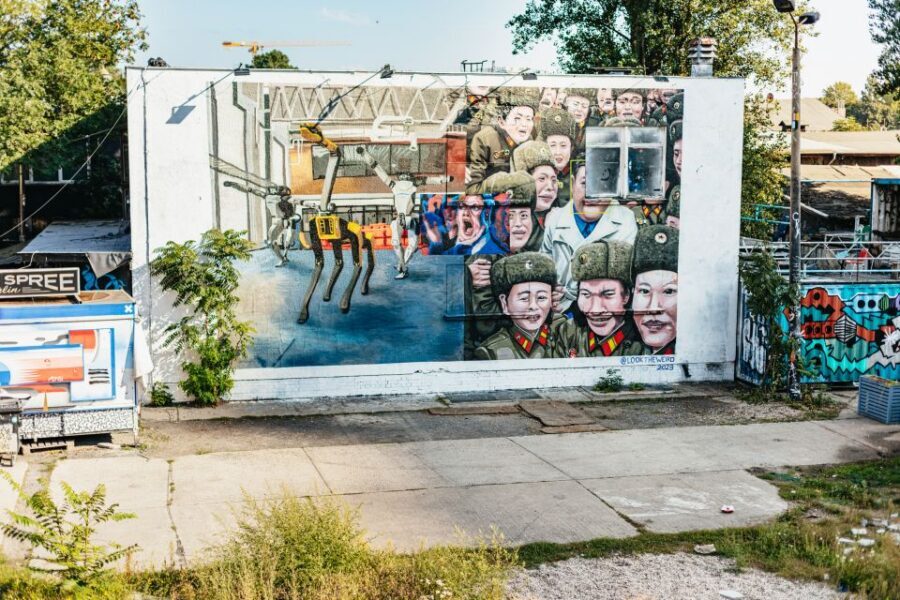
I think you should book it if you want your Berlin day to change how you look at the city after the tour ends. The biggest reason is the guides: praised names include Rob, Ben, and others, and the common thread is clear explanations tied to real pieces, plus a sense of humor that keeps the group comfortable. You’ll also get more than just visuals, because you’ll learn how to interpret tags, stencils, and posters as a kind of language.
Book this tour if you’re curious, even lightly, about graffiti culture. The tour is designed to teach you fast, and it does it without making you feel like you need a background course. Just plan for steady walking and be ready with the right BVG/AB metro ticket if your route requires it.
FAQ
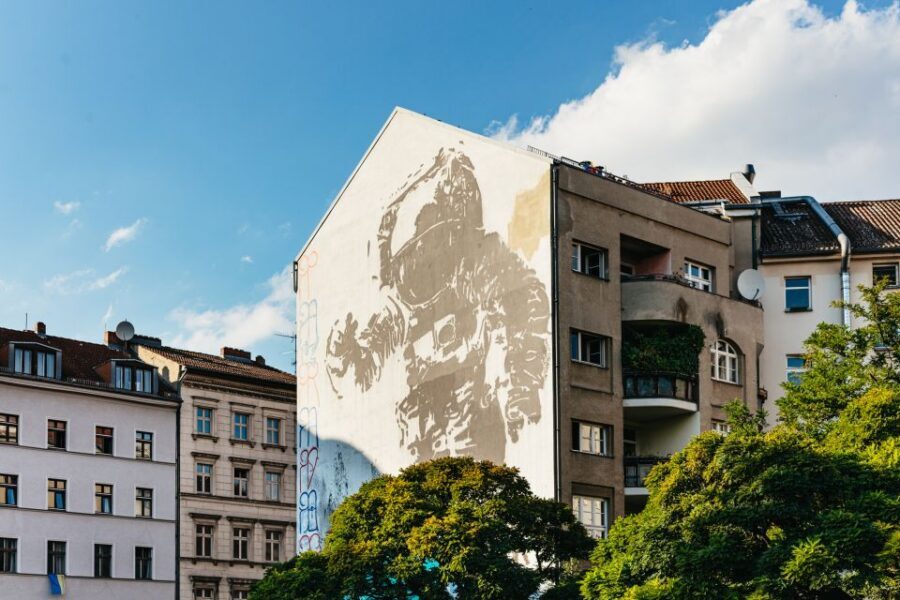
How long is the Berlin street art guided walking tour?
It lasts 3 hours.
Where do I meet the guide?
Meet your guide in front of Smack Burger.
Is the tour in English?
Yes, the live tour guide is English.
How much does the tour cost?
The price is $23 per person.
Do I need to bring a public transport ticket?
Yes. You should bring a public transport ticket.
Will I need an AB metro ticket?
An AB metro ticket might be required depending on the current route. If you don’t want to buy it in advance, you can book the option where BVG is included.
Is the tour only street art, or are there other types of stops?
The tour focuses on graffiti and murals across Berlin, and it also includes an urban art gallery-style experience as you explore the movement.
Is it refundable if I cancel?
There is free cancellation up to 24 hours in advance for a full refund.
Is it a walking tour?
Yes, it’s a guided walking tour.