REVIEW · ULM
Ulm: Scavenger Hunt Self-Guided Walking Tour
Book on GetYourGuide →Operated by Stadtspiel Schnitzeljagd GmbH · Bookable on GetYourGuide
Riddles turn Ulm into a game. This self-guided scavenger hunt is a smart way to see the main sights without rushing, using an analog box of 11 sealed envelopes to guide you from one landmark to the next. I like that it mixes playful puzzles with real Ulm Minster sightseeing, and I also like the built-in freedom to pause for photos or breaks. The only real drawback is that the questions can feel more like a light stroll than a tough brain workout.
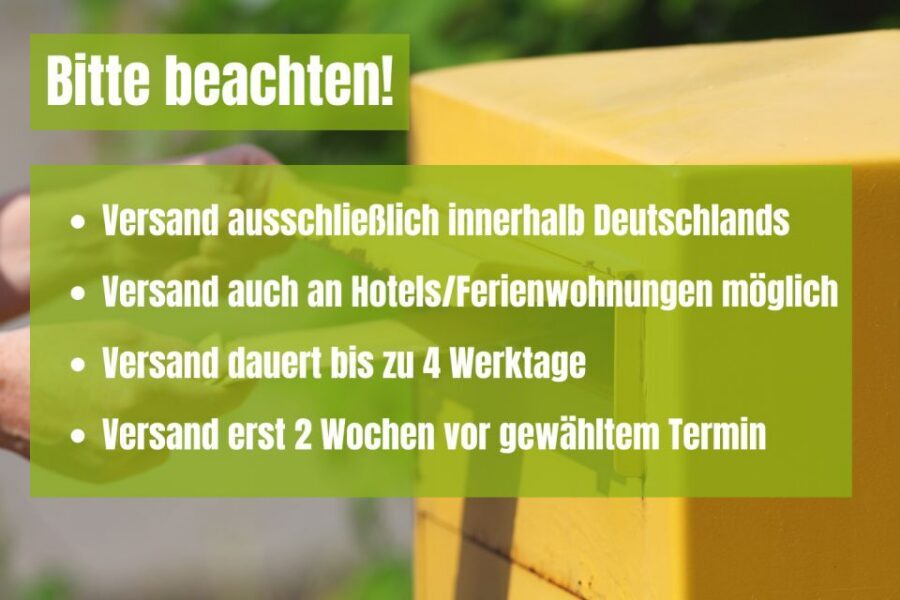
You start at the Löwenbrunnen on Münsterplatz, then you go on your own schedule. There’s no guide waiting to steer you, which is great if you hate group timing, but it also means you’ll want comfortable shoes and a calm pace so the walking stays fun. The game box arrives by mail (shipping can take up to about 4 working days), and once it’s in your hands, you can play any time you want.
If you’re coming to Ulm to mix history with movement, this format works well. It’s designed for flexibility: you can stop mid-route, keep going later, and even continue on a different day. You get directions, background info, and the route hits major stops like the Minster, the preserved city wall and moat houses, the Einstein fountain, and the famous crooked towers area.
In This Review
- Key things to know before you start
- Following the riddles from Löwenbrunnen on Münsterplatz
- Ulm Minster and why the tower fits a puzzle tour
- City wall, moat houses, and the Einstein fountain stop
- Berblinger Tower, crooked butcher’s tower, and the old fishing district vibe
- Schwörhaus and the town hall: puzzle payoff at city-center landmarks
- How the 11-envelope system keeps you moving (and what to do if you get stuck)
- Timing the walk: 210 minutes on foot without the stress
- Price and value: $47 per group up to 10
- Who this Ulm scavenger hunt is perfect for
- The on-the-ground vibe: analog fun in a real city
- Should you book this Ulm scavenger hunt?
- FAQ
- Where does the scavenger hunt start?
- Is there a tour guide with this experience?
- How long does the scavenger hunt take?
- How many envelopes and puzzles are included?
- Do I know the order of the envelopes before I start?
- Is there help if I get stuck?
- Where do I get the scavenger hunt box?
- How long does shipping take?
- When can I play the scavenger hunt?
- What should I bring with me?
Key things to know before you start
- 11 sealed envelopes with riddles, directions, and facts that control the next stop
- A number-based sequence: you don’t open the envelopes in order
- Pause anytime without losing track of where you are going
- Emergency envelope with all solutions if you get stuck
- Big landmarks, not random streets: Ulm’s key sights are woven into the route
- Start at Münsterplatz (Löwenbrunnen) and go at your own pace
Following the riddles from Löwenbrunnen on Münsterplatz
The whole experience kicks off right in the center: Löwenbrunnen on Münsterplatz. You’ll carry the mailed game box with you, and there’s no check-in person or guide. That sounds a little “DIY,” but it’s also the point. You’re not paying for someone to walk you past buildings you could read about later. You’re paying for a structure that turns Ulm into a sequence of small discoveries.
The game box is your navigation and your commentary. Inside you’ll find sealed, numbered envelope prompts, plus clear instructions for how to move between locations. After you solve a riddle, you’re given a number telling you which envelope to open next. That part matters because it prevents the experience from feeling like a simple checklist. You’re making decisions based on clues, not just following a pre-set order you already guessed from day one.
Practical tip: start when you still have energy. You have about 210 minutes total, which is enough time to enjoy the walking and still spend real attention at the sights. If you start late in the day, you may feel rushed near the Minster tower or the last city-center stops.
You can also read our reviews of more walking tours in Ulm



Ulm Minster and why the tower fits a puzzle tour
The first major magnet on the route is the Ulm Minster, described as the largest Protestant church in Germany. It’s the kind of landmark that can dwarf everything around it, and that scale is exactly why it works well with a scavenger hunt format. You don’t just arrive and look. The game helps you arrive, notice details, and then move on with a purpose.
From there, you can climb the tower for city views. The tower climb is one of the best “payoff moments” on this route because it turns your walking into a visual reward. Even if you only spend a short time up high, it helps you understand how Ulm’s layout fits together, which makes the later stops feel more connected rather than random.
One thing to watch: tower time adds up. You can pause the game at any time, which helps, but if you’re trying to keep the pace light, decide early how long you want at the Minster. The beauty of the envelope design is that your pace is flexible, but you still need to manage time if you want to complete all stops comfortably.
City wall, moat houses, and the Einstein fountain stop
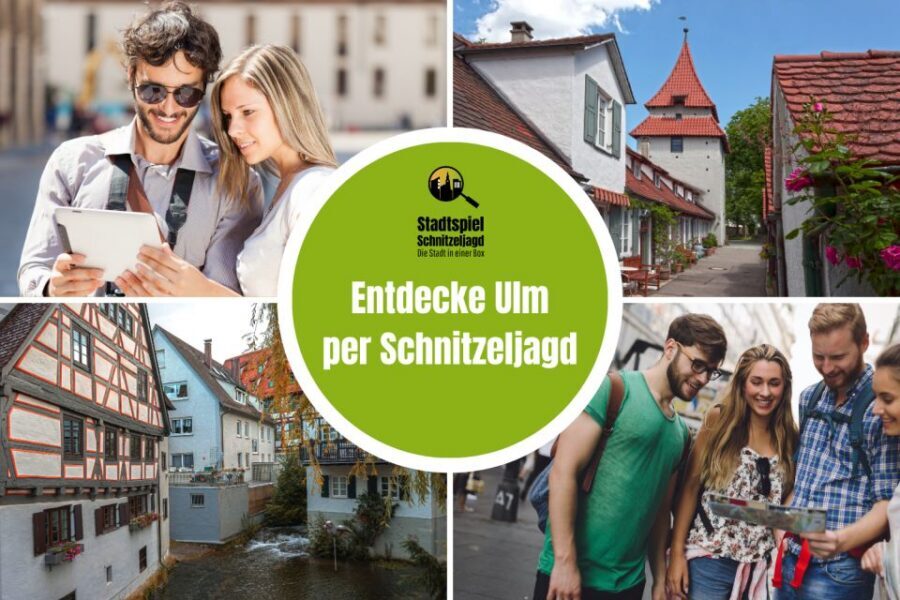
After the Minster, the route shifts into layers of Ulm’s older defense and urban history. You pass by the preserved city wall and the still-existing moat houses. This is a clever choice for a self-guided hunt because those features reward slow looking. You’re not stuck reading a sign for five minutes. The game nudges your attention to specific things, which makes the walk feel like you’re learning while you move.
Then comes the Albert Einstein fountain. A fountain can feel like a quick street-level photo moment, but it’s also a “breather” stop in the middle of a longer segment. When the game gives you information tied to a landmark like this, you get a reason to stop and look beyond the obvious.
Practical tip: bring a phone for photos, but keep it secondary. The experience is designed around analog envelopes and directions. The more you rely on your own instincts and the game box’s clues, the more the scavenger-hunt rhythm clicks.
Berblinger Tower, crooked butcher’s tower, and the old fishing district vibe

Next you head toward the Berblinger Tower and the area described as the old fishing and tanning district, where you also find the crooked butcher’s tower. This is where Ulm starts to feel more characterful. Instead of one monumental church, you get a district with stories and oddities, including the crooked tower feature.
Why this matters: these are the kinds of sights that often get missed when people rush through a city center. A hunt route is good at pulling you into the “in-between” places. You go because the envelope tells you to go, and then the landmark makes sense because the puzzle gave you context.
You’ll also get the sense that Ulm isn’t only about one famous building. The game helps connect the dots between church scale, urban defenses, and then the local district identity. It’s a nice rhythm change: big monument, defensive architecture, then a quirky historic neighborhood vibe.
If you enjoy taking your time, this is a great section to slow down. Even without being told, you’ll probably want to stand and look at tower shapes more carefully. The game’s detailed background info (inside the envelopes) is a bonus here, because towers and crooked structures are easier to appreciate once you know what you’re looking for.
Schwörhaus and the town hall: puzzle payoff at city-center landmarks
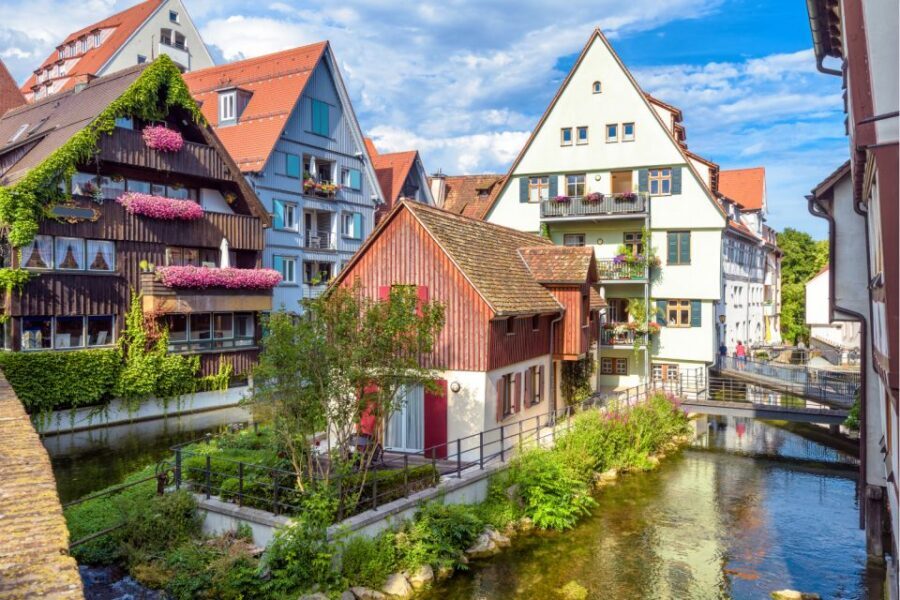
As you move forward, the route brings you to the Schwörhaus and the town hall. This is a classic endgame move for a walking hunt: you’re closing in on the civic heart of the city, where you can feel the city’s public life.
It also makes narrative sense in an envelope-driven experience. Early puzzles pull you into major sights; later puzzles steer you toward institutions and old civic spaces. You can think of it as a story arc: Ulm’s spiritual center, then its defensive/urban layers, then its historic district personality, and finally the governmental core.
If you’re playing with others, this area is a good place for everyone to reset. You’ll be walking for a while, and the town-center landmarks provide natural “meeting points” for short pauses and regrouping. Since you can pause the game at any time, you can keep everyone comfortable and still move forward when you’re ready.




How the 11-envelope system keeps you moving (and what to do if you get stuck)
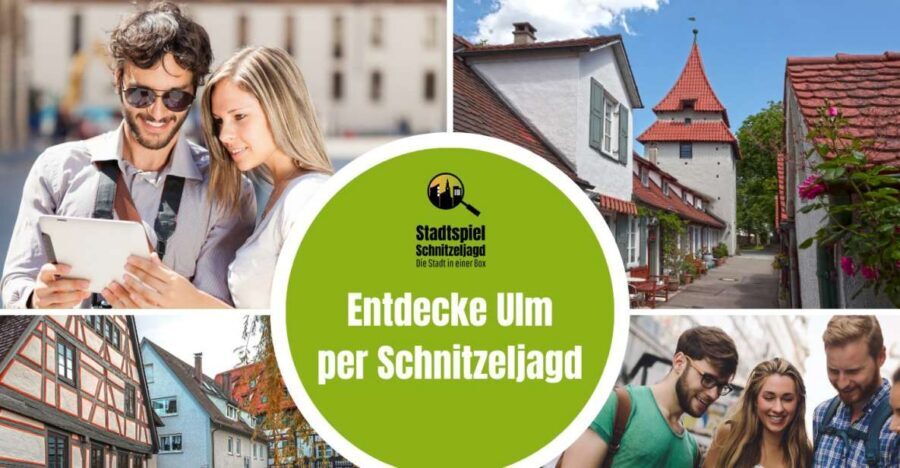
The core mechanism is simple: your game box contains 11 sealed and numbered envelopes. Each envelope holds riddles plus directions and information. You don’t know the opening order in advance because every solved puzzle gives you a number that tells you which envelope to open next.
That hidden order does two helpful things. First, it reduces decision fatigue: you’re not constantly figuring out what comes next. Second, it keeps the experience feeling alive. You’re not just following a map. You’re solving, checking, and moving.
It’s also why the tour can feel good for mixed groups. The puzzles are structured in a way that guides you even if you’re traveling with people who aren’t super into complicated riddles. In practice, the difficulty leans on the lighter side. That’s fun if you want low-stress sightseeing, but if you crave a serious challenge, you might finish the puzzles feeling like they were more “guided prompts” than mind-benders.
The experience includes an emergency envelope with all solutions, which is a big quality-of-life feature. If a riddle stalls you, you can keep the walk enjoyable instead of grinding away. You won’t have to abandon the tour just because one clue doesn’t click.
Timing the walk: 210 minutes on foot without the stress
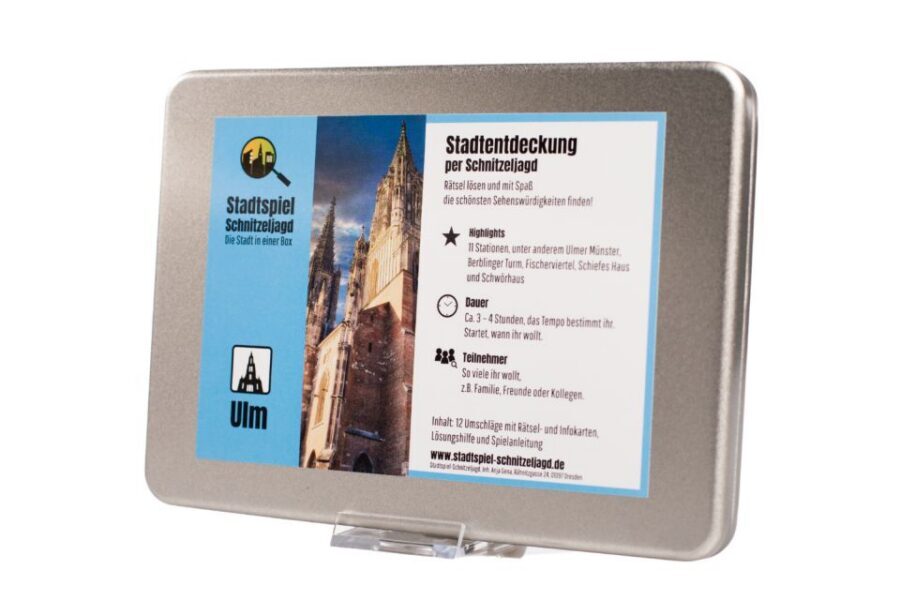
The total duration is 210 minutes. That doesn’t mean you’ll be running nonstop for three-and-a-half hours. It’s a target for completing the full route at a comfortable pace, including time at sights.
Because it’s self-guided, your actual time can stretch or shrink. You might linger longer at Ulm Minster tower views or stop more often for photos near the towers and historic district sections. The tour design supports this. You can pause whenever you feel like it, and you can even continue on a different day.
My practical advice: plan your “extra time” up front. If you’re the type who always gets pulled into a closer look, give yourself a longer afternoon. If you prefer a tidy schedule, you can still do it within the target duration by deciding when to move on quickly after solving each riddle.
Price and value: $47 per group up to 10
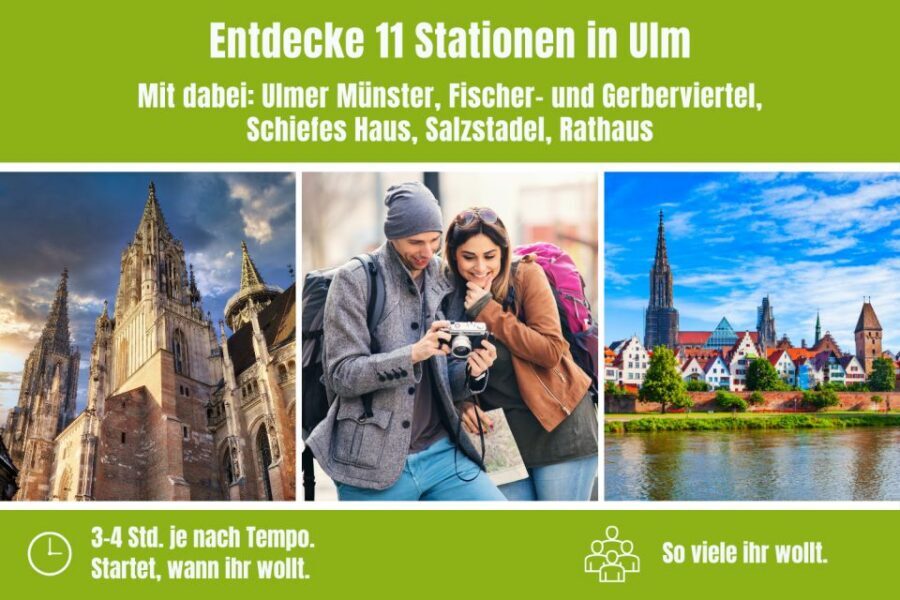
At $47 per group up to 10, this is priced like an activity you can share. That’s a key value point. If you’re traveling as a small group or as a family unit, the per-person cost drops fast, and you’re basically paying for a structured walking day plus an information-packed puzzle box.
You’re not paying for a live guide, and that’s part of the deal. There’s no guided commentary delivered face-to-face. Instead, you get historical background and interesting facts inside the envelopes. If you like learning at your own pace, that’s a good match.
Entrance fees and transportation tickets aren’t included, and that’s also good to know. If you choose to climb the Minster tower, you’ll need to plan for any related costs separately. Still, the route is built around major sights that are worth the walk even if you don’t stay at every stop for the maximum time.
Also, think about logistics value: the box arrives by mail and you play when it fits your schedule. That matters if your days are messy and you don’t want to be locked into a specific time slot with a guide.
Who this Ulm scavenger hunt is perfect for
This is best for travelers who want independent sightseeing but still want a plan that feels fun, not dry. It’s great if you:
- want a structured route through Ulm’s main highlights without constantly checking a phone map
- enjoy light puzzles as a reason to look closer at architecture
- like flexibility to pause, take photos, and move at your pace
- are traveling with a mixed group and want something that doesn’t require everyone to be equally “into” history
It’s less ideal if you want a hardcore puzzle challenge or if you prefer a human guide to answer questions in real time. The experience is designed to be approachable, and that’s usually a plus, but it might not satisfy if you’re hunting for deep problem-solving.
The on-the-ground vibe: analog fun in a real city
One of the nicest things about this format is that it turns a normal city walk into an activity without turning Ulm into a theme park. You’re outside, moving between real landmarks. The “game box” gives you the structure, but you’re still experiencing the city’s surfaces, squares, and streets.
That analog element also helps if you don’t want to drain your phone battery all afternoon. You can still use your device for photos or quick context, but the primary experience stays in the envelopes and directions. It also means the route feels more personal: you’re solving and reading, not just listening.
The feedback around the experience often points to how fun and detailed it feels, with a strong sense of design. That matters because it suggests the envelopes aren’t just random riddles. They’re tied to the sights you’re seeing, and that connection is what makes the walk feel worthwhile instead of busy.
Should you book this Ulm scavenger hunt?
Book it if you want a flexible, structured, low-pressure way to cover Ulm’s top sights, especially if you like walking routes that come with built-in explanations. The $47 per group pricing up to 10 is strong value for families and small groups, and the 11-envelope system gives you enough pacing to keep the day interesting.
Skip it or think twice if you’re craving deep puzzle difficulty or you want a live guide for historical questions. Also keep in mind that the full experience depends on having the box in hand, since you can’t pick it up in Ulm and it needs a few working days by mail.
If you’re visiting Ulm and you’d rather do a clever, independent self-tour than a fixed guided route, this scavenger hunt is a very practical choice. It helps you see Ulm’s major landmarks in a way that feels active, not passive.
FAQ
Where does the scavenger hunt start?
It starts at the Löwenbrunnen on Münsterplatz. There is no guide at the meeting point.
Is there a tour guide with this experience?
No. You follow the sealed envelopes and directions on your own.
How long does the scavenger hunt take?
The duration is 210 minutes.
How many envelopes and puzzles are included?
Your game box contains 11 sealed and numbered envelopes with riddles, directions, information, and interesting facts.
Do I know the order of the envelopes before I start?
No. After you solve each riddle, you get a number that tells you which envelope to open next, so the order isn’t known ahead of time.
Is there help if I get stuck?
Yes. The box includes an emergency envelope with all solutions.
Where do I get the scavenger hunt box?
The scavenger hunt box is shipped to you by mail. Pickup in Ulm is not possible.
How long does shipping take?
Shipping takes approximately 4 working days within Germany, and it’s shipped at the earliest 2 weeks before the selected date.
When can I play the scavenger hunt?
You can start on any date and at any time you wish. You can experience it after you receive the box, regardless of the selected date and time.
What should I bring with me?
Bring comfortable shoes and the game box.