REVIEW · BERLIN
Berlin’s Gay, Lesbian, and Queer Scene Small-Group Walking Tour
Book on Viator →Operated by Original Berlin Walks · Bookable on Viator
Queer Berlin has layers you can walk.
This 3.5-hour small-group walk traces LGBTQ life from the 19th century to today, weaving together Schöneberg, Tiergarten, and Kreuzberg with real people, real places, and a couple of stops that turn facts into something you can see. I especially like the way the tour connects big names like Marlene Dietrich and Klaus Wowereit to street-level Berlin, and I like the hands-on focus on key community spots like Südblock and the Schwules Museum. One possible drawback: the museum stop is part of the experience, so if you only want street scenes and zero indoor time, plan accordingly.
You’ll start at Neue Promenade 3 (12:00 pm) and finish near Nollendorfplatz, on foot with a professional guide. There’s a mobile ticket, it runs in all weather, and you’ll likely want the Berlin Transport day pass if you don’t already have one. Most travelers can join, and service animals are allowed, so it’s a practical fit for a lot of visitors.
You’ll move through the city at a storyteller’s pace, with time built in for context—not just photos of plaques. The tour also leans into modern nightlife history, including how a famous club scene grew from the 90s era into today’s all-hours energy.
In This Review
- Key Highlights Worth Marking on Your Map
- What You Actually See: Schöneberg, Tiergarten, Kreuzberg in One Walk
- Meeting at Neue Promenade 3 and Starting Without Stress
- The Big Through-Line: From 19th-Century Queer Life to Today
- Modern Alternative Berlin: A District Stop With Real Community Context
- Südblock: A Queer-Run Bar and Restaurant That Teaches You More Than You Expect
- The Famous Club Story: From 90s Roots to All-Hours Berlin
- Schwules Museum Stop: When Queer Culture Lives Behind the Doors
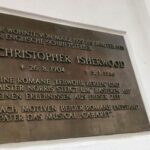
- Christopher Isherwood and One of Europe’s Oldest Queer Neighborhoods
- Price and Time: Is $24.14 Good Value for 3.5 Hours?
- Who This Tour Fits Best (and Who Might Want a Different Style)
- Should You Book This Tour?
- FAQ
- How long is the Berlin queer scene small-group walking tour?
- Where do I meet the guide, and where does the tour end?
- What is included in the tour price?
- Is public transportation covered?
- What language is the tour offered in?
- What group size should I expect?
- What happens if the weather is bad?
- Can I cancel for a full refund?
Key Highlights Worth Marking on Your Map
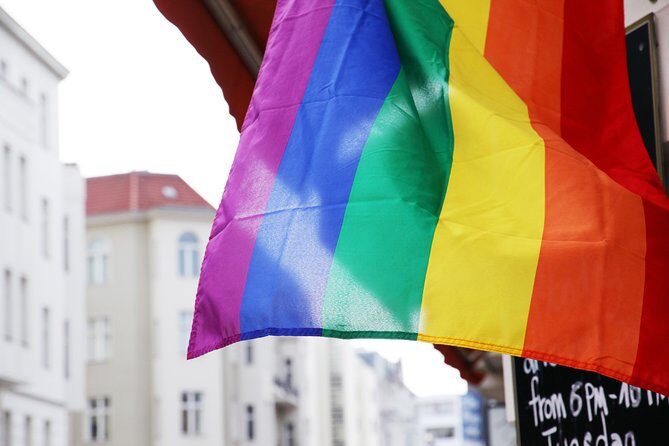
- Walk queer Berlin through multiple neighborhoods, not one bubble: You’ll cover Schöneberg, Tiergarten, and Kreuzberg so you get the city-wide picture.
- Stop at Südblock for a community anchor, not just a bar: It’s a queer-run place with meaning beyond what you’d guess from the street.
- Pair famous personalities with the places they belong: Marlene Dietrich and Mayor Klaus Wowereit show up as part of the story, not as trivia.
- Learn club history from the 90s to the present: You’ll hear how the scene changed into the late-night Berlin people talk about.
- See links to Europe’s long-standing LGBTQ neighborhood via Christopher Isherwood: It adds a literary layer to the walking route.
- Up to 15 people keeps the vibe human: More chat with the guide, fewer “herding cats” moments.
What You Actually See: Schöneberg, Tiergarten, Kreuzberg in One Walk
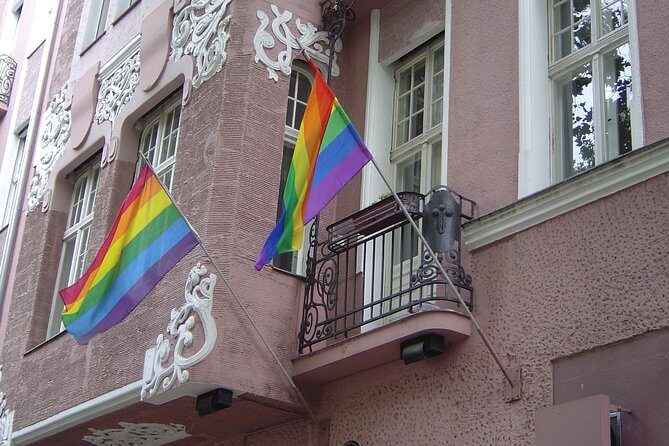
This tour is built around the idea that Berlin’s queer story isn’t trapped in one neighborhood. Instead, you’ll walk through Schöneberg, Tiergarten, and Kreuzberg, and you’ll feel how different areas carried different kinds of queer visibility over time.
That matters because queer history in Berlin wasn’t just one long parade of progress. It’s mixed: periods of visibility, periods of suppression, and plenty of community self-defense through social life, art, and gathering places. By walking across several districts, you get the sense that community grew where people could exist, meet, and stay safe.
If you like history that has street corners, this format works well. You’re not sitting in a classroom watching dates scroll by. You’re moving through neighborhoods while your guide ties each place to a person, an event, or a cultural shift.
You can also read our reviews of more walking tours in Berlin



Meeting at Neue Promenade 3 and Starting Without Stress
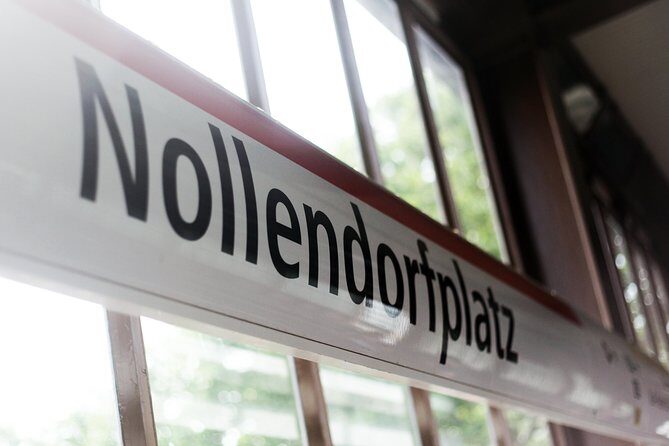
You’ll meet your guide at Neue Promenade 3, 10178 Berlin. The start time is 12:00 pm, and the walk ends at Nollendorfplatz (10787), so you’ll finish in a transit-friendly area for getting back to your hotel.
A key practical point: watch for the guide’s introduction and any loud group cue. One past participant flagged confusion at the start when signs weren’t obvious, so I’d treat this like any good walking tour: arrive a bit early, be ready to identify your guide fast, and listen for the group call-out.
Also, plan your footwear. This is a walking tour with multiple stops, so comfortable shoes help more than you’d think. Since it runs in all weather, bring a light rain layer or umbrella if forecasts look sketchy.
The Big Through-Line: From 19th-Century Queer Life to Today
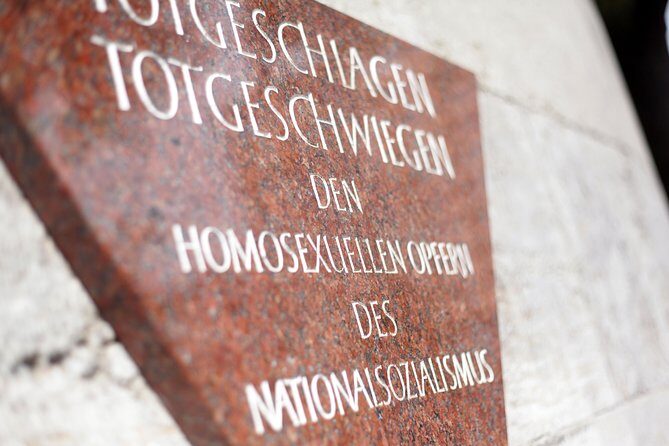
The tour kicks off with the idea that queer culture has been part of Berlin for centuries. From there, you build a timeline that doesn’t just list milestones; it shows how community identity changed as laws, social attitudes, and public visibility shifted.
You’ll hear about major figures connected to queer life. Names that come up include Marlene Dietrich and Mayor Klaus Wowereit, which is a clever way to anchor the story in people who are bigger than a single block. It also helps you remember the points, because you’re tying them to faces and public roles—not only to abstract concepts.
This is also where an excellent guide makes the difference. In the information you provided, guides such as Finn, Tom, Lorna, Mal, and Trevor are singled out for being engaging and clear about the connections between names and places. If you get one of these styles of guides, you’ll likely get the “oh, that’s why that matters” feeling often enough to justify the cost.
Modern Alternative Berlin: A District Stop With Real Community Context
One stop is all about modern-day alternative Berlin. This is where the tour shifts from old-school history into how queer spaces exist now—socially, culturally, and sometimes politically.
The value here is that alternative districts can look chaotic or random if you only glance from the sidewalk. With a guide, you learn what to look for: how spaces function, why certain locations became gathering points, and how the city’s queer scene keeps reinventing itself.
If you’re only in Berlin for a few days, this kind of context is gold. It helps you understand why certain streets feel different at night, why some neighborhoods attract community events, and why people talk about Berlin as a place that accepts diversity in public life more than many cities.
Südblock: A Queer-Run Bar and Restaurant That Teaches You More Than You Expect
At some point, you’ll hit Südblock—a queer-run bar and restaurant that’s described as an integral pillar of the LGBTQ+ community. The key word here is pillar. This isn’t just about where to drink. It’s about why community spaces matter: they’re meeting points, support systems, and cultural stages all at once.
Because your guide is covering it as part of the broader history, Südblock becomes a living example of how queer life isn’t only about flashier landmarks. It’s also about the everyday work of creating a room where people can show up as themselves.
Practical note: food and drinks are not included in the tour price. That’s normal for a walking experience. If you want a snack or a drink at the stop, you’ll need to budget separately and plan around the time you still have on foot afterward.
A few more Berlin tours and experiences worth a look
The Famous Club Story: From 90s Roots to All-Hours Berlin
One of the most interesting parts of this tour is the club history segment. You’ll hear about one of the world’s famous clubs, starting with roots in the 90s gay scene and then moving into the open-all-hours reality of today.
Even if you don’t plan to go clubbing while you’re in Berlin, this stop can still be useful. Clubs are social technology. They’re places where identity, safety, music, and community rules get negotiated. The tour’s focus on evolution helps you connect the dots between earlier scene culture and the current reputation Berlin has for nightlife.
And since this walk is not only about nightlife, the club stop works like a bridge. You see how earlier community spaces and attitudes shaped what later generations built, and how that can stay part of the city’s identity even as the crowds and styles change.
Schwules Museum Stop: When Queer Culture Lives Behind the Doors
The walk includes a visit to the Schwules Museum (Gay Museum). This is one of the most valuable pieces for understanding how queer Berlin became visible and how it was documented.
A museum stop is worth it when you want more than street stories. Here, it can help you connect the names and neighborhood changes you hear on the sidewalk to artifacts, archives, and curated context. It’s also the part that makes the tour feel like more than a nice stroll.
One caution, based on what happens when people have different expectations: the museum can be a flashpoint if you thought you’d get a pure outdoor walk. If you love museums, you’ll probably appreciate the added depth. If you’re short on time or only want outdoor sights, you may want to keep your expectations aligned with a mixed-format experience.
Christopher Isherwood and One of Europe’s Oldest Queer Neighborhoods
Another strong stop focuses on one of Europe’s oldest and most established LGBTQ neighborhoods. The tour connects this area to Christopher Isherwood—an approach that brings a literary lens to the streets.
This is a smart way to make history feel personal. Isherwood’s presence in the story turns a neighborhood into more than a map pin. It gives you a reason to notice details you might otherwise ignore, like how certain areas became recognizable as places where queer communities could gather and live with more visibility than before.
If you’re the type who enjoys walking where writers and artists stood, this section will likely hit. Even if you don’t know much about Isherwood ahead of time, your guide should help you see why his name belongs in the conversation.
Price and Time: Is $24.14 Good Value for 3.5 Hours?
At $24.14 per person for about 3 hours 30 minutes, this is priced in the “seriously reasonable” range for a guided, multi-stop walking tour. You get a professional guide, English language delivery, and a route that includes several key stops rather than one neighborhood with extra side streets.
You’ll just want to remember what’s not included. Hotel pickup and drop-off are not included, and food and drinks aren’t included. Also, the Berlin Transport AB Zone day pass (about 7 euros) is not automatically included, but you can obtain it from your guide on the day.
That last part matters for budgeting and energy. If you plan to rely on transit during or after the walk, getting the correct day pass helps you avoid last-minute ticket math. Since this is a walking tour, most of your “transport” needs are probably minimal, but Berlin is big, and ending near Nollendorfplatz is a practical place to jump on a tram or metro to keep moving.
Group size is also part of the value story. With a maximum of 15 travelers, the pace is easier to manage, and you’re less likely to feel like a number in a crowd.
Who This Tour Fits Best (and Who Might Want a Different Style)
This tour fits best if you fall into one (or more) of these groups:
- You’re visiting Berlin for the first time and want an LGBTQ-focused route across multiple neighborhoods.
- You want names and context, not only locations—especially if you care about how queer acceptance and community life evolved.
- You like a balance of outdoor walking plus at least one indoor stop that adds depth.
If you’re the kind of visitor who hates anything museum-shaped, this might feel longer than you want because the Schwules Museum is part of the experience. And if you only want nightlife details and club talk, you may find you’d enjoy a different tour style more.
For everyone else, it’s a strong way to get oriented fast and still learn meaningful material at an affordable price.
Should You Book This Tour?
If you want a guided walk that connects queer culture across Schöneberg, Tiergarten, and Kreuzberg, with stops at community institutions like Südblock and the Schwules Museum, I think it’s an easy yes. The price is low enough that you can justify it even if you’re only moderately interested, and the multi-part story structure makes it more than a simple “where things are” tour.
Book it if you like history that you can see with your own eyes. Bring comfortable shoes, dress for the weather, and pay attention to your guide at the start so you avoid any start-of-tour mix-ups. If you’re museum-averse or time-crunched, double-check how much indoor time you can tolerate and plan accordingly.
FAQ
How long is the Berlin queer scene small-group walking tour?
It runs for approximately 3 hours 30 minutes.
Where do I meet the guide, and where does the tour end?
You meet at Neue Promenade 3, 10178 Berlin. The tour ends at Nollendorfplatz, 10787 Berlin.
What is included in the tour price?
The tour includes a professional guide. Food and drinks are not included.
Is public transportation covered?
A Berlin Transport AB Zone day pass (about 7.00 euros) is not included, but it is available from your guide on the day.
What language is the tour offered in?
The tour is offered in English.
What group size should I expect?
The tour has a maximum of 15 travelers.
What happens if the weather is bad?
It operates in all weather conditions, so dress appropriately.
Can I cancel for a full refund?
Yes. You can cancel up to 24 hours in advance for a full refund.