REVIEW · BERLIN
Berlin: Gay Berlin Out in Schöneberg Walking Tour
Book on GetYourGuide →Operated by Sonderweg-Berlin · Bookable on GetYourGuide
Schöneberg turns into a history lesson fast. This Gay Berlin walking tour traces the neighborhood’s queer roots from the interwar years through the Nazi era and into the West Berlin resurgence, with stops tied to key places like the Nationalhof and Motzstraße’s famous cabaret scene. I especially like how the guide links street corners to real people and how the pacing feels built for questions and short pauses. One thing to consider: it’s a walking tour with no food included, so you’ll want to plan a meal later on your own.
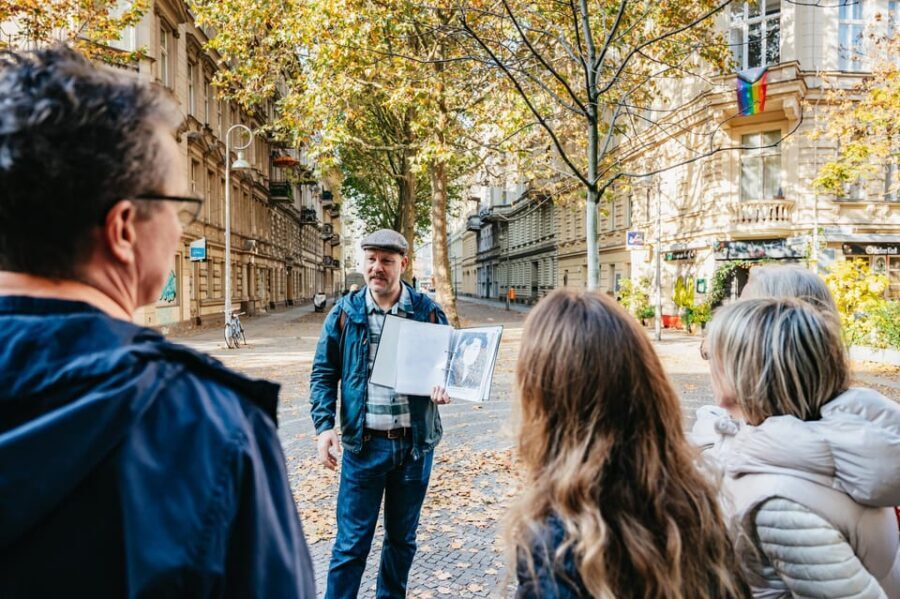
You’ll cover the area around Nollendorfplatz on foot, walking down streets that still feel like Schöneberg today. I also like that the guide works in both English and German, and that the tour uses visual material (archive pictures and text) to make the past easier to picture. A minor drawback for some groups: since the meeting point can vary by booking option, you’ll want to confirm exactly where to gather so you start on time.
In This Review
- Key Highlights You’ll Actually Feel
- First Impressions: Schöneberg Feels Like the Main Stage
- Your 2.5-Hour Game Plan (and Why the Length Works)
- Nollendorfplatz to the Nationalhof: Where Activism Got Momentum
- Motzstraße and the El Dorado Cabaret Club: Nightlife as History
- Hollandais and Kleist Casino Area: The Interwar Scene You Can Map
- Christopher Isherwood on Nollendorfstraße: Literature and Later Liberation
- The 1960s Resurgence: West Berlin’s Gay District Takes Form Again
- Schwerin Straße and Eisenacher Straße: Seeing the Community in Plain Sight
- The Guide Factor: Why Tobias’s Style Gets 4.8 Stars
- Price and Value for Money (Plus What You Should Budget For)
- Who Should Book This Tour
- Quick Booking Checklist (Without Making It Complicated)
- Should You Book Gay Berlin Out in Schöneberg?
- FAQ
- FAQ
- How long is the Berlin Gay Berlin Out in Schöneberg Walking Tour?
- Where does the tour start?
- What’s included in the price?
- Is food or drinks included?
- What languages is the guide available in?
- Is the tour wheelchair accessible?
- Can I cancel for a refund?
- Is there an option to reserve and pay later?
Key Highlights You’ll Actually Feel
- Nationalhof and the gay rights movement: where activism became visible in the city’s public life
- Motzstraße and the El Dorado cabaret club: Berlin nightlife history in a few minutes on foot
- Hollandais club and Kleist Casino area: landmarks tied to the interwar queer scene
- Christopher Isherwood’s home on Nollendorfstraße: literature’s role in the later Gay Liberation conversation
- Schwerin Straße and Eisenacher Straße: you’ll see how lesbian and gay life shows up in the street grid today
- Guide storytelling with archive visuals: short, specific facts paired with pictures and context
First Impressions: Schöneberg Feels Like the Main Stage
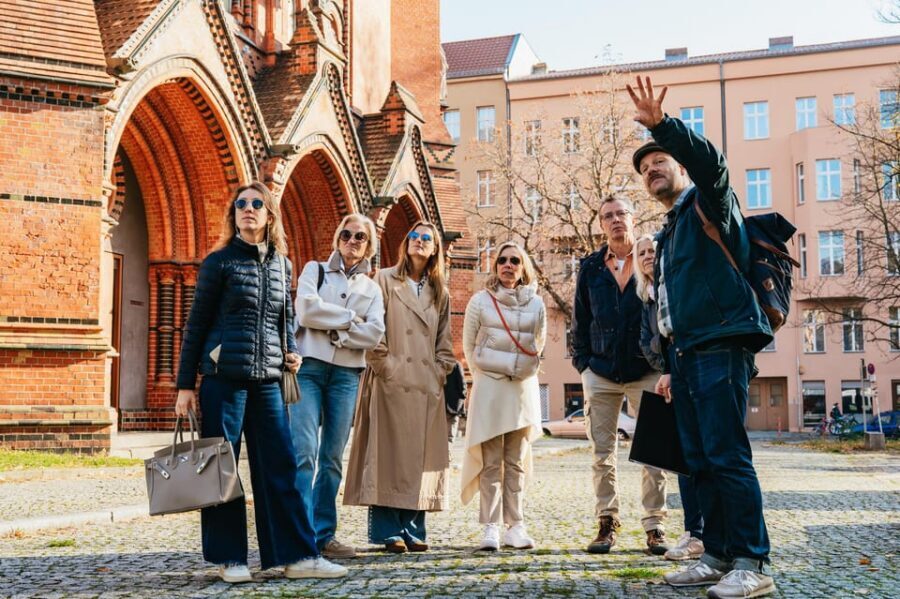
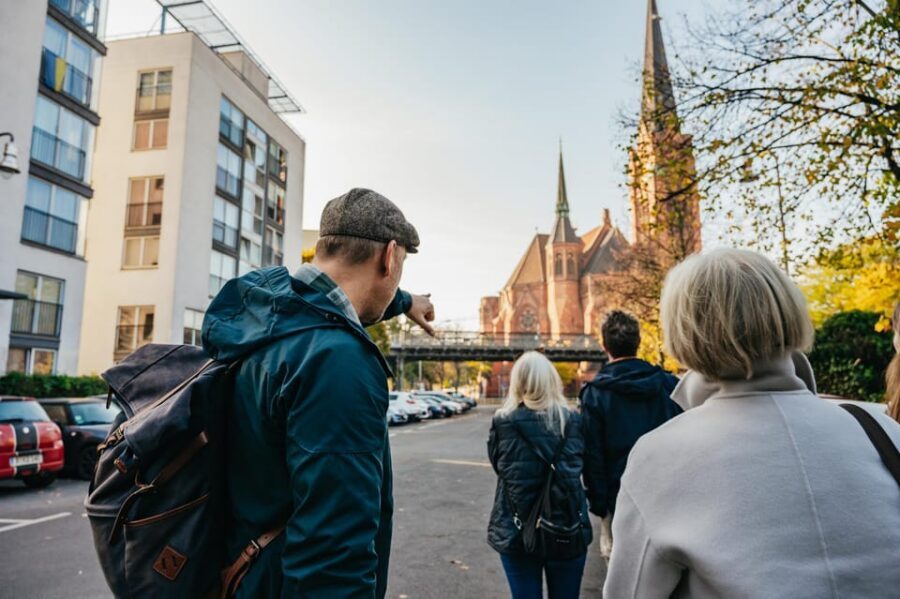
This is the kind of tour where the neighborhood itself is the classroom. Instead of bouncing between far-flung sights, you spend real time around Nollendorfplatz, then fan out toward streets like Motzstraße. That matters because queer Berlin’s story isn’t just a list of famous names—it’s a geography of meeting places, nightlife venues, and community hubs.
The vibe is also personal. The guide’s style comes across as warm and chat-ready, not stiff or academic. I like that the humor stays human while the facts stay precise, so you’re learning without feeling lectured.
If you’re sensitive to heavy parts of 20th-century history, you’ll still be okay. The tone tends to balance respect with clarity, and the route is built around landmarks rather than shock-for-shock’s-sake.
You can also read our reviews of more walking tours in Berlin



Your 2.5-Hour Game Plan (and Why the Length Works)
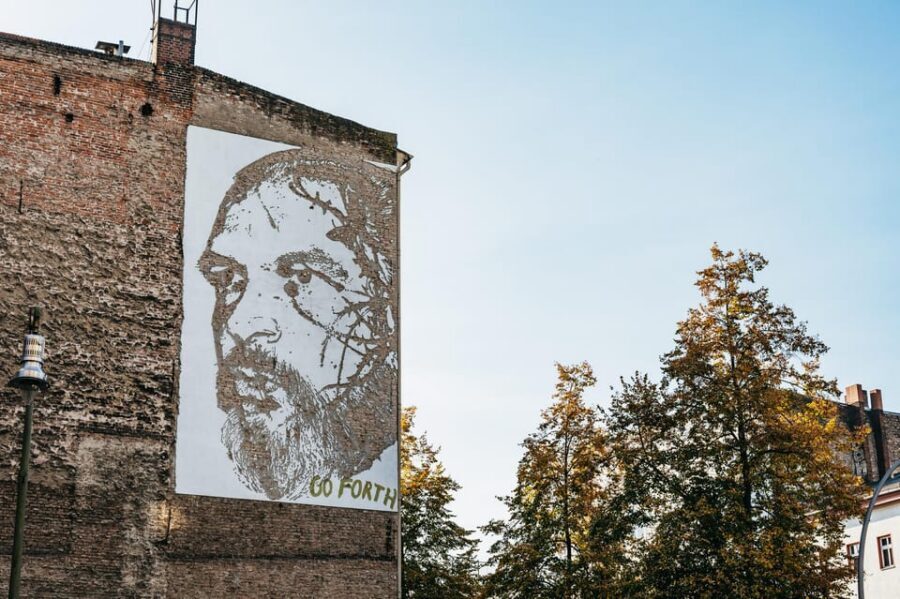
The tour lasts about 2.5 hours. That’s long enough to connect eras—World War I aftermath, the interwar gay scene, the early 1930s political shift, then the West Berlin revival—without dragging you through a whole day of walking. You’ll also have time to slow down at key corners and ask questions.
Pace-wise, it feels designed for comfort. You’re not just marching; there are moments to stop, stand back, and take in architecture and street context. Some people also mention how the guide handles weather and unexpected delays, which is reassuring if you’re in Berlin during shoulder season.
Practical note: it’s a walking tour, and there’s no food included. Think of it as a solid history block—then you can grab coffee, cake, or dinner nearby after.
Nollendorfplatz to the Nationalhof: Where Activism Got Momentum
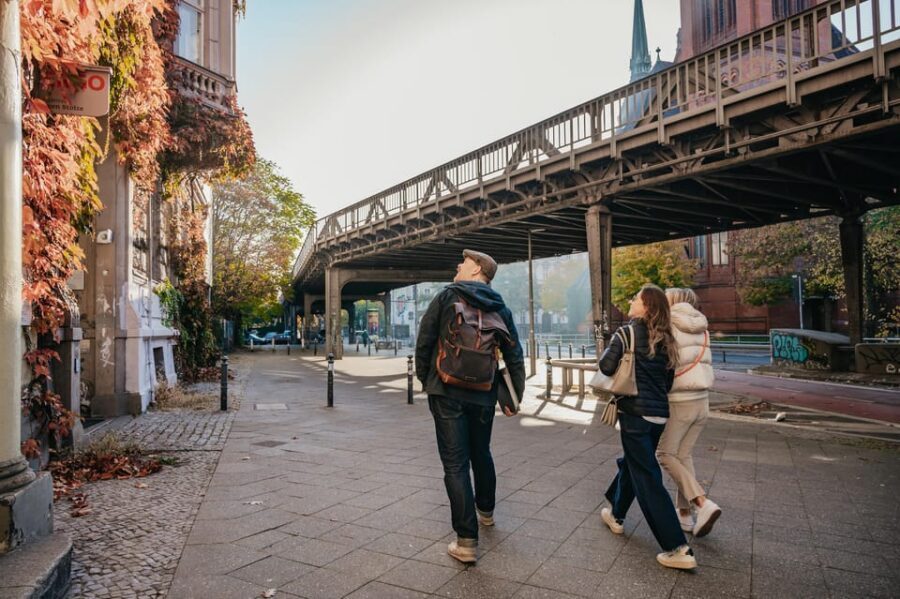
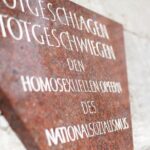
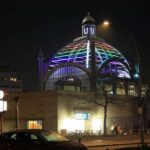
The core of the tour orbits Nollendorfplatz, which is a smart starting point. From here, you can understand Schöneberg as a center of social life, not just a backdrop. The guide brings you to the Nationalhof, described as the heart of the gay rights movement, and that’s where the story gets meaning beyond nostalgia.
This stop helps you see how early queer organizing wasn’t only about bars and clubs. It was also about visibility—people gathering in recognizable spaces, building networks, and pushing for change when laws and social attitudes were still shifting under pressure.
You’ll also hear about other interwar-era landmarks in the same general area, including the Hollandais club and the Kleist Casino. Even if you don’t know the names today, the guide gives you enough context to understand why these venues mattered: they were places where identity could be expressed publicly, at least for a time.
One of the best parts here is how the guide ties street-level details to the big timeline. You don’t just hear dates; you see how the neighborhood functioned—who went where, why that mattered, and what changed when politics tightened.
Motzstraße and the El Dorado Cabaret Club: Nightlife as History
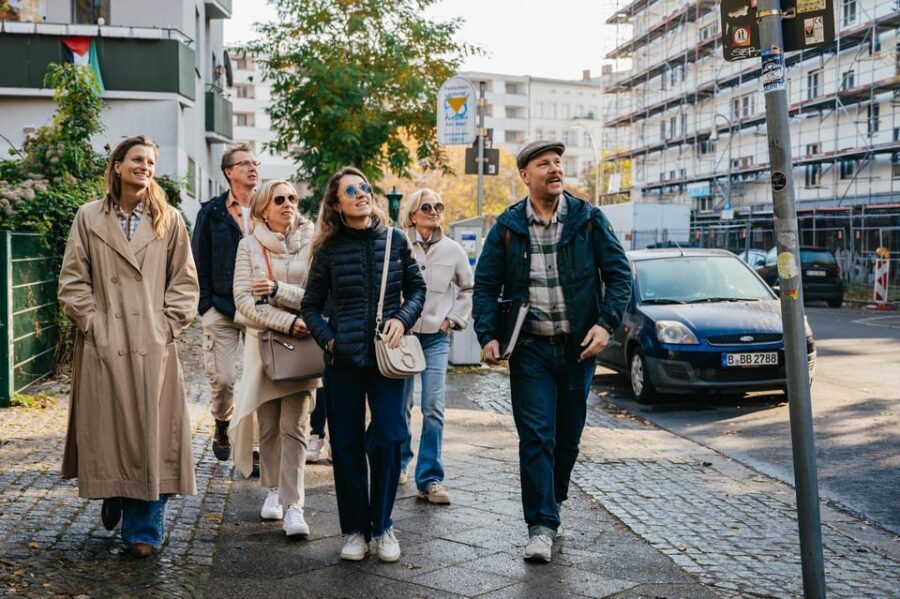
Then you shift toward Motzstraße, and the tone naturally changes. Nightlife stories can be fun, but this tour keeps them grounded in historical reality. The big name on this stretch is the El Dorado cabaret club, a famous part of Berlin’s queer entertainment scene.
This stop is valuable because it shows how culture and activism fed each other. Cabaret wasn’t only entertainment; it was also a space where queer life could be staged, coded, and discussed—sometimes openly, sometimes in ways that depended on the era’s limits.
As you walk, you’re not just imagining what used to be there. You’re learning how to read the present: the same street can hold multiple layers—old venue energy, wartime disruption, postwar rebuilding, and the ongoing evolution of queer spaces.
Hollandais and Kleist Casino Area: The Interwar Scene You Can Map
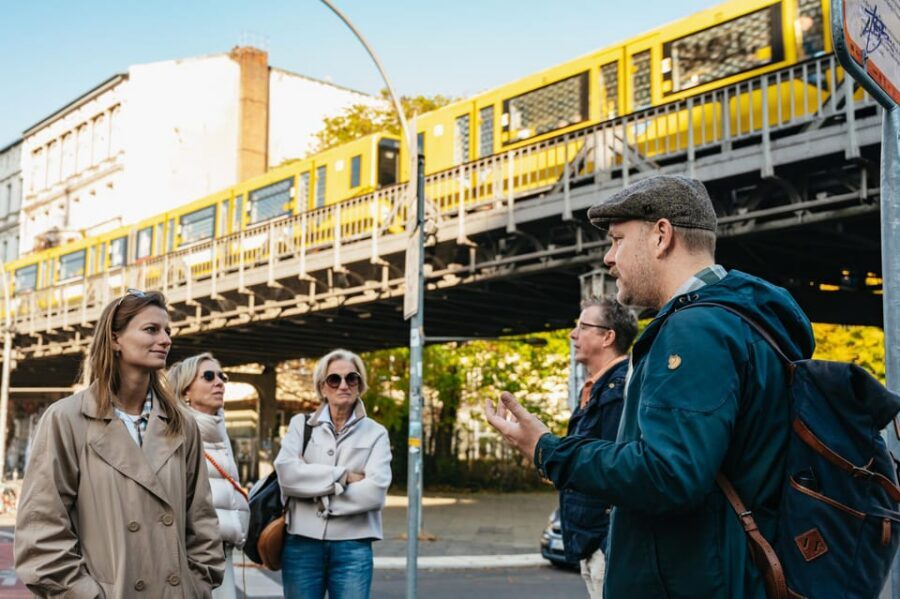
A strong feature of this tour is that it helps you map the queer Berlin of the 1920s and early 1930s onto actual streets. The Hollandais club and Kleist Casino are part of that, and the guide treats them as more than trivia.
What you take away is how concentrated Schöneberg became as a social magnet. People needed places to meet safely, express themselves, and find community. In the interwar years, that meant the right venue mattered as much as the right ideas.
And the guide doesn’t keep everything in the past. The story connects the interwar period to later waves—showing why the city could recover when political pressure shifted again, and why the neighborhood stayed relevant even as Berlin’s borders and identities changed.
A few more Berlin tours and experiences worth a look
Christopher Isherwood on Nollendorfstraße: Literature and Later Liberation
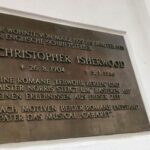
One of the more intriguing stops is the former home of novelist Christopher Isherwood on Nollendorfstraße. Isherwood’s name comes up in queer culture for a reason, and the tour frames him as part of the chain linking earlier queer visibility to the language and momentum of later liberation movements.
This is where the tour becomes bigger than Schöneberg itself. You start to see how art and storytelling can travel across time. A place can matter even when the neighborhood’s social shape changes, because writers carry the imagery and ideas forward.
It’s also a thoughtful way to balance the nightlife emphasis. Instead of treating queer history as only clubs and protests, the guide spreads it across venues, activism, and cultural output.
The 1960s Resurgence: West Berlin’s Gay District Takes Form Again
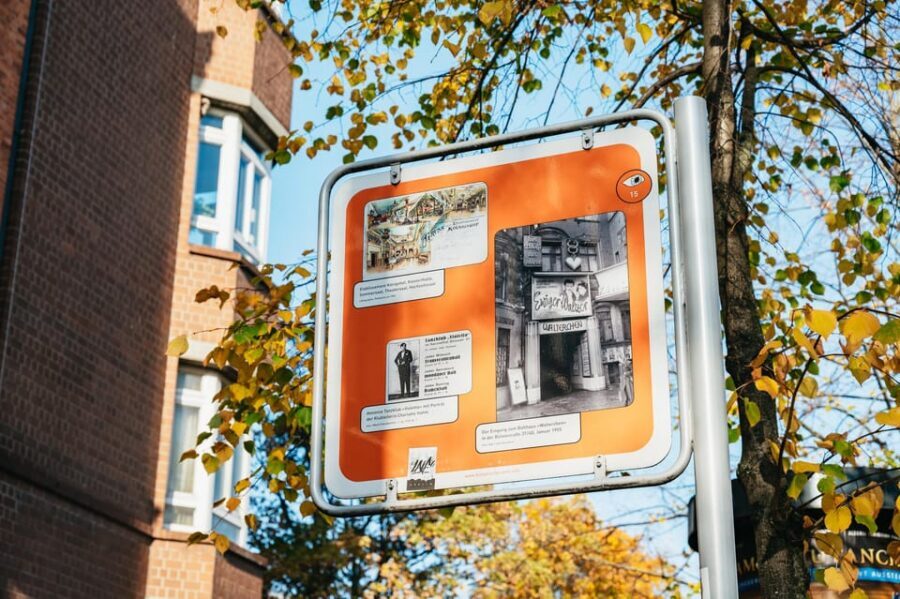
After the earlier decades, the tour moves into the resurgence in the late 1960s. This is where Schöneberg’s story becomes about rebuilding and continuity—how a neighborhood reclaims space and becomes a center again.
The guide explains how the area became West Berlin’s main gay district from that period and how the community’s presence has continued into the present day. That framing is important: you’re not watching a tragic sequence where everything is lost forever. You’re watching a cycle of suppression, survival, and re-expansion.
What I like here is the realism. The tour doesn’t treat the revival as a fairy tale. It gives you enough context to understand that the neighborhood’s identity is tied to social networks, safe gathering places, and community institutions—not just a label.
Schwerin Straße and Eisenacher Straße: Seeing the Community in Plain Sight
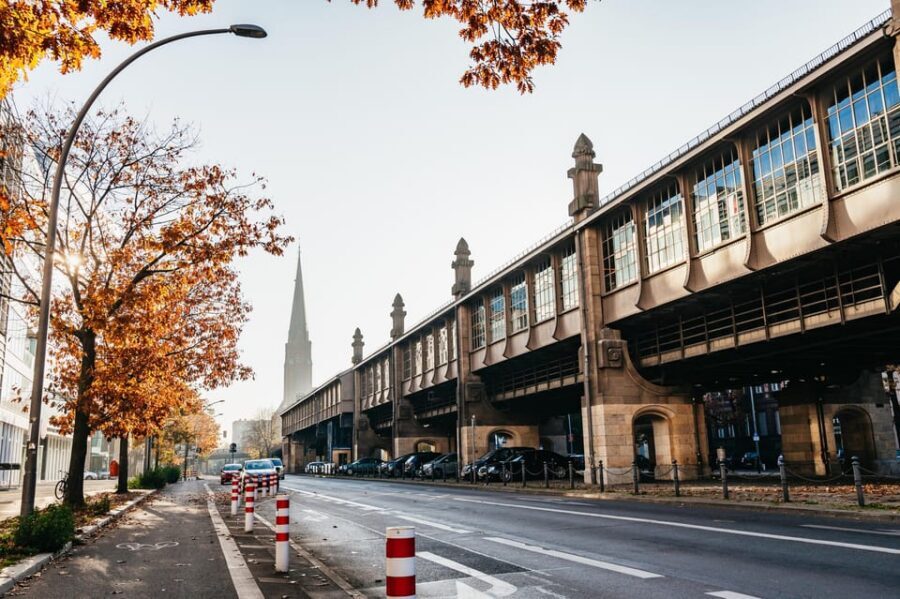
The later part of the walk brings you to areas linked with the neighborhood’s continuing life—especially the lesbian quarter on Schwerin Straße and the streets around Eisenacher Straße.
These stops are useful because they prevent the tour from becoming a museum. You’re looking at architecture and street-level details while the guide explains how queer life is still visible in the everyday rhythm of the neighborhood. It turns history into something you can recognize, not only something you read about.
If you like walking tours that help you understand where to spend time after the tour, this part helps. Even though food and drinks aren’t included, you’ll finish with a better sense of where the area’s energy tends to concentrate.
The Guide Factor: Why Tobias’s Style Gets 4.8 Stars
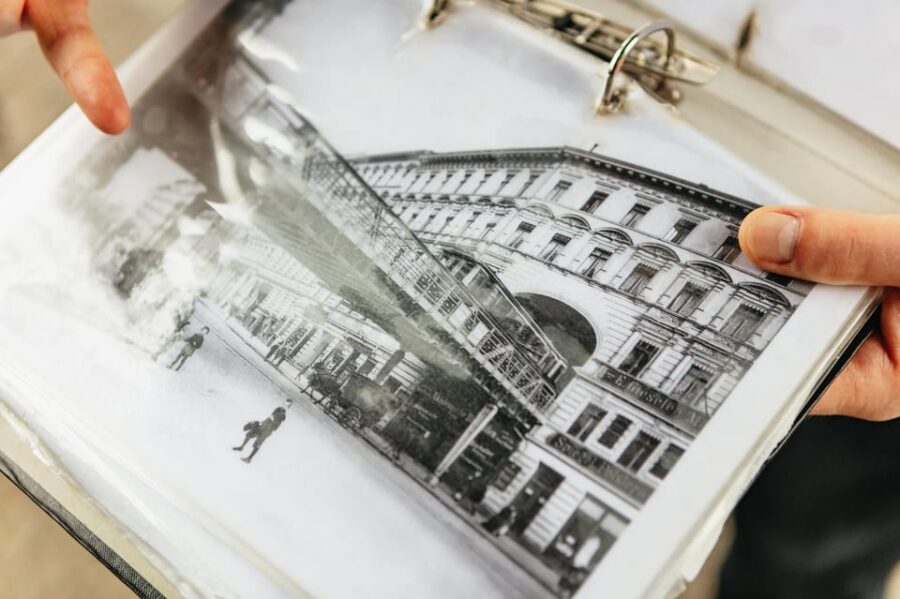
This tour’s reputation doesn’t come from random hype. It consistently points to the same strengths: the guide’s command of Berlin’s queer history, the way he balances facts with humor, and how he makes the walk feel alive rather than scripted.
A common theme in the experience is how the guide uses archive pictures and text. That matters because it keeps the story from floating in abstract time. You can actually picture what people saw, wore, said, and built.
I also appreciate the personal layer. Multiple participants mention that Tobias includes anecdotes and a sense of being part of the community, which adds context without turning the tour into a biography. It feels like a knowledgeable local friend showing you a city you thought you already knew.
Price and Value for Money (Plus What You Should Budget For)
At $23 per person for 2.5 hours, this is priced like a serious bargain for Berlin. You’re paying for guided interpretation—plus the guide bringing visual material and tailoring the story to the street-level landmarks you pass.
Here’s the value logic: the tour covers key locations connected to queer activism, nightlife, and culture, all within a manageable walking radius. That’s efficient. And since food and drinks are not included, you keep the cost low while still getting a complete “history primer” length.
Budget-wise, plan on spending for yourself afterward: coffee, a drink, or dinner. If the tour ends near queer-friendly spots (people often mention heading to local cafés and bookshops after), you’ll be in a great position to continue the theme without hunting.
Who Should Book This Tour
You’ll probably love this if:
- you want queer history with real place names, not just a generic overview
- you care about the chain from the 1920s interwar scene to later liberation-era culture
- you like guides who use visuals and stories, and who answer questions without rushing you
You might choose another option if:
- you’re looking for a strictly nightlife-focused evening (this is historical and landmark-based)
- you dislike walking for about 2.5 hours, especially in Berlin weather
Quick Booking Checklist (Without Making It Complicated)
- Confirm the meeting point, since it can vary by booking option
- Bring comfortable shoes; you’ll be on foot for the full 2.5 hours
- If you’re visiting with mobility needs, know the tour is wheelchair accessible
- Wear layers; the city can switch moods fast
Should You Book Gay Berlin Out in Schöneberg?
My take: yes, if you want a focused, well-told introduction to queer Berlin that you can actually visualize afterward. The combination of landmark stops—Nationalhof, El Dorado on Motzstraße, Isherwood on Nollendorfstraße, plus Schwerin Straße—makes the story stick. And the consistent praise for Tobias’s style suggests you’re getting more than a route; you’re getting interpretation that makes the neighborhood understandable.
If you’re short on time in Berlin, this is a strong way to get your bearings fast. If you’re planning a longer queer-themed itinerary, it also works as a foundation so later stops make more sense.
FAQ
FAQ
How long is the Berlin Gay Berlin Out in Schöneberg Walking Tour?
The tour duration is 2.5 hours.
Where does the tour start?
The meeting point may vary depending on the option booked, so you’ll want to check your specific booking details.
What’s included in the price?
The experience includes a walking tour and a guide.
Is food or drinks included?
No. Food and drinks are not included.
What languages is the guide available in?
The live guide offers the tour in German and English.
Is the tour wheelchair accessible?
Yes, the tour is wheelchair accessible.
Can I cancel for a refund?
Yes. The tour offers free cancellation up to 24 hours in advance for a full refund.
Is there an option to reserve and pay later?
Yes. You can reserve now & pay later (pay nothing today).