REVIEW · BERLIN
Berlin: Museum of Communication Entrance Ticket
Book on GetYourGuide →Operated by Museum für Kommunikation Berlin · Bookable on GetYourGuide
Communication history you can actually use. At the Museum für Kommunikation Berlin, you trace how humans sent signals and greetings from the hand axe to the smartphone, with hands-on stops that make the past feel usable.
I especially like two things: the chance to see the Blue Mauritius stamp and the interactive terminals where you try message-making methods first-hand. The only thing to watch is that this is largely a self-guided setup with an audio-visual app, so you’ll get the most out of it if you enjoy wandering and experimenting rather than following a traditional lecture.
Below is a practical look at what the visit feels like, what’s worth your time, and who should book this Berlin museum ticket.
In This Review
- Key highlights worth your attention
- Museum für Kommunikation Berlin: why it’s different from a standard museum
- Price and value: $9 for a full museum day’s momentum
- Do you need a time slot? Payment options that keep the day flexible
- Walking in: what your first 60 minutes should prioritize
- The Blue Mauritius stamp: why one object can anchor the whole story
- 2,000 objects and 40,000 years: the story arc to expect
- Interactive terminals: smoke, light, acoustic signals, and more
- Learning to greet people around the world
- Using the audio-visual app: your best friend for a self-paced visit
- A realistic 1-day plan (about 1.5 hours) that doesn’t feel rushed
- Accessibility and who this museum fits best
- Should you book the Museum of Communication Berlin ticket?
- FAQ
- How much is the Museum of Communication entrance ticket in Berlin?
- How long should I plan for a visit?
- Do I need to reserve a time slot?
- Can I pay with cash at the museum?
- Is the museum wheelchair accessible?
- What’s included with the ticket?
- When is the museum closed?
- What is the cancellation policy?
Key highlights worth your attention
- Blue Mauritius: see one of the most famous and rarest stamps in the world, tied to the story of mail and trust.
- 40,000 years of communication: a huge timeline told through 2,000 objects, not just a few photos on walls.
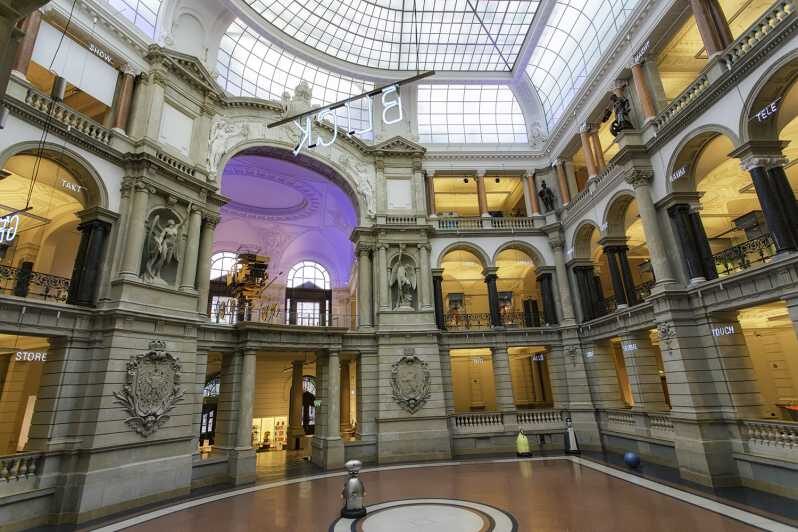
- Interactive terminals by the atrium: try smoke, light, and acoustic signals, plus digital displays.
- Greeting experiments: learn how communication changes across cultures, with activities you can participate in.
- Berliner Salon: a standout area that at least some visitors describe as beautiful, adding a more atmospheric pause.
- Audio-visual app pacing: explore on your schedule instead of being stuck in a group rhythm.
Museum für Kommunikation Berlin: why it’s different from a standard museum

Most museums tell you. This one tries to make you do. The core idea is communication as a tool people use to coordinate, persuade, greet, and share news. That theme fits Berlin well because the city has always had to reinvent how it connects—through paper, politics, radio, and later, digital life.
What makes it feel more than just educational is the mix of scale and touch. You’re dealing with a timeline that stretches 40,000 years, but the exhibits are set up so you can test concepts right where they’re explained. That approach matters because communication is abstract until you see (or try) the mechanics: speed, distance, reliability, and how people decode a message.
Also, this is a postal museum at heart, and that’s a big deal if you like artifacts that had real-world stakes. A stamp or a letter wasn’t decoration. It was infrastructure. And in this museum, you get to see how that infrastructure evolved.
A few more Berlin tours and experiences worth a look



Price and value: $9 for a full museum day’s momentum
The ticket price is about $9 per person, and for Berlin that’s a solid value if you plan to actually use what’s included. The admission doesn’t just buy access to a room—it comes with an audio-visual app, and the galleries are set up for self-driven exploration with interactive stations.
Here’s how I think about value in a museum like this:
- If you enjoy hands-on exhibits and don’t rush, you’ll get a lot of hours out of one ticket.
- If you love paper history, you’ll probably spend time in the postal-related areas and linger near rare items like the stamp display.
- If you’re the type who reads labels and still wants to try the activities, the audio guide helps you keep moving without getting stuck.
The main risk for value is the opposite: if you only skim and move on quickly, you might not feel the $9 fully “earned.” But if you’re aiming for a meaningful one-day museum stop, this fits the job.
Do you need a time slot? Payment options that keep the day flexible
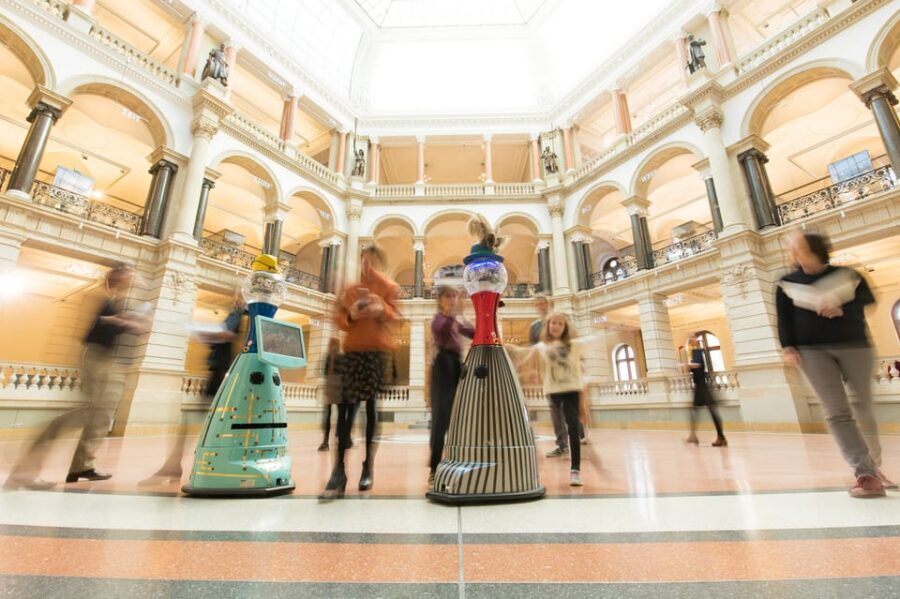
You don’t need to reserve a specific time slot for your museum visit. That’s a big practical win in Berlin, where plans often shift based on weather, transit, and how long coffee takes.
You also have practical payment options:
- You can purchase tickets without cash.
- At the museum counter, you can pay with cash.
So if you’re the kind of traveler who prefers flexibility (or forgot to plan ahead), this setup makes it easier to fit into a walking day.
One more scheduling note: the museum is closed on Mondays. On public holidays, hours shift to 10:00 AM to 6:00 PM, and it’s closed on December 24, 25, and 31. If you’re visiting around those dates, it’s worth double-checking before you head over.
Walking in: what your first 60 minutes should prioritize

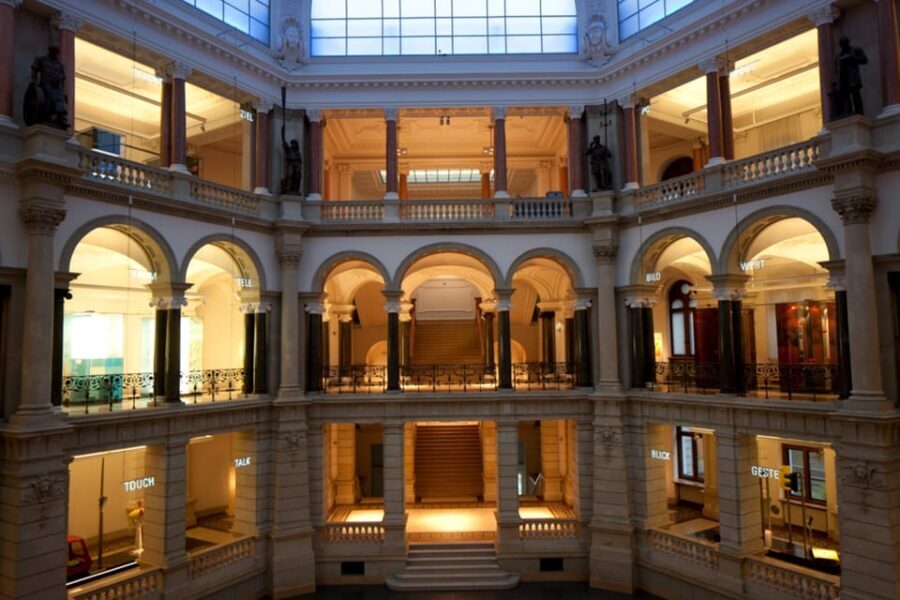
Your first payoff is the atrium-area communication gallery. The layout matters because the interactive terminals around the atrium give you a natural “starter loop.” Instead of getting lost in quiet exhibits first, you can begin by testing communication ideas—then move outward as the story deepens.
When I’m choosing where to start in museums with interactive components, I prioritize:
- The place where you can do something immediately (here: the terminals).
- The rare or anchor object that ties the story together (here: the Blue Mauritius stamp).
- The cultural activities that connect history to daily life (here: greeting/communication exchanges).
That order helps you build meaning fast. You’ll see the mechanics, then you’ll understand the stakes, then you’ll connect it to people.
The Blue Mauritius stamp: why one object can anchor the whole story
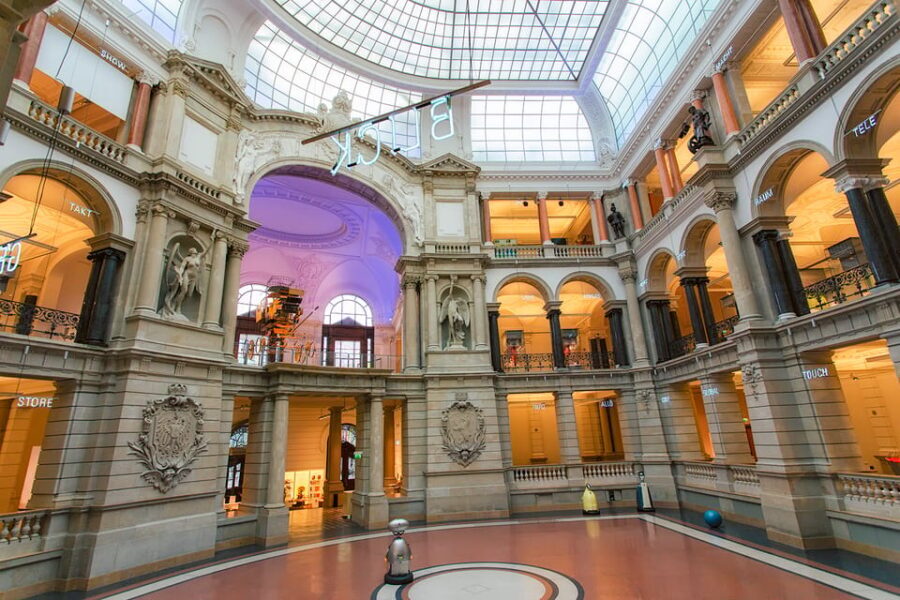
The Blue Mauritius is listed as a highlight among the world’s most famous and rarest stamps. Even if you’re not a philatelist, rare stamps have a way of grabbing your attention because they represent more than aesthetics. They reflect systems—how countries identified value, how mail became trusted, and how collectors and historians later preserved the evidence.
In a communication museum, that stamp works as a symbol of reliability. A stamp is a promise that your message can travel. When you see something famed for rarity, you’re also seeing why communication artifacts become historical documents.
Plan to spend a little time here rather than treating it like a quick photo spot. The payoff is in connecting the stamp to the broader museum theme: messages only matter if the system works.
You can also read our reviews of more museum experiences in Berlin






2,000 objects and 40,000 years: the story arc to expect
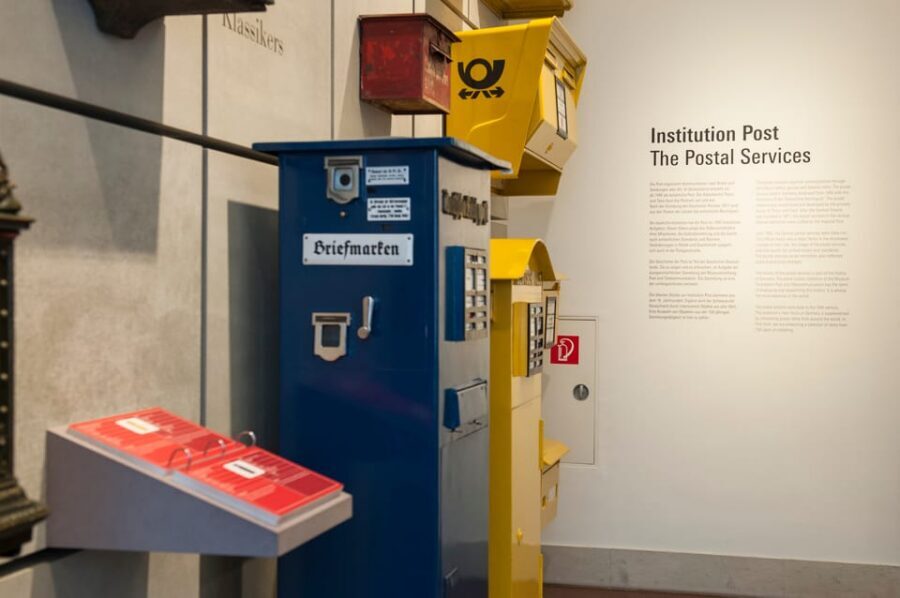
This museum promises a sweeping experience: 40,000 years of communication history shown through 2,000 objects. That kind of scale can be intimidating in other museums. Here, the idea is that you’re guided through milestones, from early tools to modern technology, while the exhibits also reference ongoing debates about communication.
You’ll likely notice the museum doesn’t just say communication improved over time. It treats communication as a conversation between eras and societies. That’s why you’ll see multiple angles rather than one straight line from old to new.
If you’re short on time, don’t try to do everything. Pick themes:
- How messages traveled (postal systems and delivery).
- How signals were encoded (letters, signs, sound, light).
- How people decoded them (greetings, interpretation, culture).
This is how you get a “complete” visit without racing through every room.
Interactive terminals: smoke, light, acoustic signals, and more
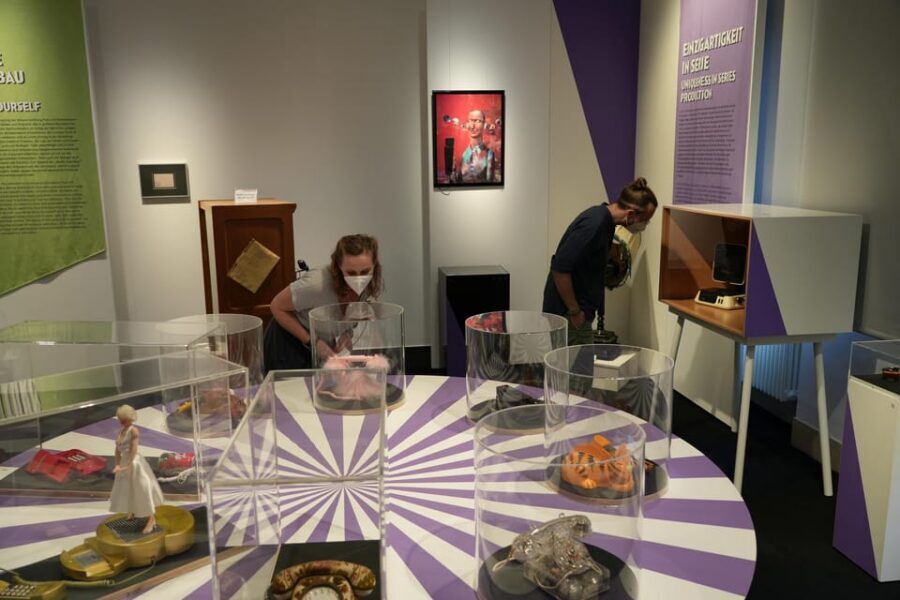
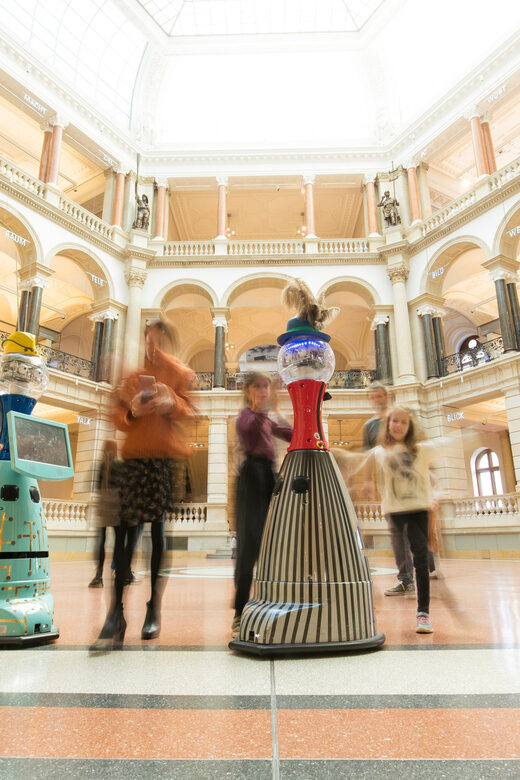
One of the most memorable aspects is the interactive setup in the communication gallery around the atrium. The exhibits are designed for participation, not just observation. You can exchange the latest news by smoke, light, or acoustic signals, and you can try digital displays tied to communication basics.
This matters because it turns the idea of communication from a concept into a physical experience. You start to feel what changes when you switch channels:
- Visual signals behave differently than sound.
- Distance and visibility become part of the puzzle.
- Reliability changes depending on the method and environment.
Even if you don’t spend long with each station, the mix helps you build intuition. It’s also why people highlight the ability to touch and try things—one short visit can still feel like you did something, not just looked.
Learning to greet people around the world
Communication isn’t only technology. It’s also social behavior. The museum includes activities that help you explore how people greet one another from different parts of the world.
You can think of this as the human side of the communication timeline. Tech handles the transmission, but culture handles the meaning. When you try these interactions, the museum shifts from history lesson to real-world awareness. It nudges you to ask: how many misunderstandings come from differences in expectations, not from a lack of information?
If you like museums that connect past to present behavior, this portion is worth slowing down for. It’s the part that can follow you out of the building, especially if you’ll keep traveling and meeting strangers over the next few days.
Using the audio-visual app: your best friend for a self-paced visit
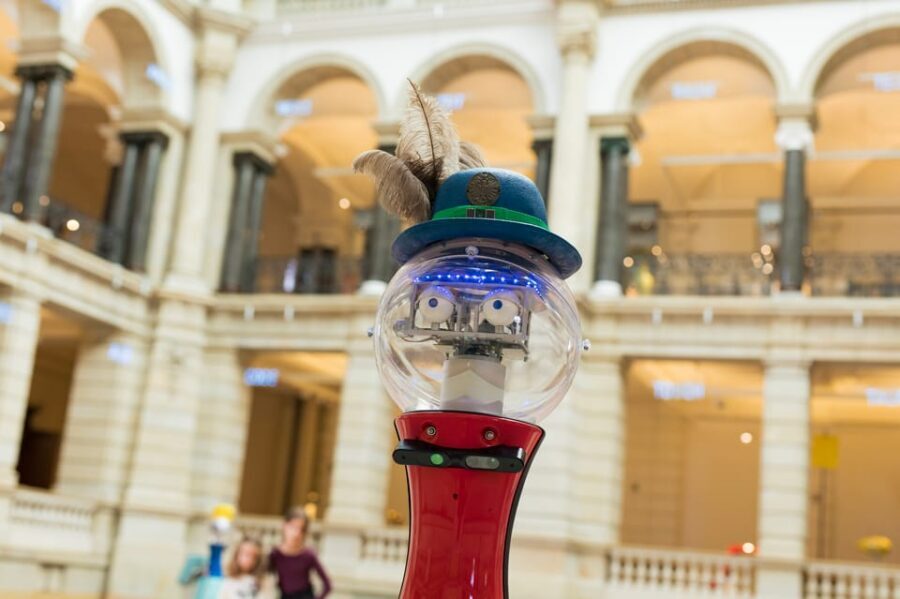
Your ticket includes an audio-visual app, and that’s the tool that keeps a self-guided visit from feeling like random walking. The app is designed to help you find your way and connect what you see to the bigger story.
Here’s the practical advantage: you can start and stop without losing your thread. In a museum with 2,000 objects across a wide timeline, that’s key. You don’t want to either:
- Read everything manually and burn your attention, or
- Skip too much and leave with only a few photos.
Instead, use the app like a steering wheel. Follow its prompts where you want depth, then let yourself wander when something catches your eye.
A realistic 1-day plan (about 1.5 hours) that doesn’t feel rushed
The visit is flexible, and you can shape it around your interests. The museum experience listed is about 1.5 hours for a typical self-guided pass, with time for photo stops and sightseeing within the museum.
Here’s a simple flow that matches how the museum is set up:
- Start near the atrium and hit the interactive terminals right away. Do at least one smoke/light/acoustic activity so you jump into the theme quickly.
- Move toward the postal and stamp-related highlights so you can connect the hands-on ideas to real-world communication systems.
- Spend your remaining time on cultural communication activities—especially the greeting-related parts—so the museum ends with a human layer, not only technology.
- Take photos where you’re drawn in, but don’t let the camera steal your attention from the interactive stations.
If you want a slower, more detailed visit, you can expand the time. But if you’re pairing this with other Berlin sights, 1.5 hours gives you a strong taste without swallowing your whole day.
Accessibility and who this museum fits best
The museum is wheelchair accessible, which is great for planning. If you have mobility needs, the interactive elements around the atrium can still be worth it because the exhibits are arranged to support participation rather than forcing a one-direction corridor.
Who this suits:
- Families and kids. The museum’s hands-on approach and postal/communication theme are especially friendly for learning by doing.
- Adults who like practical history and tech-in-real-life stories.
- Anyone who likes interactive museums more than lecture-heavy ones.
Who might consider a different stop:
- If you prefer strictly guided tours with a dedicated guide leading you step-by-step, you may find the self-guided audio-visual approach less structured than you want.
- If you only have time for one “iconic photo” spot and nothing else, this place rewards participation, not speed.
Should you book the Museum of Communication Berlin ticket?
If you want a Berlin museum stop that mixes big history with actual participation, I’d book it. The combination of a low $9 ticket, an included audio-visual app, and hands-on communication terminals makes it easy to feel like you got your money’s worth. The Blue Mauritius highlight is a strong draw even if you’re not a stamp expert, and the greeting/communication activities add a human angle that makes the museum more than a display case.
If you’re in Berlin with limited time and want one experience that can flex with your pace, this is a strong pick. I’d say go ahead—then plan to spend more time at the interactive stations than you think you will.
FAQ
How much is the Museum of Communication entrance ticket in Berlin?
The ticket price is listed as about $9 per person.
How long should I plan for a visit?
The experience duration is 1 day, and the typical visit time described is around 1.5 hours for a self-guided tour.
Do I need to reserve a time slot?
No time slots are required for a visit. You can buy tickets and enter without reserving a specific time slot.
Can I pay with cash at the museum?
Yes. The information says you can pay at the museum counter with cash, and you may also have options to purchase without cash.
Is the museum wheelchair accessible?
Yes, the museum is wheelchair accessible.
What’s included with the ticket?
The ticket includes museum admission and an audio-visual app.
When is the museum closed?
The museum is closed on Mondays, and it is closed on December 24, 25, and 31.
What is the cancellation policy?
You can cancel up to 24 hours in advance for a full refund.