REVIEW · BERLIN
Berlin: Berlin Story Bunker Entry Ticket
Book on GetYourGuide →Operated by Berlin Story Bunker · Bookable on GetYourGuide
A bunker tour that hits hard. The Berlin Story Bunker takes you from imperial-era Berlin through the Nazi years and right up to the fall of the Berlin Wall, all inside a WWII bunker setting. I like that the museum uses 50 stations with photos and short film clips so you can actually track how power in Berlin changed over centuries.
Two things I especially like: first, the Führerbunker replica on the lower level gives you that rare sense of place, even if you’re mainly there for history and context. Second, the audio guide system (included) helps you make sense of what you’re seeing, with explanations available in a long list of languages, including English and Spanish.
One drawback to plan for: this is lots of walking, lots of stairs, and you’ll be reading. Also, no cameras or video are allowed inside, so you’ll rely on your memory, the boards, and the audio more than photos.
In This Review
- Quick hits you’ll care about
- Berlin Story Bunker basics: what you’re really buying
- Getting your bearings fast (so you don’t miss the point)
- The timeline arc: Berlin’s 800+ years across 50 stations
- Hitler’s rise and the Nazi reign: what the exhibition emphasizes
- The bunker experience: the Führerbunker replica and model
- How long should you plan? (and how to pace yourself)
- Audio guide languages: picking the right one
- What to expect on-site: rules, comfort, and photo-free reality
- The value question: why this is worth the ticket price
- Who should book this, and who should think twice
- Should you book the Berlin Story Bunker ticket?
- FAQ
- What does the Berlin Story Bunker ticket include?
- Where is the meeting point?
- How long does the visit take?
- What time is the last entrance?
- What languages are available for the audio guide?
- Can I skip the ticket line?
- Are cameras or video allowed inside?
- Are pets allowed?
- Is this suitable for people with mobility impairments?
- How does the reservation work if my plans change?
- Is this activity only for one specific day?
Quick hits you’ll care about
- A real bunker atmosphere: exhibition rooms sit in a WWII bunker-style layout, which makes the history feel physical.
- 50 stations of “read and watch” history: big displays, photographs, and short film sequences keep you moving chronologically.
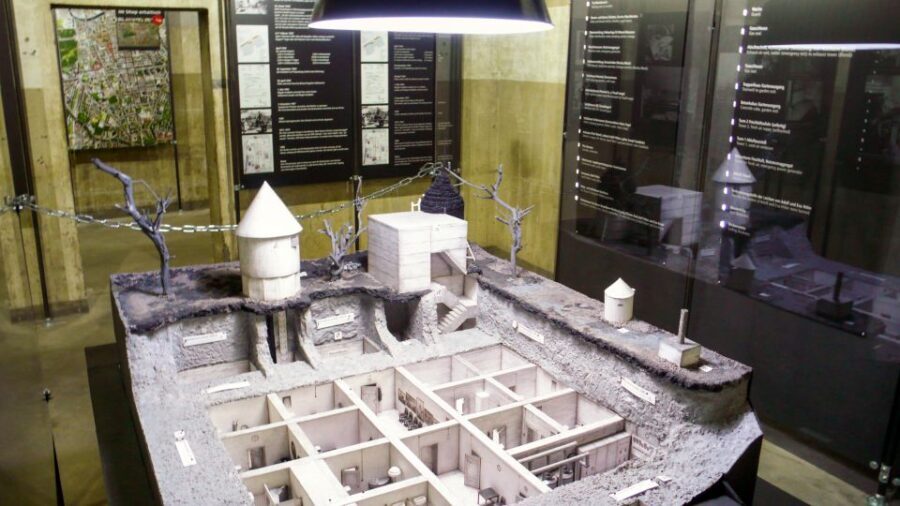
- Führerbunker replica downstairs: a full-scale model and reference points help you visualize Hitler’s underground world.
- Plan for time: if you want to read thoroughly, 3.5 to 6 hours is a common fit.
- No photos inside: you’ll want to bring a notebook or accept that it’s a photo-free zone.
- Graphic images appear: expect some unsettling photographs and content presented respectfully.
Berlin Story Bunker basics: what you’re really buying
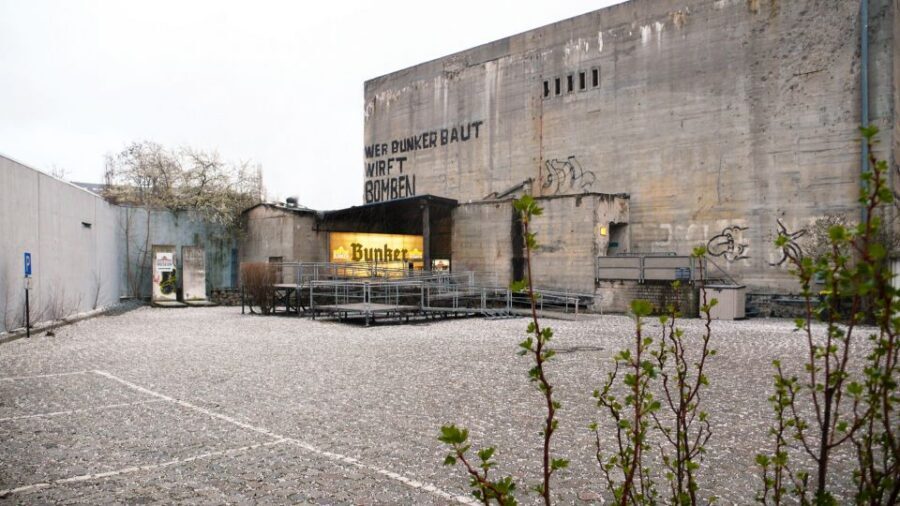
For about $21 per person (one day), you’re paying for entry plus a multilingual audio guide. That combination matters because this museum is information-heavy. The exhibits aren’t “one quick room and done.” It’s more like a guided historical walk where the setting does extra work for you.
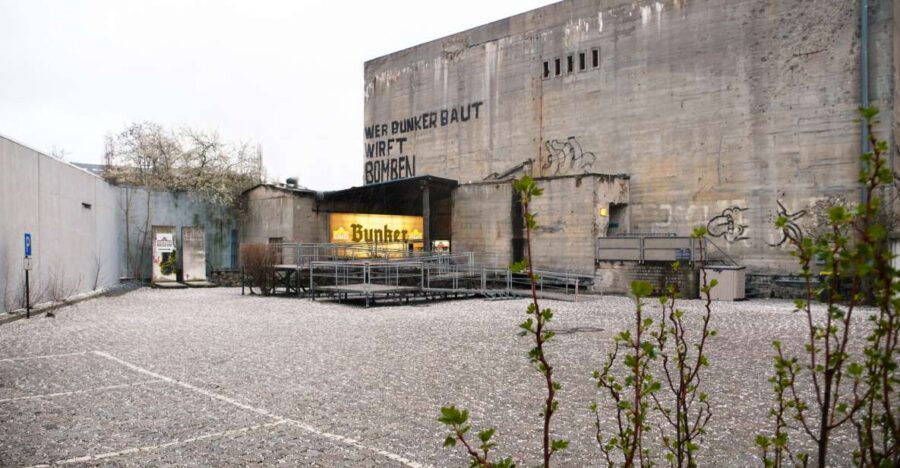
The museum is near Anhalter Bahnhof and Potsdamer Platz, so it fits naturally into a Berlin history day. The meeting point is the ticket office at Schöneberger Str. 23a, 10963 Berlin, which also means you can get sorted quickly and then start moving.
You also get skip-the-ticket-line, which is a simple time-saver. And there’s a clear time boundary: last entrance is at 5:30 PM. If your day in Berlin is ambitious, start earlier than you think you need.
A few more Berlin tours and experiences worth a look



Getting your bearings fast (so you don’t miss the point)
This is not a museum where everything is obvious at a glance. The displays cover a lot of time and ideas, and signage can feel minimal in places. That’s why the audio guide is more than a nice add-on. It helps you follow the story in a logical order rather than wandering randomly and hoping it all clicks.
Here’s a practical approach that works well:
- Start with the audio guide for structure.
- Then slow down whenever you hit a board or photo that stops you.
- If you prefer your own pace, you can also go more “self-guided,” reading first and using audio as a supplement.
One small note from real visitor experience: the audio device works best when you use the “next” progression rather than relying on number buttons. If you press a number and it seems to jump oddly, switching to the next-section button can make things smoother.
The timeline arc: Berlin’s 800+ years across 50 stations
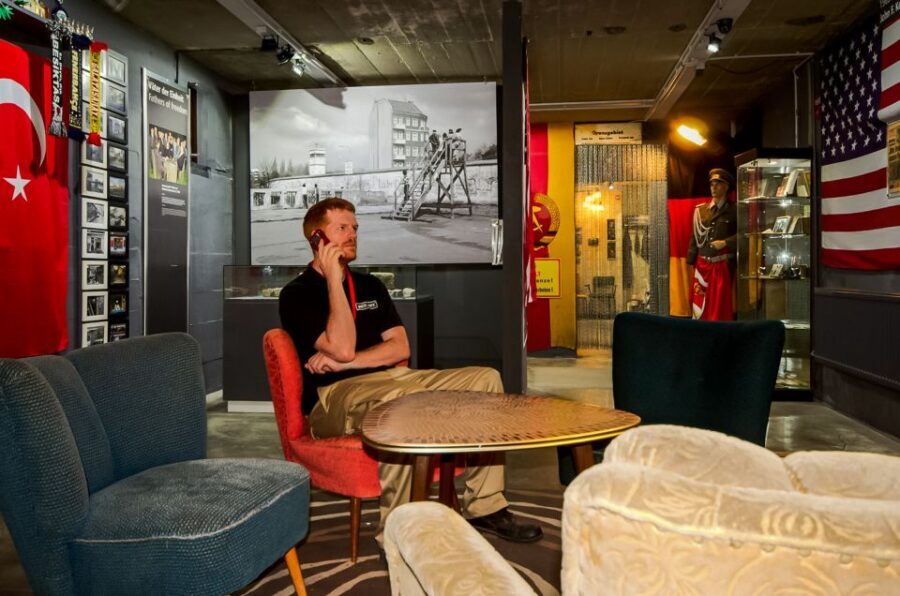
One of the most compelling ways this museum teaches is by connecting personal leadership with the broader power structure of the city. You’re not just learning facts about one period. You’re moving through Berlin’s long transformation as the center of power.
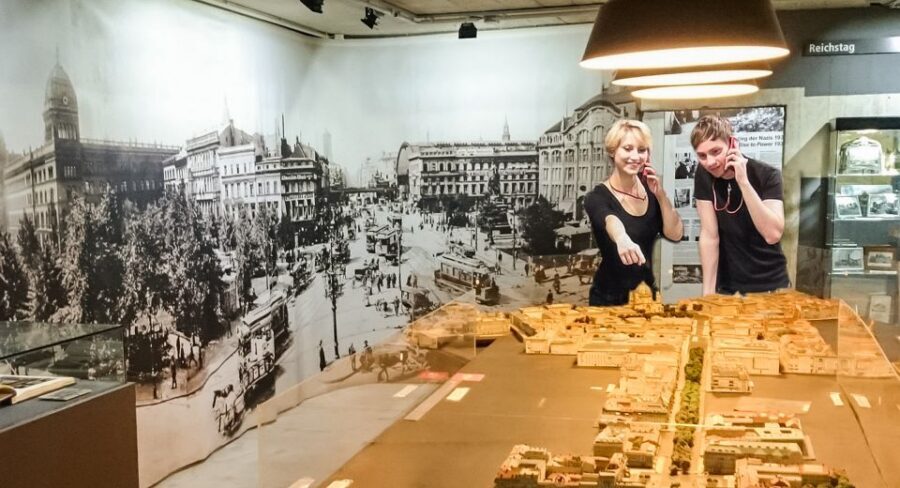
Expect the story to begin far earlier than WWII and then move forward step by step. The museum highlights over 800 years of Berlin at multiple installations, with photographs and short film sequences. In other words, you get the “how did we get here” context, not just the “what happened” summary.
At the station level, the design is usually read-then-watch. You’ll stand close to big photo displays, then move to another room where short film clips add atmosphere and clarity. The downside is that if you’re the kind of visitor who hates reading, you’ll feel the museum’s weight. If you’re okay with boards and captions, it can be deeply satisfying.
Hitler’s rise and the Nazi reign: what the exhibition emphasizes
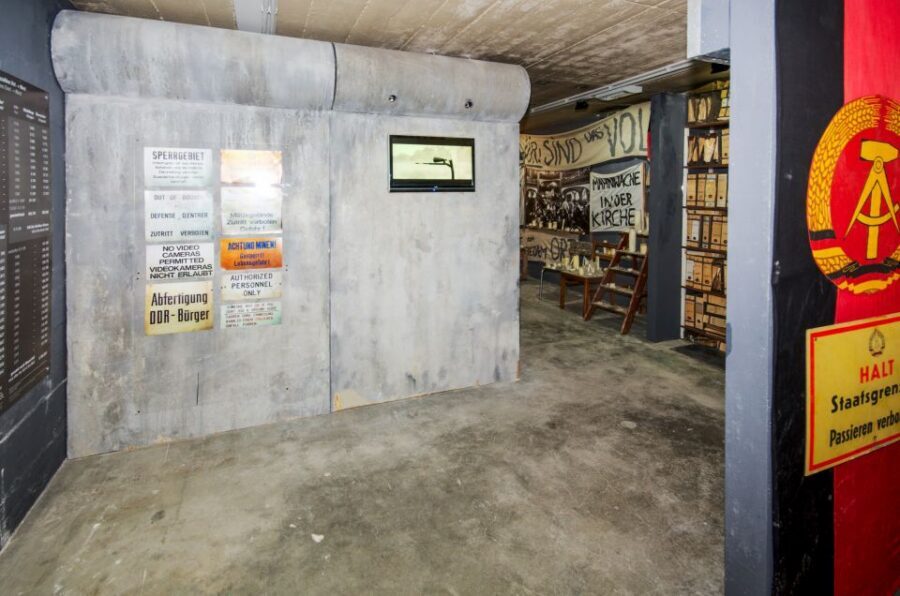
A major portion of the Berlin Story Bunker focuses on National Socialism and the Nazi grip on Berlin and Germany. The audio guide is built to explain a chain of events: Hitler’s rise to power, how the regime operated, and the terror that followed. The exhibits also use the bunker setting as a lens, turning “history class” into something more immediate.
You’ll see a lot of visual material—photos, posters, and documents-style displays. That’s part of why people describe the experience as harrowing but respectful. Some images can be graphic, so if you have sensitivities, I’d treat this as content you should be ready for, not an optional “light history stop.”
Also, this place doesn’t try to sugarcoat. It pushes you to face the machinery of persecution and propaganda. For many visitors, that honesty is exactly what makes the museum matter.
The bunker experience: the Führerbunker replica and model
The standout physical moment is downstairs: a full-scale replication of Hitler’s bunker and a close look at his “Führerbunker.” Even if you know WWII history already, having a space that feels like a real underground command world changes the way you understand the story.
A replica can’t recreate real human suffering, but it can do something else: it helps you visualize isolation, control, and the layers of protection that power used to keep itself safe. The replica is also a strong reminder that these weren’t abstract ideas. This was a built environment made for decisions—and for consequences.
One thing I’d watch for is how people react to confined spaces. Some visitors report feeling claustrophobic. Others say it doesn’t feel too tight and that fans help. If you’re worried, plan for breaks and take your time between rooms.




How long should you plan? (and how to pace yourself)
A full visit is not a quick pass-through. A lot of the experience is reading and lingering by displays. In practice, people tend to spend around 3 to 4 hours, and then sometimes longer if they stop to read everything carefully. If you want a more relaxed pace, aim for 4 to 6 hours so you’re not racing the exit.
The museum is also described as a bit warm in places. Combine that with standing time, stairs, and reading, and you get the obvious advice: wear comfortable shoes and bring water. There’s a cafe and toilets on site, which helps when you’re staying longer than your first plan.
If you’re short on time, don’t “try to do it all.” Pick a few key segments: the timeline stations first, then the Nazi-focused areas, then plan enough time to sit with the bunker replica.
Audio guide languages: picking the right one
The included audio guide supports many languages: German, English, Spanish, French, Italian, Danish, Dutch, Russian, Hebrew, Portuguese, Ukrainian. The big advantage here is that you can match your comfort level without giving up the museum’s structure.
If you’re going with someone who reads fast but understands best by listening (or the reverse), this audio guide setup can help balance the pace. You can also use audio as a “second layer” after you’ve read captions, which tends to improve comprehension.
One small practical tip: don’t treat the audio like a race. If everyone around you seems to be moving quickly, you don’t have to copy that energy. The museum works better when you slow down enough to connect the stations.
What to expect on-site: rules, comfort, and photo-free reality
This is one museum where the rules directly shape your experience.
- No cameras and no video recording inside, and photography is not allowed. That means you won’t “collect” screenshots. Plan to remember what mattered to you, or take notes if you like doing that.
- Pets are not allowed.
- It’s not suitable for people with mobility impairments, since the museum requires movement through multiple areas and includes stairs.
Comfort-wise, expect a lot of standing and reading. Some people found it manageable and others felt slightly claustrophobic, so pacing and breaks are your friends. If you need rest, plan on stepping into the cafe area between major sections.
The value question: why this is worth the ticket price
At about $21, you’re not just paying for entry to a themed exhibit. You’re paying for a whole narrative in a very specific setting, with a built-in explanatory tool (the audio guide) and a rare feature: a full-scale Führerbunker replication.
What makes it good value is that it’s hard to replicate this elsewhere. Berlin has plenty of WWII and Holocaust-related sites, but this one is distinct in how it presents the story through a bunker environment and a station-by-station timeline.
If you’re the kind of visitor who likes to read, you’ll feel like you got your money’s worth quickly. If you dislike reading and you want mostly artifacts or hands-on experiences, you might find it intensive and text-heavy. The museum’s strength isn’t interactive gadgets. It’s storytelling, structure, and place.
Who should book this, and who should think twice
This experience fits best if you want:
- A clear chronological walk through Berlin’s rise to Nazi-era power structures.
- A focus on Hitler’s rise and how the regime operated, not just a generic WWII overview.
- A museum visit where the setting (a bunker-style space) supports the historical message.
Consider thinking twice if:
- You hate reading boards and long captions.
- You don’t handle disturbing photographs well.
- You need mobility-friendly routes.
If you’re a history fan, this can easily become one of your most memorable Berlin stops. Even for visitors who say they’re not big on history, the physical bunker replica and the audio-supported explanation can still make it click.
Should you book the Berlin Story Bunker ticket?
If you want one focused Berlin stop that explains how power shifted and how the Nazi era worked, I’d book it. The combination of 50 stations, an included multilingual audio guide, and the Führerbunker replica gives you more structure than a casual walk-through.
If you have only a short time and hate reading-heavy exhibits, you may feel squeezed. But if you can give it a solid half-day and you’re ready for a serious, sometimes graphic story presented straight, this is a strong use of your Berlin time.
FAQ
What does the Berlin Story Bunker ticket include?
Your ticket includes the entrance fee plus an audio guide. The audio guide is available in multiple languages, including English, Spanish, French, German, Italian, and others listed by the activity.
Where is the meeting point?
Meet at the ticket office of the Berlin Story Bunker at Schöneberger Str. 23a, 10963 Berlin.
How long does the visit take?
The experience is listed as valid for 1 day, and you should plan enough time to walk the exhibits. Many visitors report needing several hours to read and see everything.
What time is the last entrance?
The last entrance is at 5:30 PM.
What languages are available for the audio guide?
The audio guide languages include German, English, Spanish, French, Italian, Danish, Dutch, Russian, Hebrew, Portuguese, and Ukrainian.
Can I skip the ticket line?
Yes, the ticket includes skip-the-ticket-line.
Are cameras or video allowed inside?
No. Cameras, video recording, and photography inside are not allowed.
Are pets allowed?
No, pets are not allowed.
Is this suitable for people with mobility impairments?
No. The activity is listed as not suitable for people with mobility impairments.
How does the reservation work if my plans change?
There is free cancellation up to 24 hours in advance for a full refund, and you can also reserve now and pay later.
Is this activity only for one specific day?
It’s listed as valid for 1 day. Starting times depend on availability when you book.