REVIEW · BERLIN
Berlin: Interactive DeJa Vu Museum Entrance Ticket
Book on GetYourGuide →Operated by DeJa Vu Museum · Bookable on GetYourGuide
Your eyes won’t trust what you see. In Berlin’s Deja Vu Museum, mind-bending optical illusions and themed mirror rooms turn your visit into an interactive photo game you can enjoy with kids, friends, or a rainy-day detour.
I like that the museum keeps things hands-on: you’ll try lots of different exhibits across two floors, from optical tricks to puzzle stations, instead of watching passively. One key consideration: some experiences happen in smaller rooms, so at busier times you may spend extra minutes waiting your turn—especially for interactive setups.
In This Review
- Key Things That Make This Ticket Worth It
- Deja Vu Museum by Alexanderplatz: an easy Berlin stop
- Your 90-minute flow: how the two floors keep moving
- Beuchet-Stuhl, Dark Room, and the interactive stations
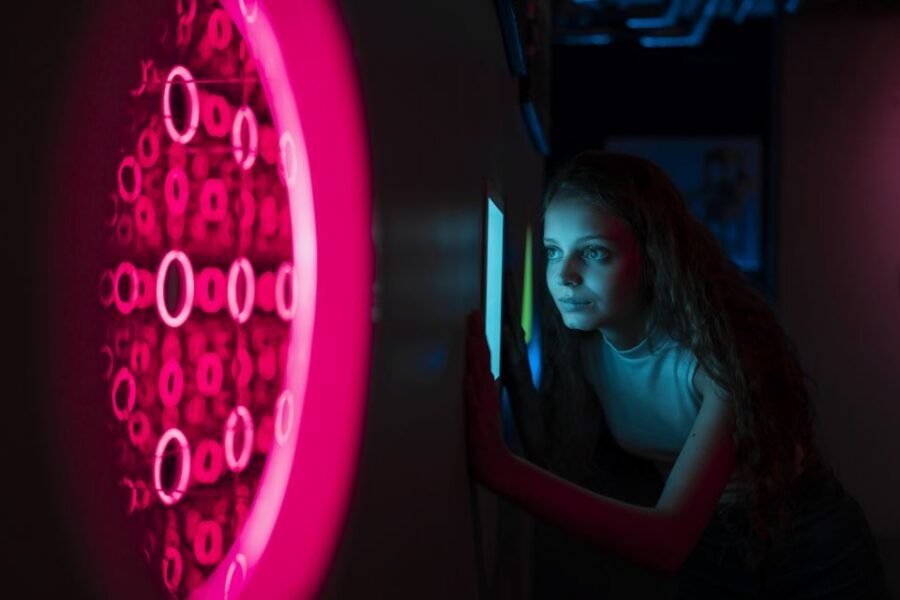
- Projector rooms: when the art focuses on you
- Oleg Shupliak gallery: layered portraits and visual puzzles
- Mirror rooms like the Starroom and Abyss: best for photos
- What “interactive” really means here (and what to expect)
- Waiting times and room size: the one thing that can slow you down
- Who will enjoy this most (and who may want to skip it)
- Price and value: $17 for illusions, photos, and puzzles
- Practical notes before you go (so it stays fun)
- Should you book the Berlin Deja Vu Museum entrance ticket?
- FAQ
- Where is the Deja Vu Museum entrance?
- How long does the experience take?
- How much is the ticket?
- What are the main highlights?
- What interactive exhibits can I expect to see?
- Are there projector rooms?
- Which mirror rooms are mentioned?
- What languages will the host or greeter speak?
- Is it okay to bring pets or food?
- Is it suitable for everyone?
Key Things That Make This Ticket Worth It
- Interactive exhibits that reward curiosity so you’re not just looking, you’re testing what your eyes expect
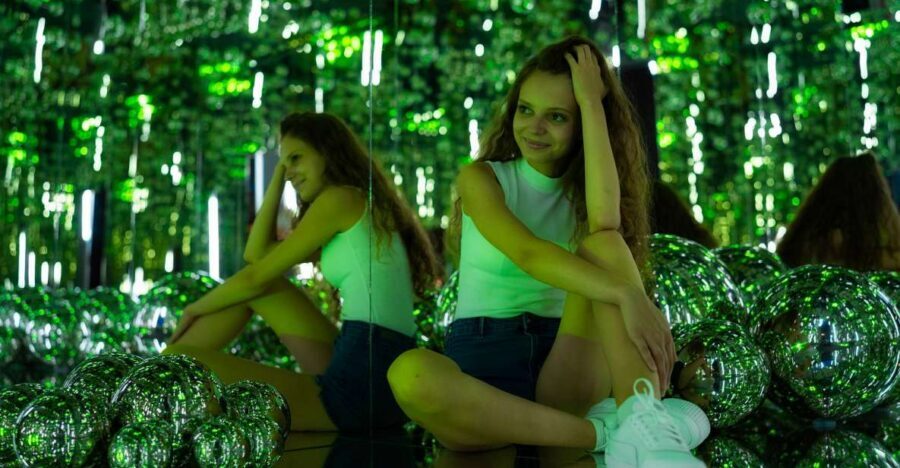
- Mirror rooms like the Starroom and Abyss that make instant, camera-friendly moments
- Projector rooms where you become part of the artwork (you’ll get the effect fast)
- Oleg Shupliak’s gallery with layered art and portrait puzzles that adds an art-nerd angle
- Lots of variety in 1.5 hours—enough to feel full, without turning your day into a long slog
Deja Vu Museum by Alexanderplatz: an easy Berlin stop
The Deja Vu Museum is set up for quick access and quick fun. The entrance is right by Alexanderplatz, roughly 300 meters from the Fernsehturm, which makes it a simple add-on to a Berlin itinerary. You’re not forced into a big travel day or a complicated route—just walk in, start playing, and let the illusions do their thing.
At $17 per person for about 1.5 hours, you’re paying for an experience more than a collection. That’s important. This place is built around active participation: mirrors, optical tricks, puzzles, and rooms that change what you think you’re seeing. If you like hands-on museums (the kind where you touch the idea, not just the glass), the ticket value makes sense fast.
A few more Berlin tours and experiences worth a look

Your 90-minute flow: how the two floors keep moving
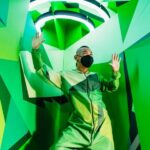
The museum runs across two floors, and the layout is designed so you can keep a steady rhythm. Instead of one long exhibit trail, you’ll bounce between themed rooms and interactive stations. That matters because the best part of an optical illusion is your own attention—if you get bored or rushed, you miss the fun.
A good plan is to treat it like a loop: start with the big attention-grabbers (the rooms where your body and eyes become part of the show), then slow down at the art gallery and puzzle elements. You’ll likely spend time lingering over photo spots in the mirror rooms, since those are where you’ll want multiple takes.
Also keep in mind the pace varies. On quieter visits, you may move through faster. On busier times, the interactive setups can take longer because you’re sharing small spaces and waiting for a turn.
Beuchet-Stuhl, Dark Room, and the interactive stations
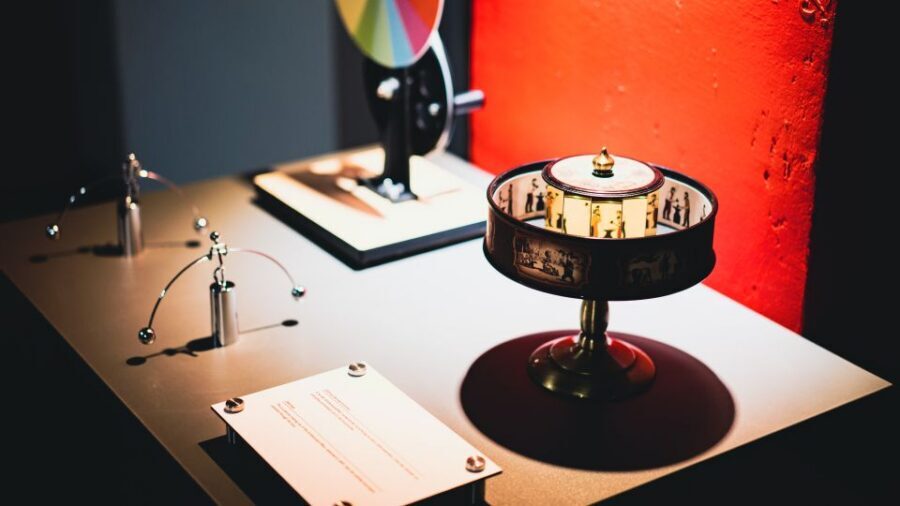
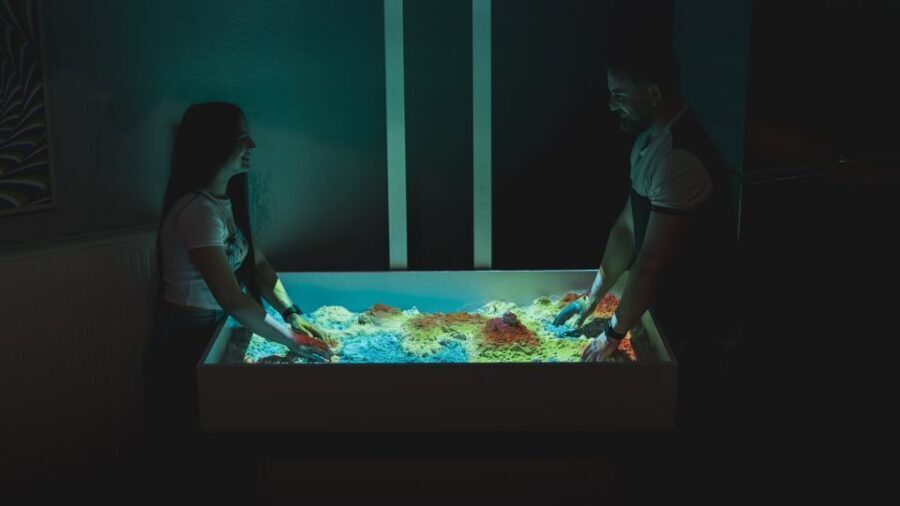
A big reason this works for so many ages is that it mixes simple play with clever visual tricks. You can expect a range of hands-on exhibits, including the Beuchet-Stuhl, the Dark Room, and the Interactive Sandbox, plus several other stations that follow the same idea: test your perception.
Here’s what you’ll feel in these rooms. First, the experience is immediate. You don’t need background knowledge to enjoy the effect. Then, once you figure out what’s happening, it’s almost funny how quickly your brain tries to correct itself. Optical illusions work best when you’re not overthinking them—just step into the setup and let your eyes lead you astray.
The Dark Room type of exhibit also tends to create that “what’s real?” feeling because lighting changes everything. Just know that if you prefer bright, low-sensory spaces, you might want to take brief breaks in the gallery areas between the darker rooms.
Projector rooms: when the art focuses on you
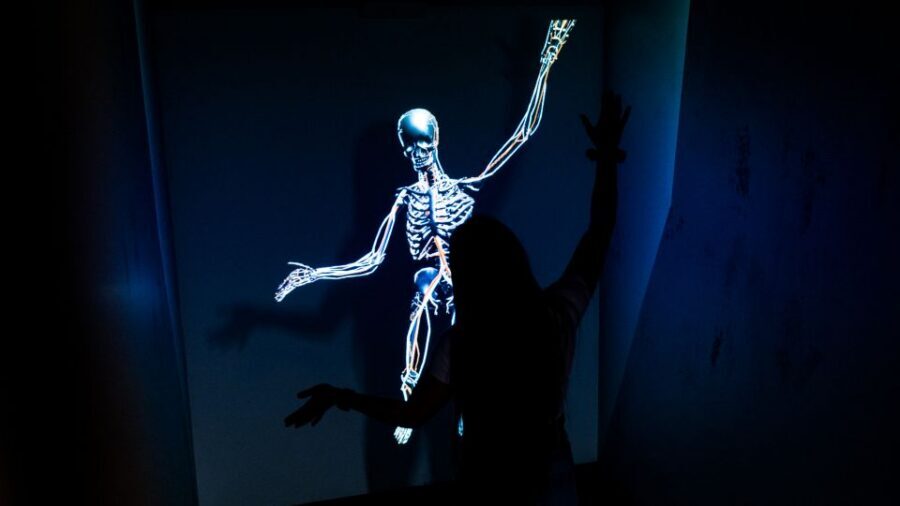
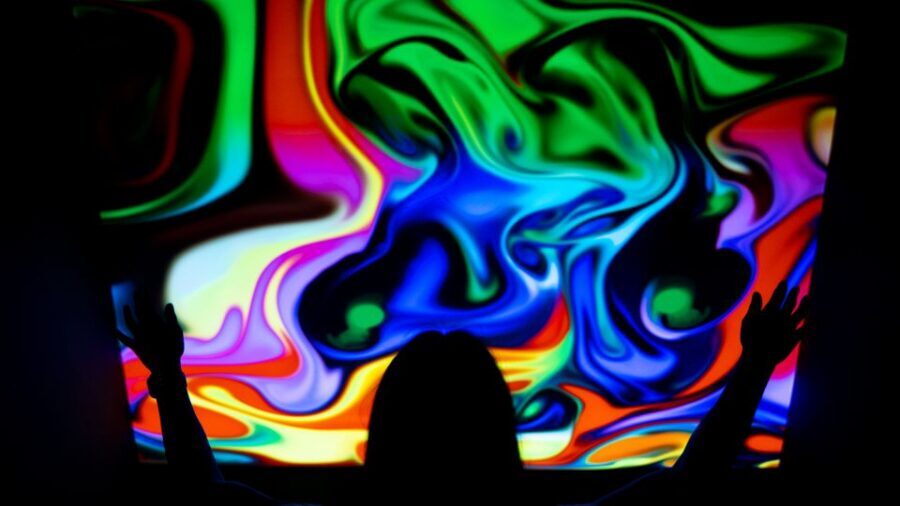
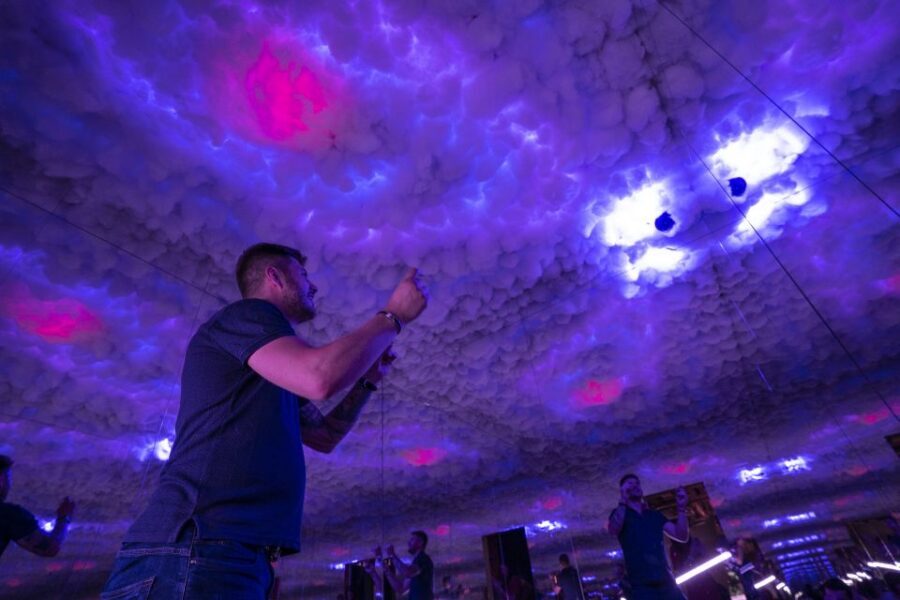
One of the most entertaining parts is the section with projector rooms, where you’re not just viewing the illusion—you’re the moving element. These are the spots where the museum leans hardest into the wow factor: your position and motion affect what appears on the surfaces.
This is great for photos and for that satisfying moment when you see the trick click. You’ll likely find that the first try makes you want to immediately adjust your stance for a better shot. That’s a good thing here. The museum is designed for repeat attempts, not one-and-done viewing.
It’s also a strong option if you’re going with mixed ages. Older kids, teens, and adults often enjoy the puzzle-like aspect of trying to predict the effect. Younger kids usually latch onto the theatrical, body-in-the-scene feeling.
Oleg Shupliak gallery: layered portraits and visual puzzles
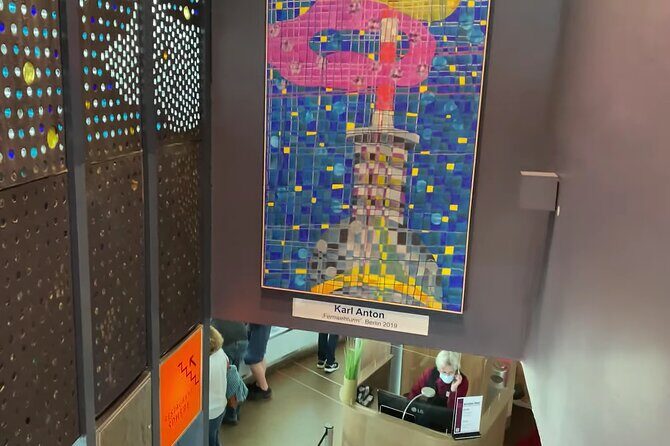
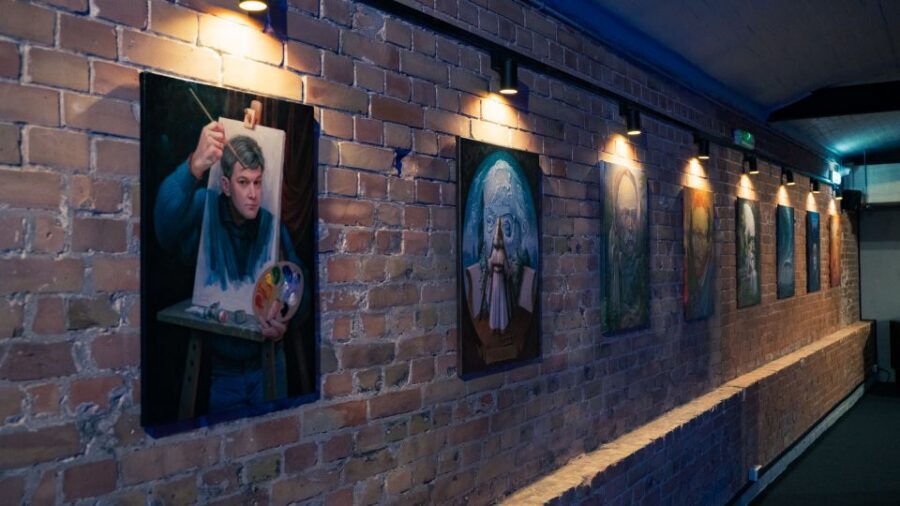
The museum doesn’t only rely on optical gimmicks. It also includes an art gallery featuring Oleg Shupliak, with works that show different layers. That layer concept is one of the smartest touches because it gives the visit a “this is art, not just tricks” backbone.
In the Shupliak section, you’ll also encounter portrait-style elements where you’ll be challenged to guess who is portrayed. This is where the experience shifts from physical interaction to mental play. It’s not a formal guessing game with rules you must memorize; it’s more like an invitation to slow down and study details.
If you enjoy art that rewards close looking, this gallery adds depth to the experience. If you don’t, it still works because it’s paired with playful interaction and visual curiosity rather than heavy text.
You can also read our reviews of more museum experiences in Berlin


Mirror rooms like the Starroom and Abyss: best for photos
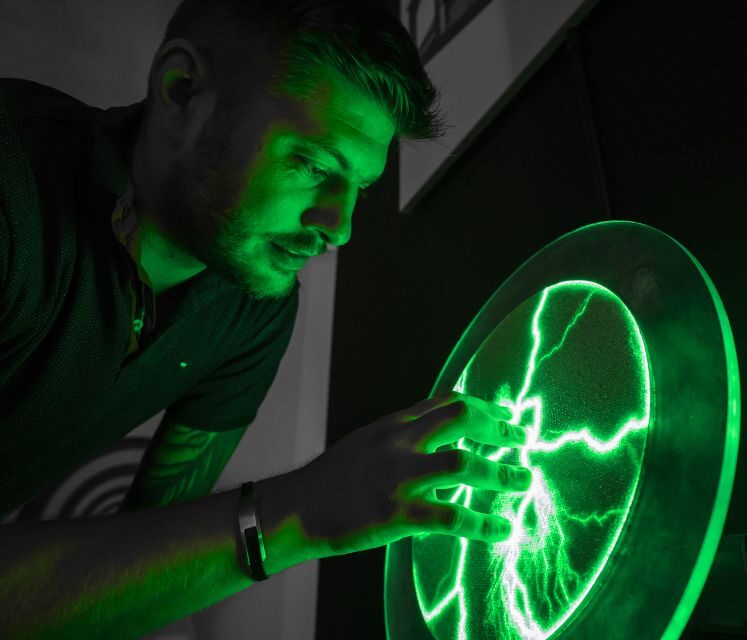
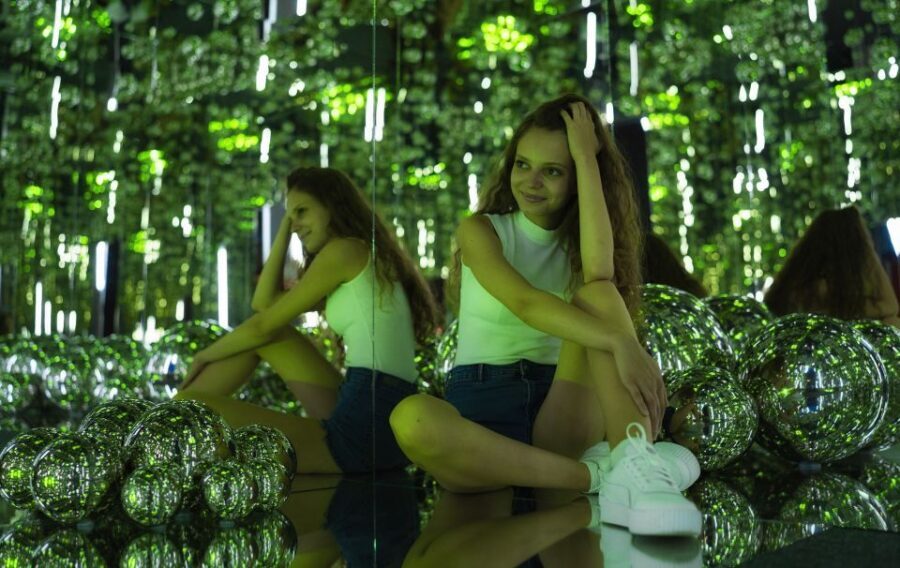
The museum includes several themed mirror rooms, including the Starroom and Abyss. These rooms are where you’ll get the most memorable photos and video moments, because mirrors multiply the scene and distort how you read distance and proportions.
Two practical tips make mirror rooms more fun:
- Try different angles, not just different poses. With mirrors, small shifts can change the whole look.
- Give yourself time for a second pass. The first photo is usually your “wow” shot; the second or third helps you nail the effect.
These rooms also tend to be a social magnet. If you’re visiting with friends or family, they’ll naturally become the place where everyone gathers, argues playfully about what looks real, and helps each other get the shot.
What “interactive” really means here (and what to expect)
This is an interactive museum, but it’s not one of those places where you must solve a complex mystery with a guide. Your job is simpler: step into the exhibits and let the room play with your perception.
That said, not every station feels identical. Some exhibits focus on visual illusion through light and patterns. Others focus on scale and reflection. Still others feel like puzzles—stations where you figure out what your eyes want to believe, then watch that belief get corrected.
The result is a kind of “low-pressure learning.” You’ll learn without lectures. You’ll notice how your brain fills in gaps. And you’ll probably leave with a stronger sense of how easily the mind makes assumptions from what it thinks it sees.
Waiting times and room size: the one thing that can slow you down
The biggest potential drawback is practical: some exhibits happen in smaller rooms, and those rooms may limit how many people can experience them at once. That means you might wait, particularly on busier days or when multiple groups arrive close together.
If you’re trying to squeeze the museum into a tight schedule, give yourself a little buffer. If you’re going with a group that includes impatient teens or very young kids, plan to keep expectations flexible. The delays aren’t usually long, but they can interrupt your rhythm.
A good workaround is to take your time with the parts that don’t require immediate turn-taking—like the art gallery and the spaces with more open viewing.
Who will enjoy this most (and who may want to skip it)
This ticket is built for broad appeal. It’s a strong fit for:
- Families looking for a fun indoor activity
- Teens who like challenges and photo opportunities
- Adults who enjoy optical tricks and playful art
It’s also a good “Berlin on a rainy day” choice because the whole experience is indoors and timeboxed to about 1.5 hours.
But it isn’t for everyone. It’s not suitable for people with mobility impairments. It’s also not suitable for people with epilepsy. If either applies to you or someone in your group, check before you commit.
Price and value: $17 for illusions, photos, and puzzles
Let’s talk value, because this ticket is clearly meant to be affordable and approachable. At $17 per person, you’re not paying for a guided tour with heavy narration. You’re paying for access to a set of interactive spaces—optical illusions, mirror rooms, puzzles, and the Oleg Shupliak art gallery—structured so you can enjoy it in around 90 minutes.
For many people, the value comes from variety. You’ll likely see enough different rooms to feel you got your money’s worth even if you only average a little time per exhibit. And the photo moments in the mirror rooms help justify the time: it’s not just seeing the illusion, it’s recording it.
If you hate waiting or you prefer museums where you read lots of interpretive text, this might feel less satisfying. But if you like doing, testing, and photographing, it’s a very fair price.
Practical notes before you go (so it stays fun)
A few rules keep the experience smooth. Pets aren’t allowed, and food and drinks, plus alcohol and drugs, aren’t permitted. That’s normal for many museums, but it’s worth knowing so you don’t arrive with snacks you can’t use.
Language support is wide: the host or greeter is listed in English, German, Polish, Spanish, and French. That helps if you want quick clarification on where to start or how to move through the rooms.
Duration is set to about 1.5 hours, but that’s a guideline for planning. If you’re the kind of person who takes time with every room and tries multiple mirror-room angles, you’ll probably settle into the full window. If you’re quick and you focus on the highlights, you can likely wrap up sooner.
Should you book the Berlin Deja Vu Museum entrance ticket?
Book it if you want an indoor activity that’s visual, interactive, and built for fun across ages. The mix of optical illusions, mirror rooms, projector effects, and the Oleg Shupliak gallery gives you both playful entertainment and a bit of art appreciation. At $17 and 1.5 hours, it’s also an easy commitment when your Berlin time is limited.
Skip it (or reconsider) if you’re dealing with mobility limitations or epilepsy, or if you strongly dislike interactive spaces where you may have to wait for your turn in smaller rooms. And if you hate photo-focused environments, know that the mirror rooms are basically designed for pictures.
If you’re on the fence, think like this: this museum is at its best when you treat it like a game. If you’re ready to let your eyes be fooled on purpose, you’ll have a great time.
FAQ
Where is the Deja Vu Museum entrance?
The entrance is right by Alexanderplatz in Berlin, about 300 meters from the Fernsehturm.
How long does the experience take?
The duration is about 1.5 hours.
How much is the ticket?
The price is $17 per person.
What are the main highlights?
Expect interactive exhibits, mirror rooms, puzzles, and an art gallery by Oleg Shupliak, plus projector rooms and photo-friendly themed spaces.
What interactive exhibits can I expect to see?
The information lists several, including the Beuchet-Stuhl, the Dark Room, and the Interactive Sandbox.
Are there projector rooms?
Yes. There are projector rooms where you are the focus of the artwork and illusions.
Which mirror rooms are mentioned?
The themed mirror rooms mentioned include the Starroom and the Abyss.
What languages will the host or greeter speak?
The host or greeter is available in English, German, Polish, Spanish, and French.
Is it okay to bring pets or food?
No. Pets are not allowed, and food and drinks are not permitted. Alcohol and drugs are also not allowed.
Is it suitable for everyone?
No. It is not suitable for people with mobility impairments and not suitable for people with epilepsy.