REVIEW · BERLIN
Skip-the-Line: Berlin Wall Museum at Checkpoint Charlie
Book on GetYourGuide →Operated by Mauermuseum-Haus am Checkpoint Charlie · Bookable on GetYourGuide
The Wall leaves scars you can still read. This skip-the-line museum visit at Mauermuseum-Haus am Checkpoint Charlie brings original escape artifacts to the center of the story, right where Checkpoint Charlie sits.
I love how practical it feels for a museum: you can move at your own pace through real objects, photos, and explanations, and you’ll still come away with a clear picture of how the GDR regime tried to control people. I also love that it doesn’t treat the Berlin Wall like a closed chapter; the museum’s exhibits continue to document human rights and modern conflicts beyond 1989.
One consideration: it’s very text-heavy. Plan on time to read, because the experience can feel like a lot if you prefer fewer words and more hands-on interaction.
In This Review
- Key takeaways before you go
- Getting oriented fast: Friedrichstraße 43–45 and the Checkpoint Charlie context
- What this ticket gives you (and what it doesn’t)
- Inside Mauermuseum-Haus am Checkpoint Charlie: how the museum tells the story
- The original escape artifacts: hot-air balloon, mini-submarine, cars and airplanes
- How the museum connects escape plans to real assistance networks
- Overhead views of Checkpoint Charlie: when the location becomes part of the exhibit
- Top-floor themes: protests, non-violent movements, and human rights beyond 1989
- How long you should plan: 1–2 hours or closer to 2.5?
- Pacing, audio, and reading strategy inside the museum
- Photos, lockers, and comfort details that affect your visit
- Ticket price and value: is $21 a good deal?
- Who this museum ticket is best for
- Should you book this skip-the-line museum ticket?
- FAQ
- How much does the Berlin Wall Museum at Checkpoint Charlie cost?
- How long is the visit?
- Where is the meeting point?
- What is included with this ticket?
- Is an audioguide included?
- Is a guided tour included?
- Does the ticket let me skip the line?
- Is the museum wheelchair accessible?
- Are there translations or multiple languages available?
- Are there options to book flexibly or cancel?
- Final call: do it or not
Key takeaways before you go

- Skip-the-line ticket to reduce waiting time at a popular site
- Original escape items from successful attempts, including a hot-air balloon and even a mini-submarine
- Checkpoint Charlie focus, with strong context for what this crossing meant during division
- Lots of reading, so bring patience (or plan to skim strategically)
- Multiple languages show up across the exhibits, helping you follow key points
- A museum that reaches beyond the Wall, with themes that carry forward into today
Getting oriented fast: Friedrichstraße 43–45 and the Checkpoint Charlie context
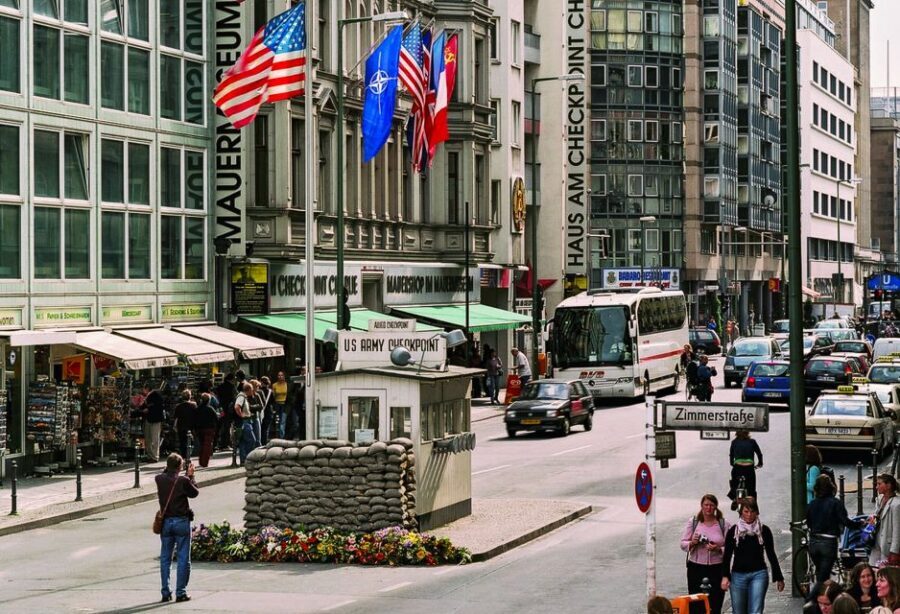
Your starting point is Friedrichstraße 43–45, 10969 Berlin. The location matters because you’re not just learning about the Wall from a distance. Checkpoint Charlie is a place with built-in atmosphere, and the museum uses that reality to anchor the story.
If you’re doing Berlin in one or two days, this stop slots in well because it’s central and easy to pair with nearby sights. A lot of people also like arriving earlier in the day, when you can get comfortable reading without feeling rushed.
You can also read our reviews of more museum experiences in Berlin



What this ticket gives you (and what it doesn’t)
This experience is built around one core thing: entry. Your ticket includes entrance, and that’s it.
You should know that an audioguide is not included, and a guided tour is not included either. That said, if you decide later that you want more structure, you’ll find that some visitors talk about guided add-ons and certain guides by name (for example, Peter, Louisa, and Steve). Just remember: those praises may apply to a guided option, not necessarily to your skip-the-line entry.
Inside Mauermuseum-Haus am Checkpoint Charlie: how the museum tells the story
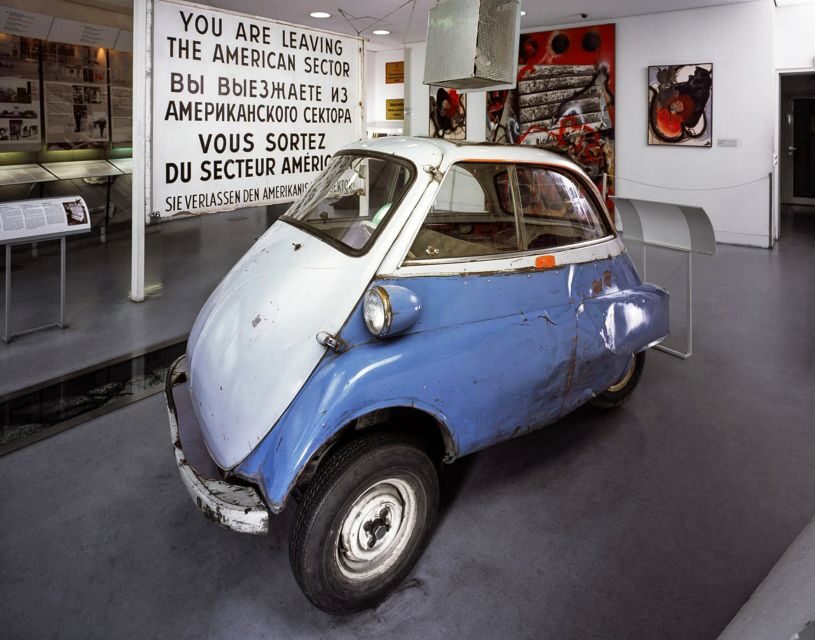
The museum was founded in 1962, not long after the Wall went up, as a protest against it and as a support point for people trying to escape. Over time, the exhibition space grew, and the museum became part of how the story of division got preserved, understood, and eventually helped people see what was happening.
As you walk through, you’ll notice that the museum doesn’t rely on one theme. It layers: the politics of the GDR, the lived experience in divided Berlin, and the hard mechanics of escape attempts. One reviewer noted the museum feels larger than expected, with enough material to stretch into a long visit if you read closely.
A small drawback to keep in mind: a few visitors felt the narrative flow from entrance to exit could be smoother. So if you like an ultra-linear tour, you may want to pause and reset your bearings as you go, rather than assuming every room builds perfectly in sequence.
The original escape artifacts: hot-air balloon, mini-submarine, cars and airplanes
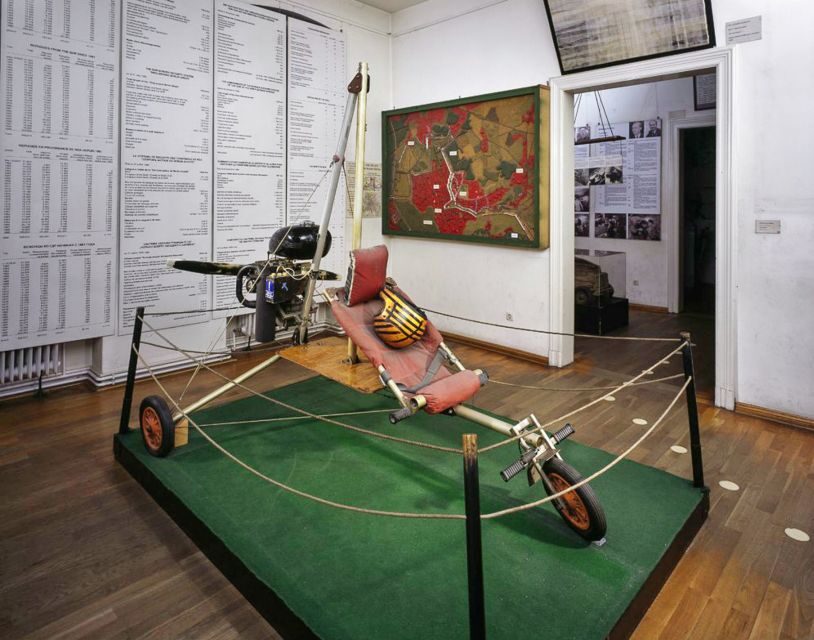
Here’s why this museum is famous: it features original objects tied to escape attempts. That makes a difference. Text panels are one thing. Seeing the physical tools people used is another.
You can expect to run into artifacts linked to successful escapes, including:
- a hot-air balloon
- a mini-submarine
- cars
- airplanes
These objects are powerful because they underline a brutal reality: the people attempting to flee weren’t just taking a moral stance, they were also doing engineering, risk planning, logistics, and improvisation under surveillance. And the museum connects those escape efforts to the network of helpers who organized resistance to the unjust GDR system.
One more detail that’s worth mentally preparing for: some visitors felt the museum includes fewer real artifacts than they expected, with many displays relying on photos and information. Even if that’s your reaction, the story still lands because the exhibits focus on human decisions, not just objects.
How the museum connects escape plans to real assistance networks

The exhibits explain that the museum served as a base for people helping those who wanted to get out. That’s a subtle shift in perspective. It’s not only about the fugitives. It’s also about the people who helped them, coordinated plans, and then kept the effort going even after escapes succeeded.
A lot of the most sobering impact comes from this connection: you see that escaping the GDR wasn’t an isolated act. It required teamwork and courage. When refugees and helpers succeeded, they donated means of conveyance and other objects to the museum, which is why so many of the displays feel both historical and personal.
A few more Berlin tours and experiences worth a look



Overhead views of Checkpoint Charlie: when the location becomes part of the exhibit
One reason people leave saying it felt intense is the way the museum uses its connection to the real crossing. Visitors have highlighted an overhead view of Checkpoint Charlie, which is one of those “oh wow” moments.
That kind of visual framing helps you connect what you’re reading to the streets outside. It also helps if you plan to walk around afterward, because your brain has a stronger map: where the crossing was, what it looked like in context, and why it mattered.
Top-floor themes: protests, non-violent movements, and human rights beyond 1989
The museum doesn’t stop at the Berlin Wall’s collapse. One review called out an especially strong top-floor section about protests and non-violent movements, tied to messages about world peace and human rights.
That section matters because it keeps the Cold War from turning into a museum-only theme. Instead of ending with 1989 as a neat finish line, you’re reminded that pressure, censorship, and forced borders are recurring tools in different places and eras.
One visitor also mentioned seeing objects that connect to later conflicts, including a car linked to people fleeing Ukraine. I’d treat those examples as part of the museum’s broader message: the Wall is down, but the patterns it reflected can still show up.
How long you should plan: 1–2 hours or closer to 2.5?
For time planning, you’ll get a spread of experiences depending on how you read. Some visitors felt 1–2 hours was enough to cover the core materials. Others spent around 2.5 hours reading and learning, especially when they slowed down to take in details.
My practical take: if you’re a careful reader, budget more. If you’re more of a skimmer, you can still get value, but you’ll want to pick what you care about most—escape tech, daily life, or the museum’s “past to present” framing.
Also consider your personal pacing. One visitor warned it can feel like a lot of text and not very interactive. If you’re going with teens or someone who gets tired of reading, you might want to set a simple plan like: “We’ll spend 30 minutes on the escape artifacts, then we’ll look for the overhead views.”
Pacing, audio, and reading strategy inside the museum
Because audioguides are not included with this ticket, you’ll likely rely on the exhibit text and translations. Good news: reviewers mention the museum offers translations into different languages for many exhibits.
Still, it’s worth preparing for a read-heavy route. A practical strategy:
- Start with the rooms that show escape methods and original artifacts first
- Then circle back if you want more context on daily life and politics
- If you’re with kids or short-attention visitors, set a time check so you don’t lose the whole day to reading walls
One visitor specifically noted wishing they had a headset, which is a clue that audio options (if you choose to buy them separately) can help you move through faster without losing meaning.
Photos, lockers, and comfort details that affect your visit
Before you go in, think about two comfort issues that can change the day.
First: bags. One reviewer said that if you’re carrying a bag, you should be prepared to leave a deposit (they mentioned a 2 euro coin for a locker). That’s not “optional inconvenience,” it’s the kind of thing that can eat time if you’re caught unprepared.
Second: photography rules. One visitor felt they were not allowed to take pictures. I can’t guarantee which rooms restrict photos, so if you care about photography, assume you may need to check rules at the entrance.
Ticket price and value: is $21 a good deal?
At $21 per person, the value comes from two things: (1) you’re paying for skip-the-line entry, and (2) you’re buying a deep, artifact-based story rather than a quick stop at a photo op.
If you’re in Berlin for a limited time, reducing waiting matters. And because the museum can take a while to process properly, skipping line time helps you protect your mental energy for what you actually came to see.
One practical note from visitor experiences: some people felt that booking through certain channels added a small upcharge. So if you’re price-sensitive and your dates are flexible, it can be worth comparing options before you lock in.
Who this museum ticket is best for
This visit is a strong match for you if you want more than a marker on a map. You’ll enjoy it if you like:
- original escape stories tied to real risks
- Cold War context with clear cause-and-effect
- a museum that connects the Wall era to questions that continue today
It’s also a good solo visit because the exhibits are easy to navigate on your own. If you’re with a mixed-age group, just be honest: it’s not a short, playful museum.
Should you book this skip-the-line museum ticket?
Book it if you want an efficient entry to one of Berlin’s most central and emotionally charged Cold War sites, and you’re willing to spend time reading and looking carefully at real escape-related artifacts. The skip-the-line benefit is especially useful if you’re traveling in busy seasons or on a tight schedule.
Skip it (or swap format) if you only want quick highlights, you hate reading walls, or you need a fully guided explanation package. In that case, you might prefer a guided tour that handles narrative flow for you.
If you’re in the “I’ll take my time and learn” mindset, this ticket is a solid value way to get the full Checkpoint Charlie story.
FAQ
How much does the Berlin Wall Museum at Checkpoint Charlie cost?
The price is listed at $21 per person.
How long is the visit?
The experience is listed as lasting 1 day, and the time spent inside can vary based on how much you read and explore.
Where is the meeting point?
The meeting point is Friedrichstraße 43–45, 10969 Berlin.
What is included with this ticket?
This ticket includes entrance.
Is an audioguide included?
No. An audioguide is not included.
Is a guided tour included?
No. A guided tour is not included.
Does the ticket let me skip the line?
Yes. This offer includes skip the ticket line.
Is the museum wheelchair accessible?
Yes. The experience is listed as wheelchair accessible.
Are there translations or multiple languages available?
Exhibits include translations into different languages for many items, based on visitor feedback.
Are there options to book flexibly or cancel?
Yes. The activity lists free cancellation up to 24 hours in advance and also offers a reserve now & pay later option.
Final call: do it or not
If you want one stop in Berlin that connects the Berlin Wall to real people, real escape attempts, and real human rights concerns, this skip-the-line ticket is an easy yes. If you prefer a lighter, more interactive museum day, you might want to plan a shorter visit and focus on the main escape artifacts first.