REVIEW · BERLIN
Berlin: German Spy Museum Flexible Entry Ticket
Book on GetYourGuide →Operated by Deutsches Spionagemuseum · Bookable on GetYourGuide
Spy stuff in Berlin is weirdly fun. It’s exactly that mix—hands-on “spy skill” challenges and a big interactive exhibition—that makes the German Spy Museum such an easy add to your day. With a 3,000-square-meters layout full of modern tech and stations, you can learn how intelligence work has shaped real events without feeling like you’re stuck reading labels the whole time.
I especially like the way this place turns espionage into something you do, not just something you watch—think the laser maze and other interactive activities that test your reactions and problem-solving. Second, the museum’s focus on secret services and spy history lands in a clear, visitor-friendly way, including the Berlin Spy Map that connects famous espionage sites with what you’re seeing inside.
One thing to plan for: the experience can lean text-heavy in spots, and if you hit it at a busy time, some of the interactive parts are harder to enjoy.
In This Review
- Key things to know before you go
- A Flexible Ticket That Fits Real Berlin Days
- What the 3,000-Square-Meters Exhibition Really Feels Like
- Laser Maze: The Spy Challenge Portion of Your Visit
- The Berlin Spy Map: Real Locations, Better Context
- Interactive Stations: Fun for Kids, Interesting for Adults
- Spy History and Secret Services: What You’ll Take Away
- Navigating the Museum Without Getting Frustrated
- How Long to Plan (And Why It Matters)
- Price and Value: Is $27 Worth It?
- Who Should Book This and Who Might Prefer Something Else
- Should You Book the German Spy Museum Flexible Entry Ticket?
- FAQ
- How long is the German Spy Museum experience?
- Where do I start?
- Can I visit on any day with the flexible ticket?
- What are the opening hours?
- How long is the ticket valid?
- What do I need to bring?
- Is it wheelchair accessible?
- What’s the cancellation policy?
- Can I reserve now and pay later?
- How much does it cost?
- Review snapshot
Key things to know before you go
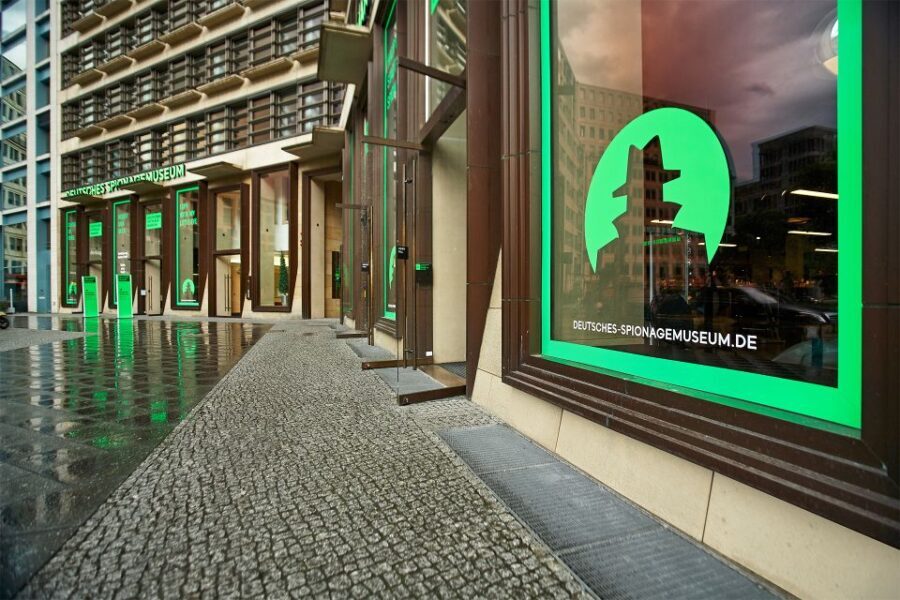
- Flexible entry during open hours: Use your flex ticket any day you want within the museum’s hours.
- Laser maze obstacle test: A high-energy way to “do” spy training, not just read about it.
- Large, tech-assisted exhibition space: Roughly 3,000 square meters of interactive stations to work through at your pace.
- Berlin Spy Map for context: A map view helps you connect locations in and around Berlin to spy history.
- Interactive stations for all ages: It’s designed to keep kids and adults engaged at the same time.
- Crowds can slow you down: If it’s packed, interactive areas feel tighter and less relaxing.
A Flexible Ticket That Fits Real Berlin Days
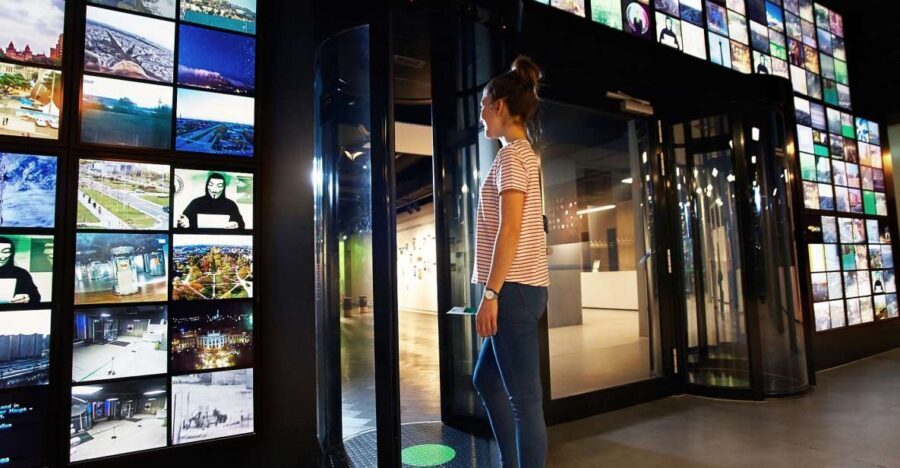
The German Spy Museum is open every day, 10:00 AM to 8:00 PM, so you’re not locked into some awkward tour time. Your flex ticket works for 1 day from first activation, which is handy when Berlin’s weather or your schedule changes. It’s also a smart choice if you’re doing a packed itinerary and want a “plug-in” activity that’s easy to slot in after lunch or before dinner.
The meeting point is simple: start at the German Spy Museum. No complicated handoffs or long lead-in. Just walk in and get your bearings in a place that’s built to move you through information quickly.
For practical planning, give yourself at least a couple of hours. You can go faster, but you’ll get more out of it if you slow down enough to try the interactive parts and read key sections.
A few more Berlin tours and experiences worth a look



What the 3,000-Square-Meters Exhibition Really Feels Like
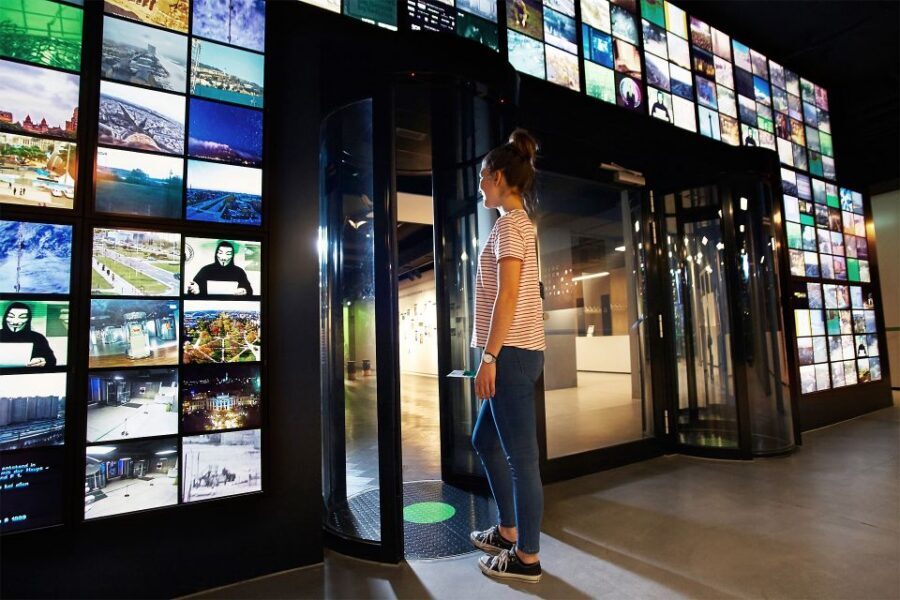
This museum isn’t a tiny room with a few objects. It’s a large, 3,000-square-meters exhibition with modern technology and many interactive stations. That matters because spy history is easy to make dry. Here, the scale and the tech help keep the story from turning into a lecture.
As you walk through, you’ll keep running into the core idea: espionage isn’t only about gadgets and glamour. It’s also about people, methods, and information—how secret services operate and how spy work has evolved over time. The museum frames that through a mix of displays, interactive stations, and activities that ask you to make choices or react under pressure.
The best way to enjoy a setup like this is to treat it like a checklist with breathing room:
- Hit the big interactive moments first (so you’re not “too tired” later).
- Then circle back to stations that caught your attention.
- Don’t try to read everything. Pick the sections that match your curiosity.
One note from the vibe inside: some areas depend more on reading off walls than pure hands-on play. If you prefer interactive over text, you’ll still have fun, but you may want to keep moving until you find the stations that grab you.
Laser Maze: The Spy Challenge Portion of Your Visit
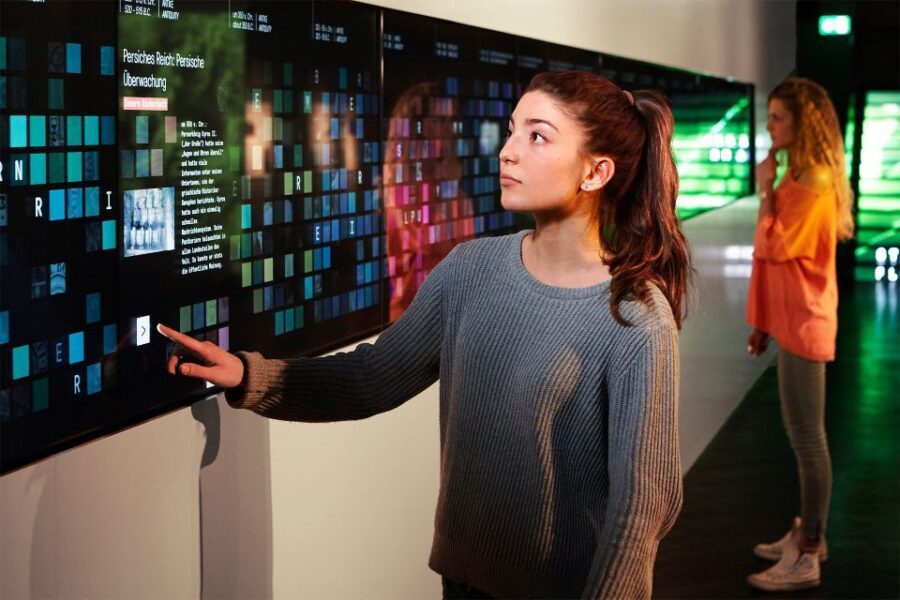
The laser maze is the headline for a reason. You go in expecting fun, but you also get something useful: it’s a built-in way to understand what “training under constraints” feels like. You’re not just looking at spy tools—you’re acting like you’re running them.
The maze is described as a laser obstacle course, and it earns a lot of praise for being 10/10 cool. It’s also one of those activities that breaks up museum time nicely: instead of drifting from room to room, you get a clear “mission.”
A practical consideration: there may be a video tied to your laser maze session, and one guest noted they hadn’t received their video. I’d treat any video or digital output as a nice extra, not something to plan your day around.
The Berlin Spy Map: Real Locations, Better Context
The Berlin Spy Map is one of the smartest parts of the experience, because it turns information into place. Berlin has layers of history, and spy stories feel more believable when you can anchor them to actual neighborhoods and landmarks.
This map section helps you connect what you learned in the exhibition to the geography outside. Even if you’re not a total history nerd, you’ll likely leave with at least a handful of “oh, that’s where that happened” moments—exactly the kind of thing that makes a museum stick in your head.
If you’re the type who likes to turn museum learning into a walk, the map is your cue. After you visit, you’ll probably want to look up a few locations and see them with new eyes.
Interactive Stations: Fun for Kids, Interesting for Adults
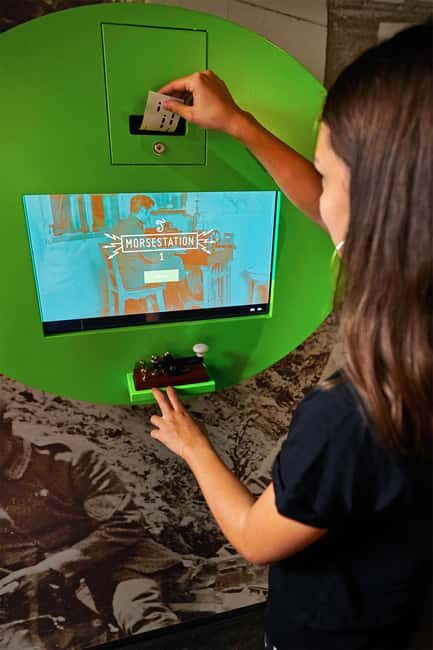
One of the most consistent positives is that the museum works across ages. The interactive exhibits are designed so kids can play while adults still get information that makes sense. That’s not always easy in science-and-technology style museums, but here the balance shows.
In particular, the interactive activities feel like the museum is trying to teach spycraft in a simplified way—how information matters, how systems operate, and how decisions get made. You don’t need any background knowledge to enjoy it.
That said, if the crowd is heavy, you might find it tougher to enjoy the interactive stations calmly. One guest specifically mentioned that the museum was too crowded to enjoy the interactive parts. So if you’re sensitive to crowds, aim for a time earlier in the day or plan to spend extra time at stations that don’t bottleneck.
You can also read our reviews of more museum experiences in Berlin






Spy History and Secret Services: What You’ll Take Away
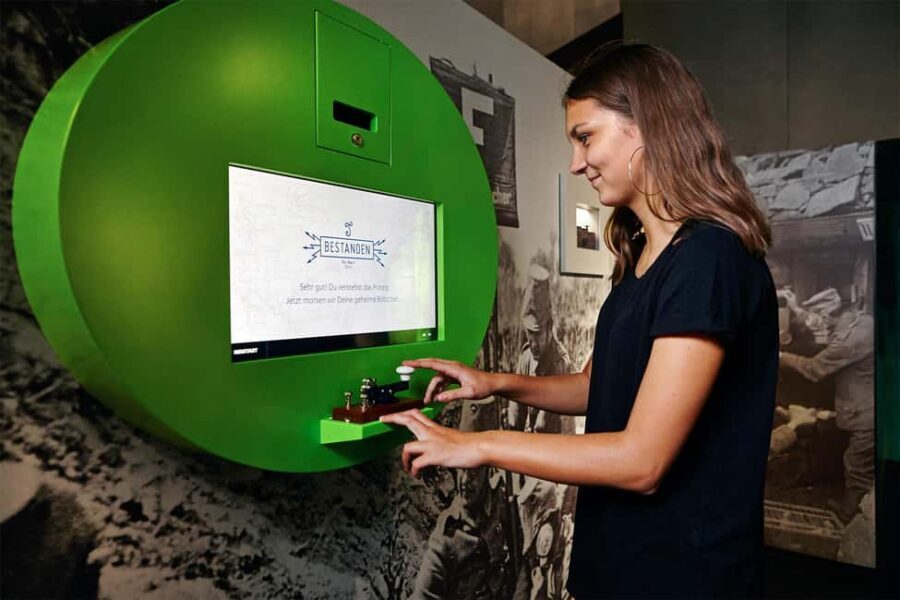
The museum focuses on the work of secret services and the broader life and history of spies. The goal is to show the human side and the operational side, not just the mythy Hollywood version.
What I like about a museum approach like this is that it gives you context for the world you’re already living in. Spycraft shows up in modern politics, security debates, and everyday tech talk. Even when the exhibits stay historical, they help you understand why governments care so much about information—and how tradeoffs (speed, secrecy, risk) shape decisions.
There’s also a clear “test yourself” tone. It doesn’t just present history; it nudges you to think about whether you’d have what it takes.
One possible drawback: one guest wanted more present-day angles, like drones. That doesn’t mean the museum lacks modern tech—it does mention modern technology in the exhibition—but if you mainly want current-day spy gadgetry, you may feel the balance tilts more toward past and general principles.
Navigating the Museum Without Getting Frustrated
A spy-themed museum can easily feel like a maze—ironically. The layout is large and full of stations, but at least one guest found it poorly set out and hard to navigate.
You can avoid that problem with a simple strategy:
- Start strong. Don’t wait until you feel tired to do the activities.
- Use your first 15 minutes to figure out where the big attractions are.
- When you see an interactive station you like, try it right away rather than promising yourself you’ll come back.
Also, manage your expectations about reading versus doing. Some parts will be best for quick scanning. The interactive areas are where the museum does its heavy lifting.
How Long to Plan (And Why It Matters)

This is one day, but your enjoyment depends on how you pace it. Reviews commonly point to about a couple of hours to cover a lot. That’s realistic for most people if your goal is “see the key exhibits and try the big activities,” not “read every label.”
If you try to cram it into 45 minutes, you’ll miss the laser maze momentum and the context sections that make the story click. If you stay for three hours, you’ll likely have time for the interactive stations without rushing—and you can return to the Berlin Spy Map for a slower look.
Price and Value: Is $27 Worth It?
At about $27 per person, the German Spy Museum sits in a comfortable middle zone: not cheap enough to treat like an afterthought, but not so expensive that you need a full day commitment.
The value comes from three things working together:
- Scale (a big 3,000-square-meters exhibition rather than a small display).
- Interactivity (the laser maze and other stations, not just static cases).
- Context (secret services history plus the Berlin Spy Map that helps you connect it to real places).
So you’re paying for an experience that tries to keep you active. If you love hands-on exhibits and you enjoy spy movies but also want some real context, this price makes sense.
If, however, you mostly want contemporary espionage topics and you dislike text-heavy exhibits, you might feel the cost more sharply. In that case, you can still have fun with the interactive portions, but you’ll want to go with eyes open.
Who Should Book This and Who Might Prefer Something Else
This museum is a strong fit if you:
- Want a hands-on Berlin activity that’s not the usual art museum path.
- Like interactive exhibits and don’t mind reading some labels to connect the dots.
- Travel with mixed-age groups; it’s set up to work for different attention spans.
- Want a Berlin story that’s less “monument” and more “how systems work.”
You might hesitate if:
- You hate crowds and need lots of personal space around interactive areas.
- You’re looking for a strongly modern, present-day tech show focused on the newest gadgets.
- You’re highly sensitive to text-heavy sections in museums.
Should You Book the German Spy Museum Flexible Entry Ticket?
Yes—if your goal is a fun, interactive museum day with enough context to make it more than a novelty. The flex entry makes it easy to plan, the laser maze is the kind of activity that turns a museum visit into an event, and the Berlin Spy Map gives you something you can carry into your time outside.
I’d book it if you have at least a couple of hours and you enjoy learning by doing. I’d think twice only if you’re expecting a purely modern spy tech festival or if you’re sure you’ll be there during peak crowds.
FAQ
How long is the German Spy Museum experience?
The activity is listed as lasting 1 day, and it’s a good idea to plan for a couple of hours to cover a lot of content.
Where do I start?
Begin your experience at the German Spy Museum.
Can I visit on any day with the flexible ticket?
Yes. The flex ticket lets you visit during opening hours on any day of the week.
What are the opening hours?
The museum is open Monday to Sunday, 10:00 AM to 8:00 PM.
How long is the ticket valid?
It’s valid for 1 day, starting from the first activation.
What do I need to bring?
Bring a passport or ID card. A student card is also mentioned.
Is it wheelchair accessible?
Yes, the experience is wheelchair accessible.
What’s the cancellation policy?
There is free cancellation, and you can cancel up to 24 hours in advance for a full refund.
Can I reserve now and pay later?
Yes. The ticket offers reserve now & pay later, so you can book your spot and pay nothing today.
How much does it cost?
The price is listed as $27 per person.
Review snapshot
Best for: interactive exhibits, spy-themed fun, and learning with hands-on challenges
Plan for: a couple of hours, and be ready for some areas that lean on reading over play