REVIEW · BERLIN
Berlin Trabi Museum: Day Ticket
Book on GetYourGuide →Operated by Trabiworld Trabi-Safari · Bookable on GetYourGuide
If you love oddball cars, this one hits hard. Berlin’s Trabi Museum at Checkpoint Charlie turns the familiar Trabant into a full-on story, with 14 different vehicles to browse and compare. I especially liked the lightshow theater setup, where short films and a miniature GDR world make the history feel less like trivia and more like a place. One thing to keep in mind: it’s not a huge museum, so if you expect hours and hours of exhibits, you may finish sooner than planned.
You also get the fun factor beyond looking—there’s a chance to sit behind the wheel and do a Trabi Safari-style route (East or West along the former wall, or your chosen route). That mix—display cars plus hands-on moments—is why the visit feels more lively than a typical indoor museum. The main drawback is simple: with only a day ticket, you’ll want to go with a plan so you don’t rush through the details.
In This Review
- Key Highlights You’ll Actually Care About
- Trabi Museum at Checkpoint Charlie: What You’re Really Booking
- Where to Go: Zimmerstraße Meeting Point and the Door-Closed Trick
- The Walk-Through That Makes the Trabant Make Sense
- Tip for your visit flow
- 14 Vehicles, One Timeline: How to Spot Differences Fast
- Rarities Like the Trabant P70 (and the Fastest Trabi)
- The Lightshow Theater: Films and a Miniature GDR World
- Trabi Safari and Getting Behind the Wheel: Should You Plan for It?
- Price and Value: Is $10 Enough?
- Who This Fits Best (and Who Might Skip)
- Before You Go: Practical Tips That Make It Better
- Should You Book the Berlin Trabi Museum Day Ticket?
- FAQ
- How much is the Berlin Trabi Museum day ticket?
- How long is the experience?
- Where is the meeting point?
- What if the door at the meeting point is closed?
- Is there a skip-the-ticket-line option?
- What languages are available?
- Is the museum wheelchair accessible?
- What will I see inside the museum?
- Are there special rarities on display?
- Can I get behind the wheel or do a Trabi Safari?
- Do I have to pay immediately?
Key Highlights You’ll Actually Care About
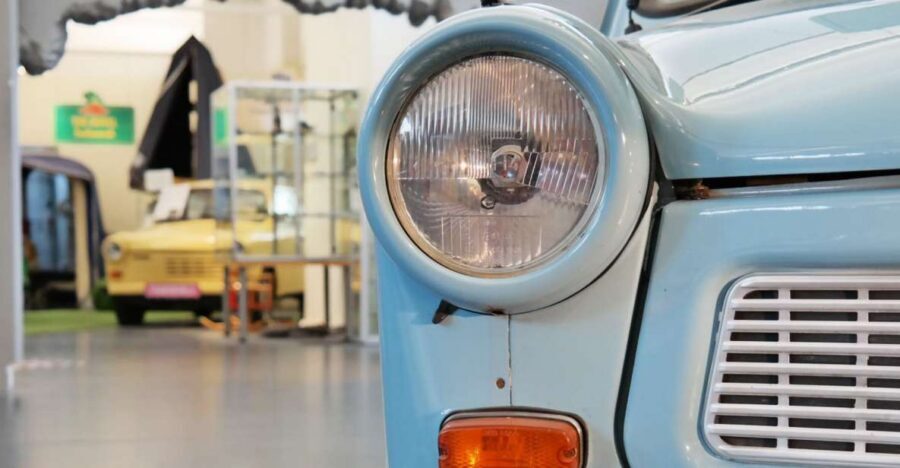
- 14 Trabant vehicles at Checkpoint Charlie: enough variety to show how the car changed over time.
- Stages of development and real uses: you’re not just seeing models; you’re seeing how people used them.
- The lightshow theater films: short films plus a miniature GDR world help connect the dots.
- Rarities like the Trabant P70 with a wooden undercarriage: plan to slow down here.
- Fun option to get behind the wheel and choose a safari route: a memorable add-on if it’s available during your visit.
Trabi Museum at Checkpoint Charlie: What You’re Really Booking
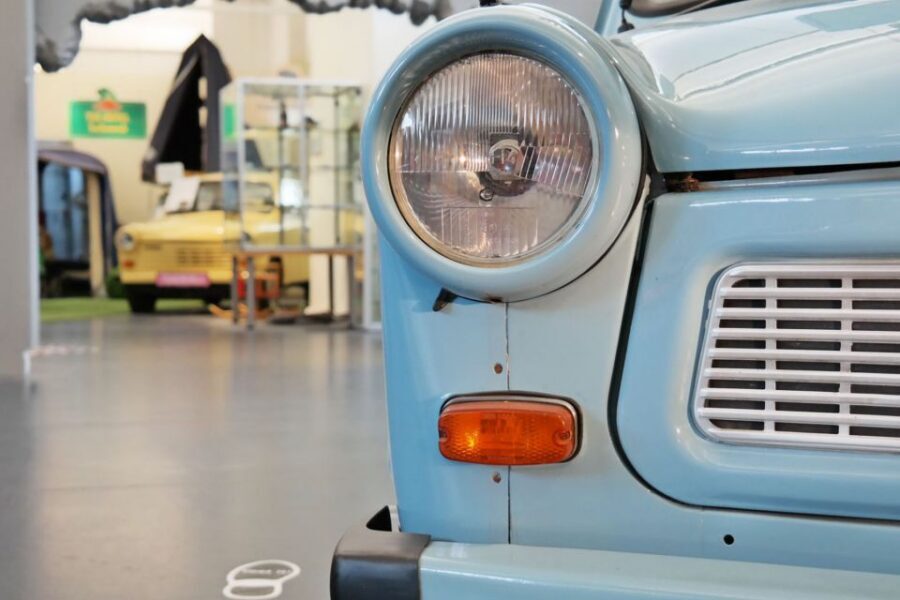
This day ticket is basically your entry point into a very specific kind of Berlin experience: the story of the Trabant, told through cars, settings, and film. The location matters. Checkpoint Charlie puts you right on top of Berlin’s Cold War map, so the museum doesn’t feel like a random collection—it feels like a companion piece to the area outside.
The core of the visit is straightforward: you’ll look at 14 different Trabant vehicles and learn how the “people’s car” developed and what it was used for. That’s a big part of why this ticket works for first-timers. You get context without needing to piece it together from five different sources.
If you’re coming for the photo moment, you’ll get that too. But I think the best value comes from treating it like a mini timeline. The exhibits are designed to help you connect the car’s design choices to the world it came from—production, constraints, and the many different ways it ended up doing daily life, travel, and even military-style roles.
A few more Berlin tours and experiences worth a look



Where to Go: Zimmerstraße Meeting Point and the Door-Closed Trick
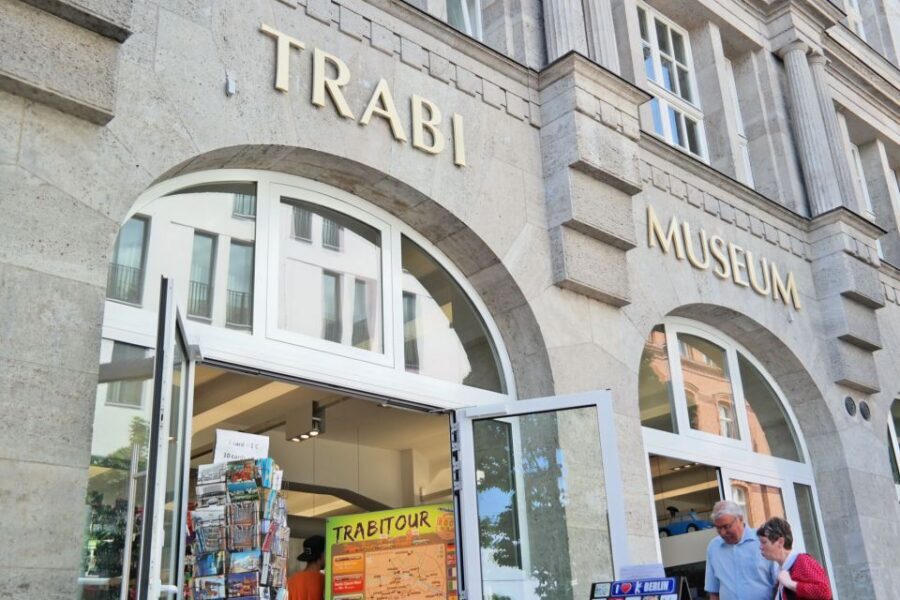
Your meeting point is Zimmerstraße 14–15, 10969 Berlin. If the door is closed, you’ll cross the street and find TrabiWorld on the left at Zimmerstraße 97–100. It’s a small detail, but it saves time when you arrive and don’t immediately see a welcoming entry.
Also note the language options: the host/greeter is listed in English and German, which is helpful if you want quick answers on what to see first. The museum experience is listed as wheelchair accessible, so if you’re bringing mobility needs, you can plan around that rather than improvising.
The Walk-Through That Makes the Trabant Make Sense
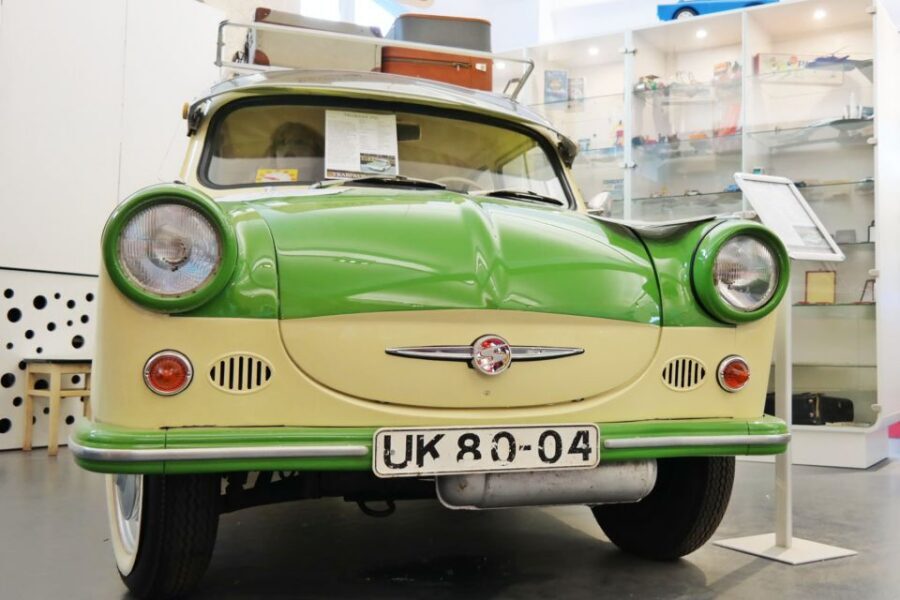
Once you’re inside, the museum is built to help you “read” the Trabant like an evolving object. You’re not just looking at one iconic car—you’re moving through different stages of development and different uses.
A useful anchor piece is the production history: the “Rennpappe” went into production in 1958 at VEB Automobilwerk Zwickau. Even if you don’t know the German industrial names, this detail gives the exhibits a backbone. It turns the Trabant from a meme-worthy prop into something manufactured, timed, and shaped by a specific place and era.
You’ll also see how the same base concept showed up in different life roles. The museum includes examples of uses like camping Trabis and military vehicles. That matters because it shifts the story away from only design and branding. It’s about function and adaptation: people found ways to make this car cover more ground than you’d expect from something that looks tiny and simple.
Tip for your visit flow
To avoid rushing, I’d do it in this order:
- Start with the vehicles that show development changes (so you understand what “different” means).
- Move to the unusual uses (camping and military examples).
- Save the standout rarities for last, so you can give them your full attention.
14 Vehicles, One Timeline: How to Spot Differences Fast
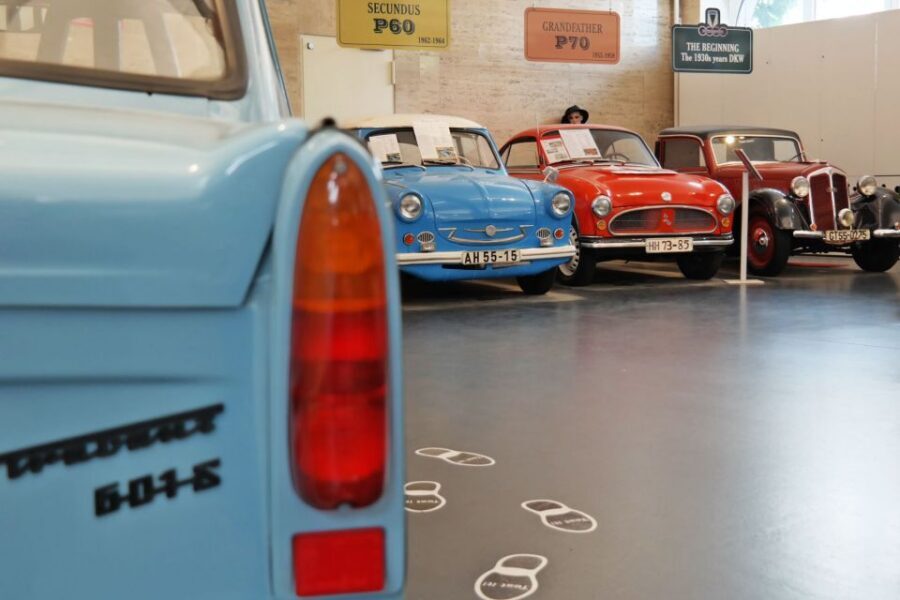
The “14 vehicles” line is exciting, but the real win is what you can learn from comparison. When you stand in front of multiple Trabants back-to-back, you start noticing how the car’s evolution shows up visually—details that you’d miss if you only saw one vehicle on a street corner.
I like that the museum doesn’t try to bury you in technical jargon. Instead, it gives you enough variety to understand the basic idea: this was a car that changed, but not in a sleek, one-direction way you might expect from a modern brand. Constraints and practical choices show up in the exhibits.
If you’re the type who likes “how did they do that?” questions, this museum will satisfy you. The Trabant story has built-in surprises: different body or undercarriage approaches, and examples of vehicles modified or produced in ways that reflect the limits and realities of the system they came from.
You can also read our reviews of more museum experiences in Berlin






Rarities Like the Trabant P70 (and the Fastest Trabi)
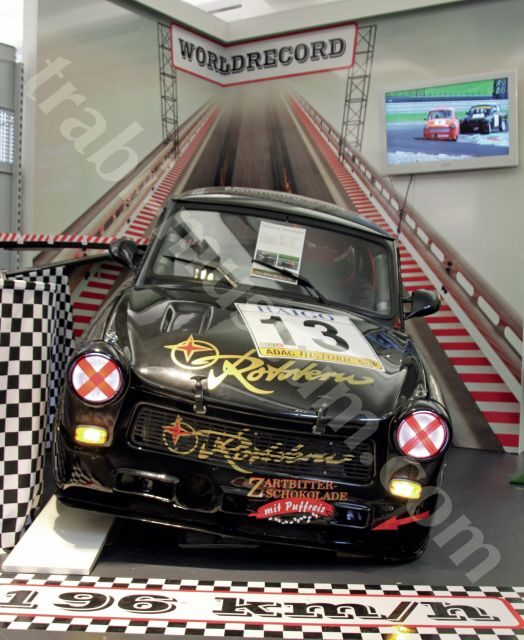
This is where your attention starts to pay off. The museum highlights rarities such as the Trabant P70 with a wooden undercarriage, plus the fastest Trabi on display.
These two examples are valuable for different reasons:
- The wooden undercarriage signals how materials and engineering choices were influenced by what was available. It’s the kind of fact you’ll remember later, because it’s so unusual compared to how cars are made today.
- The fastest Trabi turns the story from strictly historical into lightly competitive and human. It adds a layer of personality: people cared about speed and performance, not just survival driving.
Even if you’re not a car person, seeing one exhibit that looks genuinely strange works. It makes the rest of the display easier to interpret. You’ll walk away with at least a few “wait, really?” moments you can share with anyone.
The Lightshow Theater: Films and a Miniature GDR World
After you’ve toured the cars, the museum shifts gears with a short film setup in the lightshow theater. This is one of the most effective parts for turning facts into feeling.
You’ll watch an exciting short film about the Trabant, and the experience includes a miniature GDR world. That combination helps you place what you saw among the cars. Instead of treating the Trabant as a standalone object, you see it as part of daily life and the environment around it.
I think this matters if you’re visiting Berlin for the first time and want more than one layer. The city outside is full of big monuments and heavy history. The theater here gives a smaller, more focused lens—more digestible, and easier to connect to the vehicles you already studied.
Trabi Safari and Getting Behind the Wheel: Should You Plan for It?
The museum experience mentions that you can get behind the wheel and go on a Trabi Safari, with options like routing through the East or West and along the former wall (or a route you choose). That’s a big deal for value because it’s the only part of the day that feels truly interactive.
That said, the ticket information provided focuses on entry to the Trabi Museum. So treat the safari as something you should confirm based on availability during your visit. If it’s offered during your slot, it can turn a quick museum visit into something you’ll remember for years.
How to decide quickly when you arrive:
- If you’re short on time and only want museum content, you can likely enjoy the cars, films, and the miniature world without needing the safari.
- If you want a Berlin highlight that’s fun, hands-on, and photo-friendly, plan to ask about getting behind the wheel and the safari route.
Price and Value: Is $10 Enough?
At $10 per person for entry, this is priced like an easy add-on to a Berlin day rather than a major spend. For that money, you get access to the key pieces: the vehicle displays, the lightshow theater film, and the miniature GDR world.
Where the value gets stronger is when you think about your expectations. This isn’t a massive national car archive. It’s a focused museum devoted to one car and one story. If you come knowing it’s compact, the low cost feels fair. If you come expecting an all-day mega-exhibit, you might finish quickly and wonder where the time went.
That’s also why the safari option (if available) can dramatically improve the deal. If you add the get-behind-the-wheel part, you’re not just paying for photos—you’re paying for a personal experience, which changes what feels “worth it.”
Who This Fits Best (and Who Might Skip)
This works especially well if:
- You’re curious about everyday life history, not just headlines.
- You enjoy quirky vehicles and want to see them presented in a clear timeline.
- You like museum experiences that use film or themed environments to explain context.
It’s less ideal if:
- You need a long, slow museum day. The museum is described as very small, so expect a shorter visit.
- You want heavy technical car engineering. The focus is history, use, and development, not deep mechanical theory.
If you’re traveling with teens or friends who think car museums are boring, this is still a strong candidate because the story includes real-life uses and hands-on options like the Trabi safari-style segment.
Before You Go: Practical Tips That Make It Better
A few small moves will help you enjoy it more:
- Wear comfortable shoes. You’ll be walking between vehicles and the theater area.
- Give yourself time to compare vehicles rather than snapping photos and moving on.
- Plan your day around a relaxed pace. Even if the museum is compact, the film and the unusual exhibits deserve a breather moment.
Also, language helps. Since English and German are supported by the host/greeter, you can ask quick questions rather than guessing what you’re seeing.
Should You Book the Berlin Trabi Museum Day Ticket?
I’d book it if you want a simple, low-cost Berlin stop that mixes Cold War context with one of the most recognizable East German cars. The biggest selling point is the combination of 14 Trabant vehicles plus the lightshow theater film and miniature GDR world. It’s the kind of visit that feels specific, not generic.
Skip or reconsider if you’re the type who needs sprawling, hours-long museums. This one is compact, so make sure it fits your schedule. If you can line it up with the chance to get behind the wheel or do the safari option, the experience becomes even more memorable.
FAQ
How much is the Berlin Trabi Museum day ticket?
The ticket price is listed as $10 per person.
How long is the experience?
It’s listed as a 1-day ticket.
Where is the meeting point?
The meeting point is Zimmerstraße 14–15, 10969 Berlin.
What if the door at the meeting point is closed?
If the door is closed, cross the street and find TrabiWorld on the left at Zimmerstraße 97–100.
Is there a skip-the-ticket-line option?
Yes, it’s listed as skip the ticket line.
What languages are available?
The host/greeter is available in English and German.
Is the museum wheelchair accessible?
Yes, the experience is listed as wheelchair accessible.
What will I see inside the museum?
You’ll see the history of the Trabant, including different stages of development and uses, with 14 different vehicles, plus a lightshow film theater and a miniature GDR world.
Are there special rarities on display?
Yes. The museum highlights items such as the Trabant P70 with a wooden undercarriage and the fastest Trabi.
Can I get behind the wheel or do a Trabi Safari?
The experience describes the chance to get behind the wheel and go on a Trabi Safari, with possible route options through East or West and along the former wall.
Do I have to pay immediately?
The info says reserve now & pay later, so you can book your spot and pay nothing today.