REVIEW · HAMBURG
Hamburg: St. Pauli Tour with the White Dandy
Book on GetYourGuide →Operated by The White Dandy · Bookable on GetYourGuide
Sin gets a storyteller on the Reeperbahn. On this St. Pauli tour with the White Dandy, Götz Barner (a flâneur and stage actor who’s lived here for 30 years) walks you through the Reeperbahn and side streets with jokes, odd facts, and local perspective that you just won’t find on a standard sightseeing route. I like that it feels intimate, not scripted, and that the guide treats the whole neighborhood like a live stage.
I also like the built-in mix of entertainment and learning: you’ll get neighborhood details like why the skull is used as St. Pauli’s symbol, what a Riechbalken is, and what goes on around S&M in the area, plus you end with a slang quiz that makes the walk stick. One drawback to keep in mind: it’s in German and the subject matter is adult by nature, so it’s not a good fit if you want a kid-friendly, PG tour in a clean, daytime-only setting.
In This Review
- Key highlights worth knowing before you go
- St. Pauli After-Dark, Told Like Theater
- Price and Timing: $34 for 90 Minutes of Focused Storytelling
- Meeting Point and How to Arrive Without Stress
- Spielbudenplatz to the Esso Houses: Landmarks With a Side of Drama
- Condomium and Queen Mary: When Names Become Clues
- Große Freiheit and the Reeperbahn Side Streets: The Walk That Feels Local
- Why the White Dandy Can Answer Your Weird Questions
- The Residential Side: Learning St. Pauli Beyond the Headline
- The Shot and the Neighborhood Quiz: Finish With Street Slang
- Who Should Book This Tour (and Who Should Skip It)
- Should You Book the White Dandy Tour of St. Pauli?
- FAQ
- What is the duration of the White Dandy St. Pauli tour?
- How much does the tour cost?
- Where does the tour focus in Hamburg?
- What’s included in the tour?
- Is the tour suitable for children?
- What language is the tour guide?
Key highlights worth knowing before you go
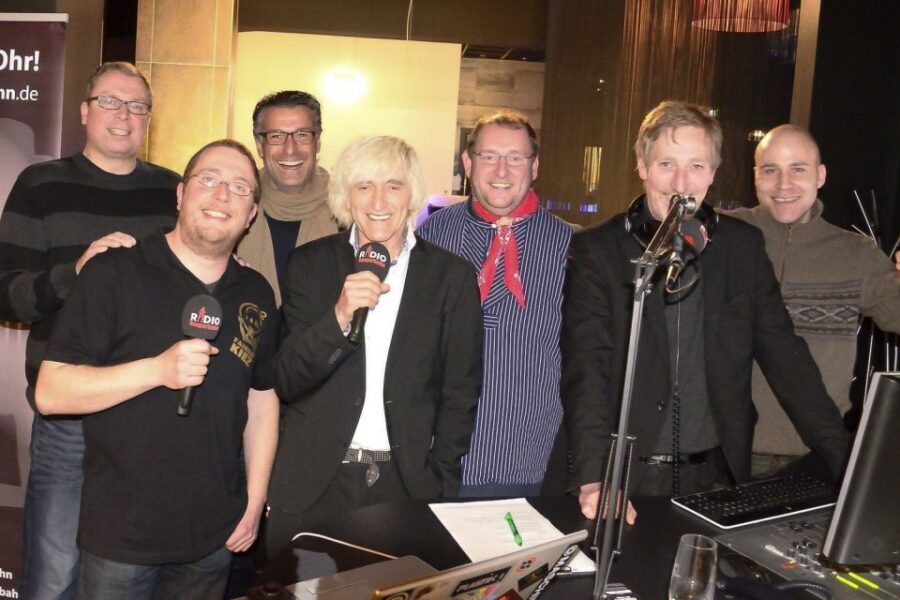
- Götz Barner is the show: a local original with decades of Reeperbahn life and a comedian’s timing.
- A route that goes beyond the main strip: from Spielbudenplatz to Große Freiheit, plus back areas and spots other tours may not reach.
- Landmarks with attitude: stories tied to places like the disputed Esso houses, and stop names like Condomium and Queen Mary.
- Local definitions, not vague talk: he can explain St. Pauli symbols and street terms you’ll hear on the neighborhood streets.
- You get a shot and a quiz: small, fun extras that turn the walk into a memorable experience rather than just photos.
- Real St. Pauli daily life: he also shares the residential side of the red-light district.
St. Pauli After-Dark, Told Like Theater
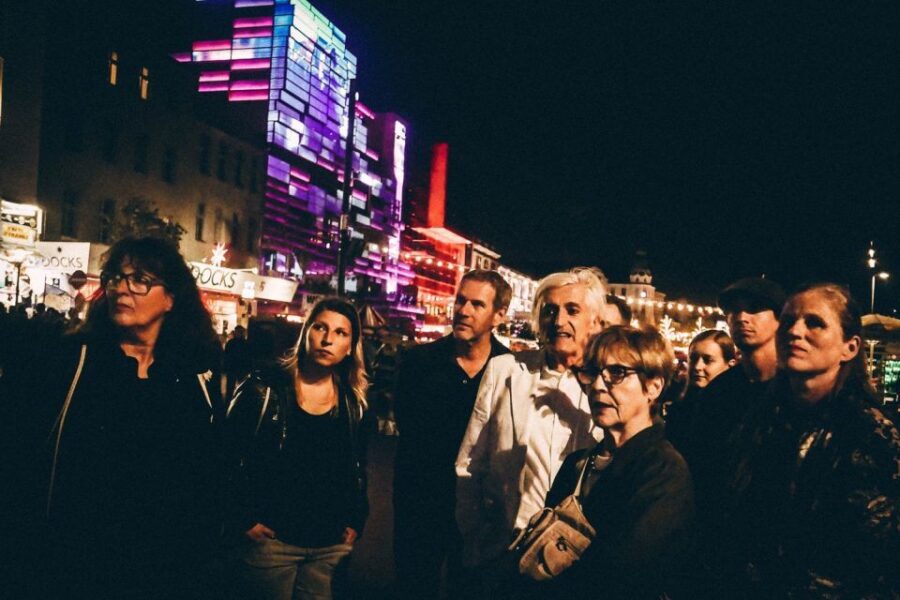
St. Pauli is famous for nightlife, but this tour doesn’t treat it like a checklist of sights. It’s more like watching a one-person show where the street is the stage, and the script is made from real life.
Your guide, Götz Barner, goes by the White Dandy, and his background matters. He’s described as a flâneur and stage actor, and you can feel what that means: he talks with rhythm, he reads people and places fast, and he connects odd bits of history and street slang into a story you actually remember. If you like walking while something interesting is happening in your ears, this style works well.
He also brings current-local texture to the mix. He’s been featured on posters for the St. Pauli pinkelt zurück initiative, which signals that he’s not just telling old legends—he’s rooted in the neighborhood’s present-day identity. That gives the tour a little extra “you’re here now” energy, not just a museum vibe.
You can also read our reviews of more tours and experiences in Hamburg.



Price and Timing: $34 for 90 Minutes of Focused Storytelling

The price is $34 per person for about 90 minutes, which is usually fair when you get a guide who’s clearly built his entire tour around his personal relationship with the area. This isn’t a slow, stop-and-stare stroll. It’s a paced walk with a sequence of places, anecdotes, and explanations, plus the quiz at the end to keep you engaged.
Also, you’re getting a couple of “extras” bundled in: there’s a shot along the way and you’ll do a neighborhood slang quiz. Small items like that can sound like fluff, but here they help you participate rather than just listen. You finish with street language in your head, not just street facts you forgot two days later.
One more practical point: the tour is not suitable for children. So if you’re traveling as a family with kids, this is likely to feel uncomfortable rather than fun. If you’re an adult couple, a solo traveler, or a friend group that wants the more human side of St. Pauli, the time and price make sense.
Meeting Point and How to Arrive Without Stress

Plan to be at the meeting point at least 10 minutes early. This matters because the tour is short—only 90 minutes—so delays squeeze the schedule fast.
Once you’re there, dress for typical Hamburg weather. The tour runs on foot, so even in good conditions you’ll want layers and shoes that handle damp sidewalks and uneven pavement.
And remember: the guide leads the experience in German. If you don’t speak much German, you might still enjoy the walk for the atmosphere, but your understanding of the key facts and slang will be limited. If you do speak German at least moderately, the tour becomes much more rewarding.
Spielbudenplatz to the Esso Houses: Landmarks With a Side of Drama
The walk starts with major St. Pauli touchpoints—places that help you orient fast and then get the story rolling. One of the first big areas is around Spielbudenplaty, where the energy of the entertainment district is obvious even if you’re arriving from a calmer part of Hamburg.
From there, the route heads toward the Esso houses, described as disputed. That’s a useful detail because it hints at why this neighborhood is more than neon signs: people argue about it, shape it, and live through the consequences. Your guide uses these kinds of places to show how the district’s identity gets formed in real time—not just in nostalgia.
This segment is where you’ll understand the tour’s tone. It’s not formal. It’s full of “this is what it meant back then” and “this is how locals see it now.” If you’re expecting a quiet history lecture, you’ll feel mismatched. If you want stories that sound like they came from someone who actually lives here, this is the right pace.
Condomium and Queen Mary: When Names Become Clues
Part of the fun is that the tour doesn’t stick only to the most famous names. You’ll hear stories connected to Condomium and Queen Mary, and those labels act like clue cards for the neighborhood’s shifting character.
Why do these names matter? Because they’re the kind of references that locals and regulars use to talk about what’s been here, what’s changed, and what people associate with the area. Your guide connects those associations to anecdotes, so you’re not just learning the name—you’re learning what the name signals.
He also loves the good-old-times angle, but he keeps it grounded in street-level details. Expect talk about the era when the Star Club still existed, along with stories of nightlife and conflict—like tramps sparred with the cops. That kind of anecdote sounds dramatic, but it’s valuable because it explains why certain attitudes and symbols stick around in St. Pauli’s culture.






Große Freiheit and the Reeperbahn Side Streets: The Walk That Feels Local
As you move along the Reeperbahn and around Große Freiheit, the tour starts to feel less like sightseeing and more like drifting through a neighborhood that runs on its own rules.
This is where your guide’s decades of presence really show. He knows people and patterns, not just buildings. That’s why the “quirky facts” feel specific rather than generic: you’ll hear explanations tied to what you’re seeing in the moment.
He also leads you through side streets deep enough to show you the red-light district from angles most visitors miss. That includes back areas where you can sense daily life under the neon. It’s still entertainment-heavy, but it’s not only about clubs and famous facades. You’ll get the sense of routines, neighbors, and the everyday logic of people who’ve learned to live alongside the chaos.
There’s a practical payoff to doing it this way. You leave with a mental map of how St. Pauli is layered: main roads for spectacle, side streets for texture, and residential edges where the district stops being a poster and starts being a place where people actually work and live.
Why the White Dandy Can Answer Your Weird Questions

One of the best parts of this style of tour is permission to ask the odd questions you’d never think to ask on a normal guided walk. Your guide is presented as someone who knows the neighborhood inside out, and he can explain things like why the skull became a symbol of St. Pauli.
You can also ask about terms and references you might hear while wandering on your own. For example, he can tell you what a Riechbalken is. That kind of detail can turn “I heard a word” into real understanding, and it makes you feel streetwise instead of clueless.
And yes, the tour includes adult topics. You might hear him discuss where S&M—described in a 50 Shades of Grey style context—is practiced in the area. Keep in mind that this is part of the tour’s purpose: it’s offering insight into the sinful side of town with anecdotes and local know-how.
If you like learning in a conversational way—asking, getting a real answer, and then immediately seeing the place connected to that answer—this tour format is built for you.
The Residential Side: Learning St. Pauli Beyond the Headline
A common problem with nightlife tours is that they treat the area like a theme park. This one does not. Your guide also shares the residential face of the red-light district, which changes how you interpret everything you see.
This segment helps you understand the neighborhood as more than a stage for visitors. When you hear about daily life alongside the entertainment, it makes the district feel human. You stop seeing it as a single “thing” and start seeing it as a lived-in area with contradictions: spectacle and routine, public attention and private space.
For me, this is one of the highest-value pieces, because it makes the walk feel less judgmental and more observational. You’re not being asked to agree with how the neighborhood works. You’re being shown how it works.
The Shot and the Neighborhood Quiz: Finish With Street Slang
The tour doesn’t end when you reach the final street corner. You finish with a quiz on neighborhood slang, which is a clever way to convert everything you heard into something memorable.
Expect to learn what it means to have Matrosen am Mast. Even if slang goes over your head at first, a quiz forces your brain to connect the words to the context the guide has been building all along. It’s also a fun group moment, especially if your group includes people who like banter and jokes.
Then there’s the shot along the way. Small detail, big effect. It breaks the walk rhythm and marks a shared moment in the middle of the tour. Do yourself a favor and think ahead about whether alcohol fits your plans that day, especially if you’re going to keep moving around Hamburg afterward.
Who Should Book This Tour (and Who Should Skip It)
This works best for adults who want an entertaining, funny, street-level perspective on Hamburg’s nightlife district. If you like local characters, inside jokes, and “tell me more” conversations, you’ll likely have a strong time.
It’s also a solid option if you’re short on time. Ninety minutes is just enough to get orientation and stories without turning it into a half-day event.
That said, you should probably skip it if:
- you want a child-friendly experience (it’s not suitable for children)
- you need an English-language guide (the tour is in German)
- you dislike adult-themed neighborhoods and frank discussion
And one more reality check: any guided activity can occasionally run into problems. One booking issue reported a guide not arriving, so it’s smart to have your confirmation details handy and keep your expectations flexible.
Should You Book the White Dandy Tour of St. Pauli?
If your goal is to understand St. Pauli as a neighborhood—with humor, street slang, and real local perspective—this is the kind of tour that delivers more than photos ever can. The mix of landmarks (Spielbudenplaty, disputed Esso houses, Große Freiheit), plus the guide’s ability to explain symbols and street terms, makes it feel like learning from a person who actually belongs to the place.
I’d book it if you’re traveling for stories, not just sights, and if you’re comfortable with adult subject matter. It’s also a good value for the duration because the 90 minutes feel focused: walk, talk, laugh, learn, then a slang quiz to wrap it up.
I’d think twice if you need English guidance, travel with kids, or want a strictly sanitized version of the district. In that case, you may find the content and tone more than you bargained for.
If you match the vibe, the White Dandy tour is one of the more memorable ways to see Hamburg after dark.
FAQ
What is the duration of the White Dandy St. Pauli tour?
The tour lasts about 90 minutes.
How much does the tour cost?
The price is $34 per person.
Where does the tour focus in Hamburg?
It focuses on St. Pauli, including the Reeperbahn area and nearby streets around Große Freiheit and Spielbudenplaty.
What’s included in the tour?
The tour includes the guided walk, 1 shot along the way, and a neighborhood slang quiz.
Is the tour suitable for children?
No. The tour is not suitable for children.
What language is the tour guide?
The live guide speaks German.
If you want, tell me your dates and your German comfort level, and I’ll help you decide if this timing and language fit your Hamburg plan.