REVIEW · BERLIN
Berlin: Berlin Wall & East Side Gallery Walking Tour
Book on GetYourGuide →Operated by Real Berlin Tours @guidecris · Bookable on GetYourGuide
A Cold War story you can walk. This Berlin Wall and East Side Gallery route turns history into something you can see, read, and photograph, with stops tied to the Wall, the 1990s era of street art, and the neighborhoods where the East-meets-West story still shows up.
I especially like how the guide connects the murals to the politics behind them, and how you get practical photo tips at specific spots rather than just standing around. One possible drawback: the tour’s street-art focus is strong, so if you’re expecting wall history to dominate every minute, you may want to manage your expectations.
You’ll cover key stretches around Friedrichshain and Kreuzberg, then end near Schlesisches Tor after a couple of memorable bridges and memorial moments. The whole thing runs about 2 hours, so it’s best as a high-impact primer rather than a slow, full-day deep study.
In This Review
- Key things to look forward to
- Why the Berlin Wall still feels close at hand
- Route planning: Kreuzberg meets Friedrichshain on foot
- Stop-by-stop: Berlin Wall + Berlin Wall Museum moments
- East Side Gallery: street art as a Cold War document
- Cengaver Katranci Memorial: remembrance beyond murals
- Oberbaumbrücke and the walkable “story hinge”
- Kreuzberg to Schlesisches Tor: finishing with context intact
- Timing, pace, and how to dress for Berlin weather
- Price and value: what $29 buys you in practice
- Who should book this Berlin Wall + East Side Gallery walk
- Should you book Real Berlin Tours with guidecris?
- FAQ
- What is the duration of the Berlin Wall and East Side Gallery walking tour?
- Where does the tour start and where does it finish?
- What stops are included on the tour?
- What languages are the live guides?
- Is the tour wheelchair accessible?
- What should I bring for Berlin weather on this tour?
- Is the tour suitable for people with hearing or mobility limitations?
- Is there an age limit?
- Will I get photography help during the tour?
Key things to look forward to
- East Side Gallery, the open-air mural gallery: learn how the artists’ messages work at street level
- Cold War context without the lecture vibe: you’ll connect events to what you see on the wall
- Photo scenarios at real landmarks: you get concrete spots and tips to help your shots
- Kreuzberg and Friedrichshain on foot: see how history and daily life overlap
- Oberbaumbrücke as a visual hinge: a classic crossing that frames the story well
- Memorial stop with meaning: remembrance isn’t just an add-on here
Why the Berlin Wall still feels close at hand
The Berlin Wall can sound like a museum topic. On this walk, it stops being abstract. You’ll move through the parts of Berlin where the separation wasn’t a concept—it shaped routines, movement, and power for decades. Even before you reach the best-known murals, the tour’s logic is clear: understand the Wall, then understand what artists did when change finally arrived.
One big strength is that the guide doesn’t treat the Wall as a single era with a neat ending. Instead, you’ll hear how Cold War dynamics echo in the city’s culture after 1989. That matters because it changes how you read the street art. You’re not just looking at striking colors. You’re looking at public messages created in a moment of upheaval, where symbolism had to land fast and loudly.
You can also read our reviews of more walking tours in Berlin


Route planning: Kreuzberg meets Friedrichshain on foot
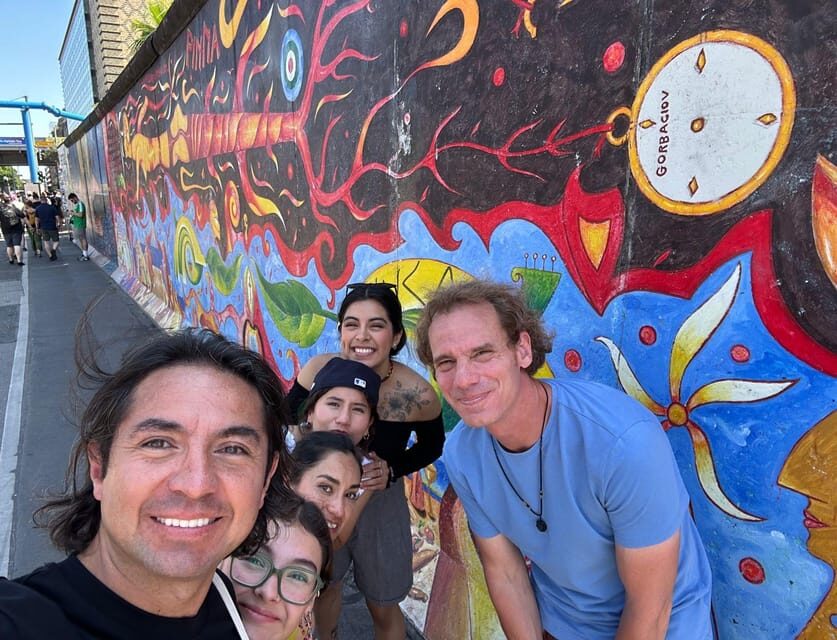
This tour is built around neighborhoods—Friedrichshain-Kreuzberg is more than a map label. You’ll feel the shift between gritty urban texture and historic landmarks, with the guide guiding you to the places where architecture and murals tell the same story in different languages.
What I like for first-timers: the pacing helps you get bearings fast. In just two hours, you’ll get orientation around major landmarks tied to the Wall and then step into areas where street art culture is part of the city’s everyday identity. If you also enjoy photography, the route is designed with that in mind. You’ll have “photo scenarios” using street art and old architecture as your background, which makes it easier to take better pictures without turning the whole walk into a photo-only exercise.
Stop-by-stop: Berlin Wall + Berlin Wall Museum moments
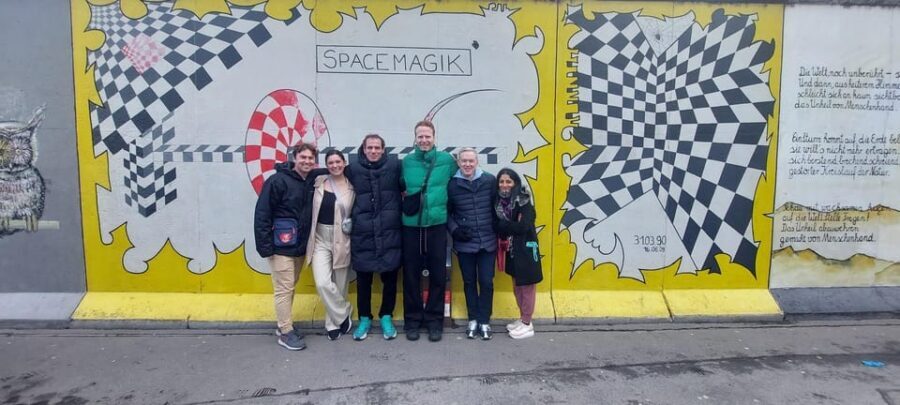
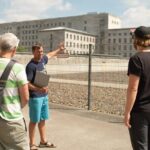
The walk begins with the Berlin Wall theme, then builds toward the museum component. Even if you’ve read about the Wall before, being physically near it changes the timing in your head. The Wall becomes a scale problem, not just a headline. The guide’s job is to translate that scale into human meaning—what the Wall represented, what life under that system meant, and how the broader Cold War shaped the outcome.
At the museum stop, you’ll get the kind of structure that helps the rest of the day click. Think of it as mental scaffolding. You’ll likely come away better equipped to interpret later street art because you’ll understand the political stakes behind the visuals. The goal isn’t to memorize dates. It’s to build a framework so the murals and memorials don’t feel random.
Practical note: the tour is 2 hours total, so expect meaningful highlights rather than an exhaustive wall-focused education. If you’re the type who wants only the wall and nothing else, you might find yourself wishing for more time at the most history-heavy points.
East Side Gallery: street art as a Cold War document
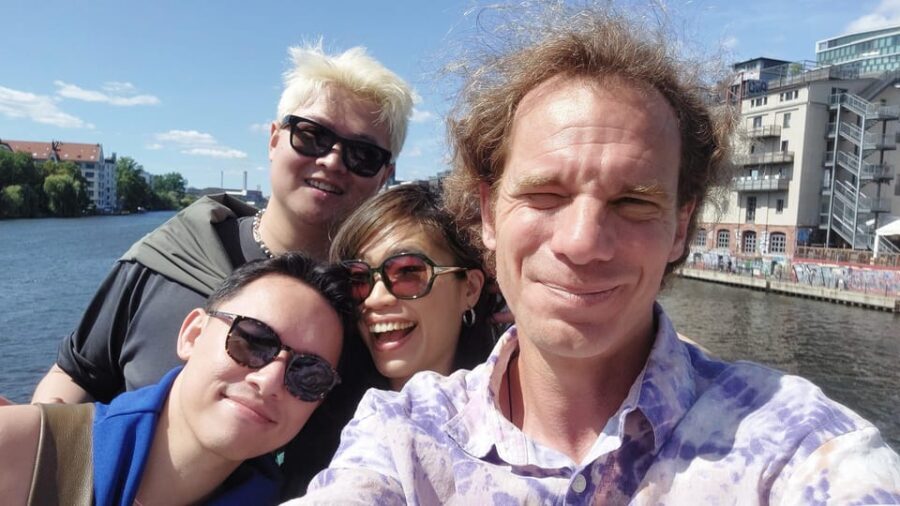
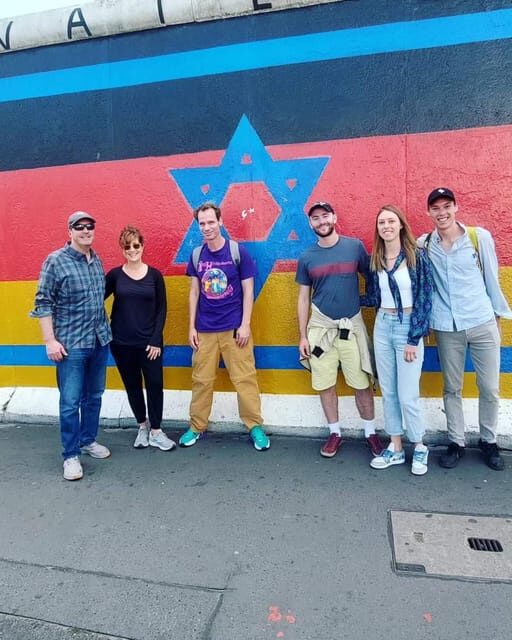
The East Side Gallery is the main event. This is the world-famous section of the Berlin Wall transformed into an open-air gallery, and the tour treats it like more than an Instagram stop. You’ll look at the murals with an eye for meaning—how artists used imagery, message, and irony to respond to power structures and the moment of change in the early 1990s.
What makes this section special is the way the guide points out the “why” behind choices—symbolism, context, and how the art scene evolved. This is the part where street art stops being just style. It becomes public communication. You also get help “reading” the murals, which is huge if you don’t already know art history.
On top of the art analysis, the guide adds photography. The structure you’ll likely follow is simple: stand at a specific spot, frame the mural and surrounding architecture, then adjust your approach with tips for angles and moments. The result is that you leave with pictures you actually feel good about, not just proof that you stood there.
Cengaver Katranci Memorial: remembrance beyond murals
A memorial stop might sound like a quick extra. Here, it works better as a reminder of what public art and public memory are for. The Cengaver Katranci Memorial brings the conversation back from general history into individual loss and lived reality. Even without going into a “sad tour” mode, this kind of stop matters because it grounds the theme: the Wall wasn’t only about ideology—it also affected real people.
For many visitors, this is also where the emotional tone shifts from curiosity to reflection. If you’re the kind of person who likes your sightseeing to have weight, you’ll probably appreciate this stop more than you expect.
You can also read our reviews of more museum experiences in Berlin



Oberbaumbrücke and the walkable “story hinge”
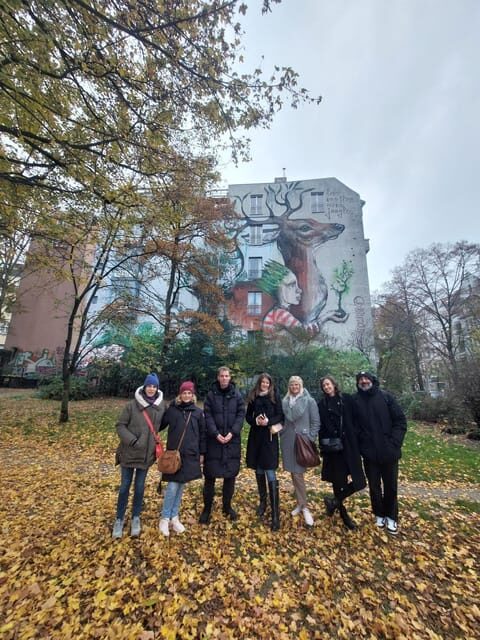
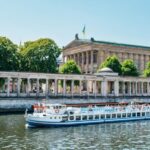
Oberbaumbrücke is a natural stage for Berlin’s in-between feeling. It’s a bridge with strong visual structure—old architecture, strong lines, and a location that makes you look at the city as something connected, not split. On this tour, it’s more than a photo backdrop. It functions like a hinge: you move from Wall-focused context into neighborhood-focused interpretation.
After this, the vibe turns more street-level. You’ll carry the history you learned and start seeing the city differently—how Kreuzberg and surrounding areas absorbed the Wall’s legacy and how the art culture grew from the same space where lines once divided people.
If you’re prone to getting “Wall fatigue,” this part helps. It gives you visuals and atmosphere to break up heavy history, while still keeping the thematic thread alive.
Kreuzberg to Schlesisches Tor: finishing with context intact
The tour includes time in Kreuzberg and ends at Schlesisches Tor. That ending location choice is smart because it keeps you near a key urban node rather than leaving you stranded in an awkward pocket. It also means you can roll directly into your next plan—coffee, food, or simply wandering without needing a transport reset.
By the time you reach the finish, you should have a clearer sense of how Berlin’s past still shapes the present. The guide’s approach—connecting Cold War history, the Wall’s symbolism, and the mural’s cultural impact—helps you avoid the common trap: seeing the city as separate chapters.
Timing, pace, and how to dress for Berlin weather
The tour runs for about 2 hours, which is an ideal length for a focused first hit at a major theme. You’ll have guided time for the biggest landmarks and enough stops to feel like you saw multiple “layers” of the city rather than one long photo line.
That said, Berlin weather can have opinions. You’ll be outside, so come prepared. The tour guidance is clear: comfortable shoes, warm clothing, snow clothing if needed, weather-appropriate layers, and thermal gear. On icy days, the guide is also described as tailoring the experience so you stay involved and comfortable, which matters when the city is busy and your toes aren’t.
A small warning for planning: because it’s a walking tour, you need to be ready to move at a steady pace. If you only enjoy very slow sightseeing, this one might feel too active.
Price and value: what $29 buys you in practice
At about $29 per person for a 2-hour guided walk, this tour is priced like a practical city add-on—something you can do without rearranging your whole budget. The best value here isn’t the number of stops. It’s the way the guide interprets what you’re seeing: Cold War events linked to murals, plus art-cultural context tied directly to the Wall’s legacy.
If you’re a street-art fan, the East Side Gallery analysis is the payoff. If you’re a history-first traveler, the Wall and museum context gives you the framing you’ll need to understand why those images mattered at the time. Either way, you’re also getting photography help—tips and suggested photo scenarios—so your visit produces both knowledge and usable images.
One consideration for value: because street art is a major component, the balance can lean arts-forward. If you want the Wall story to be the main course every step of the way, make sure you’re comfortable with that emphasis before you book.
Who should book this Berlin Wall + East Side Gallery walk
This tour fits best if you:
- love street art and want the “message behind the mural,” not just the mural itself
- want a first-time Berlin history orientation that doesn’t feel heavy
- enjoy photography and appreciate tips at specific landmarks
- like walking through real neighborhoods, not only museum rooms
It’s also offered with a live guide in English and Spanish, so it’s easiest if you can follow discussions clearly in one of those languages. The tour is marked wheelchair accessible, but it’s not designed for severe mobility barriers; you should also note the tour guidance about people with serious physical problems and no sign language interpreter.
Should you book Real Berlin Tours with guidecris?
If you want a smart, time-efficient Berlin experience where the Wall is explained through what you can actually see, I think this is an excellent choice. The East Side Gallery portion alone is worth planning around, especially if you care about symbolism and cultural meaning. Add the Wall framing and the neighborhood walk, and you get a tour that helps you read Berlin instead of just ticking off landmarks.
Skip it only if your priority is strictly Wall history with minimal art focus. Otherwise, bring warm clothes, lace up comfortable shoes, and show up ready to look closely—you’ll get more out of it than you think in just two hours.
FAQ
What is the duration of the Berlin Wall and East Side Gallery walking tour?
The tour lasts about 2 hours.
Where does the tour start and where does it finish?
Meeting points can vary by the option booked. One listed start option is East Side Bäckerei, Warschauer Str. 34-36. The tour finishes at Schlesisches Tor.
What stops are included on the tour?
The tour includes Berlin Wall, Berlin Wall Museum, East Side Gallery, Cengaver Katranci Memorial, Oberbaumbrücke, and stops in Kreuzberg, with time in Friedrichshain-Kreuzberg.
What languages are the live guides?
The live guide offers English and Spanish.
Is the tour wheelchair accessible?
Yes, the tour is listed as wheelchair accessible.
What should I bring for Berlin weather on this tour?
You should bring comfortable shoes, warm clothing, snow clothing (if needed), and weather-appropriate layers. Thermal clothing is also recommended.
Is the tour suitable for people with hearing or mobility limitations?
The tour information says it is not suitable for people with physical problems like a broken foot and it does not provide a sign language interpreter. It also mentions hearing loss as a reason the tour may not work.
Is there an age limit?
The tour is not suitable for people over 95 years.
Will I get photography help during the tour?
Yes. The tour includes photography scenarios with street art and old architecture as backgrounds, and the guide provides photography tips and helps with concrete photo moments at specific places.