REVIEW · BERLIN
Berlin: Admission Ticket to the Samurai Museum Berlin
Book on GetYourGuide →Operated by Samurai Museum Berlin · Bookable on GetYourGuide
Samurai history is weirdly fun in Berlin. This place turns legends into hands-on exhibits, from armor and masks to interactive challenges. I really like that you get entertainment plus serious objects, all in Berlin-Mitte.
My favorite moments are the holographic taiko drum performance and the chance to watch how a tea ceremony works in a dedicated tea house setting. I also like the museum’s mix of tech and real artifacts, so you don’t just read labels.
One consideration: it’s not suitable for children under 10, and the museum rules mean you’ll want to travel light (no big bags or outside food).
In This Review
- Key highlights that make this museum worth your time
- Getting to Samurai Museum Berlin in Mitte without wasting time
- Ticket value: why $15 makes sense for what you’re actually seeing
- Your walk through the exhibits: armor, weapons, masks, and hands-on stations
- Taiko and tea ceremony moments you can experience, not just read about
- Nō theatre and the Berlin tea house: why the setting matters
- Ninja techniques, sword blades, and the fun game side with Kitsune and Yōkai
- The Peter Janssen Collection: the main reason to come (and what you’ll notice)
- Practical rules: what you can bring, and how to plan your visit
- How long to go, and who this suits best
- Should you book Samurai Museum Berlin?
- FAQ
- Where is the Samurai Museum Berlin located?
- What’s the public transport access near the museum?
- How much is the admission ticket?
- How long is the ticket valid?
- What’s included in the ticket price?
- What are the main things to see and do inside?
- Is the museum suitable for families, and can I bring food or pets?
- Can I skip the ticket line, and is it wheelchair accessible?
Key highlights that make this museum worth your time
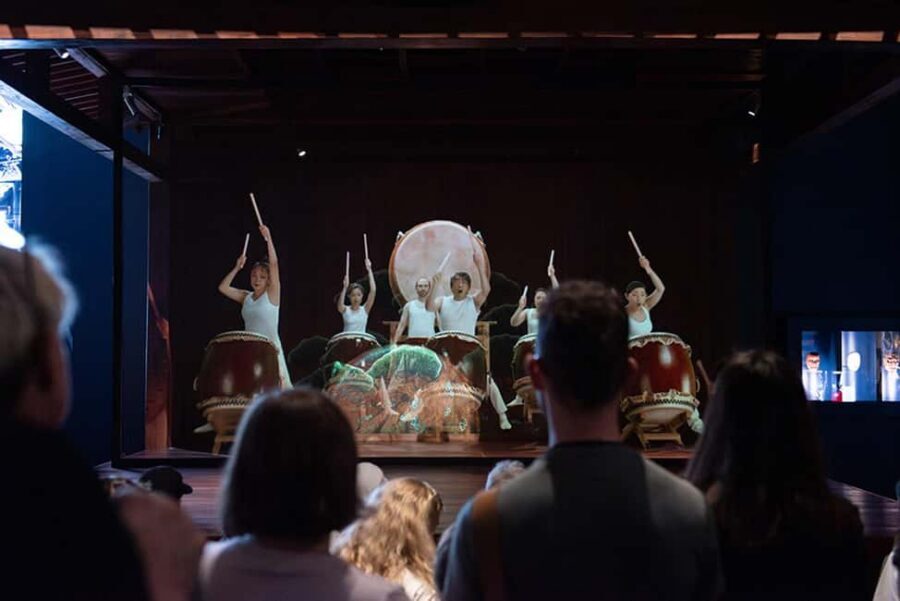
- Holographic taiko drum performance: sound-and-light style, but tied to real Japanese ritual traditions
- Tea house experience: see the process behind a centuries-old tea ceremony
- Kitsune and Yokaigame challenges: puzzle your way through the fox lore and a timed Yōkai game
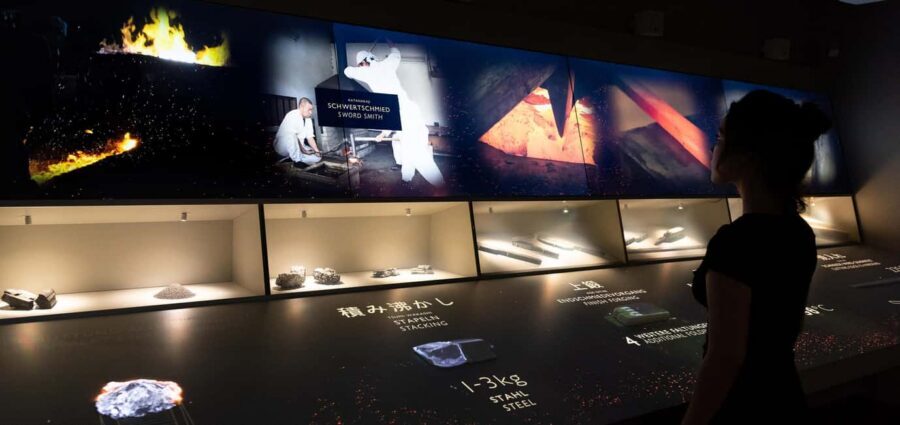
- Ninja techniques and sword blade production: hands-on learning for the “how did they do it” crowd
- Nō theatre and tea house structures in Berlin: traditional Japanese builds placed in the city
- Peter Janssen Collection (4,000+ objects): a private collection spanning roughly the 6th to 19th centuries
Getting to Samurai Museum Berlin in Mitte without wasting time
The Samurai Museum Berlin sits on Auguststraße in Berlin-Mitte, and that’s a smart location choice. You’re close to classic stops like Alexanderplatz and Museum Island, so you can tack this onto a day that already includes sightseeing. The museum is also surrounded by normal Berlin life: cafés, restaurants, and shopping, which makes it easy to eat before or after.
For public transport, aim for these stations:
- U-Bahn: U6 at Oranienburger Tor, and U8 at Rosenthaler Platz
- S-Bahn: S1, S2, S25, S26 at Oranienburger Straße
- Tram: M1 and M5 at Oranienburger Straße, or M8 at Rosenthaler Platz
- Bus: 142 at Tucholskystraße and M41 at Abgeordnetenhaus
If you like to keep things smooth, plan to arrive at a time when the nearby area isn’t a mad rush. Mitte can get busy, especially if you’re also visiting nearby Museum Island sites.
A few more Berlin tours and experiences worth a look



Ticket value: why $15 makes sense for what you’re actually seeing
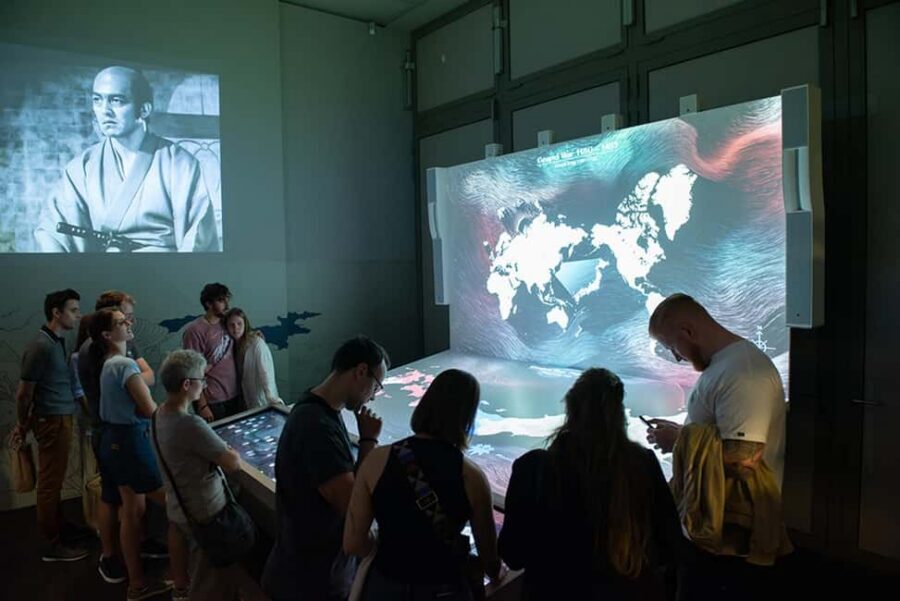
The admission price is listed at $15 per person, which is pretty reasonable considering how much “stimulation per square meter” this museum packs in. This isn’t only a quiet, glass-case museum. You’ll run into interactive installations, touchscreens, projections, and performance-style moments—while still working your way through authentic collections of armor, weapons, and art.
Also, the ticket format is designed for flexibility. With the Samurai Flex Ticket, you can pick your day and time using your smartphone ticket. That’s useful if your Berlin schedule shifts (and it almost always does).
One more value angle: the museum is easy to pair with other stops in Mitte. That matters because the real cost of a short visit is time. Here, the location reduces the hassle part of your day.
Your walk through the exhibits: armor, weapons, masks, and hands-on stations
Plan on a route that feels like a guided storyline even without a traditional tour. The museum leads you with projections and touchscreens, and many installations are built for doing rather than just reading.
As you move through the spaces, you’ll hit the big categories people come for:
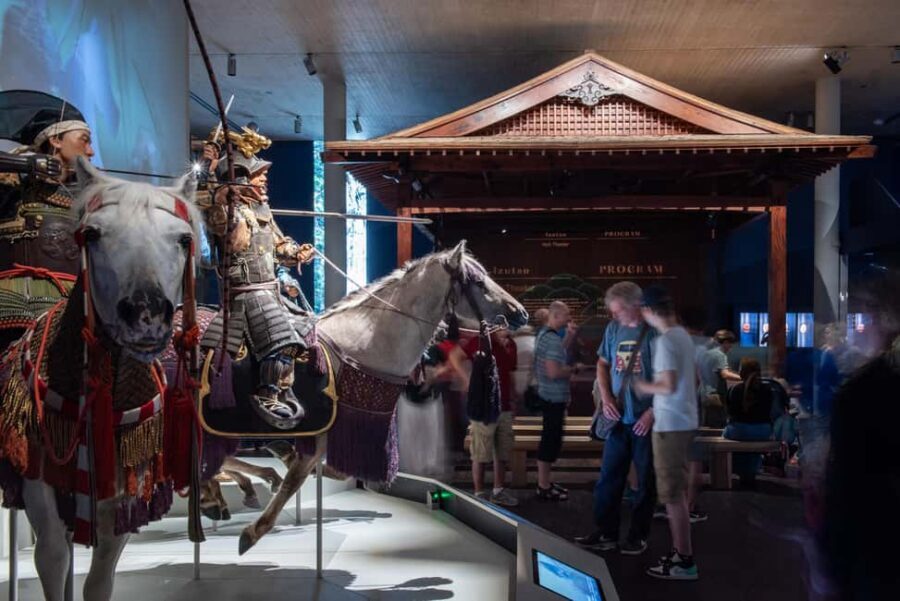
- Samurai armor and legendary swords
- mysterious masks
- the broader worlds around samurai culture, including ninja and Yōkai themes
A good way to approach it is to slow down at the “try this” elements. Those are the parts that convert history into understanding. When the museum shows techniques, you’ll get a clearer picture of what the objects were for and why the designs mattered.
You’ll also see pop-culture connections, like the idea that samurai imagery helped inspire Star Wars. Even if you’re not a sci-fi deep-dive, this is a fun hook that helps you connect Japanese symbols to modern visual language.
Taiko and tea ceremony moments you can experience, not just read about
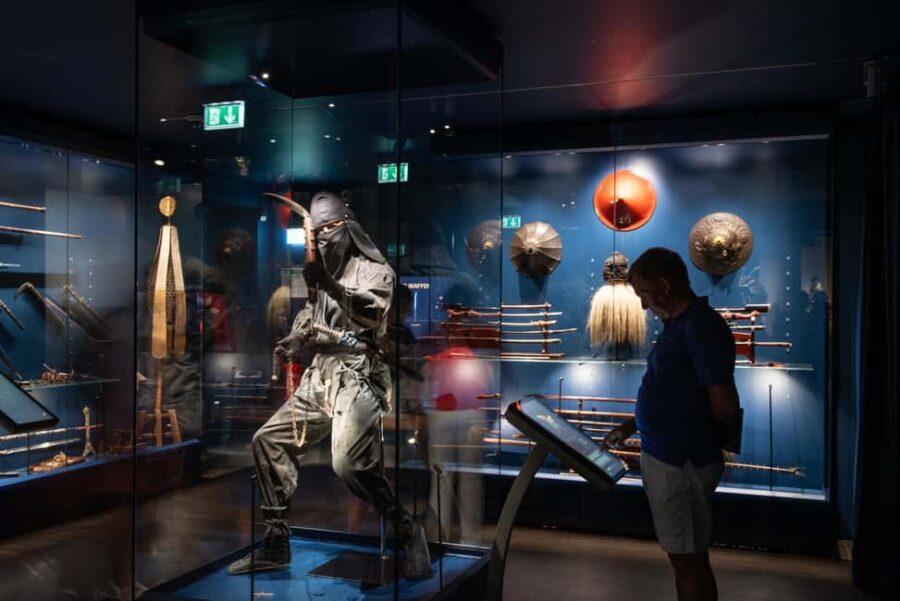
Two experiences here do real work for your visit: the taiko drum moment and the tea ceremony space.
The taiko segment is described as a holographic drum performance. That’s a modern tool, but it’s not random. In a good museum moment, the tech supports the theme rather than replacing it. Here, you get a performance style event that fits the wider display about ritual and tradition.
Then comes the tea house area. The museum highlights a tea house and explains that you can get an insight into the processes of a centuries-old tea ceremony. Even if you’ve never attended a tea ritual before, the setup helps you understand that it’s not only about the drink. It’s about steps, timing, and attention.
If you like variety in a single visit, these two moments give you contrast. One leans rhythmic and dramatic. The other is quieter and detailed.
Nō theatre and the Berlin tea house: why the setting matters
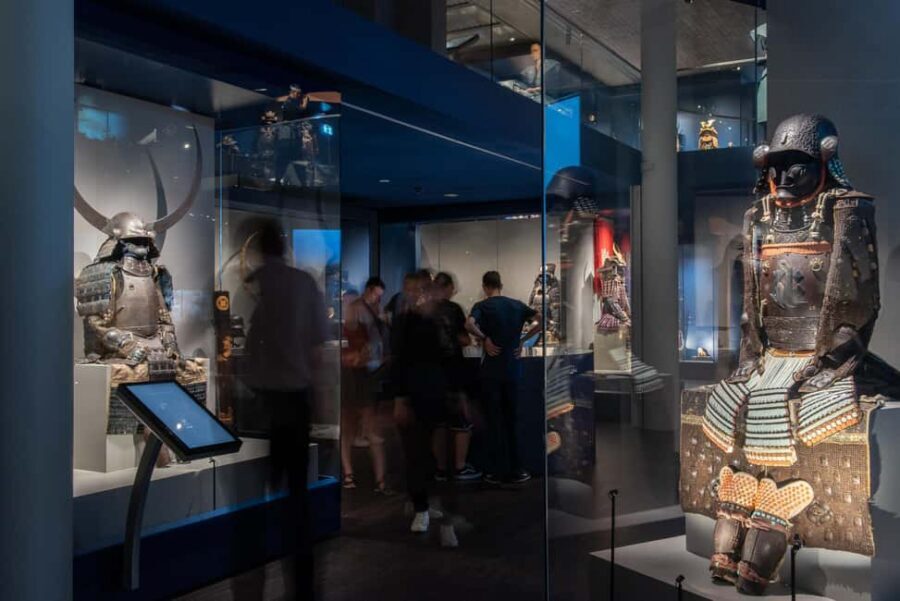
This museum doesn’t just talk about Japanese performance and ceremony. It uses physical spaces that were built with traditional materials and techniques in Japan and then erected in Berlin.
The Nō theatre and the tea house are specifically called out for this reason. When you’re inside, the environment helps explain the culture behind the displays. A label can tell you something. A room built for a purpose teaches you more quickly—especially about posture, movement, and how attention is guided.
The museum also uses realistic projections in these spaces. Projections can be cheesy if they’re just for effect. Here, they’re tied to the cultural influence of samurai traditions on Japan’s lasting practices, so the tech feels like part of the story.
I like this part because it turns the museum into a mini time machine without needing long travel.
You can also read our reviews of more museum experiences in Berlin




Ninja techniques, sword blades, and the fun game side with Kitsune and Yōkai
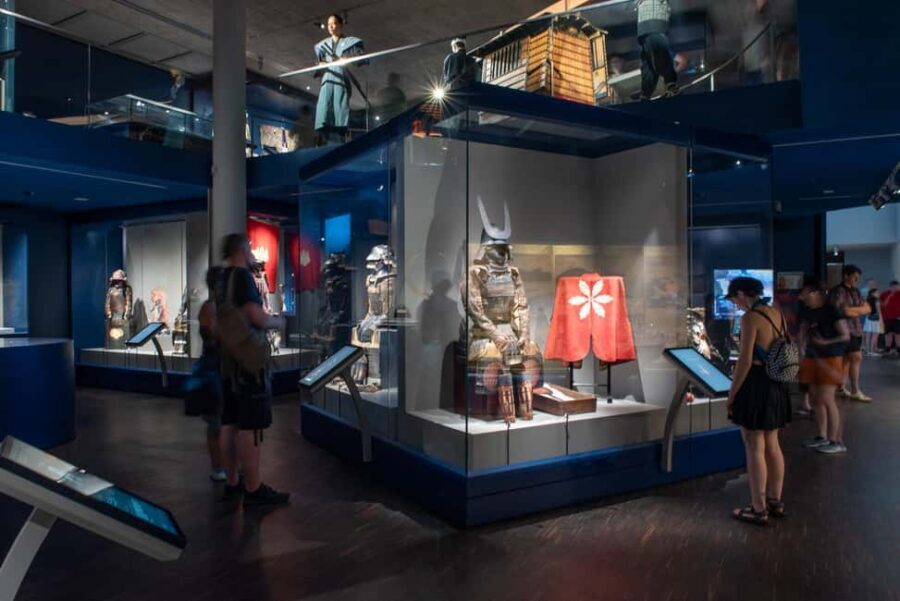
Not every museum takes playful learning seriously. This one does. You’ll find installations tied to:
- learning ninja techniques
- exploring the production of legendary sword blades
These are the “how did they make and use it” themes. If you’re the type who likes crafts and process, you’ll get more from this than you might in a museum that only shows finished results.
Then there are the story-driven challenges:
- riddles featuring the fox character Kitsune
- a game called Yokaigame where the question is who is fastest
These elements are short bursts of interactive fun. They also work as a memory device. After you see the armor and swords, these puzzles help you connect names and themes, so your visit sticks longer than a quick walk-through.
If you’re traveling with friends who usually rush museums, this is the section that can slow them down—in a good way.
The Peter Janssen Collection: the main reason to come (and what you’ll notice)
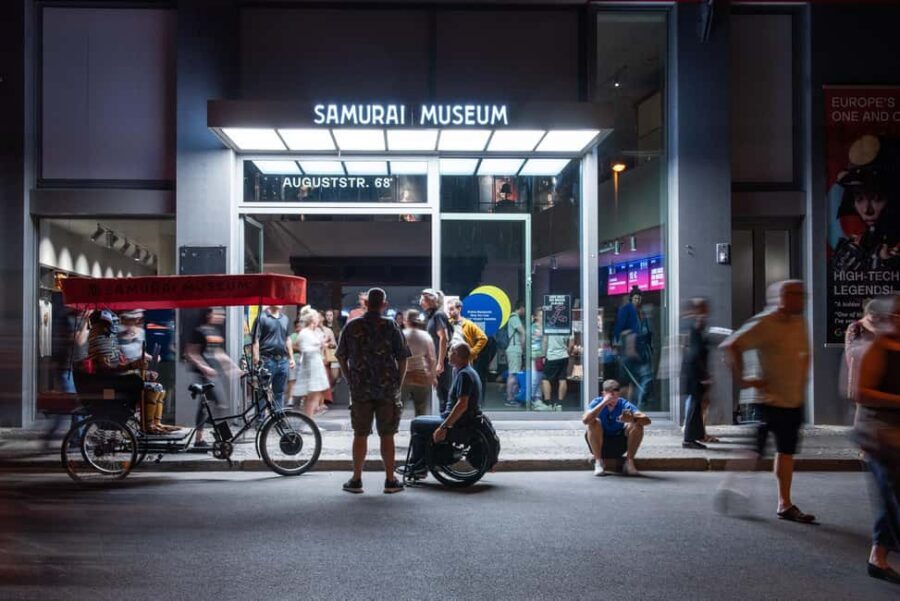
The Peter Janssen Collection is the heavyweight. The museum describes it as one of the world’s largest private collections of samurai culture, with more than 4,000 objects.
It started with a find at a flea market in Berlin and grew into something that stands apart for quality, variety, and scope. That origin story matters because it makes the collection feel human, not just institutional.
What you’re looking at spans a huge timeline:
- from the late Kofun period
- into the early Meiji period
That’s roughly 6th to 19th centuries in the museum’s description.
Key highlights listed include:
- an 18th-century palanquin
- a 17th-century armour linked to the Matsudaira clan
- tea utensils from the time of Sen no Rikyū (1522–1591)
This is where the visit becomes more than entertainment. When you see related objects across centuries—armor, tools, and ceremonial items—you start to see Japanese culture as connected rather than separated into neat boxes.
Practical tip: when you reach the bigger-name highlight objects, spend extra time. In collections like this, the small details (construction, wear, craftsmanship) are often where the appreciation grows.
Practical rules: what you can bring, and how to plan your visit
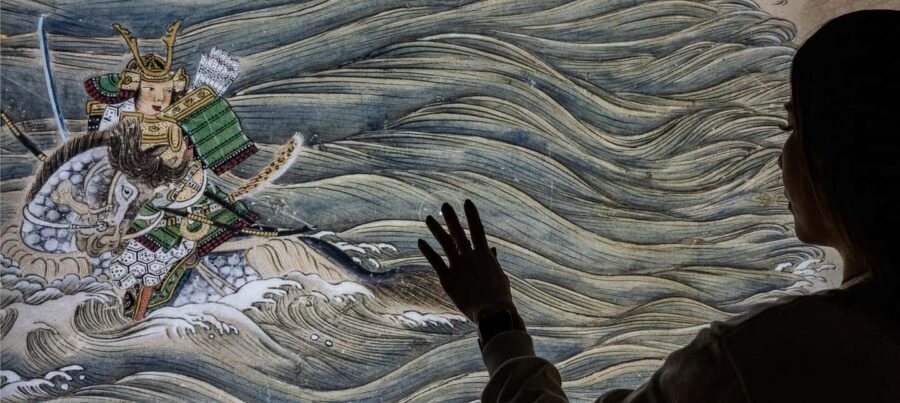
The museum has clear rules. From the info provided:
- No pets
- No food and drinks
- No luggage or large bags
So I’d pack like you’re visiting a museum, not a day at a theme park. Bring a small bag you can comfortably carry. If you’re also doing other Mitte sights afterward, plan to store larger items elsewhere before heading in.
Also note the age guidance: it’s not suitable for children under 10. Older kids who like puzzles, costume-like armor, or hands-on tech will likely enjoy it more.
The good news is that the museum is wheelchair accessible, so mobility should not be a barrier for most visitors.
How long to go, and who this suits best
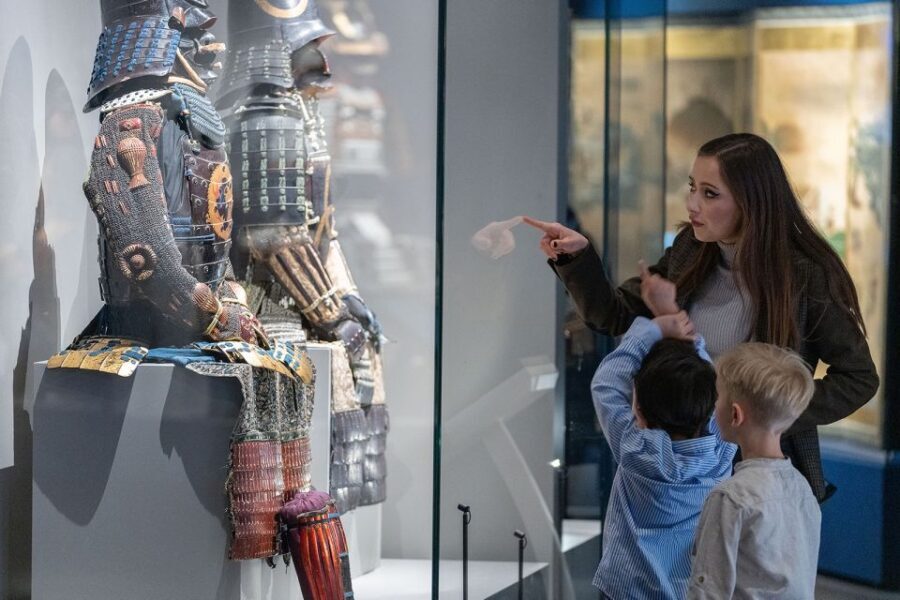
The ticket is valid for 1–14 days, which tells me the museum is designed for flexible scheduling. You’re not locked into a single minute-by-minute plan like some timed shows. You pick a time, then you make the visit your own.
How long should you expect? The data doesn’t specify a fixed visit duration. But based on the number of interactive pieces mentioned—taiko performance, tea house, Nō theatre projections, ninja and sword production stations, plus the Kitsune and Yokaigame activities—you’ll want at least a solid block of time, not a rushed stop.
This place is a good match if you:
- like museums where you do something, not just look
- want Japanese history without traveling across the world
- enjoy a blend of serious artifacts and guided entertainment
It may be a less ideal match if you only want quiet, traditional gallery wandering, because the museum leans toward interactive installations.
Should you book Samurai Museum Berlin?
If you’re in Berlin and want a museum visit that mixes real collections with hands-on learning, I’d book this. The value at $15 is strong for what you get: performance-style moments, a tea ceremony setting, interactive challenges, and the big anchor of the Peter Janssen Collection.
I’d especially book it if your itinerary includes Mitte and you like practical planning. The location near Alexanderplatz and Museum Island reduces travel friction, and the flexible ticket format means you can adapt to weather or schedule.
One final check before you go: make sure your group fits the rules and age guidance—no pets, no outside food, no large luggage, and not for kids under 10.
If that matches your situation, this is one of the more interesting ways to spend a Berlin afternoon and actually learn something while having fun.
FAQ
Where is the Samurai Museum Berlin located?
It’s in Berlin-Mitte on Auguststraße. It’s near major sights around Alexanderplatz and Museum Island, and you can reach it easily by public transport.
What’s the public transport access near the museum?
Use the U-Bahn stations U6 Oranienburger Tor or U8 Rosenthaler Platz. You can also use the S-Bahn at Oranienburger Straße (S1, S2, S25, S26), trams M1 and M5 at Oranienburger Straße or M8 at Rosenthaler Platz, plus buses 142 and M41 at the nearby stops listed.
How much is the admission ticket?
The price is listed as $15 per person.
How long is the ticket valid?
The ticket is valid for 1 to 14 days. Choose your starting time based on availability.
What’s included in the ticket price?
The admission ticket includes entry to the museum. An exhibition catalog is not included.
What are the main things to see and do inside?
Expect highlights like taiko drum performance, a tea ceremony, interactive experiences with riddles involving Kitsune, a game called Yokaigame, and displays and learning areas related to ninjas, swords, and samurai armor and masks. There are also Nō theatre and tea house spaces with projections.
Is the museum suitable for families, and can I bring food or pets?
It is not suitable for children under 10. Pets are not allowed, and you also can’t bring food and drinks. Large bags or luggage are not allowed either.
Can I skip the ticket line, and is it wheelchair accessible?
Yes, the ticket includes skipping the ticket line. The museum is also wheelchair accessible.