REVIEW · NUREMBERG
PRIVATE Nuremberg Old Town Walking Tour
Book on Viator →Operated by Nuremberg Tours in English Specializing in PRIVATE Tours · Bookable on Viator
Nuremberg clicks fast when you have a private guide. This 3-hour Old Town walking tour (English) takes you through the Altstadt highlights, from the Frauentorturm area toward the castle, with stops like St. Lawrence Church and the Main Market Square. You also get a mobile ticket and a guide who can keep the story focused on what you care about.
One thing to plan for: you will be walking a fair amount in a compact historic core, and the route climbs toward the castle zone. If your mobility is limited or you hate uneven cobblestones, consider a slower pace or make sure you bring good shoes—3 hours can feel longer on day that includes lots of other exploring.
In This Review
- Key things that make this tour worth your time
- Starting at Le Méridien Grand Hotel: a clean 10:00 am meetup
- From Frauentorturm toward the castle: how the Old Town route works
- St. Lawrence Church and the medieval anchors you’ll remember
- Main Market Square and the Beautiful Fountain: commerce, power, and street life
- Kettensteg to Tanners’ Alley: seeing guild life in the street plan
- Church of St. Sebald and St. Sebald’s role in the Old Town story
- Tiergärtnertorplatz and Albrecht Dürer Haus: finishing near the New City Hall
- Why the private guide feels like real value (especially with mixed interests)
- Price and value: what $237.69 per person gets you
- How to get more out of your 3-hour Nuremberg walk
- Should you book the Private Nuremberg Old Town Walking Tour?
- FAQ
- What time does the Private Nuremberg Old Town Walking Tour start?
- Where is the meeting point for the tour?
- Where does the tour end?
- How long is the walking tour?
- Is this a private tour?
- What language is the tour offered in?
- Is there a cancellation deadline for a full refund?
Key things that make this tour worth your time
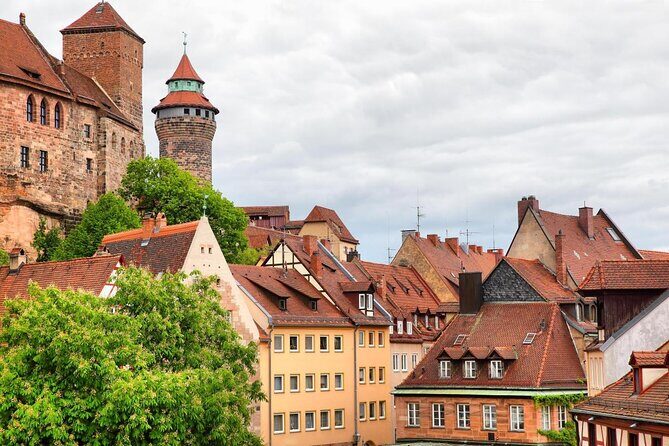
- Private by design: only your group joins, so questions and detours actually happen.
- High-impact sights in one loop: St. Lawrence Church, St. Sebald Church, and the Main Market Square are built into the day plan.
- Old Town layout made simple: you walk the connections between medieval landmarks instead of bouncing around on your own.
- Market-and-guild details on the route: bridges, craft alleys, and market buildings show you how the city functioned.
- Ends right where you want to be: you finish near Hauptmarkt / the New City Hall area, ideal for a meal right after.
Starting at Le Méridien Grand Hotel: a clean 10:00 am meetup
The tour kicks off at Le Méridien Grand Hotel Nuremberg (Bahnhofstraße 1–3). Starting at a major hotel is practical: it’s easy to spot, and it usually means fewer navigation headaches than meeting at a random side street. The tour also notes it’s near public transportation, which matters in Nuremberg, where trams and buses can save you time compared with playing taxi tag.
You’ll start at 10:00 am, and the experience is designed as a short, efficient city overview. That timing is especially helpful if you want your afternoon free for shopping, a café break, or adding a museum stop. Plus, because it’s private, you’re not stuck with the slowest person in the group deciding the pace.
Finally, you get a mobile ticket, so you’re not hunting for paper confirmations right before you meet your guide. Small thing, but it prevents that last-minute stress spiral.
You can also read our reviews of more walking tours in Nuremberg



From Frauentorturm toward the castle: how the Old Town route works
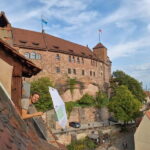
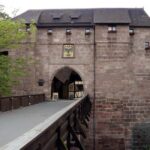
This walk begins at the Frauentorturm area and then moves through the Altstadt toward the castle zone via the Mauthalle corridor. For first-time visitors, that direction is smart. Starting at one end of the historic core and working toward the heights helps you build a mental map fast—where the power sat, where the trading happened, and how the city’s main “spines” connect.
Along the way, you’ll pass through key medieval waypoints that are easy to miss if you’re just scanning facades. The tour isn’t just about naming buildings; it’s about connecting what you see to how Nuremberg grew.
Practical note: because the itinerary includes the castle approach, you should plan on a little uphill walking. The tour states that most travelers can participate, but your comfort will depend on footwear and stamina. If you’re deciding between a quick look vs. a guided explanation, this one is built for the guided side.
St. Lawrence Church and the medieval anchors you’ll remember
A highlight stop is St. Lawrence Church, one of the best-known anchors in the historic core. Even if you’ve seen churches before, your guide’s job here is to help you notice the “why” behind the structure—how it fits into the city’s development and what makes it stand out.
The route also passes by spots that give you a feel for the city’s civic and social life, including:
- Nassauerhaus
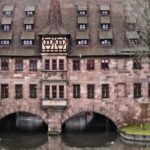
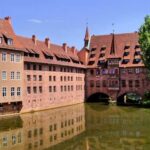
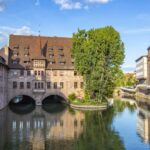
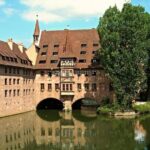
- Heilig-Geist-Spital
- Chapel of Our Lady
These aren’t just random street stops. On a good Old Town walk, each one acts like a puzzle piece. The spital (charitable hospital) and chapel areas help you understand that Nuremberg wasn’t only trade and government. It also had religious institutions and community support systems embedded in daily life.
If you like history, but you don’t want a lecture, a private format helps. Your guide can hit the key story beats without drowning you in dates. And if you want comparisons—how things changed over time, including the city’s later chapters—the tour’s structure makes it easier for the guide to steer the conversation.
Main Market Square and the Beautiful Fountain: commerce, power, and street life
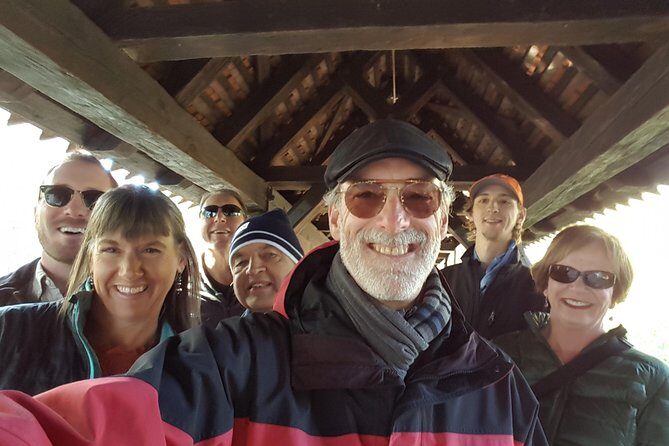
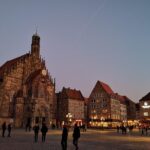
Then you hit the heart of Nuremberg: Main Market Square (Hauptmarkt Nürnberg), with major landmarks like the Beautiful Fountain. This is where guided walking pays off. On your own, you might enjoy the architecture. With a guide, you learn what the space was for and why it became the city’s natural meeting point.
From there, the tour includes key nearby stops that help explain the city’s working rhythm:
- Fleischbrücke (the bridge where trade activity is tied to the Old Town layout)
- Unschlitthaus
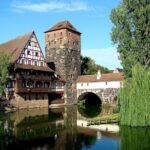
- Weinstadel
These names matter because they point toward trades and functions. When you can connect a building or bridge to the idea of commerce, it stops being a photo stop and turns into a story. That’s the kind of detail that sticks.
Another smart inclusion is Kettensteg and the lead-up toward craft streets. The goal is to show you how people moved around the city—where crossings mattered, where traffic clustered, and where certain trades likely concentrated.
Kettensteg to Tanners’ Alley: seeing guild life in the street plan
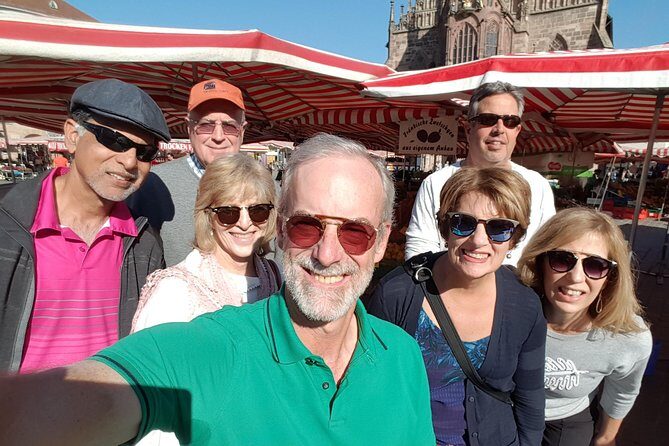
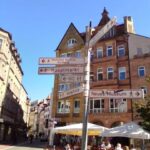
As you keep walking through the Old Town, you’ll reach Tanners’ Alley (Tanners’ Alley / Gerber area). The name alone is a clue: this is one of those places where the Old Town’s organization reflects occupations and city needs.
Even if you don’t know the medieval economy, your guide can explain how craft districts shaped daily life, and how the Old Town’s street pattern preserved that logic over time. It’s the difference between looking at a narrow lane and actually understanding why it exists.
Along the same stretch, you’ll also pass Weinstadel, which ties into Nuremberg’s trading and storage story. These are the kinds of “in-between” stops that make the walk feel like a single connected tour rather than a sequence of disconnected sights.
You can also read our reviews of more private tours in Nuremberg


Church of St. Sebald and St. Sebald’s role in the Old Town story
Another anchor on the route is the Church of St. Sebald. Like St. Lawrence, this isn’t only about architecture. It’s about positioning: which areas gathered attention, where religious power showed up, and how the church linked to the city’s identity.
If you’re the type who likes to ask questions, this is a great tour for that. You’ll be standing in front of recognizable landmarks, so you can point and ask what to look for: styles, symbolism, and how the surrounding streets connect back to the city’s growth.
The Old Town format also gives you a useful pacing trick. You’re not cramming everything into one museum. You’re moving, which helps you absorb the logic of the city.
Tiergärtnertorplatz and Albrecht Dürer Haus: finishing near the New City Hall
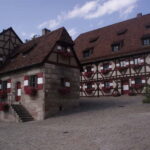
Near the end, you’ll reach Tiergärtnertorplatz, which is tied to the Albrecht Dürer Haus area, before heading up toward the castle zone. This is one of those moments when the tour earns its “Old Town walking” label. You’re not just walking between buildings; you’re moving through the levels of the city, from main areas up toward the defensive and prominent zones.
After that, the tour ends in front of the New City Hall area. Ending at Hauptmarkt is a gift. It puts you in the center of the action for the next step of your day: lunch, coffee, or a quick self-guided loop to anything you want to see again without rushing.
Because you finish where you can easily continue on your own, you get flexibility. If you want photos, shopping, or a relaxed wander, you don’t have to immediately re-plan transportation.
Why the private guide feels like real value (especially with mixed interests)
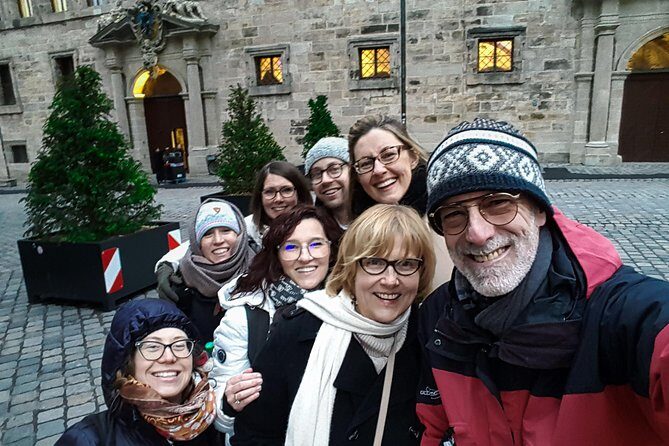
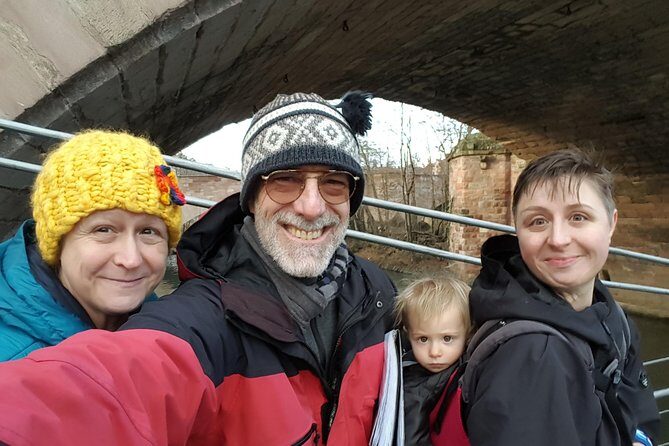
The biggest advantage here is the private format. You’re not adjusting your pace to a group. Your guide can keep everyone involved, and they can tailor the story to your interests.
One guide name you’ll hear tied to these tours is Kevin. Based on how he works with different group styles, he’s good at adjusting on the fly so younger and older travelers stay engaged. He also tends to answer questions well, including follow-ups after the tour. That matters more than people think. A good guide doesn’t just “show up and move you along.” They help you leave with a clearer understanding.
You can also shape the theme a bit. The Old Town can be presented as medieval Nuremberg with some context from later eras, and the tone can focus on understanding the city rather than turning the day into a single-topic history trip. If you’ve already seen other Nuremberg sites linked to WWII, this kind of approach is a smart contrast.
Price and value: what $237.69 per person gets you
At $237.69 per person, this is not a cheap walking tour. So I look at it this way: you’re paying for a private English guide for about 3 hours, with a structured route that hits major sights and helps you connect them into one story.
A few details make that price feel more reasonable:
- It’s private, so you’re not splitting costs across strangers.
- There are group discounts, which can change the math if you’re traveling with friends or family.
- The tour notes admission ticket is free, which suggests you’re not paying separately for entries just to follow the main route.
- You get a lot of high-recognition stops in a single morning or early afternoon block, including church landmarks and the market core.
So when does it feel worth it? If you want maximum understanding per hour and you’d rather pay for one strong guided walk than spend the same time zigzagging alone and still feeling like you missed the point. If you enjoy reading guidebooks and museum labels, you might do fine on your own. But if you want the city explained while you walk, this format is built for that.
How to get more out of your 3-hour Nuremberg walk
You’ll enjoy this more if you show up ready to walk and ready to ask questions. A few practical tips:
- Bring comfortable shoes. The route covers multiple historic streets and includes an uphill approach toward the castle zone.
- Use the meeting time well. Starting at 10:00 am means you can time lunch afterward, especially since you finish near Hauptmarkt / the New City Hall.
- Come with one theme. For example: medieval Nuremberg, everyday life in the Old Town, or how the city changed through the 20th century. A private guide can tailor the emphasis.
- Take photos, but also look around. Bridges, alleys, and market buildings can look similar in photos. Your guide’s cues help you spot what makes each stop different.
If you plan the rest of the day loosely, this tour becomes the backbone. Everything you see afterward will feel easier to place.
Should you book the Private Nuremberg Old Town Walking Tour?
Book it if you want a high-signal Old Town overview with a private English guide, and you like learning why the streets and buildings matter. It’s especially good if you’re visiting for the first time and want to hit big-name anchors like St. Lawrence Church and St. Sebald Church without spending your whole day figuring out logistics.
Skip it or swap plans if you’re on a day where you don’t want to walk much, or if you’re chasing only one narrow type of history and prefer a museum-style experience. Also, because it’s private and priced per person, it’s best when you have enough people to make the math work for your group.
If you’re trying to understand Nuremberg beyond a checklist, this tour’s focus on connected landmarks and guided context is exactly the kind of travel move that pays off later when the city keeps making sense.
FAQ
What time does the Private Nuremberg Old Town Walking Tour start?
It starts at 10:00 am.
Where is the meeting point for the tour?
The tour meets at Le Méridien Grand Hotel Nuremberg, Bahnhofstraße 1–3, 90402 Nürnberg, Germany.
Where does the tour end?
It ends at Hauptmarkt Nürnberg, 90403 Nürnberg, Germany, finishing in front of the New City Hall area.
How long is the walking tour?
The tour lasts about 3 hours.
Is this a private tour?
Yes. It’s a private tour/activity, so only your group participates.
What language is the tour offered in?
The tour is offered in English.
Is there a cancellation deadline for a full refund?
Yes. You can cancel up to 24 hours in advance of the experience start time for a full refund.